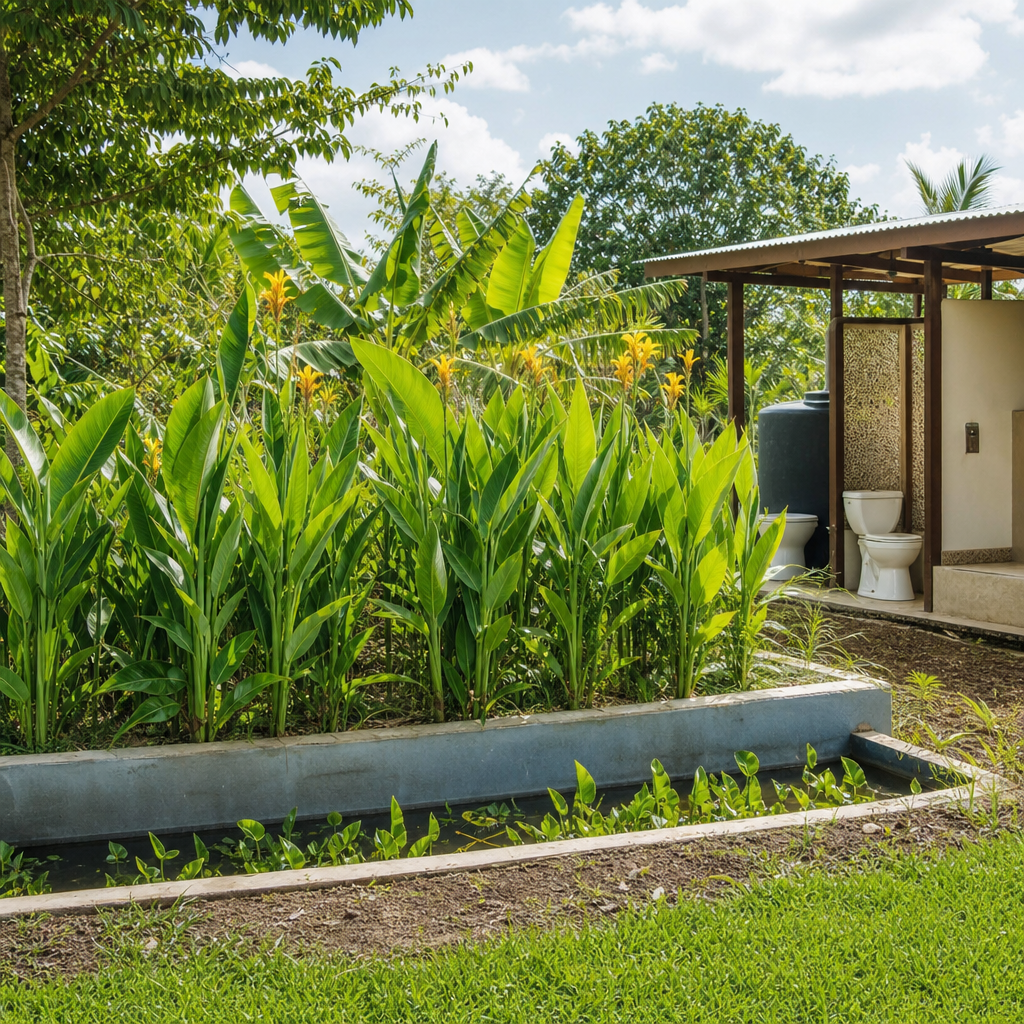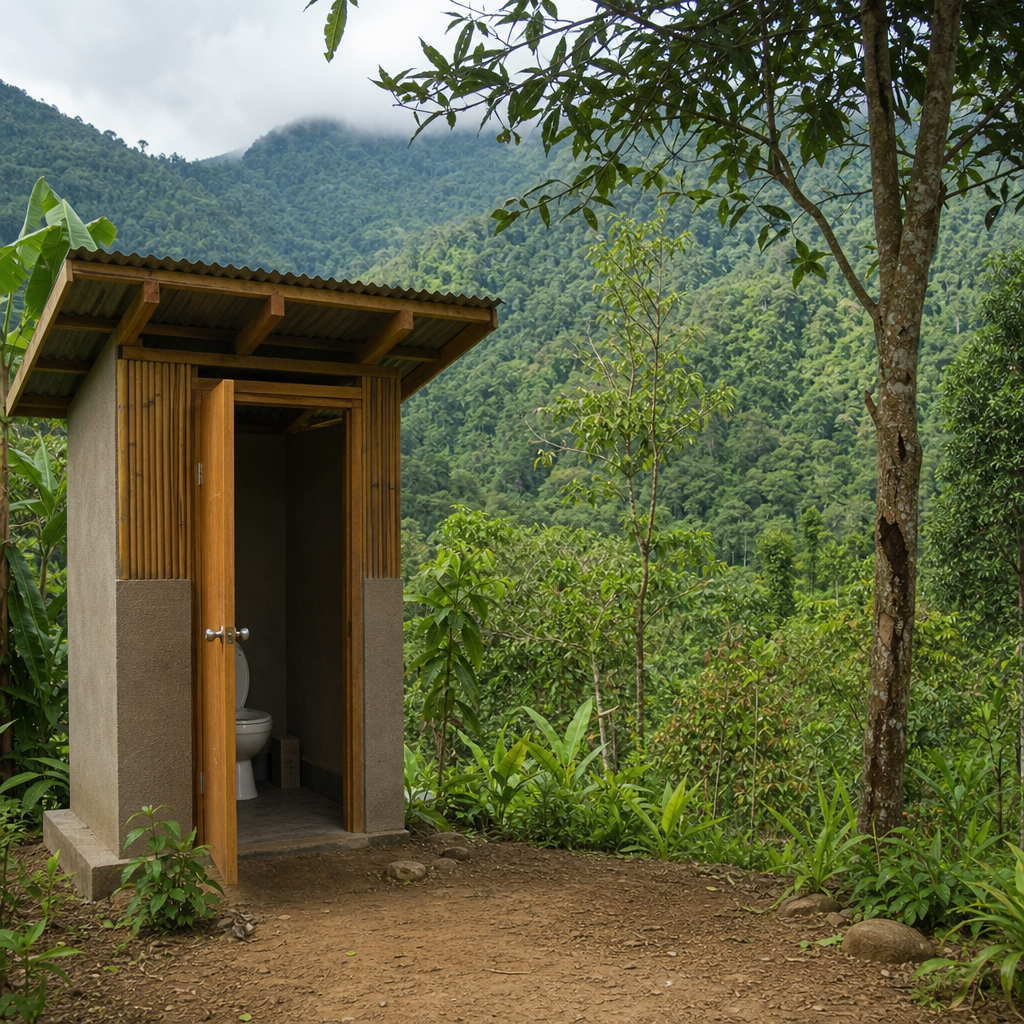
EcoSan and forest preservation are closely linked because sanitation systems shape how communities use land, water, energy, and biological resources over decades. EcoSan, short for ecological sanitation, is an approach that treats human excreta as a resource rather than waste, aiming to safely recover nutrients, conserve water, and reduce pollution. Forest preservation means protecting existing forests from degradation, fragmentation, and conversion while lowering pressures that drive logging, fuelwood demand, and agricultural expansion. When these ideas are considered together, the connection becomes practical: better sanitation can reduce contamination of soils and waterways, lower dependence on centralized infrastructure, cut demand for wood-intensive treatment practices, and return nutrients to farmland so farmers do not need to clear new land as quickly. I have seen this relationship most clearly in rural and peri-urban projects where a toilet design decision affected fertilizer costs, groundwater quality, and the need to harvest biomass for pit emptying, composting, or fuel. This hub article explains how EcoSan and the environment intersect, why forests belong in that discussion, and what decision-makers should evaluate when choosing systems that are both hygienic and ecologically sound.
How EcoSan reduces environmental pressure at the source
The central environmental benefit of EcoSan is source control. Conventional sanitation often mixes urine, feces, flush water, greywater, and sometimes stormwater into one waste stream. Once mixed, treatment becomes harder, more expensive, and more energy intensive. Ecological sanitation separates materials early, usually through urine-diverting dry toilets, dehydrating toilets, or systems that compost or sanitize excreta on site. That separation matters because urine contains most of the nitrogen and a large share of the phosphorus and potassium excreted by humans, while feces contain most pathogens and organic matter. By collecting each stream differently, EcoSan can recover plant nutrients with less processing and fewer losses to rivers and aquifers.
This is not a minor technical distinction. Untreated or poorly treated sanitation flows contribute to eutrophication, algal blooms, and oxygen depletion in lakes and coastal waters. They also contaminate shallow groundwater that many rural households rely on for drinking. In forest-edge settlements, those impacts spread beyond villages. Nutrient and pathogen pollution can move into wetlands, riparian buffers, and downstream watersheds that support biodiversity. By preventing leakage at the household or neighborhood level, EcoSan reduces diffuse pollution before it reaches fragile ecosystems. The environmental logic is straightforward: avoid mixing, capture nutrients, sanitize safely, and return value to soil rather than pushing waste into water.
Why forest preservation belongs in sanitation planning
Forest loss is often discussed in terms of agriculture, roads, mining, and timber extraction, but sanitation choices also influence the same landscape pressures. Poor sanitation can accelerate forest degradation indirectly. When soils near homes become contaminated and crop productivity falls, households may expand cultivation into marginal land. When water sources are polluted, communities may rely on more distant springs or forest catchments, increasing disturbance in protected areas. When treatment systems require imported energy, long pipe networks, or high volumes of water, municipalities often struggle to maintain them, leading to discharge failures that harm surrounding ecosystems.
EcoSan and forest preservation connect through resource efficiency. Dry or low-water systems reduce demand for freshwater abstraction from forest-fed watersheds. Nutrient recovery reduces synthetic fertilizer dependence; that matters because fertilizer production is energy intensive and expensive for smallholders, and nutrient scarcity can push farmers to clear additional land to maintain yields. In several East African and South Asian case studies, ecological sanitation programs were paired with agroforestry or soil restoration efforts because households valued composted organic matter and sanitized urine as farm inputs. The sanitation intervention alone did not save forests, but it reduced one of the pressures that drives frontier expansion: declining productivity on already cleared land.
Water conservation, watershed health, and habitat protection
One of the strongest environmental arguments for EcoSan is water conservation. Flush toilets can use several liters per use, and in many settlements that water must be pumped, treated, or transported at significant environmental cost. In water-stressed regions, every liter used for conveyance is water unavailable for households, ecosystems, or food production. EcoSan systems that operate dry, or nearly dry, break that dependency. They are especially valuable in upland communities where water is scarce seasonally and where streams support downstream forests, fisheries, and wetlands.
Water savings also have a second-order forest benefit. Healthy forest watersheds regulate flow, reduce erosion, and improve infiltration, but they are vulnerable when demand exceeds local supply. Expanding reservoirs, pipelines, and service roads into forest zones can fragment habitat. Sanitation that needs less water reduces pressure for that infrastructure expansion. It also lowers wastewater volumes, which decreases the risk of overflow during storms. In practice, I have found that communities understand this quickly when planners explain the full cycle: less water into toilets means less sewage to manage, fewer leaks into streams, and lower stress on the catchment that supplies the village. That is a tangible environmental gain, not an abstract sustainability claim.
Nutrient recovery and the land-use effects of closing the loop
Ecological sanitation is built around nutrient recovery, and that is where its environmental relevance becomes broader than waste management. Human urine contains readily available nitrogen and potassium, while sanitized fecal matter can contribute phosphorus and organic carbon when processed correctly. Returning these nutrients to agriculture helps close a loop that modern sanitation usually breaks. Instead of extracting nutrients from soils, concentrating them in food, consuming them in cities, and discharging them into water, EcoSan redirects them back to productive land.
For forest preservation, the key issue is land-use intensity. When farms can maintain yields on existing plots through improved soil fertility, the pressure to clear adjacent woodland decreases. This is especially important in low-input farming systems where synthetic fertilizers are unaffordable or erratic in supply. The benefit should not be exaggerated: nutrient recovery from sanitation will not replace all agricultural inputs, and safe handling protocols are essential. Still, as part of an integrated soil management strategy that includes mulching, cover crops, and agroforestry, EcoSan can improve resilience and reduce expansion pressure.
| Environmental pathway | How EcoSan helps | Forest preservation relevance |
|---|---|---|
| Water use | Dry or low-water toilets reduce freshwater demand | Lowers stress on forest-fed watersheds and reduces need for new water infrastructure |
| Nutrient management | Urine and sanitized solids can be reused in farming | Supports yields on existing farmland, reducing pressure to clear new land |
| Pollution control | Source separation limits nutrient and pathogen leakage | Protects streams, wetlands, and riparian habitats near forests |
| Energy and materials | Less reliance on centralized treatment and pumping | Reduces infrastructure footprint and associated ecosystem disturbance |
Comparing EcoSan with conventional sanitation systems
EcoSan is not automatically superior in every context, but it performs differently in ways that matter environmentally. Conventional sewered systems can protect health very effectively when they are well funded, tightly operated, and connected to reliable treatment plants. In dense urban areas, they remain necessary. However, they require water, extensive pipe networks, pumping energy, and treatment capacity. Where these are absent or poorly maintained, sewage frequently bypasses treatment, with direct consequences for rivers and wetlands.
Pit latrines and septic systems are often cheaper initially, yet they carry familiar risks: groundwater contamination, overflow in high water table areas, and unmanaged sludge disposal. In forest fringe zones with shallow soils or seasonal flooding, those systems can leak into streams and springs quickly. EcoSan can offer a better fit because it is modular, decentralized, and designed for containment and recovery. The tradeoff is management discipline. Users must separate streams correctly, add cover material when required, respect storage times, and handle outputs safely. The environmental result depends on that behavior. Good design and training are therefore as important as hardware.
Public health, biodiversity, and climate co-benefits
Sanitation decisions should always begin with health protection, and EcoSan supports that goal when systems are properly designed, operated, and monitored. Safe storage, dehydration, composting, alkaline treatment, or other validated sanitation methods reduce pathogen risks before reuse. Standards from the World Health Organization and practical guidance from organizations such as the Sustainable Sanitation Alliance emphasize multiple barriers: toilet design, treatment time, protective equipment, crop restrictions where needed, and user education. These controls matter because environmental gains are meaningless if disease transmission increases.
When health safeguards are in place, biodiversity and climate benefits follow. Cleaner waterways support aquatic life and reduce stress on riparian ecosystems. Lower water and energy demand reduce emissions associated with pumping and treatment. Returning stabilized organic matter to soil can improve structure and moisture retention, which supports plant growth and drought resilience. Forest preservation also has climate implications because standing forests store carbon and regulate local rainfall patterns. EcoSan does not replace forest policy, protected area enforcement, or sustainable agriculture, but it reinforces them by reducing pollution and resource demand at the community level.
Implementation challenges and what successful programs do differently
The biggest mistake in ecological sanitation is treating it as a toilet installation project rather than a service system. Successful programs plan the full chain: user training, routine operation, safe emptying, treatment verification, reuse pathways, and long-term maintenance financing. Failed programs usually ignore one of those steps. I have seen urine-diverting toilets abandoned because the diversion pan clogged, because ash or dry cover material was unavailable, or because no one explained how long stored material needed to rest before agricultural use. Those are not flaws in the concept; they are failures in implementation.
Forest preservation goals also need local realism. If households do not have land for reuse, if agricultural markets reject crops fertilized with recovered nutrients, or if regulations prohibit reuse, then EcoSan must be paired with another management route. Climate, culture, housing density, and land tenure all matter. Arid regions often favor dry systems because water savings are substantial. Flood-prone regions may favor above-ground contained designs. Schools, parks, and remote facilities can benefit from decentralized models where sewer connections are impractical. The programs that last are the ones that match technology to context, use clear hygiene messaging, and measure outcomes such as groundwater quality, nutrient recovery rates, and user satisfaction.
How this environmental hub should guide further decisions
As a hub topic, EcoSan and the environment should be understood through a simple decision framework. First, ask what local environmental problem is most urgent: water scarcity, groundwater pollution, high fertilizer costs, sludge disposal, habitat degradation, or climate resilience. Second, evaluate which sanitation model addresses that problem without creating new health risks. Third, map the enabling conditions, including regulation, training capacity, supply chains, and demand for recovered products. This approach prevents the common error of selecting a system because it sounds sustainable rather than because it solves a defined environmental constraint.
It also helps connect sanitation planning to related environmental topics. Households comparing composting toilets, urine diversion, septic upgrades, or small-bore sewers need guidance on water use, nutrient capture, maintenance, and ecological impact. Municipal planners need links to watershed protection, circular economy strategies, sludge management, and decentralized treatment. Farmers need practical information on application rates, storage periods, and crop suitability. Forest managers need to understand that upstream sanitation affects sediment, nutrients, and pathogen loads in protected landscapes. A strong hub page ties these questions together so readers can move from broad principles to technical detail without losing the environmental context.
EcoSan and forest preservation belong in the same conversation because sanitation is never only about toilets. It is about water demand, nutrient cycles, land productivity, ecosystem health, and the long-term resilience of communities living near sensitive landscapes. Ecological sanitation offers a clear environmental advantage when it reduces freshwater use, prevents pollution, and recovers nutrients safely enough to support agriculture on land that is already cleared. Those gains can ease pressure on forests by improving watershed health and reducing the need for expansion driven by degraded soils or failing infrastructure.
The core lesson is practical. Choose sanitation systems based on local conditions, manage them as complete services, and evaluate results across health and environmental indicators at the same time. EcoSan works best where planners respect both the science and the daily realities of users. For readers exploring EcoSan and the environment as a broader topic, this hub should serve as the starting point: use it to compare systems, identify risks, and connect sanitation decisions to water conservation, circular nutrient use, and forest protection goals. If you are planning a project or researching options, begin by mapping your site’s water, soil, farming, and forest pressures before selecting the sanitation model.
Frequently Asked Questions
1. How does EcoSan help with forest preservation?
EcoSan supports forest preservation by changing the way sanitation systems interact with natural resources. Conventional sanitation often depends on large volumes of water, expensive infrastructure, and waste-disposal pathways that can pollute rivers, soils, and surrounding ecosystems. Ecological sanitation takes a different approach by safely separating, treating, and reusing human waste as a resource. This can reduce pressure on forests in several important ways.
First, EcoSan systems can lower demand for firewood and other biomass in some communities when sanitation is linked with composting, biogas production, or improved organic resource management. Second, by recovering nutrients from human excreta, EcoSan can reduce reliance on synthetic fertilizers, which are energy-intensive to produce and can indirectly contribute to land degradation and agricultural expansion. When soils become more fertile and productive, farmers may be less likely to clear additional forest land to maintain crop yields.
Third, EcoSan usually uses far less water than flush-based sanitation. That matters for forest preservation because healthy watersheds and forests are deeply connected. When communities reduce water extraction and prevent sewage contamination, they help protect streams, wetlands, and forest-edge habitats. Finally, EcoSan can improve local sanitation resilience in rural and peri-urban areas where poorly managed waste may otherwise lead to environmental degradation. Over time, better nutrient cycling, lower pollution, and reduced pressure on land and water resources can make EcoSan a practical part of broader forest conservation strategies.
2. Why is nutrient recovery in EcoSan important for reducing pressure on forests?
Nutrient recovery is one of the most important features of EcoSan because it turns sanitation into a circular system rather than a linear waste-disposal system. Human excreta contain valuable nutrients such as nitrogen, phosphorus, and potassium, all of which are essential for plant growth. In conventional systems, these nutrients are often flushed away, diluted, and lost, while communities then spend money on fertilizers to replace them. EcoSan aims to safely capture those nutrients and return them to productive use.
This matters for forests because nutrient-poor soils are one of the reasons agricultural land loses productivity over time. When yields drop, farmers may try to compensate by expanding cultivation into nearby woodland or forest areas. If nutrients are recovered and reused safely, soil fertility can improve, crop production can become more stable, and there is less incentive to clear new land. In that sense, nutrient recovery helps address one of the underlying drivers of deforestation: declining productivity on already cultivated land.
There is also a larger environmental benefit. Manufacturing synthetic fertilizers requires significant energy and resource inputs, and their misuse can pollute waterways and damage ecosystems. EcoSan does not eliminate the need for all external inputs in every context, but it can reduce dependence on them. By helping communities produce more with the land they already use, nutrient recovery contributes to land-use efficiency, watershed protection, and long-term forest preservation. The key is that reuse must always be done with proper treatment, storage, and health safeguards so that environmental gains do not come at the expense of public safety.
3. Can EcoSan reduce water pollution that harms forest ecosystems?
Yes, one of EcoSan’s strongest environmental advantages is its ability to reduce pollution entering soils, groundwater, rivers, and wetlands. Poorly managed sanitation can release pathogens, excess nutrients, and organic waste into the environment. When this happens near forested landscapes, the damage can extend far beyond human settlements. Polluted runoff and contaminated waterways can weaken riparian forests, disrupt aquatic habitats, reduce biodiversity, and alter the ecological balance that forests depend on.
EcoSan systems are designed to contain, treat, and safely reuse waste rather than simply transport it elsewhere. By separating urine and feces in some designs, minimizing dilution with water, and supporting controlled treatment processes, EcoSan can make sanitation more manageable at the local level. This reduces the chance that untreated sewage will overflow into streams or seep into sensitive habitats. In areas where forests help regulate water quality and water flow, preventing sanitation-related pollution is especially valuable.
Cleaner water also strengthens the social case for forest preservation. Communities are more likely to value and protect forested watersheds when those ecosystems clearly provide safe and reliable water supplies. EcoSan reinforces that relationship by reducing contamination loads and supporting a more integrated view of environmental health. In practical terms, it means sanitation is no longer treated as separate from conservation. Instead, it becomes part of a broader effort to protect watersheds, maintain biodiversity, and keep forest ecosystems functioning over the long term.
4. Is EcoSan suitable for rural and forest-adjacent communities?
In many cases, yes. EcoSan can be especially suitable for rural, remote, and forest-adjacent communities because it does not always require extensive sewer networks, continuous water supply, or high-energy treatment systems. In places where conventional sanitation infrastructure is too costly, difficult to maintain, or environmentally disruptive, EcoSan can provide a flexible and locally adapted alternative. This is important in forest-edge communities, where infrastructure development itself can sometimes contribute to land disturbance and habitat fragmentation.
Well-designed EcoSan systems can help communities manage sanitation close to the source, recover useful nutrients, and reduce contamination risks without putting additional pressure on surrounding ecosystems. They may be particularly relevant in areas facing seasonal water scarcity, fragile soils, or limited waste-collection services. By reducing dependence on centralized systems and promoting local resource recovery, EcoSan can support both environmental stewardship and public health.
That said, suitability depends on more than technology alone. Successful EcoSan programs require community acceptance, clear maintenance responsibilities, user training, safe handling practices, and ongoing monitoring. Cultural attitudes toward reuse, climate conditions, soil characteristics, and local regulations all matter. The most effective projects are usually those that combine technical design with education, governance, and long-term support. When these elements are in place, EcoSan can be a strong option for communities that want better sanitation while also protecting nearby forests and natural resources.
5. What are the biggest challenges in using EcoSan as part of forest preservation efforts?
The biggest challenge is that EcoSan is not a stand-alone conservation solution. It can support forest preservation, but only if it is implemented safely, accepted by users, and connected to broader land-use and environmental policies. One common challenge is social acceptance. Some people may be uncomfortable with the idea of reusing materials derived from human excreta, even when treatment methods are safe and scientifically sound. Without community trust, training, and clear public health messaging, adoption can be slow.
Another challenge is operational quality. EcoSan systems must be properly designed, maintained, and monitored to ensure pathogens are adequately reduced and nutrients are reused responsibly. If systems are neglected, poorly ventilated, incorrectly handled, or used without proper treatment protocols, they can create health risks and damage confidence in the entire approach. Financing can also be a barrier, especially for long-term maintenance, user support, and scaling programs beyond pilot projects.
There is also the policy challenge of integration. Forest preservation is influenced by agriculture, energy use, land tenure, poverty, infrastructure, and governance. EcoSan can reduce some of the environmental pressures that contribute to deforestation, but it cannot stop illegal logging, land speculation, or weak enforcement on its own. For the strongest results, EcoSan should be included in a wider strategy that promotes sustainable farming, watershed management, renewable energy, community land rights, and conservation planning. In other words, EcoSan works best when it is treated as one practical tool within a larger system of forest-friendly development.