Sustainable sanitation and habitat preservation are inseparable because the way communities manage human waste, wastewater, and nutrients directly shapes water quality, soil health, biodiversity, and climate resilience. In practical terms, sustainable sanitation means sanitation systems that protect public health while conserving water, recovering resources, reducing pollution, and operating reliably over time. Habitat preservation means maintaining the ecological conditions that allow wetlands, rivers, forests, grasslands, coastal zones, and urban green spaces to support native species and ecosystem functions. When these goals are planned together, sanitation becomes more than a public utility. It becomes a tool for environmental protection.
EcoSan, short for ecological sanitation, is central to that shift. I have worked with sanitation planning teams that compared sewer expansion, decentralized treatment, composting toilets, urine diversion, and fecal sludge management in places facing groundwater contamination and habitat loss. The pattern was consistent: conventional sanitation can move waste away from homes, but if treatment is weak or nutrients are discharged into sensitive ecosystems, the environmental burden simply moves downstream. EcoSan is different because it treats human excreta and wastewater as material flows that can be safely contained, treated, and reused. The objective is not disposal alone. The objective is closing nutrient loops, protecting watersheds, and lowering the ecological footprint of sanitation services.
This matters because sanitation failures are a major environmental driver. Untreated sewage contributes pathogens, nitrogen, phosphorus, pharmaceuticals, and organic matter to rivers and lakes. Excess nutrients fuel eutrophication, algal blooms, oxygen depletion, and fish kills. Leaking pits and poorly sited septic systems can contaminate aquifers and wetlands. High-water sewer systems strain supplies in drought-prone regions, while energy-intensive treatment adds greenhouse gas emissions if power comes from fossil fuels. As climate change increases floods, storms, heat, and water stress, sanitation systems that pollute or collapse under pressure can damage habitats precisely when ecosystems are already under strain.
As a hub within the broader Environmental Impact topic, this article explains EcoSan’s role in environmental protection across the full chain: source separation, containment, collection, treatment, reuse, and long-term ecosystem outcomes. It also connects sanitation choices to watershed protection, nutrient recovery, circular economy principles, biodiversity conservation, and climate adaptation. The core point is straightforward. Well-designed EcoSan systems can reduce pollution loads, recover valuable resources, and preserve habitats more effectively than waste-disposal models that ignore ecological limits. The details, however, matter enormously, because performance depends on design, operation, regulation, and user behavior.
How EcoSan Protects Water, Soil, and Sensitive Ecosystems
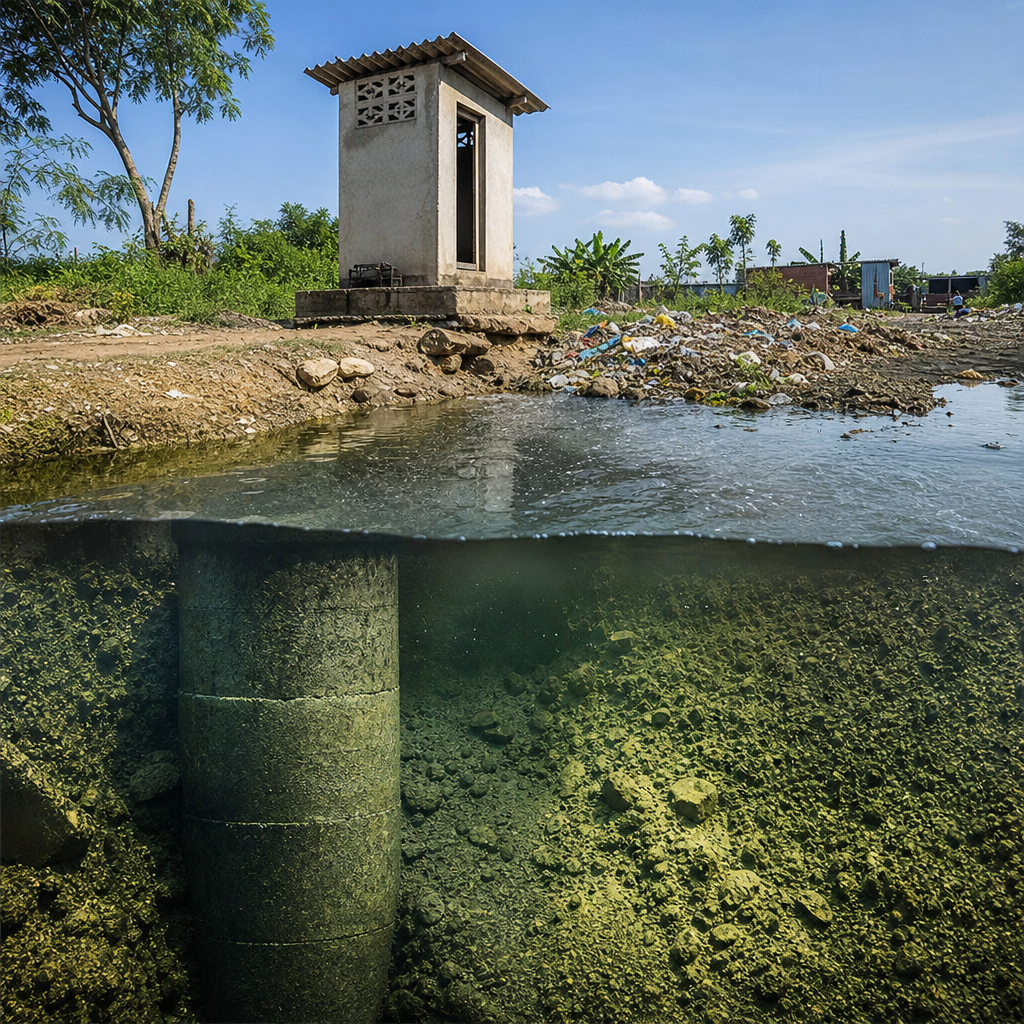
EcoSan protects the environment by interrupting the most damaging pathways through which sanitation harms ecosystems. The first pathway is direct discharge. When untreated or partially treated waste enters waterways, biochemical oxygen demand rises and dissolved oxygen falls, stressing aquatic life. Nutrient loading then accelerates plant and algal growth beyond natural levels. The second pathway is seepage. Poorly built pits, tanks, and drains can leach nitrates, pathogens, and salts into groundwater, especially in sandy soils, karst landscapes, floodplains, and areas with shallow water tables. The third pathway is over-extraction of resources, particularly freshwater and synthetic fertilizer inputs that sanitation systems can help offset through reuse.
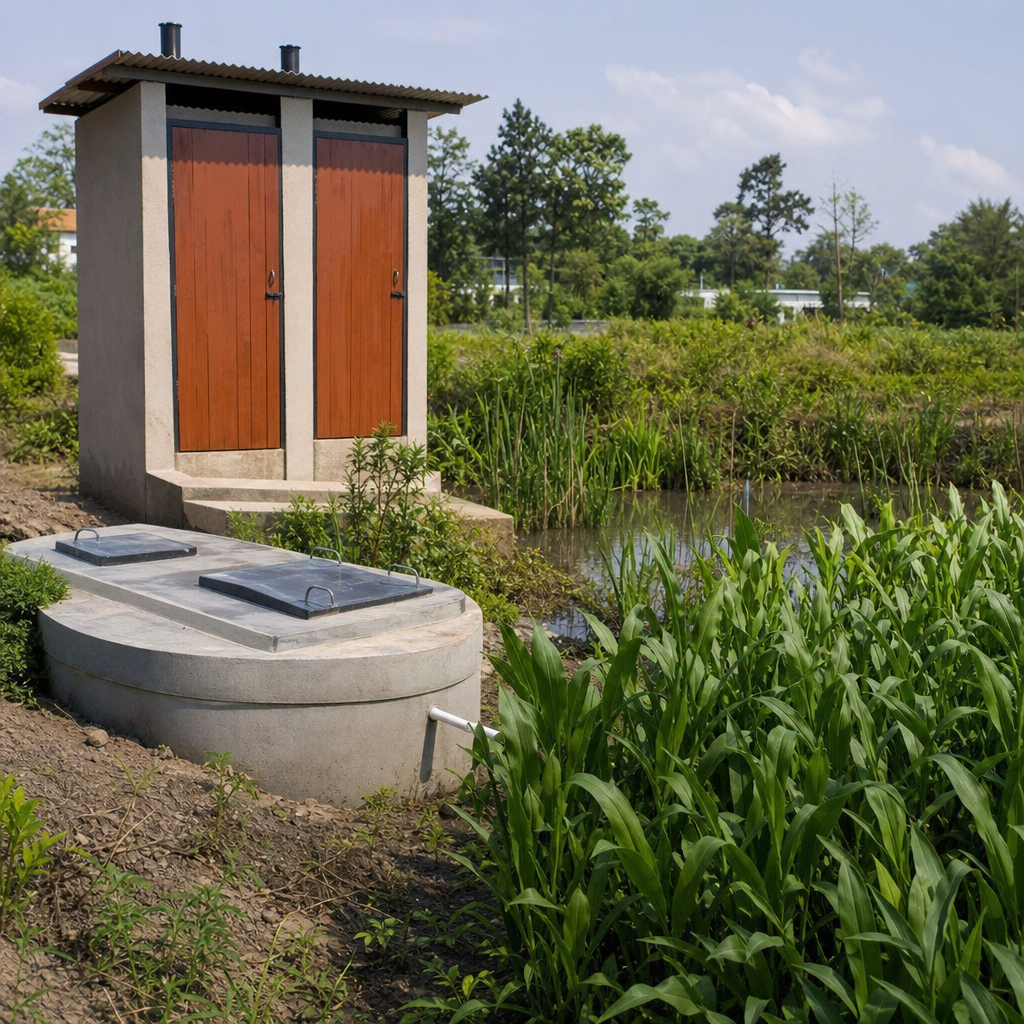
EcoSan addresses these pathways through system design. Urine-diverting dry toilets separate urine and feces at the source, which reduces pathogen mixing and makes nutrient recovery easier because urine contains most of the nitrogen and a significant share of phosphorus and potassium excreted by humans. Composting toilets stabilize fecal matter under managed conditions, reducing volume and pathogen risk when operated correctly. Decentralized wastewater treatment systems, such as constructed wetlands, anaerobic baffled reactors, and planted gravel filters, can polish effluent near the point of generation, lowering discharge loads before water reaches streams or wetlands. Fecal sludge treatment plants add another layer by safely treating material collected from on-site systems rather than dumping it untreated.
The environmental gains are concrete. In watershed terms, reducing nitrogen and phosphorus discharges protects lakes and estuaries from eutrophication. In soil terms, returning sanitized organic matter and nutrients to land can improve soil structure, water retention, and fertility, especially where soils are degraded. In habitat terms, cleaner inflows support healthier aquatic vegetation, invertebrates, fish spawning grounds, and bird populations. I have seen municipalities focus only on household toilet access, then discover that habitat damage persisted because sludge was still being emptied into drains or fields. EcoSan corrects that blind spot by treating the entire sanitation chain as part of environmental management.
Nutrient Recovery and the Circular Value of Human Waste
One of EcoSan’s strongest environmental contributions is nutrient recovery. Human excreta contain nitrogen, phosphorus, potassium, sulfur, and micronutrients that agriculture continuously removes from soils through harvest. Conventional sanitation commonly dilutes these nutrients in large volumes of water and then tries to remove them as pollutants. EcoSan instead asks a better question: how can nutrients be captured safely and reused productively? This matters because phosphorus is a finite mined resource, and synthetic nitrogen fertilizer is energy intensive to produce through the Haber-Bosch process. Recovering nutrients from sanitation reduces waste while easing pressure on mined and fossil-dependent inputs.
Urine diversion is especially important because urine is usually low in pathogens compared with feces and contains the majority of excreted nitrogen. After storage and proper handling according to risk-based guidelines, it can be used as a fertilizer in agriculture, forestry, or landscaping. Treated fecal compost or biosolids can add organic matter and slower-release nutrients to soils where regulations permit. In practice, safe reuse depends on barriers such as storage time, treatment temperature, pH, crop restrictions, application methods, and worker protection. The World Health Organization’s sanitation safety planning approach is useful here because it focuses on identifying hazards and controlling them systematically rather than assuming one treatment method fits all contexts.
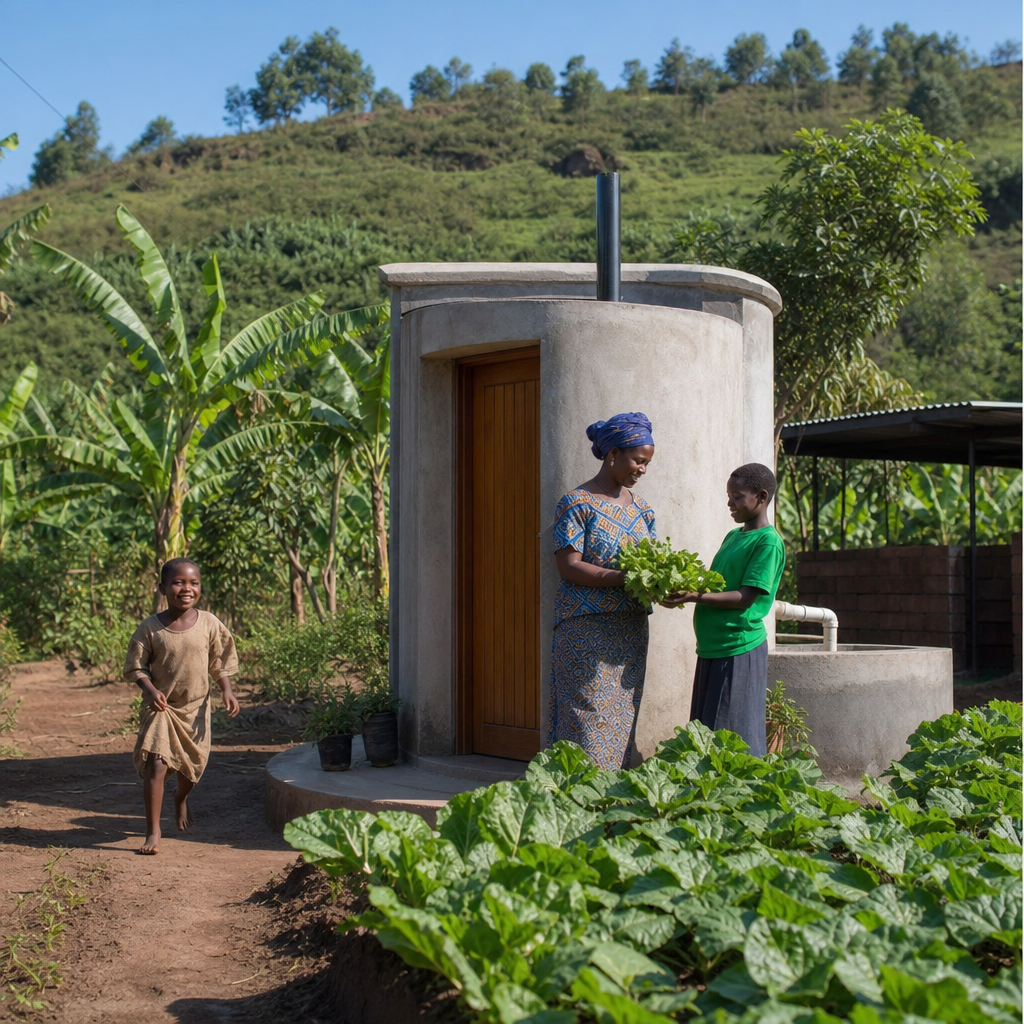
Resource recovery has habitat implications that are often overlooked. When communities substitute recovered nutrients for imported fertilizers, they can reduce nutrient runoff associated with overapplication of synthetic products, especially if application rates are based on agronomic need. Building soil organic matter also helps farmland hold water, reducing erosion and sediment loads that would otherwise smother aquatic habitats downstream. In peri-urban areas, I have seen treated urine and compost support tree planting and greenbelt restoration projects, linking sanitation with urban habitat improvement. The environmental value is not theoretical. It appears when recovered products replace virgin inputs and are managed under clear quality standards.
Comparing EcoSan Approaches Across Environmental Conditions
No single sanitation system is best everywhere. EcoSan’s environmental performance depends on climate, settlement density, soil type, water table depth, user acceptance, collection logistics, treatment reliability, and end-use markets for recovered resources. Dry systems can work well in water-scarce regions but may face acceptance barriers where users expect flush toilets. Decentralized wastewater treatment can reduce discharge loads and support local reuse, but it requires maintenance discipline and land area. Sewer networks can still play a role in dense urban centers, yet they must be paired with effective treatment and sludge management to avoid shifting pollution to receiving ecosystems.
| Approach | Best-fit conditions | Primary environmental benefit | Main limitation |
|---|---|---|---|
| Urine-diverting dry toilets | Water-scarce areas, off-grid sites, rocky terrain | Low water use and high nutrient recovery potential | User training and product handling requirements |
| Composting toilets | Low-density housing, parks, ecotourism facilities | On-site stabilization and reduced sludge transport | Performance depends on moisture and operation |
| Constructed wetlands | Institutions, small communities, peri-urban developments | Effluent polishing and habitat co-benefits | Land demand and variable treatment in poor designs |
| Fecal sludge treatment with reuse | Towns reliant on pits and septic tanks | Prevents indiscriminate dumping and enables resource recovery | Needs scheduled desludging and transport systems |
These tradeoffs are why environmental planning should start with landscape conditions, not technology preference. In flood-prone zones, raised or sealed containment may be essential to prevent overflow into wetlands and rivers. In dense informal settlements, container-based sanitation combined with professional collection can outperform poorly built pits that leak into drains. In protected catchments, stricter nutrient discharge targets may justify advanced treatment or stronger reuse controls. EcoSan succeeds when designers match the sanitation chain to local ecological risks and management capacity, then monitor outcomes rather than assuming installation alone delivers protection.
Habitat Preservation Through Watershed-Based Sanitation Planning
Habitat preservation improves when sanitation is planned at the watershed scale. Rivers, lakes, estuaries, marshes, and coastal ecosystems do not respond to property boundaries or administrative maps. They respond to cumulative pollutant loads, altered hydrology, sediment movement, and land use change. A single leaking toilet may have a limited effect, but thousands of failing systems across a basin can transform an ecosystem. That is why EcoSan should be integrated with catchment management, land-use planning, and water quality monitoring rather than treated as a stand-alone sanitation project.
Watershed-based planning starts by identifying sensitive receptors. These may include drinking water aquifers, shellfish waters, coral reefs, peatlands, Ramsar wetlands, urban streams, or spawning habitats for native fish. Next comes source mapping: sewer overflows, pit latrines in flood zones, failing septic systems, sludge dumping points, industrial discharges, and agricultural runoff hotspots. The sanitation response can then be targeted. For example, protecting a eutrophic lake may require aggressive phosphorus control and tighter sludge management. Protecting a karst aquifer may require lined containment, source separation, and setbacks from recharge zones. Protecting a mangrove estuary may require reducing both nutrient loads and plastic contamination from poor sanitation service chains.
Constructed wetlands illustrate both the promise and the caution of EcoSan in habitat work. Properly engineered systems can remove suspended solids, pathogens, and nutrients while creating green infrastructure benefits such as cooling, visual amenity, and habitat for certain species. However, they are treatment systems first, not substitutes for natural wetlands. Overloading them, using inappropriate plant species, or presenting them as untouched habitat can backfire. The lesson is simple: EcoSan can complement habitat preservation, but ecological claims must be grounded in hydraulic design, loading rates, maintenance plans, and biodiversity management.
Climate Resilience, Emissions, and Long-Term Environmental Performance
EcoSan also strengthens environmental protection by improving climate resilience and, in many cases, lowering emissions. Sanitation systems are vulnerable to floods, droughts, sea level rise, storm surge, and extreme heat. Flooded pits release pathogens and nutrients into surface waters. Drought can make flush-based systems impractical or force utilities to compete with households and ecosystems for scarce water. Rising groundwater tables and coastal salinity can undermine conventional on-site systems. EcoSan offers adaptive options because it includes low-water and dry technologies, decentralized treatment, modular collection, and local reuse pathways that are less dependent on large centralized infrastructure.
On emissions, the picture is nuanced. Poorly managed anaerobic conditions in pits, lagoons, and sludge can produce methane, while nitrogen-rich effluents and soils can generate nitrous oxide. Energy-intensive pumping and treatment increase carbon impacts where grids are fossil heavy. EcoSan can reduce these pressures by minimizing dilution, shortening transport distances, enabling biogas recovery in suitable systems, and substituting recovered nutrients for industrial fertilizer. Yet not every EcoSan option automatically has a lower footprint. Lifecycle assessment is the right tool because it accounts for construction, operation, energy, transport, emissions, and avoided products. In projects I have reviewed, the best environmental outcomes came from systems that paired resource recovery with disciplined operations, not from technology labels alone.
The main benefit is durability under changing conditions. A sanitation system that continues protecting water quality during floods, saves water during drought, and supports soil restoration after climate shocks does more for habitats than one that performs only in ideal weather. That long-term perspective is the real value of EcoSan.
EcoSan’s role in environmental protection is clear: it reduces pollution at the source, recovers nutrients and organic matter, supports watershed health, and helps preserve habitats under growing climate stress. The strongest systems do not treat sanitation as a narrow engineering task. They connect toilets, treatment, reuse, land management, and ecosystem protection into one practical framework. When that happens, communities gain cleaner water, healthier soils, lower resource demand, and more resilient landscapes.
The key takeaway for this Environmental Impact hub is that sustainable sanitation decisions should be judged by full-chain environmental outcomes, not only by whether waste leaves the household. Ask where nutrients go, how pathogens are controlled, what happens in floods, how much water the system uses, and whether recovered resources can safely replace virgin inputs. Those questions reveal whether a sanitation strategy protects habitats or quietly degrades them.
If you are planning, regulating, or upgrading sanitation services, start with the local ecosystem risks and build outward. Map sensitive waters, evaluate the sanitation chain, compare reuse opportunities, and choose designs that match real operating capacity. That is how EcoSan moves from concept to measurable environmental protection.
Frequently Asked Questions
What is the connection between sustainable sanitation and habitat preservation?
Sustainable sanitation and habitat preservation are closely linked because sanitation decisions directly affect the natural systems that support life. When wastewater, sewage, and excess nutrients are poorly managed, they can enter rivers, lakes, wetlands, estuaries, and groundwater, causing contamination, algal blooms, oxygen depletion, and long-term ecological damage. These impacts can reduce biodiversity, disrupt food webs, and weaken habitats that many species depend on for breeding, feeding, and shelter. In contrast, sanitation systems designed to safely contain, treat, and reuse waste help prevent pollution before it reaches sensitive ecosystems.
The connection also extends beyond pollution control. Sustainable sanitation aims to use water efficiently, recover nutrients where appropriate, reduce greenhouse gas emissions, and function reliably over time with local resources and community support. Those outcomes matter for habitat preservation because healthy ecosystems depend on balanced hydrology, clean soils, and stable water quality. For example, reducing untreated discharges protects aquatic habitats, while responsible nutrient recovery can lower pressure on synthetic fertilizer production and reduce runoff into natural areas. In simple terms, protecting public health and protecting ecosystems are not separate goals; they are part of the same system.
How can sanitation systems harm wetlands, rivers, and other sensitive habitats if they are not managed sustainably?
Unsustainable sanitation can damage habitats in several ways, and many of the effects are cumulative rather than immediate. One of the most common problems is the release of untreated or partially treated wastewater into the environment. This can introduce pathogens, organic matter, nitrogen, phosphorus, pharmaceuticals, and other contaminants into nearby water bodies. Excess nutrients often trigger eutrophication, a process in which water becomes overloaded with nutrients and supports rapid algae growth. As algae die and decompose, oxygen levels drop, creating conditions that can kill fish, stress aquatic plants, and alter the entire ecological balance of a wetland or river system.
Another major risk is groundwater contamination from leaking pits, poorly sited latrines, failing septic systems, or inadequate sludge handling. Groundwater often feeds springs, streams, and wetlands, so contamination underground can eventually surface in ecologically important areas. Soil degradation can also occur when wastewater is discharged without proper treatment or when sludge is disposed of unsafely. In coastal and flood-prone regions, damaged sanitation infrastructure may release waste during storms, spreading contamination across marshes, mangroves, and other fragile habitats. Over time, these repeated pollution events weaken ecosystem resilience and make habitats less able to recover from drought, flooding, invasive species, and climate-related stress.
What makes a sanitation system truly sustainable from both a public health and environmental perspective?
A truly sustainable sanitation system does more than remove waste from sight. It must reliably protect people from exposure to pathogens while also minimizing harm to water, soil, air, and surrounding ecosystems. That means the full sanitation chain needs to work: capture or containment, safe storage, transport where needed, treatment, and final reuse or disposal. If one part of that chain fails, the environmental and health benefits can quickly disappear. Sustainability also depends on whether the system is affordable, maintainable, suited to local climate and geography, and supported by user behavior, governance, and long-term funding.
From an environmental standpoint, strong systems conserve water where possible, prevent nutrient leakage, reduce untreated effluent, and consider resource recovery opportunities such as compost, treated biosolids, biogas, or reclaimed water. From a public health standpoint, they reduce disease transmission and maintain reliable service under normal conditions and during disruptions such as floods, droughts, or power outages. A sustainable solution in one setting may not be the same in another. Dense urban neighborhoods may need different technologies than rural communities, and flood-prone areas may require designs that protect groundwater and avoid overflows. The most effective systems are those tailored to local realities while meeting consistent standards for safety, environmental performance, and long-term operation.
Can sustainable sanitation actually support biodiversity and ecosystem restoration?
Yes, sustainable sanitation can play an important role in supporting biodiversity and even advancing ecosystem restoration when it is planned carefully. The most direct benefit is pollution prevention. By reducing the flow of pathogens, nutrients, and chemical contaminants into natural environments, sustainable sanitation helps restore the water quality conditions that native plants, fish, amphibians, birds, and invertebrates need to survive. Cleaner water and healthier soils make habitats more stable and allow ecological processes such as nutrient cycling, plant regeneration, and aquatic reproduction to function more naturally.
There are also broader landscape benefits. Water-efficient sanitation can reduce pressure on freshwater sources that sustain wetlands and riparian corridors. Resource recovery approaches can turn waste into useful products, lowering dependence on extractive inputs and supporting more circular local economies. In some cases, nature-based treatment systems such as well-designed constructed wetlands can provide wastewater treatment while creating habitat value, although these systems must be carefully engineered and monitored to ensure they do not simply shift pollution problems elsewhere. Sustainable sanitation should not be seen as a substitute for conservation policy, but it is a foundational part of any serious habitat protection strategy because ecosystems cannot thrive where waste management is failing.
What should communities, planners, and policymakers prioritize to align sanitation goals with habitat preservation?
The first priority is integrated planning. Sanitation should not be treated as an isolated public works issue; it needs to be coordinated with watershed management, land-use planning, housing growth, flood resilience, and biodiversity protection. Communities and decision-makers should assess where sanitation failures are most likely to threaten wetlands, rivers, groundwater recharge areas, coastal zones, and other ecologically valuable places. This helps target investments where they can protect both human health and habitat quality most effectively. It is also essential to match sanitation technologies to local conditions such as population density, soil characteristics, water availability, topography, and climate risks.
Policymakers should also prioritize strong monitoring, clear regulations, and long-term maintenance rather than focusing only on new construction. Many sanitation systems fail not because the concept was wrong, but because emptying services, treatment performance, operator training, financing, or enforcement were inadequate. Protecting habitats requires attention to the entire lifecycle of waste and wastewater, including fecal sludge management and safe end use or disposal. Community engagement is equally important. People are more likely to support and properly use sanitation systems when they understand the benefits for health, local water bodies, farming, fisheries, and neighborhood resilience. In practice, the best results come from combining infrastructure investment with ecological safeguards, public education, ongoing oversight, and a commitment to designing systems that work for both people and nature over the long term.