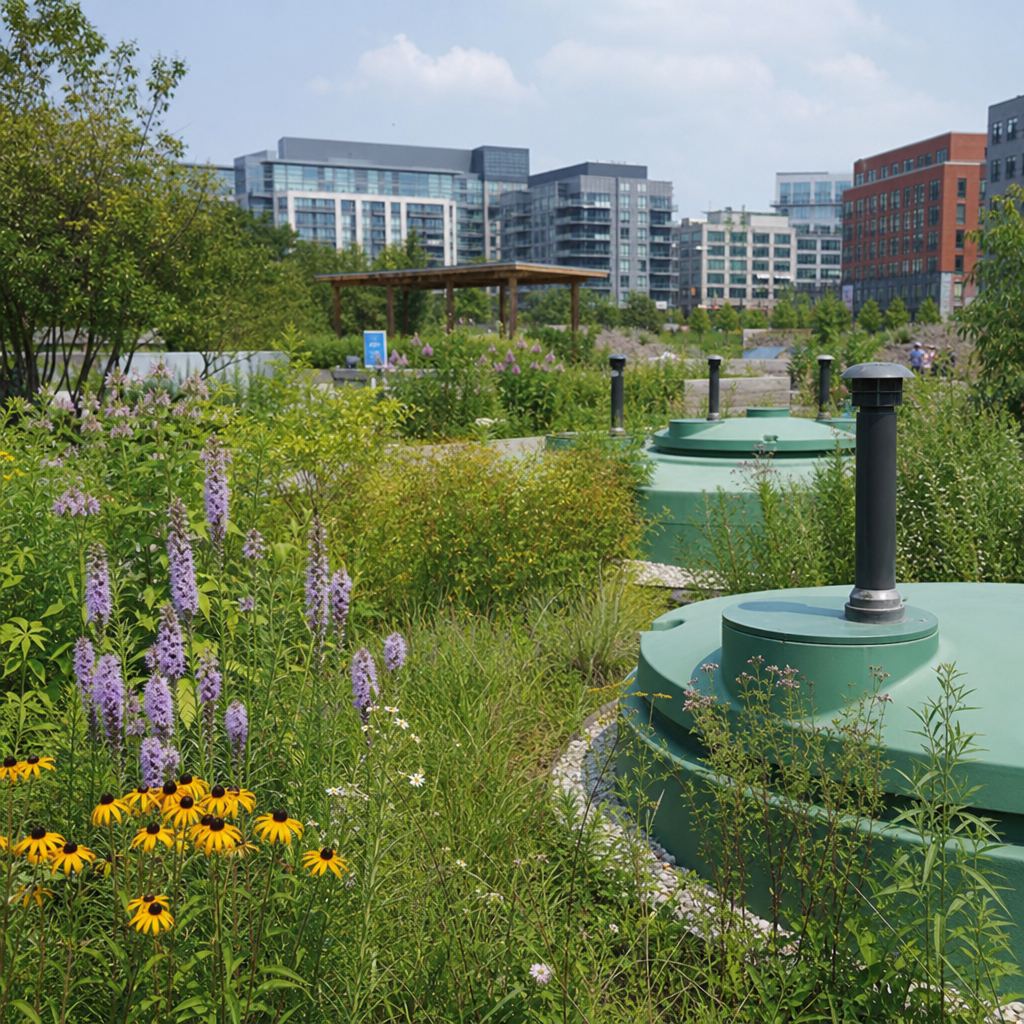
Preventing algal blooms with effective waste management starts with understanding a simple chain reaction: when excess nutrients enter water, algae grow rapidly, oxygen drops, ecosystems destabilize, and communities pay the price. Algal blooms are dense growths of algae or cyanobacteria fueled mainly by nitrogen and phosphorus from sewage, food waste, agricultural runoff, industrial discharge, and poorly managed stormwater. Some blooms are mostly a nuisance, turning water green and foul-smelling, while others produce toxins that threaten drinking water, fisheries, pets, livestock, and human health. I have worked on waste and wastewater projects where a single weak link—an overloaded lift station, leaking septic system, or poorly segregated organic waste stream—was enough to increase nutrient loading downstream. That is why preventing blooms is not only a water quality issue; it is a waste management issue, a public health issue, and a long-term environmental protection priority. For organizations focused on environmental impact, this topic sits at the center of compliance, community trust, and measurable ecological outcomes.
EcoSan’s role in environmental protection is best understood through this practical lens. Effective waste management is not limited to collecting rubbish or operating a treatment plant. It includes source reduction, segregation, secure storage, transport, treatment, recovery, discharge control, monitoring, and continuous improvement across the full waste chain. When those systems are designed well, they keep nutrient-rich wastes out of rivers, lakes, reservoirs, estuaries, and coastal waters. When they fail, blooms become more likely, especially during warm weather and low-flow conditions. This hub article explains the causes of algal blooms, the waste pathways that feed them, the management practices that prevent them, and the way EcoSan supports environmental protection through integrated services, operational discipline, and data-driven oversight. It also lays the groundwork for related articles on wastewater treatment, sludge handling, septic management, stormwater pollution prevention, industrial waste control, and nutrient recovery.
What causes algal blooms and why waste management matters
Algal blooms occur when water receives more nutrients than the ecosystem can naturally absorb. Phosphorus usually drives blooms in freshwater lakes and reservoirs, while nitrogen often plays a larger role in estuaries and coastal waters, though both nutrients matter in most systems. Sunlight, warm temperatures, and stagnant conditions accelerate growth, but waste inputs are the controllable factor. Municipal wastewater contains dissolved nitrogen and phosphorus from human waste, detergents, and food residues. Organic waste stored uncovered can leach nutrient-rich liquids. Septic tanks that are not pumped on schedule can discharge partially treated effluent into soil and groundwater. Landfills without effective leachate control can release ammonia and other pollutants. Industrial facilities may contribute nutrient-bearing process water if pretreatment is weak. Even street wash water and storm drains can move organic debris into waterways.
The environmental effects are well documented. As algae die, bacteria decompose the biomass and consume dissolved oxygen, creating hypoxic conditions that stress or kill fish and benthic organisms. Harmful cyanobacterial blooms can produce microcystins, anatoxins, cylindrospermopsin, and other toxins that force beach closures and raise drinking water treatment costs. In severe cases, utilities must add powdered activated carbon, optimize coagulation, or switch intake depths to manage taste, odor, and toxin risks. Tourism declines when shorelines are covered in scum. Aquaculture operations can suffer stock losses. Property values near degraded lakes may drop. The core point is direct: every kilogram of nitrogen or phosphorus prevented at the waste management stage lowers the probability and severity of a bloom later.
Key waste sources that contribute nutrients to water
In field assessments, the most common nutrient pathways are rarely dramatic spills. More often, they are routine operational failures that accumulate over time. Domestic wastewater is one of the largest sources where sewer coverage is incomplete or treatment plants lack biological nutrient removal. A plant may meet basic biochemical oxygen demand and total suspended solids limits yet still discharge enough nitrogen and phosphorus to impair a sensitive watershed. Septic systems are another major source in peri-urban and rural areas. If drain fields are saturated, poorly sited, or too close to water bodies, nutrients migrate into nearby streams and lakes. Fecal sludge management matters just as much as septic design; if sludge is dumped informally, the pollution simply shifts location.
Solid waste operations can also be a hidden driver. Mixed waste containing food scraps, yard waste, and wet organics generates leachate with high ammonia concentrations. Without lined storage areas, drainage controls, and collection systems, that liquid can infiltrate soil or enter surface water during storms. Industrial and commercial generators add complexity. Food processors, dairies, breweries, and slaughterhouses produce high-strength effluent that requires pretreatment. Car washes, markets, and ports may discharge wash water rich in organics and solids. Construction sites contribute sediment that transports attached phosphorus into waterways. EcoSan’s environmental protection approach therefore treats algal bloom prevention as a watershed management problem with multiple waste sources, not a single-facility issue.
How effective waste management prevents algal blooms
Prevention works best when controls are applied in sequence: reduce waste at the source, keep nutrient-rich streams separated, contain them securely, treat them to the right standard, and verify performance through monitoring. Source reduction can be as simple as optimizing inventory in food service operations to cut spoilage, choosing low-phosphate cleaning agents where appropriate, or repairing water leaks that unnecessarily increase wastewater volumes. Segregation matters because clean stormwater should never mix with sewage, sludge, or organic waste. Once mixed, a manageable drainage issue becomes a contaminated discharge problem. Good site design uses curbing, covered bays, graded floors, sumps, and clearly labeled drains to prevent cross-contamination.
Treatment selection depends on the waste stream. Municipal wastewater plants reduce nutrient loads through primary settling, activated sludge, nitrification-denitrification, and phosphorus removal using either biological uptake or chemical precipitation with alum or ferric salts. Septage and fecal sludge can be treated through receiving stations, thickening, stabilization, drying beds, composting, or co-treatment at wastewater facilities, provided loading is controlled. Organic solid waste can be diverted to composting or anaerobic digestion instead of open dumping. These options stabilize organics, reduce leachate risk, and may recover useful products such as compost or biogas. In practice, the best programs combine infrastructure with routine operating discipline: pump maintenance, overflow alarms, preventive inspections, calibrated dosing, sludge age control, and staff training. Environmental protection comes from consistency, not one-time upgrades.
| Waste source | Main nutrient risk | Typical failure point | Effective preventive measure |
|---|---|---|---|
| Municipal wastewater | Nitrogen and phosphorus in effluent | Insufficient nutrient removal | Upgrade to biological nutrient removal and optimize chemical dosing |
| Septic and fecal sludge | Nutrient seepage to soil and groundwater | Infrequent pumping or illegal dumping | Scheduled desludging and controlled treatment at licensed facilities |
| Organic solid waste | Ammonia-rich leachate | Uncovered storage and poor drainage | Segregation, covered areas, lined pads, and leachate collection |
| Industrial wastewater | High-strength nutrient discharge | Weak pretreatment or bypass events | Process controls, equalization, and pretreatment enforcement |
| Stormwater from waste sites | Transport of nutrients and solids | Run-on/runoff mixing with contaminated areas | Drainage separation, retention, and regular housekeeping |
EcoSan’s role in environmental protection across the waste chain
EcoSan’s role in environmental protection is strongest when the company acts as an integrated operator rather than a single-service vendor. In practical terms, that means linking waste collection, wastewater handling, sludge management, transport controls, treatment performance, and environmental reporting into one system. From experience, fragmented responsibility is where nutrient losses occur. A client may assume a contractor removed waste safely, while the transporter assumes the receiving facility can accept any load, and the facility assumes upstream segregation happened properly. EcoSan closes those gaps by defining acceptance criteria, chain-of-custody procedures, documented transfer points, and contingency plans for outages or extreme weather. This administrative discipline is as important as physical treatment infrastructure.
At the facility level, environmental protection depends on daily decisions. EcoSan can help clients audit drainage maps, identify illicit connections, review spill response readiness, inspect storage integrity, and benchmark treatment performance against permit conditions and receiving water sensitivity. Where nutrient risk is high, the company can prioritize targeted interventions such as grease trap maintenance for food businesses, septage routing controls for decentralized sanitation networks, and leachate management improvements at transfer stations or landfills. Strong programs also use data. Flow meters, nutrient sampling, maintenance logs, and incident reports reveal patterns before they become environmental damage. If ammonia rises in leachate, if a pump station trips repeatedly, or if hauled waste volumes exceed treatment capacity, those signals should trigger corrective action immediately. That is how EcoSan supports prevention instead of reacting after a bloom appears.
Monitoring, compliance, and community outcomes
No algal bloom prevention strategy is credible without monitoring. The minimum dataset usually includes flow, biochemical oxygen demand, chemical oxygen demand, total suspended solids, ammonia, nitrate, total nitrogen, orthophosphate, and total phosphorus for relevant discharges. Depending on the site, chlorophyll-a, dissolved oxygen, turbidity, and conductivity in nearby waters add useful context. Recognized frameworks such as ISO 14001 for environmental management systems and HACCP-style risk thinking for process control help organizations move from ad hoc response to documented prevention. Regulators typically require discharge permits, manifest records, and evidence that licensed facilities received the waste. Good compliance is not paperwork for its own sake; it creates traceability, accountability, and defensible performance records.
Communities benefit when these systems work. Fewer blooms mean lower drinking water treatment costs, safer recreation, healthier fisheries, and less odor near shorelines and drainage channels. Businesses benefit too. Environmental incidents are expensive, and cleanup after a nutrient release can involve emergency pumping, tankering, sediment management, extra laboratory analysis, reputational damage, and possible enforcement action. Prevention is usually cheaper than remediation. For decision-makers evaluating EcoSan’s role in environmental protection, the most useful question is not whether waste can be removed from a site, but whether the entire handling chain measurably reduces nutrient loading to the watershed. That is the standard that matters.
Preventing algal blooms with effective waste management requires a complete view of how nutrients move from households, businesses, facilities, and infrastructure into water. The science is straightforward: excess nitrogen and phosphorus drive abnormal growth, and unmanaged waste is one of the main ways those nutrients escape into rivers, lakes, reservoirs, and coasts. The practical response is equally clear. Reduce nutrient-bearing waste at the source, separate clean and contaminated flows, contain organics securely, treat wastewater and sludge to appropriate standards, manage stormwater carefully, and monitor every critical control point. When organizations do this consistently, they protect ecosystems before blooms form rather than trying to limit damage afterward.
As the hub for this environmental impact subtopic, this page establishes the central idea behind EcoSan’s role in environmental protection: integrated waste management is one of the most effective tools available for safeguarding water quality. The strongest programs combine engineering controls, competent operations, compliance discipline, and transparent reporting. They also recognize tradeoffs. Infrastructure upgrades take capital, decentralized systems need reliable service networks, and monitoring must be sustained, not occasional. Even so, the benefit is substantial: cleaner water, lower risk, stronger regulatory performance, and better community outcomes. Use this article as the starting point for deeper guidance on wastewater treatment, septic and fecal sludge management, organic waste diversion, leachate control, and stormwater pollution prevention—and evaluate every waste decision by one standard: does it keep nutrients out of water?
Frequently Asked Questions
What causes algal blooms, and how is waste management connected to them?
Algal blooms happen when water receives more nutrients than it can naturally absorb and balance, especially nitrogen and phosphorus. Those nutrients act like fertilizer in lakes, rivers, reservoirs, ponds, estuaries, and coastal waters. Once they build up, algae and cyanobacteria can multiply very quickly, forming dense blooms that discolor the water, create foul odors, block sunlight, and disrupt normal aquatic life. In more severe cases, blooms contribute to oxygen depletion as the algae die and decompose, which can stress or kill fish and other organisms. Some cyanobacterial blooms can also produce toxins that threaten drinking water sources, pets, livestock, wildlife, and public health.
Waste management is directly tied to this problem because many of the nutrients feeding blooms come from preventable waste streams. Leaking sewage systems, failing septic tanks, food processing waste, manure mismanagement, landfill leachate, industrial discharge, and nutrient-laden stormwater can all carry nitrogen and phosphorus into nearby waterways. Even organic waste that seems harmless can become a nutrient source if it is stored, handled, or disposed of improperly. Effective waste management breaks that chain reaction by keeping nutrient-rich materials contained, treated, reused, or disposed of in ways that prevent runoff and leakage. In practical terms, that means better wastewater treatment, stronger collection and storage systems, careful handling of organic waste, and controls that stop contaminated water from reaching surface waters in the first place.
Why are nitrogen and phosphorus such a major concern in preventing algal blooms?
Nitrogen and phosphorus are essential nutrients for plant and algal growth, but in aquatic systems, too much of either can quickly create imbalance. Under natural conditions, water bodies usually have limited nutrient availability, which helps keep algal growth in check. When human activities introduce excess nutrients through waste streams, that limit disappears. Algae respond fast, especially in warm, slow-moving, or sunlit waters, and blooms can form in a matter of days under the right conditions. Because these nutrients are so effective at stimulating growth, even repeated small discharges can add up over time and lead to chronic water quality problems.
Phosphorus is often the key limiting nutrient in freshwater systems, while nitrogen commonly plays a larger role in estuaries and coastal waters, though the reality can vary by location. That is why effective waste management must address both rather than focusing on only one. Sources such as sewage sludge, food waste liquids, manure, detergents in some settings, industrial effluent, and urban runoff can all contribute measurable nutrient loads. Once these nutrients enter the water, they are much harder and more expensive to remove than they are to control at the source. Preventing release through proper collection, treatment, storage, and disposal is generally the most effective and cost-efficient strategy.
What waste management practices are most effective for reducing the risk of algal blooms?
The most effective practices are the ones that stop nutrient-rich waste from escaping into water at every stage of handling. For municipal systems, that starts with strong wastewater treatment that removes nitrogen and phosphorus before discharge, along with regular inspection and repair of sewer lines to prevent leaks and overflows. Communities also benefit from septic system maintenance programs, because failing on-site systems can quietly release nutrients into groundwater and nearby streams for years. In industrial and commercial settings, effective practices include pretreatment of wastewater, secure storage for liquid and organic wastes, spill prevention plans, and strict discharge monitoring.
For organic and agricultural waste, prevention depends heavily on storage, timing, and containment. Manure, biosolids, and food waste should be stored in covered or lined systems where rainfall cannot wash nutrients away. Land application should be based on nutrient management plans so materials are applied at appropriate rates, in suitable weather, and away from waterways or drainage channels. Stormwater controls are equally important in urban and industrial areas. Retention ponds, vegetated buffers, permeable surfaces, and filtration systems help capture runoff before it carries nutrients into streams and lakes. The broader lesson is that no single tactic solves the problem. The strongest results come from an integrated waste management approach that combines source reduction, infrastructure maintenance, treatment, compliance, and runoff control.
How do algal blooms affect ecosystems, public health, and local communities?
The impacts go far beyond unsightly green water. Ecologically, algal blooms can block sunlight needed by underwater plants, altering habitats and reducing biodiversity. As blooms die off, bacteria decompose the organic material and consume dissolved oxygen in the process. That can create low-oxygen or no-oxygen conditions, sometimes called hypoxia, which stress aquatic life and can trigger fish kills. Repeated blooms may shift the entire balance of an ecosystem, favoring species that tolerate poor water quality while pushing out more sensitive plants and animals. In extreme cases, the damage can take years to reverse.
Public health and economic effects can be just as serious. Certain cyanobacterial blooms produce toxins that may contaminate drinking water supplies and create risks during swimming, boating, or fishing. People and animals exposed to affected water can experience skin irritation, gastrointestinal illness, respiratory symptoms, or more severe health issues depending on the toxin and level of exposure. Communities may face expensive water treatment upgrades, beach closures, lost tourism revenue, reduced property values, and disruptions to commercial fishing or recreation. That is why preventing nutrient pollution through effective waste management is not just an environmental priority. It is also a public health safeguard and a practical economic strategy for protecting local infrastructure, livelihoods, and quality of life.
What can municipalities, businesses, and households do right now to help prevent algal blooms?
Municipalities can start by identifying their largest nutrient sources and strengthening controls where they matter most. That often means upgrading wastewater treatment plants for better nutrient removal, repairing aging sewer infrastructure, improving stormwater systems, enforcing discharge permits, and monitoring local water bodies for early warning signs. Local governments can also support public education, septic inspection programs, and land-use planning that protects wetlands and buffer zones. These actions are especially effective when backed by clear performance targets and coordination among utilities, environmental agencies, and public works departments.
Businesses can contribute by auditing their waste streams, reducing nutrient losses at the source, and making sure all wastewater and organic byproducts are properly stored, transported, treated, or reused. Facilities that handle food waste, chemicals, wash water, biosolids, or process water should pay close attention to spill prevention, drain management, and stormwater exposure. Households also play a meaningful role. Maintaining septic systems, disposing of fats, oils, and food waste properly, minimizing fertilizer overuse, picking up pet waste, and keeping yard debris out of storm drains all help reduce nutrient loading. While individual actions may seem small, widespread participation adds up quickly. Preventing algal blooms is most successful when communities treat waste management as a shared responsibility that begins long before nutrients ever reach the water.