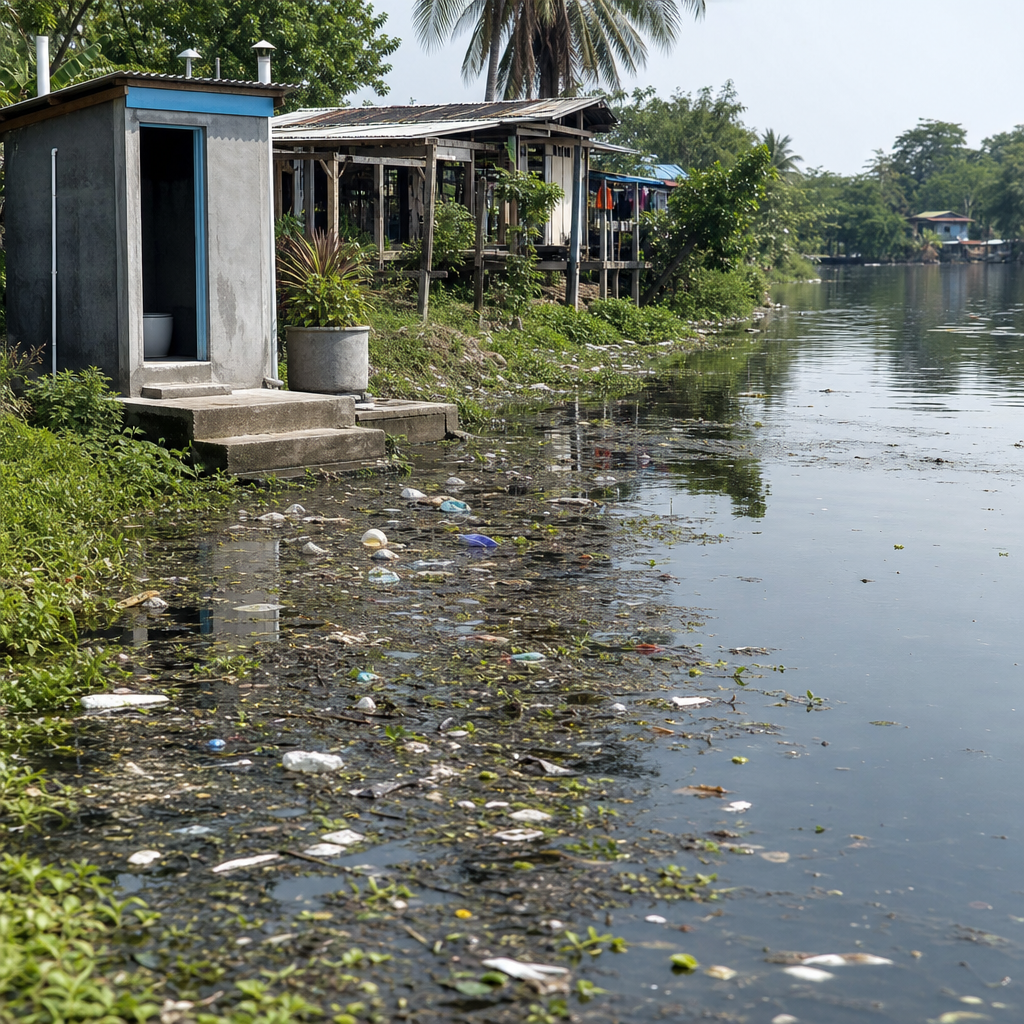
Minimizing eutrophication in lakes and rivers starts with understanding how sanitation systems move nutrients through communities, landscapes, and water. Eutrophication is the over-enrichment of water with nitrogen and phosphorus, usually from sewage, manure, fertilizer runoff, and poorly managed stormwater. In practice, I have seen the pattern repeat across urban neighborhoods, rural settlements, and growing peri-urban areas: nutrients leave toilets, drains, animal pens, and food production sites, then accumulate in receiving waters faster than natural processes can absorb them. The result is algal blooms, oxygen depletion, fish kills, foul odors, habitat loss, and rising treatment costs for drinking water utilities.
This matters because sanitation is not only a public health service; it is also a nutrient management system. When wastewater collection, treatment, reuse, and sludge handling are weak, lakes and rivers become the final sink. Sustainable practices in sanitation aim to break that chain. They reduce nutrient loads at the source, improve containment and treatment, recover resources safely, and protect watersheds over the long term. For an environmental impact strategy, this subtopic functions as a hub because it connects household behavior, sewer infrastructure, decentralized systems, treatment technology, agricultural reuse, regulation, and monitoring.
Key terms shape the discussion. Wastewater includes blackwater from toilets, greywater from sinks and bathing, and industrial or commercial discharges entering sewers. Septage is the material pumped from septic tanks. Biosolids are treated sewage sludge that may be reused under controlled standards. Point sources are identifiable discharges such as treatment plant outfalls, while nonpoint sources include diffuse runoff from land. Sustainable sanitation means protecting health while minimizing water use, nutrient leakage, energy demand, and environmental damage. When designed well, sanitation can shift nutrients from pollution to productive reuse.
For readers evaluating environmental impact, the central question is direct: which sanitation practices most effectively minimize eutrophication in lakes and rivers without creating new health or cost burdens? The answer is not a single technology. It is a layered approach that combines source control, appropriate collection, reliable treatment, safe reuse, and watershed accountability. The sections below explain the main pathways, practical interventions, and decision criteria that define sustainable sanitation at household, municipal, and regional scales.
Why sanitation is a primary driver of nutrient pollution
Nitrogen and phosphorus enter waterways from many sectors, but sanitation remains a decisive lever because human waste is concentrated, continuous, and manageable. Untreated sewage contains ammonium, organic nitrogen, and phosphate in forms that algae can use quickly once discharged. Even secondary treatment plants that remove organic matter effectively may still release enough dissolved nutrients to trigger blooms in sensitive lakes, reservoirs, and slow-moving rivers. Septic systems can also be major contributors when soils are unsuitable, tanks are undersized, or drain fields sit too close to groundwater and shorelines.
The ecological sequence is well established. Excess nutrients stimulate rapid growth of algae and cyanobacteria. As blooms die, microbial decomposition consumes dissolved oxygen, creating hypoxic or anoxic conditions. Fish and benthic organisms are stressed or killed, submerged vegetation declines as water clarity drops, and food webs shift toward low-oxygen-tolerant species. Some cyanobacteria produce toxins that affect pets, livestock, wildlife, and people. The World Health Organization and the United States Environmental Protection Agency both recognize nutrient pollution and harmful algal blooms as major environmental and public health concerns.
In field assessments, I look first at the sanitation chain rather than only the water body. Overflowing sewers, direct pipe discharges, leaking manholes, unlined pits in flood-prone areas, and irregular fecal sludge emptying often explain more nutrient loading than seasonal rain alone. Population growth compounds the issue. Infrastructure built for smaller settlements becomes hydraulically overloaded, reducing retention time in treatment units and increasing bypass events. In informal settlements, the absence of safely managed sanitation frequently means wastewater reaches drains and streams with little attenuation.
Source control and water-efficient sanitation design
The cheapest nutrient to remove is the nutrient that never enters the wastewater stream in the first place. Source control begins with water-efficient fixtures, because lower flows improve treatment performance and reduce overflow risk. High-efficiency toilets, vacuum systems in specific facilities, leak detection, and demand management can significantly cut hydraulic load. In institutional settings such as schools, markets, and transport hubs, better fixture maintenance prevents chronic wastewater leakage that otherwise reaches storm drains.
Detergent and chemical choices also matter. Phosphate-free cleaning products have reduced phosphorus loads in many regions, especially where detergent regulation is enforced. Industrial pretreatment programs are another essential source control tool. Food processors, dairies, slaughterhouses, and beverage plants can add very high biochemical oxygen demand and nutrient loads to municipal sewers. Requiring screening, equalization, dissolved air flotation, or on-site biological treatment before discharge protects downstream plants from shock loading and improves total nutrient removal.
At the household and building scale, separation strategies can help. Urine diversion systems isolate a stream rich in nitrogen and phosphorus, creating opportunities for controlled reuse as fertilizer after appropriate storage and management. Greywater separation can reduce blackwater volume, though it only works sustainably when treatment and reuse plans are clear. I have seen separation fail when systems were installed as a novelty without maintenance support; I have also seen it work very well in campuses and eco-developments where operators tracked flows, user behavior, and nutrient recovery goals from the beginning.
Choosing collection systems that prevent leakage and overflow
Collection is where many sanitation strategies succeed or fail. Conventional sewers can protect water quality effectively, but only when they are watertight, adequately sized, and operated with preventive maintenance. Infiltration and inflow from cracked pipes, illegal roof drain connections, and groundwater intrusion dilute wastewater while overwhelming pumping and treatment capacity during storms. Combined sewer systems are especially problematic because heavy rainfall can trigger combined sewer overflows, discharging untreated sewage directly to rivers.
Decentralized options are often better in low-density or rapidly expanding areas. Properly designed septic systems, settled sewers, small-bore sewers, and cluster treatment units can reduce capital cost while keeping nutrients out of surface water. The critical condition is management. Septic tanks need regular desludging, effluent filters where appropriate, and drain fields matched to soil permeability and groundwater depth. Where phosphorus-sensitive lakes are nearby, advanced onsite systems with media filters, aeration, or recirculating sand filters may be justified.
Fecal sludge management deserves equal attention. In many towns, containment exists but transport and treatment do not. When vacuum trucks discharge septage into open land, drains, or wetlands, the nutrient problem simply shifts location. A complete service chain includes licensed emptying, transfer stations where needed, designated treatment capacity, and disposal or reuse pathways that meet environmental standards. Utilities that map tanks, schedule desludging intervals, and track truck deliveries consistently reduce illegal dumping.
Treatment technologies that actually reduce eutrophication risk
Primary treatment removes settleable solids but does little to control dissolved nutrients. Secondary treatment, typically activated sludge, trickling filters, or stabilization ponds, reduces organic pollution and pathogens more effectively, yet nutrient removal may remain insufficient for eutrophication-sensitive waters. To minimize lake and river impacts, sanitation systems often need targeted nitrogen and phosphorus removal.
Biological nutrient removal is the benchmark in many municipal plants. Through carefully managed aerobic, anoxic, and anaerobic zones, operators encourage nitrification, denitrification, and enhanced biological phosphorus removal. When designed and run well, these processes can cut total nitrogen and phosphorus substantially without relying solely on chemicals. Chemical precipitation using alum, ferric chloride, or lime is also widely used, particularly for phosphorus polishing. Tertiary filtration, membrane bioreactors, and constructed wetlands can further improve effluent quality, depending on land, budget, and discharge limits.
The right choice depends on climate, operator skill, energy reliability, and receiving water sensitivity. A lagoon may be robust and cost-effective in warm climates with available land, but inadequate where effluent phosphorus limits are tight. A membrane system can produce excellent effluent in dense cities, but membranes, power supply, and maintenance discipline raise operating complexity. Constructed wetlands are valuable polishing systems and habitat features, yet they require hydraulic control and periodic vegetation or sediment management. There is no universal best technology; there is only the best fit for the nutrient target and service context.
| Practice | How it reduces eutrophication | Best use case | Main limitation |
|---|---|---|---|
| Biological nutrient removal | Removes nitrogen and phosphorus in treatment reactors | Municipal plants with skilled operators | Needs process control and steady energy |
| Chemical phosphorus precipitation | Rapidly lowers phosphorus in effluent | Lakes with strict phosphorus limits | Produces more sludge |
| Advanced onsite systems | Improves nutrient removal near sensitive shorelines | Low-density settlements without sewers | Requires inspection and maintenance |
| Constructed wetlands | Polishes effluent and buffers flow variation | Sites with available land | Performance varies by season and loading |
| Urine diversion and reuse | Keeps concentrated nutrients out of wastewater | Institutions and planned developments | User acceptance and logistics |
Resource recovery, reuse, and circular sanitation
Sustainable practices in sanitation should not treat nutrients only as waste. Human excreta contain recoverable nitrogen, phosphorus, potassium, and organic matter. When recovered safely, these resources can offset synthetic fertilizer demand and reduce nutrient discharge to waterways. Composting toilets, urine diversion systems, anaerobic digestion, struvite precipitation, and biosolids reuse programs all sit within this circular model, although each requires strict health safeguards and clear operational controls.
Struvite recovery is one of the most practical examples. In treatment plants with high phosphorus loads, operators can precipitate magnesium ammonium phosphate from side streams, producing a slow-release fertilizer while preventing scale buildup in pipes and pumps. Biosolids can also be land-applied under regulated nutrient management plans, as long as pathogen reduction, metal limits, application timing, soil testing, and setback distances are respected. Poorly timed spreading before rain, however, can reverse the benefit and increase runoff, so agronomic discipline is nonnegotiable.
Reuse of treated wastewater for irrigation is another strong strategy when freshwater is scarce. It reduces direct effluent discharge and can recycle nutrients into crops. The limits are practical, not conceptual: salinity, micropollutants, crop type, public acceptance, and irrigation management all need attention. The most successful reuse projects I have worked around paired treatment targets with end-user agreements, storage planning, seasonal demand analysis, and routine monitoring rather than assuming reuse would happen automatically.
Watershed governance, monitoring, and community behavior
Even excellent treatment plants cannot solve eutrophication if governance is fragmented. Nutrient reduction works best at watershed scale, where municipalities, utilities, farmers, industries, regulators, and residents share targets and data. Discharge permits should reflect the sensitivity of the receiving water, not only generic national standards. Total maximum daily load style frameworks, nutrient trading in limited contexts, shoreline setback rules, and septic inspection ordinances can all support measurable reductions when enforcement is credible.
Monitoring must connect sanitation performance to environmental outcomes. Useful indicators include influent and effluent total nitrogen, ammonia, nitrate, total phosphorus, orthophosphate, biochemical oxygen demand, total suspended solids, dissolved oxygen in receiving waters, chlorophyll-a, and cyanobacteria counts. Remote sensing now complements field sampling by identifying bloom extent and seasonal patterns in lakes and reservoirs. Utilities should also track operational metrics such as sludge age, aeration efficiency, overflow frequency, and septage delivery volumes, because these often predict nutrient failures before water quality data do.
Community behavior influences every stage. Wipes, fats, oils, and grease cause sewer blockages that contribute to spills. Homeowners often do not know where septic tanks are located or when they were last pumped. In agricultural villages, sanitation and livestock waste frequently interact, requiring coordinated messaging on drainage, storage, and land application. The most durable programs explain the local water connection plainly: what goes into toilets, drains, and tanks can return as algal blooms, unsafe swimming water, expensive tap water treatment, and damaged fisheries. If your organization is planning environmental impact priorities, start by auditing the sanitation chain and linking upgrades to nutrient reduction targets across the watershed.
Frequently Asked Questions
What is eutrophication, and why is it such a serious problem for lakes and rivers?
Eutrophication is the process in which lakes, rivers, reservoirs, wetlands, and estuaries receive more nutrients than they can naturally absorb and balance. The main nutrients involved are nitrogen and phosphorus, and they commonly enter water through sewage, leaking septic systems, manure, fertilizer runoff, food processing waste, and poorly managed stormwater. At first, extra nutrients may seem harmless, but in natural waters they act like fuel for excessive plant and algae growth. Once algae blooms spread, they reduce water clarity, block sunlight, alter habitat, and eventually decompose. That decomposition uses up dissolved oxygen, creating low-oxygen or even dead-zone conditions that can stress or kill fish, aquatic insects, and other organisms.
The problem is serious because the effects are ecological, public health-related, and economic all at once. Some algal blooms produce toxins that can affect drinking water supplies, irrigation systems, pets, livestock, and human recreation. Even non-toxic blooms can make water smell bad, look unattractive, and become expensive to treat. Fisheries can decline, tourism can suffer, and communities may face repeated costs for dredging, aeration, treatment upgrades, and emergency response. In practical terms, eutrophication is not just a water quality issue; it reflects how nutrients move through sanitation systems, households, farms, roads, and drainage networks. If those nutrient pathways are not managed, lakes and rivers become the final sink for failures happening upstream across the landscape.
How do sanitation systems contribute to nutrient pollution in communities?
Sanitation systems are one of the most important and often underestimated drivers of nutrient loading. Human waste contains significant amounts of nitrogen and phosphorus, and when toilets, sewers, septic tanks, pit latrines, soak pits, drains, and sludge management systems are poorly designed or poorly maintained, those nutrients escape into soil, groundwater, ditches, streams, and eventually larger water bodies. In dense urban areas, the problem often comes from overloaded sewer networks, illegal connections, combined sewer overflows, cracked pipes, or wastewater treatment plants that are not equipped to remove nutrients effectively. In rural and peri-urban settings, the issue may come from failing septic systems, pit latrines located too close to wells or waterways, direct discharge of graywater, and inadequate fecal sludge collection and treatment.
The key point is that sanitation does not end at the toilet. Nutrients move through the entire service chain: containment, emptying, transport, treatment, reuse, and final disposal. If any step fails, nitrogen and phosphorus can leak out. For example, sludge dumped into open land or drains can wash into streams during rain events. Wastewater that receives only basic treatment may still release high nutrient concentrations into rivers. In flood-prone settlements, even well-intended systems can overflow and spread contamination widely. This is why minimizing eutrophication requires a systems view. Communities need sanitation planning that considers nutrient pathways from homes and institutions all the way to treatment and safe reuse. Where possible, nutrient recovery through composting, co-treatment, or agricultural reuse can turn a pollution problem into a resource management opportunity, provided it is done safely and under proper controls.
What are the most effective ways to reduce nitrogen and phosphorus entering lakes and rivers?
The most effective approach is prevention at the source combined with interception before nutrients reach open water. That means reducing nutrient losses from sanitation, agriculture, settlements, and stormwater systems at the same time. On the sanitation side, strong measures include expanding access to safely managed toilets, repairing leaking sewers, upgrading wastewater treatment to include nutrient removal, improving septic system inspection and maintenance, and ensuring that fecal sludge is collected, transported, treated, and disposed of properly. In areas without sewer networks, decentralized treatment systems, constructed wetlands, and well-managed on-site sanitation can significantly reduce nutrient leakage when they are correctly designed for local soil, groundwater, and population conditions.
Beyond sanitation, nutrient reduction also depends on better land and water management. Farmers can apply fertilizer at the right rate, right time, and right location to avoid excess runoff. Manure should be stored, treated, and spread carefully rather than left exposed to rainfall. Vegetated buffer strips along rivers, wetlands restoration, retention ponds, infiltration systems, and erosion control can all slow water down and trap nutrients before they enter lakes and rivers. In towns and cities, stormwater should be managed as a water quality issue, not just a drainage issue. Street runoff, sediment, food waste, pet waste, and overflowing drains all contribute to nutrient loads. The most successful programs usually combine regulations, infrastructure investment, maintenance, monitoring, and public participation. There is rarely a single fix; instead, the best results come from addressing the full nutrient pathway across the entire watershed.
Can individual households and neighborhoods really make a difference in preventing eutrophication?
Yes, they can make a meaningful difference, especially when many small actions are repeated across an entire neighborhood or watershed. Household practices shape how much nitrogen and phosphorus leave properties and enter drainage systems. Residents can reduce pollution by maintaining septic tanks regularly, fixing plumbing leaks that overload sanitation systems, avoiding direct discharge of wastewater into drains or streams, and using phosphorus-free or low-phosphorus detergents where appropriate. Yard and garden care also matters. Applying fertilizer only when necessary, sweeping excess fertilizer off paved surfaces, keeping grass clippings and leaves out of storm drains, and planting vegetation that slows runoff can all reduce nutrient transport.
Neighborhood-level action is even more powerful because eutrophication is cumulative. A single blocked drain, leaking sewer, or informal discharge point may seem minor, but multiplied across hundreds of homes, schools, markets, and small businesses, the nutrient load becomes substantial. Communities can organize drain cleaning programs that prevent waste accumulation, support local septic inspection campaigns, advocate for better sludge collection services, and protect riparian buffers along streams. Schools, housing associations, and local leaders can help people understand that storm drains often flow directly into rivers without treatment. Once people see that connection, behavior changes become more practical and immediate. While large infrastructure investments are essential, local actions reduce pressure on those systems and can prevent avoidable nutrient losses right where they begin.
How can communities tell whether efforts to control eutrophication are actually working?
Progress should be measured through both water quality indicators and service performance indicators. On the environmental side, communities and water managers should track nutrient concentrations such as total nitrogen, nitrate, ammonia, total phosphorus, and orthophosphate. They should also monitor related signs of eutrophication, including chlorophyll-a, algal bloom frequency, dissolved oxygen, turbidity, water clarity, aquatic plant overgrowth, and fish kills. If harmful algal blooms are a concern, toxin testing may also be needed. Looking at only one snapshot is not enough; trends over time and comparisons across seasons are critical because rainfall, temperature, river flow, and agricultural cycles all influence nutrient movement.
Just as important is measuring whether sanitation and land management systems are performing better. Useful indicators include the percentage of households using safely managed sanitation, septic tank desludging rates, sewer overflow frequency, treatment plant nutrient removal efficiency, sludge disposal compliance, fertilizer application practices, and the condition of buffers, wetlands, and stormwater controls. In many places, the most reliable picture comes from combining watershed monitoring with infrastructure audits and community reporting. If nutrient levels decline, algal blooms become less frequent, and oxygen conditions improve while sanitation performance also rises, that is a strong sign the strategy is working. It is important to be patient, however. Some lakes and slow-moving rivers respond gradually because nutrients stored in sediments can continue feeding algae even after external sources are reduced. That is why long-term monitoring and steady management are essential to lasting recovery.