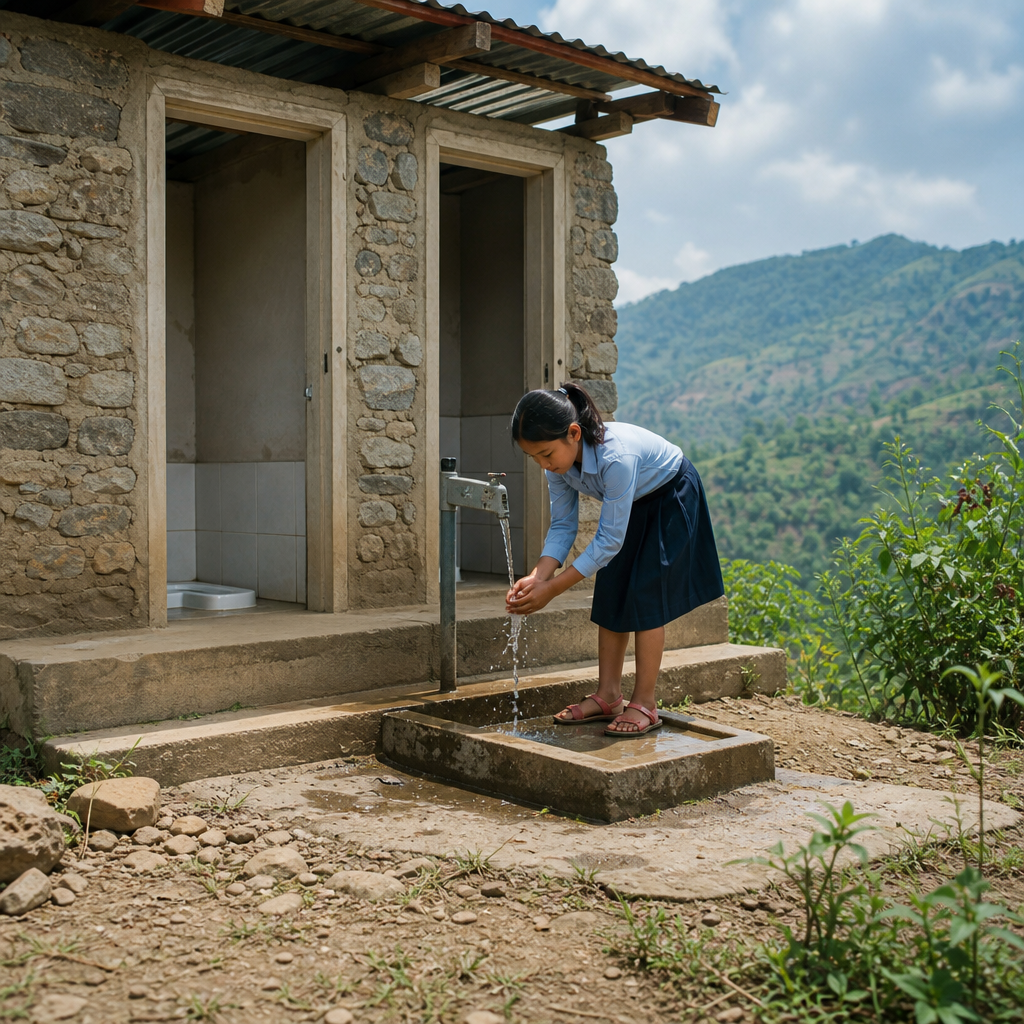
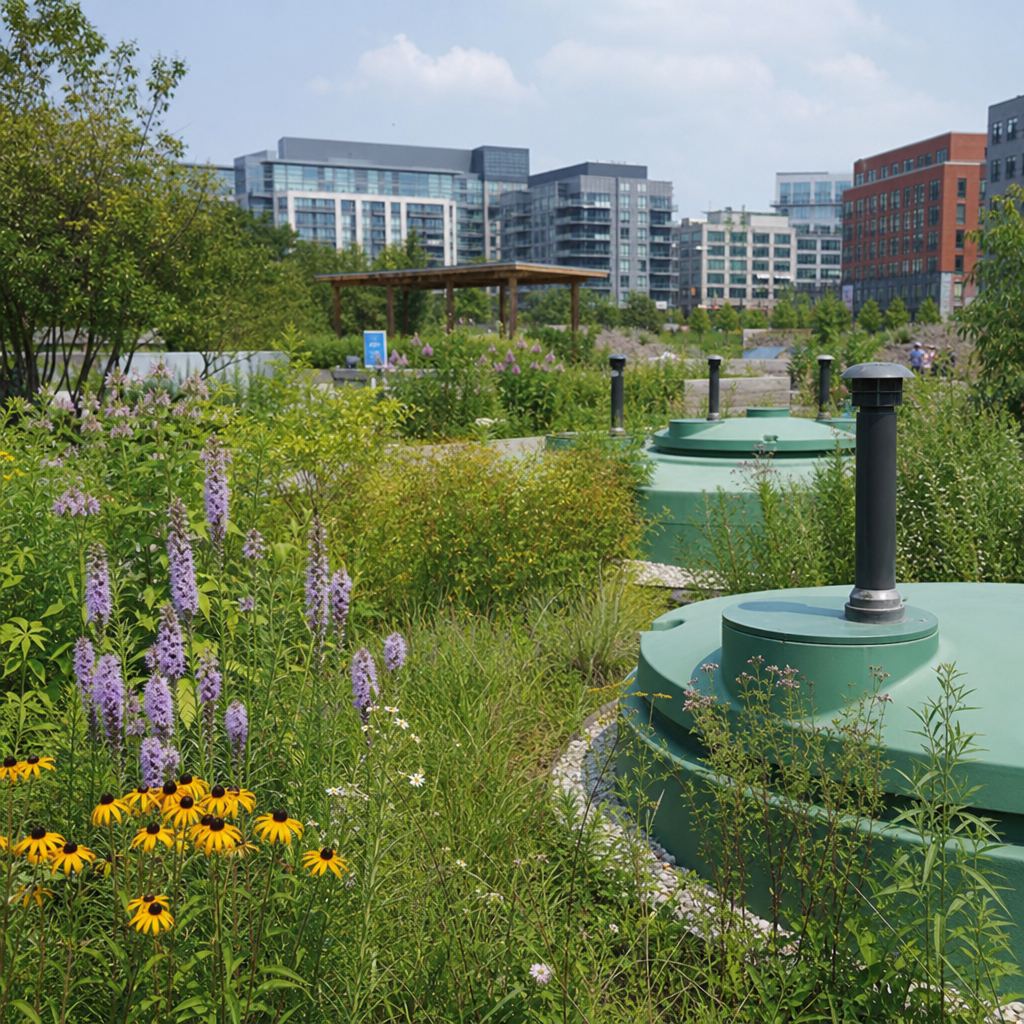
Sustainable sanitation for river basin management connects toilets, treatment systems, agriculture, public health, and water governance into one practical environmental strategy. When people think about sanitation, they often picture a household latrine or a sewer pipe. In river basin management, the scope is much larger. Every toilet flush, pit latrine overflow, septic tank leak, and wastewater discharge ultimately affects streams, wetlands, reservoirs, groundwater, and the communities and ecosystems that depend on them. A river basin is the land area where rainfall and runoff drain into a common river system. Sanitation is sustainable when it protects health, prevents pollution, recovers resources, remains affordable, and keeps working over time. EcoSan, short for ecological sanitation, advances that goal by treating human waste not only as a disposal problem but also as a source of nutrients, organic matter, water, and energy that can be safely recovered.
I have worked with watershed planners, utility teams, and decentralized sanitation projects long enough to see the same pattern repeat: river restoration fails when sanitation is handled too late, too narrowly, or only at the end of a pipe. A basin can spend millions on erosion control, habitat rehabilitation, and water treatment upgrades, then lose those gains because untreated fecal sludge reaches tributaries during storms or because nutrients from poorly managed wastewater continue feeding algal blooms. The reverse is also true. When sanitation planning is integrated early, downstream treatment costs fall, irrigation water becomes safer, nutrient loops tighten, and communities become more resilient to floods and droughts. That is why sustainable sanitation belongs at the center of environmental impact planning, not on the margins.
This hub page explains how advancing environmental sustainability with EcoSan supports river basin management across urban neighborhoods, peri-urban settlements, farms, and small towns. It covers the main pollution pathways, the technologies that matter, the tradeoffs decision-makers need to understand, and the indicators that show whether a program is working. It also points toward the broader subtopics that typically sit beneath this hub: nutrient recovery, fecal sludge management, decentralized wastewater treatment, climate resilience, nature-based systems, circular economy models, and governance. The key principle is straightforward. A basin stays healthier when sanitation systems reduce pathogen exposure, limit nitrogen and phosphorus releases, protect groundwater, and recover resources at a scale that communities can sustain operationally and financially.
Why river basins depend on better sanitation
Sanitation quality is one of the strongest determinants of river basin condition because pollution travels. Pathogens from open defecation, broken sewers, and unemptied pits can move through runoff, shallow groundwater, drains, and floodwaters. Nutrients from urine, fecal matter, detergents, and food-processing wastewater can stimulate eutrophication, especially in slow-moving rivers, lakes, and estuaries. Organic loads raise biochemical oxygen demand, which reduces dissolved oxygen and stresses fish. In practical terms, that means a sanitation failure in one settlement can become a fisheries, irrigation, drinking water, or tourism problem many kilometers downstream.
The scale of the issue is well established. The World Health Organization and UNICEF Joint Monitoring Programme has repeatedly shown that safely managed sanitation remains out of reach for billions of people. UN-Water and the United Nations Environment Programme have also documented how wastewater is still inadequately treated in many regions. In basin work, those global numbers matter because they explain why diffuse sanitation pollution is not an isolated rural issue or an isolated urban issue. It is both. Informal settlements may lack sewers, while sewered cities may still discharge partially treated wastewater or experience combined sewer overflows during intense rainfall. Septic systems can serve households effectively, but poorly sited or rarely emptied tanks commonly contaminate shallow aquifers and nearby drains.
River basin managers need to think in terms of source, pathway, receptor, and response. The source may be a toilet, latrine, septic tank, drain, treatment plant, livestock interface, or sludge dumping site. The pathway may be infiltration, runoff, flood transport, leakage, or direct discharge. The receptor may be a river intake, wetland, irrigation canal, beach, spring, or shellfish bed. The response can include containment, collection, conveyance, treatment, reuse, monitoring, and enforcement. EcoSan strengthens that response because it emphasizes containment at source, separation where useful, safe treatment, and productive reuse rather than simple disposal. In a basin context, those choices reduce pollutant loads while creating local value.
How EcoSan supports environmental sustainability
EcoSan is best understood as a design philosophy supported by a family of technologies. Its aim is to close nutrient and water loops safely. Common approaches include urine-diverting dry toilets, composting toilets, dehydrating toilets, source-separated wastewater systems, planted drying beds for sludge, anaerobic digesters, and decentralized treatment with reuse. Not every EcoSan option is dry, and not every sustainable system must separate urine, but the unifying idea is that sanitation outputs can be treated to standards that allow beneficial use. In river basin management, that matters because nutrients recovered on land are nutrients not discharged into waterways.
Human excreta contains significant amounts of nitrogen, phosphorus, potassium, and carbon. Urine typically carries most of the nitrogen and a large share of the phosphorus and potassium in domestic excreta, while feces carries organic matter and pathogens that require stronger treatment barriers. Where source separation is acceptable, storing urine for a defined period and applying it with agronomic controls can substitute part of a farm’s synthetic fertilizer demand. Properly composted fecal material or treated sludge can improve soil structure and water retention, especially in degraded soils. The environmental benefit is twofold: less nutrient pollution in rivers and lower demand for mined phosphate or energy-intensive nitrogen fertilizer production.
EcoSan also reduces pressure on centralized infrastructure. In dense cities, full sewerage and advanced treatment remain essential in many districts, especially where space is limited and industrial discharges must be controlled. But in dispersed settlements, flood-prone peri-urban areas, and towns with weak utility finances, decentralized and non-sewered systems often provide better environmental performance per dollar spent. I have seen small treatment wetlands outperform neglected package plants simply because the wetland matched local maintenance capacity. Technology choice is not ideological. It should follow hydrology, settlement pattern, soil conditions, energy reliability, operator skill, land availability, and end-use demand for recovered products.
| Sanitation approach | Best-fit context | Main river basin benefit | Key limitation |
|---|---|---|---|
| Urine-diverting dry toilets | Water-scarce or off-grid areas | Reduces nutrient discharge and water use | Needs user acceptance and product handling |
| Septic tanks with scheduled desludging | Low-density settlements | Contains solids and cuts direct pathogen release | Fails if emptying and disposal chains are weak |
| Constructed wetlands | Small towns, institutions, peri-urban zones | Polishes wastewater with low energy demand | Requires land and hydraulic management |
| Anaerobic digestion | Markets, farms, clustered communities | Reduces organic pollution and produces biogas | Needs steady feedstock and technical oversight |
| Conventional sewerage and treatment | Dense urban cores | Moves and treats large wastewater volumes | High capital cost and overflow risk in storms |
Core strategies for basin-wide implementation
Advancing environmental sustainability with EcoSan requires system thinking from household to watershed scale. The first strategy is service-chain planning. A toilet is only the front end. Basin outcomes depend on what happens across containment, emptying, transport, treatment, reuse, and final disposal. Cities that subsidize latrine construction but ignore fecal sludge management often end up with illegal dumping into drains or wetlands. Scheduled desludging programs, licensed emptiers, transfer stations, and treatment hubs are therefore environmental infrastructure, not optional extras.
The second strategy is risk-based reuse. The World Health Organization sanitation safety planning approach is useful because it identifies hazards, exposure routes, and control measures from source to end use. For example, urine used as fertilizer may require storage time, crop restrictions, application timing, and worker hygiene protocols. Treated sludge used in forestry or soil rehabilitation may need pathogen reduction targets, vector control, and metal monitoring. Reuse is not automatically safe, but neither is disposal. Safety comes from barriers, standards, training, and verification.
The third strategy is hydrologic targeting. Not every part of a basin contributes equal risk. Floodplains, high water-table zones, fractured rock areas, upstream drinking water catchments, and lakeside settlements demand stricter controls because contaminants move faster or receptors are more sensitive. In these zones, lined containment, raised toilets, watertight tanks, or off-site treatment may be necessary. Conversely, dry upland areas with suitable soils may support on-site systems if they are correctly spaced and maintained. Good basin planning maps these differences instead of applying one sanitation model everywhere.
The fourth strategy is integration with agriculture and land management. Many river basins struggle with nutrient imbalance: excess nutrients in waterways and insufficient organic matter in soils. EcoSan can help correct both if reuse programs are tied to real agronomic demand. That means matching application rates to crop needs, avoiding application before heavy rain, testing soils, and coordinating with extension services. In practice, farmers adopt recovered products more readily when nutrient content is reliable, odors are controlled, and distribution is convenient. Product quality and logistics matter as much as treatment performance.
The fifth strategy is resilient operations. Climate change is altering rainfall intensity, drought frequency, salinity intrusion, and flood behavior in many basins. Sustainable sanitation systems must therefore keep functioning under stress. Raised latrines can reduce flood ingress. Sealed storage prevents overflow during storms. Diversified treatment trains provide redundancy when electricity fails. Water-saving toilets and dry systems reduce vulnerability during drought. These design choices are often cheaper than repairing repeated contamination events after disasters.
Governance, finance, and metrics that make systems last
Most sanitation projects fail for institutional reasons before they fail for technical reasons. Clear mandates are essential because river basin authorities, municipalities, utilities, health departments, and agricultural agencies often share responsibilities without sharing data or budgets. The strongest programs establish basin-level water quality goals, local service standards, and enforcement rules for discharges and sludge handling. They also define who pays for capital, operations, monitoring, and product marketing. Without that clarity, treatment sites become underfunded and reuse plans stall.
Finance should reflect public and private benefits. Households benefit from safer sanitation, but the wider basin benefits from cleaner water, lower disease burden, healthier fisheries, and reduced treatment costs. That justifies blended finance: user tariffs where affordable, municipal transfers, climate or watershed funds, and targeted subsidies for low-income communities or high-risk zones. Results-based contracts can work well for desludging and treatment operators if payments are tied to verified volumes and effluent quality. Carbon finance may support anaerobic digestion in some cases, but it rarely covers the whole system.
Measurement matters because what gets tracked gets managed. Basin managers should monitor service coverage, fecal sludge collection rates, treatment performance, nutrient recovery volumes, and receiving-water indicators such as E. coli, total nitrogen, total phosphorus, biochemical oxygen demand, and dissolved oxygen. Remote sensing can help identify algal bloom patterns and land-use pressures, while digital service logs improve accountability for emptying operators. The most useful dashboard links sanitation actions to environmental outcomes. If a town expands containment but river bacteria levels remain high, the likely weak points are transport, treatment bypass, or stormwater cross-connections.
For organizations building a content cluster under environmental impact, this hub naturally connects to deeper pages on fecal sludge treatment technologies, nutrient recovery from urine, decentralized wastewater treatment design, sanitation safety planning, climate-resilient toilets, constructed wetlands, and circular sanitation business models. Together, those topics explain not just why EcoSan matters, but how to implement it in ways that measurably improve river basin health.
Sustainable sanitation for river basin management is not a niche environmental idea. It is a practical framework for protecting water quality, public health, and resource security at the same time. The central lesson is simple: river basins improve when sanitation systems are designed as complete service chains and when waste is managed as a recoverable resource rather than an unmanaged pollutant. EcoSan contributes by reducing pathogen releases, capturing nutrients, lowering pressure on freshwater supplies, and creating useful outputs such as soil amendments, reclaimed water, and biogas.
The best solution will vary by context. Dense urban cores may need sewer upgrades and stronger treatment plants. Small towns may benefit from wetlands, anaerobic units, or simplified sewers. Rural and peri-urban communities may gain more from urine diversion, composting, or reliable septic and fecal sludge services. What matters is fit: fit to hydrology, fit to operations, fit to budgets, and fit to user behavior. Systems that communities can actually maintain are the systems that protect rivers over the long term.
If you are shaping an environmental impact strategy, use this page as the hub and evaluate sanitation decisions at basin scale. Map pollution pathways, prioritize high-risk zones, build the full service chain, and link reuse to real agricultural demand. Done well, advancing environmental sustainability with EcoSan turns sanitation from a downstream liability into an upstream asset. The next step is to assess your basin’s current sanitation flows and identify where containment, treatment, or reuse can deliver the fastest water-quality gains.
Frequently Asked Questions
What does sustainable sanitation mean in the context of river basin management?
Sustainable sanitation in river basin management means treating sanitation as part of a much larger water and environmental system rather than as a stand-alone household service. It includes toilets, sewers, septic tanks, pit latrines, fecal sludge management, wastewater treatment, drainage, reuse, and safe discharge, all viewed through the lens of how they affect rivers, wetlands, aquifers, reservoirs, soils, and downstream communities. In practical terms, it asks a simple but important question: what happens to human waste after it leaves the toilet, and how does that journey affect the entire basin?
This basin-wide perspective matters because sanitation failures rarely stay in one place. A leaking septic tank can contaminate groundwater used for drinking. Untreated wastewater discharged upstream can increase pathogen loads, nutrient pollution, and oxygen depletion downstream. Flooded latrines can spread fecal contamination across neighborhoods and into nearby streams. Sustainable sanitation aims to break these pollution pathways by combining safe containment, transport, treatment, reuse where appropriate, and regulation that reflects real hydrological conditions.
It is also called sustainable because it balances public health, environmental protection, affordability, climate resilience, and long-term operation. A system is not truly sustainable if it is too expensive to maintain, fails during flooding, ignores informal settlements, or creates pollution in another part of the basin. Strong river basin management depends on sanitation systems that are technically sound, socially inclusive, financially realistic, and aligned with water governance goals.
Why is sanitation so important for protecting rivers, lakes, and groundwater?
Sanitation is one of the most direct drivers of water quality in a river basin because human waste contains pathogens, nutrients, organic matter, and sometimes chemicals that can move rapidly through land and water systems. When sanitation systems are poorly designed, overloaded, damaged, or absent, these pollutants enter stormwater drains, streams, floodplains, shallow aquifers, and reservoirs. The result can include disease outbreaks, algal blooms, fish kills, bad odors, loss of biodiversity, and higher water treatment costs for cities and utilities.
Pathogens are often the most immediate concern. Bacteria, viruses, and parasites from untreated or poorly managed waste can contaminate drinking water sources and recreational waters, increasing the risk of diarrhea, cholera, typhoid, hepatitis, and other illnesses. Nutrients such as nitrogen and phosphorus create another major problem. Although nutrients are valuable in agriculture when properly recovered and applied, they can trigger eutrophication in lakes and slow-moving rivers when discharged untreated. This can reduce oxygen levels, damage aquatic ecosystems, and undermine fisheries and tourism.
Groundwater protection is equally important. In many river basins, especially rural and peri-urban areas, people rely on wells or boreholes for drinking water. If pit latrines, septic tanks, or sludge disposal sites are poorly located or poorly maintained, contaminants can infiltrate the subsurface and threaten these sources. Sustainable sanitation reduces these risks by matching technologies to local soil, water table, population density, flood risk, and institutional capacity. In short, better sanitation is not only a public health intervention; it is one of the most effective water quality protection tools available to basin managers.
How do sanitation systems connect with agriculture and resource recovery in a river basin?
Sanitation and agriculture are closely linked because human waste contains nutrients and organic matter that can be safely recovered and reused when properly treated. In a river basin context, this connection is especially valuable because it turns a pollution problem into a resource opportunity. Instead of allowing nitrogen, phosphorus, and carbon to wash into rivers and reservoirs, sustainable sanitation systems can recover these materials for use in agriculture, landscaping, soil restoration, or energy production. This supports circular economy goals while reducing pressure on water bodies.
Examples include composted biosolids, treated fecal sludge, urine diversion systems, biogas generation through anaerobic digestion, and treated wastewater used for irrigation where regulations and health safeguards are in place. These approaches can improve soil fertility, reduce dependence on synthetic fertilizers, lower waste management costs, and create local economic value. In water-scarce basins, treated wastewater reuse can also help conserve freshwater by supplying non-potable water for crops, industry, or groundwater recharge under carefully controlled conditions.
However, resource recovery only works when treatment and quality control are taken seriously. Untreated wastewater or sludge used in agriculture can spread pathogens, contaminate crops, degrade soils, and pollute waterways through runoff. That is why sustainable sanitation emphasizes standards, monitoring, farmer training, transport logistics, and institutional oversight. Done well, the sanitation-agriculture link helps close nutrient loops, improve watershed health, and support more resilient food and water systems across the basin.
What are the biggest challenges to implementing sustainable sanitation across an entire river basin?
One of the biggest challenges is fragmentation. Sanitation, water supply, drainage, agriculture, public health, land use planning, and environmental protection are often managed by different agencies with different budgets, priorities, and data systems. River basins do not follow administrative boundaries, so pollution created in one district may affect communities far downstream in another jurisdiction. Without coordination, it becomes difficult to align infrastructure investments, monitoring programs, discharge permits, and enforcement measures in a way that reflects the real movement of water and contaminants.
Another major challenge is infrastructure diversity. Within the same basin, there may be dense urban sewer networks, informal settlements with shared toilets, peri-urban septic tanks, rural pit latrines, industrial discharges, and agricultural runoff all interacting at once. A single sanitation solution will not work everywhere. Basin-wide planning must account for hydrogeology, climate, topography, income levels, settlement patterns, flooding, and service capacity. This requires better data, stronger local institutions, and financing models that support both centralized and decentralized systems.
Climate change and extreme weather add further complexity. Heavier rainfall can overwhelm treatment plants, flood containment systems, and wash fecal waste into waterways. Drought can reduce river flows and make pollutant concentrations worse. Rapid population growth can also outpace sanitation services, especially in informal or underserved areas. The most successful basin strategies therefore combine infrastructure upgrades with policy reform, inclusive service planning, fecal sludge management, emergency preparedness, watershed protection, and community engagement. The challenge is significant, but so are the gains in health, ecosystem resilience, and long-term water security.
What strategies help make sanitation more sustainable and effective at the river basin scale?
The most effective strategies start with integrated planning. That means sanitation decisions are made alongside water quality goals, watershed protection plans, public health objectives, agricultural policy, and urban development. Rather than focusing only on toilet access, planners examine the full sanitation service chain: containment, emptying, transport, treatment, reuse, and final disposal. They also map how waste flows through the basin, identify hotspots of contamination, and prioritize interventions where pollution poses the greatest risk to people and ecosystems.
Technology selection is another critical strategy. Some parts of a basin may need sewered systems and advanced wastewater treatment, while others are better served by well-designed septic systems, decentralized treatment units, constructed wetlands, or scheduled fecal sludge collection. The key is not choosing the most expensive option, but choosing the most appropriate one for local hydrology, density, institutional capacity, and long-term maintenance. Resilient design is especially important in flood-prone or water-scarce areas, where systems must continue functioning under stress.
Good governance makes these technical solutions work. Clear regulations, discharge standards, utility accountability, financing mechanisms, and routine monitoring are essential. So is public communication. Communities are more likely to support sanitation investments when they understand the links between waste management, clean water, disease prevention, and local livelihoods. Finally, sustainable basin sanitation improves when it includes resource recovery, pollution prevention, and nature-based solutions where suitable. Together, these strategies create a sanitation framework that protects water resources, supports healthier communities, and strengthens the long-term management of the entire river basin.