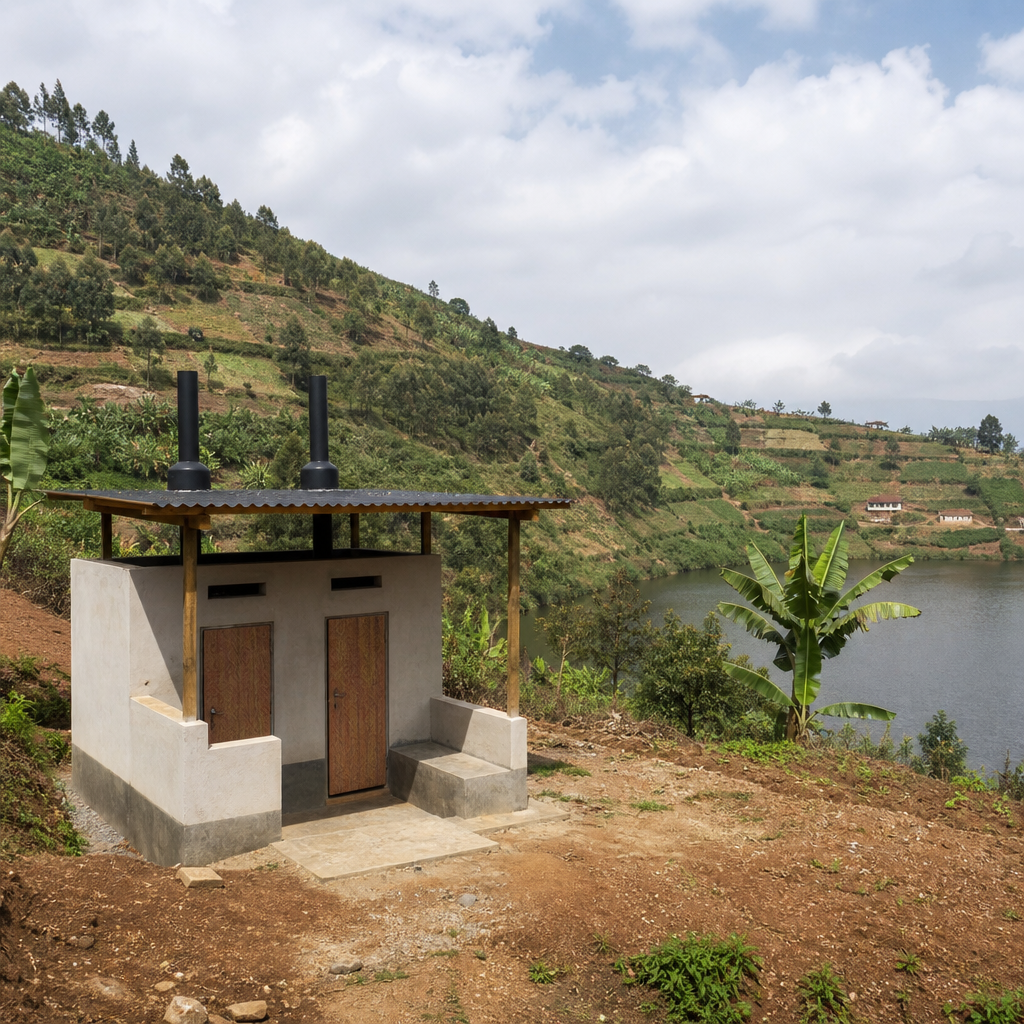
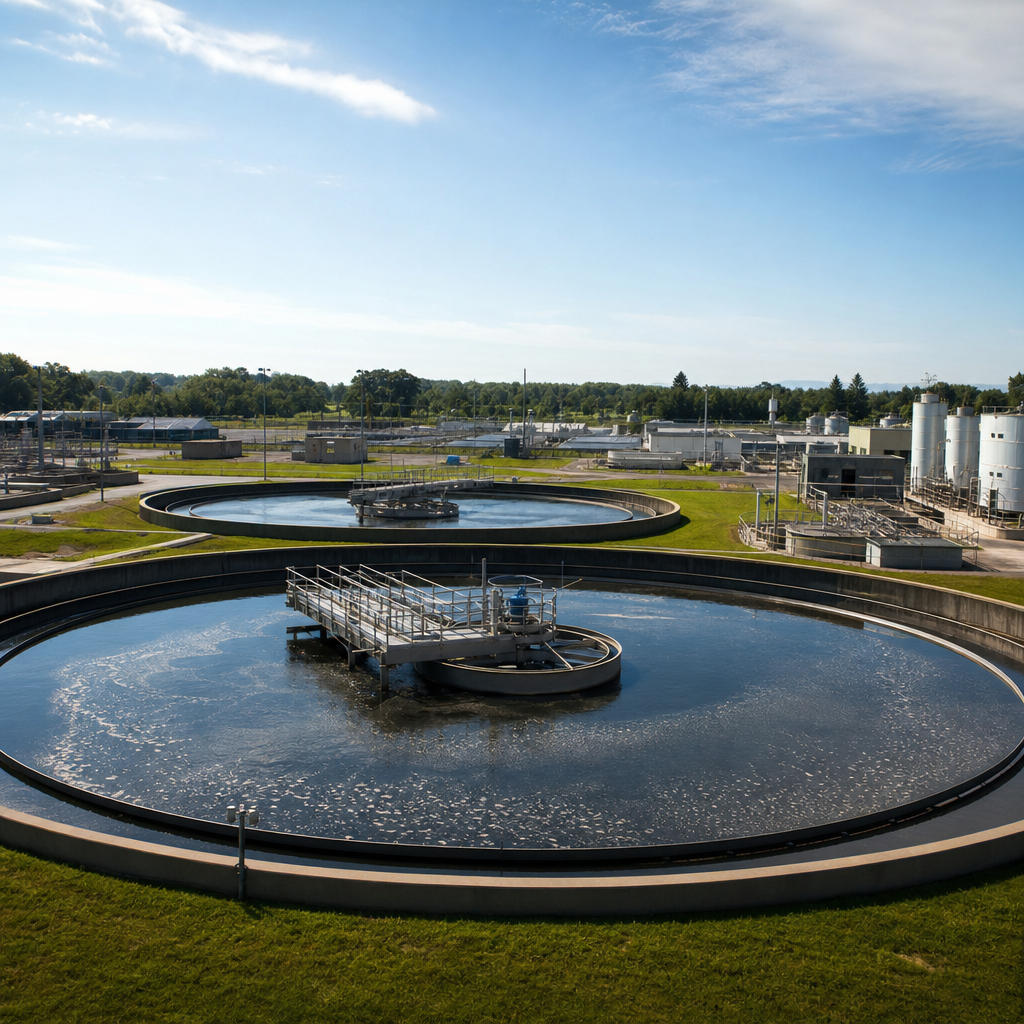
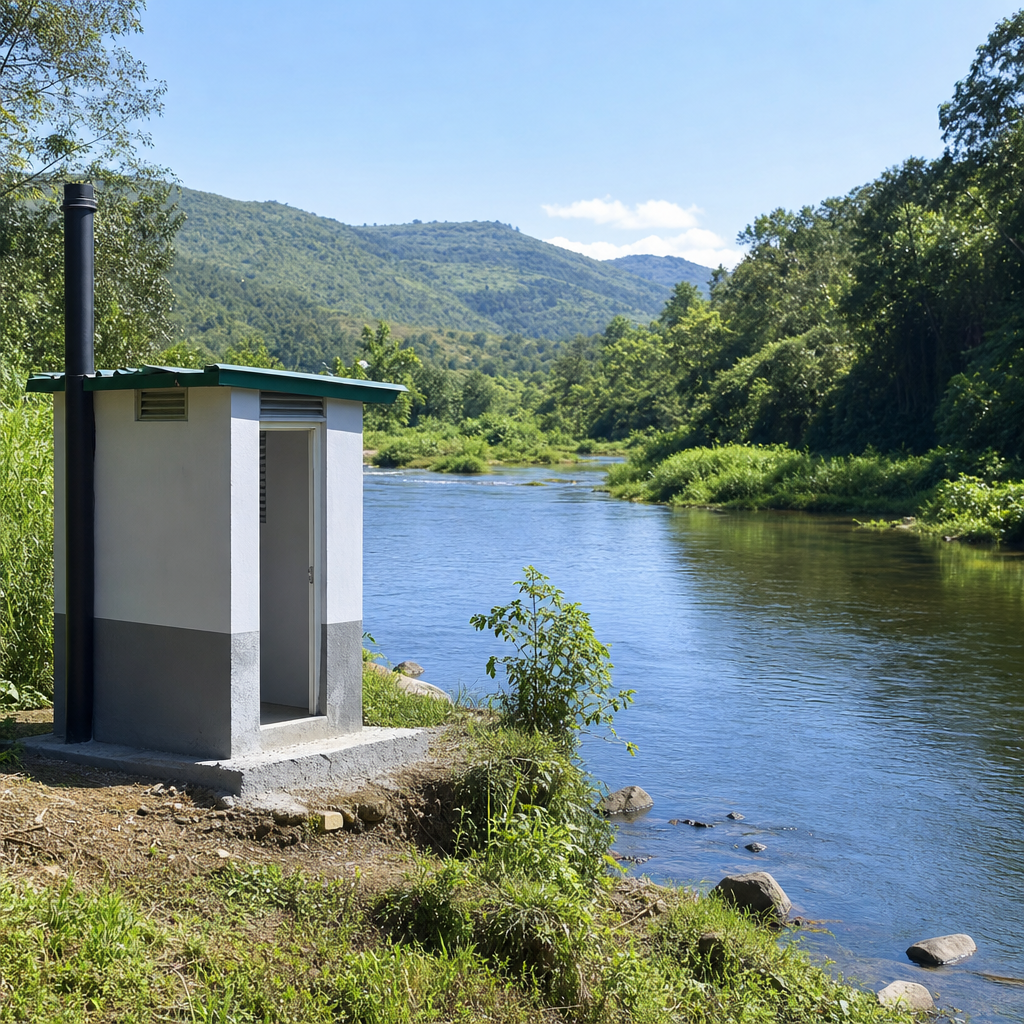
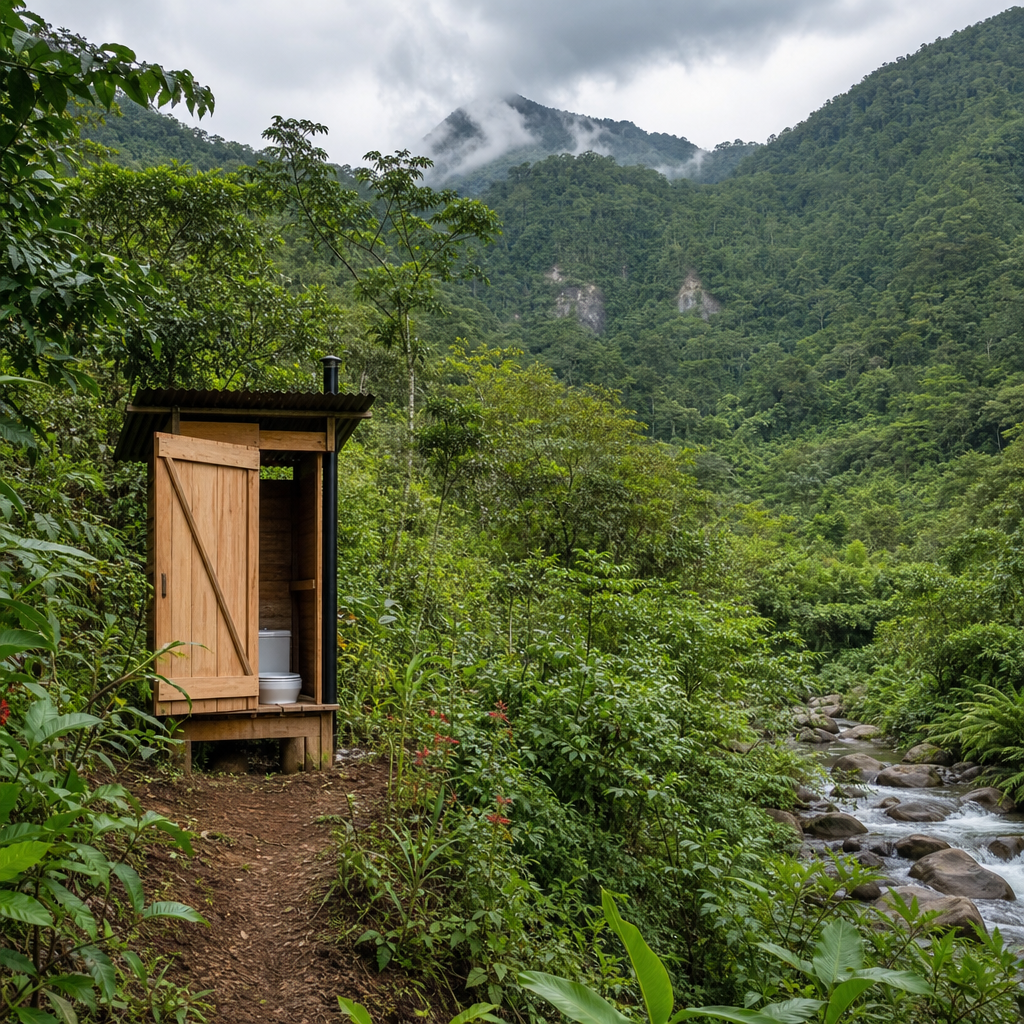
Natural treatment systems are reshaping sanitation by turning human waste from a pollution source into a managed resource, and that shift matters for any community pursuing cleaner water, healthier soils, lower emissions, and resilient infrastructure. In practice, natural treatment systems use biological, physical, and ecological processes rather than energy-intensive mechanical treatment alone. They include composting toilets, urine-diverting dry toilets, constructed wetlands, anaerobic digesters, planted drying beds, and decentralized greywater treatment. EcoSan, short for ecological sanitation, is the organizing idea behind many of these approaches. It treats sanitation as part of a wider environmental cycle: protect public health, prevent contamination, recover nutrients, conserve water, and return valuable organic matter to productive use where safe regulations and treatment standards allow.
I have worked on sanitation planning where the biggest constraint was not technology but context. In dense settlements, sewer expansion was too costly. In drought-prone districts, flush systems consumed water that households could not spare. In floodplains, pit latrines leaked into shallow groundwater. Natural treatment systems became practical because they matched local realities while reducing environmental harm. They matter because conventional sanitation can be resource-heavy. Centralized wastewater treatment requires large pipe networks, pumping, chemicals, and uninterrupted power. Poorly managed onsite systems can release nitrogen, phosphorus, pathogens, and methane. By contrast, well-designed EcoSan systems can reduce freshwater demand, lower nutrient discharges, cut sludge transport, and create usable outputs such as compost, biogas, reclaimed water, or soil conditioner.
This hub article explains how advancing environmental sustainability with EcoSan works in real terms. It defines the main system types, clarifies where they perform well, and addresses the questions decision-makers, engineers, NGOs, schools, farmers, and householders usually ask first: What problem does EcoSan solve? Which natural treatment systems fit which setting? How do they protect health? What are the tradeoffs? What standards and maintenance practices matter most? Used correctly, these systems are not improvised alternatives. They are engineered sanitation pathways grounded in microbiology, hydrology, nutrient management, and public health protection. Their strength is that they close loops locally instead of exporting waste and impacts elsewhere.
What EcoSan Means in Environmental Practice
EcoSan is not a single toilet design. It is a sanitation strategy that aims to minimize pollution and maximize resource recovery. The environmental logic is straightforward. Human excreta contain nitrogen, phosphorus, potassium, organic carbon, water, and pathogens. Conventional systems often dilute those materials with large volumes of water and then spend energy removing them. EcoSan systems separate waste streams where useful, treat them close to the source, and recover safe outputs. Urine diversion is a common example because urine contains most of the nitrogen and potassium in household excreta but relatively few pathogens compared with feces. Separating it early simplifies treatment and allows targeted nutrient reuse under clear storage and application rules.
In environmental assessments, the major benefits come from four mechanisms. First, source separation reduces contamination and makes treatment more efficient. Second, natural biological processes replace part of the mechanical treatment burden. Third, resource recovery displaces synthetic fertilizer, freshwater abstraction, or fossil fuel use. Fourth, decentralized treatment can reduce infrastructure footprints and pumping energy. These gains are especially relevant where utilities face water stress, high energy prices, fragmented settlements, or aging sewer systems. The concept is consistent with integrated water resources management and with circular economy principles now common in urban sustainability planning.
Core Natural Treatment Systems and How They Work
Natural treatment systems differ in design, but they all rely on managed ecological processes. Composting toilets stabilize fecal matter through aerobic decomposition. Operators control moisture, carbon balance, temperature, and retention time so pathogens decline and the material becomes safer to handle. Urine-diverting dry toilets keep feces dry and separate from urine, which suppresses odors, reduces fly breeding, and supports nutrient recovery. Anaerobic digesters break down organic matter without oxygen, generating biogas rich in methane that can be used for cooking or heat while reducing sludge volume. Constructed wetlands treat wastewater through sedimentation, filtration, microbial degradation, and plant-root interactions. Greywater gardens and infiltration beds polish lightly contaminated household water for landscape use where regulations permit.
The right choice depends on climate, density, user behavior, land area, and governance capacity. A school with intermittent water supply may benefit from urine-diverting toilets and handwashing systems that minimize flushing demand. A peri-urban market generating high organic waste may justify a digester linked to toilet blocks and food residues. A rural health post with available land may use a baffled reactor followed by a planted wetland to treat blackwater and greywater to a better discharge standard. These are not interchangeable templates. The engineering details matter: loading rate, hydraulic retention time, ventilation, lining integrity, vector control, and planned emptying frequency determine whether the system delivers environmental benefits or simply relocates risk.
Environmental Benefits Across Water, Soil, Energy, and Climate
The strongest environmental case for EcoSan is that it addresses several impact categories at once. Water conservation is the most visible benefit. Dry and low-flush systems reduce demand immediately, which is critical in arid regions and cities facing seasonal shortages. Pollution prevention is equally important. When fecal sludge infiltrates into soil or drains untreated into waterways, it introduces pathogens, ammonia, nitrate, and phosphorus that drive eutrophication and groundwater contamination. Natural treatment systems reduce those releases by containing waste, extending treatment time, and improving reuse quality. In watersheds already under nutrient pressure, this can be more valuable than simply increasing disposal capacity.
Climate performance also deserves attention. Conventional sewers and centralized plants can have significant indirect emissions from electricity and direct emissions from methane and nitrous oxide. EcoSan does not automatically beat centralized treatment on every project, but well-run systems often lower lifecycle impacts because they avoid long pumping distances, reduce synthetic fertilizer demand through nutrient reuse, and may generate biogas. Soil benefits are another advantage. Stabilized compost or biosolids-like products can add organic matter, improving structure and water retention. In sandy or degraded soils, that can support local agriculture and reduce irrigation needs. The key condition is safe treatment and controlled application, because environmental sustainability fails if pathogen barriers are weak.
Choosing the Right System for the Right Setting
Selection should start with service goals, not technology preference. I usually begin with five questions: How much water is available? What are the soil and groundwater conditions? Who will operate the system? Is there a realistic route for reuse or disposal? What performance level is required by regulation? Dense informal settlements may need container-based sanitation or shared urine-diverting systems because land for pits or wetlands is limited. High water-table areas need sealed containment to protect groundwater. Institutions need systems with simple operation because staff turnover is common. Agricultural communities may value nutrient recovery more than urban apartment blocks, where collection logistics dominate.
| System | Best-fit setting | Main environmental benefit | Key limitation |
|---|---|---|---|
| Urine-diverting dry toilet | Water-scarce homes, schools, remote sites | Water savings and nutrient separation | Requires consistent user behavior |
| Composting toilet | Low-density housing, parks, ecotourism sites | Organic matter recovery and low water use | Moisture and temperature must be managed |
| Anaerobic digester | Institutions, farms, markets | Biogas production and sludge reduction | Needs steady feedstock and skilled oversight |
| Constructed wetland | Peri-urban sites, campuses, clinics | Low-energy wastewater polishing | Requires land and hydraulic control |
This matching process prevents a common mistake: adopting a system because it is environmentally attractive in theory but poorly suited operationally. A wetland that is undersized will clog. A composting toilet used like a flush toilet will fail. A digester without trained oversight may leak gas or produce poor effluent. Sustainability depends on design realism.
Public Health Safeguards and Treatment Standards
No sanitation system is sustainable if it compromises health. The environmental promise of EcoSan only holds when treatment barriers are explicit and monitored. The World Health Organization sanitation safety planning approach is useful here because it maps the chain from containment to transport, treatment, reuse, and final exposure. Pathogen reduction can come from storage time, dehydration, thermophilic composting, alkaline treatment, anaerobic digestion followed by post-treatment, or wetland polishing combined with restricted end uses. Each barrier has limits. For example, urine storage can reduce pathogen risks substantially, but application methods and crop restrictions still matter. Compost quality depends on achieving adequate temperature and retention, not just waiting.
Good systems separate operational tasks clearly: who inspects vaults, who empties containers, who tests moisture or pH, who records retention time, and where treated products go. Occupational safety is part of environmental performance because worker exposure often reveals hidden management failures. Personal protective equipment, handwashing facilities, sealed transfer containers, and written procedures are basic requirements, not optional extras. Regulatory standards vary by country, but the principles are stable: verify containment, maintain treatment conditions, prevent runoff, control vectors, and restrict reuse until quality criteria are met. Where laboratory capacity is limited, conservative management rules and documented retention periods become even more important.
Operations, Maintenance, and Long-Term Performance
The difference between a respected EcoSan program and a failed pilot is usually operations and maintenance. Natural treatment systems are often described as low-tech, but low-tech does not mean low-management. Every system needs a service model. For a urine-diverting toilet, that includes user instruction, ash or cover material supply where applicable, vent maintenance, and scheduled emptying. For digesters, it includes feedstock consistency, scum control, gas-line checks, and effluent management. For wetlands, it includes inlet screening, vegetation management, hydraulic balancing, and sludge removal from pretreatment units. Ignoring these tasks leads to odor, overflow, vector problems, and user rejection faster than most project plans admit.
Asset management should be built in from the start. I recommend defining a maintenance calendar, spare parts list, responsible operator, escalation process, and budget line before construction begins. Digital tools help even in small programs. A simple mobile inspection form can track fill levels, blockage frequency, handwashing stockouts, and desludging dates. Utilities already use CMMS platforms for larger assets; decentralized providers can adapt lighter versions. Long-term performance also depends on social acceptance. Households need toilets that feel clean, private, and convenient. Farmers need confidence in treated products. Schools need child-friendly designs and menstrual hygiene accommodation. Environmental sustainability becomes durable when the system is easy to use correctly every day.
Economics, Policy, and the Path to Wider Adoption
EcoSan is often cost-effective, but only when the full service chain is counted. Capital costs may be lower than sewer expansion, especially in dispersed settlements, rocky ground, or flood-prone areas. Operating costs can also be lower because there is less pumping and less water use. However, some systems shift costs toward routine collection, manual handling, user training, or land requirements. A fair comparison should include avoided costs: reduced groundwater pollution, lower fertilizer purchases, deferred sewer investments, and greater drought resilience. Lifecycle costing is the right method because it captures construction, operation, renewal, transport, treatment, and end-use management rather than focusing narrowly on the toilet interface.
Policy support determines whether these systems scale beyond demonstration projects. Building codes need to recognize approved non-sewered sanitation technologies. Agricultural regulations should define conditions for safe reuse. Utilities and municipalities need clear mandates for fecal sludge management, not just sewer service. Standards from ISO for non-sewered sanitation systems and guidance from WHO and national environmental agencies provide a stronger foundation than ad hoc local rules. The most successful programs combine technical standards with financing, operator training, and monitoring. If your organization is building an environmental impact hub, make EcoSan a central topic, link it to water stewardship, climate strategy, waste recovery, and public health, and evaluate projects on service outcomes rather than pipe length alone.
Natural treatment systems advance eco-friendly sanitation because they solve environmental problems at the source instead of treating waste as something to dilute, pump away, and forget. EcoSan provides the framework for doing that responsibly. It conserves water, reduces nutrient pollution, supports resource recovery, and can lower lifecycle emissions when systems are matched carefully to local conditions. The central lesson from field implementation is simple: environmental performance is never just about the hardware. It depends on source separation where useful, verified treatment, safe handling, realistic operations, and a governance model that lasts longer than a pilot grant. Communities that understand those requirements can build sanitation services that are both practical and restorative.
As the hub for advancing environmental sustainability with EcoSan, this page should guide readers toward the next level of detail on technology selection, reuse safety, climate impacts, fecal sludge management, school sanitation, and decentralized wastewater treatment. The value of the hub is clarity: different settings need different systems, but the goal is consistent everywhere—protect health while shrinking sanitation’s environmental footprint. If you are planning infrastructure, updating policy, or evaluating development projects, start by mapping local risks, water constraints, and reuse opportunities, then choose the natural treatment system that can be operated well for the long term.
Frequently Asked Questions
What are natural treatment systems, and how do they differ from conventional sanitation?
Natural treatment systems are sanitation approaches that rely on biological, ecological, and low-energy physical processes to treat human waste and wastewater. Instead of depending primarily on centralized pipes, pumps, chemicals, and energy-intensive mechanical treatment plants, these systems use managed natural processes such as decomposition, filtration, nutrient separation, microbial digestion, and plant uptake. Common examples include composting toilets, urine-diverting dry toilets, constructed wetlands, and anaerobic digesters.
The key difference is that conventional sanitation often treats human waste as something to move away quickly and dispose of, while natural treatment systems are designed to stabilize it, reduce pathogens, recover nutrients, and in many cases return valuable resources to productive use. That can mean turning organic matter into compost-like soil amendments, separating urine for nutrient recovery, or producing biogas through anaerobic digestion. This shift helps communities reduce water pollution, lower greenhouse gas emissions, improve soil health, and build sanitation systems that are more adaptable in areas where water, energy, or sewer infrastructure is limited.
How do natural treatment systems support eco-friendly sanitation goals?
Natural treatment systems support eco-friendly sanitation by addressing several environmental goals at the same time. First, they can dramatically reduce contamination of rivers, lakes, groundwater, and coastal areas by preventing untreated or poorly treated waste from entering the environment. Second, many of these systems use little or no flush water, which is especially important in water-scarce regions or places where drinking-quality water should not be used to transport waste.
They also help recover resources that are typically lost in conventional systems. Human waste contains nutrients such as nitrogen, phosphorus, and potassium, as well as organic matter that can be managed safely and reused under the right conditions. When treatment is done properly, these materials can support soil fertility and reduce dependence on synthetic fertilizers. In addition, some natural treatment systems lower overall energy demand because they do not require the same level of pumping, aeration, or chemical inputs as many centralized facilities. The result is a sanitation strategy that can reduce emissions, protect ecosystems, and create more circular, resilient local infrastructure.
Are composting toilets, urine-diverting dry toilets, wetlands, and digesters safe and effective?
Yes, when they are properly designed, operated, and maintained, these systems can be both safe and highly effective. Composting toilets manage fecal matter through controlled decomposition, reducing volume and stabilizing organic material over time. Urine-diverting dry toilets separate urine and feces at the source, which makes treatment easier, lowers odor, and improves nutrient recovery. Constructed wetlands use soils, gravel, plants, and microbial communities to remove pollutants from wastewater through filtration, uptake, and biological breakdown. Anaerobic digesters treat organic waste in oxygen-free conditions, reducing pollutants while generating biogas that can be used as an energy source.
Safety depends on correct system selection, climate suitability, user behavior, maintenance routines, and compliance with public health standards. No sanitation system is automatically safe just because it is “natural.” Pathogen reduction, containment, storage time, moisture control, and monitoring all matter. The most successful projects pair good engineering with clear management plans and user education. When those elements are in place, natural treatment systems can achieve strong health protection outcomes while also delivering environmental and economic benefits.
What are the main benefits for communities adopting natural treatment systems?
Communities can benefit in multiple ways. From a public health perspective, better treatment and containment of waste reduces exposure to pathogens and helps prevent contamination of drinking water sources. Environmentally, these systems can improve local water quality, reduce nutrient pollution, protect sensitive ecosystems, and support healthier soils through safe resource recovery. Economically, they may lower construction and operating costs compared with large sewer networks, especially in rural, peri-urban, decentralized, or rapidly growing areas where extending conventional infrastructure is difficult or expensive.
Natural treatment systems can also increase resilience. Because many are modular and decentralized, they can be expanded gradually, adapted to local geography, and maintained closer to the point of use. That makes them useful in communities facing climate stress, unreliable electricity, water scarcity, flooding risks, or limited municipal budgets. In addition, some systems create local value through fertilizer replacement, landscape enhancement, or renewable energy production. Taken together, these advantages make natural treatment systems more than a sanitation alternative; they are part of a broader strategy for healthier, more self-reliant, and more sustainable communities.
What should communities consider before choosing a natural treatment system?
Choosing the right system requires a careful look at local conditions rather than a one-size-fits-all approach. Important factors include climate, soil conditions, land availability, groundwater depth, population density, water access, cultural preferences, operation capacity, and regulatory requirements. A composting or urine-diverting system may be well suited to water-scarce households or off-grid settings, while a constructed wetland may be more appropriate for treating community wastewater where land is available. Anaerobic digesters can be especially attractive where there is a steady organic waste stream and a practical use for the biogas produced.
Communities should also plan for long-term management, not just installation. That means identifying who will maintain the system, how treatment performance will be monitored, how residual materials will be handled safely, and how users will be trained. Social acceptance is just as important as technical performance, because even well-designed systems can fail if they do not match daily habits and expectations. The strongest projects are typically those that combine sound engineering, public health safeguards, financial planning, and community participation from the beginning. When that foundation is in place, natural treatment systems can deliver lasting sanitation improvements with meaningful environmental returns.