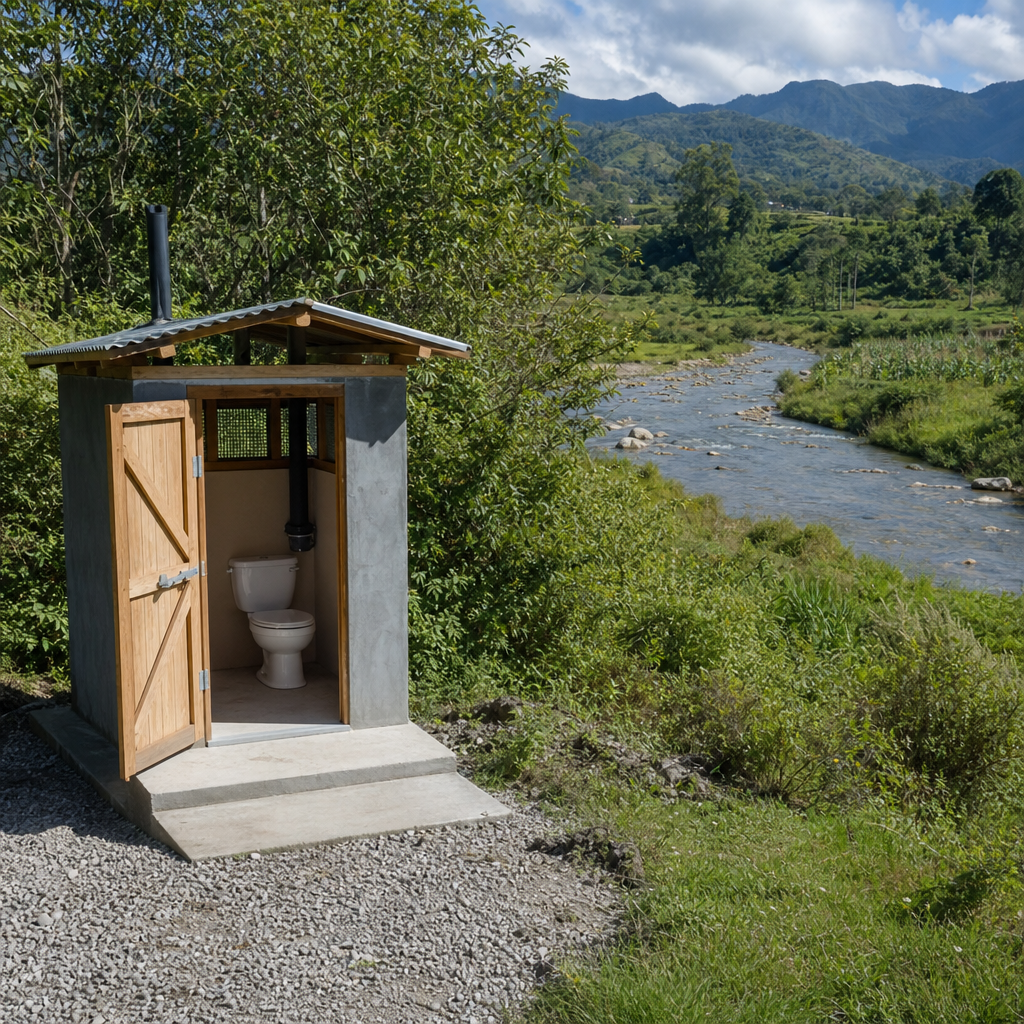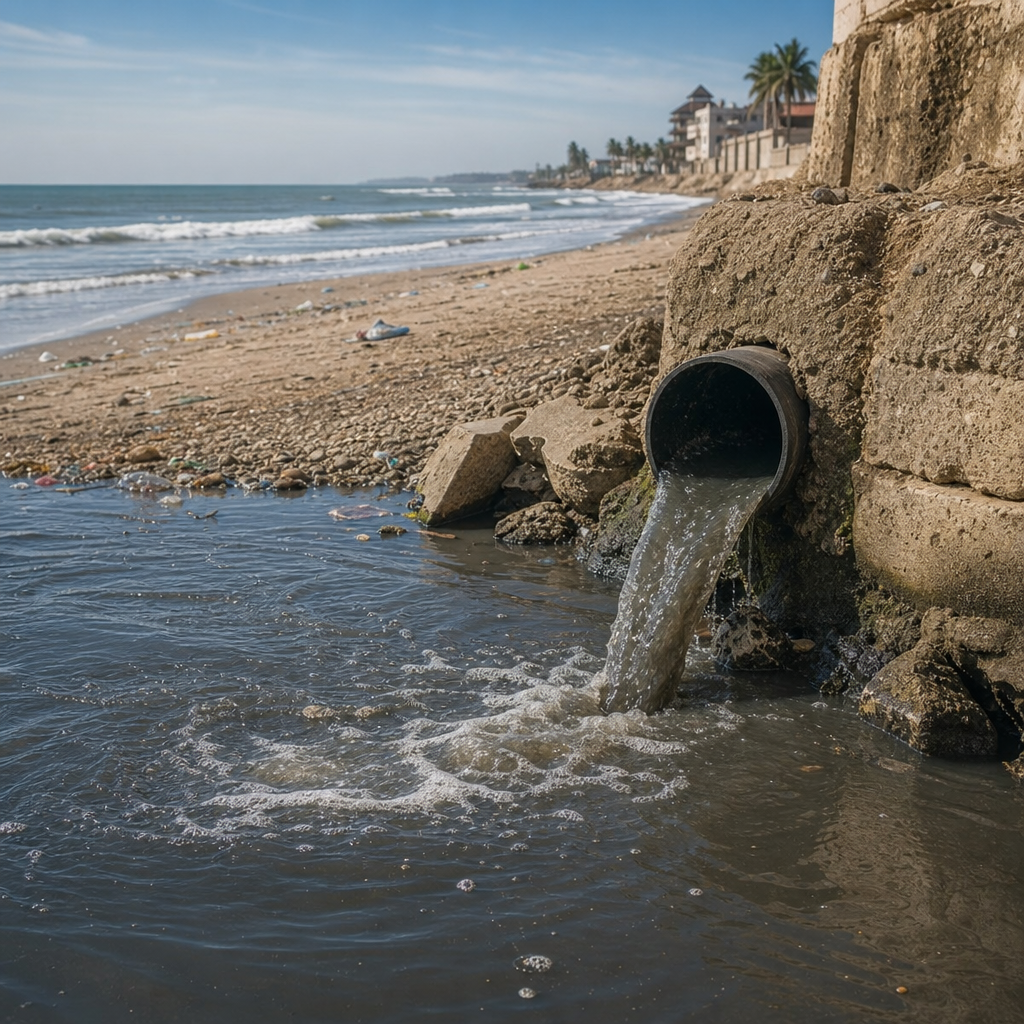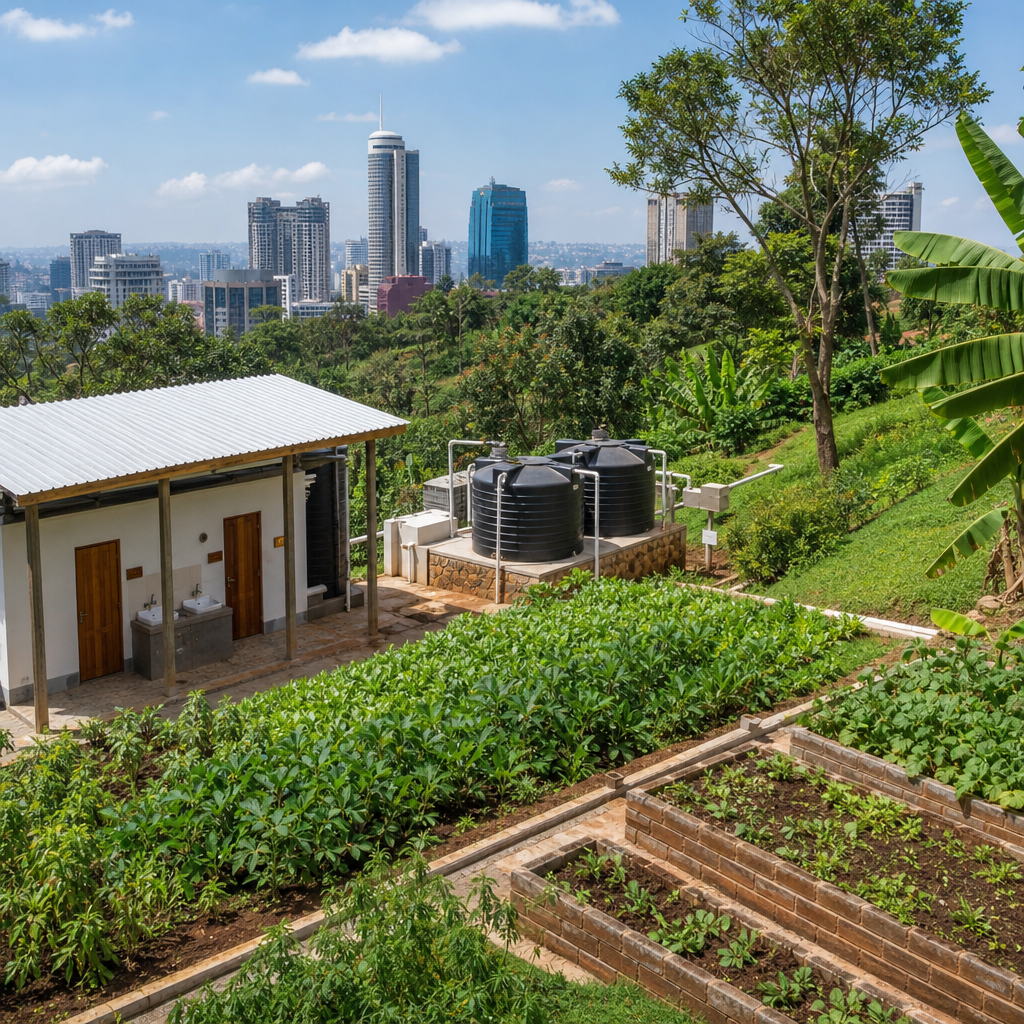
Sustainable city planning is the practice of designing neighborhoods, infrastructure, public services, and growth patterns so urban areas meet present needs without degrading the natural systems that future residents depend on. In that effort, sanitation is not a background utility; it is a core environmental protection function. EcoSan’s contribution to sustainable city planning begins with a simple principle I have seen repeatedly on real projects: when cities manage waste and wastewater intelligently, they reduce pollution, protect water supplies, lower disease risk, and create cleaner conditions for compact urban growth. This article serves as a hub for understanding EcoSan’s role in environmental protection, connecting sanitation decisions to land use, climate resilience, resource recovery, and public health outcomes.
EcoSan, short for ecological sanitation, refers to sanitation systems designed to safely contain, treat, and reuse human waste and wastewater in ways that protect ecosystems and recover value. Depending on local conditions, that can include decentralized wastewater treatment, urine diversion, composting toilets, fecal sludge management, nutrient recovery, greywater reuse, and nature-based treatment systems such as constructed wetlands. The objective is broader than disposal. EcoSan aims to break the historic pattern in which cities consume water, flush nutrients away, pollute rivers, and then spend more energy and money repairing the damage. Instead, it treats sanitation as part of a circular urban metabolism.
This matters because cities are where environmental pressures concentrate fastest. Urbanization increases impervious surfaces, wastewater volumes, energy demand, and stress on downstream watersheds. According to UN estimates, more than half of the world’s population already lives in urban areas, and the share continues to rise. At the same time, many municipal sewer networks are aging, incomplete, or financially difficult to extend to informal settlements and fringe development. I have worked on planning discussions where the sanitation choice quietly determined whether a district could grow sustainably at all. A conventional sewer may work well in one dense corridor, while decentralized EcoSan systems may be the only practical, lower-impact solution in water-scarce or rapidly expanding neighborhoods.
As a hub page under environmental impact, this article explains how EcoSan supports sustainable city planning across the issues planners, utility managers, developers, and community leaders care about most. It covers pollution prevention, resource efficiency, climate adaptation, public health, urban equity, governance, and implementation tradeoffs. It also points toward related themes cities often explore next, including wastewater reuse, biosolids management, stormwater integration, green infrastructure, and low-carbon service delivery. The central idea is clear: EcoSan does not sit at the edge of urban policy. It helps shape how a city protects land, water, air, and people while it grows.
How EcoSan protects urban ecosystems
EcoSan protects urban ecosystems by stopping contaminants from entering soil, groundwater, rivers, lakes, and coastal areas before ecological damage spreads. In conventional failure scenarios, leaking sewers, overflowing septic tanks, unmanaged pit latrines, and untreated sludge release pathogens, nitrogen, phosphorus, pharmaceuticals, and organic matter into the environment. Those pollutants drive eutrophication, fish kills, algal blooms, oxygen depletion, and drinking water contamination. Ecological sanitation addresses the problem at the source through containment, treatment, and safe reuse pathways matched to actual site conditions.
In practice, the strongest environmental protection benefit is often reduction of diffuse pollution. A city may have one treatment plant for the formal core but thousands of onsite systems on the periphery. If those systems are badly designed or never desludged, they become a hidden but major contamination source. EcoSan frameworks improve this by defining the full service chain: user interface, collection, transport, treatment, reuse, and final disposal. The World Health Organization sanitation safety planning approach reinforces this risk-based logic by identifying hazards at each step and setting controls. That structure makes EcoSan relevant not just to toilets, but to the wider urban environment.
Nature-based systems illustrate the point clearly. Constructed wetlands, planted drying beds, and stabilization ponds can remove organic load, suspended solids, and some nutrients while creating habitat and requiring less energy than intensive mechanical treatment. They are not appropriate everywhere, especially where land is limited or effluent standards are strict, but in peri-urban zones they can provide robust environmental performance with lower operational complexity. I have seen municipalities favor such systems because they tolerate variable flows better than fragile centralized assets and are easier to maintain with local capacity.
Resource recovery and the circular city
One of EcoSan’s most important contributions to sustainable city planning is resource recovery. Human waste contains nitrogen, phosphorus, potassium, organic carbon, and water, all of which have value if managed safely. Traditional linear systems treat these as liabilities to be diluted and discharged. EcoSan treats them as recoverable resources that can support urban agriculture, landscaping, soil restoration, and in some cases energy generation. This circular approach aligns sanitation with the wider goals of resilient, low-waste cities.
Urine diversion is a good example. Source-separated urine contains most of the nitrogen and a large share of the phosphorus excreted by households, yet it is relatively low in pathogens compared with feces. With proper storage and handling under accepted guidelines, it can be processed into fertilizer products. Likewise, composting or co-composting treated fecal matter with organic municipal waste can produce soil amendments, provided treatment standards and quality controls are met. Where anaerobic digestion is feasible, sludge can contribute to biogas production, reducing fossil fuel demand. These options are not theoretical. Cities and utilities in Sweden, South Africa, India, and elsewhere have tested or scaled variants of nutrient recovery and reuse.
For planners, the relevance is strategic. Recovering nutrients reduces dependence on synthetic fertilizers, whose production is energy intensive and vulnerable to supply shocks. Reusing treated greywater or effluent reduces freshwater demand for irrigation, parks, and some industrial applications. In drought-prone cities, that can be a decisive advantage. Resource recovery also changes project economics. Revenue from compost, reclaimed water, or energy rarely pays for the whole sanitation system, but it can offset operating costs and improve long-term viability.
| EcoSan component | Environmental benefit | City planning relevance |
|---|---|---|
| Urine diversion | Recovers nitrogen and phosphorus, lowers nutrient discharge | Supports local fertilizer supply and reduces eutrophication risk |
| Composting toilets or co-composting | Stabilizes waste and creates soil amendments | Useful in low-water districts and urban agriculture programs |
| Constructed wetlands | Treats wastewater with low energy demand | Fits peri-urban growth areas and green infrastructure plans |
| Greywater reuse | Reduces potable water consumption | Improves drought resilience for parks and public landscapes |
| Anaerobic digestion | Produces biogas and reduces sludge volume | Links sanitation with municipal energy and waste strategies |
Water conservation, watershed health, and pollution control
EcoSan strengthens sustainable city planning by reducing water demand and protecting watershed health at the same time. In water-stressed regions, conventional flush systems can be environmentally costly because they require large volumes of potable water simply to move waste. Low-flush, vacuum, dry, or urine-diverting systems sharply reduce that burden. The savings matter at city scale. Less water used in sanitation means less extraction from rivers, aquifers, and reservoirs, which helps maintain environmental flows and reduces pressure on already stressed catchments.
Watershed protection improves when cities stop exporting untreated or poorly treated waste downstream. Excess nitrogen and phosphorus from wastewater are among the main drivers of harmful algal blooms and degraded freshwater ecosystems. The U.S. Environmental Protection Agency and the European Environment Agency have both documented the impact of nutrient pollution on lakes, estuaries, and coastal waters. EcoSan approaches reduce these loads by promoting separation, treatment closer to source where appropriate, and reuse pathways that keep nutrients in productive cycles rather than in receiving waters.
Greywater management is especially useful in integrated urban design. Separating relatively low-strength greywater from blackwater can make treatment and reuse simpler. Treated greywater can irrigate street trees, recharge landscapes, or support nonpotable uses under local regulation. That reduces runoff stress while maintaining urban green spaces that cool neighborhoods and improve biodiversity. The key is design discipline. Reuse systems require clear plumbing separation, treatment validation, cross-connection control, and monitoring. When those controls are weak, environmental gains can be undermined by health risks. Done properly, however, EcoSan gives cities a practical way to pair sanitation with watershed stewardship.
Climate resilience, carbon reduction, and infrastructure flexibility
Climate resilience is now a central test for city planning, and EcoSan performs well because it can be modular, decentralized, and less vulnerable to single-point failures. Centralized sewerage remains essential in many dense districts, but it can be exposed to flooding, power outages, sea-level rise, and combined sewer overflows during extreme rainfall. Distributed ecological sanitation systems can reduce those risks by shortening conveyance distances, lowering dependence on constant water supply, and allowing phased expansion as neighborhoods grow.
From a carbon perspective, EcoSan can reduce emissions in several ways. Lower water use means less energy for abstraction, pumping, and treatment. Shorter transport distances for fecal sludge can reduce fuel demand when treatment is locally available. Anaerobic digestion can capture methane for beneficial use instead of allowing uncontrolled emissions from open decomposition. Nature-based treatment systems usually consume less electricity than energy-intensive activated sludge plants, though their land needs can be greater. The exact carbon outcome depends on design, climate, hauling distance, and operations, so cities should use life-cycle assessment rather than assumptions.
Flexibility is another planning advantage. I have seen EcoSan options used as transitional infrastructure in fast-growing districts where immediate sewer extension was unrealistic. Instead of waiting a decade for trunk lines, planners deployed onsite or clustered systems with scheduled sludge management and defined upgrade paths. That protected local waterways during the growth period and avoided locking communities into unsafe informal arrangements. In resilient planning, the best sanitation solution is often not the largest network, but the one that keeps service reliable under changing rainfall, population, and budget conditions.
Public health, urban equity, and livable neighborhoods
Environmental protection and public health are inseparable in sanitation planning. EcoSan improves livability by reducing human exposure to pathogens, vectors, foul odors, and contaminated floodwater. When sanitation fails, the environmental consequences show up quickly in clinics and households: diarrheal disease, parasite transmission, child growth impacts, and higher burdens on low-income communities located near drains, dumps, or polluted waterways. Safe sanitation interrupts those pathways.
Equity is where EcoSan often provides the strongest planning value. Conventional sewer expansion usually reaches formal, high-density, higher-income areas first because the return on investment is clearer and land tenure is more stable. Informal settlements, peri-urban fringes, schools, markets, and transport hubs are left with partial service. Ecological sanitation offers adaptable models for these contexts, including container-based sanitation, shared facilities with safe off-site treatment, and simplified decentralized systems. These can deliver meaningful environmental protection long before full network coverage becomes feasible.
Good implementation still depends on management quality. A poorly maintained decentralized system is not equitable; it simply shifts risk out of sight. Successful programs define service standards, operator responsibilities, tariffs, maintenance schedules, and user education. Cities such as Durban have demonstrated that non-sewered approaches can be part of official service delivery when they are supported by municipal policy, technical oversight, and regular emptying services. For sustainable neighborhoods, sanitation must be safe, dignified, and reliable for every resident, not only environmentally elegant on paper.
Governance, standards, and practical implementation
For EcoSan to shape sustainable city planning effectively, governance matters as much as technology. The most successful programs start with a citywide inclusive sanitation perspective: every resident, every waste stream, and the complete service chain. That means planners coordinate land use, drainage, public health, housing, and utility policy rather than treating sanitation as an isolated engineering package. It also means using recognized standards. WHO guidelines on safe use and sanitation risk management, ISO 30500 for non-sewered sanitation systems, and local building and effluent regulations provide the guardrails that turn environmental ambition into credible delivery.
Implementation begins with context mapping. Cities need data on density, groundwater depth, flood risk, soil permeability, water scarcity, existing containment conditions, road access for desludging, and current treatment capacity. Those factors determine whether sewered, onsite, or hybrid systems make environmental sense. Financing must also reflect reality. Capital subsidies may be needed for household access, while service tariffs and municipal budgets support operation, monitoring, and periodic replacement. Digital tools such as GIS-based sanitation mapping and asset management platforms help cities identify pollution hotspots and plan interventions more precisely.
Tradeoffs should be stated clearly. EcoSan is not a universal substitute for sewers. Dense downtown districts may require centralized conveyance and advanced treatment. Reuse markets can be weak. Social acceptance can be a barrier, especially around handling recovered products. Some decentralized systems fail because cities underfund maintenance or ignore operator training. Yet these limitations do not reduce EcoSan’s importance. They show why ecological sanitation must be planned as a managed urban service, not a one-time installation. When cities match technology to context and enforce service quality, EcoSan becomes a practical tool for environmental protection at scale.
EcoSan’s contribution to sustainable city planning is best understood as a system benefit, not a single product or toilet type. It protects rivers and aquifers by containing and treating waste safely. It supports circular resource use through nutrient recovery, reclaimed water, compost, and biogas. It improves climate resilience by offering modular, lower-water, and sometimes lower-energy service options. It advances public health and urban equity by extending safe sanitation to areas conventional networks often miss. Most importantly, it helps cities grow without treating the environment as a sacrifice zone.
For decision-makers, the main lesson is straightforward. Sustainable planning should evaluate sanitation early, alongside transport, housing, drainage, and land use. Waiting until the end of the process usually increases pollution, cost, and inequality. EcoSan works best when supported by standards, monitoring, operator capacity, and realistic financing, and when paired with local environmental goals such as watershed restoration, drought preparedness, and low-carbon infrastructure. In that role, it becomes a foundation for healthier neighborhoods and more resilient municipal systems.
As the hub for EcoSan’s role in environmental protection, this page should guide your next steps across the wider topic. Explore related articles on wastewater reuse, fecal sludge management, green infrastructure integration, decentralized treatment design, and sanitation policy models. If you are planning a district, updating a utility strategy, or evaluating environmental impact, start by asking one practical question: how can sanitation protect natural systems while serving every resident well? EcoSan provides answers worth building into the city from the beginning.
Frequently Asked Questions
1. How does EcoSan support sustainable city planning?
EcoSan supports sustainable city planning by treating sanitation as a foundational part of urban resilience rather than as a hidden back-end service. In practical terms, that means helping cities manage waste and wastewater in ways that protect water resources, reduce pollution, improve public health, and make future growth more manageable. Sustainable city planning depends on systems that work not only for current residents but also for the next generation, and sanitation has a direct effect on whether that goal is realistic. When wastewater is poorly handled, cities often face contaminated waterways, soil degradation, infrastructure strain, and preventable health risks. EcoSan’s role is to help prevent those outcomes through smarter sanitation strategies that fit broader planning objectives.
What makes this contribution especially important is the way sanitation connects with nearly every major urban planning priority. Reliable waste and wastewater management supports healthier neighborhoods, cleaner public spaces, stronger environmental compliance, and more efficient land use. It also helps planners think long term about density, expansion, stormwater pressures, and service delivery. In many real-world projects, sanitation becomes one of the clearest indicators of whether a city is growing responsibly. EcoSan contributes by aligning sanitation solutions with sustainability targets, so city planning is not just about where people live and work, but also about how urban systems function safely and sustainably behind the scenes.
2. Why is sanitation considered a core environmental protection function in city planning?
Sanitation is considered a core environmental protection function because it directly affects the health of ecosystems that cities rely on every day. Urban areas depend on clean rivers, groundwater, wetlands, soil systems, and air quality to remain livable and economically stable. If waste and wastewater are not managed effectively, contamination spreads quickly through those systems. That can lead to polluted water bodies, damaged habitats, increased nutrient loading, unpleasant urban conditions, and higher long-term remediation costs. In other words, sanitation is not separate from environmental stewardship; it is one of the most immediate ways a city either protects or harms its natural surroundings.
From a planning perspective, sanitation also influences how well a city can absorb growth without creating environmental decline. A city may invest in green buildings, transit, and parks, but if wastewater infrastructure is underperforming or waste handling is inconsistent, those sustainability gains can be undermined. EcoSan’s contribution matters here because it reinforces the idea that environmental performance starts with daily operational systems. Effective sanitation protects receiving waters, supports regulatory compliance, reduces exposure to harmful pollutants, and helps maintain the ecological conditions future residents will depend on. For planners, that makes sanitation one of the most practical and essential tools for turning sustainability goals into measurable outcomes.
3. In what ways can EcoSan improve public health in growing urban areas?
EcoSan improves public health in growing urban areas by reducing residents’ exposure to contamination and by helping sanitation systems keep pace with population change. As neighborhoods expand and urban density increases, the risks associated with inadequate wastewater treatment, waste accumulation, and failing infrastructure become more serious. Poor sanitation can contribute to waterborne illness, pest activity, degraded living conditions, and broader environmental health burdens, especially in vulnerable communities. EcoSan helps address these risks by promoting more reliable, better-integrated sanitation approaches that support cleaner streets, safer water systems, and more hygienic urban environments.
The public health value extends beyond disease prevention. Well-managed sanitation contributes to a higher overall quality of life. It supports cleaner public spaces, reduces odor and nuisance conditions, lowers stress on overloaded service systems, and creates neighborhoods that are more functional and dignified for residents. In the context of sustainable city planning, this matters because healthy cities are not built only through hospitals and clinics; they are also built through the infrastructure decisions that reduce health risks before they begin. EcoSan’s contribution is especially meaningful when cities are planning for long-term growth, because a sanitation system that protects public health today also helps prevent more costly and disruptive health challenges in the future.
4. How does EcoSan help cities plan for long-term growth and infrastructure resilience?
EcoSan helps cities plan for long-term growth and infrastructure resilience by encouraging sanitation systems that are designed with future demand, environmental limits, and operational reliability in mind. One of the recurring challenges in city planning is that growth often arrives faster than legacy infrastructure can handle. When sanitation systems are undersized, outdated, or disconnected from broader planning efforts, the result is usually a cycle of emergency responses, environmental stress, and expensive retrofits. EcoSan contributes by helping municipalities think ahead about capacity, service coverage, maintenance needs, and how sanitation investments can align with land use plans, housing development, and climate-related pressures.
Resilience is also about how well a city responds to disruption. Heavy rainfall, flooding, drought, and rapid urban expansion can all place sanitation systems under pressure. A sustainable planning approach recognizes that these pressures are no longer occasional exceptions; they are part of the conditions cities must prepare for. EcoSan’s value lies in supporting sanitation strategies that are more adaptable, more efficient, and better integrated into the city’s long-term development vision. That helps planners reduce system vulnerability, avoid environmental setbacks, and create infrastructure networks that remain dependable as the city changes. In that sense, EcoSan is not just helping solve today’s sanitation needs; it is helping cities build a stronger operational foundation for tomorrow.
5. What are the broader sustainability benefits of integrating EcoSan into urban development plans?
Integrating EcoSan into urban development plans delivers broad sustainability benefits because sanitation influences environmental quality, social well-being, and infrastructure performance all at once. On the environmental side, effective sanitation reduces pollutant discharge, protects natural water systems, and helps preserve the ecological assets that support urban life. On the social side, it contributes to healthier communities, more equitable service delivery, and better living conditions across neighborhoods. On the economic and operational side, it helps cities avoid the compounding costs that come from neglected infrastructure, environmental damage, and reactive maintenance. This multi-layered impact is exactly why sanitation should be treated as a strategic planning issue rather than a narrow utility concern.
There is also a strong governance benefit. When cities integrate sanitation planning early, decision-makers can coordinate more effectively across departments responsible for housing, transportation, public works, environmental management, and economic development. That leads to more coherent investments and fewer gaps between planning goals and on-the-ground service realities. EcoSan’s contribution is especially valuable because it helps frame sanitation as part of a citywide sustainability system. Instead of viewing waste and wastewater management as isolated technical tasks, it places them where they belong: at the center of responsible urban development. For cities that want growth without environmental decline, that perspective is not optional; it is essential.