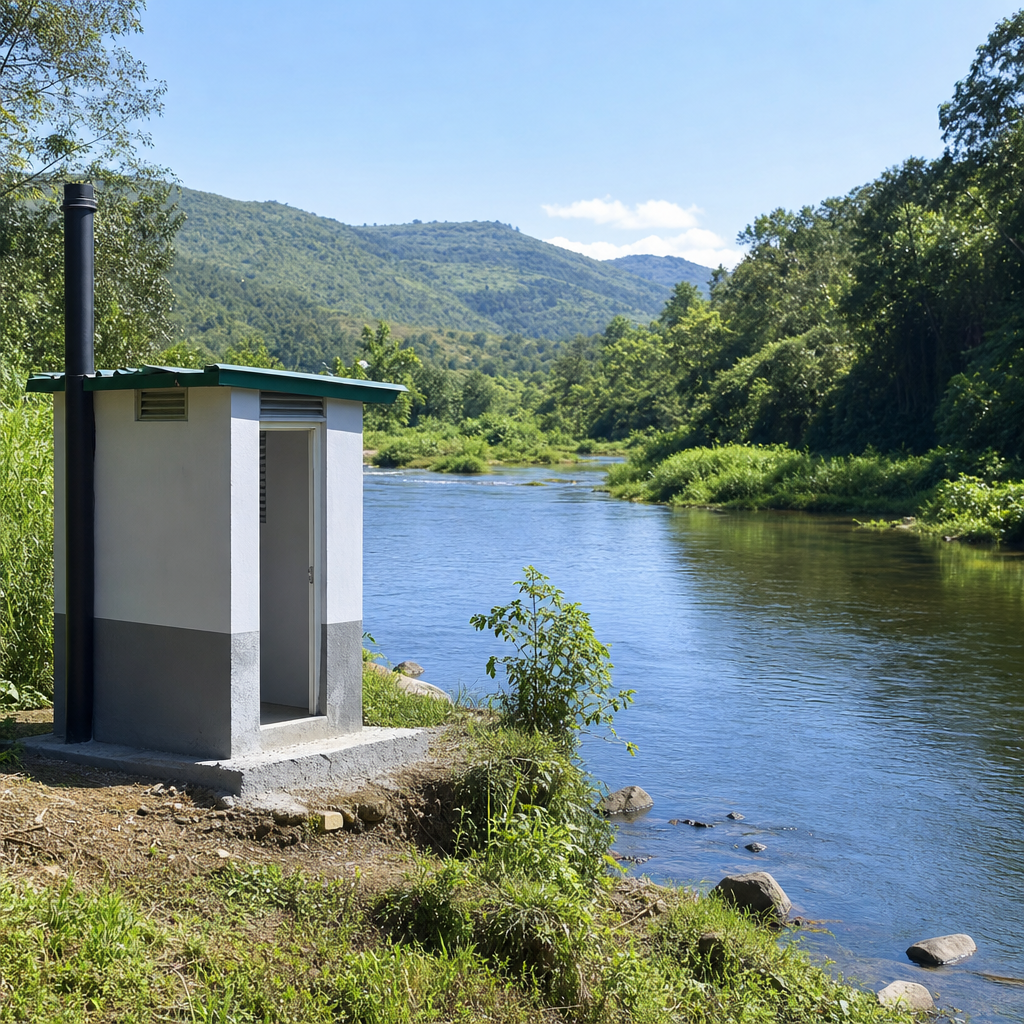
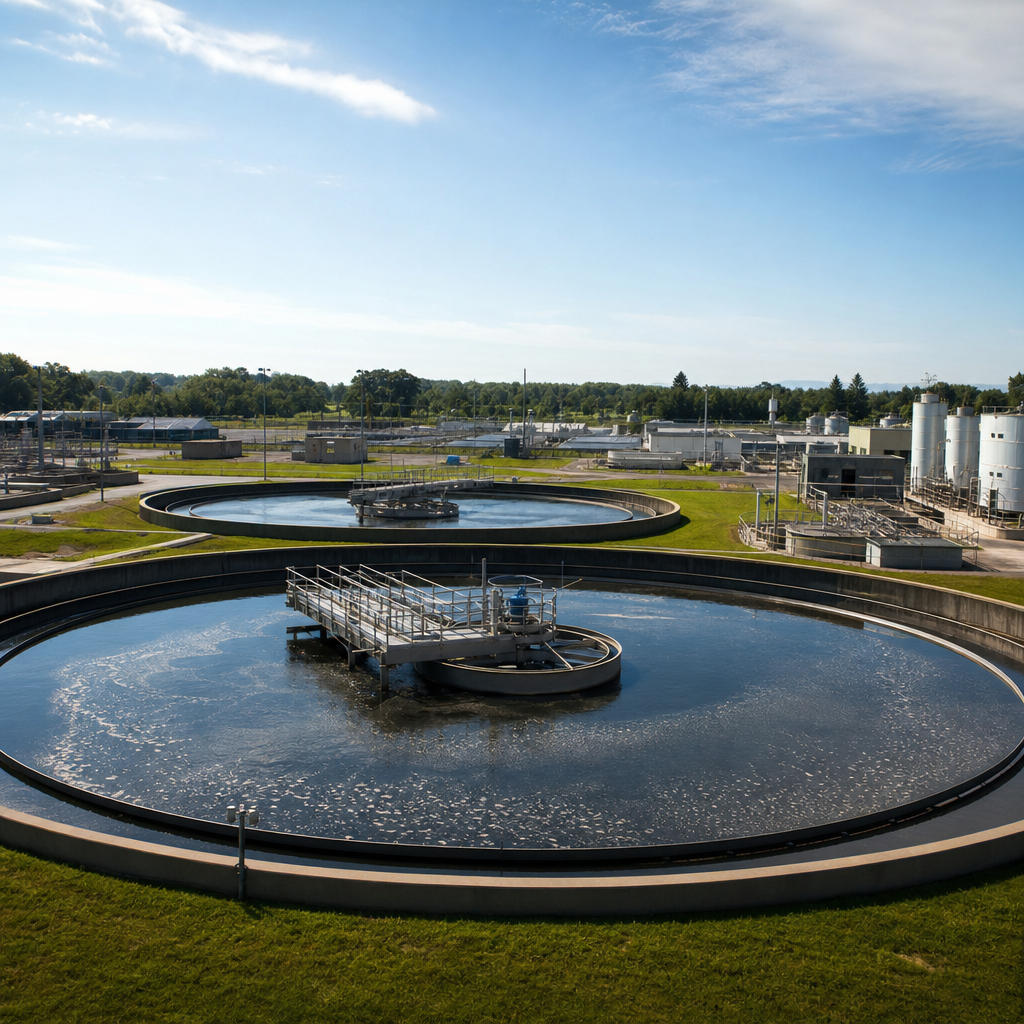
EcoSan Solutions for Wetland Protection sit at the intersection of sanitation engineering, water stewardship, and habitat conservation. EcoSan, short for ecological sanitation, is a system design approach that treats human waste as a resource rather than a disposal problem. Wetland protection focuses on preventing pollution, hydrologic disruption, nutrient overload, and pathogen spread in marshes, swamps, bogs, floodplains, and constructed wetlands. When these topics are linked, the result is practical environmental impact: cleaner water, lower nutrient discharge, reduced wastewater infrastructure strain, and better outcomes for biodiversity. I have worked on sanitation planning where failing septic systems sent nitrogen into shallow groundwater, and the downstream effect on wetland vegetation was immediate and measurable.
This matters because wetlands are among the most productive ecosystems on Earth, yet they are highly sensitive to contamination from poorly managed sanitation. The U.S. Environmental Protection Agency identifies wetlands as critical for water filtration, flood mitigation, shoreline stabilization, and wildlife support. The Ramsar Convention also recognizes wetlands as globally important ecosystems requiring careful management. Conventional sanitation can protect wetlands when sewer networks and treatment plants are well designed and maintained, but in peri-urban settlements, flood-prone villages, remote tourism sites, and dispersed rural housing, centralized systems are often unavailable or too costly. In those settings, EcoSan offers an alternative path by separating waste streams, recovering nutrients, minimizing water use, and reducing the pollutant load that would otherwise reach sensitive wetland environments.
As a hub within the broader environmental impact topic, this guide explains how EcoSan and the environment connect across water quality, nutrient recovery, climate resilience, biodiversity, and land use. It also clarifies the limits of the approach. EcoSan is not a single toilet model; it includes urine-diverting dry toilets, composting toilets, container-based sanitation, blackwater source separation, and treatment steps that convert excreta into safer agricultural inputs. The core principle is prevention at the source. Instead of mixing nutrients, pathogens, industrial chemicals, and large volumes of water into one hard-to-manage waste stream, EcoSan systems keep materials separate so treatment becomes more efficient and environmental leakage becomes less likely. For wetlands, that distinction is decisive.
In plain terms, EcoSan protects wetlands by stopping contamination before it spreads. It reduces effluent volume, lowers nitrogen and phosphorus loading, limits fecal pathogen transport, and can prevent chronic seepage from pits or septic tanks installed in saturated soils. It also supports circular resource use, which lowers pressure on synthetic fertilizer production and freshwater demand. For policymakers, engineers, site planners, and landowners, understanding these connections helps with better decisions about sanitation in ecologically sensitive areas. The rest of this article breaks down the main mechanisms, design choices, performance tradeoffs, and implementation factors that shape whether EcoSan becomes a real wetland protection tool or just a good idea on paper.
Why wetlands are vulnerable to sanitation failures
Wetlands function as natural buffers, but they are not indestructible. Their shallow water tables, periodic flooding, slow drainage, and biologically active soils make them especially vulnerable to sanitation systems that leak, overflow, or discharge untreated effluent. In many coastal plains and river basins, pit latrines and septic drain fields are placed too close to wetlands because land is cheap or regulations are weakly enforced. I have seen sites where groundwater sat less than one meter below the surface during the rainy season; in those conditions, untreated leachate has a direct pathway into wetland margins. Once nutrients and pathogens enter these systems repeatedly, the damage becomes cumulative.
The most common sanitation-related threats are excess nitrogen, excess phosphorus, fecal bacteria, viruses, protozoa, pharmaceutical residues, and household chemicals. Nitrogen is often the dominant problem from septic systems because nitrate moves readily through soil and groundwater. Phosphorus can bind to soils for a time, but in saturated or disturbed conditions it may be released and stimulate algal growth. Pathogens present more immediate human health risks where wetlands connect to fishing areas, irrigation canals, or recreational waters. In warm climates, these risks rise quickly during floods, when latrines inundate and wastewater bypasses normal soil filtration. Wetland vegetation can absorb some nutrient inputs, but persistent loading alters plant communities and oxygen dynamics.
Hydrology also matters. A wetland survives because water moves through it at a specific timing, depth, and duration. Conventional sewer expansion often solves local wastewater issues, yet trenching, road building, pumping stations, and outfalls can disturb hydrologic patterns if poorly sited. Onsite systems create a different challenge: they depend on unsaturated soil to provide treatment, but wetland-adjacent landscapes often do not offer enough vertical separation to groundwater. That is why sanitation near wetlands must be planned as an ecological design issue, not merely a household service issue. EcoSan starts from that reality by reducing dependence on infiltration where infiltration is environmentally unsafe.
How EcoSan systems reduce pollution at the source
EcoSan works best when it prevents mixing and manages each waste stream according to its properties. Urine contains most of the nitrogen and a substantial share of phosphorus and potassium excreted by humans, while feces contain most of the pathogens and organic solids. Greywater from handwashing, bathing, and laundry is usually lower in pathogens than blackwater but still requires management. By separating these streams, EcoSan avoids creating large volumes of diluted wastewater that are expensive to treat and prone to leakage. This is particularly important in wetland buffers, where every liter infiltrated or discharged can influence shallow groundwater and surface water quality.
Urine diversion is one of the most effective source-control strategies. Stored urine can be sanitized over time and applied as fertilizer under regulated conditions, reducing the nitrogen load that would otherwise enter wetlands. Fecal matter can be composted, dehydrated, or further treated through thermophilic processing, alkaline stabilization, or offsite treatment depending on system design and climate. In container-based sanitation, sealed containers are collected before overflow occurs, making the system suitable for flood-prone settlements where pits would fail. Composting toilets reduce water consumption and create a more stable end product, but they require disciplined operation, carbon-rich cover material, moisture control, and user acceptance. EcoSan succeeds when these operational details are treated as essential, not optional.
| EcoSan approach | Main wetland protection benefit | Best use case | Key limitation |
|---|---|---|---|
| Urine-diverting dry toilet | Reduces nutrient discharge and water use | Rural homes near sensitive wetlands | Needs consistent user behavior |
| Composting toilet | Lowers pathogen and organic loading | Parks, eco-lodges, off-grid sites | Requires careful maintenance |
| Container-based sanitation | Prevents seepage in flood-prone soils | Dense informal settlements | Depends on reliable collection service |
| Source-separated blackwater treatment | Improves treatment efficiency | Institutions and clustered housing | Higher upfront design complexity |
Compared with conventional pits and basic septic systems, EcoSan can sharply reduce direct nutrient loading to wetland edges because it limits infiltration from untreated waste. It also reduces water demand, which matters where excessive groundwater abstraction can dry seasonal wetlands or alter salinity patterns in coastal systems. However, source separation is not automatic environmental protection. If urine is overapplied to fields before storms, nutrients can still wash into waterways. If compost is not fully stabilized, pathogens can survive. The environmental advantage comes from the full management chain: capture, storage, treatment, transport, end use, and monitoring.
Nutrient recovery, circularity, and water quality outcomes
One reason EcoSan deserves attention in environmental impact planning is that it turns a wetland pollution problem into a nutrient management opportunity. Human urine and feces contain nitrogen, phosphorus, potassium, sulfur, and micronutrients that crops need. The Stockholm Environment Institute and practitioners in several countries have documented nutrient recovery from source-separated sanitation as a practical way to offset fertilizer demand. This matters because synthetic nitrogen fertilizer production is energy intensive, while mined phosphate is a finite resource concentrated in a limited number of countries. Recovering nutrients from sanitation does not replace all conventional fertilizers, but it can reduce dependence and close local nutrient loops.
For wetlands, the water quality benefit is straightforward: nutrients recovered and applied correctly to agriculture are nutrients not discharged into marshes, estuaries, and riparian zones. Excess nitrogen can drive eutrophication, causing algal blooms, low dissolved oxygen, fish stress, and shifts in plant composition. Excess phosphorus accelerates the same process, especially in freshwater wetlands. In field planning, I treat nutrient recovery as both a sanitation intervention and a watershed intervention. It cuts pollutant transport at the household scale while supporting soil fertility at the farm scale. That dual value is why EcoSan often performs better in integrated land-and-water management programs than in standalone toilet projects.
Still, nutrient reuse must follow agronomic rules. Application rates should match crop needs, soil conditions, and seasonal rainfall patterns. Buffer distances from wetlands and drainage channels are essential. Storage periods for urine and treatment standards for biosolids need to reflect temperature, pathogen risk, and national guidance. The World Health Organization’s sanitation safety planning framework is useful here because it traces hazards from containment to end use. Done well, EcoSan improves water quality outcomes and supports circular resource use. Done poorly, it can simply relocate contamination. The distinction depends on governance, farmer training, and long-term service models.
Climate resilience, biodiversity, and landscape planning
Wetland protection is increasingly tied to climate resilience, and EcoSan contributes in several ways. First, dry and low-water sanitation systems remain functional when drought reduces water availability or when piped networks become unreliable. Second, container-based and raised systems can be designed for flood-prone areas where pit latrines collapse or septic systems backflow. Third, by reducing contamination, EcoSan helps maintain wetland vegetation and microbial processes that store carbon, slow floods, and support habitat complexity. Healthy wetlands can sequester significant amounts of carbon in waterlogged soils, but nutrient overload and hydrologic disruption weaken that function over time.
Biodiversity benefits follow from water quality protection. Amphibians, wading birds, fish nurseries, invertebrates, and wetland plants all respond to changes in nutrient status and pathogen pressure. For example, shallow wetlands downstream from dense settlements can shift from diverse emergent plant communities to algae-dominated, low-oxygen conditions when wastewater inputs rise. That change affects breeding habitat, food webs, and mosquito ecology. By preventing chronic leakage from sanitation systems, EcoSan supports the ecological integrity that conservation plans aim to preserve. It is not a substitute for wetland buffers, stormwater controls, or agricultural runoff reduction, but it removes one major stressor from the system.
Landscape planning determines whether these benefits materialize. The best projects map flood levels, groundwater depth, soil permeability, setback distances, and reuse pathways before choosing a toilet technology. In protected areas, EcoSan often pairs well with boardwalk tourism infrastructure, ranger stations, and decentralized service buildings because trenching and sewer extension would cause excessive disturbance. In peri-urban fringes, clustered EcoSan with scheduled collection can outperform scattered septic tanks. The lesson from practice is clear: sanitation should follow ecosystem constraints, not force ecosystems to absorb sanitation failures.
Implementation challenges, policy standards, and what good programs do well
EcoSan is technically sound, but implementation is where many programs succeed or fail. User behavior matters because source separation systems depend on correct use. Operations matter because dehydration chambers, composting vaults, urine tanks, and collection services all require routine management. Markets matter because reuse products need trusted quality standards and viable demand. Policy matters because sanitation codes are often written around sewers and septic systems, leaving little room for innovative systems near wetlands. I have seen excellent pilot installations lose credibility simply because no one funded scheduled emptying, spare parts, or local operator training after the launch period ended.
Good programs solve these issues early. They establish clear performance criteria for pathogen reduction, moisture control, odor management, vector exclusion, and nutrient handling. They assign responsibility for inspection and maintenance. They integrate sanitation with watershed plans, wetland buffer regulations, and public health oversight. They also use recognized methods such as hazard analysis, sanitation safety planning, and lifecycle cost assessment. These tools help compare EcoSan options against alternatives on the factors that actually matter: pollutant reduction, resilience, user acceptance, capital cost, operating cost, and long-term environmental risk. The strongest programs also measure outcomes, including groundwater nitrate, surface water indicators, and service reliability.
For organizations building an environmental impact content hub, the big takeaway is that EcoSan and the environment should be discussed as a connected system. Wetland protection links naturally to related topics such as water conservation, nutrient recovery, flood adaptation, soil health, decentralized wastewater management, and circular economy policy. Internal topic planning should reflect those relationships because readers rarely ask about toilets in isolation; they ask how sanitation affects water, land, ecosystems, and community resilience. That broader framing is where EcoSan has its strongest case.
EcoSan Solutions for Wetland Protection offer a practical framework for reducing pollution where conventional sanitation is risky, expensive, or ecologically unsuitable. The central idea is simple: manage waste at the source so nutrients, pathogens, and excess water do not reach sensitive wetlands. Across rural homes, flood-prone settlements, conservation areas, and off-grid facilities, EcoSan can lower nitrogen and phosphorus loading, reduce seepage, save water, and support safer nutrient reuse. Those benefits matter because wetlands protect communities as much as communities protect wetlands. Cleaner marshes and floodplains mean better biodiversity, more reliable water quality, and stronger climate resilience.
The article’s main lesson is not that one toilet technology solves every problem. It is that sanitation decisions must fit hydrology, soils, service capacity, and reuse pathways. Urine diversion, composting toilets, container-based sanitation, and source-separated treatment all have valid roles when selected for the right context and backed by maintenance, training, and standards. The strongest wetland outcomes come from complete management chains, not isolated hardware. If capture, transport, treatment, and end use are all designed well, EcoSan becomes one of the most effective tools available for wetland-adjacent sanitation planning.
If you are building an environmental impact strategy, start by auditing sanitation risks around wetlands, flood zones, shallow groundwater areas, and conservation sites. Then compare EcoSan options against current systems using water quality risk, lifecycle cost, and operational feasibility. That process will show where ecological sanitation can deliver immediate environmental gains and where supporting policies or services are needed first. Protecting wetlands starts upstream, often at the household or facility scale. Choose sanitation systems that keep pollution out of the landscape before nature is forced to absorb it.
Frequently Asked Questions
What are EcoSan solutions, and how do they help protect wetlands?
EcoSan solutions, or ecological sanitation systems, are sanitation approaches designed to safely manage human waste while recovering valuable resources such as nutrients, organic matter, and sometimes water. Instead of treating wastewater as something to move away and discharge, EcoSan systems aim to contain, treat, and reuse it in ways that reduce environmental harm. In the context of wetland protection, that shift is especially important because wetlands are highly sensitive to nutrient pollution, pathogen contamination, sediment loading, and changes in water flow.
Conventional sanitation failures often send untreated or partially treated sewage into nearby marshes, swamps, bogs, floodplains, and constructed wetlands. That can trigger algal growth, deplete oxygen, spread disease-causing organisms, and alter the ecological balance that wetlands depend on. EcoSan solutions reduce those risks by separating waste streams, improving on-site treatment, and limiting direct discharge into surrounding waters. Systems such as composting toilets, urine-diverting dry toilets, decentralized treatment units, and source-separating sanitation can all help prevent excess nitrogen, phosphorus, and pathogens from reaching wetland habitats.
EcoSan also supports wetland resilience by aligning sanitation design with local hydrology and land use. In areas where high water tables, seasonal flooding, or fragile soils make conventional septic systems unreliable, ecological sanitation can offer safer alternatives that do not depend on poorly performing underground disposal fields. In practical terms, that means fewer sewage leaks, less groundwater contamination, and better protection for the ecological functions wetlands provide, including water filtration, flood buffering, carbon storage, and wildlife habitat.
Why are wetlands particularly vulnerable to poor sanitation and wastewater mismanagement?
Wetlands are dynamic ecosystems, but they are also extremely vulnerable to pollution from failing sanitation infrastructure. Their defining characteristic is the presence of water, either permanently or seasonally, and that means contaminants can move quickly across the landscape once they enter the system. If untreated wastewater or septic effluent reaches a wetland, the result is often a concentrated mix of nutrients, bacteria, viruses, pharmaceuticals, and organic pollutants entering an area that supports complex biological communities.
One major concern is nutrient overload. Even small increases in nitrogen and phosphorus can change plant composition, stimulate invasive species, and upset the natural productivity of a wetland. Excess nutrients may also lead to eutrophication in connected waters, harming fish, amphibians, birds, and invertebrates. Pathogens are another serious issue. Wetlands near populated areas may be used by people and animals alike, so contamination from human waste can create public health risks while also affecting wildlife.
Hydrology is equally important. Poorly planned sanitation systems can disrupt natural water movement through drainage, trenching, fill, or overloading soils that are already saturated. Many traditional systems are not well suited to wetland-adjacent settings because they rely on soil absorption in conditions where infiltration may be limited or inconsistent. Once those systems fail, pollutants do not stay contained. That is why sanitation choices near wetlands must be based on site-specific conditions, including water table depth, flood frequency, soil type, and proximity to surface water. EcoSan approaches are valuable because they can be tailored to these realities rather than forcing a one-size-fits-all system into a highly sensitive environment.
Which EcoSan technologies are most effective for wetland protection?
The most effective EcoSan technologies for wetland protection are those that minimize direct discharge, perform reliably under local environmental conditions, and safely recover or stabilize waste before reuse or disposal. There is no single best option for every site, but several technologies are especially well suited to wetland-sensitive areas. Composting toilets are a strong example because they reduce or eliminate blackwater discharge and can function well in places where conventional septic systems would struggle due to saturated soils or frequent flooding. By treating waste above ground or in contained chambers, they lower the risk of seepage into wetland soils and waterways.
Urine-diverting dry toilets are another effective option. These systems separate urine and feces at the source, making it easier to manage nutrients and reduce moisture-related treatment challenges. Because urine contains a large share of the nitrogen and phosphorus in household waste, source separation can significantly reduce nutrient loading risks when managed correctly. Decentralized wastewater treatment systems can also play a major role, especially in small communities or facilities near wetlands. These systems are designed closer to the source and can include anaerobic treatment, filtration, disinfection, and controlled reuse rather than relying on long conveyance networks or vulnerable septic drain fields.
In some cases, greywater treatment and reuse systems complement EcoSan strategies by reducing the overall volume of wastewater requiring discharge or infiltration. However, effectiveness depends on proper design, operation, maintenance, and user training. A technology is only protective if it is matched to local conditions and managed responsibly over time. For that reason, the best EcoSan solution is usually selected through a detailed site assessment that considers flood risk, groundwater sensitivity, household or community scale, regulatory requirements, cultural acceptance, and long-term maintenance capacity. Wetland protection improves most when technology choice is combined with strong governance, monitoring, and public education.
Can EcoSan systems recover resources without creating new environmental risks?
Yes, EcoSan systems can recover resources safely, but only when treatment, handling, and reuse are managed carefully. The central idea behind ecological sanitation is that human waste contains nutrients and organic matter that can be beneficial if they are stabilized and applied in controlled ways. For wetland protection, this is important because resource recovery helps prevent those nutrients from entering sensitive aquatic ecosystems as pollution. Instead of allowing nitrogen and phosphorus to wash into nearby marshes or floodplains, EcoSan systems can redirect them into managed agricultural or landscape uses where they provide value.
That said, safe resource recovery requires more than good intentions. Pathogen reduction is essential, especially if composted solids or stored urine are going to be reused. Treatment standards, storage times, moisture control, temperature performance, and application methods all matter. If materials are reused too early, applied in the wrong place, or handled without safeguards, the system can still create contamination risks. This is why mature EcoSan programs emphasize barrier-based safety approaches, operator training, and clear reuse guidelines.
From a wetland protection standpoint, location is just as important as treatment. Recovered products should not be applied in ways that allow runoff into wetland areas, and reuse plans should account for slope, rainfall intensity, soil absorption, crop type, and buffer distances from water. In well-managed systems, resource recovery reduces fertilizer demand, closes nutrient loops, and lowers pressure on wastewater infrastructure while protecting aquatic habitats. In poorly managed systems, the benefits can be lost. The key is disciplined implementation supported by monitoring and local oversight. When those elements are in place, EcoSan can deliver both environmental protection and practical resource efficiency.
What should communities, developers, and land managers consider before adopting EcoSan solutions near wetlands?
Before adopting EcoSan solutions near wetlands, decision-makers should start with a full understanding of the site and the ecological sensitivity of the surrounding landscape. Wetland-adjacent sanitation planning is not just a plumbing decision; it is a land-use, public health, and conservation decision. The first step is usually a professional assessment of hydrology, flood exposure, soil conditions, groundwater vulnerability, seasonal water fluctuations, and the exact relationship between proposed sanitation infrastructure and nearby wetland boundaries. These factors determine whether a system can operate safely and what protective measures are needed.
Communities and developers should also evaluate scale and management capacity. A single household, a cluster development, a park facility, and a rural village may all need very different EcoSan approaches. Long-term success depends on who will maintain the system, how often inspections will occur, what training users need, and how residuals or recovered materials will be handled. Regulatory compliance is another major issue. Wetlands are often protected by local, regional, or national rules governing setbacks, discharges, earthwork, and water quality, so any EcoSan plan should be coordinated with environmental and health authorities from the beginning.
Social acceptance matters as well. Even technically strong systems can underperform if users do not understand how to use them or if there is resistance to source separation, compost handling, or maintenance routines. That is why public communication and stakeholder involvement are so valuable. When communities understand that EcoSan can reduce sewage leaks, protect fisheries, preserve habitat, and improve water stewardship, support tends to increase. The strongest projects combine sound engineering, ecological awareness, realistic operations planning, and clear education. In wetland settings, that integrated approach is what turns sanitation from a pollution risk into a conservation tool.