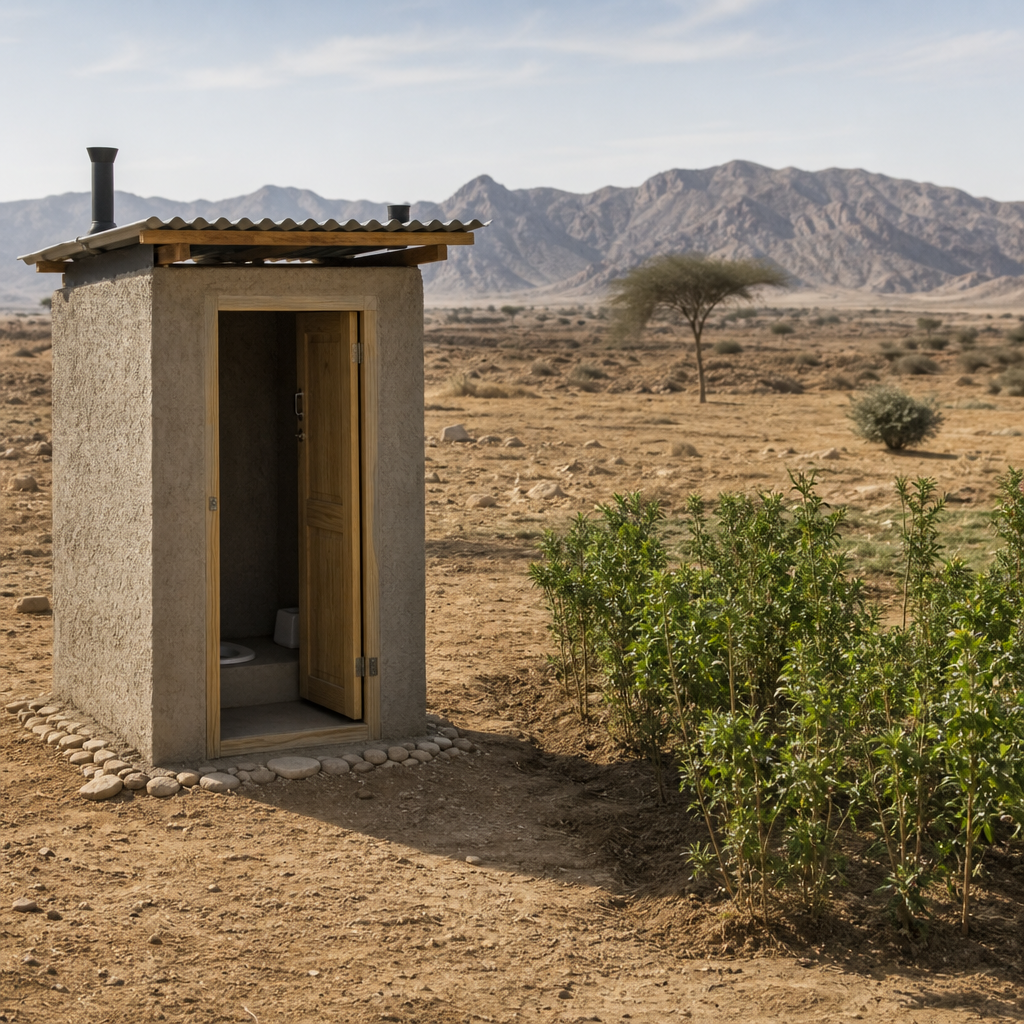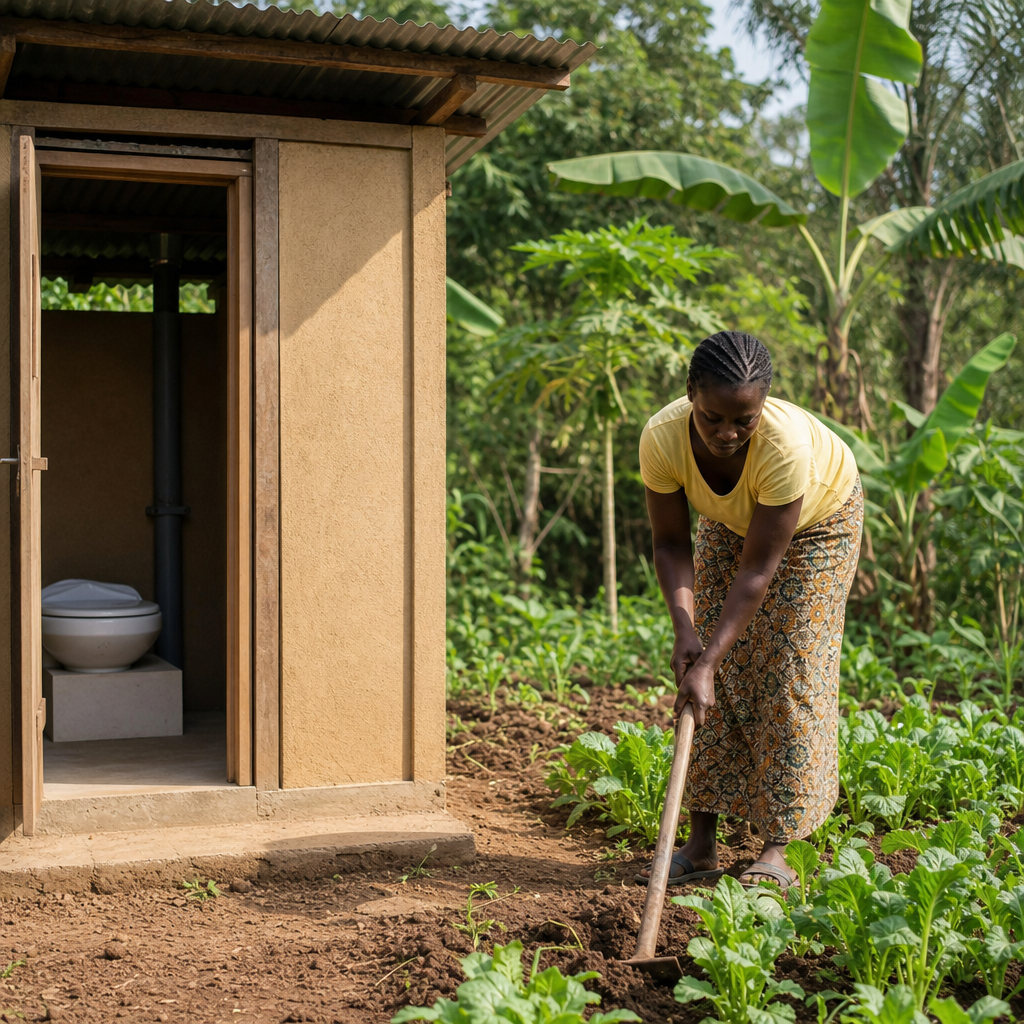
Natural sanitation systems protect water, soil, wildlife, and human communities by treating waste as a resource rather than a disposal problem. In environmental management, “natural sanitation systems” usually refers to decentralized, low-impact approaches such as composting toilets, urine diversion, constructed wetlands, vermifiltration, anaerobic digestion, and small-scale greywater treatment. EcoSan, short for ecological sanitation, is the practical framework behind many of these systems. Its core idea is simple: contain pathogens, recover nutrients, conserve water, and return safe organic matter to productive landscapes. When designed well, EcoSan reduces pollution at the source instead of trying to dilute it after the fact.
This matters because conventional sanitation still creates major environmental pressure. Flush toilets can use several liters per flush, wastewater networks require energy-intensive pumping and treatment, and nutrient-rich effluent can escape into rivers, estuaries, and groundwater. I have worked on projects where a failing septic field contaminated nearby drainage channels after heavy rain; the immediate issue looked local, but the ecological effects spread downstream through algal growth, low dissolved oxygen, and habitat stress. Natural sanitation systems address exactly these linked problems. They lower freshwater demand, reduce nutrient losses, and create opportunities to recycle nitrogen, phosphorus, potassium, and carbon back into soils.
For ecosystems, the benefits are broad and measurable. Cleaner water supports fish spawning and aquatic plants. Healthier soils retain moisture and support beneficial microbes. Lower energy demand means fewer emissions from treatment infrastructure. Better nutrient management can also reduce pressure on mined phosphate, a finite resource with major extraction impacts. This hub article explains EcoSan’s role in environmental protection by examining how natural sanitation systems work, why they benefit ecosystems, where they perform best, and what limits decision-makers need to understand before adopting them at scale.
How EcoSan Prevents Water Pollution
EcoSan protects ecosystems first by interrupting the flow of untreated or poorly treated waste into water bodies. In a conventional setup, blackwater and greywater are mixed, producing a large wastewater volume that must be transported and treated quickly. When pipes leak, septic tanks overflow, or treatment plants are overloaded during storms, pathogens and nutrients reach streams, wetlands, and coastal waters. Ecological sanitation reduces that risk by separating waste streams, minimizing water use, and treating materials close to where they are generated.
Urine-diverting dry toilets are a clear example. Human urine contains most of the nitrogen and a large share of the phosphorus excreted by households, while feces carry the highest pathogen load. By separating these streams, treatment becomes more targeted. Stored urine can be sanitized and used as fertilizer under controlled conditions, while fecal matter can be composted or otherwise treated for safe reuse. This prevents nutrient-rich liquid waste from moving unchecked into groundwater. In areas with shallow aquifers or fractured bedrock, that source control is often more protective than relying on aging sewer infrastructure.
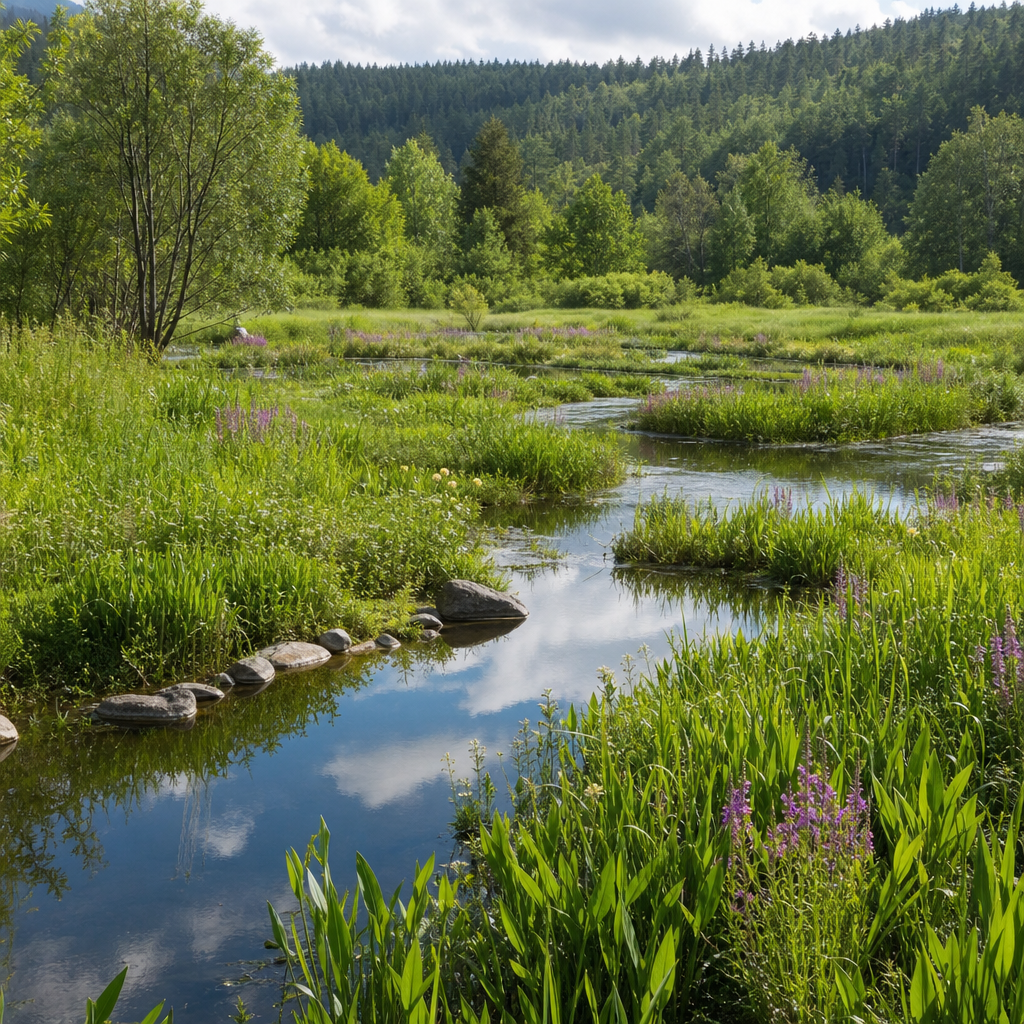
Constructed wetlands provide another important pathway for pollution prevention. These engineered ecosystems use gravel, wetland plants, biofilms, and controlled flow paths to remove suspended solids, organic matter, and nutrients from wastewater. Horizontal subsurface flow wetlands, for instance, keep water below the surface, reducing odor and mosquito breeding while allowing microbial communities around plant roots to break down contaminants. When designed with proper hydraulic retention time and pre-treatment, they can significantly reduce biochemical oxygen demand and total suspended solids before effluent reaches natural receiving waters.
From experience, the environmental gain is most visible after storm events. Decentralized natural systems do not depend on one overloaded treatment point, so they can be more resilient when rainfall exceeds design capacity. That matters in a warming climate, where intense precipitation is increasing in many regions and combined sewer overflows remain a major pollution source.
Nutrient Recovery and Soil Regeneration
One of EcoSan’s strongest environmental advantages is nutrient recovery. Modern sanitation often treats nitrogen and phosphorus as waste to be removed, even though agriculture depends on those same nutrients. Natural sanitation systems change the equation by capturing nutrients and returning them to soil in safer, more circular ways. This is not just a recycling ideal; it has direct ecosystem value because it reduces nutrient mining, lowers fertilizer runoff, and rebuilds soil function.
Composting toilets illustrate the principle well. In a managed composting process, carbon-rich bulking materials such as sawdust, rice husks, or shredded leaves are added to balance moisture and improve aeration. Over time, microbial decomposition reduces volume, stabilizes organic matter, and lowers pathogen risk when temperature, retention time, and handling protocols are appropriate. The resulting compost-like material can improve soil structure, increase water-holding capacity, and support microbial biodiversity, though end-use must follow local regulations and public health guidance.
Urine reuse is equally important. Agronomic research has repeatedly shown that sanitized urine can supply plant-available nitrogen efficiently because much of its nitrogen is present as urea, which rapidly converts to ammonium. In practical terms, that means farmers or landscape managers can offset a portion of synthetic fertilizer demand. Reducing synthetic fertilizer use has upstream ecological benefits: less fossil energy for production, lower greenhouse gas emissions, and reduced disruption from phosphate extraction. On degraded soils, recovered nutrients combined with organic matter can improve infiltration and reduce erosion, which further protects adjacent waterways.
Natural sanitation also supports soil regeneration by restoring carbon pathways. Instead of sending nutrients and organics into sewers, EcoSan can return stabilized biomass to land. Healthier soils then support pollinators, native vegetation, and more resilient food systems. In restoration work near peri-urban settlements, I have seen small reuse programs improve tree establishment on compacted soils because the amended ground held moisture longer and supported stronger root development.
Water Conservation, Energy Savings, and Climate Benefits
Natural sanitation systems benefit ecosystems not only through pollution control but also through lower resource demand. Flush-based sanitation depends on clean water to move waste. In water-stressed regions, using drinking-quality water for transport is environmentally costly. Dry or low-flush systems sharply reduce demand, leaving more freshwater in rivers, aquifers, and reservoirs that ecosystems rely on for seasonal flow, temperature regulation, and habitat connectivity.
Water savings can be substantial. High-efficiency toilets in conventional systems may use around 4.8 liters per flush, while older models can use far more. Dry toilets avoid that demand almost entirely. At household or institutional scale, the cumulative reduction eases pressure on extraction, pumping, and treatment infrastructure. That is especially important in places where environmental flows are already compromised by urban demand.
Energy use drops as well when wastewater volumes are lower and treatment is decentralized. Large sewer networks require pumping stations, mechanical aeration, sludge handling, and chemical inputs. By contrast, composting systems, vermifilters, and constructed wetlands rely more on biological processes and gravity flow. They are not energy-free, and some need fans, pumps, or pre-treatment units, but their overall operational demand is often lower. Lower energy demand generally means lower indirect emissions, depending on the electricity mix.
Anaerobic digestion adds another climate advantage. Where organic wastes and toilet wastes can be safely co-treated, digesters produce biogas, which can displace firewood, charcoal, liquefied petroleum gas, or other fuels. The remaining digestate still requires careful management, but the system can reduce methane emissions from unmanaged decomposition while providing usable energy. For communities facing both sanitation and fuel pressures, this creates a practical environmental co-benefit.
| System | Primary Environmental Benefit | Key Resource Saved or Recovered | Best Fit Example |
|---|---|---|---|
| Composting toilet | Reduces water use and stabilizes organic matter | Water, soil amendment | Parks, off-grid homes, eco-lodges |
| Urine-diverting toilet | Prevents nutrient loss and improves targeted treatment | Nitrogen, phosphorus, potassium | Water-scarce settlements, schools |
| Constructed wetland | Polishes wastewater through plant and microbial action | Cleaner effluent, habitat value | Rural clinics, resorts, small communities |
| Vermifiltration | Breaks down organics with worms and biofilms | Lower sludge volume | Institutions with steady wastewater flows |
| Anaerobic digester | Treats waste while producing renewable energy | Biogas, nutrient-rich digestate | Farms, communal sanitation blocks |
Biodiversity, Habitat Protection, and Landscape Resilience
Ecosystems benefit when sanitation systems are designed to work with ecological processes rather than against them. Reduced nutrient discharge protects aquatic biodiversity by limiting eutrophication. When excess nitrogen and phosphorus enter lakes or estuaries, algae can bloom rapidly. As algae die and decompose, dissolved oxygen drops, stressing fish, amphibians, and invertebrates. Natural sanitation systems reduce this loading at the source, which is often more effective than trying to rehabilitate damaged waters later.
Constructed wetlands can also create managed habitat if they are properly designed and maintained. While their main purpose is treatment, they may support birds, pollinators, amphibians, and beneficial insects. The caution is that treatment wetlands are not substitutes for natural wetlands, and they must be managed to prevent invasive plant dominance or unsafe wildlife exposure to untreated influent. Still, in developed landscapes with limited green infrastructure, they can add ecological function while improving water quality.
Landscape resilience improves when sanitation outputs are reused locally. Soil amended with stabilized organic matter often has better aggregation and infiltration, which reduces runoff during heavy storms. More infiltration means less flash flooding, lower erosion, and reduced sediment delivery to streams. In dry periods, the same soils retain moisture longer, supporting vegetation that cools surfaces and stabilizes habitat. These are ecosystem services created through sanitation decisions that many planners overlook.
There is also a land-use advantage. Extending centralized sewers into dispersed settlements can require disruptive trenching, pumping corridors, and high embodied materials. Decentralized natural systems often have smaller physical footprints and can be phased in incrementally. That flexibility helps protect sensitive terrain, especially in coastal zones, floodplains, mountain settlements, and conservation buffers where large infrastructure expansion carries ecological risk.
Where Natural Sanitation Works Best and What Good Design Requires
EcoSan is not a universal replacement for every sewered system, but it performs exceptionally well in specific contexts. Water-scarce regions are an obvious fit because dry sanitation preserves limited freshwater supplies. Remote communities benefit because hauling materials and powering centralized treatment can be expensive and unreliable. Flood-prone areas may also gain from sealed, elevated, or source-separating systems that avoid the groundwater contamination common with damaged pit latrines and saturated septic fields.
Successful environmental outcomes depend on design discipline. Pathogen control is non-negotiable. Composting systems need correct moisture balance, aeration, retention time, and restricted access during treatment. Urine reuse programs need storage protocols, dilution guidance where appropriate, and crop-specific application practices. Constructed wetlands require hydraulic calculations, pre-treatment to prevent clogging, and routine vegetation management. Vermifilters need stable loading rates and temperature conditions that support worm populations. In every case, operation and maintenance determine whether a natural system protects ecosystems or simply shifts the problem.
Governance matters just as much as engineering. Standards from organizations such as the World Health Organization and the International Organization for Standardization provide useful benchmarks for sanitation safety, reuse, and performance. Local regulation, however, often lags behind practice. I have seen strong pilot systems stall because approval pathways were built only for sewers and septic tanks. The most effective programs pair technical design with operator training, monitoring plans, user education, and clear end-use rules for recovered products.
Social acceptance is another design variable, not an afterthought. If users do not understand how to separate urine, add cover material, or report maintenance issues, environmental performance declines quickly. The best projects explain the ecological logic in plain language and make the system easy to use. That is one reason schools, visitor centers, farms, and eco-tourism sites often become successful demonstration settings: they combine manageable scale with visible educational value.
Conclusion
The benefits of natural sanitation systems to ecosystems are concrete: cleaner water, healthier soils, lower freshwater demand, reduced energy use, nutrient recovery, and stronger landscape resilience. EcoSan’s role in environmental protection is to move sanitation upstream, preventing pollution before it spreads and turning organic waste streams into managed resources. When urine is separated, compost is stabilized, wetlands are designed correctly, and reuse follows health standards, the result is not just sanitation service but ecological repair.
The central lesson is that sanitation choices shape far more than household hygiene. They influence river health, groundwater quality, biodiversity, soil productivity, and climate impacts. Conventional systems still have an important place, especially in dense urban areas, but they are not the only credible model. In many settings, natural sanitation is the more protective option because it aligns infrastructure with ecological cycles instead of breaking them.
As a hub for EcoSan’s role in environmental protection, this article points to the core principle that should guide every related decision: design sanitation to conserve water, contain pathogens, and recover nutrients safely. If you are evaluating options for a community, institution, development project, or restoration site, start by assessing local water stress, soil conditions, reuse opportunities, and maintenance capacity. Then choose the natural sanitation approach that delivers the strongest long-term benefit to both people and ecosystems.
Frequently Asked Questions
What are natural sanitation systems, and how do they benefit ecosystems?
Natural sanitation systems are low-impact ways of managing human waste and wastewater that work with ecological processes instead of relying only on centralized sewer infrastructure and high-energy treatment plants. In practice, this often includes composting toilets, urine-diverting toilets, constructed wetlands, vermifiltration, anaerobic digestion, and small-scale greywater treatment systems. The core idea is simple but powerful: waste is not just something to get rid of, but a potential source of nutrients, organic matter, water, and even energy when handled safely and intelligently.
From an ecosystem perspective, the benefits are significant. Natural sanitation systems can reduce nutrient pollution that would otherwise enter rivers, lakes, wetlands, and coastal waters. When untreated or poorly treated sewage reaches natural waterways, it can trigger algal blooms, lower oxygen levels, and harm fish, amphibians, aquatic plants, and the many species that depend on healthy water systems. By capturing and treating waste close to the source, natural sanitation systems help prevent this kind of damage.
They also protect soil quality. Conventional waste disposal methods can contaminate soils with pathogens or overload them with nutrients in the wrong place and at the wrong concentration. By contrast, ecological sanitation approaches are designed to stabilize waste and, where appropriate, return nutrients safely to productive use. This supports healthier nutrient cycling, reduces pressure on synthetic fertilizer production, and helps keep ecosystems functioning more naturally. In short, natural sanitation systems support cleaner water, healthier soils, more resilient habitats, and better long-term environmental stewardship.
How do composting toilets and urine-diverting systems help conserve water and reduce pollution?
Composting toilets and urine-diverting systems are among the clearest examples of how natural sanitation can directly reduce environmental harm. One of their biggest advantages is water conservation. Conventional flush toilets use large amounts of clean drinking-quality water simply to move waste through pipes. In regions facing drought, water scarcity, or stressed infrastructure, that is a major ecological and public resource issue. Composting toilets can operate with little or no water, and urine-diverting systems greatly reduce unnecessary flushing, which lowers overall household or facility water demand.
These systems also reduce pollution by separating waste streams and managing them more effectively. Urine contains a large share of the nutrients found in domestic wastewater, particularly nitrogen and phosphorus. When urine is diverted and handled properly, those nutrients can be recovered instead of being discharged into rivers or lakes where they contribute to eutrophication. Composting toilets, meanwhile, allow fecal matter to decompose under controlled conditions, reducing pathogen risks and producing a more stable material that can be managed much more safely than raw sewage.
There is also an infrastructure benefit with ecological consequences. Reducing blackwater volumes means less strain on septic tanks, sewer systems, and treatment facilities, which can lower the risk of overflows, leaks, and untreated discharges during storms or system failures. In areas without reliable sewer access, these systems can be especially important because they provide sanitation without requiring expensive network expansion that may still leave communities vulnerable to contamination. When correctly installed, maintained, and regulated, composting and urine-diverting systems conserve water, recover nutrients, and sharply cut the flow of pollutants into ecosystems.
What role do constructed wetlands and greywater treatment systems play in protecting wildlife and water quality?
Constructed wetlands and small-scale greywater treatment systems play a highly valuable role in natural sanitation because they mimic the cleansing functions found in healthy ecosystems. Constructed wetlands use plants, microorganisms, soils, and filtered water movement to remove contaminants from wastewater. As water passes through the system, suspended solids settle, microbes break down organic material, and nutrients can be taken up by plants or transformed into less harmful forms. This process can significantly improve water quality before it is released or reused.
For wildlife, the benefits begin with preventing contamination in the first place. Cleaner effluent means fewer pollutants reaching streams, ponds, estuaries, and groundwater. That matters because many species are highly sensitive to shifts in nutrient levels, oxygen balance, and microbial contamination. Fish, amphibians, aquatic insects, birds, and pollinators all depend on stable, functioning habitats. By reducing organic loading and nutrient discharge, wetlands and greywater systems help preserve the conditions these species need to survive and reproduce.
Constructed wetlands can also create habitat value when thoughtfully designed. While their primary purpose is treatment, they may support beneficial insects, birds, and native wetland vegetation, especially when integrated into broader landscape restoration efforts. Greywater systems add another layer of environmental benefit by reusing lightly used water from sinks, showers, and laundry for irrigation or landscape support where regulations allow. This reduces freshwater extraction and lowers wastewater discharge volumes. The result is a more circular water system that supports conservation goals while reducing ecological stress. The key, of course, is proper design and management, since poorly planned systems can create problems rather than solve them. When done well, they are one of the most practical ways to align sanitation with ecosystem protection.
How does EcoSan support nutrient recycling and sustainable environmental management?
EcoSan, or ecological sanitation, is the framework that ties many natural sanitation systems together. Its central principle is that sanitation should not simply remove waste from human settlements, but should do so in a way that protects health, conserves resources, and closes nutrient loops. In conventional systems, valuable nutrients are often diluted in large volumes of water and transported away as waste. EcoSan takes a different view by recognizing that nitrogen, phosphorus, potassium, and organic matter are essential resources that can be recovered and reused when treatment is safe and appropriate.
This matters enormously for sustainable environmental management. Modern agriculture depends heavily on mined or industrially produced fertilizers, particularly phosphorus and nitrogen-based products. Producing and transporting these inputs can be energy-intensive and environmentally damaging. At the same time, excess nutrients leaking from wastewater systems can pollute water bodies. EcoSan helps solve both problems by encouraging source separation, safe treatment, and beneficial reuse. For example, sanitized urine can provide plant nutrients, composted organic material can improve soil structure, and anaerobic digestion can turn organic waste into biogas and nutrient-rich digestate.
Beyond nutrient recovery, EcoSan supports resilience at the local level. Decentralized systems can be adapted to rural areas, peri-urban communities, schools, parks, and off-grid sites where conventional sewering is impractical or too costly. They can reduce dependency on fragile centralized infrastructure and offer more flexibility in the face of climate stress, population growth, and water shortages. Perhaps most importantly, EcoSan encourages a systems-thinking approach: sanitation is connected to food production, watershed health, biodiversity, public health, and climate adaptation. That broader perspective is what makes ecological sanitation such an important tool in long-term sustainability planning.
Are natural sanitation systems safe and practical for communities, and what is needed for them to work well?
Yes, natural sanitation systems can be both safe and highly practical, but their success depends on good design, proper maintenance, community understanding, and appropriate regulation. One common misconception is that natural systems are informal or less reliable than conventional sanitation. In reality, many are based on well-established engineering, microbiology, and environmental health principles. When designed for the local climate, soil conditions, population size, and water availability, they can provide excellent sanitation performance while delivering major ecological benefits.
Safety comes from controlled treatment and clear operating standards. Composting systems must reach and maintain conditions that reduce pathogens. Urine-diverting systems need correct separation, storage, and reuse practices. Constructed wetlands and greywater systems require sizing, filtration, and flow management that match actual use patterns. Vermifiltration and anaerobic digestion systems need monitoring to ensure biological processes remain stable. In other words, natural sanitation is not about neglecting technology; it is about using biology and natural processes intentionally and responsibly.
For communities, practicality often comes down to training, cultural acceptance, affordability, and ongoing support. Users need to understand how a system works and what routine tasks are required. Local authorities need standards that protect public health without blocking innovation. Service models may be needed for maintenance, collection, inspection, or safe end-use of treated products. When these pieces are in place, natural sanitation systems can be especially effective in areas with limited sewer access, high water costs, sensitive ecosystems, or strong interest in circular resource use. Far from being a niche solution, they are increasingly recognized as a realistic part of modern environmental management because they protect ecosystems and human communities at the same time.