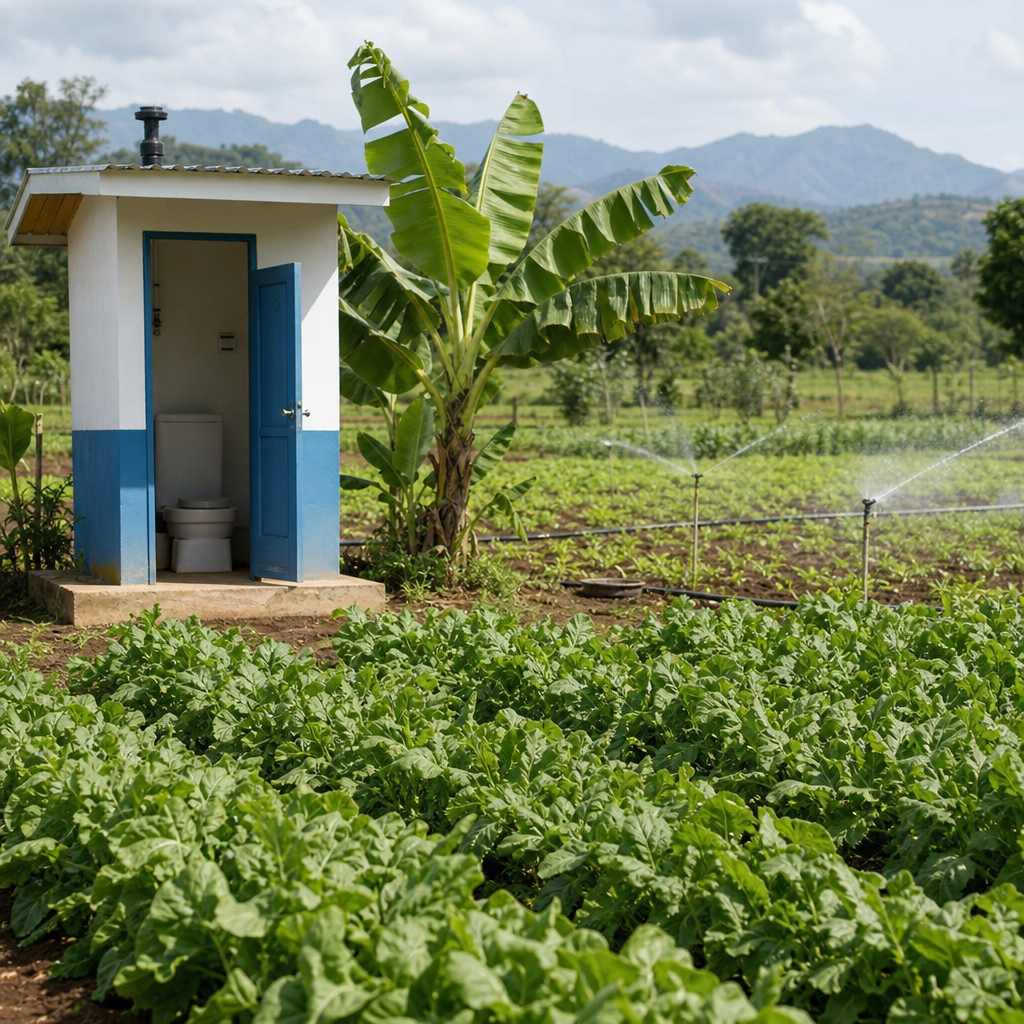
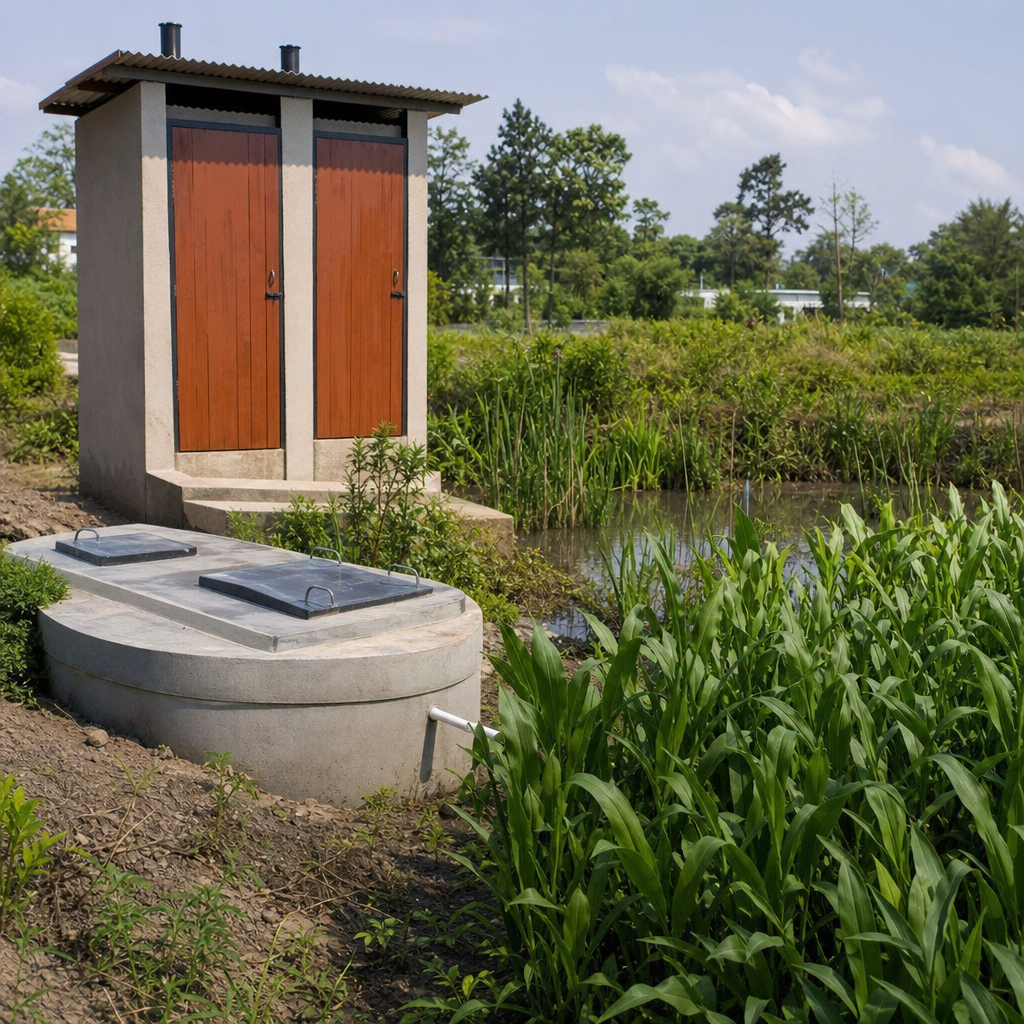
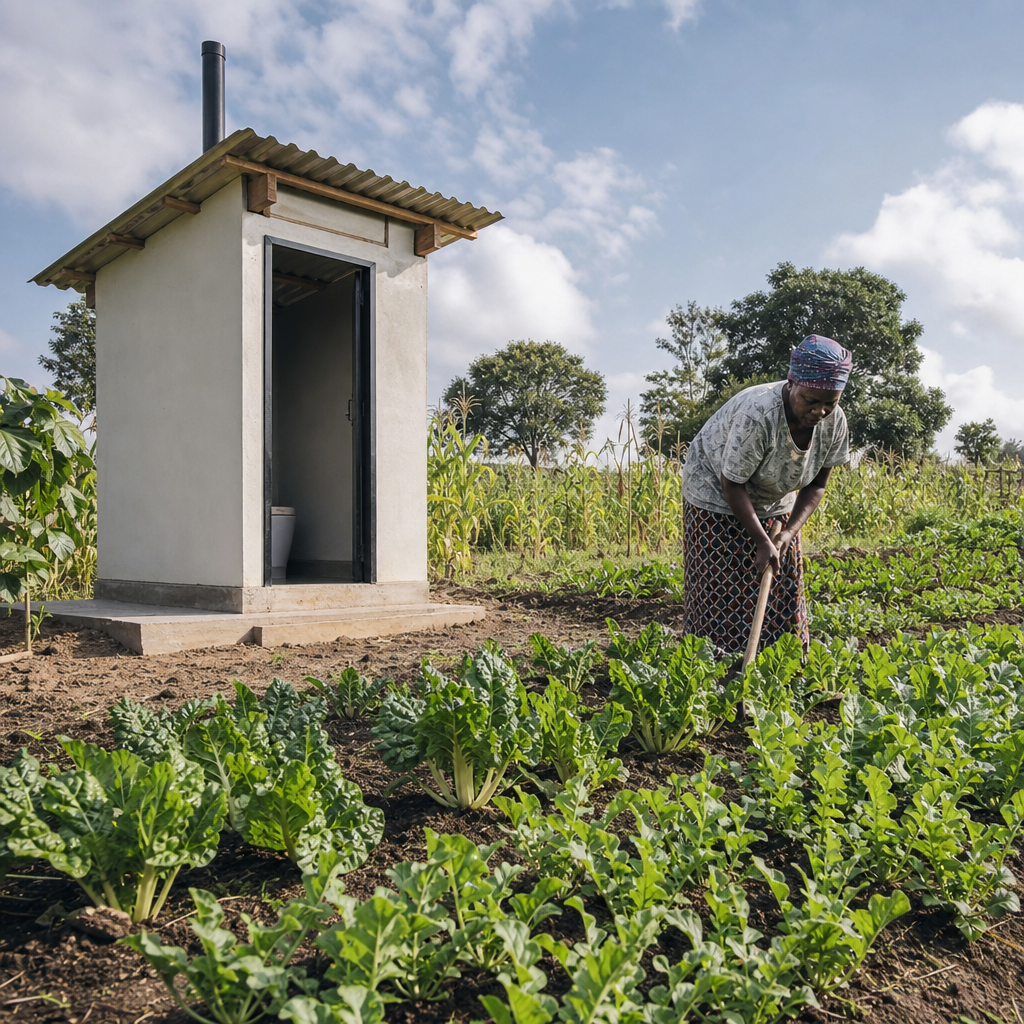
Creating green spaces with EcoSan initiatives starts with a simple idea: sanitation systems should protect human health while restoring the environment that communities depend on. EcoSan, short for ecological sanitation, treats human waste as a resource stream rather than a disposal problem. Instead of relying only on water-flushed sewers and distant treatment plants, EcoSan systems separate, contain, sanitize, and reuse nutrients and organic matter safely. In environmental impact terms, that shift matters because sanitation affects soil quality, water pollution, greenhouse gas emissions, biodiversity, public space design, and long-term urban resilience.
I have worked on environmental planning discussions where sanitation was treated as an engineering afterthought, yet the strongest projects were the ones that linked toilets, drainage, composting, planting, and landscape design from the beginning. That is where EcoSan becomes especially useful. It connects sanitation with green infrastructure. A neighborhood toilet block can support a community garden. A school sanitation upgrade can reduce fertilizer costs for landscaping. A park can use decentralized nutrient recovery to improve soil while lowering pressure on overburdened wastewater systems. Creating green spaces with EcoSan initiatives is not about adding plants beside toilets; it is about designing closed-loop systems that turn waste management into ecological regeneration.
Key terms need clear definitions. Ecological sanitation refers to sanitation approaches that prevent pollution and enable safe reuse of nutrients, water, or organic materials. Green spaces include parks, roadside planting, school grounds, urban forests, rain gardens, community farms, and restored vacant land. Nutrient recovery means capturing nitrogen, phosphorus, and potassium for productive use. Decentralized sanitation means treatment happens close to where waste is generated, often at household, building, or neighborhood scale. When these concepts are combined well, EcoSan and the environment reinforce each other in practical ways that cities, institutions, and rural communities can measure.
This topic matters now because conventional sanitation and landscape systems are both under stress. Many cities face water scarcity, aging sewer networks, fertilizer price volatility, and polluted waterways. At the same time, communities need more shade, stormwater absorption, cooler streets, and accessible public green areas. EcoSan initiatives help address both sets of challenges. They reduce nutrient discharge into rivers, lower freshwater use in certain system types, support soil restoration, and create local inputs for planting projects. As a hub topic under environmental impact, EcoSan and the environment is best understood as a systems issue: sanitation choices shape the health, usability, and sustainability of green space across the built and natural landscape.
How EcoSan supports greener landscapes
EcoSan supports greener landscapes by recovering resources that conventional systems often waste. Human urine contains most of the nitrogen and a large share of the phosphorus and potassium excreted by households. Fecal matter contains organic material that can improve soil structure when properly treated. In practical terms, source-separating toilets, urine-diverting dry toilets, composting toilets, and container-based sanitation systems can reduce contamination and create inputs for tree planting, ornamental beds, and nonfood landscaping. The environmental value comes from control and treatment. Reuse is beneficial only when pathogens are managed through storage, composting, dehydration, or other validated treatment steps.
In urban projects, I have seen landscape budgets strained by the recurring cost of topsoil amendments and synthetic fertilizer. EcoSan changes that equation by creating local nutrient loops. Treated compost can increase water retention in degraded soils, which is especially important in compacted roadside verges and former vacant lots. Urine-derived fertilizer can support fast-growing trees and turf establishment when application rates are controlled. This is not theoretical. Programs in Sweden, South Africa, and parts of India have demonstrated forms of nutrient recovery linked to agriculture and landscaping, with results depending heavily on maintenance discipline, user behavior, and treatment quality.
Green spaces also benefit indirectly. By reducing nutrient-rich wastewater entering drains and waterways, EcoSan lowers the risk of eutrophication that damages wetlands, ponds, and downstream ecosystems. That means healthier aquatic habitats, fewer algal blooms, and better water quality for public parks built around lakes or rivers. In dense settlements where sewer expansion is slow or unaffordable, decentralized EcoSan can prevent uncontrolled waste discharge that would otherwise undermine any investment in public greenery. A new park fails quickly if the adjacent drainage channel remains polluted. Sanitation and landscape performance are inseparable.
Environmental benefits of EcoSan and the environment approach
The environmental benefits of EcoSan are broad but should be stated precisely. First, it can conserve water. Dry or low-water systems reduce demand in places where flushing consumes a significant share of household supply. Second, it can recover nutrients and reduce dependence on industrial fertilizers, especially phosphorus mined from finite reserves and nitrogen fertilizers produced with high energy inputs. Third, it can cut nutrient pollution by keeping waste out of stormwater channels and surface water. Fourth, it can improve soils used in reforestation, urban greening, or land rehabilitation. Fifth, it can support climate adaptation by helping green spaces survive heat and drought through healthier soils with better moisture retention.
There are also climate implications. Conventional wastewater systems are energy intensive when they rely on pumping, aeration, and long conveyance networks. EcoSan systems can lower operational energy demand, particularly in decentralized settings, although outcomes vary by design. Organic matter management also affects emissions. Poorly managed pits can release methane and create groundwater risks, while well-managed composting or dehydration systems can reduce harm and create useful outputs. The environmental case is strongest when the full life cycle is considered: construction materials, water demand, energy use, transport distance, treatment performance, and final reuse pathway all matter.
Importantly, EcoSan is not automatically green. If users do not separate waste correctly, if storage times are too short, or if compost is applied unsafely, the environmental and health benefits collapse. That is why successful initiatives combine engineering, operations, public education, and land management plans. The best projects define end uses before construction begins. If a municipality wants to create green spaces with EcoSan initiatives, it should map where treated outputs will go, who will certify treatment, who will monitor soil conditions, and which landscapes are appropriate for reuse. Governance is as important as hardware.
EcoSan systems that work well for parks, schools, and neighborhoods
Different settings require different sanitation technologies, and that is one of the most important planning lessons. In parks with intermittent foot traffic and limited water access, urine-diverting dry toilets or well-designed composting toilets can be effective if caretakers are trained and servicing schedules are fixed. In schools, where daily use is predictable, source separation can work when cleaning staff, students, and administrators are all included in behavior and maintenance training. In dense informal settlements, container-based sanitation may be more realistic than dry vault systems where space is tight and groundwater contamination is a concern. Matching technology to context determines environmental performance.
Landscape integration should be deliberate. Trees, buffer planting, bioswales, and demonstration gardens can all be connected to EcoSan programs, but the end use must fit local regulations and risk controls. For example, treated compost may be better suited to ornamental plantings, roadside trees, or land restoration than to edible crops in public areas, depending on treatment standards and oversight capacity. Urine-derived products can be valuable for nursery production or turf establishment because dosage can be measured more reliably. In my experience, the most durable projects begin with low-risk reuse applications, prove operations, and expand only after the sanitation team and grounds staff show consistent performance.
| Setting | Common EcoSan option | Green space application | Main environmental advantage |
|---|---|---|---|
| Public park | Urine-diverting dry toilet | Tree pits and ornamental beds after safe treatment | Low water use and local nutrient recovery |
| School campus | Composting toilet system | Campus landscaping and soil improvement | Education plus reduced fertilizer demand |
| Informal settlement | Container-based sanitation | Centralized compost for land restoration | Pollution control where sewers are impractical |
| Peri-urban community | Source-separating household toilets | Community nurseries and windbreak planting | Nutrient cycling near the point of generation |
Recognized guidance from organizations such as the World Health Organization and the Sustainable Sanitation Alliance is useful here because system selection should follow risk-based sanitation planning, not ideology. A toilet that nobody wants to use will not protect the environment. A reuse program without transport logistics will not sustain a green space strategy. Good EcoSan design therefore includes user acceptance studies, operations budgeting, treatment verification, and a land application protocol. These details are what separate showcase pilots from durable environmental infrastructure.
Design principles for safe reuse and lasting green space outcomes
Safe reuse depends on barriers. Those barriers include source separation, containment, treatment time, moisture control, temperature management, restricted access during processing, careful transport, and appropriate end use. The principle is straightforward: reduce pathogen exposure at every stage. For compost-based systems, carbon balance, aeration, and curing time affect the quality of the final material. For urine reuse, storage duration, dilution practices, and application timing influence both safety and plant performance. The environmental value of EcoSan is real only when these technical controls are routine rather than occasional.
Soil science matters as much as sanitation science. Green spaces fail when treated outputs are applied without understanding soil texture, pH, salinity, or drainage. Sandy soils may lose nutrients quickly, while compacted clay soils may need structural improvement before they can support healthy root systems. Urban tree pits often suffer from low organic matter and heat stress, making them good candidates for carefully managed compost incorporation. By contrast, wetlands and riparian edges usually require stricter nutrient controls to avoid runoff. In other words, not every green space should receive every EcoSan output. Matching material quality to landscape need is the core design discipline.
Monitoring should be built into operations from day one. At minimum, programs should track toilet usage, contamination rates, treatment volumes, moisture or temperature data where relevant, transport frequency, application locations, plant survival, and soil response. Municipal teams often already use tools such as GIS asset maps, maintenance work orders, and water balance assessments; EcoSan data should be integrated into those systems rather than managed separately. When performance is visible, decision-makers can compare avoided fertilizer purchases, reduced hauling costs, improved plant establishment, and lower complaints about odors or pollution. Measured results make expansion defensible.
Challenges, tradeoffs, and what successful programs do differently
The biggest obstacles are not usually technical. They are institutional and social. Many sanitation departments are separate from parks, solid waste, stormwater, and planning teams, so nutrient recovery has no operational owner. Public perception can also be difficult, especially where people associate any form of reuse with unsafe conditions. Regulatory gaps are another barrier. Some countries have wastewater rules but no clear standards for decentralized compost, urine-based fertilizers, or treated biosolids from small systems. Without clarity, good projects stall and poor ones proceed informally. Both outcomes weaken trust.
There are practical tradeoffs as well. Dry systems save water but require attentive maintenance. Decentralized treatment reduces sewer dependence but may increase local management needs. Reuse lowers fertilizer demand but only if collection, treatment, and application are reliable enough to produce a consistent product. Capital costs vary widely. A basic urine-diverting unit may be affordable, while a well-managed neighborhood resource recovery model needs containers, transport, trained staff, storage infrastructure, and quality assurance. None of these tradeoffs invalidate EcoSan. They simply mean the environmental case must be supported by realistic operations planning.
Successful programs do several things consistently. They start with a clearly defined service chain, from user interface to final reuse. They choose low-risk green space applications first, such as urban forestry, roadside planting, erosion control, or ornamental landscaping. They train caretakers and field crews together so sanitation outputs and landscape needs are understood by the same team. They use demonstration sites to build public confidence. They align with public health guidance and environmental standards instead of improvising. Most important, they treat EcoSan as infrastructure and service delivery, not as a one-time awareness campaign. Communities benefit when the system is managed for years, not celebrated for a month.
Why this hub matters for future environmental impact planning
Creating green spaces with EcoSan initiatives offers a practical path toward cleaner water, healthier soils, and more resilient neighborhoods. The central lesson is that EcoSan and the environment cannot be separated into different policy boxes. Sanitation decisions influence whether parks thrive, whether waterways stay clear, whether public landscapes need costly imported inputs, and whether urban growth intensifies ecological damage or helps repair it. When ecological sanitation is planned as part of green infrastructure, communities gain multiple returns from one investment: safer waste management, nutrient recovery, stronger planting performance, and better use of limited water and land.
As a hub within environmental impact, this topic should guide deeper exploration of nutrient recovery, decentralized treatment, soil restoration, urban forestry, stormwater design, school sanitation, and community engagement. The most credible EcoSan strategies are not the most futuristic; they are the ones that fit local behavior, regulation, climate, and maintenance capacity. Start with a site assessment, identify the safest reuse pathway, involve both sanitation and landscape teams, and measure results over time. If you are planning greener public or community spaces, use EcoSan as a design framework from the outset rather than an afterthought. That is how sanitation becomes a visible environmental asset.
Frequently Asked Questions
1. What is EcoSan, and how does it help create greener community spaces?
EcoSan, or ecological sanitation, is an approach to sanitation that views human waste not simply as something to dispose of, but as a resource that can be safely treated and reused. Traditional sanitation systems often depend on large amounts of water, long sewer networks, and centralized treatment facilities that can be expensive to build and maintain. By contrast, EcoSan systems are designed to separate, contain, sanitize, and recover useful nutrients and organic matter close to where they are produced. This makes them especially relevant for communities looking to create and sustain green spaces in a practical, environmentally responsible way.
When properly implemented, EcoSan can directly support the growth of trees, gardens, landscaping, and community green areas by returning valuable nutrients such as nitrogen, phosphorus, and potassium to the soil. These are the same nutrients plants need to thrive, and they are often supplied through chemical fertilizers in conventional landscaping. EcoSan reduces that dependency by closing the nutrient loop. In other words, instead of sending resources away as waste, communities can transform them into inputs that help restore degraded land, improve soil structure, and support healthy vegetation.
EcoSan also contributes to greener spaces by reducing pollution risks. Poorly managed sanitation can contaminate waterways, damage soil quality, and create unhealthy living conditions that limit land use. EcoSan systems are designed to prevent that by promoting safe handling and treatment before reuse. The result is a sanitation model that not only protects human health, but also supports urban greening, climate resilience, and more sustainable land management. For communities working to increase tree cover, improve public spaces, or establish productive landscapes, EcoSan offers both a sanitation solution and an environmental restoration strategy.
2. How does EcoSan differ from traditional sanitation systems?
The biggest difference is in how each system defines the problem and the solution. Traditional sanitation generally treats human waste as something that must be flushed away and processed elsewhere, usually through water-based sewer systems or septic systems. That model can work in many settings, but it often requires large infrastructure investments, reliable water supplies, ongoing maintenance, and access to treatment capacity. It also tends to separate sanitation from broader environmental goals, which means valuable nutrients are frequently lost rather than recovered.
EcoSan takes a different path. It is built around the idea that waste streams can be managed safely at or near the source and then reused in beneficial ways after treatment. Many EcoSan systems separate urine and feces because they have different properties and can be treated differently. Urine contains a high share of plant nutrients and can be diluted and reused under the right safety protocols. Fecal matter can be composted or otherwise sanitized so that pathogens are reduced to safe levels before application in non-food or carefully managed agricultural settings. This source-separation approach improves resource recovery and often reduces odors, water use, and treatment complexity.
Another important difference is environmental performance. Conventional systems can consume significant water and energy, and in some areas they can contribute to nutrient pollution if wastewater is inadequately treated. EcoSan systems are often designed to be low-water or waterless, making them attractive in drought-prone regions or places where infrastructure expansion is difficult. They also support circular resource use, which aligns well with sustainability goals such as reducing fertilizer demand, improving soil health, and creating green landscapes with fewer external inputs. In short, traditional sanitation focuses on disposal, while EcoSan focuses on protection, recovery, and reuse.
3. Is EcoSan safe for public health and environmental use?
Yes, EcoSan can be very safe when it is designed, operated, and monitored correctly. Safety is the foundation of ecological sanitation, not an afterthought. The purpose is not to use untreated waste in the environment, but to ensure that human waste is properly contained, sanitized, and transformed into materials that can be handled and reused with minimal health risk. This is why successful EcoSan programs rely on clear treatment protocols, user education, maintenance routines, and local oversight.
The safety of EcoSan depends on several factors, including the type of system used, how waste is separated, how long materials are stored or treated, the local climate, and what the end use will be. For example, urine-diverting dry toilets separate urine from feces to reduce moisture and improve hygiene. Fecal material may be composted, dehydrated, or otherwise treated to destroy pathogens before reuse. In many cases, treated outputs are first applied to trees, ornamental plants, soil restoration projects, or other low-risk green infrastructure uses rather than directly to edible crops. This kind of staged, risk-aware reuse helps communities gain environmental benefits while maintaining strong public health protections.
Environmental safety is just as important. If sanitation is poorly managed, nutrients can leach into groundwater or wash into surface water. Well-designed EcoSan systems reduce this risk by storing and treating materials properly and by applying recovered nutrients at appropriate rates based on soil and plant needs. Communities that implement EcoSan effectively usually combine technical design with training, routine inspection, and public communication. That combination builds trust and ensures the system delivers what it promises: safer sanitation, less pollution, and greener landscapes supported by responsible nutrient reuse.
4. What kinds of green spaces can benefit from EcoSan initiatives?
EcoSan initiatives can support a wide range of green spaces, from small neighborhood projects to larger landscape restoration efforts. Community gardens, tree-planting programs, schoolyards, parks, roadside green belts, urban farms, reforestation zones, and public landscaping projects can all potentially benefit from the soil-building and nutrient-recovery advantages of ecological sanitation. The specific application depends on local regulations, treatment standards, and how the recovered resources are managed, but the overall principle is the same: nutrients and organic matter that would otherwise be wasted can help sustain healthy vegetation and more resilient soils.
In urban settings, EcoSan can be especially valuable where cities want to expand green cover without increasing pressure on water supplies or relying heavily on purchased fertilizers. Recovered nutrients can support ornamental planting, shade trees, and non-edible landscaping that improves cooling, air quality, and neighborhood appearance. In peri-urban and rural settings, EcoSan may also contribute to land rehabilitation, erosion control, and agroforestry projects. Organic matter from treated sanitation outputs can improve soil structure, increase moisture retention, and help depleted soils become more productive over time.
There is also a strong social benefit. Green spaces created or maintained through EcoSan initiatives often become visible examples of circular sustainability in action. Instead of separating sanitation, environmental restoration, and community development into different projects, EcoSan can bring them together. A school can improve sanitation and grow a greener campus. A settlement can reduce open waste problems and establish tree nurseries. A municipality can link ecological sanitation to urban greening targets. This flexibility is one reason EcoSan is gaining attention as a practical tool for communities that want cleaner surroundings and healthier ecosystems at the same time.
5. What does a community need to successfully implement EcoSan for green space development?
Successful EcoSan implementation depends on much more than installing a toilet or building a treatment unit. It requires a systems approach that combines infrastructure, education, governance, and long-term management. First, a community needs the right technical solution for its local conditions. That includes understanding water availability, soil type, climate, population density, land access, cultural preferences, and maintenance capacity. The best EcoSan system in one location may not be the best fit somewhere else, so planning should always begin with local realities rather than one-size-fits-all assumptions.
Second, community participation is essential. People need to understand how the system works, why separation and safe handling matter, and how the treated outputs will be used. Without user acceptance and proper daily practices, even well-designed systems can underperform. Training should cover hygiene, maintenance, storage times, protective measures, and application methods for recovered materials. Community leaders, schools, local governments, and health workers can all play a role in building confidence and ensuring that EcoSan is seen as a credible, beneficial solution rather than an unfamiliar experiment.
Third, there must be a clear plan for operation, monitoring, and reuse. That means assigning responsibility for collection, treatment, inspections, and final application in green spaces. It also means aligning the project with public health guidance and local regulations. In strong EcoSan programs, reuse is not random; it is planned carefully around what plants need, what soils can absorb, and what uses are considered safe. When communities combine sound design, public education, reliable oversight, and realistic reuse goals, EcoSan can become a powerful foundation for greener spaces that are healthier, more self-sufficient, and more environmentally restorative over the long term.