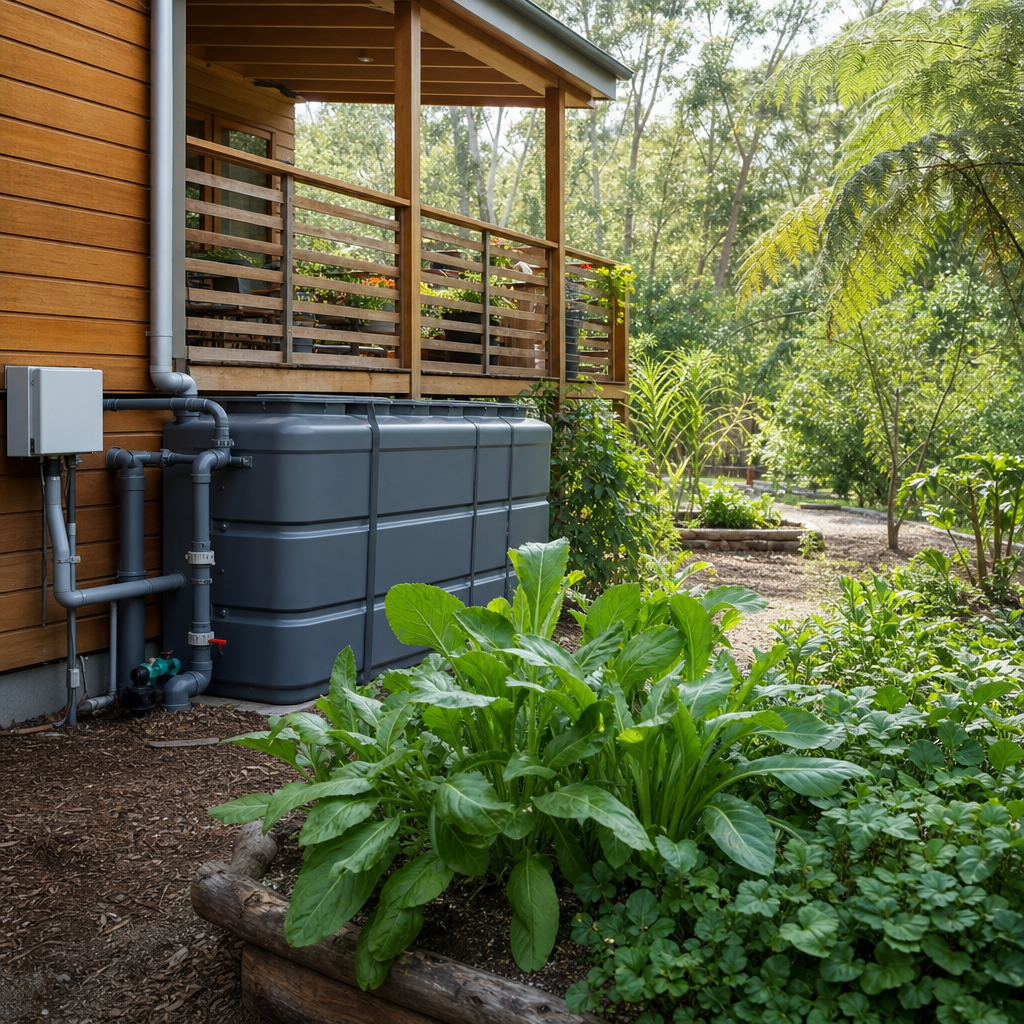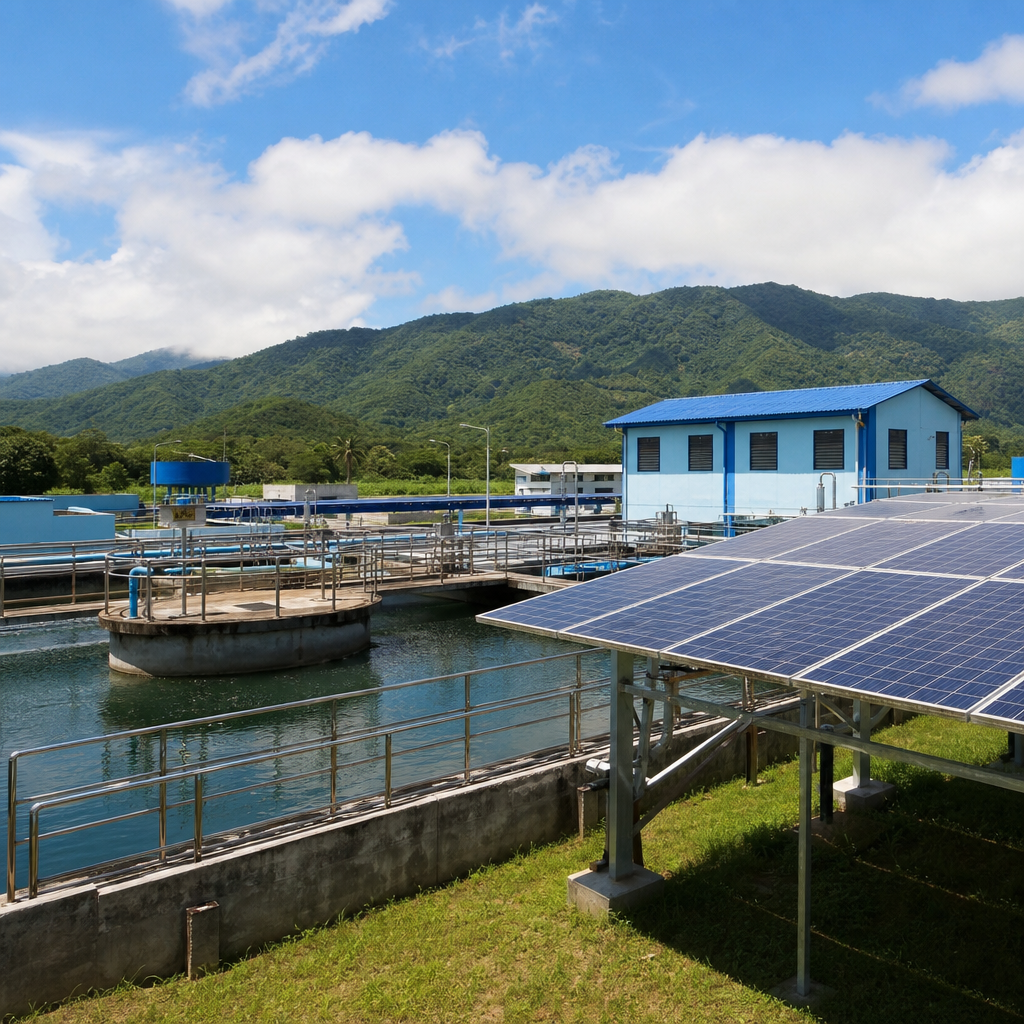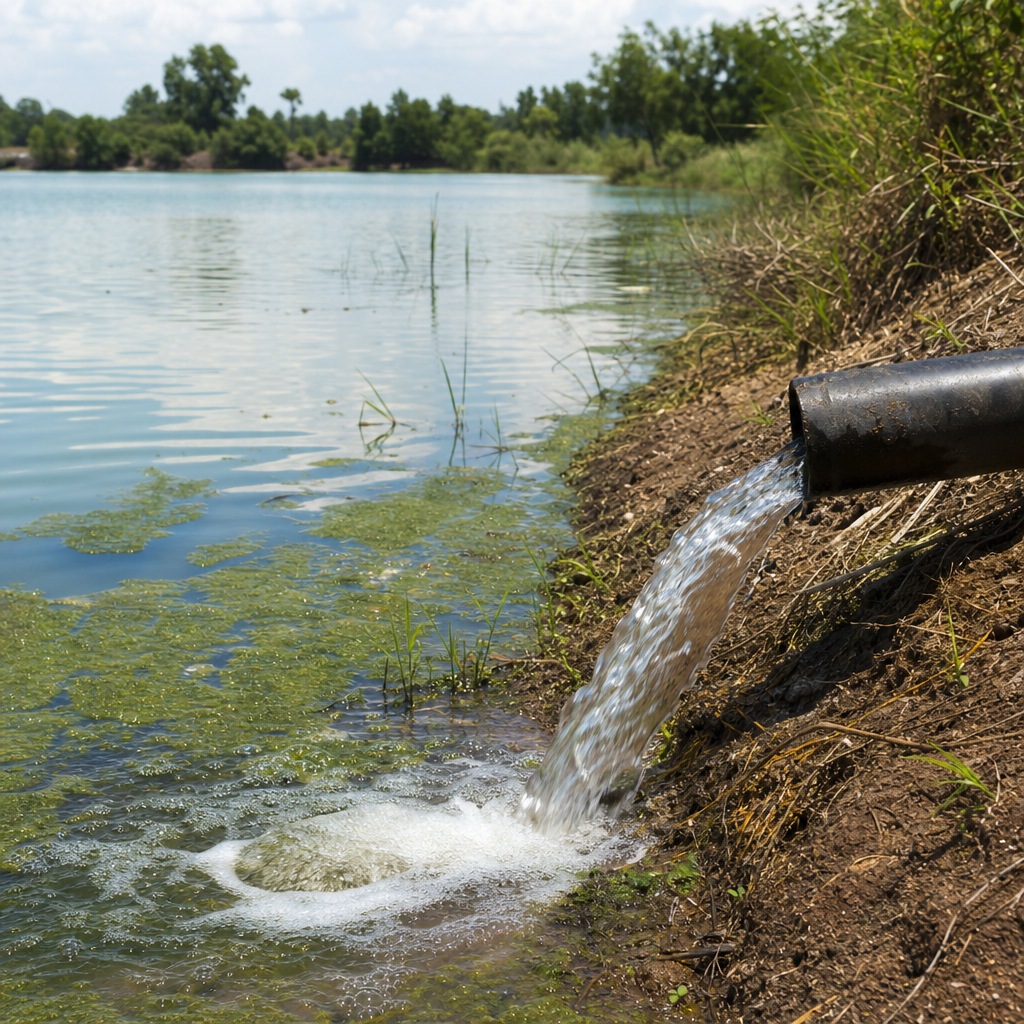
Mitigating nutrient runoff in water bodies through EcoSan starts with a simple shift in thinking: human waste is not only a disposal problem, but also a resource stream that can be managed to protect rivers, lakes, wetlands, and coastal zones. Ecological sanitation, commonly shortened to EcoSan, is a sanitation approach that safely separates, treats, and reuses nutrients, water, and organic matter from household waste. In practice, that often means urine diversion, composting toilets, dehydration vaults, constructed wetlands, and carefully managed reuse in agriculture. I have worked on sanitation planning discussions where nutrient loading was treated as an agricultural issue alone, yet field data and system audits repeatedly showed poorly managed wastewater and pit overflows contributing measurable nitrogen and phosphorus loads downstream. That connection matters because excess nutrients trigger eutrophication, harmful algal blooms, oxygen depletion, fish kills, biodiversity loss, and rising drinking water treatment costs.
The environmental impact of sanitation is often invisible until a lake turns green or a shallow well tests unsafe after rain. Conventional sanitation can move waste away from homes, but if collection, treatment, and discharge are incomplete, nutrients still reach water bodies. EcoSan aims to interrupt that pathway at the source. It treats excreta as a flow of nitrogen, phosphorus, potassium, carbon, pathogens, and moisture that can be handled in safer fractions. Urine contains most of the nitrogen and a large share of the phosphorus excreted by humans, while feces contain most pathogens and significant organic matter. By separating these streams early, EcoSan reduces dilution, improves treatment efficiency, and creates realistic opportunities for reuse. For a hub article on sustainable practices in sanitation, this topic is central because it links public health, water quality, soil fertility, climate resilience, and circular resource management in one practical framework.
Why nutrient runoff from sanitation damages water bodies
Nutrient runoff happens when nitrogen and phosphorus leave sanitation systems and enter surface water through seepage, overflowing pits, broken sewers, direct discharge, stormwater wash-off, or poorly treated effluent. Once in a pond, reservoir, canal, estuary, or lake, these nutrients feed algae and aquatic plants faster than the ecosystem can balance them. The result is eutrophication: rapid biological growth followed by decomposition that strips dissolved oxygen from the water. I have seen small community ponds shift from clear to turbid within a season where latrine seepage, greywater discharge, and fertilizer runoff combined. The sanitation component is often underestimated, especially in dense settlements with shallow groundwater and poorly lined pits. In these settings, the hydrology is unforgiving. Heavy rainfall drives lateral movement of nutrient-rich leachate, and nearby drains carry it directly to streams.
The damage extends beyond ecology. High nutrient loads increase water treatment complexity, raise chlorination byproduct risks when organic matter is present, and affect tourism, fisheries, and irrigation infrastructure. Cyanobacterial blooms can produce toxins that threaten livestock, pets, and human health. Even where sanitation systems achieve containment, sludge mismanagement can reintroduce nutrients to the environment during transport or disposal. That is why sustainable sanitation cannot be judged only by toilet access. It must be evaluated across the full service chain: capture, containment, emptying, transport, treatment, reuse, and final disposal. EcoSan is especially relevant because it strengthens control at each stage and reduces the volume of nutrient-laden wastewater that would otherwise need centralized treatment.
How EcoSan interrupts the runoff pathway
EcoSan reduces nutrient runoff by separating waste streams at the source, minimizing water use, stabilizing excreta before reuse, and returning nutrients to soil under controlled conditions instead of allowing them to escape into waterways. The most effective examples use urine-diverting dry toilets, urine storage tanks, composting chambers, and defined application guidelines for crops. Urine diversion matters because urine typically carries the majority of excreted nitrogen and a substantial share of phosphorus and potassium, yet contains far fewer pathogens than feces. When stored properly, it becomes a manageable fertilizer product rather than a pollutant. Fecal material, meanwhile, can be dehydrated or composted to reduce pathogens and volume before soil application, forestry use, or further treatment.
In operational terms, EcoSan works because it addresses the chemistry and logistics of sanitation together. Nitrogen is mobile, especially in nitrate form, so preventing uncontrolled infiltration is critical. Phosphorus binds more readily to soil, but once it accumulates or erodes with sediments, it can heavily influence eutrophication in receiving waters. EcoSan systems aim to keep both nutrients in a contained loop. A urine-diverting toilet limits mixing, reduces odor when designed with ventilation, and prevents nutrient dilution with flush water. A dehydration vault lowers moisture, discouraging pathogen survival. A composting process, if managed for time, aeration, carbon balance, and temperature, further stabilizes material. None of these steps are automatic; performance depends on user behavior, maintenance, and clear service arrangements. But when they are implemented well, the reduction in uncontrolled nutrient release is significant.
Core sustainable sanitation practices that support EcoSan
Sustainable practices in sanitation extend beyond one technology. The strongest EcoSan programs combine infrastructure, operations, user education, and agricultural integration. Source separation is the anchor, but it should be supported by safe storage, pathogen reduction targets, leak-proof containers, scheduled collection, operator protection, and monitoring of end use. In schools and peri-urban settlements, I have found that design details such as urine pipe slope, vent placement, handwashing access, and accessible vault emptying matter as much as the treatment concept itself. Small design failures become environmental failures when users bypass the intended system or when stored nutrients spill during rainy periods.
Water-efficient sanitation is another key practice. Dry or low-flush systems reduce hydraulic loading, which lowers the risk of overflow and reduces transport of nutrients into drains. Decentralized treatment also supports runoff reduction when centralized sewers are financially or geographically unrealistic. Options include baffled reactors, planted drying beds, anaerobic digesters, vermifilters, and constructed wetlands paired with reuse plans. The sustainability test is whether nutrients remain contained and whether treatment outputs have a defined destination. A toilet that reduces flush water but empties sludge into an open field is not sustainable. Neither is a wastewater wetland that looks green but discharges nutrient-rich effluent because loading rates exceed design capacity. Good EcoSan is disciplined sanitation, not improvised disposal with a green label.
| Practice | How it reduces nutrient runoff | Typical application |
|---|---|---|
| Urine diversion | Captures nitrogen and phosphorus before dilution and seepage | Households, schools, peri-urban compounds |
| Composting or dehydration | Stabilizes fecal matter and lowers pathogen risk before reuse | Rural homes, eco-lodges, institutions |
| Constructed wetlands | Polishes effluent and removes residual nutrients through plants, media, and microbes | Decentralized community treatment |
| Scheduled fecal sludge management | Prevents pit overflow and uncontrolled dumping | Dense settlements and towns without sewers |
| Controlled agricultural reuse | Returns nutrients to soil at agronomic rates instead of to waterways | Small farms, forestry, landscaping |
EcoSan technologies and where they work best
No single EcoSan technology fits every site. Urine-diverting dry toilets perform well in water-scarce areas, rocky terrain, flood-prone zones where pits contaminate shallow groundwater, and locations where agriculture can use recovered nutrients. Composting toilets can work in low-density settings with strong user oversight, sufficient bulking material, and a realistic plan for removing finished compost. Arborloos, which are shallow pits moved periodically and planted with trees, can support nutrient recovery in some rural contexts, though they are less suitable in dense areas and need careful groundwater consideration. Container-based sanitation, while not always classified narrowly as EcoSan, aligns strongly with sustainable sanitation because it enables sealed capture, off-site treatment, and potential nutrient recovery without infiltration.
For wastewater streams beyond toilets, constructed wetlands and decentralized wastewater treatment systems provide useful polishing steps. They are not a substitute for source control, but they are effective when designed for local climate, influent quality, hydraulic retention time, and maintenance capacity. Horizontal subsurface flow wetlands can reduce suspended solids and support denitrification under suitable conditions, while vertical flow wetlands can improve oxygen transfer and nitrification. In practice, hybrid systems often perform better because nitrogen removal requires multiple biological conditions. Where kitchens, bathing areas, and laundry contribute significant greywater, separating and treating that flow prevents unnecessary loading of excreta management units. Matching technology to hydrogeology, density, climate, and user capacity is the difference between a showcase project and a durable sanitation service.
Safe nutrient reuse in agriculture and landscaping
The environmental promise of EcoSan is realized only when nutrient reuse is safe, measured, and timed to crop demand. Human urine can be an effective fertilizer because it contains plant-available nitrogen, mainly as urea that converts to ammonium, plus phosphorus and potassium. Researchers and practitioners have documented crop responses in cereals, vegetables, and fodder crops when application rates are managed correctly. The critical rule is agronomic matching: apply nutrients according to crop need, soil condition, and weather, not according to storage pressure. Overapplication simply shifts pollution from toilets to fields. I advise projects to calculate nutrient loading per hectare, maintain setbacks from watercourses, avoid spreading before heavy rain, and incorporate local public health guidance on withholding periods for edible crops.
Fecal compost or dehydrated solids require stricter handling because pathogen risk is higher and treatment quality can vary. Storage time, moisture reduction, pH, temperature, and post-treatment handling all affect safety. The World Health Organization sanitation and wastewater reuse guidance emphasizes multiple barriers, including treatment, crop restriction, application method, and hygiene. In practical terms, that means using treated products for tree crops, soil improvement, or non-food landscaping where uncertainty remains, and reserving direct food-crop use for systems with documented treatment performance. Farmers usually accept nutrient recycling when it saves input costs and the product is consistent. They reject it quickly when quality is uneven, odor is strong, or collection schedules fail. The lesson is clear: reuse must be managed as a reliable service, not as an afterthought.
Planning, governance, and behavior change
EcoSan succeeds when institutions treat it as infrastructure plus service delivery. Local governments need sanitation bylaws, land-use controls near water bodies, licensing for emptiers and transporters, and realistic budgets for inspection and maintenance. Utilities and municipalities should map high-risk nutrient pathways, including informal drains, seasonal flooding routes, and sludge dumping hotspots. In one watershed planning process I supported, the most useful intervention was not a new toilet model but a management map showing where pits overflowed into a canal during monsoon peaks. That evidence changed investment priorities toward containment upgrades and decentralized treatment in the right neighborhoods.
User behavior matters just as much. Source-separating toilets fail when users add wash water to dry vaults, place solid waste in urine bowls, or lack cleaning tools that match the design. Schools need janitorial protocols, spare parts, and orientation for new students. Households need clear instructions on ash or cover material, vault resting periods, and safe handling. Social acceptance also requires respectful language. Communities respond better when EcoSan is explained as a practical way to protect local water and improve soil, not as an experiment. Sustainable sanitation is built on trust, convenience, and visible performance. Where those are absent, even technically sound systems decline.
Common challenges, tradeoffs, and how to solve them
EcoSan is not maintenance-free, and it is not always the lowest-cost option in the short term. Poorly designed urine diversion pedestals can clog. Storage containers can leak if low-grade plastics are used. Composting can underperform when moisture is too high or carbon material is unavailable. In dense urban settings, on-site reuse may be impractical, making transport logistics essential. These are real constraints, but they are solvable through standardization, operator training, and service models that separate user tasks from specialist tasks. For example, container-based collection with off-site thermophilic composting or co-composting can outperform household-managed systems where space and oversight are limited.
Another tradeoff is public perception. Some audiences support water conservation but hesitate at nutrient reuse from human waste. The response should be evidence and process control, not marketing spin. Clear treatment protocols, documented storage times, protective equipment, and restricted-use categories build confidence. Monitoring also matters. Simple indicators include vault moisture, urine tank integrity, desludging frequency, effluent nutrient concentrations, and distance from groundwater. More advanced programs may track total nitrogen, ammonium, orthophosphate, Escherichia coli, and biochemical oxygen demand. When metrics are visible, sanitation decisions improve. That is the broader value of EcoSan within environmental impact planning: it makes nutrient flows measurable and manageable instead of hidden and reactive.
Mitigating nutrient runoff in water bodies through EcoSan requires sanitation systems that capture nutrients before they leak, treat wastes before they spread pathogens, and reuse valuable resources at rates soil and crops can absorb. The core message is practical. Nutrient pollution is not only a farming issue, and sanitation access alone does not guarantee environmental protection. Sustainable practices in sanitation depend on full-chain management, source separation where appropriate, decentralized treatment that matches local conditions, and governance strong enough to prevent overflow, dumping, and poorly controlled discharge.
As a hub for sustainable practices in sanitation, EcoSan connects toilet design, fecal sludge management, wastewater treatment, water conservation, soil restoration, and watershed protection. It works best when planners, communities, farmers, and regulators treat sanitation as a circular system rather than a one-way waste route. The payoff is substantial: cleaner lakes and rivers, lower eutrophication risk, reduced pressure on freshwater supplies, and recovered nutrients that support productive landscapes. If you are evaluating sanitation options under an environmental impact strategy, start by mapping where nutrients currently escape, then prioritize EcoSan measures that contain, treat, and reuse them safely. That is how sanitation begins to repair water bodies instead of degrading them.
Frequently Asked Questions
1. How does EcoSan help reduce nutrient runoff into rivers, lakes, and coastal waters?
EcoSan reduces nutrient runoff by changing how human waste is managed before nitrogen and phosphorus can enter the environment. In conventional systems, nutrients from toilets often move into septic leakage, poorly treated wastewater, stormwater overflows, or direct discharge pathways that eventually reach streams, wetlands, estuaries, and nearshore marine areas. Once there, those nutrients can trigger algal blooms, oxygen depletion, fish stress, habitat damage, and declining water quality. EcoSan interrupts that cycle by separating, containing, and treating waste close to the source.
One of the most important advantages of EcoSan is nutrient capture. Urine contains a large share of the nitrogen and phosphorus excreted by households, and urine-diverting systems keep those nutrients from being diluted into large wastewater flows. Fecal matter can then be handled separately through composting, dehydration, or other controlled treatment processes that stabilize pathogens and organic material. Because these resource streams are managed intentionally, there is less risk of nutrients leaking into groundwater, drainage ditches, and nearby water bodies.
EcoSan also supports nutrient reuse rather than nutrient release. When treated urine, composted solids, or other recovered products are safely applied in agriculture or landscaping at appropriate rates, the nutrients can substitute for synthetic fertilizers instead of becoming pollutants. That is the core environmental logic: keep nutrients in productive cycles on land and out of sensitive aquatic ecosystems. In areas struggling with eutrophication, seasonal algal blooms, or fragile lake and coastal conditions, EcoSan can be a practical part of a broader nutrient management strategy.
2. What EcoSan technologies are most effective for managing nutrients safely?
Several EcoSan technologies can be highly effective, but the best option depends on climate, water availability, soil conditions, settlement density, user preferences, and local regulations. Urine-diverting dry toilets are among the most widely recognized EcoSan solutions because they separate urine at the source, making it easier to store, sanitize, and reuse its nutrient content. By preventing mixing with feces and flushwater, these systems simplify nutrient recovery and reduce wastewater volumes that might otherwise carry pollutants into surrounding water bodies.
Composting toilets are another important technology. When properly designed and maintained, they support the controlled breakdown of fecal matter and organic cover materials into a more stable product. This reduces pathogen risks and creates a soil amendment that can be used under regulated and safe conditions. Dehydration toilets use drying and storage to reduce moisture and improve the safe handling of solids, especially in water-scarce regions. In some settings, constructed wetlands, greywater treatment units, and small-scale decentralized treatment systems may complement EcoSan by managing household water flows and reducing the chance of nutrient-laden discharge.
The most effective systems are not just technically sound; they are supported by good operation and maintenance. That includes sealed containment, adequate storage time, prevention of stormwater intrusion, safe product handling, and clear guidance for reuse. A poorly maintained system can still leak nutrients, while a well-managed decentralized system can significantly reduce contamination pressure on local waterways. For that reason, effectiveness should always be evaluated as a combination of technology choice, user behavior, treatment performance, and long-term management capacity.
3. Is it safe to reuse nutrients recovered from EcoSan systems in agriculture or gardening?
Yes, nutrient reuse from EcoSan systems can be safe when it follows established treatment, storage, and application practices. Safety depends on reducing pathogen risks, preventing contamination during handling, and applying recovered materials in ways that match crop needs and environmental conditions. The purpose of treatment is not only to make waste easier to manage, but to transform it into a safer resource. Urine storage, composting, dehydration, and other controlled methods can significantly improve sanitary safety when carried out correctly.
Recovered urine is often valued because it contains readily available nutrients, especially nitrogen, and can serve as a substitute for commercial fertilizer. Compost or treated solids may add both nutrients and organic matter to soils, improving soil structure and water retention. However, safe reuse requires attention to practical details: treatment duration, storage conditions, crop type, soil characteristics, application timing, and use rates. Overapplication can still create runoff risks, even with recycled nutrients, so nutrient management planning is essential.
It is also important to follow local health regulations and agricultural guidelines. In some cases, recovered products may be more appropriate for non-food crops, orchards, forestry, landscaping, or soil restoration projects, depending on the treatment standard achieved. Protective equipment, careful transport, and hygienic handling procedures matter as well. When these safeguards are in place, EcoSan reuse can support water protection, reduce dependence on synthetic fertilizers, and help close nutrient loops in a way that is both environmentally responsible and practical.
4. Can EcoSan work in both rural and urban areas to control water pollution?
EcoSan can work in both rural and urban settings, but the design and implementation approach will differ. In rural areas, EcoSan is often especially useful where centralized sewer systems are unavailable, unreliable, or too expensive to build and maintain. Households may have more space for on-site treatment, storage, and agricultural reuse, which makes nutrient recovery more straightforward. In these contexts, EcoSan can reduce leakage from pit latrines, lower contamination of shallow groundwater, and keep nutrients from washing into ponds, streams, and irrigation canals during rain events.
In urban and peri-urban areas, EcoSan can still play a valuable role, particularly in informal settlements, flood-prone neighborhoods, water-scarce districts, and places where sewer infrastructure is overloaded. Source separation can reduce the burden on wastewater networks and treatment plants, while container-based sanitation, urine diversion, and decentralized treatment hubs can create opportunities for organized collection and safe reuse. The challenge in denser areas is logistics: collection systems, storage space, regulation, service models, and public acceptance all become more important.
What makes EcoSan adaptable is that it is an approach, not a single device. It emphasizes safe separation, treatment, and beneficial reuse tailored to local realities. In many watersheds, a mix of solutions is needed. Some communities may combine centralized wastewater treatment with decentralized EcoSan systems in hard-to-serve zones. Others may use EcoSan as a long-term strategy for nutrient recovery and resilience. When planned well, EcoSan can contribute meaningfully to pollution prevention across a wide range of settlement types.
5. What are the biggest challenges to implementing EcoSan for nutrient runoff prevention?
The biggest challenges are usually not about the basic idea, but about implementation quality, governance, and public acceptance. EcoSan asks communities and institutions to view sanitation as part of a resource recovery system rather than a simple waste disposal service. That shift can be powerful, but it requires education, trust, and clear operational systems. If users are not trained, if maintenance responsibilities are unclear, or if treatment products are not managed properly, the environmental benefits can be reduced.
Financing and institutional support are also major factors. While some EcoSan systems can be cost-effective over time, they may require upfront investment in toilet design, storage containers, treatment facilities, transport arrangements, and training programs. Municipalities and development organizations need workable business and service models, especially where collection and off-site processing are involved. Regulations can either help or hinder progress depending on whether they recognize nutrient recovery, define safe reuse standards, and support decentralized sanitation options.
Another challenge is ensuring that nutrient recovery does not unintentionally create new runoff pathways. Even beneficial products can become pollutants if applied at the wrong time, in the wrong amount, or on land vulnerable to erosion and runoff. That is why EcoSan should be linked to broader watershed management, agricultural extension, and water protection planning. With strong design, monitoring, community engagement, and policy backing, these challenges are manageable. In fact, overcoming them is often what turns EcoSan from a promising concept into a reliable tool for protecting water bodies from nutrient pollution.