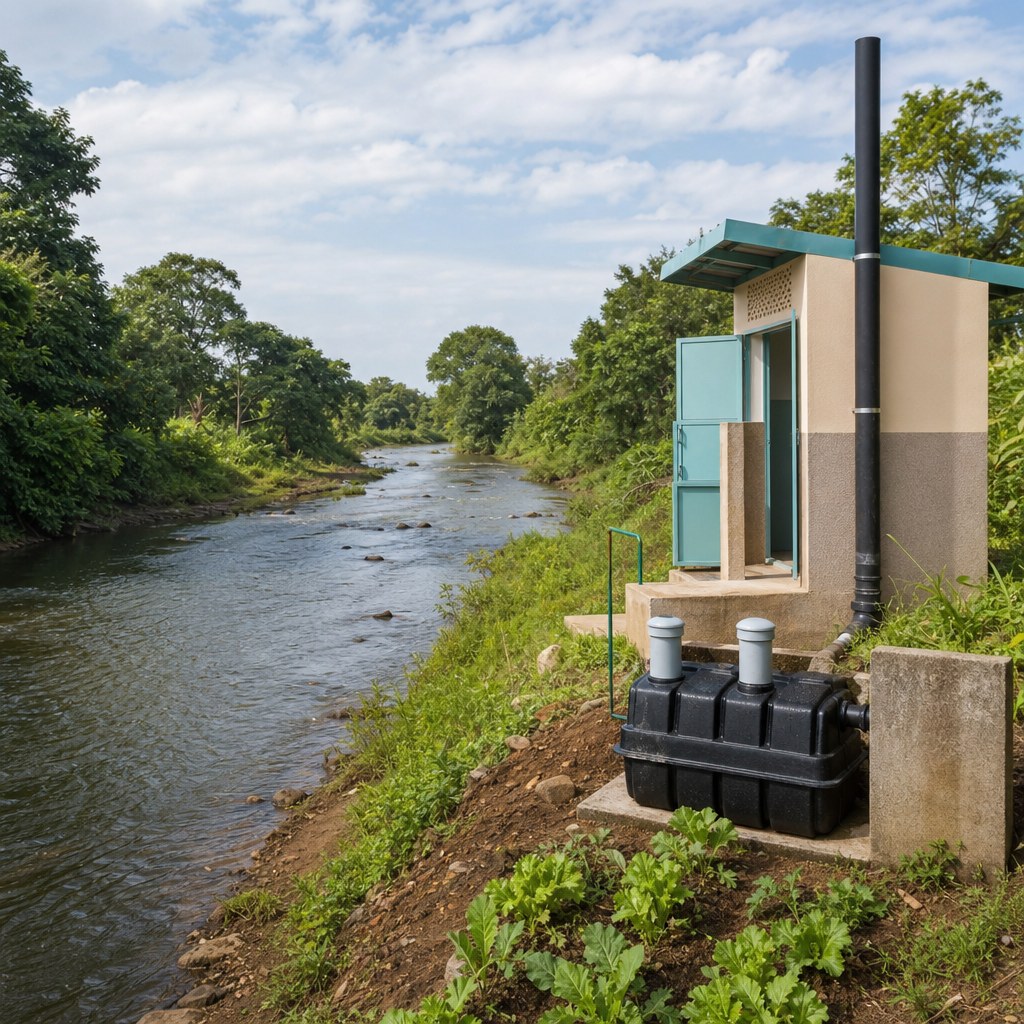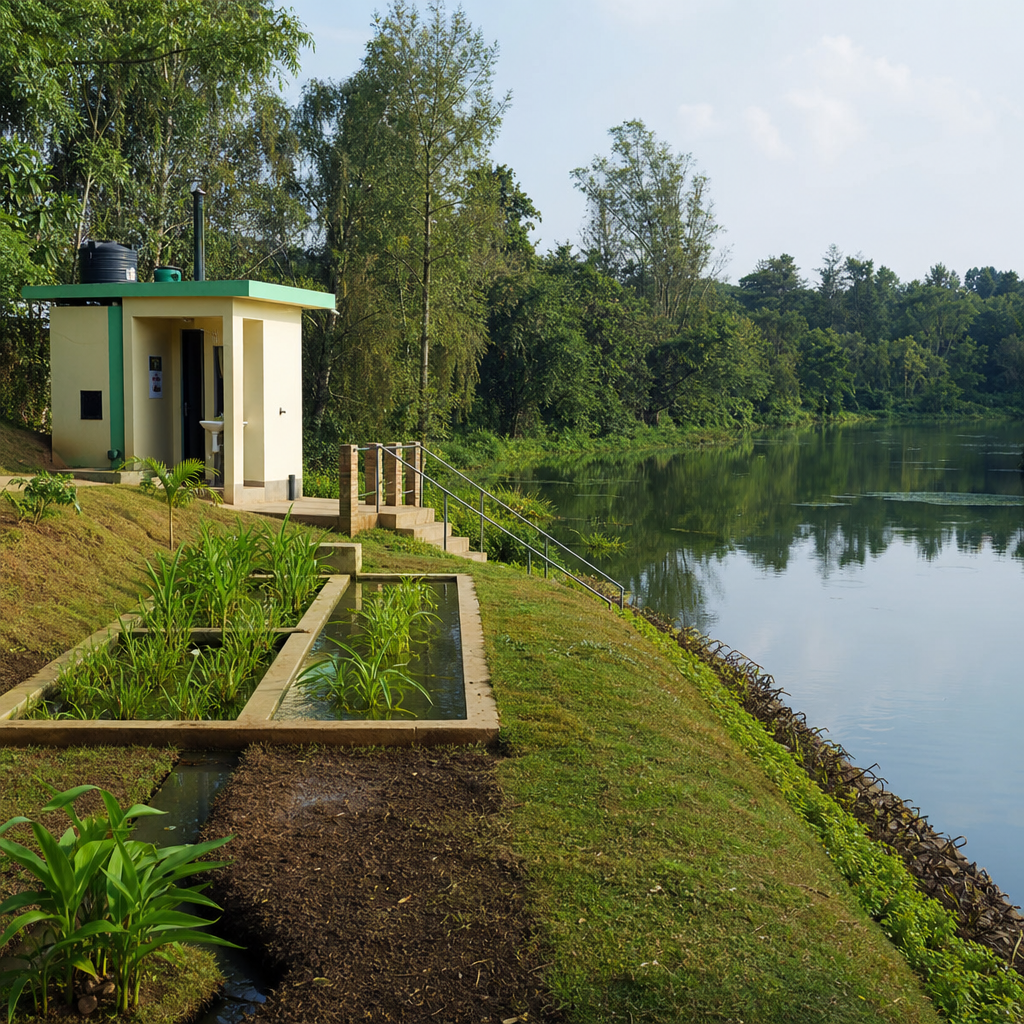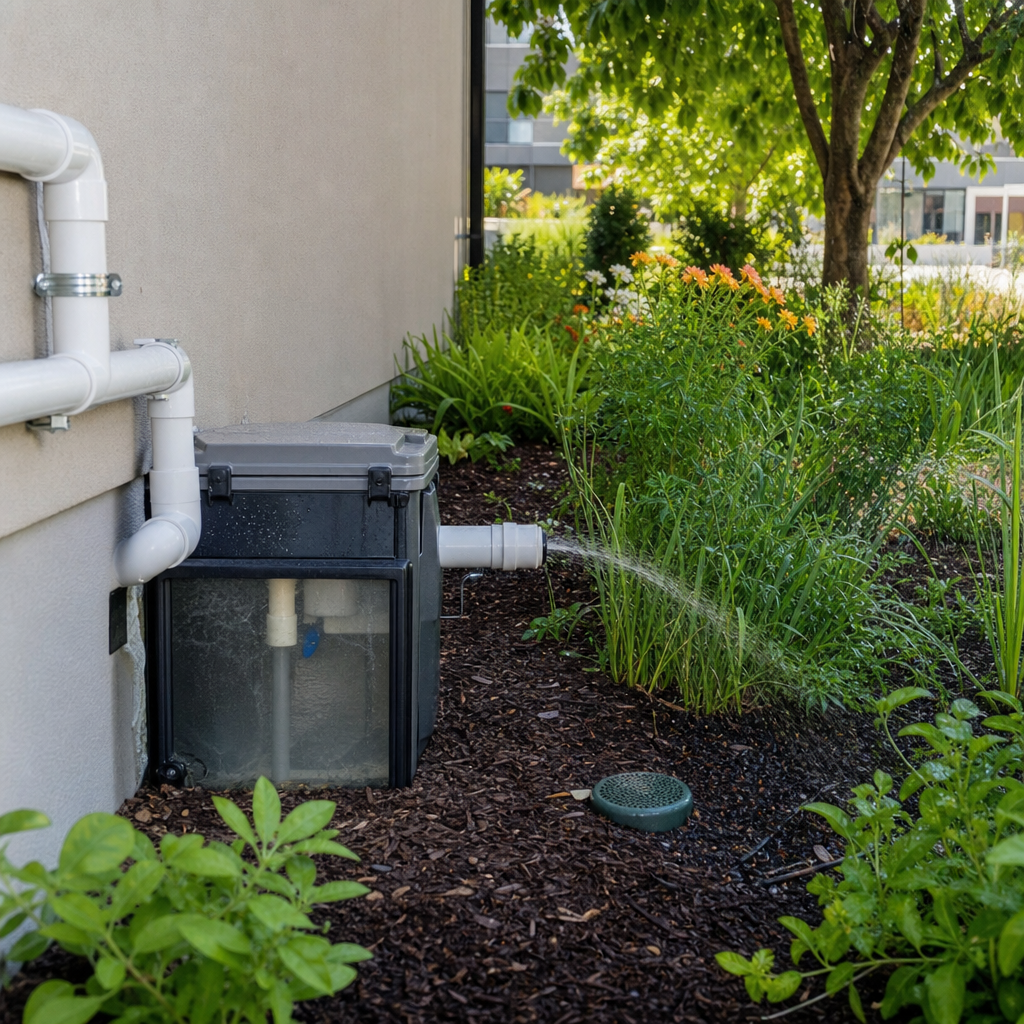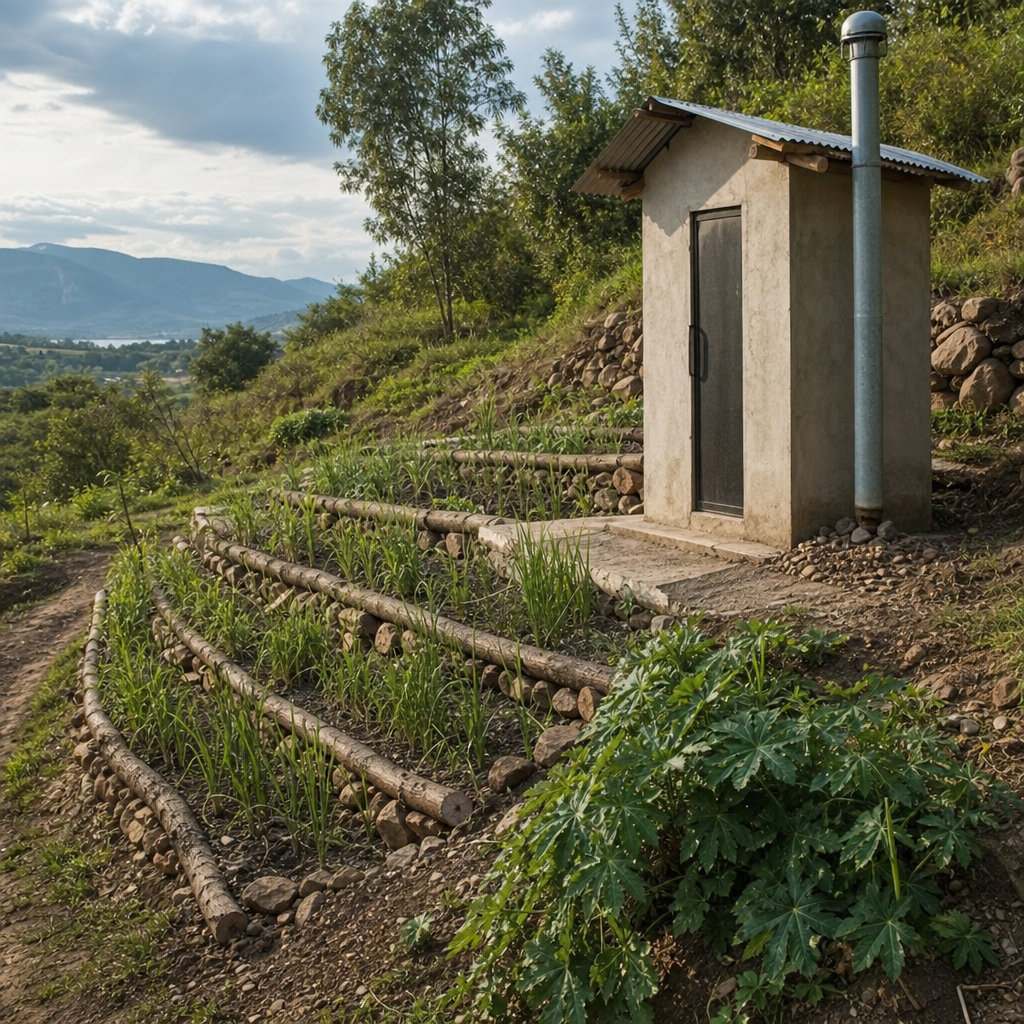
EcoSan and the prevention of soil erosion are closely linked because sanitation systems shape how water, nutrients, vegetation, and land surfaces behave over time. Ecological sanitation, commonly shortened to EcoSan, is an approach that treats human waste as a resource rather than only a disposal problem. In practice, that means separating waste streams where useful, reducing water consumption, recovering nutrients, and preventing contamination of soil and groundwater. Soil erosion is the detachment and transport of topsoil by water, wind, or gravity. It accelerates when land is bare, compacted, poorly drained, or repeatedly exposed to polluted runoff. After years working on sanitation and land management projects, I have seen that poorly planned toilets, leaking pits, unmanaged sludge, and wastewater discharge can destabilize slopes, kill ground cover, and turn seasonal rain into a channel for sediment loss.
This matters because sanitation is rarely discussed in erosion control plans, yet it directly affects infiltration, plant growth, stormwater patterns, and the health of the soil itself. A failing pit latrine on a hillside can saturate surrounding ground and trigger localized collapse. Untreated graywater released beside a home can carve rills that deepen into gullies. By contrast, well-designed EcoSan systems help communities retain nutrients, support vegetation, reduce polluted runoff, and use water more carefully. That combination protects topsoil, lowers pressure on fragile land, and strengthens resilience in farms, peri-urban settlements, schools, and climate-stressed rural areas. As a hub for sustainable practices in sanitation, this article explains how EcoSan works, why it belongs in any serious discussion of environmental impact, and which design, maintenance, and policy choices most effectively reduce erosion while improving public health and resource recovery.
What EcoSan Means in Practical Terms
EcoSan is not one single toilet model. It is a design philosophy and service chain built around safe containment, treatment, reuse, and minimal environmental harm. Common examples include urine-diverting dry toilets, composting toilets, container-based sanitation with off-site treatment, and decentralized wastewater systems that recover nutrients or irrigation water. The practical goal is to close loops: nitrogen, phosphorus, potassium, organic matter, and water are managed so they can return safely to productive use instead of becoming pollutants. The Stockholm Environment Institute and the World Health Organization have long emphasized sanitation systems that protect health across the full chain, from user interface to final reuse or disposal. EcoSan fits that standard when it is properly designed, operated, and monitored.
Three features make EcoSan especially relevant to soil protection. First, it reduces uncontrolled discharge. Wastewater and excreta that escape into open ground weaken soil structure, contaminate shallow groundwater, and create bare patches where vegetation fails. Second, EcoSan can return stabilized organic matter and nutrients to soils. When treated to safe standards, these products improve soil aggregation, support root growth, and increase the soil’s ability to absorb rainfall. Third, many EcoSan systems use little or no flush water, reducing the volume of liquid effluent that must be managed around homes and public facilities. In low-income or water-scarce settings, that can be the difference between a contained sanitation system and a constant source of runoff and erosion.
How Sanitation Choices Influence Soil Erosion
Soil erosion is driven by rainfall intensity, slope, soil texture, land cover, and drainage, but sanitation choices often amplify or reduce those factors. Where pit latrines are densely clustered, especially on steep or flood-prone sites, repeated digging disturbs the ground and removes stabilizing vegetation. Overflow during wet seasons can create surface flow paths. In settlements without drainage planning, water used for washing and cleansing around toilets is commonly discharged directly onto exposed soil. I have seen household graywater outlets produce narrow channels that deepen each rainy season because there is no infiltration trench, planted filter strip, or stone apron to dissipate energy.
Contamination also changes how land is managed. Farmers avoid using polluted areas, leaving them bare. Livestock may trample around wet waste discharge points, compacting soil and reducing infiltration. Nutrient losses from unmanaged sanitation streams force greater dependence on synthetic fertilizer, while nearby land loses the organic matter that would otherwise help resist crusting and runoff. In places with deforestation pressure, demand for conventional sewer expansion can also push heavy construction across sensitive land. EcoSan offers alternatives that are lighter, more modular, and often better suited to variable terrain, seasonal water tables, and decentralized communities where erosion risk is already high.
EcoSan Pathways That Reduce Erosion Risk
The strongest connection between EcoSan and erosion prevention is vegetation. Stable soil needs roots, litter cover, microbial activity, and good structure. When sanitation systems safely recover nutrients and organic material, those resources can support trees, fodder crops, soil-building cover crops, and landscape restoration. Urine, for example, contains most of the nitrogen and a substantial share of the phosphorus and potassium excreted by humans. When stored and applied according to recognized safety guidance, it can be used as a fertilizer in forestry, horticulture, and agriculture. Fecal matter, after adequate dehydration, composting, or other validated treatment, can contribute organic matter that improves aggregate stability and water-holding capacity.
Water management is the second pathway. Dry or low-water systems reduce the amount of wastewater needing disposal, which lowers the chance of chronic soil saturation around structures. Decentralized treatment units, wetlands, and infiltration features can spread and slow flows instead of concentrating them. A small school campus with urine-diverting toilets, handwashing stations draining to mulch basins, and a planted swale will usually produce far less erosive runoff than the same campus with leaking septic lines and wastewater dumped on bare ground. The third pathway is siting and construction. EcoSan projects frequently pay closer attention to topography, groundwater depth, flood exposure, and access for maintenance, because the systems depend on correct separation, containment, and periodic service. Those same decisions are fundamental to erosion control.
Core Sustainable Practices in Sanitation
For this subtopic hub, the essential sustainable practices in sanitation can be organized around the full service chain: planning, user interface, containment, conveyance, treatment, reuse, and long-term monitoring. Planning starts with soil surveys, slope assessment, rainfall patterns, groundwater vulnerability mapping, and user behavior research. A toilet that is technically sound but socially rejected will not be maintained. The user interface should match local customs, accessibility needs, and cleaning capacity. Containment must prevent leakage in both dry and wet seasons. Conveyance, when used, should be safe and affordable. Treatment must achieve pathogen reduction appropriate to the intended reuse. Reuse should be controlled, documented, and linked to actual demand in farming, landscaping, or restoration.
Maintenance is where sustainability succeeds or fails. Vaults must stay dry when a dry system is specified. Urine diversion bowls need regular cleaning to avoid scaling. Ventilation pipes must remain unobstructed. Cover material such as ash, lime, or dry soil must be available and used correctly. Operators need a service schedule, protective equipment, and a contingency plan for storms. In my experience, the most durable EcoSan programs treat operation and maintenance as a professional function, not an afterthought left entirely to households. They also connect sanitation outputs to visible land benefits: tree nurseries, school gardens, rehabilitated embankments, or community woodlots. When residents can see greener cover and less runoff, acceptance improves quickly.
| Practice | How it supports EcoSan | Erosion prevention benefit |
|---|---|---|
| Urine diversion | Separates nutrient-rich liquid for controlled reuse | Supports vegetation without adding excess wastewater to slopes |
| Composting or dehydration | Stabilizes solids for safer handling and soil application | Improves soil structure and infiltration when reused correctly |
| Graywater infiltration | Directs wash water to mulch basins or planted trenches | Reduces surface runoff, rilling, and gully formation |
| Site-specific toilet placement | Avoids flood zones, unstable slopes, and shallow groundwater | Prevents collapse, leakage, and concentrated stormwater flow |
| Vegetative reuse programs | Uses treated nutrients in trees, grasses, and cover crops | Increases root cover that anchors topsoil |
Design and Siting Principles That Matter Most
The best EcoSan design for erosion control begins before construction. Site selection should avoid drainage lines, toe slopes vulnerable to saturation, and areas with active gullying. Separation distances from wells, streams, and seasonal watercourses should follow local regulations and hydrogeological conditions. On steep terrain, stepped platforms, retaining structures, and runoff diversion drains may be needed to protect the toilet foundation and surrounding land. The toilet slab and superstructure should shed rainwater away from the pit, vault, or collection chamber. I strongly prefer stone pitching, gravel splash aprons, or planted edges around sanitation blocks in schools and clinics because concentrated foot traffic quickly removes surface cover.
For graywater, infiltration must be sized to the soil’s percolation rate. Clayey soils often need wider, shallower planted basins rather than deep soak pits that simply fail and overflow. Sandy soils accept water faster but may need stronger pretreatment where groundwater is shallow. In flood-prone areas, above-ground or raised systems are usually safer than pits. In dense settlements, container-based sanitation can eliminate excavation in unstable soils and centralize treatment in a controlled facility. None of these measures are glamorous, but they are decisive. Most sanitation-related erosion problems come from ignoring ordinary engineering details: roof runoff discharged beside the toilet, no stormwater cutoff drain upslope, damaged vent screens, cracked slabs, or an empty mulch basin that never receives maintenance.
Real-World Applications Across Rural and Peri-Urban Settings
In rural farming areas, EcoSan performs best when it is integrated with soil fertility management. A urine-diverting dry toilet linked to a woodlot or orchard creates a visible nutrient loop. Households can apply diluted, stored urine near root zones and use treated solids on non-leafy crops, timber trees, or soil rehabilitation plots, following local health guidance. The erosion benefit comes from stronger plant growth and more permanent cover. In one hillside program model that I have helped assess, sanitation upgrades were paired with contour hedgerows and banana circles for graywater. The result was not only cleaner compounds but fewer runoff scars below homes after heavy storms.
Peri-urban areas need a different model because space is tighter, tenancy is common, and reuse may happen off-site. Here, container-based sanitation, small-bore sewers with decentralized treatment, and fecal sludge composting can be more practical. The land impact remains important. Compost products can be used in municipal landscaping, roadside planting, and degraded soil restoration. Constructed wetlands that polish wastewater can double as buffer zones that slow runoff. Schools and markets are especially valuable demonstration sites because the sanitation load is predictable and the landscaping benefits are public. When decision-makers see that sustainable sanitation reduces maintenance costs, standing wastewater, and downstream sedimentation, it becomes easier to scale programs across an entire district.
Limitations, Risks, and What Good Governance Looks Like
EcoSan is not automatically safe or successful. If urine is applied carelessly, nutrients can burn plants or leach. If fecal matter is insufficiently treated, pathogens remain a serious health risk. If a dry toilet is introduced where users expect water cleansing but no accommodation is made, adoption can fail. Supply chains for spare parts, containers, cover materials, and transport services matter just as much as the toilet itself. Climate also matters. Very wet environments can make dehydration harder; cold conditions slow composting; flood zones complicate storage and access. These are manageable constraints, but they require honest planning rather than idealized diagrams.
Good governance means standards, monitoring, and accountability across the service chain. Municipalities should define approved technologies by context, require safe siting, license emptiers or service operators, and set treatment targets aligned with public health guidance. Extension services should train households and institutions on reuse, storage times, application methods, and protective practices. Data collection should include not only toilet coverage, but leakage incidents, sludge fate, vegetation outcomes, and erosion indicators such as bare-soil area, rill formation, and sediment movement after storms. Sustainable sanitation becomes durable when it is treated as infrastructure plus land stewardship. That is the real environmental impact: healthier soils, cleaner water, and communities that use sanitation systems to restore landscapes instead of degrading them.
EcoSan deserves a central place in discussions about soil erosion because it addresses the problem at its roots: water mismanagement, nutrient loss, weak vegetation, and poorly planned waste disposal. Sustainable practices in sanitation are not limited to building a toilet. They include siting, drainage, treatment, reuse, maintenance, user training, and clear oversight. When those pieces work together, EcoSan protects public health while also strengthening soil structure, supporting plant cover, reducing polluted runoff, and lowering pressure on fragile land. That makes it one of the most practical environmental strategies for places facing rapid settlement growth, water scarcity, declining soil fertility, or climate-driven storm intensity.
As the hub page for this subtopic, the key takeaway is simple: sanitation decisions shape landscapes. A system that safely captures nutrients, controls water, and supports revegetation can prevent erosion as effectively as many conventional land measures, especially at household and community scale. The best results come from matching technology to terrain, climate, and user behavior, then maintaining it consistently. If you are planning programs under the environmental impact theme, start by evaluating sanitation and erosion together. Map slopes, inspect drainage, review sludge handling, and identify reuse opportunities that build living ground cover. That integrated approach delivers cleaner communities and more stable soil.
Frequently Asked Questions
1. What is EcoSan, and how does it relate to preventing soil erosion?
EcoSan, or ecological sanitation, is a sanitation approach designed to safely manage human waste while recovering useful resources such as nutrients and organic matter. Instead of treating waste only as something to be flushed away or buried, EcoSan systems often separate urine and feces, reduce water use, and process waste so it can be reused in agriculture or landscaping under safe conditions. This matters for soil erosion because sanitation systems influence how water moves across land, how vegetation grows, and how healthy soil remains over time.
When sanitation is poorly designed, it can contribute to erosion in several indirect but important ways. Wastewater discharge can oversaturate slopes, weaken soil structure, and create channels where runoff begins to cut into the ground. Open defecation or leaking pit systems can degrade vegetation, compact soil in high-traffic areas, and contaminate nearby land and water, making restoration more difficult. By contrast, EcoSan encourages controlled water use, safer nutrient recycling, and better site planning. These practices help maintain vegetative cover, reduce uncontrolled runoff, and support soils that are more stable and better able to resist being washed or blown away.
2. How can EcoSan systems improve soil stability and land health over the long term?
EcoSan systems can strengthen soil health over time by supporting the conditions that help soil stay in place: good structure, organic content, biological activity, and vegetation cover. Healthy soil is less likely to break apart during heavy rain and more capable of absorbing water instead of letting it rush away as erosive surface runoff. Many EcoSan models aim to recover nutrients safely and return them to productive use, which can improve plant growth and help establish ground cover that shields the soil surface from rain impact and wind exposure.
Long-term land health also benefits from the reduced risk of contamination. Conventional sanitation failures, including leaking pits, overflowing wastewater, or untreated sludge disposal, can degrade land and disrupt the soil ecosystem. EcoSan is designed to avoid that by keeping nutrients in managed cycles and minimizing uncontrolled discharges. Where treated outputs are safely applied according to health guidelines, they can contribute to soil fertility and support trees, grasses, and crops that anchor the land. The result is not just better sanitation, but a more resilient landscape with stronger root systems, improved infiltration, and less vulnerability to erosion over time.
3. Does EcoSan reduce water-related erosion compared with conventional sanitation methods?
In many settings, yes. One of the major advantages of EcoSan is that it often uses far less water than conventional flush-based sanitation. Lower water demand means less wastewater to transport, store, or dispose of, and that can reduce the chance of excess water being released onto land in ways that trigger erosion. On sloped sites or in areas with fragile soils, unmanaged greywater or blackwater can form rivulets, saturate embankments, and carve pathways that eventually become gullies. EcoSan helps limit these risks by encouraging dry or low-water systems and more deliberate handling of waste streams.
That said, the erosion benefit depends on proper design and operation. EcoSan does not automatically prevent erosion simply by existing. The system must be placed correctly, protected from stormwater intrusion, and integrated with drainage, landscaping, and vegetation management. For example, directing roof runoff away from sanitation structures, stabilizing nearby footpaths, and ensuring safe reuse areas are not over-irrigated all matter. When these elements are planned together, EcoSan can play a strong role in reducing water-driven soil loss and creating a site that handles rainfall more sustainably.
4. Can nutrient recovery from EcoSan help restore eroded or degraded soils?
Yes, nutrient recovery can be part of a broader soil restoration strategy, especially where land has been depleted by erosion, poor fertility, or repeated cropping without replenishment. EcoSan systems are built around the idea that nutrients found in human waste should be recovered safely and returned to productive use rather than lost as pollution. When properly treated and used in line with public health and environmental standards, these recovered nutrients can support vegetation growth, which is one of the most effective natural defenses against erosion.
Plants protect soil in several ways. Their roots bind soil particles together, their leaves soften the impact of raindrops, and their presence slows down runoff so more water soaks into the ground. On degraded land, reestablishing vegetation is often the key first step in erosion control. Nutrient inputs from safely processed EcoSan outputs can help grasses, shrubs, trees, or cover crops establish faster and grow more densely. However, safe management is essential. Materials must be treated, stored, and applied correctly, and local regulations should always be followed. EcoSan is most effective when nutrient reuse is combined with erosion-control measures such as mulching, contour planting, buffer strips, and reduced soil disturbance.
5. What should communities consider when using EcoSan as part of an erosion prevention strategy?
Communities should think of EcoSan as one component of an integrated land and water management plan rather than a stand-alone fix. The first consideration is site suitability. Soil type, slope, rainfall intensity, flood risk, groundwater depth, and population density all affect how well a sanitation system will perform and how it may influence erosion. A poorly located system can create drainage problems, while a well-planned one can reduce runoff pressures and protect surrounding land. Community education is equally important, because EcoSan systems require consistent maintenance, safe handling practices, and a clear understanding of how recovered resources should be used.
It is also important to connect EcoSan with practical erosion-control measures around homes, farms, schools, and public areas. These may include planting deep-rooted vegetation, protecting bare soil, improving paths and drainage channels, harvesting rainwater, and preventing concentrated runoff near sanitation facilities. Local ownership matters as well. Communities that participate in design, maintenance, and monitoring are more likely to keep systems functioning properly and to see the wider environmental benefits. In that context, EcoSan can do more than improve sanitation: it can help support soil conservation, cleaner water, better land productivity, and greater resilience to heavy rainfall and land degradation.