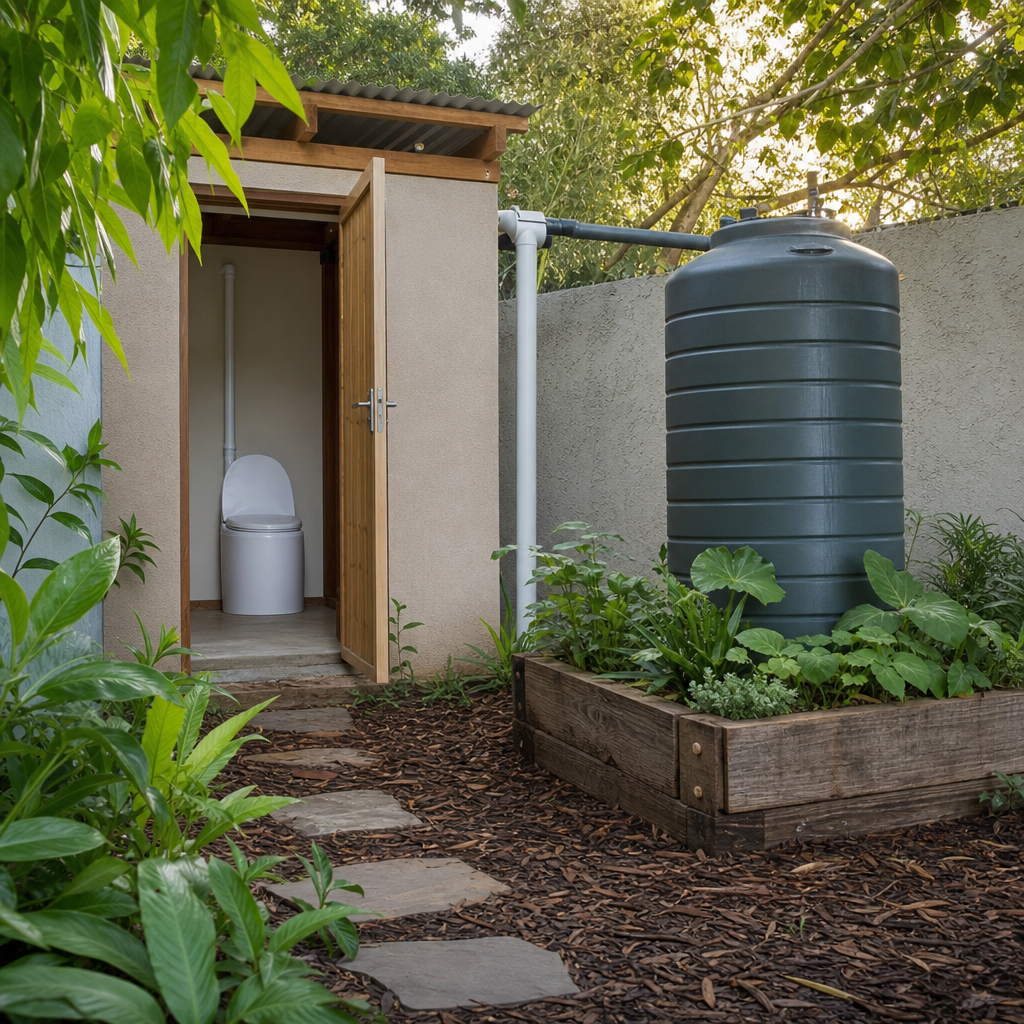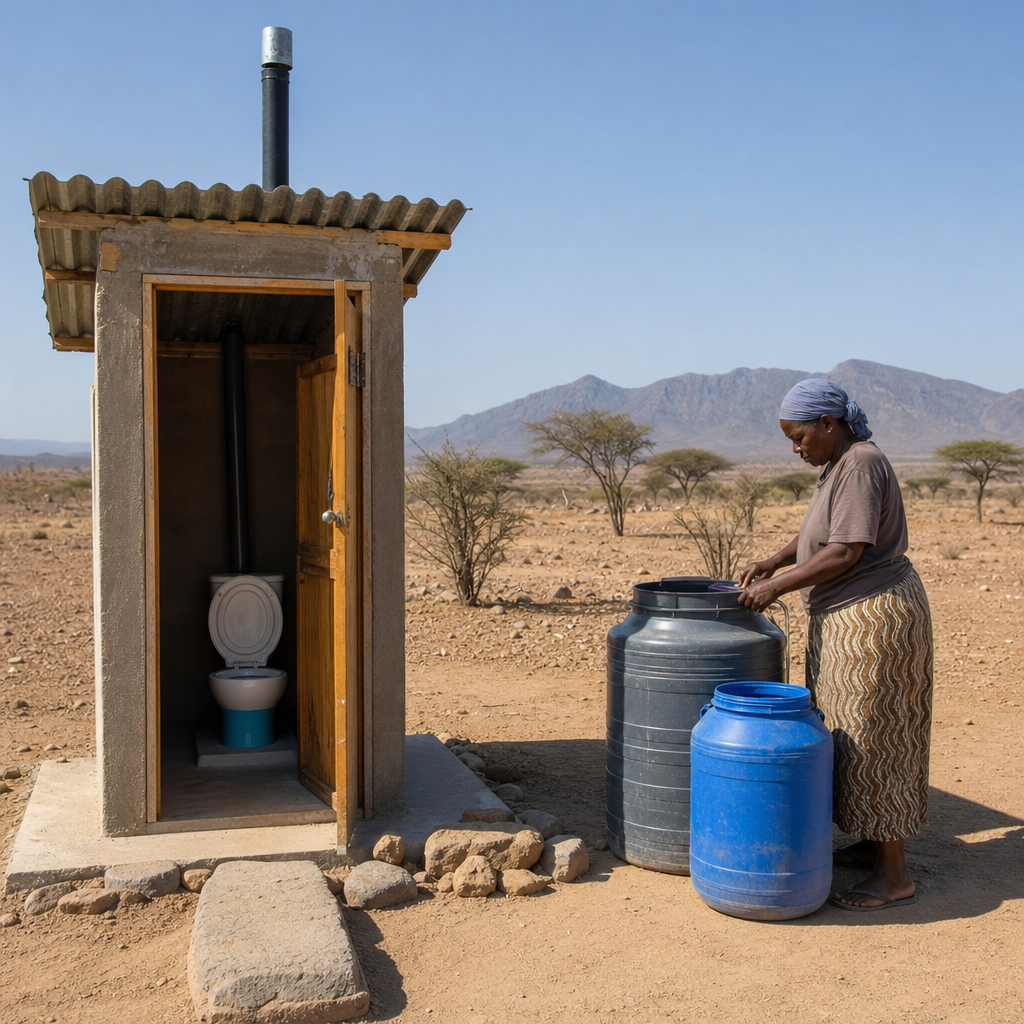
Sanitation solutions for drought-affected areas must do two things at once: protect public health and conserve every possible liter of water. In places where rainfall is erratic, groundwater is declining, and piped supply is intermittent, conventional flush sanitation becomes expensive, fragile, and environmentally risky. Drought-affected areas include arid rural districts, peri-urban settlements facing seasonal shortages, and disaster-hit regions where water systems have failed. EcoSan, short for ecological sanitation, offers a practical alternative by treating human waste as a resource stream rather than something to dilute and dispose of. I have worked on sanitation planning discussions where the central constraint was not toilet demand but water availability, and that changes every design decision, from user interface to waste transport.
At its core, ecological sanitation separates, stores, treats, and reuses nutrients and organic matter safely. The best-known models include urine-diverting dry toilets, composting toilets, container-based sanitation, and low-water systems linked to decentralized treatment. These approaches reduce freshwater use, lower pressure on sewers, and can recover nitrogen, phosphorus, potassium, and organic carbon for agriculture or landscaping. That matters because drought is rarely only a water problem. It also drives crop stress, food insecurity, school absenteeism, disease outbreaks, and higher costs for municipalities and households. A sanitation system that saves water but contaminates shallow aquifers is not sustainable. A system that is hygienic but unaffordable to maintain will also fail.
This hub article explains how to advance environmental sustainability with EcoSan in drought-prone settings. It covers technology choices, public health safeguards, nutrient recovery, climate and groundwater benefits, operational realities, and policy requirements. It also clarifies where EcoSan works best and where hybrid systems are smarter. For planners, NGOs, utilities, property developers, and community leaders, the central question is straightforward: how can sanitation remain safe, acceptable, and resilient when water is scarce? The answer is to match the sanitation chain to local conditions, protect users through verified treatment barriers, and design reuse pathways that create environmental value instead of waste.
Why drought changes sanitation design
Drought affects the entire sanitation chain, not just toilet flushing. Less water means lower sewer flows, which can increase blockages, odor, solids accumulation, and corrosion in conventional networks. In on-site systems, reduced water may seem beneficial, but pit latrines and septic tanks can become more concentrated sources of pathogens and nitrate if they are poorly sited or emptied unsafely. In many drought-prone settlements, households already ration water for drinking and cooking first. Hygiene practices suffer next, and toilets that require repeated flushing are often abandoned or used inconsistently.
A practical drought sanitation strategy starts with a water balance. How much water is available year-round? How variable is supply by season? What is the cost of trucked water? What is the depth to groundwater, the soil permeability, and the flood risk during short intense storms? In my experience, projects become more durable when they stop treating sanitation as a single fixture purchase and instead map the full service chain: user interface, containment, emptying, transport, treatment, reuse, and monitoring. In dry regions, resilient systems are those that remain functional during both prolonged scarcity and sudden rain events.
EcoSan is especially relevant because it decouples sanitation performance from high water input. A urine-diverting dry toilet, for example, can operate with little or no flush water while producing separate waste streams that are easier to treat and reuse. Container-based systems can work where rocky ground, dense settlements, or high excavation costs make pits impractical. Even pour-flush systems can be redesigned for drought by using low-volume pans and linking them to small-bore solids-free sewers or decentralized reactors. The point is not that one model fits every community; it is that drought forces design discipline, and EcoSan provides a robust toolkit.
Core EcoSan technologies for water-scarce settings
The most common EcoSan option in drought-affected areas is the urine-diverting dry toilet, often abbreviated UDDT. It separates urine from feces at the source. Feces are collected in sealed vaults with dry cover material such as ash, sawdust, or lime to reduce moisture, flies, and odor. Urine is stored separately and can be diluted and applied as fertilizer under defined safety protocols. When UDDTs are well built, ventilated, and serviced, they use almost no water and sharply reduce nutrient losses to the environment.
Composting toilets are another option, though the term is often used loosely. True composting requires controlled aeration, moisture, temperature, and retention time. In very dry climates, dehydration may happen more readily than composting, so system claims should be technically accurate. Container-based sanitation is gaining traction in informal settlements and emergency contexts because it standardizes collection and off-site treatment. Sealed cartridges or containers are swapped on a service schedule, reducing groundwater contamination and making quality control easier.
Low-water flush systems can also support environmental sustainability where users strongly prefer flushing. Vacuum toilets, micro-flush units, and pour-flush pans with reduced volumes dramatically cut demand compared with conventional toilets that may use six to thirteen liters per flush. When paired with anaerobic baffled reactors, constructed wetlands, or membrane-based package plants, these systems can enable local reuse for irrigation or landscaping. The right choice depends on user preference, climate, operation capacity, supply chains, and the economics of long-term servicing rather than only the upfront toilet cost.
| System | Water use | Best fit | Main advantage | Main limitation |
|---|---|---|---|---|
| UDDT | Near zero | Rural and peri-urban drought zones | Strong nutrient recovery | Requires user training and dry cover material |
| Composting toilet | Near zero | Institutions and eco-sites | Reduced waste volume | Needs careful process control |
| Container-based sanitation | Near zero | Dense low-income settlements | Professionalized service chain | Depends on reliable collection logistics |
| Low-water flush plus decentralized treatment | Low | Schools, clinics, housing projects | Higher user acceptance | Needs treatment energy and O&M capacity |
Environmental sustainability benefits of EcoSan
Advancing environmental sustainability with EcoSan means reducing water consumption, protecting groundwater, recovering nutrients, and lowering pollution loads. Conventional flush toilets can account for a large share of household indoor water use, often around 20 to 30 percent depending on fixtures and behavior. In drought-affected areas, eliminating or minimizing that demand has immediate value. Less extraction from aquifers helps preserve ecological flows, slows land subsidence where groundwater is overdrawn, and reduces the energy needed to pump and distribute water.
Nutrient recovery is equally important. Human urine contains most of the nitrogen and a substantial share of the phosphorus and potassium excreted by households. If captured safely, these nutrients can substitute for synthetic fertilizers whose production, especially nitrogen fertilizer through the Haber-Bosch process, is energy intensive. In regions where farmers face both water stress and rising input prices, treated urine and stabilized biosolids can support soil fertility, tree planting, and nonfood crop production. I have seen reuse programs gain traction when sanitation teams worked directly with agricultural extension officers instead of treating reuse as an afterthought.
EcoSan can also reduce eutrophication and pathogen release. Poorly managed pits, septic tanks, and direct discharge pollute streams, lakes, and shallow aquifers. During drought, lower river flows mean less dilution, so contamination becomes more concentrated and harmful. By containing excreta, separating streams, and applying treatment barriers before reuse, ecological sanitation lowers environmental loading. The sustainability benefit is strongest when systems are monitored, emptied safely, and linked to clear end-use plans. Without those pieces, even promising technology can underperform.
Public health, safety, and treatment standards
Safe sanitation in drought areas is not achieved by dryness alone. Pathogens survive differently depending on temperature, moisture, pH, storage time, and handling practices. Fecal sludge and dehydrated feces require defined treatment and storage periods before reuse or disposal. The World Health Organization provides a useful risk-based framework built on multiple barriers: source separation, containment, treatment, restricted crop use, safe application methods, and hygiene measures such as handwashing and protective equipment. This matters because no single barrier is perfect.
Urine is usually lower risk than feces, but it is not automatically risk free. Storage time, crop type, and application method affect safety. Fecal materials require greater caution. Helminth eggs, including Ascaris, are notably persistent and should be considered in treatment design in endemic regions. A well-managed EcoSan program therefore includes pathogen reduction targets, documented storage times, moisture control, and verification procedures. If local laboratories are limited, simple field protocols and periodic external testing can still provide reasonable assurance.
User safety and dignity are just as important as treatment science. Toilets must be private, well lit, accessible to children, older adults, and people with disabilities, and manageable for menstrual hygiene. Odor control, fly management, and convenient anal cleansing arrangements influence adoption more than many planners expect. In several projects I have reviewed, technically sound designs failed because the pedestal was uncomfortable, urine pipes clogged, or vault access for emptying was too awkward. Good sanitation is behaviorally realistic sanitation.
Implementation challenges and how successful programs respond
The biggest EcoSan challenge is rarely technology; it is service design. Households need clear instructions, regular support, and confidence that collected materials will be handled safely. Municipalities need tariffs, maintenance plans, local supply chains for spare parts, and institutional ownership. When those pieces are missing, toilets degrade, vaults overflow, and reuse stops. Successful programs budget for training, follow-up visits, and operator supervision from the beginning rather than treating them as optional community engagement extras.
Cultural acceptance also matters. Some users resist source separation or reuse because it conflicts with habit or social norms. The practical response is not abstract awareness messaging but demonstration. Show a clean, odor-free unit. Let users compare water bills. Partner with respected farmers who can explain how treated products are used. Schools and health centers often work as visible pilots because they create routine use and public familiarity. Where full dry systems face resistance, low-water hybrids can build trust while still saving significant water.
Financing must match the service model. Capital subsidies may be justified where drought resilience and groundwater protection create public benefits, but operating costs still need a credible revenue source. That can include household fees, utility cross-subsidies, municipal sanitation budgets, or income from resource recovery, though reuse revenue alone rarely covers everything. Digital tools can help. GIS-based planning, remote fill-level monitoring for containers, and mobile payment systems all improve reliability. Stronger programs also define accountability indicators such as functionality rate, safe emptying coverage, treatment compliance, and reuse volumes.
Building a hub strategy for long-term resilience
As a hub under Environmental Impact, this topic should connect water conservation, sanitation access, nutrient circularity, climate adaptation, and land stewardship into one decision framework. The most effective approach is to treat EcoSan not as a niche toilet category but as a portfolio of drought-resilient sanitation solutions. Supporting pages can explore UDDT design, fecal sludge treatment, reuse regulations, school sanitation, decentralized wastewater treatment, groundwater protection, and life-cycle cost analysis. That structure helps decision-makers move from broad understanding to specific implementation guidance.
Long-term resilience comes from policy alignment. Building codes should allow approved dry and low-water systems. Public health agencies should publish reuse guidance based on local risks. Agricultural departments should define where recovered nutrients fit crop and soil programs. Utilities and municipalities should integrate nonsewered sanitation into official service plans instead of treating it as temporary or informal. The emerging ISO 30500 standard for non-sewered sanitation systems is especially useful because it pushes the market toward verified performance for treatment, safety, and emissions.
The key takeaway is simple: sanitation solutions for drought-affected areas succeed when they save water, protect health, and create environmental value at the same time. EcoSan delivers that potential through source separation, low-water design, decentralized treatment, and planned reuse, but only when service, standards, and user needs are built into the model. If you are shaping a sanitation strategy, start with local water scarcity, map the full service chain, and evaluate EcoSan options against health protection, operational capacity, and environmental benefit. That is how to advance environmental sustainability with EcoSan in places where every drop matters.
Frequently Asked Questions
What sanitation systems work best in drought-affected areas?
The most effective sanitation systems for drought-affected areas are the ones that minimize or eliminate water use while still safely containing, treating, or separating human waste. In many cases, that means moving away from conventional flush toilets and toward low-water or dry sanitation options such as EcoSan toilets, urine-diverting dry toilets, composting toilets, container-based sanitation, and well-designed ventilated improved pit latrines where conditions allow. These systems are especially valuable in arid rural communities, peri-urban settlements with unreliable water service, and emergency settings where damaged infrastructure makes piped sanitation impractical.
Choosing the right solution depends on local soil conditions, groundwater depth, population density, cultural preferences, maintenance capacity, and whether waste can be safely collected, reused, or treated nearby. For example, urine-diverting systems can reduce smell, improve hygiene, and support nutrient recovery when managed properly, while container-based sanitation can be a strong choice in dense settlements where digging pits is difficult or unsafe. In all cases, the best sanitation solution is not simply the one that uses the least water, but the one that protects health, prevents contamination of scarce water sources, and can realistically be operated over the long term by the community or service provider.
Why is conventional flush sanitation often a poor fit for water-scarce regions?
Conventional flush sanitation is often a poor fit in drought-prone areas because it depends on a stable and abundant water supply that many communities simply do not have. Every flush uses water that could otherwise be reserved for drinking, cooking, handwashing, or essential household needs. When rainfall is erratic, aquifers are falling, and piped systems operate only intermittently, flush toilets become expensive to use and difficult to maintain. They can also stop functioning altogether during prolonged shortages or infrastructure failures, creating immediate public health risks.
There are also environmental concerns. In regions with weak sewer networks or inadequate wastewater treatment, flush systems can move waste from the toilet but not actually treat it safely. That can lead to sewage leaks, overflowing septic tanks, groundwater contamination, and pollution of nearby land or surface water. In drought conditions, reduced water flow can make sewer systems less effective, increasing blockages and odor problems. For these reasons, water-intensive sanitation may look modern on paper, but in practice it can be fragile, costly, and risky in areas where every liter matters. More resilient sanitation planning focuses on systems that are less dependent on continuous water availability and more adaptable to local conditions.
How can sanitation solutions conserve water without compromising public health?
Sanitation can conserve water and still protect public health when systems are designed to safely isolate waste, reduce human contact with pathogens, and support reliable operation even under harsh conditions. The key principle is that sanitation does not have to rely on large volumes of water to be hygienic. Dry and low-flush systems can be highly protective when they include proper containment, ventilation, waste separation where appropriate, safe emptying practices, and user education. In many drought-affected areas, these features are actually more dependable than systems that fail whenever water pressure drops.
Public health protection also depends on the full service chain, not just the toilet itself. A household toilet is only one part of sanitation; waste must also be stored, transported, treated, and disposed of or reused safely. That means communities need practical plans for sludge management, fecal waste collection, operator training, cleaning supplies, and handwashing options that use water efficiently. Tippy taps, alcohol-based hand sanitizers in some contexts, greywater reuse for cleaning where safe, and targeted hygiene education can all support better outcomes. When water conservation is integrated with safe waste management, sanitation becomes both more resilient and more protective of health during drought.
Are EcoSan and composting toilets safe and practical for communities facing long-term drought?
Yes, EcoSan and composting toilets can be safe and practical in long-term drought settings, but their success depends heavily on correct design, community acceptance, and consistent operation. EcoSan systems are designed to treat human waste as a resource rather than simply a disposal problem, often separating urine and feces so they can be managed more effectively. In water-scarce areas, this approach is attractive because it dramatically reduces water demand and can help preserve nutrients for agricultural use when treatment and reuse are carried out safely. Composting toilets offer similar water-saving benefits and can work well in households, institutions, and remote locations that cannot support conventional sewer systems.
That said, these systems are not maintenance-free. They require users to understand how to keep materials dry when needed, add cover material if required, prevent contamination between chambers, and wait appropriate treatment periods before handling end products. If those steps are ignored, odor, insect problems, and health risks can develop. This is why successful programs typically include user training, ongoing technical support, clear maintenance responsibilities, and monitoring. When introduced thoughtfully and matched to local habits and capacities, EcoSan and composting systems can provide a durable, water-smart sanitation solution that supports both environmental protection and public health.
What should governments, NGOs, and communities consider when planning sanitation for drought-affected areas?
Planning sanitation for drought-affected areas requires looking beyond quick installation numbers and focusing on long-term resilience. Governments, NGOs, and communities should start with a careful assessment of water availability, settlement patterns, climate stress, hydrogeology, affordability, and existing sanitation behaviors. A system that works in a sparsely populated dry rural district may fail in a crowded peri-urban neighborhood, and an emergency solution suitable for disaster-hit regions may need to transition later into a more permanent service model. Good planning also considers who will maintain the system, who will pay for upkeep, and how waste will be managed safely after collection or storage.
Equally important are social and institutional factors. Communities are more likely to adopt and maintain sanitation systems that are convenient, dignified, culturally acceptable, and clearly understood. Women, caregivers, elderly residents, people with disabilities, and frontline sanitation workers should all be included in planning decisions. Governments and development partners should also invest in supply chains for spare parts, local operator training, monitoring systems, and sanitation awareness campaigns. The most successful drought sanitation strategies combine technical suitability with governance, financing, and community ownership. In other words, resilient sanitation is not just a toilet choice; it is a complete public health service designed for water scarcity.