Reducing pathogens in the environment with EcoSan starts with a simple shift in thinking: human waste is not only a disposal problem, but also a resource stream that can be managed to protect health, conserve water, and return nutrients to soil safely. Ecological sanitation, usually shortened to EcoSan, is a sanitation approach designed to prevent disease transmission while recovering value from urine, feces, and organic matter through controlled treatment and reuse. In practice, that means separating waste where useful, minimizing contact between people and pathogens, and using biological processes such as dehydration, composting, storage, and soil application under defined safety rules. I have worked on sanitation planning where the biggest failures came from copying sewer-based models into places with water scarcity, unstable power, or limited sludge treatment. EcoSan matters because it addresses those constraints directly. It can reduce environmental contamination from open defecation, leaking pits, and poorly managed sludge, while supporting climate resilience and lower long-term operating costs. For communities, institutions, and planners focused on sustainable practices in sanitation, EcoSan provides a framework that links public health, agriculture, water protection, and circular resource management into one practical system.
What EcoSan means in sustainable sanitation
EcoSan is a preventive sanitation model built around source control, safe treatment, and beneficial reuse. Instead of mixing all wastewater and excreta into one diluted stream, EcoSan systems often separate urine, feces, greywater, and organic residues so each can be treated appropriately. Common technologies include urine-diverting dry toilets, ventilated dehydration vaults, composting toilets, container-based sanitation, and decentralized greywater systems. The goal is not reuse at any cost. The goal is barrier-based risk reduction. Each step is designed to reduce pathogen survival and block exposure routes identified in sanitation risk assessments.
The central health problem EcoSan addresses is pathogen movement through soil, water, hands, food, insects, and surfaces. Feces can contain bacteria such as E. coli and Salmonella, viruses such as rotavirus and norovirus, protozoa such as Giardia, and helminths including Ascaris. When containment fails, these organisms enter drains, groundwater, crops, and homes. Standard sanitation can also fail when septic tanks overflow, sewers leak, or treatment plants discharge partially treated effluent. EcoSan reduces those failures by shortening the chain between generation and treatment and by making treatment visible and manageable at household, neighborhood, or institutional scale.
From a sustainability perspective, EcoSan also tackles three persistent inefficiencies. First, conventional flush sanitation uses large volumes of high-quality water to transport waste, even in regions where freshwater is scarce. Second, nutrients in excreta, especially nitrogen, phosphorus, and potassium, are often lost instead of reused. Third, centralized systems can require expensive pipe networks and energy-intensive treatment. Sustainable practices in sanitation aim to cut these losses. EcoSan does that by using low-water or no-water systems, recovering nutrients where regulations permit, and enabling decentralized service models that are often easier to maintain in dense informal settlements and rural areas.
How EcoSan reduces pathogens in the environment
EcoSan reduces pathogens by combining containment, treatment, time, and controlled reuse. The first line of defense is physical separation from people and the surrounding environment. A well-designed urine-diverting dry toilet, for example, keeps feces dry and stored in a sealed chamber, which reduces odor, discourages flies, and creates conditions that speed pathogen die-off. Urine is diverted into a separate container or infiltration system, avoiding the moisture that helps pathogens persist in mixed waste.
The second line of defense is treatment matched to organism type. Many bacteria and viruses decline significantly during dehydration, composting, alkaline treatment, or extended storage. Helminth eggs are more resistant, which is why time-temperature targets and restricted reuse practices matter. World Health Organization guidance on sanitation safety planning and safe use of wastewater and excreta emphasizes multiple barriers rather than a single assumption of safety. In field implementation, that means asking direct questions: How long was material stored? Did compost reach thermophilic temperatures? Is the final product used on fruit trees, cereals, or leafy greens eaten raw?
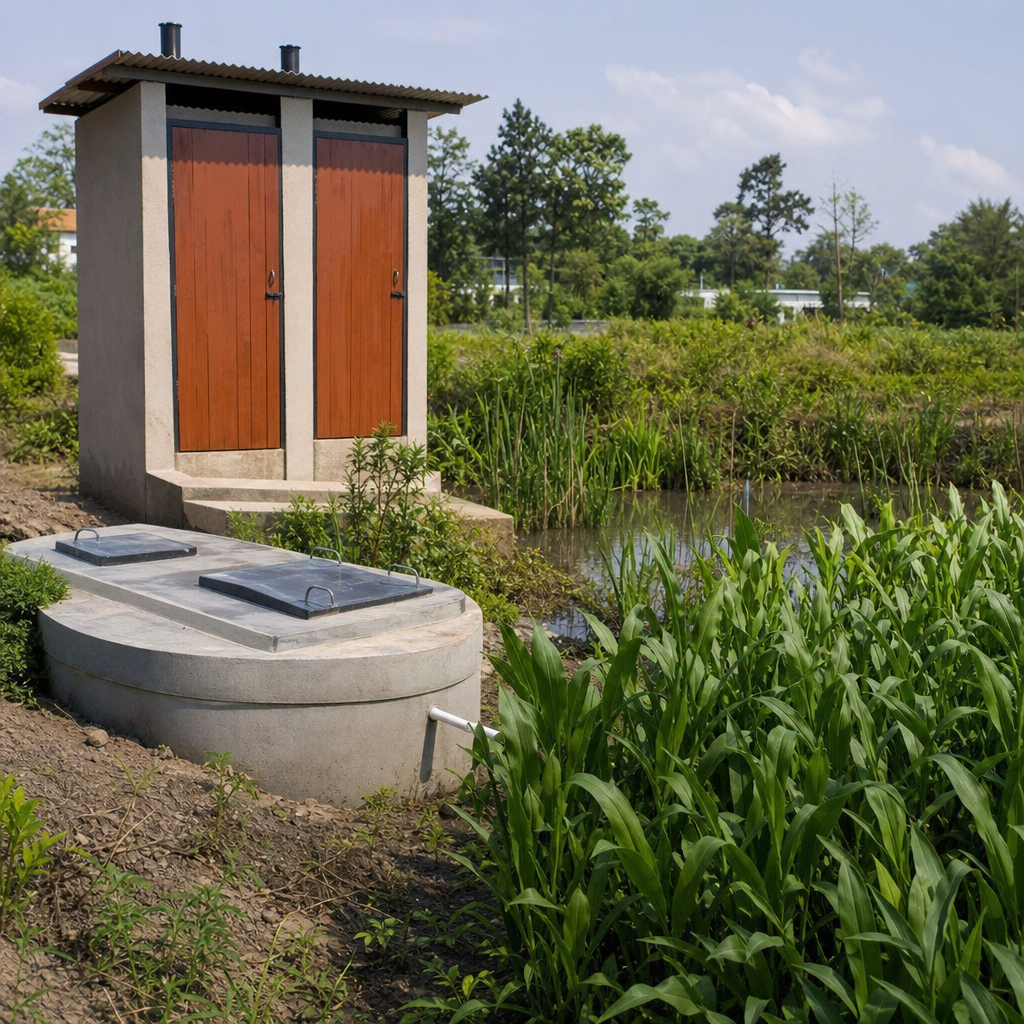
Environmental reduction of pathogens is measurable. If a pit latrine leaks near a shallow well, fecal contamination can migrate through fractured soils and contaminate drinking water. If excreta is instead captured in a sealed, serviceable unit and treated before land application, that contamination route is largely interrupted. I have seen schools reduce standing wastewater, flies, and toilet overflows simply by redesigning sanitation around separation and scheduled collection. The public health gain did not come from one device alone. It came from reliable operation, cleaning protocols, user training, and end-use rules.
Core EcoSan technologies and where they work best
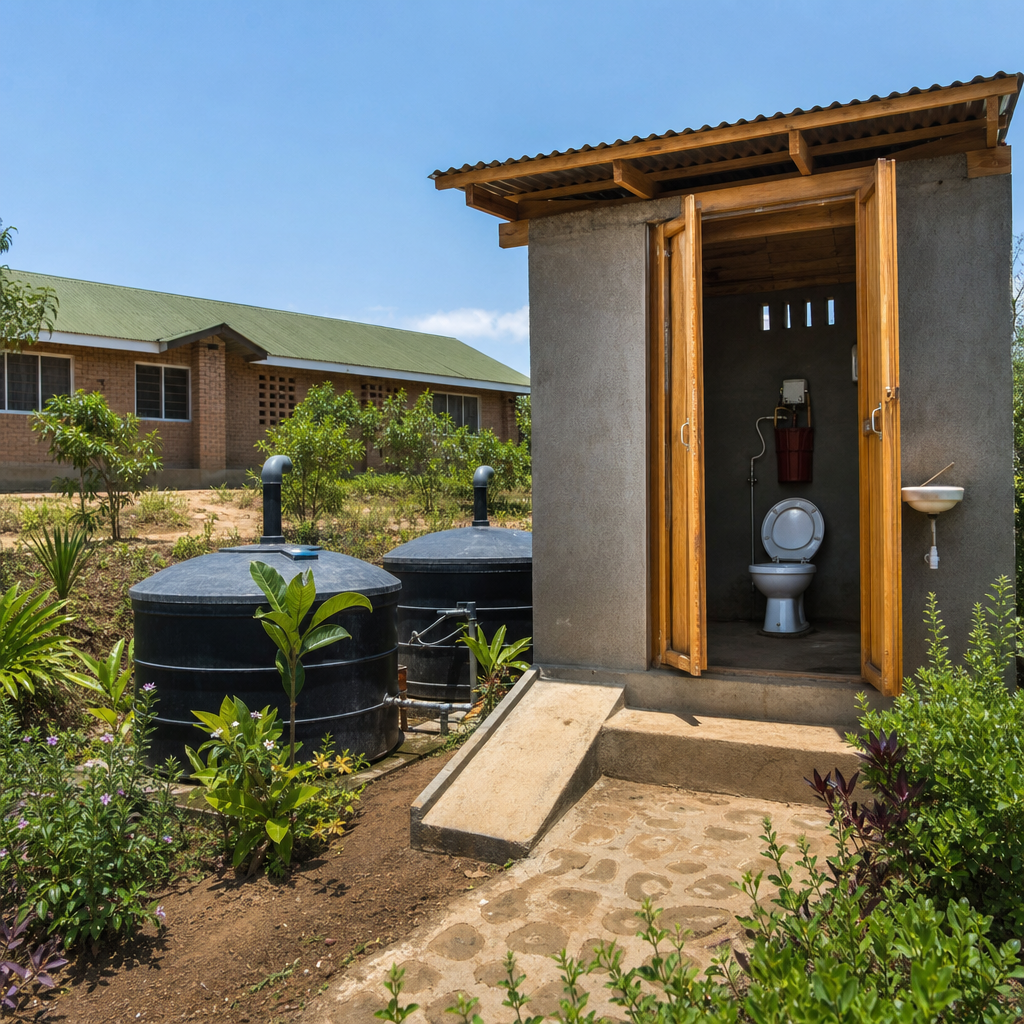
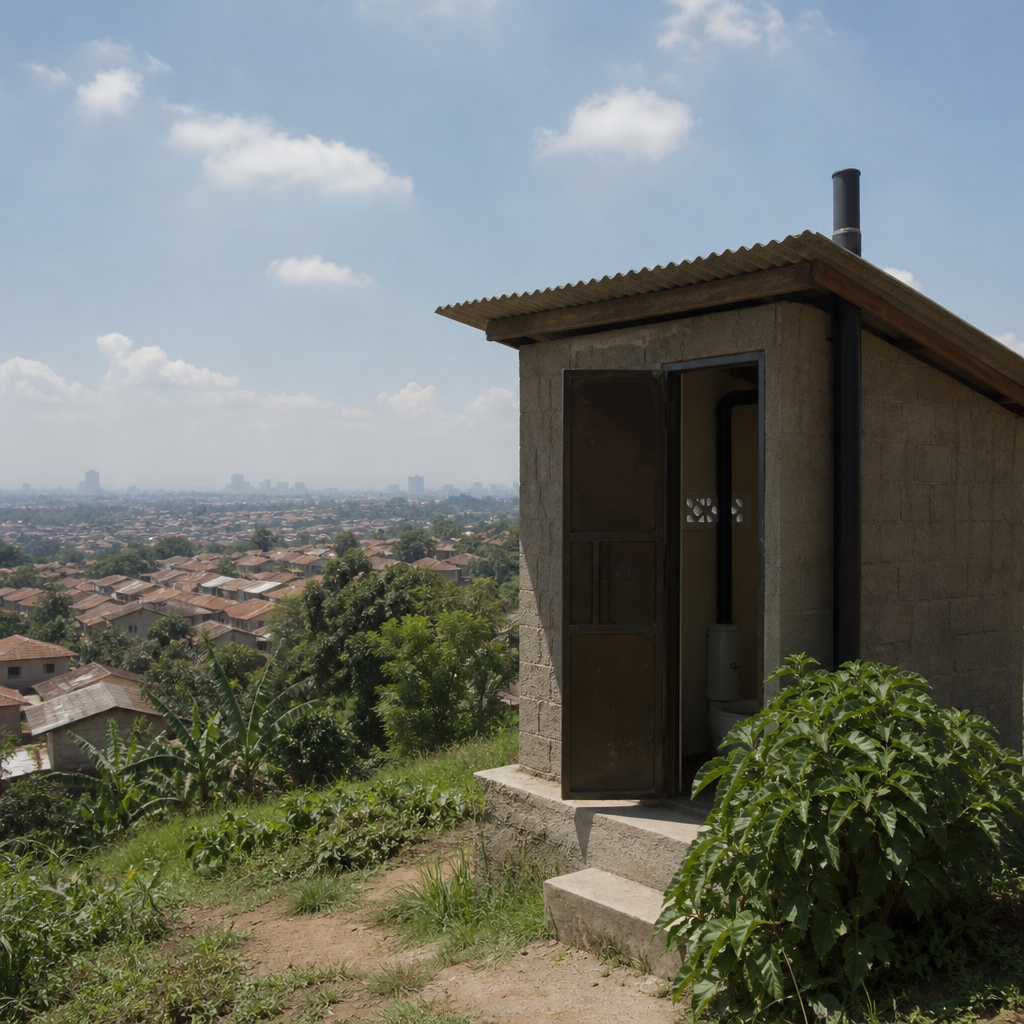
No single EcoSan technology fits every site. Urine-diverting dry toilets work well where water is limited, ground conditions make pits risky, and users can follow simple maintenance tasks such as adding dry cover material and keeping urine drains clear. Dehydration vaults are effective in arid and semi-arid settings because dryness accelerates pathogen reduction. Composting toilets can work in households, parks, and off-grid buildings when operators can balance carbon-rich bulking material, aeration, and moisture. Container-based sanitation performs well in dense urban settlements where emptying pits is difficult and where a professional service can collect sealed cartridges regularly.
Greywater systems are often overlooked in EcoSan discussions, yet they are essential to environmental impact. Kitchen, bathing, and laundry water usually carries fewer pathogens than blackwater but still contains organic load, detergents, grease, and sometimes fecal contamination from child washing or diaper cleaning. Decentralized treatment using grease traps, settling chambers, planted gravel filters, and subsurface irrigation can prevent stagnant wastewater from becoming a breeding ground for mosquitoes and odor. In schools and health posts, pairing dry sanitation with practical handwashing and managed greywater is often the difference between a successful project and a failed one.
| EcoSan option | Best fit | Main pathogen control method | Key limitation |
|---|---|---|---|
| Urine-diverting dry toilet | Water-scarce homes, schools, rocky sites | Source separation and dehydration | Needs user discipline and routine cleaning |
| Composting toilet | Institutions, parks, off-grid housing | Thermal composting and controlled retention time | Performance drops if moisture is too high |
| Container-based sanitation | Dense informal settlements | Sealed containment and professional off-site treatment | Requires reliable collection service |
| Decentralized greywater treatment | Homes and facilities reusing water on-site | Filtration, settling, biological polishing | Needs pretreatment for grease and solids |
Safe reuse, nutrient recovery, and agricultural value
One reason EcoSan is central to sustainable practices in sanitation is nutrient recovery. Human urine contains most of the nitrogen and a large share of the potassium excreted by households, while feces contains much of the phosphorus and organic matter. When treated and used correctly, these materials can reduce dependence on synthetic fertilizers, which are energy intensive to produce and vulnerable to price shocks. The agronomic value is real, but so is the hygiene risk if reuse is rushed or uncontrolled.
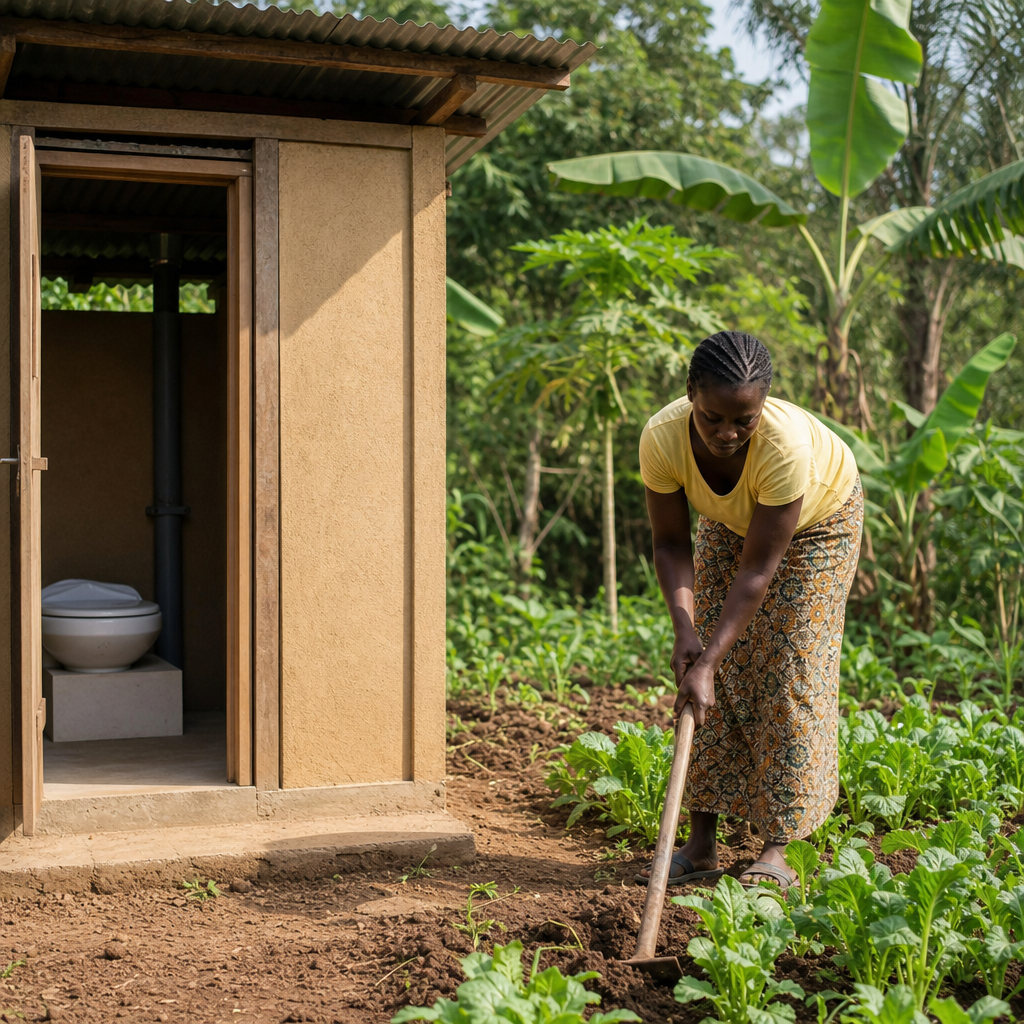
Safe reuse depends on crop choice, treatment quality, and application method. Stored urine can be a valuable fertilizer for cereals, fodder, and tree crops when local standards allow its use and application avoids leaf surfaces and harvest periods. Treated fecal compost or dehydrated material is better suited to orchards, forestry, soil restoration, and crops that are cooked before consumption, especially during early program phases. Direct use on raw salad crops is a higher-risk pathway and should be restricted unless treatment quality is verified and local regulations explicitly permit it. This is where sanitation and agriculture teams must work together rather than treating reuse as an afterthought.
I have found that farmers respond best when reuse is framed in practical terms: nutrient content, transport cost, odor, labor, and timing. A sanitation product that is theoretically safe but hard to spread or store will not be adopted. The strongest EcoSan programs therefore include product testing, clear labeling, extension support, and demonstration plots. In several countries, co-composting fecal sludge with market waste has improved texture and nutrient balance while creating a more acceptable soil amendment. The lesson is consistent: treatment science must be matched by market and user reality.
Planning, operation, and behavior change
EcoSan succeeds or fails in daily operation. Design details that look minor on paper often determine pathogen reduction in the field. Toilet slabs must be easy to clean. Urine pipes need proper slope to prevent scaling. Vault access doors must stay sealed against runoff and animals. Cover materials such as ash, lime, or dry soil need secure storage. Emptying schedules have to be realistic, not idealized. When these basics are neglected, systems become wet, smelly, insect-prone, and unsafe, which quickly damages community trust.
Behavior change is equally important. Users need to understand which chamber receives feces, why dry cover material matters, what not to throw into the vault, and how hand hygiene fits into the system. In schools, student monitors and caretaker checklists work better than one-time training. In housing projects, acceptance improves when toilets are designed with privacy, menstrual hygiene management, nighttime safety, and child usability in mind. The most successful installations I have supported treated user experience as core infrastructure, not a cosmetic add-on.
Institutional planning should use structured risk management. Sanitation safety planning, hazard analysis, and standard operating procedures help teams identify where pathogens could escape and what barrier controls each risk. Monitoring can be simple but must be consistent: vault fill level, moisture, fly presence, urine drain function, compost temperature if relevant, and records of emptying and final use. These are manageable indicators for local governments, schools, and service providers. They also create the documentation needed for financing and regulatory approval.
Policy, standards, and the economics of adoption
EcoSan performs best when policy recognizes non-sewered sanitation as permanent infrastructure rather than a temporary compromise. Building codes, public health regulations, agricultural reuse rules, and municipal service contracts all influence whether EcoSan can scale safely. Countries that have updated standards to include urine diversion, fecal sludge treatment, and decentralized reuse pathways generally see better service quality because responsibilities are clearer. Without a legal framework, households may adopt technologies informally, but treatment verification and downstream accountability remain weak.
Cost comparisons should include full life-cycle expenses. A low-cost latrine that contaminates groundwater or requires unsafe manual emptying is not economical once health and environmental damage are counted. EcoSan can lower capital costs by avoiding deep sewers and pumping stations, but it may shift spending toward user training, collection logistics, and treatment management. That tradeoff is often favorable, especially in peri-urban and water-stressed areas, yet it requires honest budgeting. Donors and municipalities should fund operations and maintenance from the start, not only construction.
There are also limitations. EcoSan is not ideal everywhere. High-rise buildings, cold climates without adapted designs, and places with no management capacity may need hybrid systems. Some users dislike handling any by-products, even indirectly. Pathogen reduction can be inadequate if storage times are shortened or composting conditions are poor. These are reasons for careful design, not reasons to dismiss the approach. The strongest environmental impact comes from matching technology, service model, and regulation to local conditions.
Reducing pathogens in the environment with EcoSan is ultimately about building sanitation systems that work with ecological reality instead of against it. The core lesson is clear: safe containment, targeted treatment, and controlled reuse can break fecal-oral transmission routes while saving water and recovering nutrients. As the hub for sustainable practices in sanitation, this topic connects toilet design, fecal sludge management, greywater treatment, agricultural reuse, behavior change, and policy reform into one integrated strategy. When those pieces are aligned, EcoSan protects groundwater, reduces surface pollution, limits vector breeding, and turns waste from a hazard into a managed resource.
The practical path forward is not complicated, but it does require discipline. Start with a site assessment that looks at water availability, soil conditions, user needs, local regulations, and service capacity. Choose an EcoSan model that fits those constraints. Define barrier controls for pathogens, train users and operators, and monitor the system consistently. If reuse is planned, match treatment quality to crop type and application method. If collection is needed, contract it as a routine service, not an emergency response. Sustainable sanitation is achieved through reliable management far more than through hardware alone.
For municipalities, schools, NGOs, and property owners, the benefit of EcoSan is durability: lower environmental contamination today and a more resilient sanitation system for the future. Use this hub as your starting point, then map each subtopic—technology choice, operation, reuse, regulation, and financing—into a clear implementation plan. The sooner sanitation is managed as a public health and resource system together, the faster pathogen loads in the environment will fall.
Frequently Asked Questions
What is EcoSan, and how does it help reduce pathogens in the environment?
EcoSan, or ecological sanitation, is a sanitation approach that treats human waste as a resource stream rather than simply something to flush away. Its main goal is to break the cycle of disease transmission by managing urine, feces, and related organic materials in a controlled way that protects people, water sources, soil, and food systems. Instead of relying entirely on conventional sewer infrastructure, EcoSan systems are designed to separate, contain, treat, and safely reuse waste-derived materials so harmful organisms do not spread into the surrounding environment.
From a pathogen-reduction standpoint, this matters because untreated human waste can carry bacteria, viruses, protozoa, and parasitic worms. When waste is poorly managed, these pathogens can move into groundwater, rivers, crops, hands, household surfaces, and living areas. EcoSan reduces that risk by preventing direct contact, limiting runoff, minimizing contamination of drinking water, and applying treatment steps that make the material safer before reuse or disposal. Common strategies include urine diversion, dehydration, composting, storage, and controlled handling.
The reason EcoSan is so effective is that it addresses the entire sanitation chain. It is not just about where waste goes; it is about how waste is collected, separated, stored, treated, monitored, and reused. When each step is designed properly, the environmental pathogen load can be reduced significantly. At the same time, nutrients such as nitrogen, phosphorus, and potassium can be recovered and returned to the soil in a safer form. That combination of public health protection, water conservation, and nutrient recovery is what makes EcoSan both practical and sustainable.
How does separating urine and feces make EcoSan systems safer?
Separation is one of the most important design principles in many EcoSan systems because urine and feces behave differently, contain different nutrient profiles, and present different levels of pathogen risk. Urine from healthy individuals is usually low in pathogens compared with feces, while feces are the primary source of many disease-causing organisms. By separating them at the source, EcoSan systems make treatment more targeted, more efficient, and generally safer to manage.
When urine is diverted into a separate container or channel, it can often be stored and later reused as a nutrient source under controlled conditions. This reduces the volume of heavily contaminated material that needs more intensive treatment. Feces, meanwhile, can be collected in a dry chamber or separate vault where moisture is minimized. Lower moisture levels matter because many pathogens survive and spread more easily in wet conditions. Drying, ash addition, lime treatment, and extended storage can all help reduce pathogen survival over time.
Separation also lowers the risk of creating mixed sludge that is difficult and costly to treat. In conventional unmanaged settings, combining urine, feces, and flush water can create a large volume of contaminated wastewater that may leak or overflow into the environment. EcoSan avoids much of that problem by keeping resource streams distinct and easier to control. The result is better hygiene, less contamination of local water bodies, simpler treatment processes, and safer opportunities for nutrient reuse in agriculture or landscaping when local guidelines are followed.
Can treated human waste really be reused safely in agriculture?
Yes, treated human waste can be reused safely in agriculture, but only when treatment is appropriate, handling is careful, and reuse practices follow health-based guidelines. The key point is that EcoSan does not promote the direct use of raw waste. It promotes controlled treatment processes that reduce pathogens to safer levels before any material is applied to land. Safety depends on the treatment method, the storage time, climate conditions, crop type, and how the final product is used.
For example, urine that has been properly separated and stored can be used as a fertilizer because it contains valuable nutrients, especially nitrogen. Fecal matter, once adequately composted, dehydrated, or otherwise sanitized, may be used as a soil amendment depending on local regulations and the level of treatment achieved. In many cases, reuse is safest when applied to non-food crops, tree crops, or soils where there is minimal direct human contact. Where food crops are involved, additional precautions are essential, such as applying treated material well before harvest, avoiding contact with edible plant parts, and using methods that reduce worker exposure.
It is also important to understand that “safe reuse” is a system, not a single step. That system includes toilet design, user behavior, storage time, temperature, pH conditions, moisture control, protective equipment, transport methods, and application technique. Communities that implement EcoSan successfully usually pair infrastructure with training and clear operating procedures. When that happens, reuse can improve soil fertility, reduce dependence on synthetic fertilizers, and close nutrient loops without increasing disease risk. In other words, safe agricultural reuse is realistic, but it must be managed professionally and responsibly.
Is EcoSan better for water quality and public health than conventional sanitation?
EcoSan can offer major advantages for water quality and public health, especially in areas where sewer systems are limited, water is scarce, flooding is common, or pit latrines and septic systems frequently fail. Conventional sanitation can work very well when infrastructure is robust and treatment plants are properly operated. However, in many real-world settings, untreated or partially treated waste still reaches drains, rivers, coastal zones, and groundwater. That is where EcoSan can provide a strong alternative or complement.
One of the biggest public health benefits of EcoSan is that it reduces the movement of pathogens through water. Dry or low-water systems reduce the chance that fecal matter will be washed into surrounding areas. Source separation also means less contaminated wastewater is generated in the first place. This is especially valuable in communities where drinking water sources are vulnerable to contamination from leaking pits, overflowing sewers, or surface runoff after storms.
EcoSan also supports health by encouraging more deliberate waste management. Because materials are contained, monitored, and treated before reuse, there are more opportunities to interrupt infection pathways. In addition, many EcoSan systems use little or no flush water, which helps conserve limited freshwater supplies. That makes them particularly useful in drought-prone regions or off-grid locations. While EcoSan is not automatically better in every context, it is often a highly effective option where conventional systems are too expensive, unreliable, or environmentally damaging. The best choice depends on local conditions, but when EcoSan is well designed and maintained, it can significantly improve both sanitation outcomes and environmental protection.
What does it take for an EcoSan system to work effectively over the long term?
Long-term success with EcoSan depends on much more than installing a toilet. A functioning EcoSan system requires good design, regular maintenance, user understanding, safe treatment practices, and a clear plan for handling recovered materials. The technology itself may be simple, but the management system around it needs to be reliable. If any part of the chain breaks down, such as poor separation, excess moisture, unsafe emptying, or premature reuse, the health benefits can be reduced.
Design is the first requirement. The system must fit local needs, climate, soil conditions, water availability, cultural preferences, and expected user numbers. A urine-diverting dry toilet that works well in one setting may not be the best option in another. Ventilation, drainage protection, access for maintenance, and durable materials all matter. Just as important is user education. People need to know how to use the system correctly, what materials can be added, how to keep chambers dry if required, and when treatment cycles are complete.
Ongoing operation is what turns a promising system into a safe one. Chambers need to be monitored, storage periods respected, and treated outputs handled with care. Households, institutions, or service providers may need written procedures for cleaning, emptying, transport, and agricultural application. In many successful programs, community engagement and local ownership are central. When users understand the health logic behind the system and see benefits such as reduced odors, lower water use, and improved soil fertility, adoption tends to be stronger.
Finally, long-term effectiveness improves when EcoSan is supported by policy, training, and public health oversight. Local standards for treatment and reuse help ensure that nutrient recovery does not come at the expense of safety. With the right combination of design, education, and management, EcoSan can be a durable and practical way to reduce environmental pathogens while creating measurable environmental and agricultural benefits.