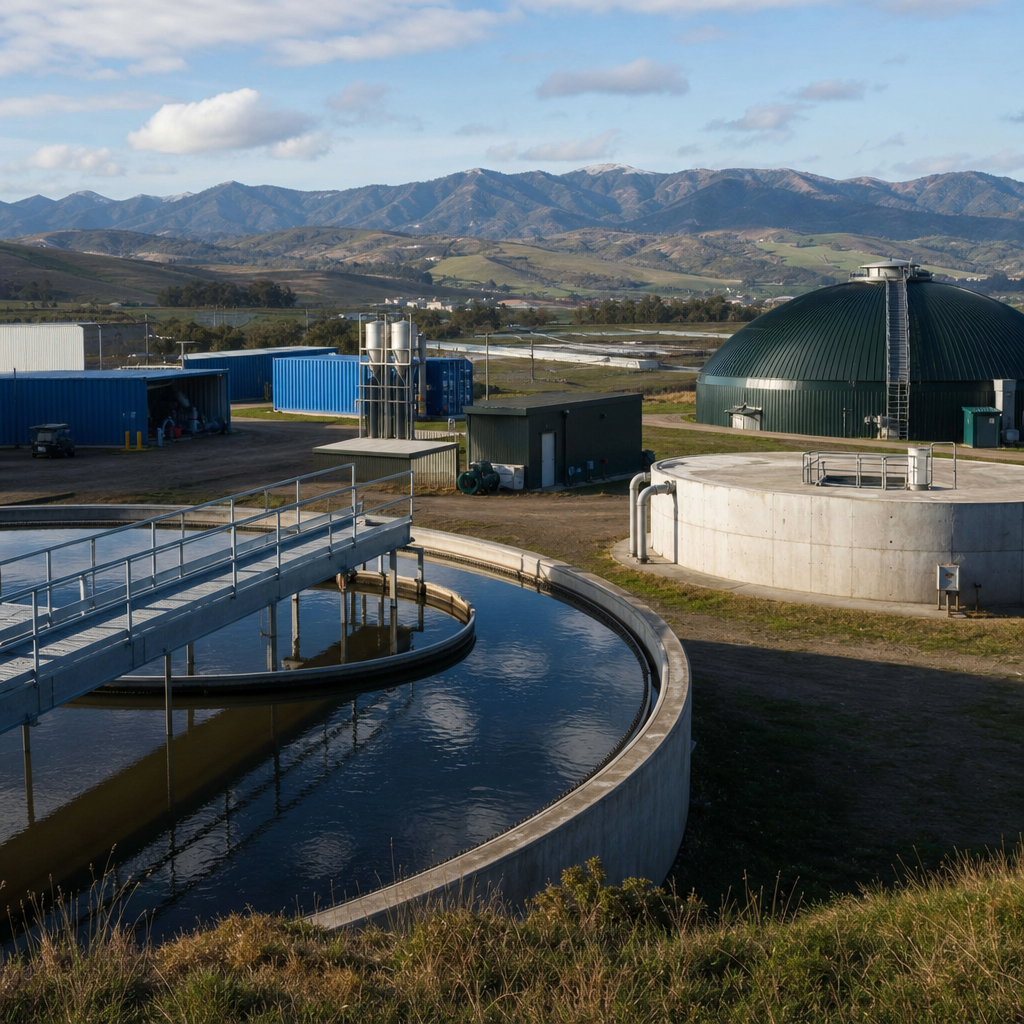
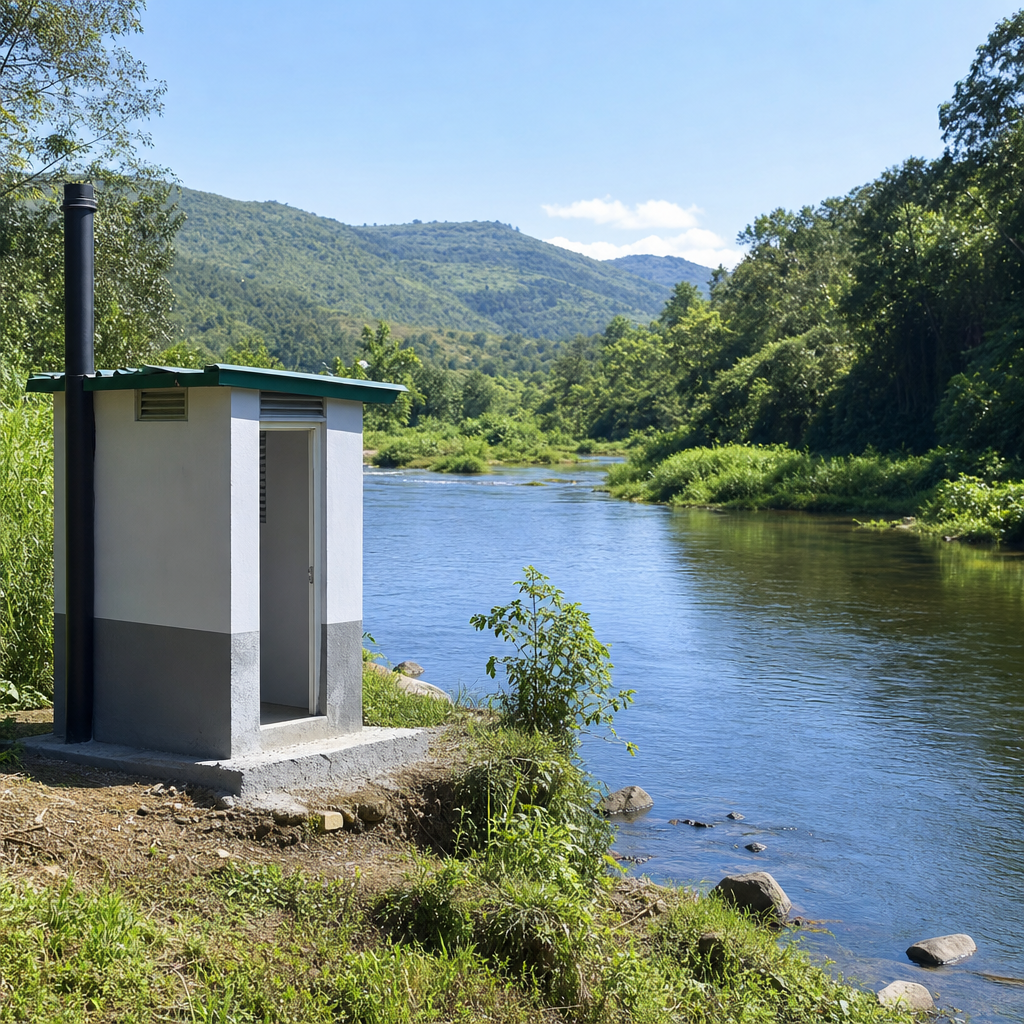
Conserving endangered flora and fauna through EcoSan begins with a simple truth: biodiversity declines fastest where sanitation systems pollute the same land, water, and soils that species depend on. EcoSan, short for ecological sanitation, is an approach that treats human waste as a resource stream rather than a disposal problem. In practice, it separates, contains, sanitizes, and reuses nutrients and organic matter in ways that reduce contamination, conserve water, and lower pressure on ecosystems. I have worked on sanitation and environmental planning projects where the biggest conservation gains did not come from fencing habitats alone, but from stopping nutrient leakage, pathogen discharge, and groundwater pollution upstream of those habitats.
Endangered flora and fauna are species at significant risk of extinction because of habitat loss, invasive species, pollution, overexploitation, and climate stress. While conservation discussions often focus on protected areas and wildlife law, sanitation is a less visible driver with direct ecological consequences. Poorly managed sewage adds nitrogen, phosphorus, pharmaceuticals, and pathogens to rivers, wetlands, estuaries, and coastal waters. That pollution can trigger algal blooms, fish kills, amphibian disease spread, and the degradation of plant communities adapted to low-nutrient environments. By contrast, well-designed EcoSan systems interrupt those pathways and help keep ecological processes intact.
This matters because sanitation decisions shape landscapes far beyond households. Conventional sewer expansion can be beneficial when treatment is strong and universal, yet in many regions infrastructure gaps, combined sewer overflows, failing septic systems, and untreated discharge continue to harm biodiversity. EcoSan offers a complementary model, especially in rural settlements, water-scarce areas, flood-prone zones, peri-urban communities, and buffer areas around protected habitats. It includes urine-diverting dry toilets, composting toilets, container-based sanitation, decentralized treatment, and reuse systems that return sanitized nutrients to agriculture or restoration projects. The environmental value is not theoretical. It rests on measurable reductions in water use, nutrient runoff, and fecal contamination, each of which influences species survival.
As a hub for EcoSan’s role in environmental protection, this article explains how ecological sanitation supports habitat quality, cleaner water, healthier soils, and more resilient conservation outcomes. It also clarifies where EcoSan works best, what tradeoffs must be managed, and how communities, site planners, conservation groups, and policymakers can use it responsibly. If the goal is to conserve endangered flora and fauna, sanitation must move from the margins of environmental policy to the center of it.
How EcoSan Protects Habitats and Species
EcoSan protects habitats by preventing untreated or poorly treated human waste from entering ecosystems that sensitive species rely on. The core mechanism is source control. Instead of mixing urine, feces, flush water, greywater, and stormwater into one difficult waste stream, EcoSan systems often separate materials early, making treatment more targeted and reuse safer. This sharply lowers the risk of nutrient and pathogen pulses entering streams, marshes, dunes, and forest soils.
In conservation landscapes, nutrient loading is often underestimated. Many endangered plant communities evolved in nutrient-poor conditions. Orchid-rich meadows, peatlands, fynbos, and certain freshwater wetlands can be altered quickly by excess nitrogen and phosphorus. When pit latrines leak or sewage effluent is released without adequate treatment, fast-growing grasses, reeds, or algae can outcompete rare native plants. Once vegetation structure changes, insects, amphibians, reptiles, and birds that depend on those plants can decline as well. EcoSan reduces that pressure by containing nutrients for controlled reuse instead of allowing diffuse leakage.
Wildlife also benefits from reduced pathogen exposure. Fecal contamination in waterways can spread bacteria, viruses, protozoa, and helminths to mammals and birds, while degraded water quality weakens overall ecosystem health. In field assessments near wetlands, I have seen how sanitation failures upstream translated into downstream habitat decline that managers initially blamed on climate alone. EcoSan does not solve every stressor, but it removes one of the most preventable ones. That is a major advantage when endangered species have little tolerance left for cumulative impacts.
Water Quality, Wetlands, and Aquatic Biodiversity
Clean water is one of EcoSan’s strongest environmental benefits. Conventional flush toilets typically use several liters per flush, increasing demand on freshwater sources and producing larger wastewater volumes that require transport and treatment. In areas where treatment is incomplete, receiving waters absorb the cost. Dry or low-water EcoSan systems cut wastewater generation significantly, which is especially important near wetlands, mangroves, estuaries, and headwater streams that support threatened fish, amphibians, invertebrates, and aquatic plants.
Wetlands are particularly vulnerable because they collect runoff from broad catchments. Excess nutrients can push a wetland from a clear-water, species-rich state to a turbid, algae-dominated one. Amphibians are strong indicators here: many threatened frogs and salamanders need clean breeding waters and are highly sensitive to chemical imbalance and microbial contamination. Aquatic macrophytes also suffer when light penetration drops after eutrophication. By limiting raw sewage entry and reducing nutrient export, EcoSan helps maintain dissolved oxygen levels, water clarity, and ecological function.
Coastal ecosystems illustrate the same principle at scale. Untreated sewage contributes to coral stress, seagrass decline, and shellfish contamination. The United Nations Environment Programme has repeatedly linked wastewater pollution to coastal biodiversity loss. Where decentralized EcoSan systems are implemented in tourism zones, small islands, or shoreline communities, they can reduce direct discharge and lower pressure on reefs and lagoons. The gain is not only cleaner water for people. It is the preservation of nursery habitats for fish, feeding grounds for turtles, and sediment-stabilizing vegetation that shields coastlines from erosion.
Soil Health, Native Plants, and Ecological Restoration
EcoSan is not only about pollution prevention; it is also about rebuilding ecological cycles. Human excreta contain nutrients that, when properly sanitized and applied under strict controls, can substitute for a portion of synthetic fertilizer use. This matters because fertilizer production is energy intensive, phosphate rock is finite, and nutrient mining from agricultural soils can drive land degradation. Returning nutrients safely to managed land closes loops and can reduce pressure to clear new areas for agriculture, indirectly benefiting wildlife habitat.
For native plants and restoration projects, the key is disciplined application. Reuse should never occur casually in sensitive habitats, and untreated material should never be spread. However, sanitized composted solids or treated urine can support nursery production, agroforestry buffer zones, and rehabilitation of degraded lands adjacent to conservation areas. In several dryland projects, practitioners have used composted organic matter to improve soil structure, water retention, and microbial activity in community woodlots and erosion-control plantings. Healthier soils support better plant establishment, which in turn creates microhabitats for pollinators, reptiles, birds, and small mammals.
There is an important ecological nuance here. Nutrient reuse is beneficial when matched to crop needs, soil tests, pathogen standards, and site sensitivity. It is harmful when overapplied or directed into rare plant communities adapted to low fertility. Good EcoSan practice therefore relies on treatment verification, application timing, setback distances from watercourses, and clear land-use zoning. The environmental case for EcoSan is strongest when resource recovery is precise rather than indiscriminate.
Comparing EcoSan Benefits for Environmental Protection
When stakeholders ask how EcoSan compares with conventional approaches, the most useful answer is contextual. Centralized sewers can perform extremely well where networks are complete, treatment plants are reliable, and sludge is managed to high standards. Yet many biodiversity hotspots do not have those conditions. EcoSan often delivers stronger environmental protection in dispersed settlements, ecotourism sites, and groundwater-sensitive zones because it minimizes water use and localizes treatment responsibility.
| Environmental factor | Conventional weak-point scenario | EcoSan advantage |
|---|---|---|
| Freshwater demand | High toilet flushing volumes strain scarce water supplies | Dry or low-water systems reduce abstraction pressure on rivers and aquifers |
| Nutrient pollution | Leaking pits, septic failures, or untreated discharge release nitrogen and phosphorus | Source separation and containment support controlled nutrient recovery |
| Habitat contamination | Wastewater reaches wetlands, streams, dunes, or coastal zones | Decentralized treatment lowers direct pollutant loading near sensitive sites |
| Soil degradation | Nutrients are wasted while farms depend heavily on synthetic inputs | Sanitized reuse can improve soil organic matter and nutrient cycling |
| Climate resilience | Flooded sewerage and pits can overflow during extreme rainfall | Elevated, sealed, or containerized systems can be designed for flood-prone areas |
The table does not imply EcoSan is universally superior. Poorly maintained ecological sanitation can fail just as poorly maintained sewerage can fail. The distinction is that EcoSan gives planners a practical toolkit for places where conventional infrastructure is unaffordable, water-intensive, ecologically risky, or too slow to deploy. For endangered species protection, speed and fit-for-place matter.
Where EcoSan Works Best in Conservation Landscapes
EcoSan is particularly effective in areas where biodiversity value and sanitation vulnerability overlap. These include villages near protected forests, lodges near marine parks, mountain settlements above drinking-water reservoirs, informal peri-urban areas beside wetlands, and floodplains where pit latrines contaminate shallow groundwater. In each setting, the sanitation choice influences habitat condition beyond the property boundary.
Protected area buffer zones are a prime example. Communities living adjacent to reserves often lack fully serviced sanitation, yet their watercourses flow directly into critical habitat. Installing urine-diverting dry toilets, small-scale composting systems, or container-based services can reduce contamination without demanding large sewer networks. In water-scarce savanna regions, this also prevents the paradox of using precious freshwater simply to transport waste. For species already stressed by drought, every avoided abstraction from rivers or springs has ecological value.
Island and coastal destinations present another strong case. Tourism can overwhelm limited wastewater infrastructure, and nutrient discharge can rapidly damage reefs, mangroves, and seagrass beds. EcoSan systems in ecolodges and low-density settlements help align visitor facilities with conservation goals. The same logic applies in alpine parks and remote research stations, where hauling water and extending sewers can be environmentally disruptive. In these contexts, ecological sanitation is not a compromise. It is often the lower-impact baseline.
Implementation Standards, Risks, and Good Governance
Successful EcoSan depends on design discipline, user acceptance, and public health safeguards. The World Health Organization’s Sanitation Safety Planning framework is useful because it identifies hazards across the entire service chain: capture, storage, transport, treatment, reuse, and disposal. In practical terms, that means selecting technologies suited to local climate, soils, flood exposure, and maintenance capacity, then verifying that treatment reduces pathogens to acceptable levels before any reuse occurs.
Common risks are well known. If urine-diverting toilets are installed without user training, contamination between waste streams rises. If composting chambers are undersized or too wet, sanitization may be incomplete. If collected material is stored or transported poorly, vectors and odors create opposition. These are management problems, not reasons to dismiss the approach. The strongest projects build in operator training, routine inspection, clear responsibility, and affordable service models from the start.
Policy alignment matters too. Environmental agencies, sanitation departments, park authorities, and agricultural regulators often work separately, even though EcoSan crosses all four domains. Better governance links sanitation planning with watershed protection, biodiversity action plans, and nutrient management rules. Monitoring should include not only toilet coverage, but groundwater nitrate, E. coli in surface water, vegetation response, and habitat condition. What gets measured gets managed, and conservation outcomes improve when sanitation metrics are tied to ecological indicators.
Why EcoSan Belongs at the Center of Environmental Protection
Conserving endangered flora and fauna through EcoSan is practical because it addresses a root environmental pressure that is widespread, measurable, and often reversible. Ecological sanitation reduces wastewater volumes, cuts nutrient and pathogen pollution, protects wetlands and coastal waters, and supports safer nutrient cycling. In the right settings, it also improves climate resilience and lowers demand on scarce freshwater resources. Those are direct conservation benefits, not side effects.
The main lesson from years of environmental planning is clear: species protection cannot stop at reserve boundaries. Upstream villages, tourist facilities, farms, and peri-urban settlements all influence whether habitats remain viable. EcoSan gives communities and planners a flexible set of tools to reduce contamination at source and manage resources more responsibly. It is especially valuable in buffer zones, remote landscapes, islands, groundwater-sensitive areas, and any place where conventional sewerage leaves ecological gaps.
To use EcoSan well, decision-makers must treat it as infrastructure, not charity or experimentation. That means sound design, trained operators, health safeguards, monitoring, and rules for safe reuse. When those conditions are in place, EcoSan becomes a strong pillar of environmental protection and a credible strategy for conserving biodiversity. If your organization is mapping conservation actions under environmental impact, start by evaluating sanitation pathways around vulnerable habitats and identify where EcoSan can deliver the fastest ecological gains.
Frequently Asked Questions
What is EcoSan, and how does it help conserve endangered flora and fauna?
EcoSan, or ecological sanitation, is a sanitation approach designed around the idea that human waste should be safely managed as a resource rather than flushed away as a pollution burden. Instead of mixing waste with large volumes of water and sending it into poorly treated systems, EcoSan emphasizes separation, containment, sanitization, and beneficial reuse. This matters for endangered flora and fauna because polluted rivers, wetlands, forests, grasslands, and coastal habitats are often the first places to suffer when sanitation systems fail. Nutrient overload, pathogens, and chemical contamination can alter soil chemistry, trigger algal blooms, degrade breeding grounds, and weaken already fragile ecosystems.
By preventing untreated or poorly treated waste from entering the environment, EcoSan reduces direct pressure on species that depend on clean water, healthy soils, and balanced nutrient cycles. For plant communities, that can mean fewer disruptions from contamination that changes soil microbial life or encourages invasive species. For animals, especially amphibians, fish, birds, and invertebrates, it can mean cleaner habitats, lower disease exposure, and improved food web stability. In practical terms, EcoSan supports conservation by tackling one of biodiversity’s most overlooked threats: unsafe sanitation that quietly damages ecosystems from the ground up.
Why is sanitation so important for biodiversity protection in the first place?
Sanitation and biodiversity are deeply connected because ecosystems cannot remain healthy when they are used as informal waste disposal sites. Where sewage leaks into streams, ponds, floodplains, or groundwater, it introduces pathogens, excess nitrogen and phosphorus, and organic pollution. These pollutants may seem localized at first, but they can spread quickly through watersheds and landscapes that endangered species rely on for feeding, nesting, migration, and reproduction. Sensitive habitats, including marshes, mangroves, riparian corridors, and species-rich soils, are especially vulnerable.
Poor sanitation can also create cascading ecological effects. Excess nutrients may fuel eutrophication, which reduces oxygen in water bodies and harms fish, aquatic plants, and the insects and birds that depend on them. Pathogen contamination can affect both wildlife and nearby human communities, increasing disease risks in areas where animals and people share water sources. In terrestrial environments, chronic waste exposure can degrade soils, shift plant composition, and undermine habitat quality over time. When species are already under pressure from land conversion, climate change, and overexploitation, sanitation-related pollution can become the added stressor that pushes populations into sharper decline. That is why improving sanitation through approaches like EcoSan is not just a public health intervention; it is also a practical conservation strategy.
How does EcoSan reduce pollution compared with conventional sanitation systems?
EcoSan reduces pollution by rethinking the entire waste pathway. Conventional sanitation often depends on centralized sewer infrastructure, heavy water use, and treatment systems that may be incomplete, overloaded, energy-intensive, or simply absent in rural and peri-urban settings. In many places, that leads to sewage discharges, septic leakage, nutrient runoff, and contamination of nearby habitats. EcoSan systems are designed to avoid those outcomes by separating urine and feces when appropriate, keeping waste contained, and treating it in ways that make reuse safer and more manageable.
This separation is important because it allows nutrients and organic matter to be handled more precisely, reducing the chance that they end up in rivers, lakes, wetlands, or conservation areas. EcoSan also typically uses far less water than flush-based systems, which helps protect freshwater resources that endangered species depend on. In water-scarce landscapes, conserving water can be as important for biodiversity as reducing contamination. In addition, when sanitized outputs are returned to agriculture or landscaping in controlled ways, the need for synthetic fertilizers may be reduced, which can lower upstream environmental damage associated with industrial production and nutrient runoff.
Another major advantage is that EcoSan can work effectively in areas where conventional sewer systems are unrealistic or ecologically disruptive. Remote communities, flood-prone regions, drylands, and settlements near protected habitats often need decentralized sanitation solutions. EcoSan offers a way to manage waste closer to its source, with lower leakage risk and greater potential for local oversight. When properly implemented, this makes it a strong tool for reducing the chronic pollution that silently erodes biodiversity.
Can EcoSan support both conservation goals and community livelihoods?
Yes, and that is one of EcoSan’s strongest advantages. Conservation efforts are much more durable when they align with local health, livelihoods, and resource security. EcoSan helps create that alignment by improving sanitation while also recovering value from waste streams. Sanitized nutrients and compost-like organic matter can support agriculture, agroforestry, soil restoration, and non-food plant production, depending on local regulations and treatment standards. That resource recovery can lower input costs for households and farmers, improve soil structure, and reduce dependence on externally purchased fertilizers.
For communities living near biodiversity hotspots, protected areas, wetlands, or wildlife corridors, this creates a practical incentive to support cleaner sanitation systems. Instead of seeing sanitation as only a cost, people can experience direct benefits such as safer water, fewer disease risks, improved crop productivity, and better resilience in dry conditions. Reduced pressure on surrounding ecosystems can also help maintain fisheries, pollinator habitats, medicinal plant resources, and ecotourism potential. In other words, EcoSan can turn sanitation improvement into a shared interest between conservation planners and local residents.
That said, success depends on good design, training, maintenance, and community acceptance. EcoSan is not a one-size-fits-all technology; it is an approach that must match cultural practices, climate conditions, land use patterns, and public health safeguards. When those elements are taken seriously, EcoSan can become a valuable bridge between biodiversity protection and sustainable rural or peri-urban development.
What are the biggest challenges to using EcoSan for protecting endangered ecosystems, and how can they be addressed?
The main challenges are usually not about whether EcoSan can work, but about whether it is implemented well. One common issue is perception. In many places, people are unfamiliar with sanitation systems that emphasize waste separation and reuse, and concerns about safety, odor, convenience, or social acceptance can slow adoption. These concerns are legitimate and should be addressed through clear communication, user-centered design, and demonstrations that show how properly managed EcoSan systems protect health and function reliably.
Another challenge is operational quality. If waste is not adequately contained, treated, or reused according to safe standards, the environmental and public health benefits can be reduced. This means EcoSan requires training, monitoring, maintenance routines, and local institutions capable of supporting long-term use. Policymaking also matters. Many sanitation regulations are still designed around conventional sewer-based models, which can make decentralized ecological systems harder to approve, finance, or scale. Supportive standards, technical guidance, and integration into conservation and watershed planning can help overcome these barriers.
There are also site-specific factors to consider, such as flood risk, groundwater conditions, land availability, agricultural demand for recovered nutrients, and the needs of nearby protected habitats. The best way to address these issues is through careful assessment and context-based planning rather than generic installation. When EcoSan is paired with strong governance, public education, and ecological monitoring, it can move from being an alternative sanitation concept to a practical conservation tool. For endangered ecosystems under pressure from pollution and water stress, that shift can make a meaningful difference.