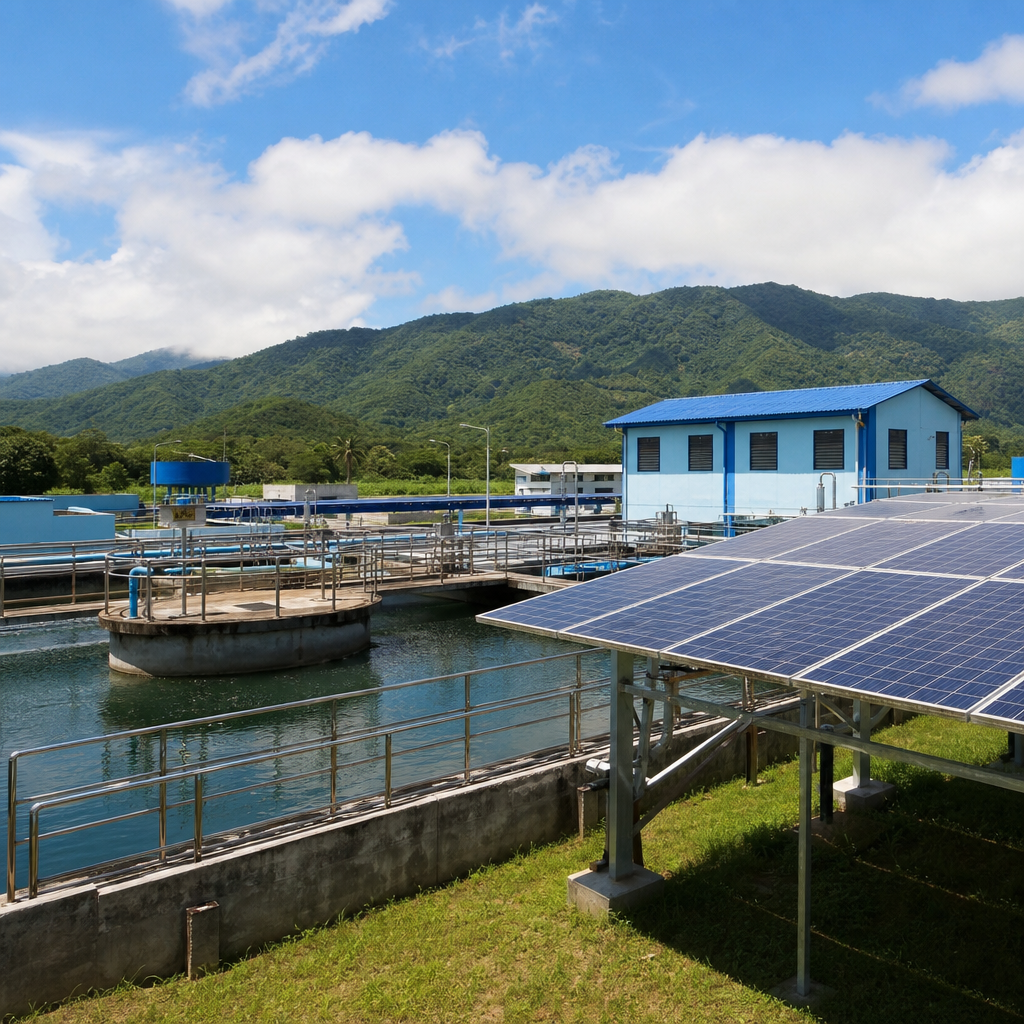
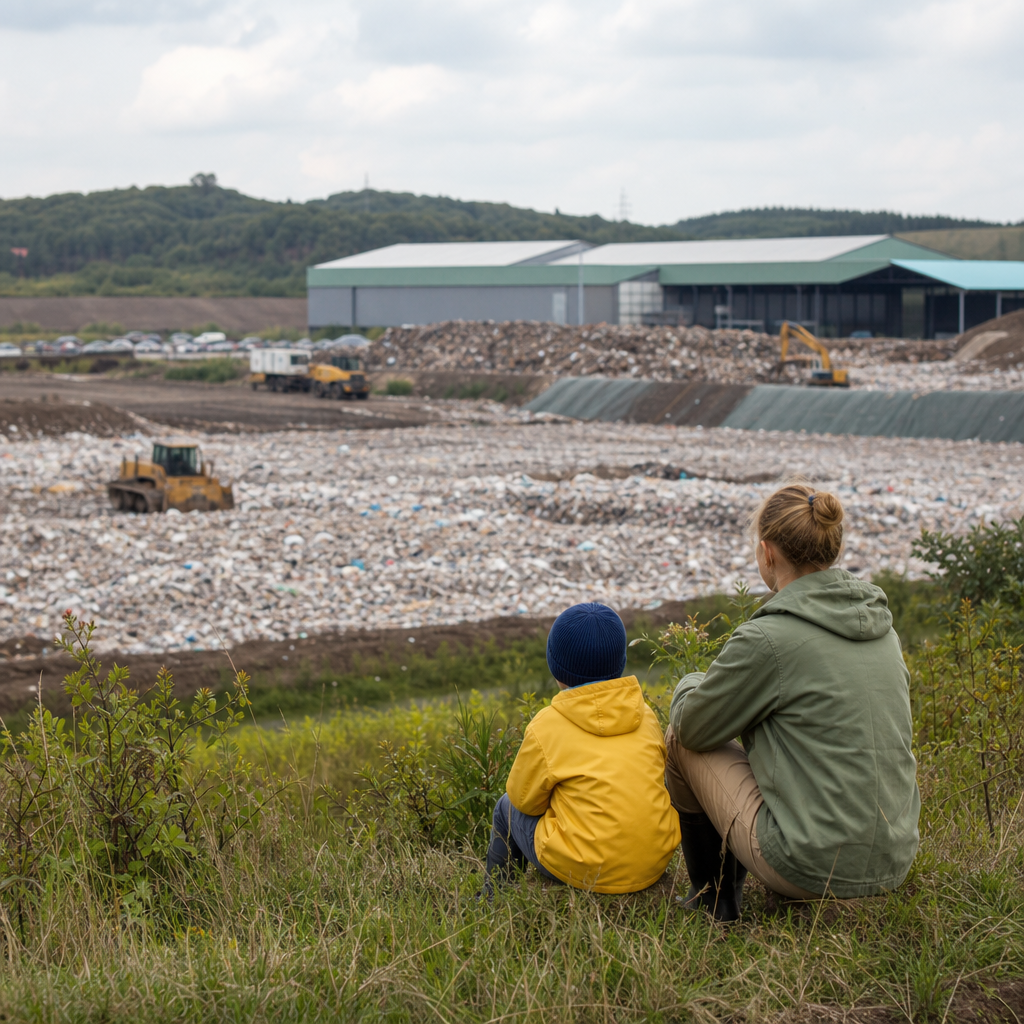
Preserving natural water cycles with EcoSan starts with a simple premise: sanitation should protect human health without disrupting the hydrologic processes that keep landscapes, rivers, aquifers, and soils alive. EcoSan, short for ecological sanitation, is a sanitation approach that treats human excreta and household wastewater as resources to be safely managed, recovered, and reused rather than wastes to be diluted and discharged. In practice, that means designing toilets, urine diversion systems, composting processes, greywater treatment, and nutrient recovery pathways that reduce water use, prevent pollution, and return valuable organic matter and plant nutrients to productive land. I have worked on sanitation planning discussions where the central challenge was not only building toilets, but also stopping the hidden damage caused by conventional systems that leak nutrients, pathogens, and chemicals into streams and groundwater.
The phrase natural water cycle refers to the continuous movement of water through evaporation, condensation, precipitation, infiltration, runoff, groundwater recharge, plant uptake, and return flows to rivers, lakes, wetlands, and oceans. Conventional sanitation often interrupts this cycle. Flush toilets use large volumes of drinking-quality water to transport concentrated waste, while centralized sewers can overflow during storms, septic systems can fail in high water tables, and poorly treated effluent can trigger eutrophication downstream. EcoSan matters because it reduces those disruptions at the source. It separates waste streams, minimizes unnecessary water use, supports local treatment, and aligns sanitation with catchment-level water stewardship. For households, farms, schools, and fast-growing settlements, EcoSan and the environment are tightly linked: when sanitation is redesigned around ecological limits, water quality improves, groundwater is better protected, and nutrient loops become more circular and resilient.
This hub article explains how EcoSan supports environmental protection across the entire water cycle, where it works best, what tradeoffs must be managed, and which design and operational choices determine success. It also serves as the central overview for related topics such as nutrient recovery, greywater reuse, decentralized treatment, soil restoration, climate resilience, and watershed protection. If the core question is how sanitation can preserve natural water cycles rather than degrade them, the answer is that EcoSan works by preventing pollution, conserving freshwater, improving infiltration and soil function, and keeping nutrients in managed systems instead of releasing them into fragile aquatic ecosystems.
How conventional sanitation disrupts water cycles
To understand EcoSan’s environmental value, it helps to identify the mechanisms of damage in standard sanitation models. Flush-based systems mix feces, urine, toilet paper, and often industrial or commercial wastewater into one large stream that requires extensive conveyance and treatment. A conventional toilet can use several liters per flush, and the cumulative demand places pressure on drinking water supplies, especially in water-stressed cities. Once waste is diluted, treatment becomes more energy intensive and expensive. Where sewer networks are incomplete, breaks, infiltration, and illicit connections are common. During heavy rainfall, combined sewer systems can overflow and send untreated sewage directly into rivers. Those events add pathogens, suspended solids, nitrogen, phosphorus, pharmaceuticals, and oxygen-demanding material to receiving waters.
On-site systems present a different set of risks. Septic tanks can be effective when properly sited and maintained, yet many are installed in soils with poor percolation, shallow bedrock, or seasonally high groundwater. In those conditions, effluent can reach aquifers before soils provide adequate filtration and pathogen die-off. I have seen rural sanitation maps where clusters of septic systems sat upslope from shallow wells, creating a predictable contamination pathway after monsoon periods. Nitrate is especially concerning because it is mobile in groundwater and difficult to remove once contamination spreads. Phosphorus tends to bind more strongly to soils, but over time or in saturated conditions it can also contribute to surface water pollution.
The ecological consequences are measurable. Excess nitrogen and phosphorus accelerate algal blooms, reduce dissolved oxygen, and degrade aquatic habitat. Pathogen loads make water unsafe for recreation and irrigation. High wastewater volumes alter stream hydrology and increase treatment demands. In short, conventional sanitation often treats water as a transport medium and receiving waters as disposal sites. EcoSan reverses that logic by reducing transport water, separating contaminants from reusable fractions, and managing waste where environmental pathways can be controlled.
How EcoSan preserves natural water cycles
EcoSan preserves natural water cycles by addressing four points where sanitation intersects with hydrology: water abstraction, contamination, infiltration, and nutrient movement. First, it reduces freshwater abstraction because many EcoSan systems use little or no flush water. Urine-diverting dry toilets, composting toilets, and low-water source-separating systems sharply cut demand for potable water. That matters at household scale and at basin scale. Every liter not used for transport remains available for ecosystems, agriculture, or recharge.
Second, EcoSan prevents contamination by separating waste streams before they mix. Urine contains most of the nitrogen and a significant share of phosphorus and potassium in domestic excreta, while feces contain most pathogens and organic matter. Separation allows targeted treatment. Properly stored urine can be reused as fertilizer under controlled conditions. Fecal matter can be composted, dehydrated, or otherwise sanitized before land application. Greywater can be treated through mulch basins, constructed wetlands, sand filters, or biofilters and then reused for landscape irrigation, depending on local regulations. This prevents raw waste from entering drains, waterways, and aquifers.
Third, EcoSan can improve infiltration and groundwater recharge when linked with landscape-based water management. Reusing treated greywater in soil systems supports plant growth and reduces surface runoff. Returning stabilized organic matter to land improves soil structure, aggregate stability, and water-holding capacity. Healthy soils absorb rainfall better, which reduces erosion and flash runoff while increasing infiltration. Fourth, EcoSan keeps nutrients in managed terrestrial cycles. Instead of washing nitrogen and phosphorus into rivers where they become pollutants, it returns them to crops or trees that can use them productively. That is the defining environmental advantage: sanitation becomes part of a regenerative land-water system rather than a linear waste stream.
Core EcoSan systems and their environmental functions
Not all EcoSan systems look the same, but the strongest designs match technology to climate, density, cultural practices, and land availability. Urine-diverting dry toilets are among the best known. They collect urine separately from feces, keeping both streams easier to manage. In dry climates or water-scarce regions, they can dramatically reduce household water consumption. Composting toilets process fecal matter under managed aerobic conditions, reducing pathogen risks and producing a soil amendment when standards are met. Arborloos, which are shallow pits moved periodically and planted with trees after filling, are simple options in some rural settings with suitable soils and low groundwater risk.
Greywater systems are also central to EcoSan and the environment. Water from handwashing, bathing, and laundry is far less contaminated than toilet waste, so it can often be treated locally and reused. A household mulch basin can support fruit trees; a school campus might use a planted gravel filter; a peri-urban housing project might install a decentralized wastewater treatment system with settler tanks, baffled reactors, and wetlands. The environmental function is consistent across these designs: lower discharge volumes, less contaminant loading, and more water retained in useful local cycles.
| EcoSan system | Main water-cycle benefit | Key environmental caution |
|---|---|---|
| Urine-diverting dry toilet | Reduces freshwater use and prevents nutrient discharge | Requires correct user operation and safe storage of urine |
| Composting toilet | Limits wastewater generation and returns organic matter to soil | Needs temperature, moisture, and curing control for sanitation |
| Greywater wetland | Enables local reuse and reduces polluted runoff | Must avoid hydraulic overloading and mosquito-prone stagnation |
| Decentralized treatment with reuse | Keeps water and nutrients within the community catchment | Depends on maintenance, desludging, and monitoring |
In my experience, the environmental performance gap between a successful EcoSan project and a failed one usually comes down to operation, not theory. A source-separating toilet that users understand and maintain can protect water exceptionally well. The same unit, if neglected, can create odor, vector, or runoff problems. That is why good design always includes user training, spare parts, access for emptying, clear reuse protocols, and realistic maintenance responsibilities.
Nutrient recovery, soil health, and watershed protection
EcoSan is often discussed as a sanitation model, but environmentally it is just as important as a nutrient management strategy. Human urine contains readily available nitrogen, mostly as urea, and also supplies phosphorus and potassium. When managed safely, it can substitute for part of the synthetic fertilizer used in agriculture, landscaping, or agroforestry. Fecal-derived compost or other sanitized biosolids can contribute organic carbon and improve soil tilth. This matters because soils with better structure infiltrate more water, hold moisture longer, and resist erosion. In watershed terms, that means less sediment transport, lower nutrient runoff, and more stable base flows.
The link between sanitation and soil function is underestimated. Degraded soils shed rainwater quickly, increasing flood peaks and reducing groundwater recharge. Restored soils act more like sponges. By returning stabilized organic matter to land, EcoSan supports the biological activity that creates pore spaces and aggregates. Earthworms, fungi, and microbes all benefit from organic inputs, and those living systems determine how water moves through soil profiles. The result is indirect but powerful preservation of natural water cycles.
There are also climate and energy implications. Producing synthetic nitrogen fertilizer through the Haber-Bosch process is energy intensive. Recovering nutrients locally can reduce embedded energy demand and transport emissions. At the same time, preventing nutrient discharge lowers the risk of eutrophication in lakes and reservoirs, which protects drinking water sources and aquatic biodiversity. In regions where watershed managers are struggling with algal blooms, EcoSan can be part of a source-control strategy alongside agricultural best management practices and stormwater management.
Environmental risks, standards, and practical limits
EcoSan is not automatically benign. It preserves natural water cycles only when treatment barriers, site conditions, and reuse practices are well matched. The main environmental risks are pathogen survival, ammonia loss, nutrient overapplication, salt buildup, pharmaceutical residues, and poor hydraulic design in greywater systems. For example, applying urine or compost at rates beyond crop uptake can still cause nitrate leaching or phosphorus accumulation. Greywater containing sodium-heavy detergents can damage soil structure over time. Systems installed too close to wells, drainage lines, or flood-prone areas can create the very contamination pathways they are meant to avoid.
Established guidance exists to manage these risks. The World Health Organization provides risk-based sanitation and water reuse guidance, including multiple-barrier approaches. ISO 30500 sets performance requirements for non-sewered sanitation systems. National building codes, agricultural reuse rules, and public health regulations often define storage times, pathogen targets, setback distances, and monitoring obligations. These standards matter because environmental protection depends on verified outcomes, not good intentions. In project reviews, I look first at containment, treatment validation, overflow pathways, sludge handling, and the realism of the maintenance plan.
Density is another practical limit. Some EcoSan systems fit dispersed rural settlements better than dense informal urban areas with limited space and insecure tenure. That does not mean EcoSan is unsuitable for cities; it means design must adapt. Container-based sanitation, modular decentralized treatment, and professionally managed collection services can make ecological approaches workable in dense neighborhoods. The environmental principle remains the same: separate streams, minimize water use, and recover resources without exposing people or waterways to untreated waste.
Planning EcoSan as an environmental hub strategy
For organizations building an environmental impact program, EcoSan works best as a hub topic because it connects sanitation to water security, pollution prevention, agriculture, public health, resilience, and circular resource use. A strong EcoSan and the environment strategy starts with watershed thinking. Map where water comes from, how wastewater currently moves, where contamination reaches surface water or aquifers, and which nutrients could be beneficially reused nearby. Then assess user behavior, institutional capacity, climate, soil type, and legal constraints. Technology selection should follow those realities, not precede them.
The most effective projects set measurable indicators. Track liters of water saved per household, nitrogen and phosphorus recovered, greywater reused, groundwater nitrate trends, runoff reduction, or maintenance compliance rates. Pair technical systems with behavior support and service models. In schools, that may mean separate maintenance budgets and hygiene training. In housing developments, it may mean operator contracts and scheduled emptying. On farms, it may mean nutrient application plans tied to crop demand and soil testing. These details determine whether EcoSan delivers genuine environmental gains.
Preserving natural water cycles with EcoSan is not a slogan; it is a design discipline grounded in hydrology, microbiology, soil science, and practical operations. The main takeaway is clear: sanitation systems should conserve freshwater, stop nutrients and pathogens from entering waterways, and return treated resources to land where they strengthen soils and local water resilience. When EcoSan is properly planned, monitored, and maintained, it reduces pollution, supports groundwater protection, and helps communities move from linear waste disposal to circular environmental management. If you are building out the Environmental Impact topic, use this hub as the starting point, then connect it to deeper articles on nutrient recovery, greywater reuse, decentralized treatment, watershed protection, and climate adaptation.
The benefit is immediate and long term. Households use less water. Landscapes retain more moisture. Rivers receive fewer contaminants. Farms and gardens gain nutrients that would otherwise become pollutants. Public health protection improves when treatment and reuse follow clear standards. The limits are equally important to remember: EcoSan is only as strong as its operation, user acceptance, and monitoring. That balance is exactly why it deserves comprehensive coverage within any serious sustainability program.
If your goal is to reduce environmental harm while improving sanitation outcomes, start by evaluating where your current system breaks the water cycle. Then identify which EcoSan approach can cut water use, prevent contamination, and recover nutrients safely in your local context. Build from there with clear standards, measurable indicators, and linked guidance across the wider Environmental Impact section.
Frequently Asked Questions
What does EcoSan mean, and how does it help preserve natural water cycles?
EcoSan, or ecological sanitation, is an approach to sanitation that aims to protect public health while also working with natural systems rather than against them. Instead of treating human excreta and household wastewater as something to be flushed away and diluted, EcoSan treats these flows as resources that can be safely contained, treated, and in many cases reused. This matters for natural water cycles because conventional sanitation often depends on large volumes of water to transport waste, which can strain freshwater supplies and contribute to pollution in rivers, lakes, wetlands, and groundwater. EcoSan systems reduce that burden by minimizing water use, separating waste streams when appropriate, and encouraging treatment methods that return nutrients and organic matter to soils instead of sending them into waterways.
When sanitation is designed this way, it supports the hydrologic processes that sustain landscapes and ecosystems. Less contamination reaches surface water and aquifers, so rainfall can infiltrate into cleaner soils, groundwater recharge is better protected, and downstream ecosystems face fewer nutrient and pathogen loads. In practical terms, EcoSan helps maintain the balance between water entering the land through precipitation, moving through soils and plants, and returning to rivers or groundwater without becoming a carrier of untreated pollution. That is why EcoSan is often seen not just as a sanitation solution, but as a water stewardship strategy.
How is EcoSan different from conventional sewer-based sanitation systems?
The biggest difference is that conventional sewer systems are built around transport and disposal, while EcoSan is built around source control, treatment, and resource recovery. In a standard sewer model, toilets use water to move waste through pipes to centralized treatment plants or discharge points. That can be effective in some contexts, but it also requires extensive infrastructure, reliable energy, significant water inputs, and ongoing maintenance. If treatment is incomplete or infrastructure fails, pollutants can enter natural water bodies and disrupt ecosystems. EcoSan takes a different path by managing waste closer to where it is produced, often using dry or low-water toilets, urine diversion, composting, dehydration, or decentralized greywater treatment.
Another major difference is the relationship to nutrients and soils. Conventional systems frequently treat nitrogen, phosphorus, and organic matter in excreta as waste products to be removed from water before discharge. EcoSan recognizes that these same materials can be valuable when safely processed and returned to agriculture or landscaping. That shift reduces the need for synthetic fertilizers and can improve soil structure, which in turn helps soils absorb and retain water more effectively. In other words, EcoSan is not only about preventing pollution; it is about redesigning sanitation so that water, nutrients, and ecosystems are managed as interconnected parts of the same cycle.
Can EcoSan systems really protect rivers, groundwater, and soil health?
Yes, when EcoSan systems are well designed, correctly installed, and responsibly managed, they can play a significant role in protecting rivers, groundwater, and soils. One of the most important ways they do this is by preventing untreated waste from entering the environment. In many places, failing septic systems, open defecation, poorly built pit latrines, and untreated wastewater discharges are major sources of pathogen contamination and nutrient loading. These pollutants can degrade drinking water sources, trigger algal blooms, reduce oxygen in aquatic habitats, and create long-term public health risks. EcoSan reduces these threats by containing waste, separating flows where useful, and applying treatment methods that target pathogen reduction and safer reuse.
EcoSan also supports soil health in ways that are directly connected to the water cycle. Treated compost or other sanitized organic outputs can add carbon and nutrients back to the soil, improving soil structure, infiltration, and moisture-holding capacity. Healthier soils are better able to absorb rainfall, reduce runoff, and support plant growth, all of which reinforce local hydrologic stability. In addition, decentralized greywater systems can be designed to filter and reuse household water through soil beds, constructed wetlands, or other natural treatment steps that reduce pollutant loads before water re-enters the environment. The key point is that EcoSan is most effective when it is part of a complete system that includes safe operation, user education, and regular monitoring.
What types of technologies or practices are commonly used in EcoSan?
EcoSan is not a single device or one-size-fits-all toilet. It is a design philosophy supported by a range of technologies chosen according to climate, culture, water availability, soil conditions, settlement density, and local regulations. Common examples include urine-diverting dry toilets, composting toilets, dehydration toilets, container-based sanitation systems, and decentralized greywater treatment units. Urine diversion is often used because urine and feces have different treatment and reuse characteristics; separating them can make nutrient recovery easier and reduce odor and moisture in the solids stream. Composting or dehydration methods can help lower pathogen risks and create a material that may be suitable for controlled agricultural or landscaping use, depending on treatment quality and local rules.
Greywater management is also an important part of many EcoSan strategies. Water from sinks, showers, and laundry can often be treated separately from toilet waste and then reused for irrigation or infiltration in ways that support the local water balance. Additional practices may include mulching basins, planted filters, constructed wetlands, and decentralized treatment systems that mimic natural purification processes. The right technology depends on context, but the underlying goal stays the same: reduce unnecessary water use, prevent contamination, recover resources safely, and maintain the integrity of local ecosystems and water cycles.
Is EcoSan practical for homes, communities, and growing urban areas?
EcoSan can be practical in all of those settings, but practicality depends on choosing systems that fit local needs and capacities. For individual homes, EcoSan can be especially useful in water-scarce areas, places with poor sewer access, high water tables, rocky terrain, flood-prone zones, or regions where protecting groundwater is a priority. In rural communities, decentralized EcoSan approaches can often be more affordable and resilient than extending conventional sewer networks over long distances. They can also create local benefits by reducing water demand, improving sanitation access, and producing reusable nutrients or soil amendments when safe management practices are followed.
In urban and peri-urban areas, EcoSan is increasingly relevant because centralized sewer infrastructure is not always able to keep pace with population growth, climate stress, and rising resource costs. Decentralized and modular sanitation systems can help cities diversify their infrastructure, reduce pressure on treatment plants, and build resilience into neighborhoods that are underserved by conventional systems. That said, successful implementation requires more than technology alone. It depends on maintenance systems, public acceptance, clear health safeguards, supportive policy, and training for operators and users. When these elements are in place, EcoSan can be a highly practical and forward-looking approach that protects both sanitation outcomes and the natural water cycles communities depend on.