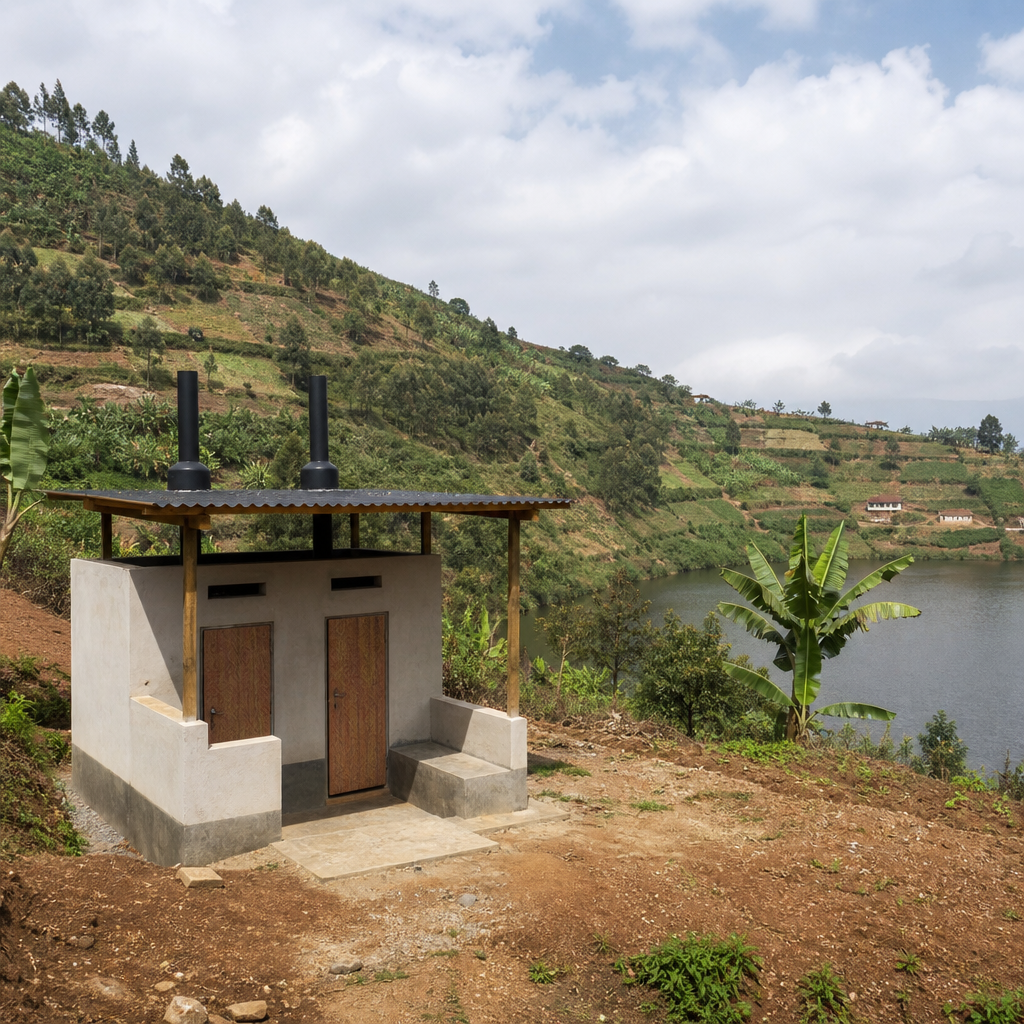
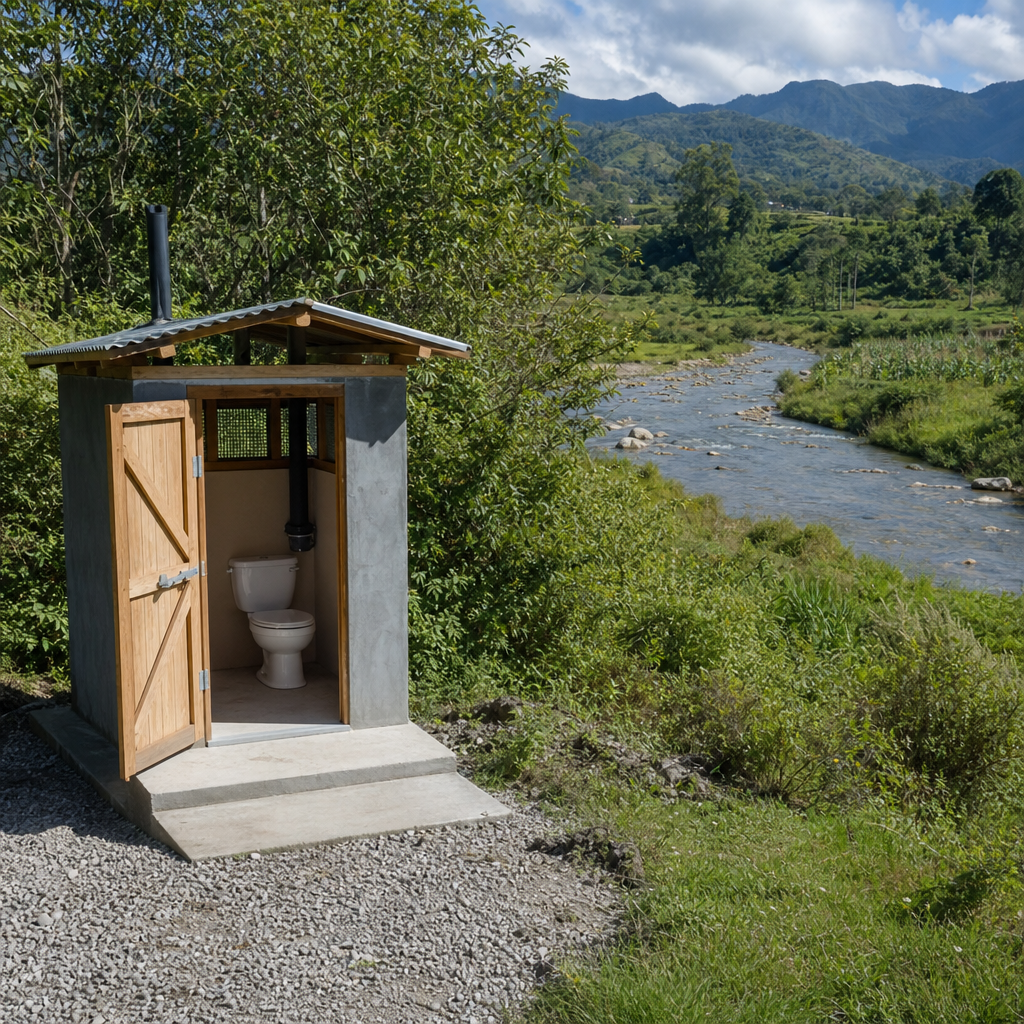
EcoSan for Sustainable Rural Development addresses one of the most persistent challenges in environmental management: how rural communities can protect water, improve sanitation, recover nutrients, and build resilience with systems that fit local realities. EcoSan, short for ecological sanitation, is an approach that treats human excreta and household wastewater not as waste to be discarded, but as resources that can be safely managed, transformed, and reused. In practice, that means sanitation systems designed to separate urine and feces, minimize water use, prevent contamination, and return nutrients and organic matter to the soil when treatment is complete.
This matters because conventional sewered sanitation often fails in dispersed settlements, water-scarce regions, flood-prone villages, and low-income rural districts. I have worked on sanitation planning where pit latrines collapsed during rainy seasons, hand pumps tested positive for fecal contamination, and farmers paid high prices for fertilizer while nutrients were literally being lost every day. EcoSan changes that equation. It connects sanitation, agriculture, water protection, climate adaptation, and public health in one practical framework. For a rural development strategy, that integration is not a side benefit; it is the point.
Advancing environmental sustainability with EcoSan means reducing pollution loads, conserving freshwater, lowering greenhouse gas emissions associated with wastewater transport and synthetic fertilizer production, and improving local nutrient cycles. It also means designing systems people will actually use and maintain. The best EcoSan projects are not defined by a toilet model alone. They are defined by safe treatment barriers, user behavior, operation and maintenance routines, agricultural acceptance, and governance. This hub article explains the fundamentals, the environmental value, the main technologies, implementation requirements, risks, and the indicators that show whether an EcoSan program is delivering long-term rural benefits.
What EcoSan Means in Rural Development
Ecological sanitation is a service chain, not a single product. The chain includes user interface, containment, collection, treatment, storage, transport where necessary, and beneficial reuse or safe disposal. In rural development, the most common goal is to create a closed-loop system in which nutrients from human excreta return to farmland without exposing households to pathogens. That usually involves source separation, dehydration, composting, storage, filtration, or other treatment methods selected for climate, soil conditions, culture, and farm demand.
Rural settings make EcoSan especially relevant because land is available for decentralized treatment, agricultural reuse is more feasible, and piped sewer networks are often financially unrealistic. A urine-diverting dry toilet, for example, can operate with little or no flushing water, keep feces dry to reduce odor and pathogen survival, and store urine separately for controlled fertilizer use. Where households keep livestock, organic household waste can be co-composted with treated sanitation by-products under managed conditions. The result is a system that aligns sanitation with local production rather than isolating it as a costly municipal burden.
EcoSan is not anti-technology or anti-sewer by definition. It is context-driven. In some villages, a decentralized wastewater treatment system with planted gravel filters and biogas units may be the right ecological sanitation option. In others, simple double-vault urine-diverting toilets offer the strongest fit. The environmental advantage comes from reducing resource loss and pollution while maintaining health protection at every stage.
Environmental Benefits of EcoSan Systems
The environmental case for EcoSan is strong because conventional sanitation frequently externalizes costs onto rivers, aquifers, and soils. When pits leak or untreated wastewater is discharged into drainage channels, nitrogen, phosphorus, organic matter, and pathogens move into ecosystems that cannot absorb the load safely. This contributes to groundwater contamination, eutrophication, algal blooms, and unsafe household water supplies. EcoSan reduces those impacts by containing waste, interrupting pathogen pathways, and redirecting nutrients into managed reuse systems.
Water conservation is one of the clearest benefits. A standard flush toilet can use several liters per flush, creating wastewater volumes that are difficult to treat in rural areas. Dry or low-water EcoSan systems sharply reduce demand on wells and communal water schemes. In regions already facing seasonal water stress, this is not marginal efficiency; it can determine whether sanitation remains functional during dry months.
Nutrient recovery is equally important. Human urine contains most of the nitrogen and a substantial share of the phosphorus and potassium excreted by households. Those nutrients are exactly what crops require. According to widely cited sanitation and agricultural nutrient studies, source-separated urine can substitute for a meaningful portion of mineral fertilizer when applied correctly. I have seen demonstration plots where maize response improved visibly after calibrated urine application, especially where farmers had reduced fertilizer use because of price volatility.
EcoSan can also lower emissions indirectly. Synthetic nitrogen fertilizer production is energy intensive, and wastewater pumping and centralized treatment require infrastructure and power that many rural areas do not have. Decentralized reuse does not eliminate emissions entirely, but it often reduces lifecycle burdens when systems are well managed. The caveat is that poor operation can create ammonia loss or methane formation, which is why design and maintenance matter as much as intent.
Core EcoSan Technologies and Their Best Uses
Several technologies fall under the EcoSan umbrella, and each suits different environmental and social conditions. Urine-diverting dry toilets are among the most recognized. They separate urine at the pedestal or squat plate, collect feces in a dry vault, and typically use ash, lime, or dry cover material after each use. Their strengths are low water demand, nutrient separation, and suitability for rocky terrain or high water tables where pit excavation is difficult.
Double-vault composting toilets are designed so one chamber rests while the other is in use. The resting period supports dehydration and pathogen reduction before material removal. These systems work best where households can reliably add dry cover material and follow emptying schedules. They are less suitable where users expect flush convenience without behavior change support.
Constructed wetlands and decentralized wastewater treatment units fit villages with clustered homes, schools, or health posts. These systems can treat greywater or blackwater through sedimentation, anaerobic digestion, baffled reactors, and planted filter beds. They are effective for reducing organic load and suspended solids, and they improve local discharge quality. However, they require proper hydraulic design, desludging plans, and land allocation.
Biogas-linked sanitation systems are another option where livestock manure is available to stabilize feedstock supply. Mixing toilet waste with animal dung in anaerobic digesters can produce cooking gas while reducing pathogen loads, though digestate still requires careful post-treatment before agricultural use. In practice, these systems succeed when households already understand manure handling and have a concrete reason to value the gas output.
Choosing the Right EcoSan Option
| System | Best Fit | Main Environmental Benefit | Key Limitation |
|---|---|---|---|
| Urine-diverting dry toilet | Water-scarce areas, high water table zones, dispersed homes | Water saving and nutrient recovery | Requires consistent user behavior and dry material |
| Double-vault composting toilet | Households with space and willingness to manage resting chambers | On-site stabilization of fecal matter | Emptying discipline is essential |
| Constructed wetland system | Clustered settlements, schools, clinics | Improved wastewater treatment and local water protection | Needs land and technical design capacity |
| Biogas sanitation unit | Homes or institutions with livestock and energy demand | Renewable energy plus waste treatment | Higher management complexity |
The right choice depends on hydrogeology, settlement density, farm practices, affordability, gendered labor patterns, and institutional support. In flood-prone villages, raised urine-diverting systems often outperform pits because they reduce infiltration risk. In peri-rural growth centers, decentralized treatment with reuse of treated effluent for woodlots or fodder crops may be more practical than household dry systems. Selection should begin with a sanitation service assessment, not a catalog of hardware.
Three questions usually clarify the decision. First, can the community safely operate the system year-round? Second, is there a realistic and accepted pathway for reuse? Third, who is responsible for maintenance, monitoring, and corrective action? If those answers are vague, the technology choice is premature.
Public Health, Safety, and Social Acceptance
EcoSan only advances environmental sustainability when health protection is nonnegotiable. Untreated or inadequately treated excreta can transmit helminths, bacteria, protozoa, and viruses. For that reason, EcoSan relies on multiple barriers: source separation, storage time, moisture control, pH increase through ash or lime where appropriate, composting temperatures, restricted crop application, hand hygiene, and protective equipment during handling. The World Health Organization guidelines on safe use of wastewater, excreta, and greywater remain a critical reference point for risk management.
Social acceptance is often the difference between a model project and abandoned infrastructure. Households must understand why urine is separated, why anal cleansing materials must be managed correctly, and when stored material is safe to handle. In several village programs I have reviewed, early resistance declined only after farmers saw field results and women reported less smell and fewer flies than in old pits. Demonstration plots, local champions, and school-based hygiene education consistently improve adoption.
Gender matters here. If a toilet is difficult to clean, unsafe at night, or unsuitable for menstrual hygiene management, it will not be used consistently. Accessibility matters too. Older adults and people with disabilities may need seating adaptations, handrails, or wider access paths. Environmental performance depends on real use, so inclusive design is not optional.
Implementation Challenges and How to Solve Them
The most common EcoSan failures are not caused by the concept itself but by weak implementation. I have seen urine-diverting toilets clog because installers ignored slope requirements, vaults become too wet because roofs leaked, and reuse plans collapse because no one defined storage duration or application rates. These are solvable problems, but they require disciplined project management.
Start with site assessment. Groundwater depth, flood history, soil permeability, rainfall patterns, and available cover materials should shape design. Then invest in training for masons, local health workers, and users before construction finishes. Commissioning should include inspection of urine pipes, venting, seals, superstructure durability, and drainage around the unit. Follow-up visits in the first six months are especially important because most user errors appear early.
Financing is another challenge. EcoSan systems may have lower long-term environmental costs but higher upfront household costs than a basic pit. Smart subsidy design can help, especially when tied to verified construction quality and training completion rather than simple toilet counts. Supply chains matter as well. If replacement urine-diversion pans, vent screens, or storage containers are unavailable locally, maintenance will stall.
Institutional clarity is essential. Rural sanitation programs succeed when district authorities, extension officers, community committees, and farmers understand their roles. Monitoring should cover use, maintenance, treatment status, and environmental outcomes, not just infrastructure delivery.
Measuring Environmental Sustainability with EcoSan
To know whether EcoSan is delivering on its promise, track indicators across sanitation, agriculture, water, and governance. Useful sanitation indicators include functionality rate, proportion of households correctly separating urine, vault drying performance, and safe emptying compliance. Agricultural indicators include nutrient application rates, farmer uptake, crop response, and soil organic matter trends where composted products are used.
Environmental indicators should include nitrate or fecal contamination trends in nearby wells, reduction in open defecation or uncontrolled discharge, freshwater savings compared with flush alternatives, and evidence of reduced nutrient loss. Where systems treat wastewater, monitor biochemical oxygen demand, total suspended solids, and pathogen indicators according to the level of technical capacity available. Even simple community dashboards can show whether systems are being used properly and whether environmental risks are being reduced.
Successful programs do not hide tradeoffs. Some EcoSan systems demand more user effort than conventional latrines. Some reuse pathways face cultural resistance. Some products need long storage periods before safe use. But when the design fits the context and the service chain is managed seriously, EcoSan becomes one of the most practical ways to advance environmental sustainability with sanitation in rural areas.
EcoSan for Sustainable Rural Development is ultimately about turning a sanitation problem into an environmental asset. It protects groundwater, reduces water demand, recovers nutrients, and supports more circular rural economies when safety and management are built into every step. The strongest EcoSan programs treat toilets, treatment, farmer engagement, and monitoring as one connected system rather than separate tasks.
For communities, planners, and development organizations, the key takeaway is clear: choose EcoSan options based on local conditions, train users and operators thoroughly, and measure outcomes beyond construction numbers. If you are building an environmental impact strategy for rural sanitation, make EcoSan your hub topic and evaluate where source separation, decentralized treatment, and safe reuse can deliver the greatest long-term gains.
Frequently Asked Questions
What is EcoSan, and how does it support sustainable rural development?
EcoSan, or ecological sanitation, is an approach to sanitation that views human excreta and household wastewater as resources that can be safely treated, managed, and reused rather than simply disposed of. In rural development, this matters because many communities face overlapping challenges: limited water supplies, inadequate sanitation infrastructure, declining soil fertility, and vulnerability to drought, contamination, and rising costs of agricultural inputs. EcoSan responds to these realities by creating sanitation systems that protect public health while also recovering nutrients and, in some cases, water and organic matter for productive use.
Instead of relying only on conventional sewer networks or water-intensive flush toilets, EcoSan systems are often designed to fit local conditions, including low-income settings, remote areas, and places where centralized wastewater treatment is impractical. Examples can include urine-diverting dry toilets, composting toilets, systems for safely processing fecal sludge, and greywater reuse for irrigation. When correctly designed and managed, these systems can reduce pollution of rivers, wells, and groundwater, lower dependence on chemical fertilizers, and improve long-term environmental resilience.
For rural communities, the value of EcoSan goes beyond sanitation alone. It can contribute to better agricultural productivity through nutrient recycling, strengthen water security by minimizing waste and contamination, and support local self-reliance by using technologies that are simpler to operate and maintain than large centralized systems. In that sense, EcoSan is not just a toilet solution. It is part of a broader rural development strategy that connects health, water management, food production, environmental protection, and community resilience.
How does EcoSan help protect water sources in rural communities?
Protecting water is one of the strongest reasons rural communities consider EcoSan. In many areas, traditional pit latrines, open defecation, poorly built septic systems, and untreated wastewater can contaminate shallow wells, streams, ponds, and groundwater. This creates a direct pathway for disease transmission and can make already limited water supplies unsafe for drinking, cooking, and washing. EcoSan systems are designed to interrupt that pathway by containing and treating waste more effectively and by reducing uncontrolled seepage into the environment.
Many EcoSan options use little or no flushing water, which is especially important where water is scarce or where carrying water is labor-intensive. Dry or low-water sanitation systems reduce the volume of wastewater generated and lower the pressure on local water resources. At the same time, separating urine, feces, and greywater can make treatment more practical and safer. Urine can be stored for reuse under controlled conditions, fecal matter can be composted or otherwise treated to reduce pathogens, and greywater can be filtered or routed to suitable reuse applications rather than discharged untreated.
Another important benefit is that EcoSan encourages planned resource management instead of accidental pollution. When households and communities know where waste goes, how it is stored, and how it is treated, they are better able to prevent contamination of nearby wells and surface water. This is particularly valuable in flood-prone areas, places with high water tables, or settlements built near agricultural fields and homes. By reducing pollution at the source and promoting safe reuse practices, EcoSan helps preserve local water quality while making sanitation systems more compatible with fragile rural ecosystems.
Can EcoSan safely recover nutrients for agriculture?
Yes, nutrient recovery is one of the defining advantages of EcoSan, but safety depends on proper design, treatment, storage, and handling. Human excreta contains valuable nutrients, especially nitrogen, phosphorus, and potassium, which are essential for plant growth. In conventional sanitation systems, these nutrients are often lost, diluted, or discharged into the environment where they can contribute to pollution. EcoSan aims to capture them and return them to the soil in a controlled way, helping farmers improve fertility and reduce reliance on expensive external inputs.
Urine-diverting systems are especially useful because urine contains a large share of plant-available nutrients and is easier to manage separately than mixed waste. With correct storage and application methods, urine can be used as a fertilizer for certain crops. Fecal matter can also become a useful soil amendment after sufficient treatment, such as composting, dehydration, or other pathogen-reducing processes. The key point is that reuse should never be casual or improvised. It must follow clear health safeguards, including adequate treatment time, hygienic transport, protective handling, and application practices suited to local regulations and crop types.
When these safeguards are in place, EcoSan can create a practical link between sanitation and food production. That link can be highly valuable in rural settings where soils are depleted and fertilizer prices are a burden. It can also help close local nutrient loops, meaning communities retain and reuse resources that would otherwise become pollutants. However, successful nutrient recovery depends on training, user acceptance, and strong operational discipline. EcoSan is most effective when communities understand both the agricultural benefits and the health requirements that make reuse safe and sustainable.
What types of EcoSan systems are most suitable for rural areas?
The most suitable EcoSan system for a rural area depends on local water availability, soil conditions, climate, household income, cultural preferences, land availability, and the capacity for maintenance. There is no single model that works everywhere, which is why EcoSan is best understood as a flexible approach rather than a fixed technology. In water-scarce regions, urine-diverting dry toilets and composting toilets are often attractive because they require little or no flush water and allow nutrients to be managed separately. In areas where households have space and agricultural land, systems that produce compost or recover fertilizer can be especially useful.
Greywater management is another important part of rural EcoSan. Water from washing, bathing, and kitchens can often be treated through simple filtration beds, mulch basins, or planted systems and then reused for trees, gardens, or landscape irrigation where appropriate. This helps reduce stagnant wastewater around homes and puts lightly used water to productive use. In some communities, small-scale decentralized wastewater treatment units may also be appropriate, especially for schools, health posts, or clustered housing where shared systems are easier to manage than individual household solutions.
The best rural EcoSan systems are usually those that communities can realistically maintain over time. That means they should be affordable, understandable to users, repairable with local skills, and supported by practical management arrangements. A technically impressive system that nobody wants to use or maintain is not sustainable. For that reason, successful selection usually involves community consultation, site assessment, user education, and pilot testing. Matching the technology to local realities is what turns EcoSan from a concept into a durable development solution.
What are the main challenges of implementing EcoSan, and how can communities overcome them?
EcoSan offers strong environmental and development benefits, but implementation is not automatic or effortless. One major challenge is social acceptance. In some places, people may be uncomfortable with the idea of handling or reusing products derived from human waste, even when treatment makes them safe. Sanitation habits are deeply cultural, and new systems can fail if they are introduced without community engagement, explanation, and trust-building. Another common challenge is operation and maintenance. EcoSan systems often require users to separate waste streams correctly, monitor storage, add cover materials, or follow specific cleaning practices. If these routines are not clearly understood, performance can decline quickly.
There can also be technical and institutional barriers. Poor construction quality, weak supply chains for spare parts, lack of trained installers, and absence of local service systems can all limit long-term success. In addition, policies and regulations may not always be clear on reuse practices, especially nutrient recovery from sanitation systems. Financing can be another issue, since some EcoSan technologies may have higher upfront costs even if they save money and resources over time. Without planning for training, monitoring, and follow-up support, even well-intentioned projects can struggle.
The most effective way to overcome these challenges is to treat EcoSan as a community-based development process, not just a hardware installation. Strong projects usually begin with local participation, transparent discussion of benefits and concerns, and careful adaptation to user preferences. Training is essential for households, local builders, and community managers. Demonstration sites can help people see how systems work in practice, and ongoing technical support can solve early problems before they become reasons for abandonment. When paired with education, realistic financing, and local ownership, EcoSan can move from being an unfamiliar idea to becoming a trusted and practical foundation for sustainable rural development.