Carbon sequestration and waste management are becoming central to sustainable practices in sanitation because the sector sits at the intersection of climate emissions, public health, resource recovery, and urban resilience. In practical terms, carbon sequestration means capturing carbon dioxide or storing carbon in stable forms such as soil organic matter, biochar, building materials, or biomass so it does not remain in the atmosphere. Waste management in sanitation includes the collection, treatment, reuse, and safe disposal of human waste, sludge, wastewater, and related organic residuals. When these systems are designed well, they reduce methane and nitrous oxide emissions, recover nutrients, protect waterways, and create measurable climate benefits.
I have worked with sanitation planners and treatment operators long enough to see the same pattern repeatedly: facilities that treat waste only as a disposal problem usually miss major environmental gains, while facilities that treat waste as a carbon and nutrient resource often lower costs over time and meet stricter regulations more easily. This matters because sanitation infrastructure is long lived. A lagoon, sewer network, composting site, anaerobic digester, or sludge drying bed built today can lock in either high emissions or long term reductions for decades. The stakes are especially high in fast growing cities, water stressed regions, and communities relying on decentralized systems where poor containment quickly becomes both a climate and health problem.
As a hub page for sustainable practices in sanitation, this article explains how carbon sequestration connects to fecal sludge management, wastewater treatment, organics diversion, biosolids reuse, energy recovery, and circular economy planning. It also answers the questions readers usually ask first: where do emissions come from, which technologies store carbon rather than release it, how do regulations shape decisions, and what tradeoffs should operators expect? The goal is not to present a single perfect model. The goal is to show how sanitation systems can move from waste handling to climate smart resource management using methods that are technically proven and operationally realistic.
Where sanitation emissions come from and why carbon storage matters
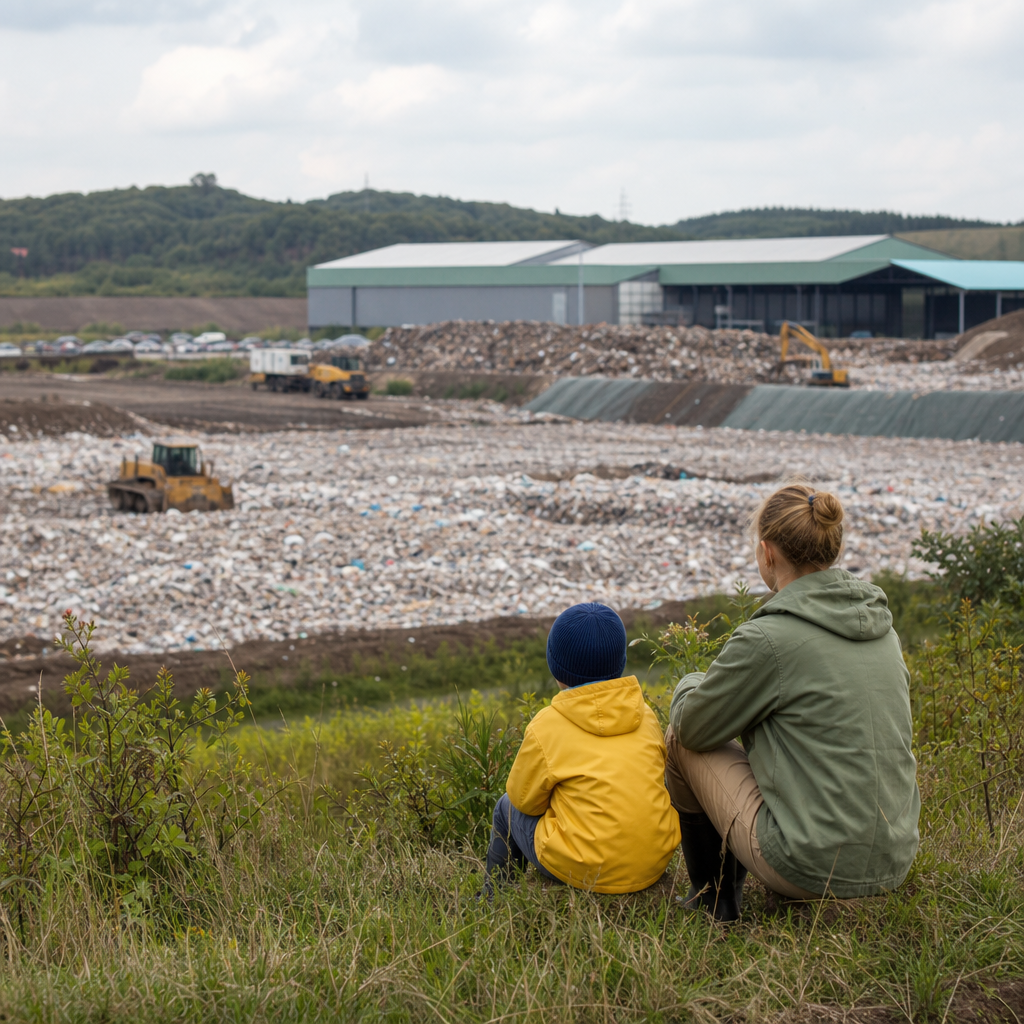
Sanitation produces greenhouse gases mainly through methane from anaerobic decomposition and nitrous oxide from nitrogen transformation. Methane is especially important because it has far higher warming impact than carbon dioxide over the near term. Open dumping of sludge, leaking septic systems, uncovered lagoons, overloaded wastewater plants, and poorly managed land application all create conditions where organics decompose without oxygen. Nitrous oxide often appears in biological nutrient removal systems when aeration, dissolved oxygen, carbon availability, or sludge age are not well controlled. Energy use also matters. Pumps, blowers, truck fleets, and thermal drying systems can drive a large indirect footprint when powered by fossil heavy grids.
Carbon sequestration changes the equation by stabilizing carbon in forms that persist. In sanitation, the most relevant pathways are biochar from dried sludge or source separated organics, long term soil carbon increase from high quality compost, carbon mineralization in construction products, and avoided fossil emissions through biogas use. Not every pathway counts as sequestration in the strict accounting sense, but all of them can reduce net climate impact. The distinction is important. A digester that makes biogas is not automatically storing carbon, yet it can still cut methane releases dramatically compared with uncontrolled decay. A composting operation may emit some carbon dioxide during processing, but if the finished product improves soil organic matter over years, part of that carbon remains stored while fertilizer demand drops.
For sanitation managers, the practical lesson is simple: map the carbon flows, not just the waste flows. Measure incoming biochemical oxygen demand, total solids, volatile solids, total Kjeldahl nitrogen, and energy consumption. Then identify where carbon is lost as methane, where it can be captured as biogas, and where it can be stabilized into products with a legitimate end market. That shift in accounting often reveals the highest value upgrades.
Sustainable sanitation pathways that cut emissions and recover value
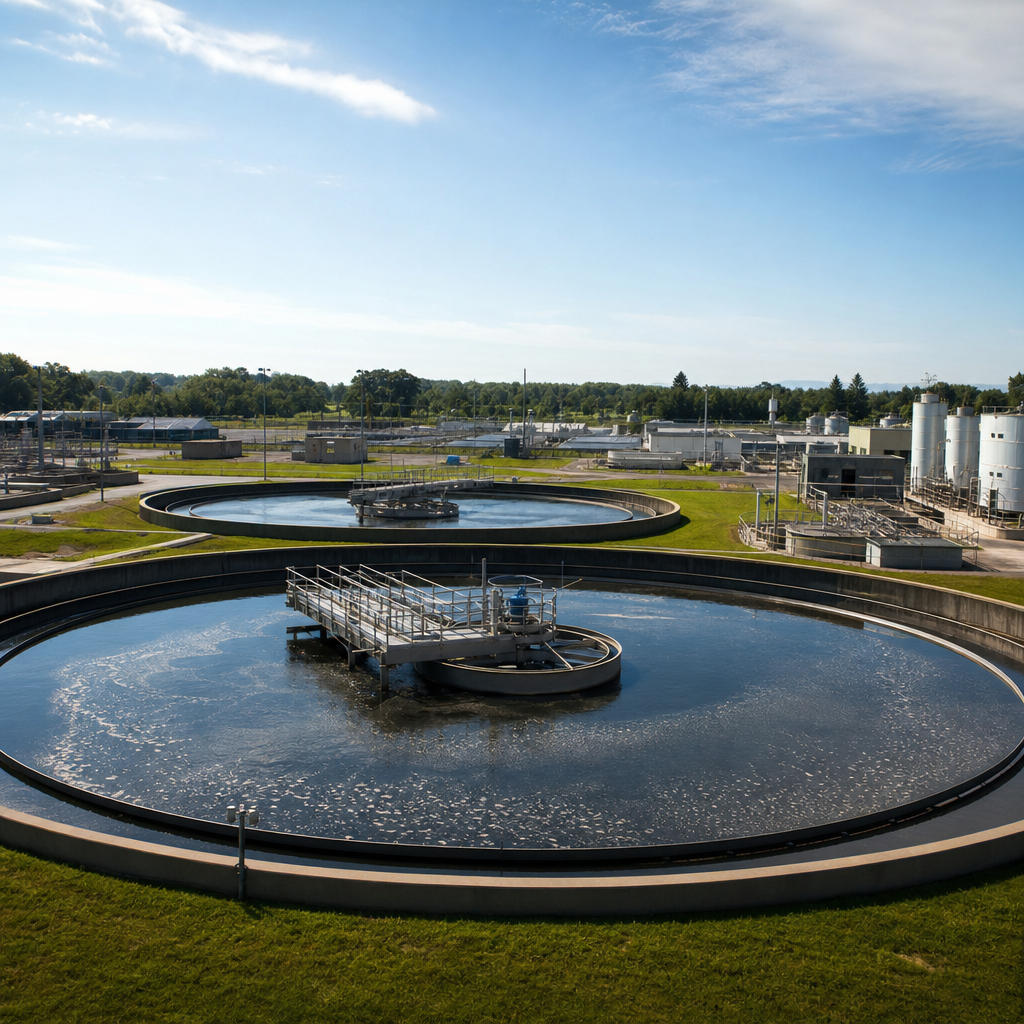
The most effective sustainable practices in sanitation follow the waste hierarchy: prevent pollution, improve containment, recover resources, and dispose safely only when necessary. In dense urban areas, upgrading sewered treatment plants with primary solids capture, anaerobic digestion, combined heat and power, sidestream deammonification, and tighter aeration control can reduce both direct and indirect emissions. Facilities using fine bubble aeration, dissolved oxygen sensors, variable frequency drives, and supervisory control systems often cut electricity use significantly while maintaining effluent quality.
In non sewered and mixed systems, fecal sludge management is often the highest priority. I have seen cities gain faster environmental returns by improving scheduled desludging, transfer stations, and sludge treatment than by expanding sewers into informal settlements that cannot yet support them. Uncollected sludge frequently reaches drains, canals, and open ground, creating methane, pathogen spread, and nutrient pollution. Structured collection routes, digital service logs, and tipping controls at treatment sites improve both accountability and emissions performance because more waste actually reaches controlled treatment.
Source separation also changes outcomes. Urine diversion toilets, dry toilets, and blackwater segregation reduce hydraulic load and create cleaner nutrient streams for reuse. In institutions, food waste can be co digested with sludge to increase biogas yield, provided operators manage grease content, sulfur, and foaming risk. Co composting sludge with green waste, sawdust, or crop residues improves porosity, carbon to nitrogen ratio, and final product quality. The operational details matter more than labels. A compost yard without moisture control or turning discipline becomes an odor problem; a digester without feed consistency and gas safety becomes an unreliable asset.
| Practice | Main climate benefit | Typical sanitation application | Key limitation to manage |
|---|---|---|---|
| Anaerobic digestion | Captures methane as biogas | Wastewater sludge, septage, food waste | Needs stable feedstock and gas handling |
| Composting | Builds soil carbon and avoids methane from dumping | Fecal sludge with bulking agents, biosolids, organics | Requires odor, moisture, and pathogen control |
| Biochar production | Stores carbon in a stable solid form | Dried sludge, agricultural residues | Needs contaminant testing and market fit |
| Biogas to energy | Displaces fossil electricity or fuel | Digesters at treatment plants | Economics depend on energy prices and uptime |
| Land application of treated biosolids | Returns carbon and nutrients to soil | Agriculture, land restoration | Must meet pathogen and metal standards |
Technologies that support carbon sequestration in waste management
Several technologies now make carbon conscious sanitation more practical than it was a decade ago. Anaerobic digesters remain foundational because they convert volatile solids into methane rich biogas under controlled conditions. When paired with gas cleaning, engine generators, boilers, or renewable natural gas upgrading, digesters can offset purchased energy and reduce fugitive emissions. Covered anaerobic lagoons can provide a lower cost option in warm climates, though they usually offer less process control than fully mixed digesters.
Thermal processes are gaining attention where land is limited and sludge volumes are high. Pyrolysis converts dried solids into syngas, oils, and biochar under low oxygen conditions. The climate value of biochar depends on feedstock quality, operating temperature, and end use, but well produced material can lock carbon into a stable matrix for long periods. Gasification and hydrothermal carbonization are also being explored, especially for wet feedstocks. These systems require strong operator capacity, emissions controls, and reliable maintenance, so they are not universal solutions. Still, in regions facing high hauling costs and strict landfill limits, they can outperform conventional drying and disposal.
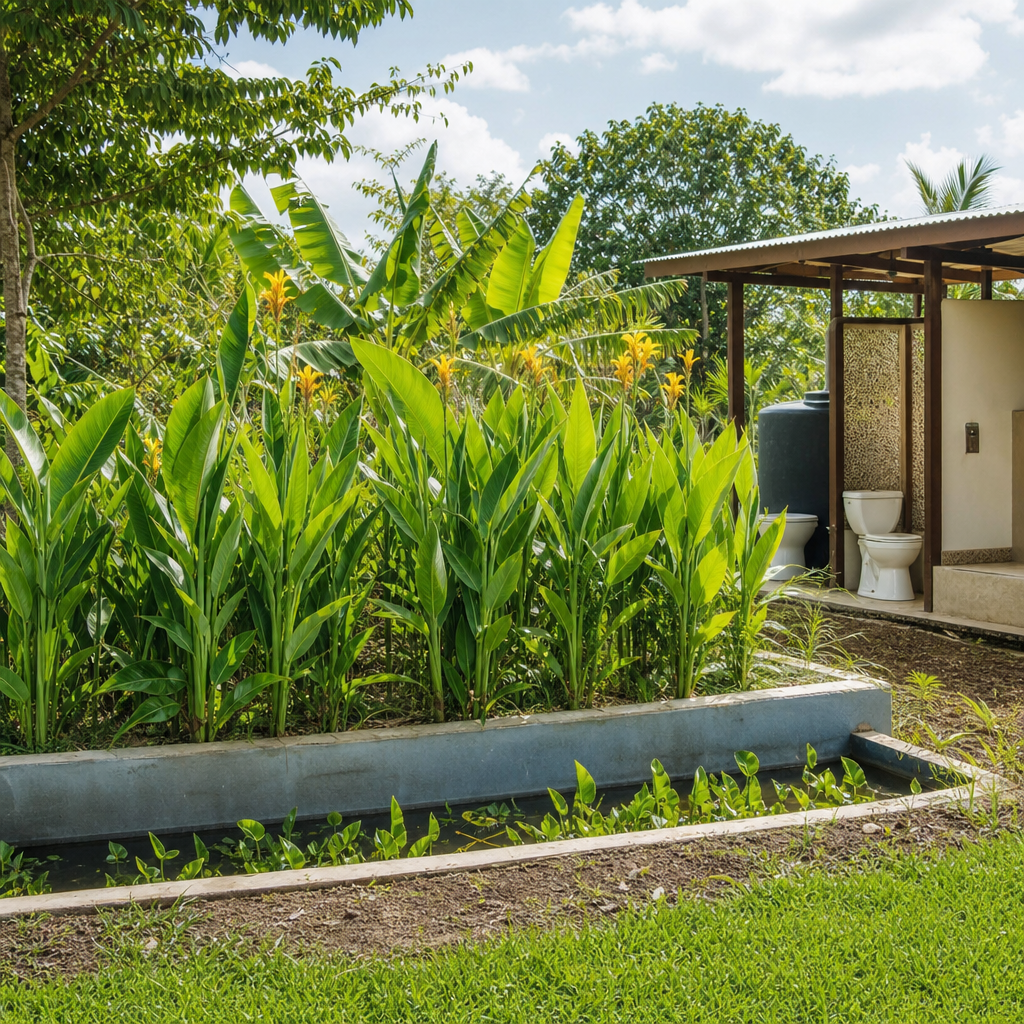
Nature based systems deserve equal attention. Constructed wetlands, planted drying beds, algae systems, and soil amendment programs can reduce operational energy and create additional biomass or soil carbon benefits. They are particularly useful in peri urban settings where land is available and inflows are variable. However, they need careful hydraulic design, vector control, and realistic expectations about seasonal performance. Sustainable sanitation is not only about choosing advanced technology. It is about matching technology to waste characteristics, climate, land availability, skills, and end use markets.
Governance, standards, and measurement for credible results
Good climate claims in sanitation depend on credible monitoring. Operators should track mass balance, not assumptions alone. At a minimum, measure solids, methane production, biogas composition, energy generation, hauling distances, moisture content, and final product quality. For land applied products, include nutrient content, pathogen indicators, and metals. For emerging contaminants such as PFAS, local rules are changing quickly, so testing plans must keep pace. Without this data, carbon sequestration claims become marketing language rather than defensible performance.
Established frameworks already guide parts of this work. Greenhouse gas accounting often draws on the Intergovernmental Panel on Climate Change methodologies, while biosolids management in the United States is shaped by EPA Part 503 requirements. Wastewater utilities increasingly use life cycle assessment software, SCADA trend data, and digital twins to compare retrofit options before spending capital. In my experience, the best projects also align finance teams, regulators, agronomists, and plant staff early. Carbon projects fail when engineering assumptions ignore the realities of procurement, maintenance, hauling contracts, or seasonal demand for recovered products.
Policy can accelerate progress when it rewards outcomes rather than prescribing a single technology. Landfill methane rules, renewable energy credits, low carbon fuel standards, and organics diversion mandates have all improved project viability in different jurisdictions. At the same time, communities need transparent risk communication. Residents generally support resource recovery when operators explain odor controls, truck routing, pathogen reduction, and product testing clearly. Trust is earned through consistent performance, not slogans.
Building a sanitation hub strategy for cities, utilities, and institutions
A strong sanitation hub strategy links infrastructure decisions to a broader environmental impact plan. Cities should start with a service chain assessment: containment, emptying, transport, treatment, reuse, and final disposal. That reveals where emissions, leaks, and unmanaged waste actually occur. From there, prioritize interventions that improve public health first and carbon performance second, because unsafe systems are never sustainable. Typical early wins include expanding scheduled desludging, covering lagoons, fixing digester gas leaks, optimizing aeration, separating stormwater from sewers, and creating contracts for compost or biosolids use in landscaping, agriculture, or mine site rehabilitation.
Institutions such as hospitals, universities, resorts, and industrial campuses can move faster because they control both waste streams and procurement. I have seen campus systems combine kitchen waste digestion, blackwater treatment, landscape reuse, and soil amendment programs with clear reporting on emissions avoided. Utilities can support this by creating acceptance standards for hauled waste, pricing structures that reward source separation, and pilot projects for biochar or nutrient recovery. Every subtopic under sustainable practices in sanitation fits into this hub: wastewater energy efficiency, fecal sludge logistics, decentralized treatment, compost quality, biosolids regulation, methane monitoring, and reuse market development.
The main benefit is durable environmental performance. When carbon sequestration and waste management are planned together, sanitation systems stop being a hidden emissions source and become part of climate mitigation, soil restoration, and circular resource use. The next step is straightforward: audit your current sanitation chain, quantify the biggest carbon losses, and choose one recovery pathway you can operate reliably at real scale.
Frequently Asked Questions
1. What does carbon sequestration mean in the context of sanitation and waste management?
In sanitation and waste management, carbon sequestration refers to capturing carbon or storing it in stable forms so it does not return to the atmosphere as carbon dioxide or methane. This matters because sanitation systems can be significant sources of greenhouse gas emissions, especially when organic waste, sludge, or fecal matter decomposes without proper treatment. Instead of allowing that carbon to escape, modern systems aim to stabilize it in products or environments where it can remain stored for long periods.
In practice, this can happen in several ways. Organic waste can be converted into biochar through pyrolysis, creating a carbon-rich material that is relatively stable and can be used in soils or other applications. Treated biosolids can help build soil organic matter when safely applied under strict regulatory controls. Carbon can also be incorporated into construction materials, compost-like amendments, or biomass systems, depending on the treatment pathway and contamination risks. The core idea is simple: treat waste not just as something to dispose of, but as a carbon resource that can be managed in ways that support climate goals, public health, and long-term sustainability.
2. Why are carbon sequestration and waste management becoming so important in sustainable sanitation?
They are becoming central because sanitation sits at a unique intersection of climate emissions, human health, environmental protection, and resource recovery. Poorly managed sanitation systems can release methane, nitrous oxide, and carbon dioxide, all of which contribute to climate change. At the same time, inadequate treatment and disposal can contaminate water, degrade soils, spread disease, and create social and economic burdens for communities. As cities grow and climate pressures increase, the need for systems that are both safe and low-emission has become much more urgent.
Carbon sequestration adds another layer of value by turning sanitation from a purely defensive service into a proactive climate solution. Instead of focusing only on containment and disposal, utilities and municipalities can recover energy, nutrients, water, and stable carbon products from waste streams. This supports circular economy goals while helping reduce dependence on landfills, uncontrolled dumping, and high-emission treatment methods. In other words, sustainable sanitation is no longer just about removing waste safely; it is about designing systems that protect public health, reduce emissions, strengthen urban resilience, and recover useful resources wherever possible.
3. How can sanitation waste actually be used to reduce emissions or store carbon?
Sanitation waste can reduce emissions or store carbon through treatment pathways that prevent uncontrolled decomposition and convert organic materials into more stable or useful forms. One of the most important approaches is anaerobic digestion, which captures biogas from sludge or other organic waste before it escapes into the atmosphere. That biogas can then be used as an energy source, offsetting fossil fuel use. While this is not carbon sequestration in the strictest sense, it is a major emissions reduction strategy because it prevents methane release and makes productive use of the carbon already present in the waste stream.
For actual long-term carbon storage, thermal treatment methods such as pyrolysis can convert organic residues into biochar, a stable carbon material that can persist much longer than untreated biomass. In some cases, treated waste-derived materials may also contribute to soil carbon storage or become inputs in building products, though these applications must be carefully assessed for contaminants, performance, and regulatory compliance. Composting can also play a role when done well, especially if the final product improves soil organic matter, but its climate benefit depends heavily on process control and end use. The most effective systems are those that combine safe sanitation, emissions monitoring, and resource recovery so that climate gains do not come at the expense of health or environmental quality.
4. What are the biggest challenges to using carbon sequestration strategies in sanitation systems?
The biggest challenges are technical, financial, regulatory, and operational. Sanitation waste streams are highly variable and often contain pathogens, plastics, heavy metals, pharmaceuticals, and other contaminants that complicate treatment and beneficial reuse. Not every sequestration pathway is appropriate for every waste stream, and the safety requirements are non-negotiable. A solution that looks promising from a carbon perspective may be unsuitable if it creates health risks, poor product quality, or environmental contamination. That is why treatment standards, monitoring, and end-use controls are so important.
There are also practical implementation barriers. Many sanitation providers operate with limited budgets, aging infrastructure, and uneven service coverage, especially in rapidly growing urban areas. Advanced technologies such as pyrolysis, gas capture systems, or carbon-accounting frameworks may require upfront capital, skilled operators, reliable maintenance, and supportive policy environments. In addition, measuring the true climate benefit can be complex. Decision-makers need lifecycle assessments that account for collection, transport, processing, emissions avoided, energy recovered, and the durability of carbon storage. The challenge is not simply choosing a technology; it is building a system that is safe, affordable, scalable, and verified to deliver real climate and public health benefits.
5. What should cities, utilities, and organizations prioritize if they want to integrate carbon sequestration into waste management?
They should start by strengthening the fundamentals of sanitation: reliable collection, safe containment, effective treatment, and clear environmental safeguards. Carbon benefits are most meaningful when the underlying system already protects people and ecosystems. Once that foundation is in place, the next priority is to identify which waste streams have the best potential for emissions reduction or carbon storage. For example, sludge, fecal waste, food waste co-treatment, and other organic residuals may support biogas production, composting, or biochar generation depending on local conditions, infrastructure, and market demand.
It is also important to prioritize data, partnerships, and end-use planning. Cities and utilities should evaluate options using lifecycle analysis, cost assessments, and health risk evaluations rather than relying on climate claims alone. They should work with regulators, public health agencies, technology providers, farmers, construction sectors, and community stakeholders to ensure recovered products are safe, useful, and trusted. Finally, organizations should think in terms of resilience and long-term value. The best strategies often deliver multiple benefits at once: lower emissions, improved service reliability, reduced disposal costs, renewable energy generation, nutrient recovery, and stronger adaptation capacity in the face of urban growth and climate stress. That integrated approach is what makes carbon sequestration in sanitation truly transformative.