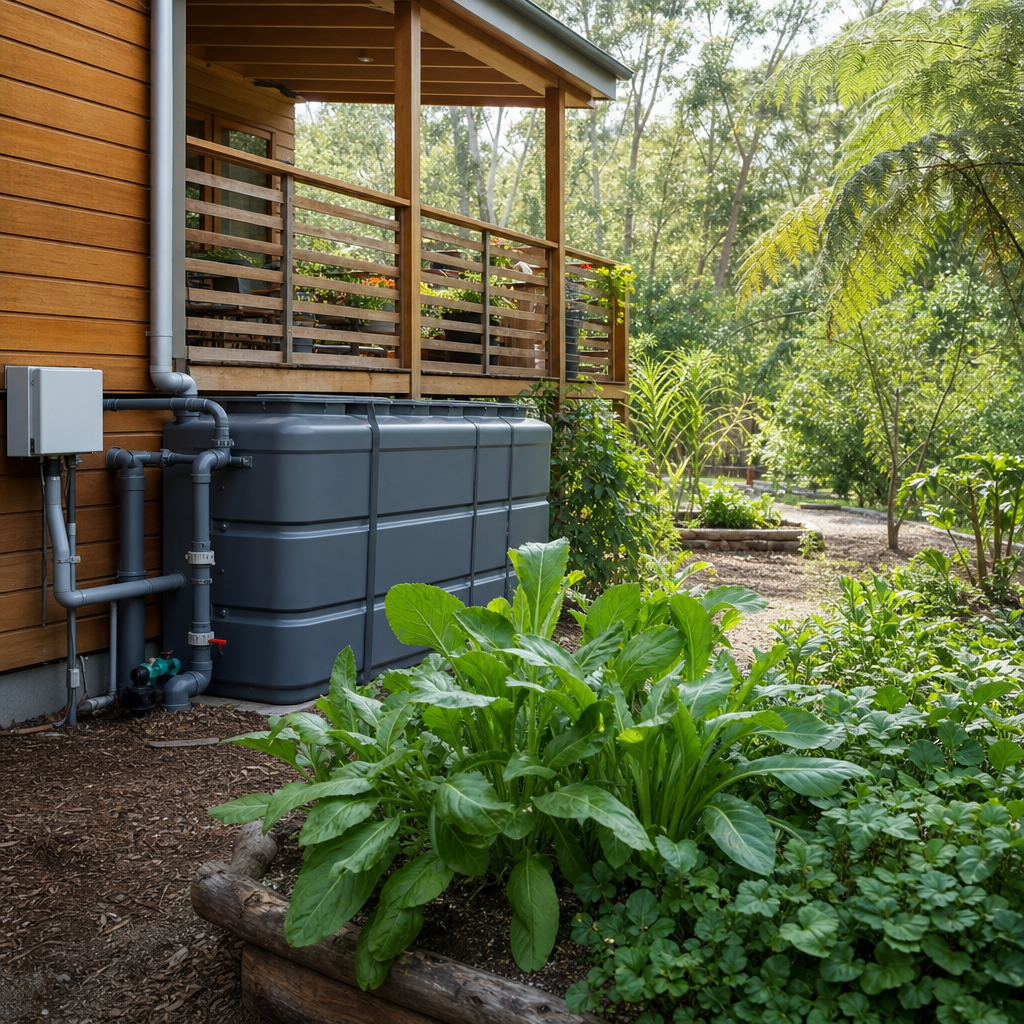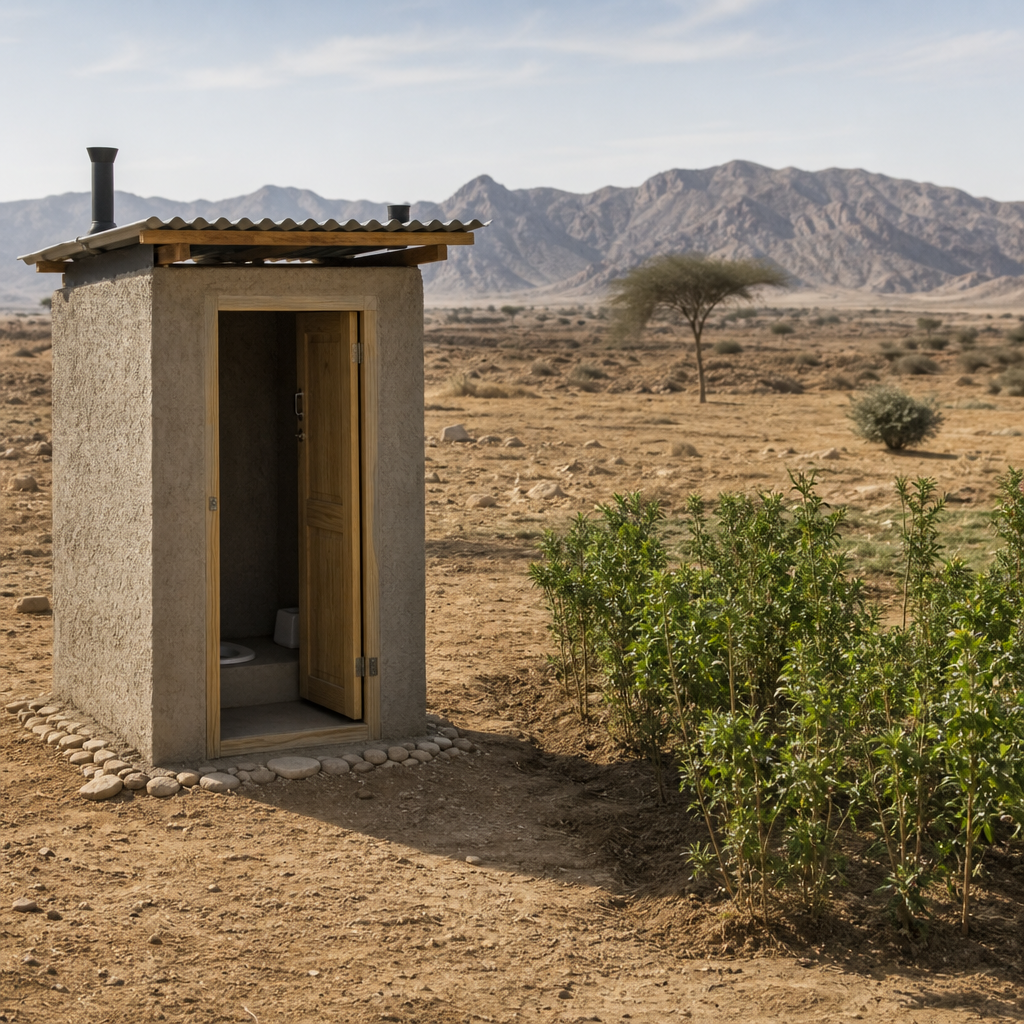
EcoSan, short for ecological sanitation, is a sanitation approach that treats human excreta and household wastewater as resources rather than waste, and it has a direct, practical role in combating desertification. Desertification is the long-term degradation of drylands caused by climate variability, deforestation, overgrazing, poor irrigation, soil nutrient depletion, and unsustainable land management. When soils lose organic matter, structure, and moisture-holding capacity, vegetation declines, erosion accelerates, and productive land shifts toward barren conditions. I have worked on sanitation and land restoration projects where this link became obvious: communities struggling with water scarcity were also importing fertilizer they could barely afford while local nutrients were being flushed away. EcoSan addresses that contradiction by safely recovering nutrients, conserving water, and supporting soil rehabilitation. As a hub topic under environmental impact, EcoSan and the environment must be understood broadly, because its effects touch soil health, water resources, climate resilience, food systems, and public health. A well-designed EcoSan system can reduce groundwater pollution, cut demand for freshwater, return nitrogen, phosphorus, potassium, and organic matter to depleted soils, and strengthen local capacity to restore dryland productivity. These outcomes matter in arid and semi-arid regions, where every liter of water and every kilogram of nutrient has outsized value. The concept includes urine-diverting dry toilets, composting toilets, dehydrating vaults, fecal sludge treatment with resource recovery, greywater reuse, and planned agricultural application under health safeguards. It is not a single toilet model; it is a systems approach built around containment, treatment, reuse, and environmental protection. Understanding EcoSan in this wider environmental context is essential for policymakers, NGOs, engineers, farmers, and communities looking for durable responses to land degradation.
How EcoSan connects sanitation and desertification control
The most important environmental insight behind EcoSan is that sanitation systems influence land quality far beyond the household. Conventional sewerage and pit disposal often separate nutrients from the places where crops grow, while leaks, runoff, and poorly managed sludge can contaminate water without improving soil fertility. In drylands, that is a double loss. Croplands become poorer over time, and communities rely more heavily on synthetic fertilizer, which may be expensive, inaccessible, or poorly matched to local soil conditions. EcoSan closes part of that nutrient loop. Urine contains most of the nitrogen and a large share of the phosphorus and potassium excreted by humans, while fecal matter contains organic material and additional nutrients that can improve soil structure after safe treatment. Returning these resources to land helps rebuild soil function, which is central to resisting desertification.
Healthy soils are not defined only by nutrient content. They need aggregation, biological activity, infiltration capacity, and cover. In field programs I have seen the difference between sandy soils that crust after one rain and amended soils that hold moisture long enough for seedlings to establish. EcoSan contributes by supporting organic matter inputs and reducing nutrient mining. Where treated composted excreta or co-composted biosolids are applied correctly, soils can gain better tilth and water retention, which reduces runoff and erosion. That matters because desertification often begins with subtle degradation: less vegetation, more exposed soil, weaker root systems, then loss of topsoil through wind and stormwater.
There is also a water dimension. Many EcoSan systems use little or no flush water. In regions facing chronic water stress, reducing water use in sanitation leaves more water for households, livestock, and productive uses. Greywater, when treated and applied safely, can support tree belts, fodder crops, or kitchen gardens that protect soil from exposure. By contrast, poorly planned waterborne sanitation in low-resource drylands can increase infrastructure costs, create leakage risks, and divert scarce water into waste conveyance instead of land restoration.
Core environmental pathways: soil, water, vegetation, and climate resilience
EcoSan affects the environment through several linked pathways. First, it improves nutrient cycling. Nitrogen supports vegetative growth, phosphorus supports root development, and potassium helps regulate plant water use and stress tolerance. Dryland crops and trees often fail not only because rainfall is limited, but because nutrient-poor soils cannot make effective use of available moisture. Adding safely treated nutrients can increase biomass, which then returns residues to the soil surface and improves ground cover. Better cover lowers surface temperature, reduces evaporation, and slows erosion.
Second, EcoSan can improve soil organic matter, especially where composted materials are integrated with crop residues, manure, or biochar. Organic matter is a critical defense against desertification because it increases cation exchange capacity, supports microbial communities, and helps sandy or degraded soils hold water. Even small gains in soil organic carbon can improve germination and plant survival rates in harsh climates. Restoration practitioners regularly combine organic amendments with contour bunds, zai pits, mulch, and agroforestry to maximize this effect.
Third, EcoSan protects water quality when designed properly. Unlined pits and unmanaged sludge can leach pathogens and nitrates into groundwater, especially in areas with shallow water tables or fractured geology. Resource-oriented systems with secure storage, dehydration, composting, or controlled treatment reduce that risk. This protection is environmentally significant because desertification-prone regions are often the same regions where drinking water sources are few and easily polluted. Preventing contamination preserves human health and reduces pressure to abandon damaged water points.
Fourth, EcoSan contributes to climate resilience. Land degradation and drought reinforce each other. Soils with low organic matter dry out faster, crops fail sooner, and households clear more marginal land to compensate. By helping restore fertility and moisture retention, EcoSan supports more stable yields from existing land. It also reduces dependence on imported inputs and water-intensive infrastructure. While sanitation alone will not stop desertification, it becomes a meaningful part of a broader resilience strategy when paired with watershed management, rangeland restoration, and climate-adapted agriculture.
EcoSan technologies and which environmental problems they address
Different EcoSan technologies solve different environmental problems, so selection must match climate, culture, settlement density, and reuse goals. Urine-diverting dry toilets separate urine and feces at the source. This separation simplifies treatment because urine is usually low in pathogens compared with feces and can be stored and diluted for fertilizing crops according to local guidelines. Dehydrating vault toilets reduce moisture in fecal material, helping inactivate pathogens over time. Composting toilets rely on managed aerobic decomposition, usually with bulking agents such as sawdust, ash, or dry leaves. Container-based sanitation can also fit the EcoSan model when collected material is treated centrally and converted into compost or fuel products. Constructed wetlands and decentralized treatment units can support greywater reuse for landscaping and biomass production.
In practice, the environmental performance of these systems depends less on the toilet brand and more on the full service chain. Collection, storage duration, treatment temperature, pH, moisture control, transport logistics, and crop application methods all determine whether resource recovery is safe and effective. The World Health Organization provides sanitation and reuse guidance, and the International Organization for Standardization has standards relevant to non-sewered sanitation systems. Those frameworks matter because environmental benefits disappear if pathogens survive treatment or if nutrients are applied where runoff carries them into streams.
| EcoSan option | Main environmental benefit | Best-fit context | Key limitation to manage |
|---|---|---|---|
| Urine-diverting dry toilet | Water savings and nutrient recovery | Water-scarce rural or peri-urban areas | User training and separate urine handling |
| Composting toilet | Organic matter return to soil | Households with space and maintenance capacity | Need for correct moisture and temperature management |
| Dehydrating vault system | Reduced pathogen survival through drying | Hot, arid climates | Requires disciplined use of drying additives |
| Greywater reuse with filtration | Supports vegetation and reduces freshwater demand | Homes, schools, clinics, small compounds | Soap and salt buildup must be monitored |
| Container-based service with central treatment | Controlled processing and scalable recovery | Dense settlements lacking sewers | Service reliability and treatment infrastructure costs |
Real-world examples from drylands and land restoration programs
Evidence from dryland sanitation and agriculture programs shows that resource recovery can support environmental restoration when governance and training are strong. In parts of West Africa, ecological sanitation has been linked with smallholder soil improvement efforts using compost, mulch, and water-harvesting pits. Farmers applying treated urine to cereals and vegetables often report visible improvements in plant vigor, especially where soils are nitrogen deficient. In the Sahel, integrated soil fertility management already combines manure, compost, and microdosing of mineral fertilizer; EcoSan-derived nutrients can complement that toolkit rather than replace it entirely.
Southern Africa offers another practical context. Zimbabwe and Mozambique have used urine-diverting systems in rural areas where water scarcity and soil degradation make conventional flush sanitation less suitable. The environmental value in these programs comes not from the toilet alone but from linking sanitation to agriculture extension. When households understand storage times, application rates, and crop restrictions, reuse becomes productive. When they do not, systems can be abandoned or misused. That is why successful EcoSan projects usually include behavior change, demonstration plots, and local champions who can explain the agronomic results in plain terms.
I have seen demonstration gardens do more to build acceptance than technical manuals. A row of maize fertilized with stored urine beside an unfertilized row answers doubts quickly. The same is true for tree planting. Where treated outputs support woodlots, windbreaks, or fodder shrubs, the anti-desertification benefit becomes visible as shade, root stabilization, and reduced bare ground. These examples matter because desertification is often discussed at a policy level, yet it is reversed field by field, household by household, through practical interventions that improve soil cover and water use.
Limits, risks, and the conditions required for success
EcoSan is not a universal answer, and overstating it weakens serious environmental planning. The first limitation is health protection. Untreated or poorly treated excreta can spread helminths, bacteria, protozoa, and viruses. Safe reuse requires barriers such as source separation, adequate storage, dehydration, composting, thermal treatment, restricted crop use, protective equipment, and hygiene practices. The second limitation is social acceptance. In some communities, handling human-derived fertilizers is culturally sensitive. Programs that ignore local beliefs usually fail regardless of technical merit.
Third, nutrient recovery is valuable but finite. Human excreta can supplement soil fertility, not fully replace all nutrient needs across large farming systems. Severely degraded land may also need erosion control structures, reseeding, manure, gypsum, lime, or targeted mineral inputs depending on soil chemistry. Fourth, operations matter. A neglected EcoSan facility can smell, attract insects, or lose user confidence. Long-term maintenance plans, spare parts, and local service providers are not optional extras; they are part of the environmental outcome.
For EcoSan to contribute meaningfully to combating desertification, five conditions are usually necessary: a clear reuse pathway, treatment protocols grounded in public health guidance, farmer involvement, monitoring of soil and water impacts, and institutional support from local government or NGOs. When these are in place, EcoSan becomes more than sanitation. It becomes environmental infrastructure that conserves water, rebuilds soils, and helps communities restore productivity on stressed land.
EcoSan and the environment are inseparable because sanitation choices shape soil fertility, water quality, vegetation cover, and long-term land resilience. In regions threatened by desertification, ecological sanitation offers a practical way to recover nutrients, save water, and support restoration of degraded soils. Its strongest contribution is not theoretical. It is the measurable improvement that comes when communities stop losing valuable resources and start returning them safely to the land. Urine diversion, composting, dehydration, greywater reuse, and organized treatment services can all play a role, but only when matched to local conditions and managed across the full service chain. The most successful programs connect toilets to farms, training to practice, and public health safeguards to agricultural benefits. They also recognize limits: EcoSan does not replace watershed management, grazing control, drought planning, or broader land policy. It strengthens those efforts by improving the productivity and stability of the soil itself. For an environmental impact strategy, that makes EcoSan a genuine hub topic, linking sanitation with climate adaptation, circular resource use, and land restoration. If you are evaluating solutions for dryland communities, start by mapping nutrient flows, water stress, and reuse opportunities, then assess which EcoSan model can deliver safe environmental gains at local scale.
Frequently Asked Questions
What is EcoSan, and how does it relate to desertification?
EcoSan, or ecological sanitation, is a sanitation approach designed to safely recover and reuse nutrients, organic matter, and water from human excreta and household wastewater instead of treating them as useless waste. This is important in the fight against desertification because dryland degradation is often driven by declining soil fertility, low organic matter, poor water retention, and the loss of vegetation cover. EcoSan helps address these underlying problems by returning valuable resources to the land in a controlled and beneficial way.
When properly treated human waste and greywater are reused in agriculture, they can improve soil structure, support plant growth, and reduce dependence on expensive chemical fertilizers or unsustainable extraction of freshwater. Healthier soils are better able to absorb and store moisture, resist erosion, and support crops, grasses, and trees even under dry conditions. In practical terms, EcoSan creates a circular system: nutrients that would otherwise be lost are captured, treated, and reinvested into the landscape. That makes it more than a sanitation solution; it becomes a land restoration tool that can strengthen resilience in regions vulnerable to desertification.
How can EcoSan improve soil health in dry and degraded areas?
One of the most direct ways EcoSan helps combat desertification is by improving soil health. Degraded dryland soils often suffer from nutrient depletion, low organic content, compaction, and weak structure. These conditions reduce infiltration, increase runoff, and make it harder for plants to survive periods of drought. EcoSan systems can produce treated composted material and nutrient-rich inputs that, when safely applied, help rebuild the biological and physical qualities of the soil.
Adding recovered organic matter can improve aggregation, which means soil particles bind together in a way that creates more pore space for air and water. This improves root development and allows rain or irrigation water to soak into the ground instead of being lost as surface runoff. Recovered nutrients such as nitrogen, phosphorus, and potassium can also support crop and vegetation growth, especially where soils have been repeatedly mined without replenishment. Over time, healthier vegetation contributes leaf litter, root biomass, and shade, all of which further protect the soil from erosion and drying. In this way, EcoSan supports a positive cycle in which soil restoration leads to better plant growth, and better plant growth leads to stronger resistance against desertification.
Can EcoSan help conserve water in regions affected by desertification?
Yes, water conservation is one of EcoSan’s major advantages, particularly in arid and semi-arid environments where every liter matters. Many conventional sanitation systems rely heavily on water for flushing and wastewater transport, which can place additional pressure on already limited water supplies. EcoSan systems, especially dry or low-water designs, reduce this demand and make sanitation more compatible with water-scarce settings.
In addition, household greywater can often be treated and reused for landscape irrigation, tree planting, or other non-potable purposes, depending on system design and local safety standards. This reuse helps stretch scarce water resources while supporting vegetation establishment and land rehabilitation. When combined with improved soil organic matter from treated sanitation by-products, reused water becomes even more effective because healthier soils retain moisture longer. That means EcoSan does not just save water at the household level; it can also improve how effectively water is used across farms, gardens, and restoration projects. In areas battling desertification, this combination of water efficiency and soil moisture improvement can be especially valuable.
Is it safe to use products from EcoSan systems in agriculture and land restoration?
It can be safe, but only when EcoSan systems are properly designed, managed, and monitored. Safety is a central principle of ecological sanitation. Human excreta can contain pathogens, so treatment is essential before any reuse takes place. Depending on the system, treatment may involve composting, dehydration, storage, alkaline treatment, or other processes that reduce health risks and make the material safer for agricultural or restoration use.
Clear operational guidelines, user training, protective handling practices, and compliance with public health standards are all critical. In many cases, treated products are best suited for specific uses, such as soil improvement for trees, non-food crops, or crops where the edible portion does not directly contact the soil, especially during early stages of implementation. Greywater reuse also requires care to prevent salt buildup, contamination, or harm to plants. When these safeguards are in place, EcoSan can provide a reliable source of nutrients and organic inputs while protecting human and environmental health. The key point is that EcoSan is not simply about reuse; it is about safe reuse, backed by sound technical management and local regulation.
What makes EcoSan a practical strategy for communities facing desertification?
EcoSan is practical because it addresses several interconnected challenges at once: poor sanitation, water scarcity, declining soil fertility, and land degradation. Communities affected by desertification often face limited infrastructure, high fertilizer costs, and pressure on both land and water resources. EcoSan offers a decentralized approach that can be adapted to local conditions and scaled from households to schools, farms, or community projects. Instead of requiring large centralized sewage systems, many EcoSan models can function with lower water use, lower nutrient loss, and more direct local benefits.
Its practicality also comes from the way it supports local resource cycles. Nutrients remain within the community rather than being discarded, and treated outputs can support home gardens, agroforestry, shelterbelts, or soil rehabilitation efforts. This can improve food production, reduce input costs, and encourage more sustainable land management practices. Just as importantly, EcoSan can contribute to long-term resilience by helping communities restore productivity to degraded soils and maintain vegetation cover, both of which are essential for slowing or reversing desertification. While it is not a standalone solution and works best alongside reforestation, controlled grazing, erosion control, and sustainable irrigation, EcoSan can play a very practical and immediate role in restoring the ecological foundations that drylands need to remain productive.