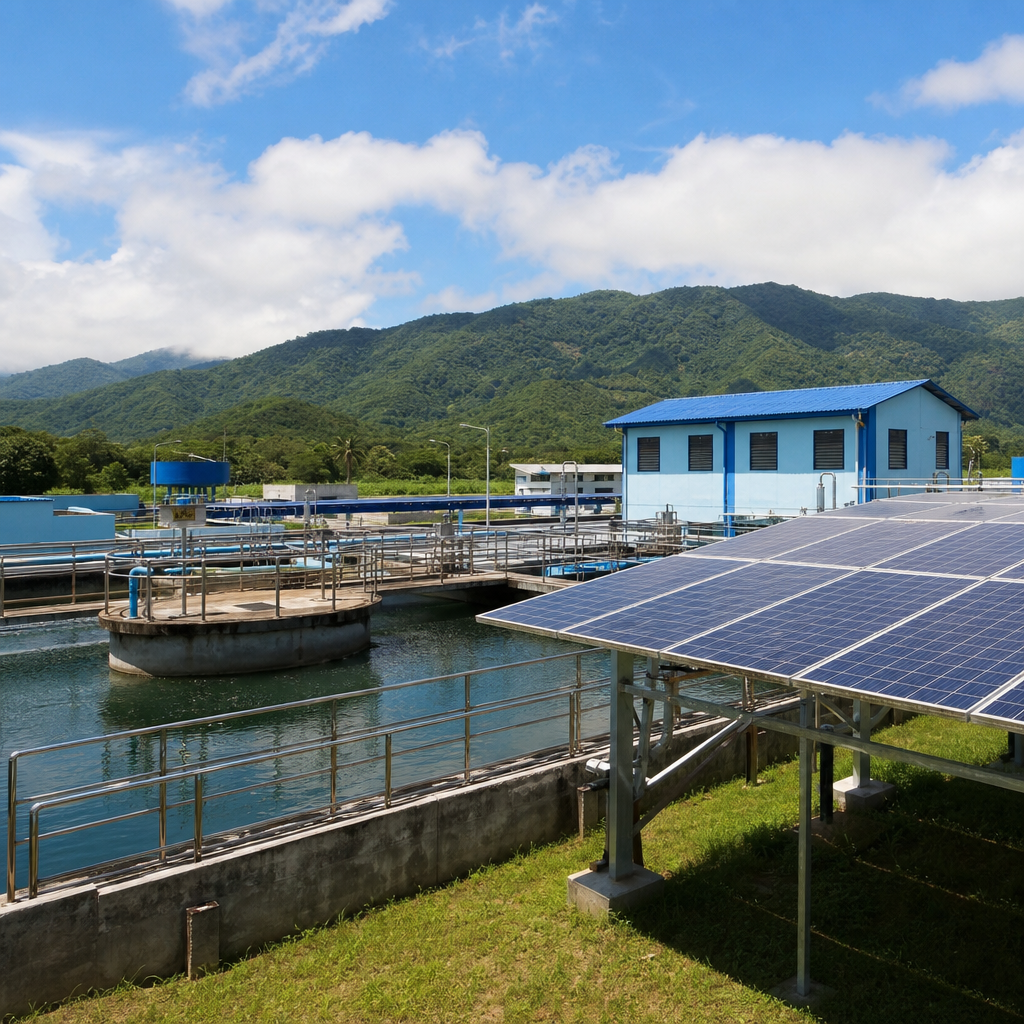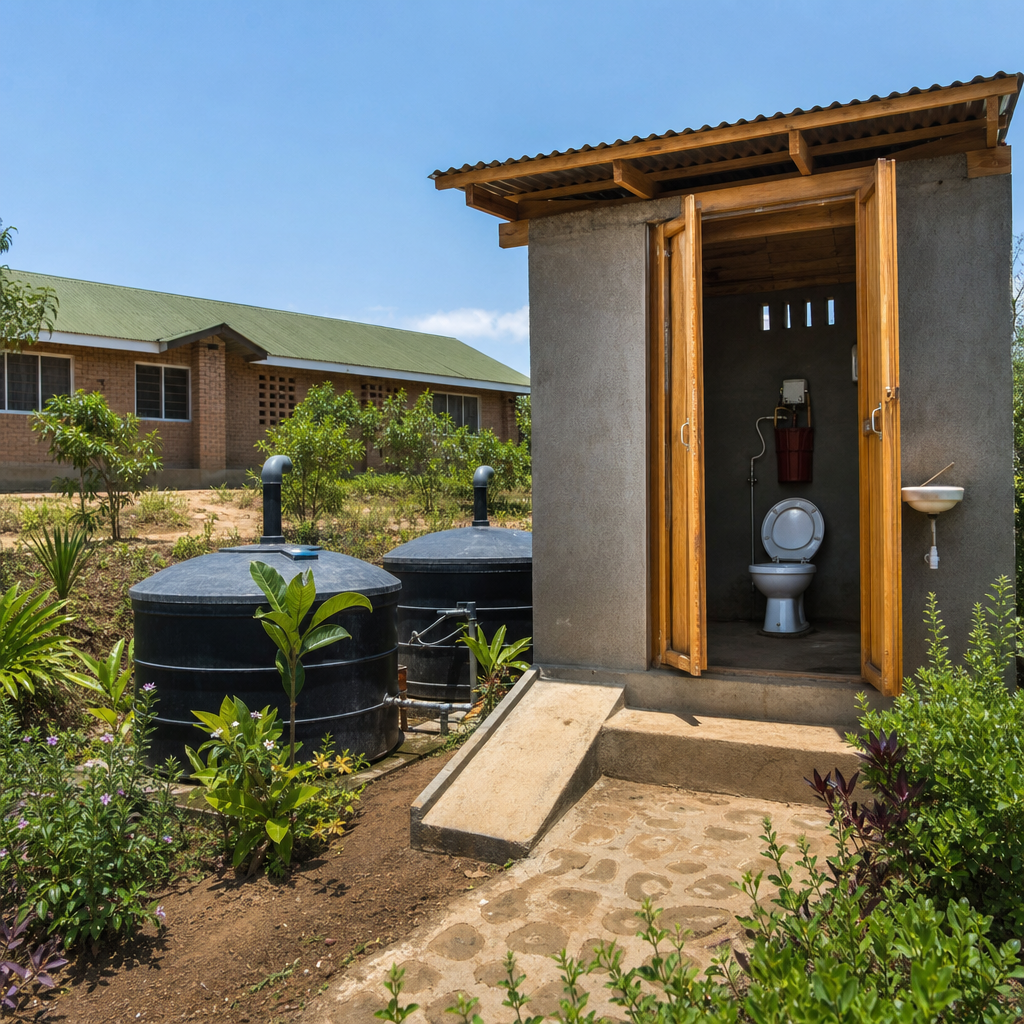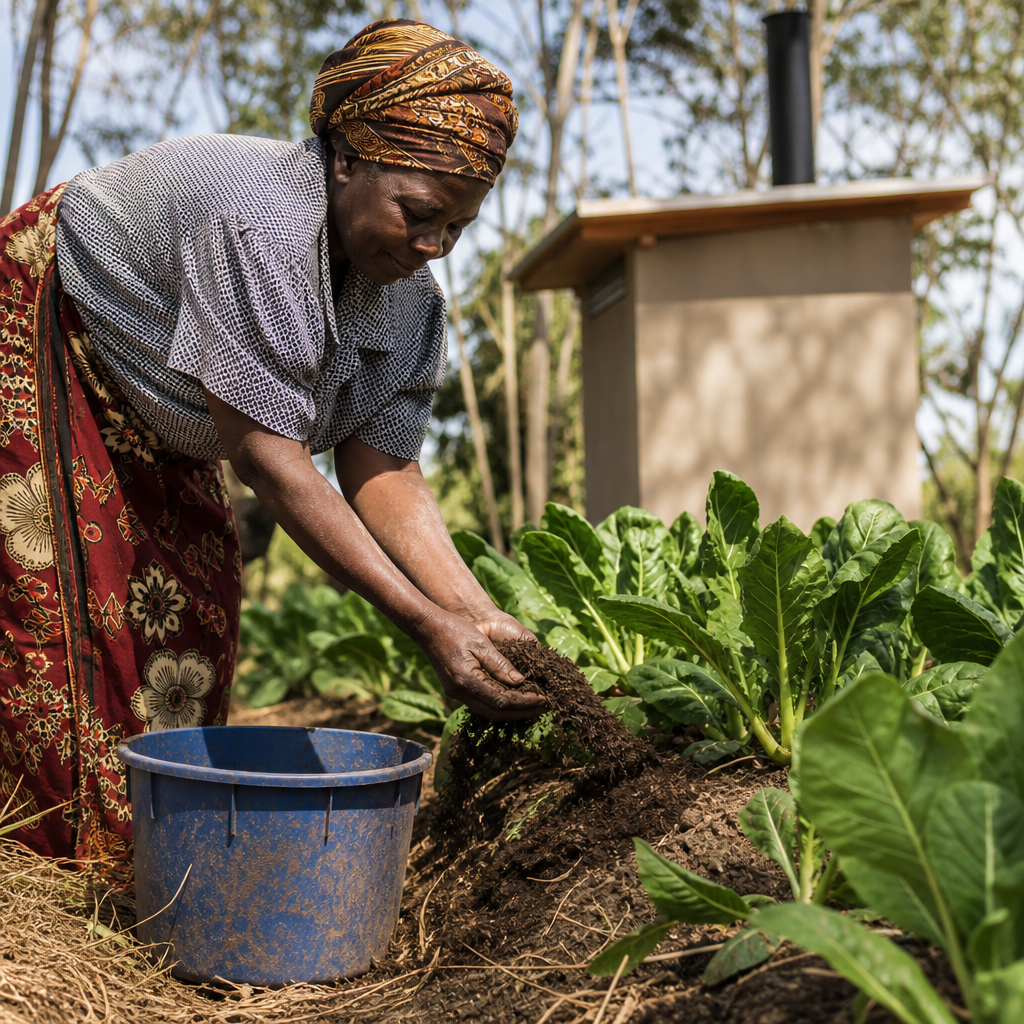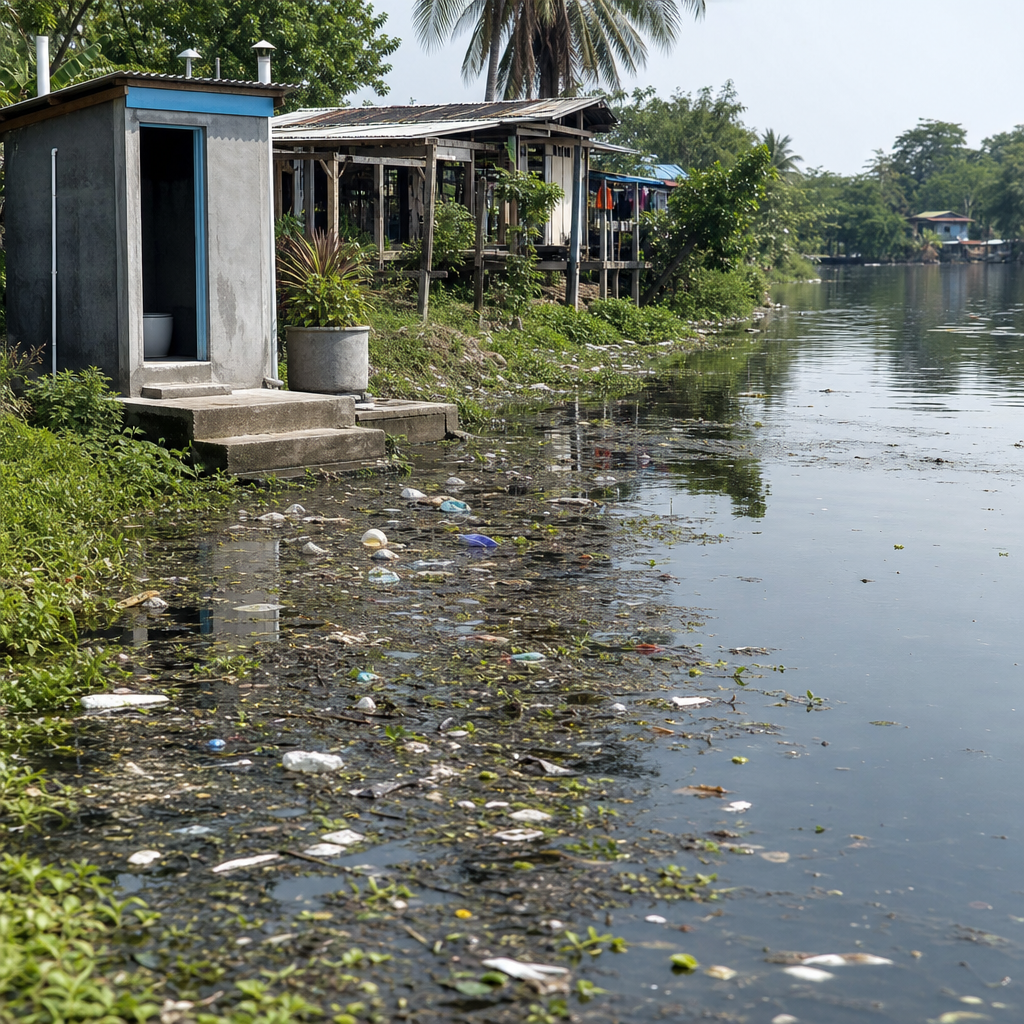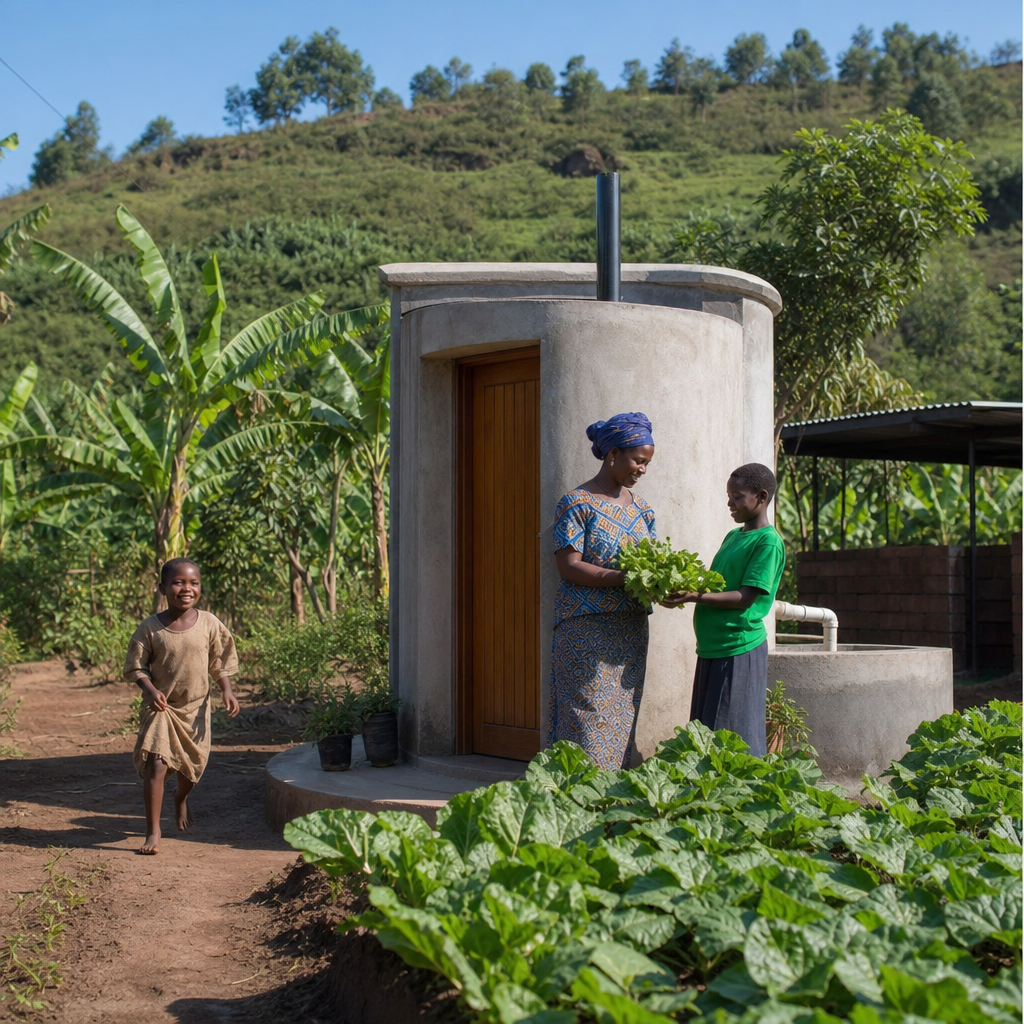
Building sustainable communities through EcoSan starts with a practical truth: sanitation is not only about toilets, pipes, and waste removal, but about how a community protects water, soil, health, livelihoods, and dignity at the same time. EcoSan, short for ecological sanitation, is an approach that treats human excreta and household wastewater as resources to be safely managed, recovered, and reused rather than simply discarded. In environmental terms, EcoSan closes nutrient loops, reduces pollution, and lowers pressure on freshwater systems. In community terms, it can improve public health, strengthen local food systems, and create sanitation services that are more resilient where sewer expansion is unaffordable or water is scarce.
I have worked on sanitation planning discussions where the biggest mistake was assuming that one technology could solve every settlement’s needs. EcoSan matters because it begins with context. Dense informal neighborhoods, peri-urban farming zones, drought-prone villages, schools without reliable water, and flood-affected communities all face different sanitation constraints. Conventional sewerage can be highly effective, but it requires high capital investment, strong utility management, stable power, extensive networks, and enough water to move waste. Where those conditions are absent, unsafe pits, open defecation, leaking septic systems, and untreated sludge often create a larger environmental burden than communities realize.
Advancing environmental sustainability with EcoSan means designing sanitation systems that prevent pathogens from reaching people while also recovering value from nutrients, organic matter, and in some cases water. Key terms are important here. Source separation means keeping urine, feces, and graywater apart so each stream can be treated appropriately. Resource recovery means converting those streams into products such as compost, soil conditioner, irrigation water, biogas, or nutrient-rich fertilizer. Fecal sludge management covers the safe emptying, transport, treatment, and reuse or disposal of sludge from on-site systems. These concepts matter because poor sanitation contaminates aquifers, rivers, and coastal waters, while better-designed systems can cut nutrient losses and reduce greenhouse gas emissions from unmanaged waste.
This hub article explains how EcoSan supports sustainable communities, where it works best, what technologies are commonly used, how environmental gains are measured, and what governance and financing conditions make projects last. It also highlights the tradeoffs. EcoSan is not a miracle fix, and it fails when maintenance, behavior change, market demand, or pathogen control are ignored. Done well, however, it offers one of the clearest paths to sanitation that is affordable, circular, climate-aware, and locally grounded.
What EcoSan means in practice
EcoSan is best understood as a systems approach rather than a single toilet model. Its central principle is that sanitation should protect health and ecosystems while recovering useful resources. In practice, that can include urine-diverting dry toilets, composting toilets, dehydrating vault systems, biogas digesters connected to toilets, planted drying beds for sludge, constructed wetlands for graywater, and decentralized treatment units that produce reusable water or biosolids. The design choice depends on climate, settlement density, user preferences, land availability, agricultural demand, and the capacity of local operators.
One common misunderstanding is that EcoSan always means dry toilets. Dry systems are important, especially in water-scarce areas, but ecological sanitation can also include low-water or water-based systems if they enable safe treatment and reuse. For example, a peri-urban settlement may use pour-flush toilets connected to sealed tanks, followed by scheduled desludging, co-composting, and sale of treated compost to nearby farms. A school may use urine-diverting toilets because they reduce odor, need little water, and simplify nutrient recovery. A market or institution may use an anaerobic digester to treat toilet waste and food waste together, producing biogas for cooking.
The environmental logic is straightforward. Human urine contains most of the nitrogen and a substantial share of the phosphorus and potassium excreted by households, while feces contain organic matter and nutrients that can restore soil if fully sanitized. When these materials are mixed with stormwater or flushed into weak treatment systems, the nutrient value is diluted and contamination risks rise. When they are kept manageable and treated correctly, they become inputs for agriculture, landscaping, tree planting, or energy generation. That shift from disposal to recovery is the core of ecological sanitation.
Environmental sustainability benefits of EcoSan
EcoSan advances environmental sustainability in four direct ways: it protects water resources, recovers nutrients, reduces waste volumes sent to disposal, and can lower emissions compared with unmanaged sanitation. Water protection is often the most immediate benefit. Leaking pits and poorly maintained septic tanks can release pathogens, nitrate, and other pollutants into shallow groundwater. In areas where families rely on boreholes or hand-dug wells, that contamination becomes a public health crisis. Properly designed EcoSan systems reduce seepage, avoid direct discharge, and route waste toward controlled treatment processes.
Nutrient recovery is equally important. Phosphorus is a finite resource, and conventional sanitation often turns it into a pollutant rather than preserving it as a fertilizer input. Urine diversion and compost-based treatment can retain nutrients that would otherwise contribute to eutrophication in lakes and rivers. In farming communities, this matters economically as well as environmentally. Treated urine can be diluted and applied to crops according to agronomic guidance, while sanitized compost or biosolids can improve soil structure, moisture retention, and microbial activity. In my experience, farmers usually respond less to the environmental argument than to visible crop performance and lower fertilizer costs, so demonstration plots are often decisive.
EcoSan also supports climate resilience. Dry or low-water sanitation systems remain functional during drought, and decentralized treatment can be more adaptable than vulnerable centralized sewers in flood-prone regions. Some systems reduce methane emissions by avoiding long-term anaerobic decomposition in unmanaged pits, while biodigesters capture methane as usable fuel. The exact carbon outcome depends on design and operation, but the broader sustainability case is strong: less freshwater demand, more local reuse, fewer pollution incidents, and better integration with circular economy goals.
Core EcoSan technologies and when they fit
Choosing the right EcoSan technology requires matching system design to local conditions instead of chasing novelty. The most established options each solve a different problem.
| Technology | Best fit | Main environmental benefit | Key limitation |
|---|---|---|---|
| Urine-diverting dry toilet | Water-scarce homes, schools, rural areas | Nutrient recovery with minimal water use | Needs user training and regular ash or cover material |
| Composting toilet | Low-density sites with maintenance capacity | Produces stabilized organic material | Temperature, moisture, and pathogen control must be managed |
| Biogas digester | Institutions, farms, markets with steady organic waste | Generates renewable energy and slurry | Requires consistent feedstock and technical oversight |
| Fecal sludge co-composting | Peri-urban areas with on-site sanitation | Converts sludge and organic waste into marketable compost | Collection logistics and quality assurance are critical |
| Constructed wetland for graywater | Communities needing decentralized wastewater polishing | Improves water quality for safe discharge or reuse | Needs land area and vegetation maintenance |
Urine-diverting dry toilets are often the entry point for EcoSan because they separate the highest-value nutrient stream and reduce water demand. They perform well where water access is unreliable and where communities can support routine operation. Composting toilets can work effectively, but they are less forgiving than promoters sometimes claim. Without the right carbon balance, aeration, moisture control, and storage time, the material may not be hygienically safe. That is why adherence to World Health Organization sanitation safety planning principles and pathogen reduction targets is essential.
Biogas systems are attractive when there is enough waste volume to justify operation and maintenance. I have seen institutional digesters succeed at boarding schools and farms where trained staff monitored loading rates and gas use. I have also seen them fail where they were installed as showcase projects without spare parts or operator ownership. Co-composting plants, by contrast, can be highly effective in towns dominated by pit latrines and septic tanks, especially when municipal solid organic waste is also available. The process improves carbon-to-nitrogen balance and creates a more marketable end product, but only if sludge is collected safely and the final compost meets quality standards.
Public health, dignity, and social inclusion
Environmental sustainability is inseparable from health outcomes. A sanitation system cannot be considered sustainable if it spreads disease, excludes users, or transfers risk to workers. EcoSan contributes to healthier communities by reducing human contact with untreated waste and by promoting treatment barriers before reuse. Safe containment, scheduled emptying, personal protective equipment, thermophilic composting or adequate storage, and restricted crop application where necessary are all part of responsible implementation. The World Health Organization’s multiple-barrier approach is especially useful because it recognizes that no single treatment step is perfect.
Dignity and usability also determine long-term success. Toilets that are difficult for children, older adults, or people with disabilities to use will be bypassed. Facilities without privacy, lighting, menstrual hygiene support, or handwashing will underperform no matter how innovative the treatment model is. In community consultations, women often identify practical design flaws faster than engineers do, especially around safety at night, cleaning burden, and water access for hygiene. Strong EcoSan planning therefore includes inclusive design, local user testing, and service arrangements that do not depend on unpaid labor from one household member.
Another social issue is stigma. Reuse of human-derived products can trigger understandable concerns about smell, contamination, and cultural acceptability. These concerns should be addressed directly with evidence, not dismissed. Field demonstrations, transparent treatment protocols, product testing, and clear crop-use guidance build confidence. Communities are more likely to accept reuse when the product is visibly stable, easy to handle, and linked to tangible benefits such as higher maize yields, lower fuel bills, or cleaner drainage channels.
Governance, financing, and long-term operation
Most sanitation failures are management failures, not technology failures. For EcoSan to build sustainable communities, responsibilities must be clear from the start: who owns the asset, who empties pits or vaults, who transports waste, who monitors treatment quality, who sells recovered products, and who pays when components wear out. Municipal governments, utilities, social enterprises, cooperatives, and community-based organizations can all play roles, but the service chain has to be explicit. Sanitation safety planning, asset registers, maintenance schedules, and operator training are more important than glossy infrastructure launches.
Financing should reflect the fact that sanitation creates both private and public benefits. Households may pay for convenience and dignity, but environmental protection and disease reduction justify public support. In practice, successful models often blend household contributions, municipal subsidies, donor capital, carbon or climate-linked support where appropriate, and revenue from compost, biogas, briquettes, or water reuse. Revenue recovery rarely covers full costs on its own, especially early on, so business plans must be realistic. The strongest projects I have reviewed treated resource recovery income as a useful supplement, not the sole financial engine.
Monitoring completes the picture. Communities and service providers should track toilet functionality, emptying frequency, treatment performance, pathogen reduction, nutrient recovery volumes, user satisfaction, and environmental indicators such as groundwater quality or reduced dumping. Named tools like Sanitation Safety Planning, citywide inclusive sanitation frameworks, and fecal sludge flow diagrams help decision-makers see where risks persist. The key lesson is simple: EcoSan works best when it is managed as an ongoing public service linked to environmental outcomes, not as a one-time construction project.
Building sustainable communities through EcoSan is ultimately about redesigning sanitation so that health protection, environmental stewardship, and local development reinforce each other instead of competing. Ecological sanitation offers a practical route to advance environmental sustainability because it reduces water pollution, conserves freshwater, recovers nutrients, and supports climate resilience. It also brings sanitation closer to the realities many communities face: limited budgets, weak sewer networks, unreliable water supply, and growing demand for localized solutions that can scale step by step.
The strongest EcoSan programs share common features. They choose technologies that fit the place, not the other way around. They treat reuse as a controlled, standards-based process rather than an informal afterthought. They invest in operator training, community engagement, inclusive design, and long-term monitoring. And they connect sanitation to agriculture, energy, watershed protection, and urban service planning so benefits are visible across sectors. Where these elements are present, EcoSan can transform waste from a source of contamination into a managed resource that strengthens both ecosystems and livelihoods.
For organizations building an environmental impact strategy, this subtopic deserves a hub-level focus because it links sanitation directly to circular economy outcomes and measurable sustainability gains. Start by mapping current sanitation risks, water stress, agricultural demand, and service gaps in your target community. Then evaluate which EcoSan models can safely recover value while protecting public health. The opportunity is not abstract. With good design and consistent management, EcoSan can help communities become cleaner, more resilient, and more self-reliant. The next step is to turn that principle into a service model that works on the ground every day.
Frequently Asked Questions
What is EcoSan, and how does it help build sustainable communities?
EcoSan, or ecological sanitation, is a sanitation approach designed to protect public health while also conserving natural resources. Instead of treating human waste and household wastewater as materials to be flushed away and forgotten, EcoSan manages them as valuable resources that can be safely processed, recovered, and reused. This can include separating urine and feces, composting organic matter, treating greywater, and returning nutrients to the soil in a controlled and hygienic way. The goal is not only cleaner sanitation systems, but also stronger links between sanitation, agriculture, water protection, and community well-being.
What makes EcoSan especially important for sustainable communities is that it addresses several challenges at once. It helps reduce water pollution by limiting the discharge of untreated waste into rivers, groundwater, and local landscapes. It supports soil fertility by allowing nutrients such as nitrogen, phosphorus, and potassium to be recovered and reused in agriculture or landscaping where appropriate. It can reduce dependence on expensive centralized sewer infrastructure, which is particularly valuable in rural areas, informal settlements, water-scarce regions, and communities with limited public budgets. Just as importantly, EcoSan can improve dignity, safety, and resilience by creating sanitation systems that are locally manageable, culturally adaptable, and better suited to long-term environmental realities.
How is EcoSan different from conventional sanitation systems?
Conventional sanitation systems are typically built around the idea of immediate disposal. Waste is flushed with large volumes of water, transported through sewers or contained in pits and septic tanks, and then treated or discharged elsewhere. While this model can work well in some settings, it often requires significant infrastructure, reliable water supplies, high maintenance capacity, and consistent public investment. In many communities, those conditions are not always present, which can lead to leaking systems, contamination, high operating costs, and unequal access.
EcoSan differs because it is based on resource recovery, water conservation, and local ecological balance. Rather than mixing everything together and moving it away, EcoSan often separates waste streams to make treatment safer and reuse more effective. For example, urine-diverting toilets can keep nutrient-rich urine separate from feces, making it easier to manage each safely. Composting or dehydration systems can reduce pathogens and produce soil amendments under proper conditions. Greywater can be filtered and reused for irrigation or landscaping in some designs. In short, conventional sanitation often focuses on disposal, while EcoSan focuses on safe management, recovery, and reuse. That shift in thinking can help communities reduce environmental harm and create more circular, self-supporting systems.
What are the environmental and public health benefits of EcoSan?
The environmental benefits of EcoSan are substantial. By reducing the amount of untreated or poorly treated waste entering water bodies, EcoSan helps protect rivers, lakes, wetlands, and groundwater from contamination. This matters because human waste can introduce pathogens, excess nutrients, and pollutants that damage ecosystems and make water unsafe for drinking, bathing, fishing, or irrigation. EcoSan also lowers pressure on freshwater resources by using less water than conventional flush-based systems, which is particularly important in drought-prone or water-stressed areas.
From a nutrient management perspective, EcoSan helps close natural cycles that conventional sanitation often breaks. Human excreta contain nutrients that plants need, but in standard systems those nutrients are frequently lost or become pollution. When properly treated and reused, they can help improve soil structure, fertility, and productivity. This can reduce reliance on chemical fertilizers, lower input costs for farmers, and support local food systems. It also supports climate-conscious development by reducing waste transport needs and, in some cases, lowering emissions associated with fertilizer production and wastewater handling.
The public health benefits are equally important. Safe EcoSan systems are designed to prevent human contact with untreated waste, reduce disease transmission, and create cleaner living environments. When communities have reliable sanitation that is easy to maintain and widely accepted, rates of open defecation and unsafe disposal can decline. That helps reduce exposure to diarrheal disease, intestinal parasites, and other sanitation-related illnesses. Better sanitation also supports dignity, school attendance, gender safety, and overall quality of life. In that sense, EcoSan is not just an environmental strategy; it is a practical public health solution with long-term social benefits.
Can EcoSan work in both rural and urban communities?
Yes, EcoSan can work in both rural and urban settings, but the design must match local conditions. In rural communities, EcoSan is often especially effective because there may be more land available for treatment and reuse, stronger links to agriculture, and fewer practical options for expensive sewer networks. Households or institutions can use systems such as composting toilets, urine-diverting dry toilets, or decentralized greywater treatment units to manage sanitation in ways that support gardens, farms, or tree planting. In these settings, the ability to recover nutrients and improve soils can create direct local value.
In urban and peri-urban areas, EcoSan is also possible, though it usually requires more careful planning around space, collection, treatment, regulation, and user behavior. Dense populations create different technical and management demands, but decentralized EcoSan systems can still offer major benefits where sewer infrastructure is overloaded, incomplete, or unaffordable. Shared facilities, container-based sanitation, neighborhood-scale treatment, and resource recovery models can all play a role when properly operated. The key is not whether a community is rural or urban, but whether the sanitation system is designed around realistic maintenance capacity, safe reuse pathways, and strong community acceptance.
Successful EcoSan implementation in any location depends on more than technology alone. Governance, training, monitoring, financing, and public education are essential. Communities need clear guidance on safe handling, operation, and maintenance. Local leaders and service providers need systems they can manage over time. When those elements are in place, EcoSan can be adapted to a wide range of geographic, economic, and social contexts.
What does a community need to make an EcoSan project successful over the long term?
Long-term EcoSan success starts with community involvement from the beginning. People are far more likely to use, maintain, and support sanitation systems when they understand how they work, why they matter, and how they benefit daily life. That means early consultation is critical. Residents, local authorities, farmers, health workers, teachers, and maintenance teams should all have a voice in planning. Sanitation habits, cultural preferences, land availability, water access, climate conditions, and affordability all influence which EcoSan model is most appropriate. A system that looks good on paper but ignores local realities is unlikely to succeed.
Technical quality is also essential. EcoSan systems must be well designed, properly installed, and supported by clear maintenance routines. Safe treatment standards cannot be optional. If waste is going to be reused, it must be processed in a way that reduces health risks and complies with local regulations or accepted best practices. Communities also need practical service arrangements for inspection, emptying, transport, treatment, and reuse where required. In many cases, the strongest EcoSan programs are those that combine household responsibility with institutional support from municipalities, nonprofits, cooperatives, or local enterprises.
Education and trust play a major role as well. Because EcoSan introduces the idea of recovering value from waste, some communities may initially have questions or concerns about hygiene, smell, convenience, or social acceptance. These concerns should be addressed openly through demonstrations, training, and transparent health safeguards. When users see that systems are clean, safe, manageable, and beneficial, acceptance tends to grow. Finally, long-term success depends on viewing EcoSan as part of wider community development. It works best when linked to public health goals, environmental protection, livelihoods, food systems, and local resilience. That broader perspective is what turns sanitation infrastructure into a foundation for truly sustainable communities.