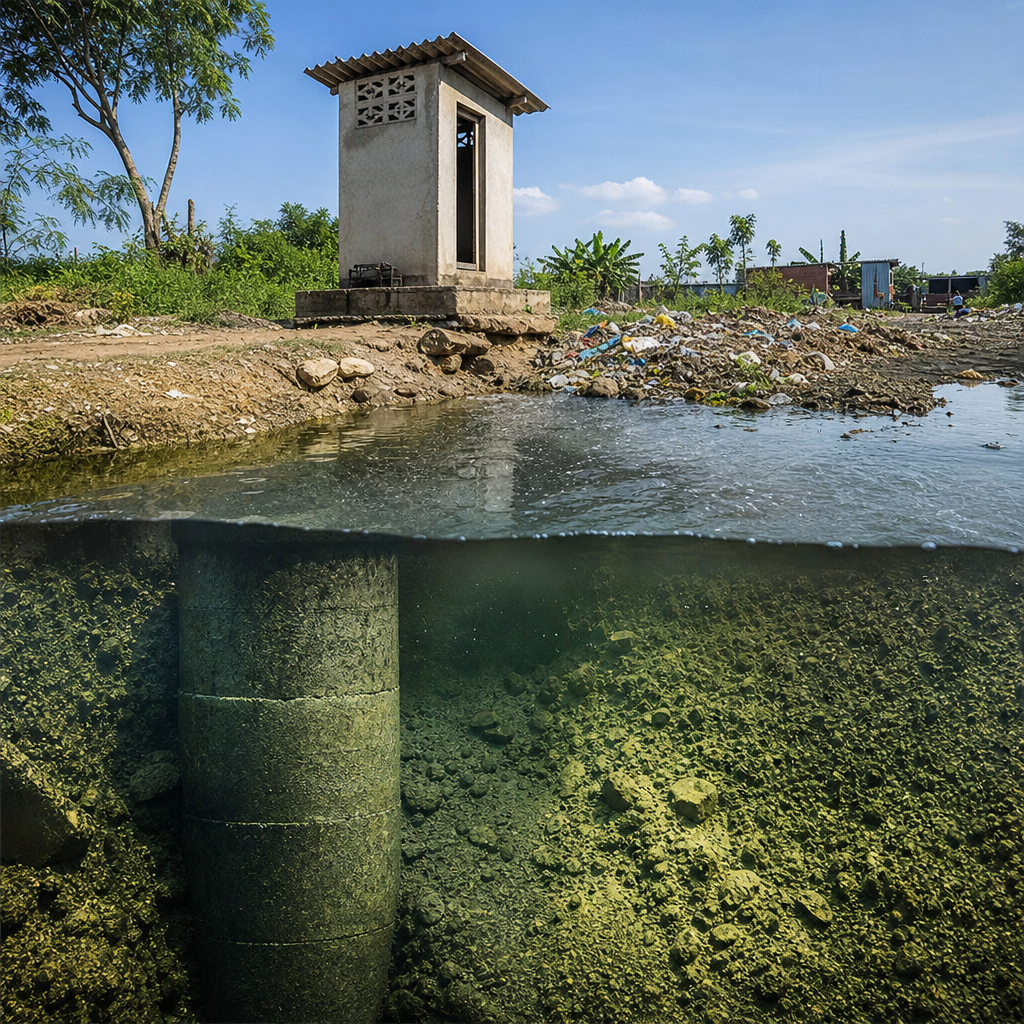
Sanitation systems shape groundwater quality more directly than most people realize, because every toilet, pit, drainfield, sewer, and sludge disposal practice determines whether human waste is contained, treated, or allowed to seep into the subsurface. In environmental management, groundwater quality refers to the chemical, physical, and microbiological condition of water stored in aquifers, while sanitation covers the full chain from user interface to collection, treatment, reuse, and safe disposal. EcoSan, short for ecological sanitation, is an approach that treats human excreta as a resource stream rather than a waste stream, with design choices intended to protect water, recover nutrients, and reduce pollution. I have worked on sanitation content and project reviews where the same pattern appears repeatedly: where containment fails, wells become vulnerable; where systems separate, stabilize, and reuse nutrients properly, aquifers are far better protected. This matters because nearly half of the global population relies on groundwater for drinking water, according to UN-Water and UNESCO, and contamination can persist for years once pathogens or nitrates migrate through soil into an aquifer. As a hub topic within environmental impact, EcoSan and the environment connects water safety, soil health, nutrient cycling, public health, climate resilience, and land management. Understanding that connection helps households, utilities, planners, and policymakers choose sanitation systems that protect both people and ecosystems.
How sanitation contaminates groundwater
Groundwater contamination from sanitation usually follows four pathways: leakage from on-site containment, infiltration from soak pits and drainfields, seepage from poorly maintained sewers, and unsafe disposal of fecal sludge. The most immediate pollutants are pathogens such as Escherichia coli, rotavirus, Giardia, and helminth eggs, which enter water when fecal matter is insufficiently isolated from the saturated zone. Chemical pollutants also matter. Nitrate is a common groundwater contaminant linked to latrines, septic systems, and agricultural reuse done without nutrient planning; high nitrate in drinking water is associated with methemoglobinemia in infants and signals broader sanitation failure. Chloride, ammonia, phosphate, pharmaceuticals, and endocrine-disrupting compounds can also move through the subsurface, depending on soil type, depth to groundwater, rainfall, and wastewater load. In sandy or fractured geology, pollutants travel faster because filtration and die-off are weaker than in fine, unsaturated soils. I have seen sanitation risk assessments where a pit latrine only twenty meters from a shallow hand-dug well created measurable microbial risk after heavy rains, even though local practice treated that distance as acceptable. The lesson is simple: setback distance alone does not guarantee safety; hydrogeology controls the real hazard.
Why conventional sanitation often struggles
Conventional sanitation can protect groundwater when properly engineered, but many systems underperform because operation and maintenance are inconsistent. Pit latrines are widespread because they are cheap and simple, yet unlined pits in areas with high water tables, flooding, or porous soils can allow direct pathogen migration. Septic systems perform better when tanks are watertight and drainfields are sized to soil conditions, but failing baffles, infrequent desludging, and hydraulic overload are common problems. Centralized sewers reduce household exposure, though they can still contaminate aquifers through cracked pipes, illegal cross-connections, and treatment plants that discharge inadequately treated effluent. Fecal sludge management is the hidden weak point in many cities. Even when toilets and pits capture waste, contamination returns if sludge is dumped into drains, open land, or unlined lagoons. The World Health Organization sanitation safety planning framework emphasizes this chain perspective for good reason: protecting groundwater requires control at every step, not just at the toilet. This is where EcoSan becomes especially relevant, because it is designed around containment, treatment, and beneficial reuse rather than dilution and disposal.
What EcoSan changes in the pollution equation
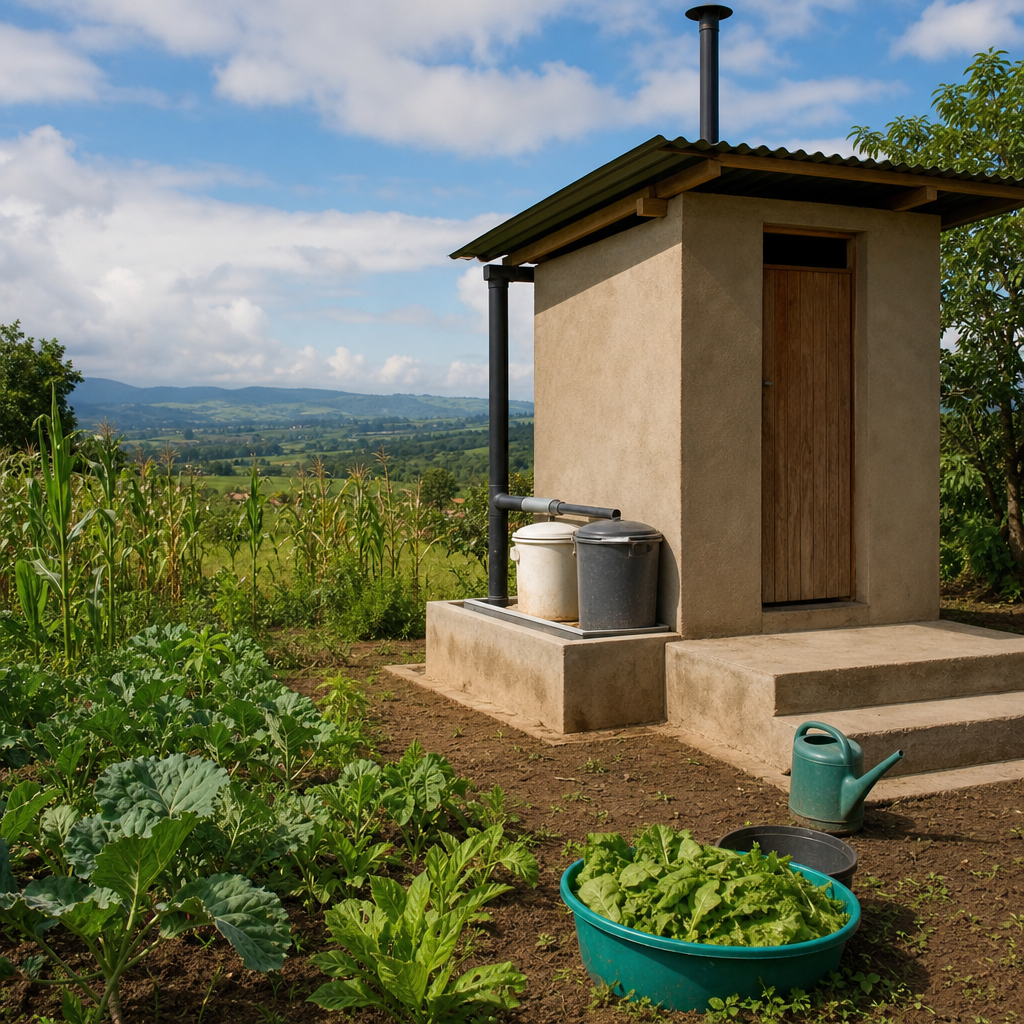
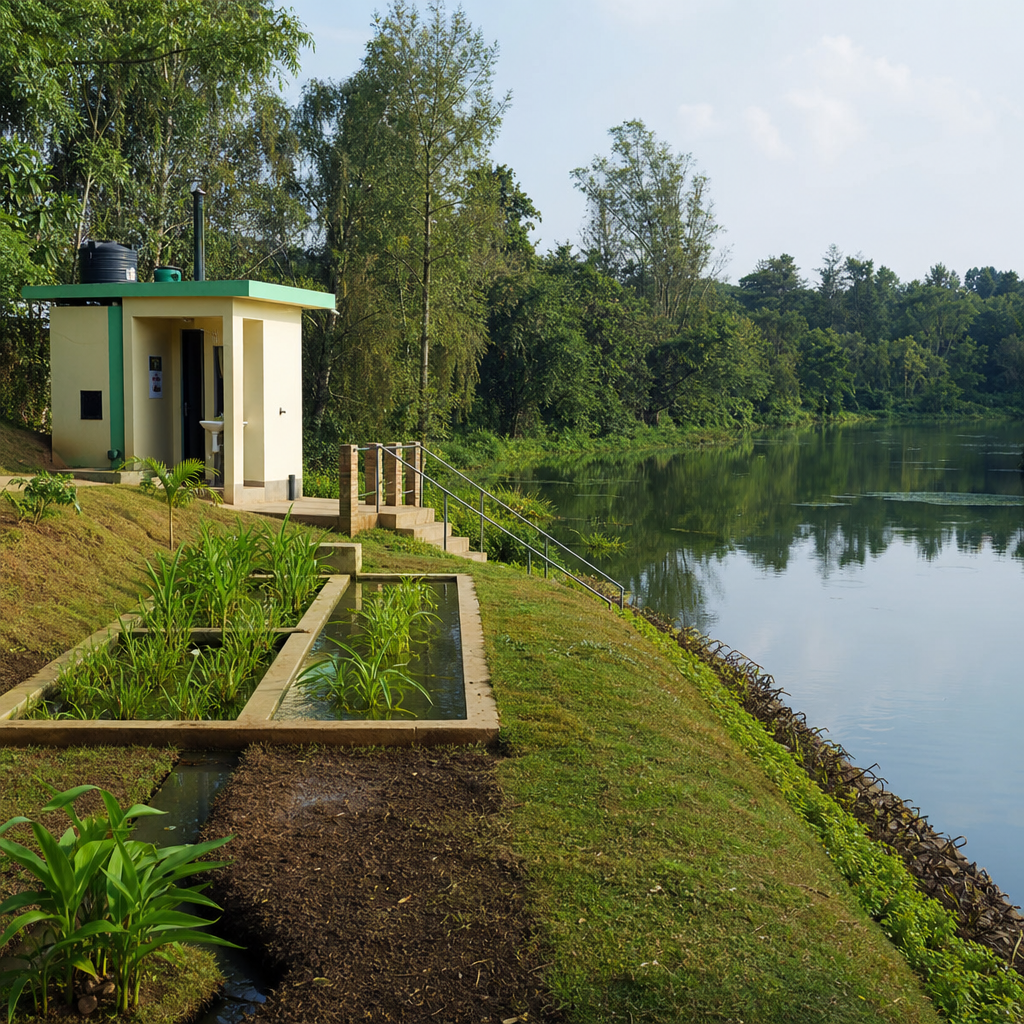
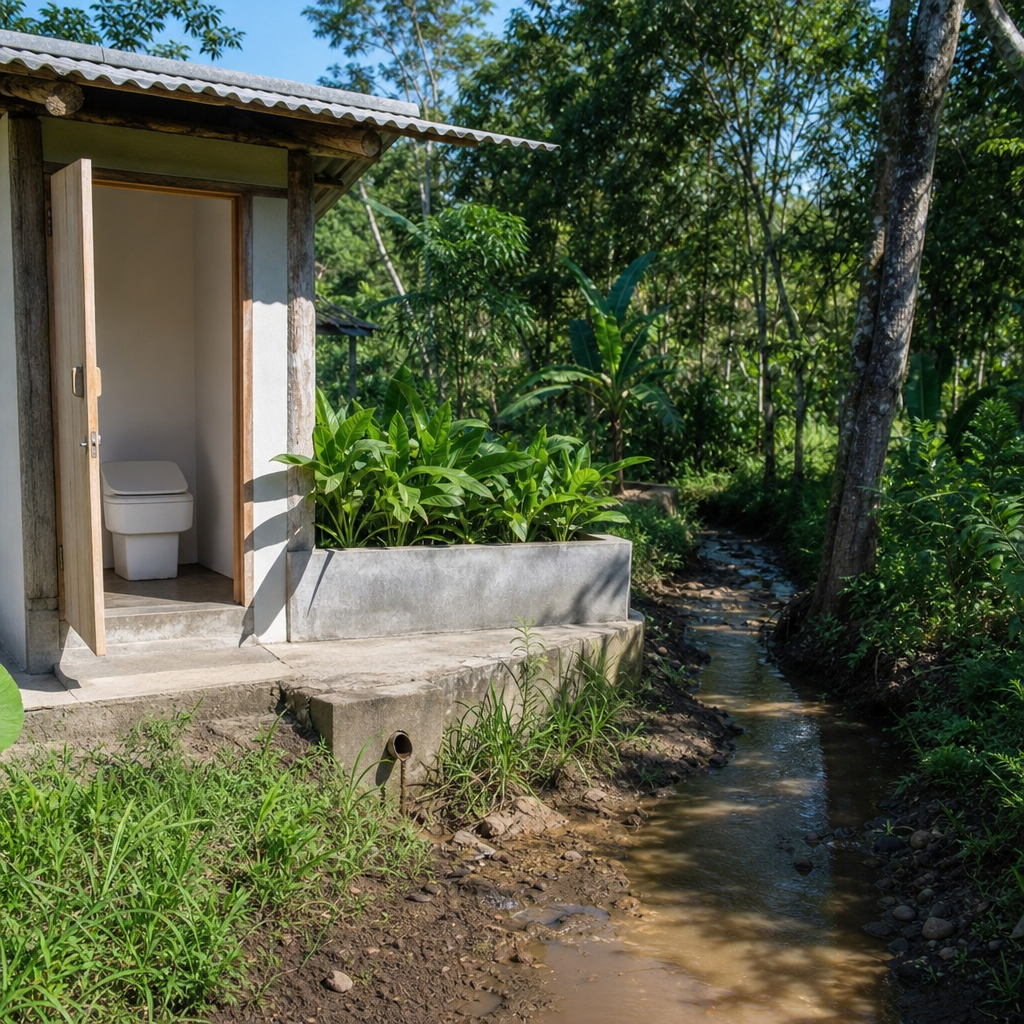
EcoSan systems reduce groundwater risk by separating waste streams, minimizing water use, and creating treatment conditions that inactivate pathogens before environmental release. The most recognizable example is the urine-diverting dry toilet, which separates urine and feces at the source. Urine contains most of the nitrogen and potassium excreted by humans, while feces carry most pathogens and much of the phosphorus. Separation matters because it enables targeted management: urine can be stored and reused as fertilizer under controlled conditions, and feces can be dehydrated, composted, or otherwise treated before soil application. Composting toilets, container-based sanitation, arborloo systems, and dehydrating vaults each use different methods, but they share the same environmental logic: stop raw excreta from leaching into soil and recover value from nutrients and organic matter. In field evaluations, the best-performing EcoSan systems are not simply alternative toilets; they are managed sanitation chains with clear user instructions, scheduled emptying, and verified treatment. When those pieces are in place, the reduction in groundwater loading can be substantial because there is less liquid effluent moving untreated into the subsurface.
EcoSan and the environment: water, nutrients, and soil
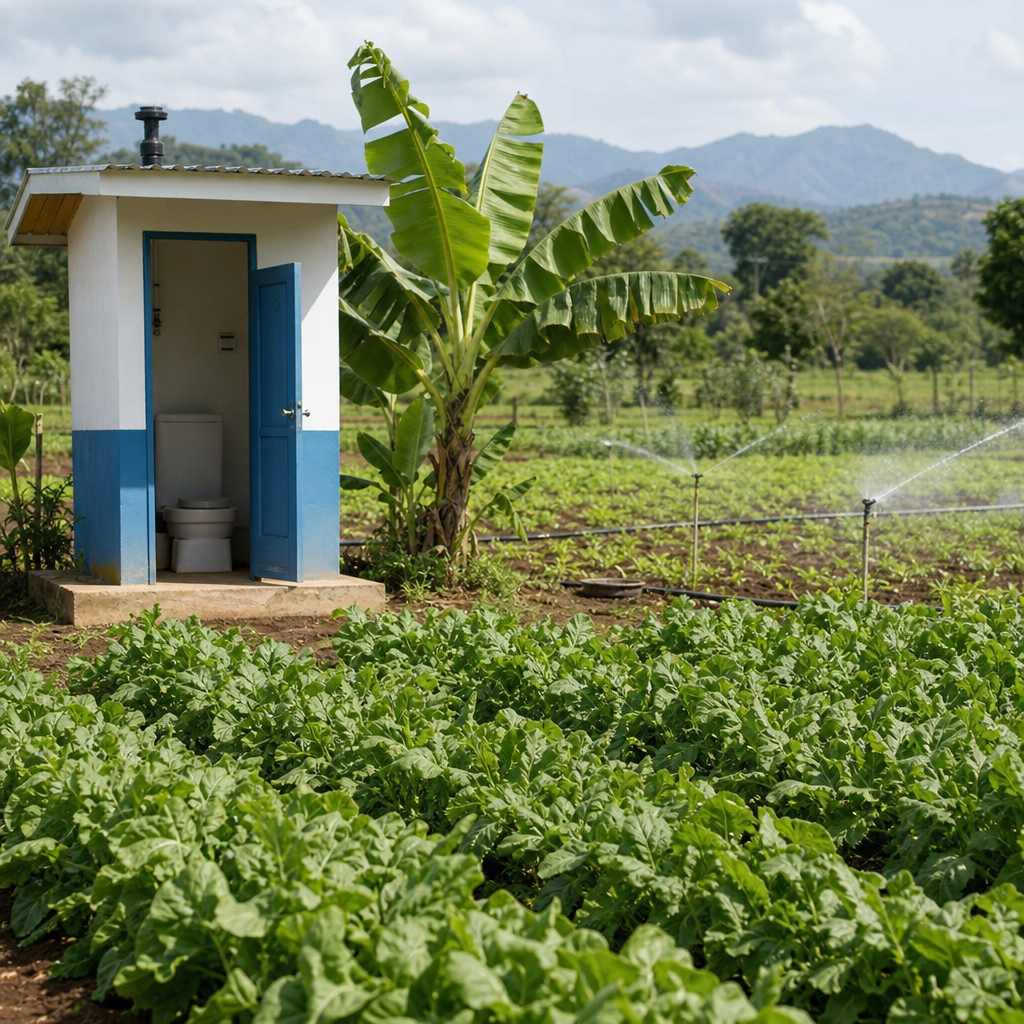
EcoSan and the environment are tightly linked because sanitation decisions influence multiple environmental systems at once. Groundwater protection is the first benefit, but not the only one. By reducing flush water demand, dry or low-water EcoSan systems preserve freshwater resources and lower wastewater volumes. By recovering nitrogen, phosphorus, potassium, and organic carbon, they support circular nutrient management and reduce dependence on synthetic fertilizers, whose production is energy intensive and whose misuse can pollute waterways. Treated compost or sanitized urine can improve soil structure, water retention, and crop productivity when applied correctly. That creates a practical environmental advantage in drought-prone regions where depleted soils and water scarcity reinforce each other. At the same time, the environmental case for EcoSan depends on treatment quality and user behavior. If urine is overapplied, nitrate can still leach. If composting temperatures are not reached or storage periods are too short, pathogens can survive. The environmental benefit is real, but it is earned through design discipline, not assumed automatically.
Comparing sanitation options for groundwater protection
The best sanitation choice depends on hydrogeology, density, climate, service capacity, and reuse goals. No system is universally superior, but some options are clearly safer for groundwater in specific contexts.
| System | Groundwater risk | Best use case | Main limitation |
|---|---|---|---|
| Pit latrine | High in shallow groundwater, flood-prone, or sandy areas | Low-cost rural settings with deep unsaturated soils | Pathogen and nitrate leaching; difficult sludge management |
| Septic tank with drainfield | Moderate when designed and maintained correctly | Peri-urban and rural homes with suitable soils | Needs desludging, soil testing, and space |
| Urine-diverting dry toilet | Low because little or no liquid effluent enters ground | Water-scarce areas and high-risk aquifer zones | Requires user training and planned reuse or removal |
| Composting toilet | Low to moderate depending on process control | Eco-focused households, institutions, remote sites | Treatment performance varies with moisture and temperature |
| Container-based sanitation | Low if collection is reliable and waste is treated off-site | Dense settlements where pits and sewers fail | Depends on strong service logistics |
| Conventional sewer | Low at plot level, variable at system level | Dense urban areas with treatment plants | High capital cost and leakage risk if neglected |
In practice, I recommend starting with vulnerability mapping. If the site has a shallow water table, karst geology, seasonal flooding, or many nearby drinking water wells, systems that keep excreta above ground and out of percolating wastewater are usually the most protective. That is why EcoSan frequently performs well in environmental impact assessments for sensitive aquifers.
Key design and management factors that determine outcomes
Groundwater protection depends less on marketing labels than on engineering details. The first factor is vertical separation from groundwater; unsaturated soil provides filtration and pathogen die-off, but only if enough depth exists year-round. The second is hydraulic loading. Systems that discharge large volumes of water into limited soil areas are more likely to fail, especially during storms. The third is containment integrity. Cracks, poor seals, and damaged slabs create direct infiltration routes. The fourth is treatment verification. For reuse systems, storage time, pH, moisture content, temperature, and helminth reduction targets matter. WHO reuse guidance and ISO standards for non-sewered sanitation systems are useful references because they define performance expectations rather than design slogans. The fifth factor is service management. A well-designed system still fails if vaults are emptied unsafely, if urine tanks overflow, or if compost is handled before sanitation is complete. Household acceptance is equally important. In projects I have reviewed, systems with excellent technical specs still underperformed because users were not trained on ash addition, urine diversion, or vault switching. Good environmental performance is therefore social as well as technical.
Real-world applications and common misconceptions
EcoSan has been applied in rural schools, informal settlements, ecotourism sites, water-scarce households, and peri-urban farms. In places with frequent drought, urine-diverting dry toilets reduce dependence on flush water while protecting shallow wells. In dense settlements where pit emptying is dangerous or impossible, container-based sanitation paired with off-site treatment can sharply reduce local groundwater contamination. Agricultural reuse projects have shown that sanitized urine can replace a portion of mineral nitrogen fertilizer for crops such as maize, with response depending on timing, dilution, and soil conditions. Yet misconceptions remain common. One is that any composting toilet is automatically safe; it is not, unless pathogen reduction is achieved and verified. Another is that soil always cleans wastewater before it reaches groundwater; in fractured rock, coarse sand, and saturated conditions, removal can be poor. A third is that groundwater contamination is only a rural issue. Urban aquifers are also vulnerable where sewer leakage, informal sanitation, and uncontrolled sludge disposal overlap. Clear communication matters here. People adopt safer systems when they understand exactly how contamination happens and what management steps prevent it.
Planning a safer sanitation strategy
For households, communities, and local governments, a safer sanitation strategy starts with three questions: where does drinking water come from, how vulnerable is the local aquifer, and who will manage the sanitation chain over time? If wells are shallow or numerous, prioritize systems that minimize infiltration, such as urine-diverting dry toilets or container-based services. If septic systems are used, require soil evaluation, watertight tanks, and desludging schedules. If reuse is planned, define storage periods, application rates, and crop restrictions before installation, not after. Local authorities should map wellheads, flood zones, and high water table areas, then align sanitation permits with those constraints. Monitoring should include microbial indicators such as E. coli, basic chemistry including nitrate and ammonium, and service indicators such as emptying frequency. This hub topic, EcoSan and the environment, ultimately points to one practical conclusion: sanitation is a groundwater management decision. Choose systems based on hydrogeology, maintenance capacity, and safe reuse pathways, then manage them consistently. When sanitation is designed as an environmental protection system instead of a disposal shortcut, aquifers stay cleaner, communities stay healthier, and scarce nutrients are put back to work. Review your current sanitation setup, identify the groundwater risks in your location, and use that assessment to plan the next upgrade wisely.
Frequently Asked Questions
How do sanitation systems affect groundwater quality?
Sanitation systems influence groundwater quality by controlling whether human waste is safely contained, treated, and removed from the environment or allowed to infiltrate the soil and subsurface. Every part of the sanitation chain matters, including toilets, septic tanks, pit latrines, sewer lines, drainfields, fecal sludge handling, wastewater treatment, and final disposal or reuse. When these systems are properly designed, sited, operated, and maintained, they reduce the movement of pathogens, nutrients, and chemicals into aquifers. When they fail, leak, overflow, or are poorly located, they can become direct pathways for contamination.
The most common groundwater pollutants linked to inadequate sanitation include bacteria, viruses, protozoa, helminths, nitrate, ammonia, chloride, organic matter, detergents, pharmaceuticals, and sometimes heavy metals or industrial contaminants when wastewater streams are mixed. Microbiological contamination is especially serious because disease-causing organisms can move through porous soils and fractured rock, reaching shallow wells and springs used for drinking water. In parallel, nitrate from human waste can persist in groundwater for long periods and is often used as a warning sign of wastewater infiltration.
The degree of impact depends on local hydrogeology. Soil type, depth to groundwater, rainfall, aquifer material, slope, fracture networks, and groundwater flow direction all shape how quickly contaminants travel and how much natural attenuation occurs. Sandy soils, shallow water tables, karst limestone, and densely populated settlements with many onsite systems are especially vulnerable. In short, sanitation is not just a public health service above ground; it is a major determinant of what happens below ground as well.
Which sanitation practices pose the greatest risk to groundwater contamination?
The highest-risk sanitation practices are those that allow untreated or partially treated waste to enter the ground with little separation from the water table. Unlined pit latrines, poorly maintained septic systems, damaged sewers, overloaded soak pits, and uncontrolled wastewater discharge are all common sources of groundwater pollution. Risk increases sharply when these systems are installed too close to wells, in flood-prone areas, or in places with permeable soils and shallow groundwater.
Unlined pits and basic latrines can be a major concern in high-density communities because waste accumulates in one location and leachate can migrate downward over time. Septic systems are not automatically safe either. A well-functioning septic tank and drainfield can provide meaningful pretreatment, but failing tanks, clogged drainfields, and undersized systems can release high-strength effluent into the subsurface. Sewer networks also create risks when they are old, cracked, poorly sealed, or subject to infiltration and exfiltration. In many cities, leaking sewers silently contaminate surrounding soils and groundwater for years.
Another major but often overlooked risk is unsafe fecal sludge management. Even if waste is captured at the household level, groundwater can still be contaminated if sludge is dumped into open land, drainage channels, borrow pits, or unprotected disposal areas. The same is true for untreated wastewater irrigation or disposal in infiltration ponds without proper design. The key point is that groundwater protection depends on the entire sanitation chain, not just the toilet itself. Any weak link in containment, transport, treatment, or disposal can create contamination pathways.
What contaminants from poor sanitation are most commonly found in groundwater?
Groundwater affected by poor sanitation commonly contains a mix of microbiological and chemical contaminants. On the microbiological side, the main concerns are fecal coliforms, Escherichia coli, enterococci, viruses, protozoa such as Giardia and Cryptosporidium, and parasitic organisms where conditions allow survival and transport. Their presence indicates that fecal material has entered the groundwater system and that the water may be unsafe for drinking without treatment.
Chemically, nitrate is one of the most widely monitored indicators because it is soluble, mobile in groundwater, and closely associated with wastewater infiltration from sanitation sources. Elevated nitrate can be especially dangerous for infants due to the risk of methemoglobinemia, and persistent high levels may also indicate broader wastewater influence. Ammonia, chloride, dissolved organic carbon, phosphorus under some conditions, detergents, household chemicals, and residues from pharmaceuticals and personal care products can also be present. In mixed urban wastewater, additional pollutants may include solvents, hydrocarbons, and trace metals.
Not all contaminants behave the same way underground. Some pathogens die off relatively quickly, while others survive longer in cool, moist conditions. Some chemicals are filtered or transformed by soils, while others travel long distances with groundwater flow. This is why water quality testing should not rely on a single parameter. A robust assessment often includes microbial indicators, nitrate, conductivity, chloride, pH, and site-specific compounds of concern, alongside sanitary inspections of nearby sanitation infrastructure.
How can communities and planners reduce the impact of sanitation on groundwater?
Protecting groundwater starts with choosing sanitation systems that match local environmental conditions instead of applying one standard solution everywhere. The first step is proper siting. Toilets, pits, septic tanks, drainfields, and sludge storage areas should be located at safe distances from wells, springs, and recharge zones, with consideration for groundwater flow direction and seasonal water table fluctuations. Areas with karst geology, fractured bedrock, coarse sands, or frequent flooding require extra caution because contaminants can move rapidly with limited natural treatment.
Good design and maintenance are equally important. Septic systems should be sized for actual wastewater loads, desludged regularly, and inspected so tanks and drainfields continue to function. Pit latrines may need lining or alternative containment approaches depending on soil and groundwater conditions. Sewer systems should be monitored for leakage, and treatment facilities must be operated consistently rather than only during inspection periods. For dense settlements where onsite systems are likely to overload the subsurface, decentralized treatment units or conventional sewerage with reliable treatment may offer better groundwater protection.
Communities also need safe fecal sludge management beyond the household level. Scheduled emptying, sealed transport, regulated discharge points, and effective treatment are essential. On top of infrastructure, monitoring matters. Regular groundwater testing, wellhead protection, sanitary surveys, and enforcement of setback requirements help identify risks before contamination becomes widespread. Public education also plays a role, because homeowners often do not realize that seemingly minor issues like a cracked septic tank, an overflowing pit, or direct graywater disposal can degrade local drinking water sources over time.
Why is groundwater contamination from sanitation such a serious public health and environmental issue?
Groundwater contamination from sanitation is serious because groundwater often serves as a primary source of drinking water, especially in rural areas, peri-urban settlements, and regions without extensive surface water treatment systems. When sanitation-related pollutants enter an aquifer, they can expose entire households or communities to chronic health risks without obvious warning signs. Groundwater may look clear, taste normal, and still contain pathogens or high nitrate levels that make it unsafe.
The health consequences can be immediate or long term. Fecal pathogens in drinking water are linked to diarrheal disease, cholera, typhoid, hepatitis, and other infections that disproportionately affect children, older adults, and people with weakened immune systems. Chemical contamination such as nitrate poses additional risks, particularly for infants. Beyond direct human health impacts, degraded groundwater can affect springs, baseflow to rivers, wetland ecosystems, agricultural water use, and overall environmental resilience.
What makes the issue especially challenging is that groundwater contamination is often difficult and expensive to reverse. Aquifers do not flush out quickly, and pollution can persist for years or even decades depending on local hydrogeology. That means prevention is far more effective than cleanup. Strong sanitation planning, source protection, treatment, monitoring, and long-term management are not just engineering preferences; they are core public health safeguards and essential components of sustainable water resource protection.