Conserving natural resources through improved sanitation starts with recognizing that toilets, sewers, drains, and treatment systems are not just public health infrastructure; they are also part of the water, energy, and nutrient economy. When sanitation fails, communities lose clean water, soils degrade, fisheries suffer, and cities spend more on pumping, treatment, and emergency response. When sanitation is designed well, especially through ecological sanitation approaches, human waste stops being a pollution problem and becomes a recoverable resource. In practice, EcoSan and the environment are inseparable because sanitation choices determine whether nutrients are wasted, freshwater is overused, and ecosystems are contaminated. I have worked with sanitation planning teams that treated toilets as isolated assets, and those projects nearly always underperformed. The better results came when sanitation was planned as a resource loop. That means protecting aquifers, reducing demand for potable water in flushing, recovering nitrogen and phosphorus, and preventing pathogens from reaching rivers and coastal zones. This article explains how improved sanitation conserves natural resources, why ecological sanitation matters within the broader environmental impact conversation, and which technologies, management practices, and policy decisions deliver measurable gains for water security, soil fertility, energy efficiency, and climate resilience.
Why sanitation is a natural resource issue
Sanitation affects natural resources because every stage of the chain uses or protects water, land, energy, and materials. Conventional sewered systems can require significant volumes of clean drinking water just to transport excreta. In many cities, a single flush uses several liters, and older fixtures can use much more. That is a poor exchange in water-stressed regions where treated potable water is expensive to produce and vulnerable to drought. At the other end of the chain, untreated wastewater can pollute rivers, wetlands, groundwater, and coastal habitats, forcing ecosystems and utilities to absorb the cost.
The core environmental question is simple: does a sanitation system move waste away, or does it safely transform it? Ecological sanitation focuses on separation, containment, treatment, and reuse. Instead of diluting nutrients into large wastewater streams, EcoSan systems often keep urine, feces, and greywater in forms that are easier to manage. Urine-diverting dry toilets, composting toilets, decentralized treatment units, and fecal sludge treatment with reuse pathways all aim to close loops. That matters because human excreta contains nutrients that agriculture needs. Phosphorus is especially important because it is mined from finite phosphate rock reserves, while nitrogen fertilizer production relies heavily on energy-intensive industrial processes.
Improved sanitation also reduces pressure on land and biodiversity. Open defecation and uncontrolled dumping create direct contamination hotspots, while failing pits and leaking sewers can spread pathogens over larger areas. Once contamination enters shallow aquifers or irrigation channels, the damage moves beyond the sanitation sector. Cleaner sanitation therefore supports watershed protection, safer food systems, and lower environmental remediation costs.
How EcoSan conserves water, nutrients, and energy
EcoSan conserves water first by reducing or eliminating the need for flushing with potable water. Dry and low-water systems are particularly valuable in arid regions, informal settlements without reliable networks, schools, parks, and peri-urban areas where extending sewers is costly. Even in water-rich locations, reducing flush demand lowers abstraction, treatment energy, and distribution losses. In buildings, source-separating systems can also simplify greywater reuse for landscape irrigation when local regulations allow.
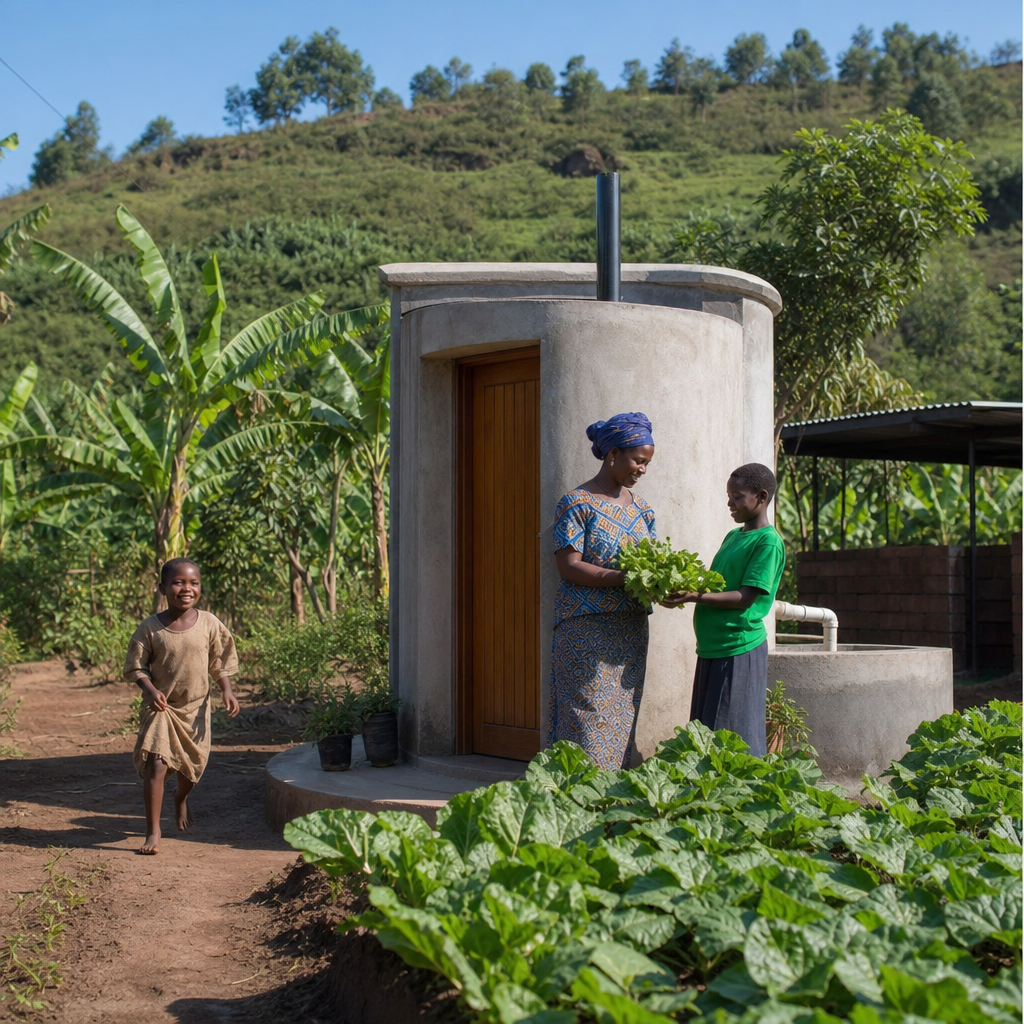
Nutrient recovery is the defining environmental advantage. Urine contains most of the nitrogen and a substantial share of the phosphorus and potassium excreted by humans. When captured separately and sanitized or stored correctly, it can be used as fertilizer. Fecal matter, after adequate composting or other treatment, can contribute organic matter that improves soil structure and moisture retention. Those benefits matter in degraded agricultural soils that have lost carbon and micronutrient balance. I have seen farmers accept reuse more readily when projects start with demonstration plots that compare crop vigor, soil tilth, and irrigation response using treated sanitation-derived inputs against conventional practice.
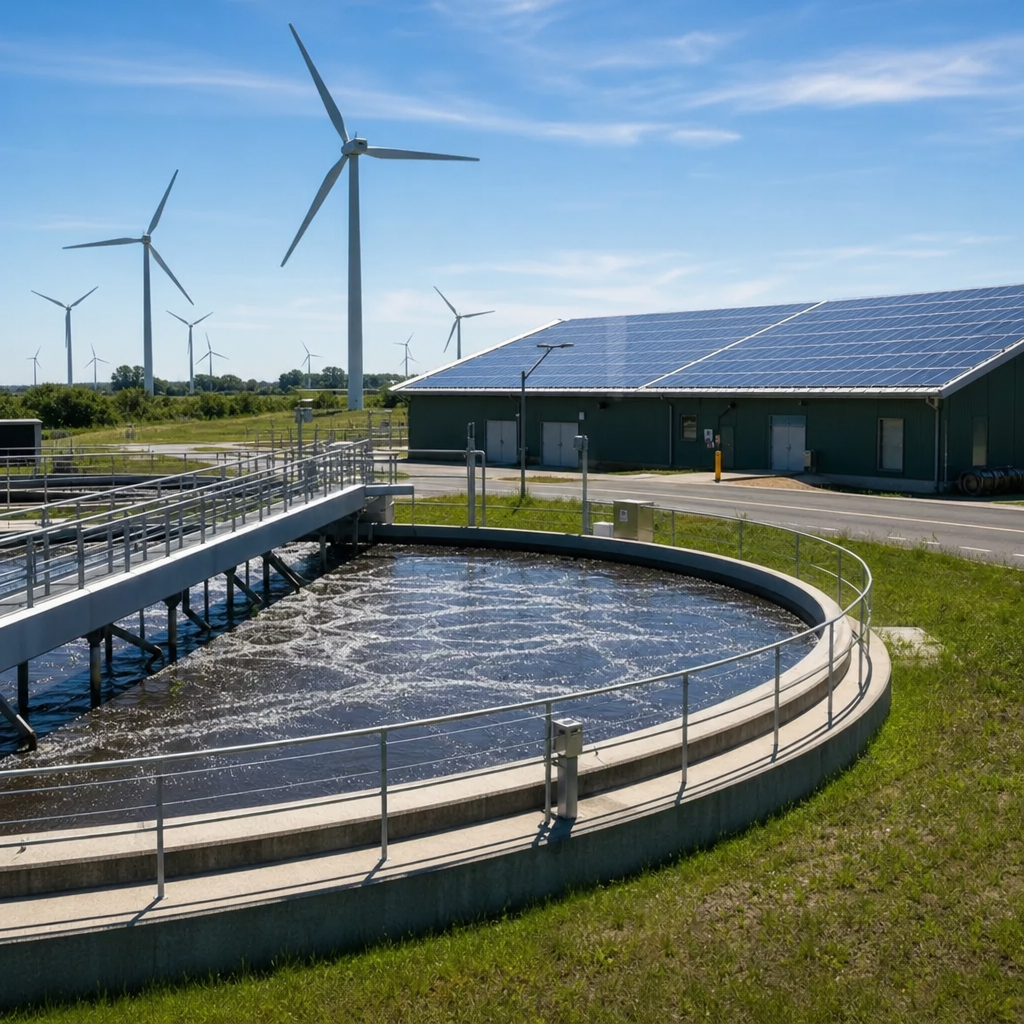
Energy conservation comes from several directions. Decentralized sanitation can reduce long pumping distances and the embedded energy of large centralized networks. Some treatment pathways, including anaerobic digestion of sludge, can generate biogas for heat or electricity. Better dewatering, drying beds, and co-composting with organic waste can cut hauling volumes and disposal costs. Resource-oriented sanitation does not always use less energy in every context, but it usually makes energy use more transparent and purposeful because treatment outputs have defined reuse value.
Key sanitation approaches and environmental outcomes
Different sanitation models conserve different resources, and no single option fits every site. The best choice depends on population density, groundwater depth, user preferences, climate, institutional capacity, and end-use markets for recovered products. A flood-prone settlement with a high water table needs a different design than a dry rural district with agricultural land nearby. What matters is aligning technology with the local resource challenge and management reality.
| Approach | Main resource benefit | Environmental risk if poorly managed | Typical good-fit context |
|---|---|---|---|
| Urine-diverting dry toilets | Strong water savings and nutrient recovery | Odor, user misuse, poor storage of urine | Water-scarce areas, schools, peri-urban settlements |
| Composting toilets | Organic matter recovery and low water use | Incomplete composting, vector attraction | Rural homes, eco-lodges, low-density sites |
| Septic systems with safe desludging | Lower infrastructure footprint than sewers | Groundwater contamination, illegal dumping | Suburban and peri-urban areas |
| Decentralized wastewater treatment | Water reuse and lower conveyance energy | Poor operation, inconsistent effluent quality | Campuses, housing estates, small towns |
| Fecal sludge treatment with reuse | Nutrient recovery, compost, possible fuel products | Unsafe handling and market failure for outputs | Cities reliant on pits and septic tanks |
The environmental performance of these systems depends less on brochures and more on the entire service chain. Collection, storage time, transport logistics, treatment verification, and end-user acceptance determine whether a resource is actually conserved. A urine-diverting toilet without a reliable reuse program can become a maintenance burden. A sewered network discharging to effective treatment with biosolids reuse may outperform a poorly run dry system. Environmental sanitation planning must compare real operating conditions, not idealized diagrams.
Pollution prevention, ecosystem protection, and climate resilience
Improved sanitation protects ecosystems by interrupting pollutant pathways before they reach sensitive environments. Excess nitrogen and phosphorus in waterways can trigger eutrophication, algal blooms, fish kills, and oxygen depletion. Pathogens from untreated waste contaminate bathing waters, shellfish grounds, and irrigation canals. In areas dependent on shallow groundwater, poorly lined pits and broken sewers can compromise drinking water supplies for years. Prevention is far cheaper than restoration, especially where tourism, fisheries, or urban water treatment depend on clean receiving waters.
Nature-based and decentralized systems can strengthen climate resilience when designed carefully. Constructed wetlands, planted drying beds, and decentralized treatment with reuse can buffer flows and reduce pressure on overloaded sewers during storms. Source-separating systems reduce hydraulic loads, which is useful where intense rainfall increasingly causes combined sewer overflows. In drought conditions, water-efficient toilets and reclaimed water reuse help communities stretch limited supplies. Climate adaptation in sanitation is therefore not only about stronger infrastructure; it is also about reducing dependence on vulnerable freshwater and energy inputs.
There are climate mitigation links as well. Wastewater and sludge management can emit methane and nitrous oxide if unmanaged. Improved containment, regular desludging, optimized biological treatment, and biogas recovery can reduce emissions. The gains vary by technology and local operation, so claims should be measured, not assumed. Still, sanitation that prevents uncontrolled decomposition and displaces synthetic fertilizer use can deliver meaningful environmental benefits beyond disease control.
Implementation challenges, safeguards, and what successful programs do differently
The biggest barrier to EcoSan and the environment agenda is not technology; it is service management. Many projects fail because they focus on toilet construction while neglecting user training, maintenance finance, treatment quality control, and product marketing. Households may not consistently separate urine, operators may not monitor moisture and temperature in composting systems, and municipalities may lack legal standards for reuse. Without those enabling conditions, environmental promises remain theoretical.
Successful programs start by mapping the full sanitation value chain and assigning responsibility for every step. They use standards from organizations such as the World Health Organization for safe wastewater and excreta reuse, and they align designs with national building and environmental regulations. They test soils, groundwater vulnerability, and flood exposure before selecting technologies. They also build markets: farmers need confidence in product safety, nutrient content, timing of availability, and price compared with mineral fertilizer. Certification, labeling, and demonstration farms help bridge that gap.
Monitoring is another differentiator. Good programs track water savings, desludging frequency, pathogen reduction targets, nutrient recovery volumes, and user satisfaction. In urban settings, GIS-based service mapping and scheduled desludging systems improve containment performance. In institutional facilities such as schools and clinics, maintenance contracts and spare-part supply chains prevent early breakdown. The most credible environmental sanitation strategies are the ones that budget for operations over years, not ribbon-cutting ceremonies over days.
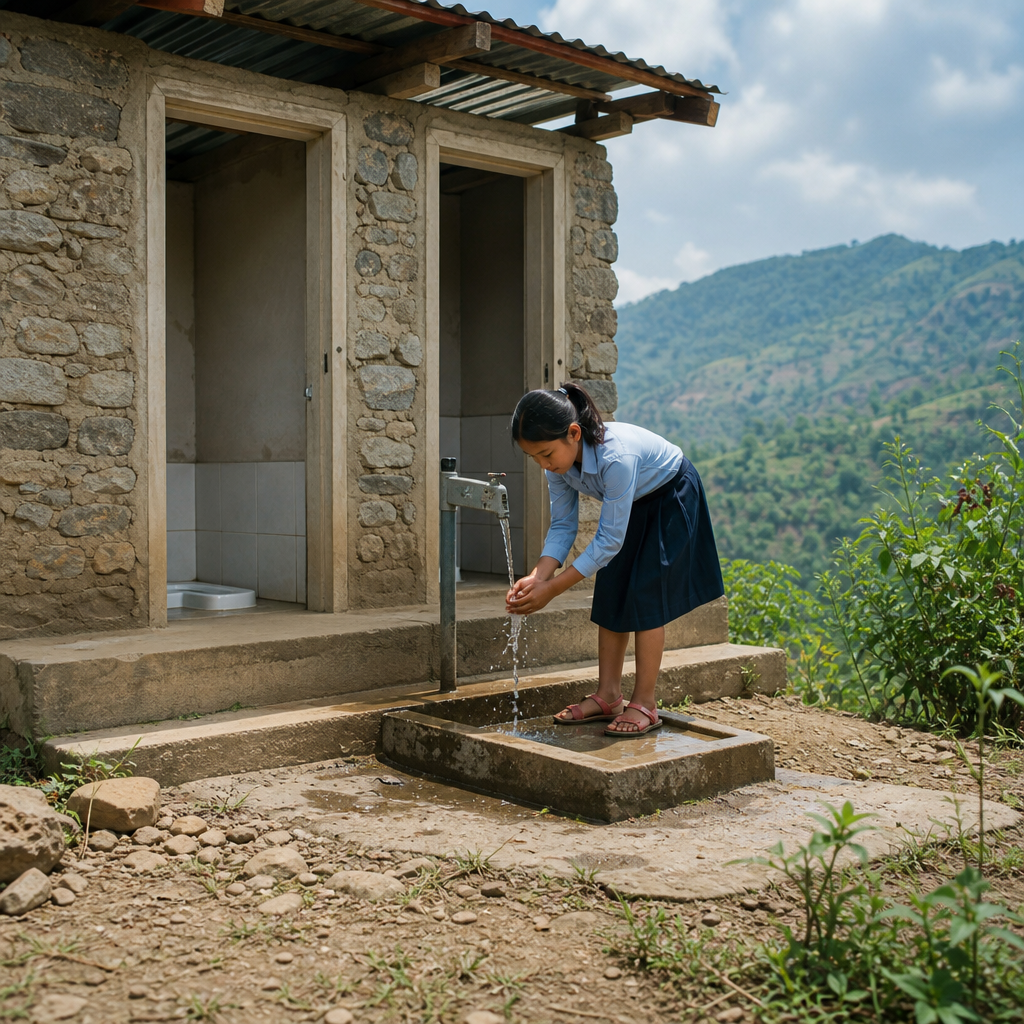
Equity must also be part of the design. Systems that are environmentally efficient but inconvenient, unsafe for women and girls, inaccessible for disabled users, or too complex for tenants will not sustain adoption. The best sanitation conserves natural resources while remaining easy to use, dignified, and affordable. That is why community engagement, interface design, and practical maintenance planning are environmental issues, not side topics.
Conserving natural resources through improved sanitation is one of the clearest examples of environmental protection and public health working toward the same goal. EcoSan and the environment belong together because sanitation determines whether freshwater is wasted, whether nutrients are lost, and whether rivers, soils, and aquifers stay productive. The strongest systems do four things well: they minimize unnecessary water use, prevent pollution at the source, recover value from waste streams, and manage the full service chain reliably. They also acknowledge tradeoffs. Not every site should use the same technology, and reuse only works when treatment, monitoring, and user acceptance are in place.
For policymakers, the practical lesson is to treat sanitation as resource infrastructure, not just waste disposal. For utilities and municipalities, it means comparing options based on lifecycle costs, water demand, treatment performance, and reuse potential. For developers, institutions, and communities, it means choosing systems that fit local hydrology, density, and maintenance capacity. When those decisions are made carefully, improved sanitation reduces environmental damage while strengthening water security, food production, and climate resilience.
If you are building an environmental impact strategy, start by auditing your sanitation chain from containment to reuse or discharge. Identify where water is being wasted, where nutrients are leaking, and where pollution risk is highest. Then prioritize sanitation upgrades that protect ecosystems and recover resources at the same time.
Frequently Asked Questions
1. How does improved sanitation help conserve natural resources?
Improved sanitation conserves natural resources by reducing contamination, recovering valuable materials, and lowering the amount of energy and water required to manage waste. When sanitation systems work properly, human waste is safely contained, treated, and either reused or returned to the environment in a controlled way. This protects rivers, lakes, groundwater, and coastal waters from pollution, which means communities do not have to spend as much money, energy, and effort trying to restore damaged ecosystems or treat heavily contaminated water supplies.
Sanitation also plays a direct role in resource efficiency. Wastewater contains water, nutrients such as nitrogen and phosphorus, and organic matter that can be beneficial when properly treated. Ecological sanitation and resource-recovery systems are designed to capture these assets instead of treating them as useless waste. For example, treated wastewater can be reused for irrigation, flushing, landscaping, or industrial purposes, reducing pressure on freshwater sources. Likewise, nutrients recovered from sanitation systems can support agriculture and reduce dependence on synthetic fertilizers, which require significant natural resources and energy to produce.
There is also an important energy dimension. Poorly planned sanitation often leads to repeated pumping, emergency repairs, environmental cleanup, and more advanced drinking-water treatment downstream. Efficient systems reduce those burdens. In some cases, treatment plants can even generate renewable energy through biogas production. In short, improved sanitation supports conservation by protecting water bodies, reducing waste, recovering nutrients, improving soil health, and helping communities use water and energy more intelligently.
2. Why is sanitation considered part of the water, energy, and nutrient economy?
Sanitation is part of the water, energy, and nutrient economy because it sits at the center of how societies manage essential natural resources. Every sanitation system uses, moves, treats, or affects water. Toilets often rely on freshwater for flushing, sewer systems transport wastewater over long distances, and treatment facilities require energy to process it. At the same time, wastewater carries nutrients and organic matter that can either become pollutants or be recovered for productive use. This means sanitation is not an isolated public service; it is closely linked to resource flows throughout homes, farms, cities, and ecosystems.
From a water perspective, sanitation determines whether water is protected, wasted, or reused. If sewage leaks into the environment, it contaminates rivers, aquifers, wetlands, and coastal areas, reducing the supply of clean water available for drinking, agriculture, and industry. If wastewater is effectively treated and reused, however, it becomes an alternative water source that can reduce demand on reservoirs, groundwater, and freshwater ecosystems.
From an energy perspective, sanitation systems can be either resource-intensive or resource-smart. Conventional systems may consume large amounts of power for pumping, aeration, and transport, especially in sprawling urban areas. Better system design, decentralized treatment, low-water toilets, and energy recovery technologies can significantly reduce this demand. Some treatment systems convert sludge into biogas, which can be used for heat or electricity, turning a disposal challenge into an energy opportunity.
Nutrients are another major factor. Human waste contains nitrogen, phosphorus, potassium, and organic carbon, all of which are important for soil fertility and plant growth. When those nutrients are discharged untreated, they can trigger algal blooms, fish kills, and ecosystem decline. When they are safely recovered and reused, they support circular resource management. That is why sanitation is increasingly viewed not just as waste disposal, but as a key system for managing water, energy, and nutrients in a more sustainable way.
3. What happens to natural resources when sanitation systems fail?
When sanitation systems fail, the damage goes far beyond unpleasant conditions or short-term inconvenience. Failed sanitation leads to direct losses of clean water, fertile soil, biodiversity, and public funds. Untreated sewage entering waterways pollutes surface water and can seep into groundwater, making important freshwater sources unsafe or more expensive to use. Communities may then need deeper wells, more chemical treatment, more filtration, or alternative water imports, all of which place additional pressure on natural and financial resources.
Soil is also affected. In areas where waste is improperly dumped or where drains overflow frequently, soils can become contaminated with pathogens and excess pollutants. This reduces land quality, affects local agriculture, and may limit safe food production. In coastal and fishing communities, sanitation failures can be especially destructive. Nutrient pollution can cause eutrophication, where excessive nutrients feed algal blooms that deplete oxygen in the water. This harms fisheries, weakens aquatic food chains, and damages ecosystems that communities depend on for income and nutrition.
There are major energy and infrastructure consequences as well. Broken sewers, blocked drains, and overloaded treatment plants often require emergency pumping, repairs, cleanup operations, and more intensive downstream water treatment. Flooding can spread waste into streets, homes, and waterways, compounding public health risks and environmental degradation. These failures make cities less resilient and force governments to spend more on crisis response instead of long-term conservation and system improvement.
Perhaps most importantly, failed sanitation disrupts the possibility of resource recovery. Instead of capturing water for reuse or nutrients for agriculture, valuable materials are lost into the environment in harmful ways. In effect, poor sanitation turns potentially reusable resources into pollution. That is why sanitation failure is not only a health issue, but a major driver of resource depletion and ecological stress.
4. What is ecological sanitation, and how does it support conservation?
Ecological sanitation, often called ecosan, is an approach that treats human waste as a resource that can be safely managed, treated, and reused rather than simply disposed of. The core idea is to close natural cycles. Instead of flushing nutrients and organic matter away and then trying to remove them as pollutants, ecological sanitation systems are designed to recover water, nutrients, and sometimes energy in ways that protect both human health and the environment.
This approach supports conservation in several practical ways. First, many ecological sanitation systems use little or no water, which can be especially valuable in water-scarce regions. Urine-diverting dry toilets, composting toilets, and other low-water designs reduce the demand for freshwater while still providing safe sanitation. Second, ecosan can help recover nutrients such as phosphorus and nitrogen, which are essential for agriculture. Since phosphorus is a finite resource and synthetic fertilizers require energy and mining to produce, nutrient recovery can make food systems more sustainable over time.
Ecological sanitation also helps protect soils and waterways by preventing untreated waste from entering the environment. Properly treated composted solids or separated nutrient streams can be reused in agriculture, landscaping, or soil restoration, depending on local regulations and treatment quality. This can improve soil structure, increase organic matter, and reduce the need for chemical inputs. At the same time, it lowers the risk of sewage pollution in streams, lakes, and coastal ecosystems.
Another benefit is flexibility. Ecological sanitation can work in rural villages, informal settlements, peri-urban communities, and even urban developments where centralized sewer expansion is difficult or expensive. It offers a more decentralized and often more resilient model of sanitation, particularly in places facing water scarcity, weak infrastructure, or climate-related stress. When implemented carefully, with strong maintenance, training, and public acceptance, ecological sanitation becomes a powerful conservation strategy that connects sanitation, agriculture, water protection, and circular resource use.
5. What are the most effective ways communities and cities can improve sanitation to protect resources?
The most effective way to improve sanitation for resource conservation is to view the entire sanitation chain as one connected system: capture, containment, transport, treatment, reuse, and safe disposal. Too often, investments focus only on toilets without ensuring that waste is properly managed afterward. A community protects natural resources most successfully when it builds reliable systems from the household level all the way to treatment and recovery.
At the local level, this can include installing toilets that match water availability, soil conditions, density, and maintenance capacity. In some places, sewered systems are appropriate; in others, decentralized treatment, fecal sludge management, composting toilets, or urine-diversion systems may be more practical and sustainable. What matters is not choosing one universal model, but selecting solutions that can be maintained and that prevent leakage into the environment.
Cities can also make major gains by investing in wastewater treatment upgrades, stormwater and sewer separation, leak detection, sludge treatment, and safe reuse programs. Treated wastewater can offset demand for freshwater in irrigation, parks, construction, and industry. Sludge can be processed into compost, soil amendments, or biogas where regulations and technology allow. These measures reduce pollution while turning sanitation byproducts into useful resources.
Good governance is equally important. Effective sanitation depends on regular maintenance, financing, operator training, monitoring, and public education. Communities need clear standards for treatment and reuse, along with systems to ensure that recovered resources are safe. Public understanding matters because sanitation conservation strategies work best when households, farmers, utilities, and local governments all recognize the value of protecting water and recovering nutrients.
Finally, planning for resilience is essential. Climate change, urban growth, and water scarcity are increasing pressure on sanitation systems everywhere. Communities that design for flooding, drought, population growth, and energy efficiency are better able to conserve resources over the long term. In that sense, improved sanitation is not just an infrastructure upgrade; it is a practical investment in water security, environmental protection, agricultural sustainability, and long-term community resilience.