Greywater treatment is one of the most practical ways to reduce water waste, protect ecosystems, and strengthen sanitation systems in homes, businesses, and communities. Greywater refers to relatively lightly used wastewater from showers, bathroom sinks, laundry machines, and in some systems hand basins, while excluding heavily contaminated blackwater from toilets and kitchen waste streams loaded with grease and food solids. When treated correctly, greywater becomes a valuable resource for landscape irrigation, toilet flushing, groundwater recharge, and reduced demand on freshwater supplies. This matters because sanitation is not only about safe disposal; it is also about preventing pollution, conserving water, lowering energy use, and building resilient infrastructure. In environmental protection work, I have seen greywater systems deliver measurable benefits when they are designed around source control, treatment goals, and local regulations instead of installed as afterthoughts.
As a hub within the broader environmental impact topic, this article explains how EcoSan’s role in environmental protection connects sanitation planning with water stewardship and pollution prevention. EcoSan, or ecological sanitation, treats waste and wastewater as resource streams that can be managed safely rather than simply discarded. Greywater treatment is central to that approach because greywater often represents 50 to 80 percent of residential wastewater volume, depending on fixtures, occupancy, and appliance efficiency. If that stream is diverted, filtered, and reused appropriately, households and facilities can cut potable water demand significantly while reducing discharge to overloaded sewers, septic systems, and nearby waterways. The environmental gains are immediate: less nutrient and chemical loading, lower extraction from rivers and aquifers, and a smaller operating footprint for centralized treatment plants. Understanding how greywater treatment works, where it fits, and what limits apply is essential for anyone evaluating sustainable sanitation.
What Greywater Treatment Is and Why It Supports Environmental Protection
Greywater treatment is the set of physical, biological, and sometimes chemical processes used to improve the quality of non-toilet wastewater so it can be reused safely or discharged with reduced environmental harm. At the simplest end, treatment may involve screening lint and hair, settling suspended solids, and directing water through subsurface irrigation zones. More advanced systems add sand filtration, membrane bioreactors, aerobic treatment, ultraviolet disinfection, or chlorination to meet stricter reuse targets. The required level depends on the intended end use. Water reused for ornamental drip irrigation generally needs less treatment than water reused indoors for toilet flushing, where odor control, pathogen reduction, and consistent clarity are critical.
From an environmental protection perspective, the value is straightforward. Every liter of greywater reused is a liter of freshwater not withdrawn, pumped, treated, and delivered through municipal systems. Every liter managed onsite can also reduce effluent volumes entering sewers or septic drain fields. In drought-prone regions such as California, Australia, South Africa, and parts of the Middle East, this reduction is not marginal; it can materially improve local water security. In urban areas, decentralized greywater reuse can also reduce peak flows during high-demand periods, which lowers stress on aging infrastructure. In peri-urban and rural settings, it can extend the life of septic systems by reducing hydraulic loading and limiting soil saturation.
EcoSan’s role in environmental protection is broader than water savings alone. Properly managed greywater treatment helps prevent contamination of streams, wetlands, and coastal waters by reducing discharges containing surfactants, nutrients, microfibers, and household chemicals. It also supports circular resource management, a principle that recognizes wastewater as a recoverable asset. That principle aligns with established guidance from the World Health Organization on safe wastewater reuse and with integrated water management practices used by utilities and sustainability planners worldwide.
How EcoSan Connects Greywater Reuse to Circular Sanitation Systems
Ecological sanitation is built on the idea that sanitation systems should protect health while recovering value from water, nutrients, and organic matter. In practical terms, that means separating waste streams where useful, matching treatment to risk, and reusing outputs in ways that do not create new hazards. Greywater is especially well suited to this model because it is generated daily, usually close to the point where nonpotable water demand exists, and typically contains fewer pathogens than toilet wastewater. That lower contamination profile makes treatment and reuse more feasible at household and building scale.
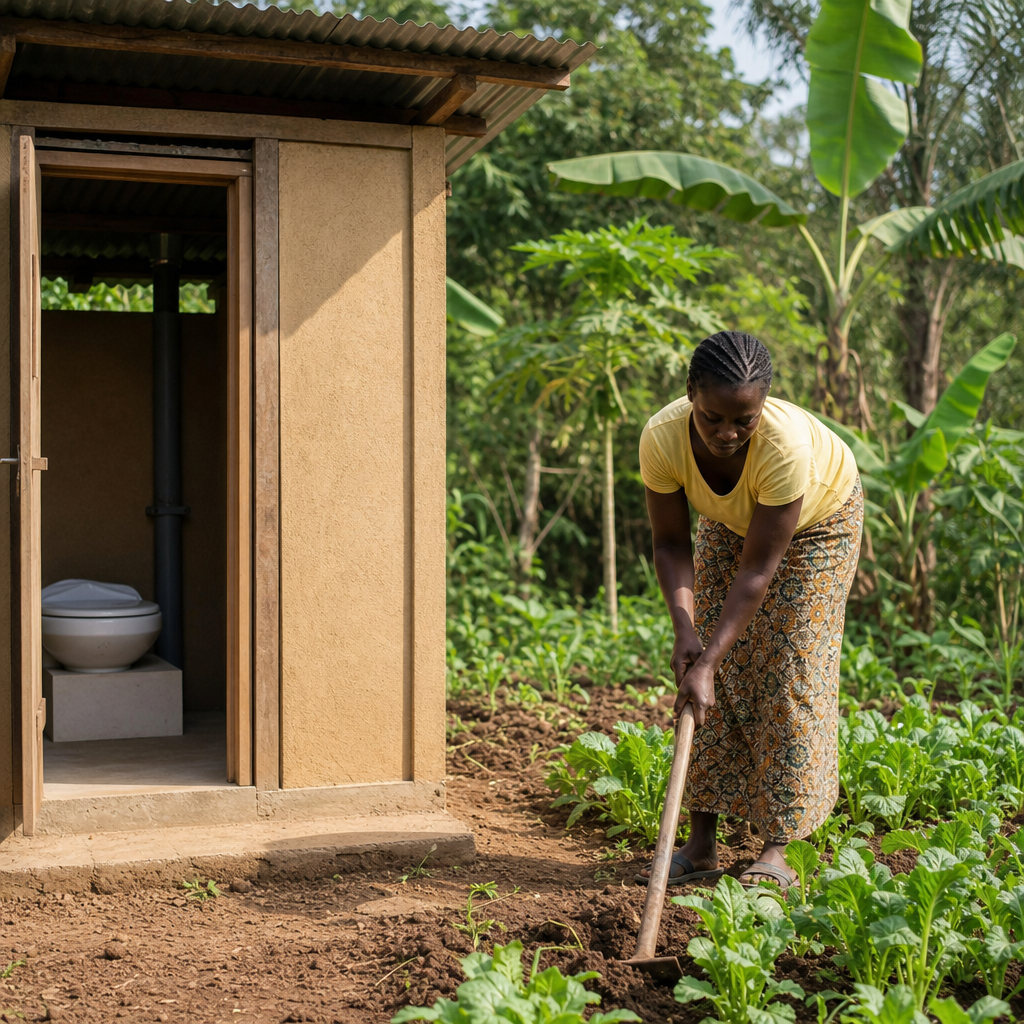
In projects I have reviewed, the strongest EcoSan outcomes come when greywater is integrated with other measures rather than treated in isolation. A building may pair low-flow fixtures with biodegradable detergents, a branched drain system, mulch basins for trees, and rainwater harvesting. A hotel may separate laundry water for treatment and reuse in cooling towers or toilet flushing while monitoring sodium adsorption ratio to protect soils. An eco-resort may combine greywater wetlands with composting toilets to minimize both freshwater use and sewage generation. These are not theoretical ideals. They are operational systems that cut costs, reduce environmental liabilities, and make sanitation more resilient during restrictions or infrastructure failures.
The environmental role of EcoSan is therefore strategic. It links sanitation design to watershed protection, climate adaptation, and resource efficiency. It also forces discipline around source control. For example, if a household uses high-boron detergents, heavily chlorinated cleaners, or sodium-rich laundry products, the greywater may damage plants or soil structure even if the plumbing layout is sound. Good ecological sanitation starts upstream with product selection, user behavior, and maintenance routines, not only with tanks and filters.
Core Treatment Methods, System Types, and When Each Fits
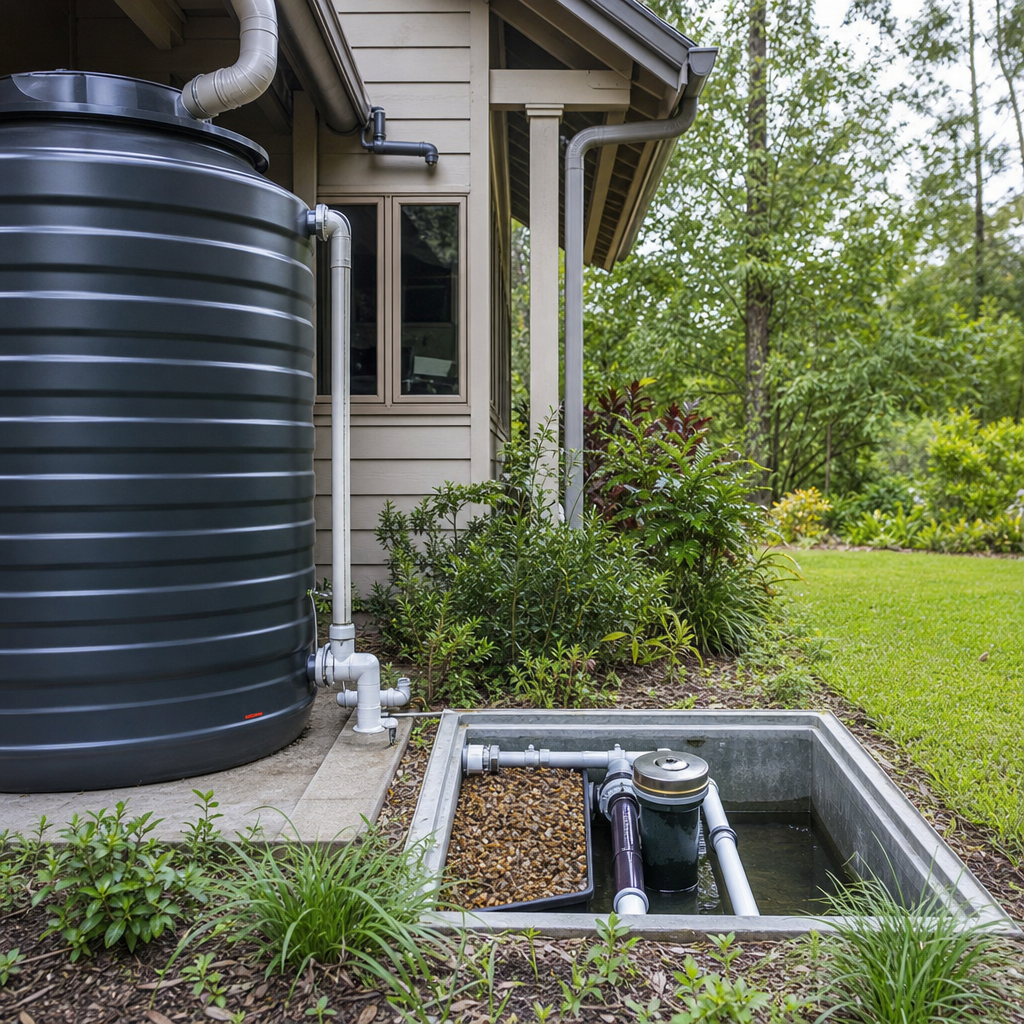
Greywater treatment systems range from simple diversion setups to engineered treatment trains. The right choice depends on wastewater volume, variability, climate, soil type, intended reuse, available maintenance capacity, and code requirements. Simple laundry-to-landscape systems are common for single-family homes where local regulations allow direct subsurface irrigation without long-term storage. These systems can be effective because laundry water is generated in manageable batches and can be distributed to mulch basins around established plants. However, they are limited by detergent chemistry, irrigation demand, and the need to avoid runoff or ponding.
For whole-house applications, prefiltration and settling are usually the minimum starting points. Filters remove hair, lint, and fibers that would clog emitters or downstream media. Settling tanks reduce suspended solids and smooth short-term flow variation. Biological filters, including sand filters, textile filters, and aerobic biofilters, then degrade dissolved organic matter and lower biochemical oxygen demand. Where indoor reuse is planned, disinfection is typically added to control pathogens and odor. Ultraviolet units work well when water is consistently clear, while chlorine residuals can help protect stored reuse water in toilet flushing systems. Membrane systems provide higher quality effluent but require more energy, skilled servicing, and replacement parts.
| System type | Typical use | Main advantages | Main limitations |
|---|---|---|---|
| Laundry-to-landscape diversion | Outdoor subsurface irrigation | Low cost, simple installation, low energy demand | Limited treatment, seasonal irrigation dependence, detergent sensitivity |
| Settling plus media filtration | Garden reuse or basic nonpotable use | Better solids removal, moderate cost, adaptable scale | Requires cleaning, performance varies with loading |
| Aerobic treatment with disinfection | Toilet flushing and higher quality reuse | Improved odor control, better organic reduction, consistent output | Higher maintenance, power demand, operator oversight |
| Membrane-based system | Dense buildings and strict reuse targets | High effluent quality, compact footprint | Capital cost, fouling risk, specialist servicing |
Choosing among these options should never be based on marketing claims alone. A small household with a dry climate and mature landscaping may benefit most from a direct irrigation system. A multifamily building with indoor nonpotable demand will usually need packaged treatment with automated controls, backflow protection, and water quality monitoring. The environmental win comes from matching complexity to real need.
Environmental Benefits: Water Conservation, Pollution Reduction, and Climate Resilience
The first environmental benefit of greywater treatment is water conservation, but the deeper value is system-wide impact. Replacing potable water with treated greywater for irrigation or toilet flushing reduces extraction from reservoirs, rivers, and aquifers. It also reduces the energy embedded in drinking water treatment and distribution. According to widely cited utility data, water and wastewater services can account for a significant share of municipal energy use, often around 30 to 40 percent in some local government operations when pumping is intensive. Lower demand therefore supports climate mitigation as well as water security.
Pollution reduction is the second major benefit. Untreated or poorly managed household wastewater can carry nutrients, suspended solids, surfactants, pathogens, and microplastics into the environment. Greywater is generally less contaminated than sewage, but it is not harmless. Laundry effluent often contains lint and synthetic microfibers. Bath and sink water may carry soaps, personal care products, and trace pharmaceuticals. Treatment systems that filter solids, support microbial breakdown, and control discharge pathways can sharply reduce the amount of these pollutants reaching surface water and groundwater. Constructed wetlands, for example, can remove suspended solids and improve water quality through sedimentation, plant uptake, and microbial activity when designed with proper hydraulic loading.
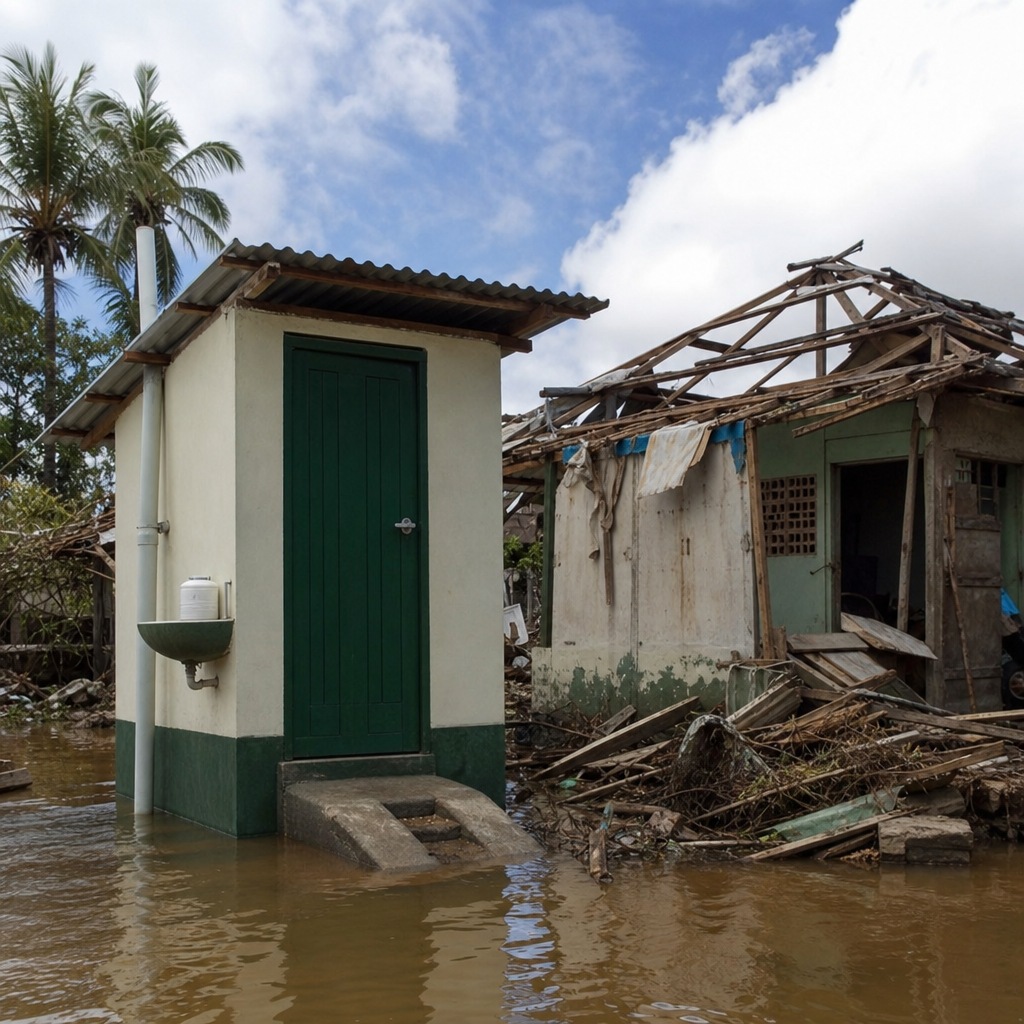
Climate resilience is the third benefit and is increasingly important. Droughts, heat waves, and infrastructure disruptions are exposing the fragility of conventional water systems. Buildings that can safely reuse greywater have a buffer against restrictions and supply interruptions. Communities that diversify water sources are less vulnerable to single-point failure. From an environmental protection standpoint, resilience matters because emergency shortages often drive unsustainable coping practices, including over-pumping groundwater or discharging wastewater improperly. Greywater systems reduce that pressure when they are planned before a crisis.
Design Principles, Regulations, and Common Mistakes to Avoid
Successful greywater treatment begins with design discipline. Start by quantifying source volumes from showers, hand basins, and laundry, then map nonpotable demand such as irrigation seasonality or toilet flushing frequency. Size tanks and treatment stages for realistic peak loads, not average assumptions. Provide surge capacity, access for cleaning, and overflow routes connected to approved drainage. Separate blackwater lines clearly and install backflow prevention where reuse water interfaces with plumbing. Odor control, mosquito prevention, and avoidance of stagnant storage are basic requirements, not optional refinements.
Regulation varies widely, so local codes govern what is legal and what treatment standard applies. Many jurisdictions distinguish between simple diversion systems and treated reuse systems. Some prohibit kitchen sink water in greywater because of grease and food contamination. Others require subsurface discharge, colored piping for nonpotable water, labeling, routine inspection, or permit review by health departments. Internationally, guidance from the World Health Organization and standards such as ISO 30500 for non-sewered sanitation systems help frame safe performance expectations, though national and local rules remain decisive. In commercial projects, cross-connection control and operational monitoring are usually the most scrutinized elements.
The most common mistakes are predictable. People oversize systems for idealized future demand, which creates long retention times and odor. They choose cleaning products that damage plants or upset biological treatment. They ignore filter maintenance until emitters clog or pumps fail. They send greywater to compacted soils with poor infiltration, causing ponding and runoff. They assume clear water is safe water, which is false. The lesson from field experience is simple: a modest, well-maintained system outperforms a sophisticated neglected one almost every time.
Practical Applications for Homes, Businesses, and Communities
Residential greywater treatment offers the fastest path to adoption because household systems can be tailored to specific fixtures and landscapes. A detached home may route shower and laundry water to subsurface drip irrigation for fruit trees and ornamental shrubs. In water-scarce suburbs, this can materially reduce summer potable demand. Multifamily buildings often have a stronger economic case for treatment and reuse because they generate steady greywater volumes and have continuous toilet flushing demand. Several urban developments in Australia, Singapore, and the United Arab Emirates have used building-scale recycling systems to reduce mains water consumption substantially, especially where water tariffs or sustainability targets justify the investment.
Commercial and institutional facilities can realize even larger environmental gains. Hotels, student residences, sports centers, and hospitals generate significant shower and laundry flows. When engineered correctly, these sites can reuse treated greywater for flushing, irrigation, or cooling support, lowering both utility costs and discharge volumes. Communities can also deploy decentralized cluster systems that serve a group of homes or public buildings. This model is useful where centralized sewer expansion is expensive or where settlements need staged infrastructure growth. In such cases, EcoSan’s role in environmental protection becomes visible at landscape scale: less wastewater burden on receiving environments, lower freshwater demand, and more adaptable sanitation planning.
For organizations building an environmental impact content hub, greywater treatment also connects naturally with related topics such as composting toilets, nutrient recovery, septic management, rainwater harvesting, watershed protection, and sustainable building standards like LEED and BREEAM. Together, these measures show that sanitation can move from a disposal mindset to a resource management model.
Greywater treatment is an eco-friendly approach to sanitation because it turns a routine waste stream into a managed resource that protects water supplies and reduces pollution. The core principles are clear: separate lower-risk wastewater from toilet sewage, match treatment to the intended reuse, control inputs such as detergents and cleaners, and maintain the system consistently. When those fundamentals are respected, greywater reuse can cut potable demand, lower stress on sewers and septic systems, and reduce contaminant loading to soils and waterways. Those outcomes define EcoSan’s role in environmental protection: safer sanitation with measurable environmental value.
As the hub for this subtopic, this page also points to the bigger picture. Greywater treatment works best when it is linked with broader environmental impact strategies, including water-efficient fixtures, rainwater capture, responsible product selection, nutrient recovery, and site-specific landscape design. No single technology solves every sanitation challenge, and greywater is not suitable for every property or every regulation. But in the right context, it is one of the most effective and immediate tools available. If you are assessing sustainable sanitation options, start by auditing your wastewater sources, reuse opportunities, and local code requirements, then build a greywater plan that delivers real environmental protection.
Frequently Asked Questions
1. What is greywater, and how is it different from blackwater?
Greywater is relatively lightly used wastewater that comes from sources such as showers, bathtubs, bathroom sinks, laundry machines, and, in some systems, hand-washing basins. It is different from blackwater, which includes wastewater from toilets and often kitchen drains that carry grease, oils, food scraps, and higher levels of organic contamination. This distinction matters because greywater is generally much easier and safer to treat for reuse when it is properly separated at the source.
In practical sanitation planning, recognizing the difference between these wastewater streams helps households, businesses, and communities design more efficient water systems. Greywater still contains soap residues, lint, hair, skin particles, and sometimes detergents, so it should not be mistaken for clean water. However, because it usually has lower pathogen levels than blackwater, it can often be treated through filtration, settling, biological treatment, and disinfection processes, then reused for purposes such as landscape irrigation, toilet flushing, and other non-potable applications. By keeping greywater separate from heavily contaminated wastewater, it becomes possible to reduce freshwater demand and ease pressure on sewer and septic systems.
2. Why is greywater treatment considered an eco-friendly approach to sanitation?
Greywater treatment is considered eco-friendly because it turns a waste stream into a reusable resource, helping reduce overall water consumption without compromising sanitation goals. Instead of sending all used household water directly into sewer networks or septic systems, treatment systems allow a significant portion of that water to be cleaned and reused for non-drinking purposes. This lowers the demand for fresh potable water, which is especially important in regions facing water scarcity, drought, or growing population pressure.
There are important environmental benefits beyond water conservation. Treating and reusing greywater can reduce the volume of wastewater discharged into the environment, which in turn helps protect rivers, lakes, wetlands, and groundwater from overloading and contamination. It can also decrease the energy needed for centralized water treatment and distribution, since every gallon of water reused on-site is a gallon that may not need to be pumped, treated, and transported again. In well-designed systems, greywater treatment supports more resilient sanitation infrastructure by promoting local reuse, reducing strain on aging utility systems, and encouraging a circular approach to water management. For homes, institutions, and communities looking for practical sustainability measures, greywater reuse is one of the most direct and measurable options available.
3. How is greywater treated before it can be reused?
Greywater treatment can range from simple to highly advanced, depending on how the water will be reused and what local regulations require. In many systems, the process begins with source separation, which ensures that only appropriate wastewater streams enter the greywater system. From there, treatment often includes screening or filtration to remove hair, lint, and larger particles. Some systems also use settling tanks where heavier solids can sink and lighter materials can be separated before further treatment takes place.
After the initial physical cleaning steps, many systems rely on biological treatment to break down dissolved organic matter. This may happen through sand filters, mulch basins, constructed wetlands, membrane systems, or compact aerobic treatment units. Depending on the intended use, the treated water may then go through finer filtration and disinfection using ultraviolet light, chlorine, ozone, or other approved methods. For example, water used for subsurface irrigation may require less intensive treatment than water intended for toilet flushing inside a building. The key principle is that treatment must match the risk level of the reuse application. A well-designed system also includes storage controls, backflow prevention, maintenance access, and monitoring features to make sure water quality remains consistent and safe over time.
4. What are the most common uses for treated greywater?
Treated greywater is most commonly used for non-potable purposes, meaning uses that do not involve drinking, cooking, or direct food preparation. One of the most widespread applications is landscape irrigation, particularly for ornamental plants, trees, and lawns. In some systems, treated greywater is delivered below the soil surface, which helps reduce human contact and improves water efficiency by minimizing evaporation. Another common use is toilet and urinal flushing, especially in commercial buildings, multifamily housing, schools, and eco-conscious residential developments where water savings can be substantial.
Depending on local codes and treatment levels, treated greywater may also be used for dust suppression, certain industrial cleaning functions, or groundwater recharge in carefully controlled systems. The greatest benefit comes from matching the quality of treated greywater to a use that does not require drinking-water standards. This approach allows communities to preserve high-quality freshwater for essential human consumption while using reclaimed water for tasks that do not need potable supplies. It is important to note, however, that greywater reuse should always follow public health regulations, system design standards, and maintenance protocols. Safe reuse depends not just on treatment technology, but also on choosing appropriate end uses and ensuring the system is consistently operated as intended.
5. Is greywater treatment safe for homes and communities, and what should people consider before installing a system?
Yes, greywater treatment can be safe and highly effective for homes and communities when it is properly designed, installed, and maintained. Safety depends on several factors, including the source of the greywater, the treatment method used, the intended reuse application, and compliance with local health and plumbing regulations. Greywater should be managed carefully because even lightly used wastewater can contain bacteria, chemicals from soaps and detergents, and suspended solids. A reliable system prevents untreated water from pooling, avoids cross-connections with potable water lines, and ensures that treated water is used only in approved ways.
Before installing a greywater treatment system, property owners and planners should consider water demand, available space, climate, soil conditions, plumbing layout, and maintenance capacity. It is also wise to choose cleaning products that are more compatible with greywater reuse, such as low-sodium and biodegradable soaps, especially when the water will be used for irrigation. Local permitting requirements are another major consideration, since rules vary widely by region and may determine what types of systems are allowed and how the treated water can be used. For larger projects, professional design and periodic inspection are especially important. When these factors are addressed thoughtfully, greywater treatment can strengthen sanitation systems, lower utility costs, improve water resilience, and provide long-term environmental benefits without sacrificing health protection.