Improving local air quality through EcoSan starts with a practical truth: sanitation systems do far more than manage waste. They influence odors, greenhouse gases, airborne pathogens, dust, and the quality of life in neighborhoods, schools, markets, and peri-urban settlements. EcoSan, short for ecological sanitation, is an approach that treats human waste as a resource stream rather than a disposal problem. In the field, I have seen communities focus first on toilets and drainage, then realize that better sanitation also changes the air people breathe every day. When excreta are safely contained, separated, treated, and reused under controlled conditions, the result is not only cleaner water and healthier soils, but also measurable improvements in local air conditions.
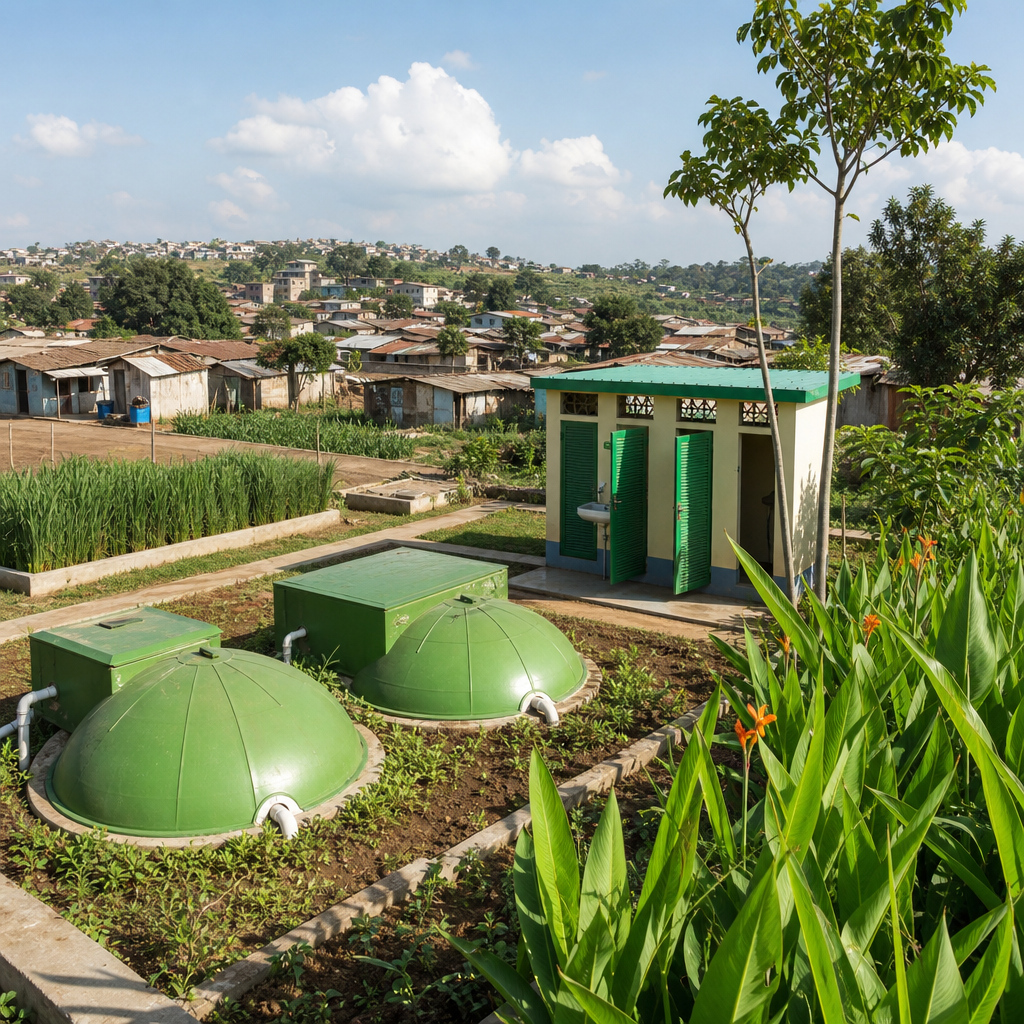
To understand EcoSan’s role in environmental protection, it helps to define the core concept. Ecological sanitation is a system design philosophy that closes nutrient loops while minimizing pollution. Typical methods include urine diversion, composting toilets, dehydrating toilets, container-based sanitation, and managed reuse of sanitized outputs in agriculture or landscaping. Unlike conventional systems that often mix urine, feces, flush water, and industrial wastewater, EcoSan seeks source separation and treatment close to where waste is generated. That design choice matters for air quality because decomposition pathways, moisture content, oxygen availability, and transport distance all affect emissions. Anaerobic breakdown in unmanaged pits and overloaded sewers can release ammonia, methane, hydrogen sulfide, and volatile organic compounds. Better-designed EcoSan systems reduce those emissions at the source.
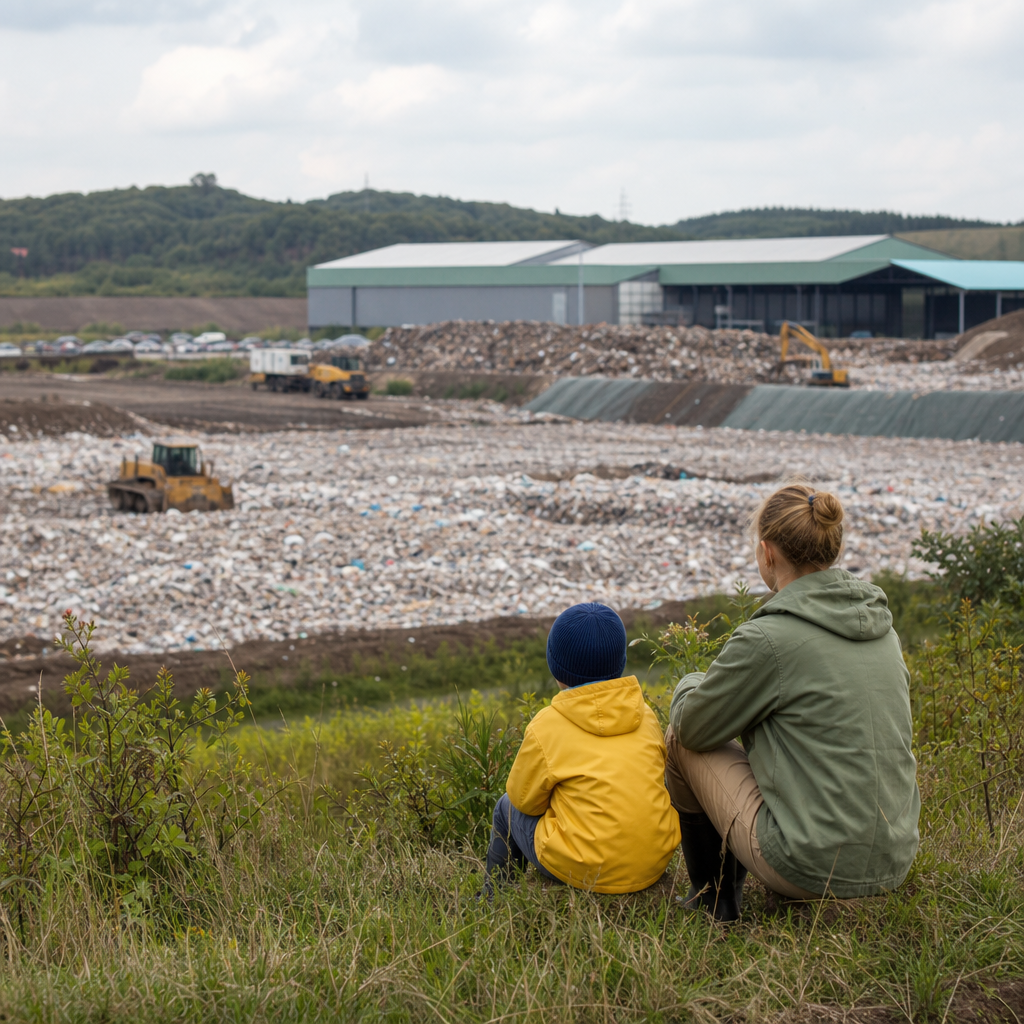
Why this matters is increasingly clear. According to the World Health Organization, air pollution remains one of the leading environmental risks to health, while inadequate sanitation continues to expose billions of people to preventable disease. These issues often overlap locally. Open defecation areas, leaking pit latrines, poorly managed sludge drying beds, and uncontrolled dumping create odor plumes, attract flies, and can aerosolize contaminants during windy or dry conditions. Residents may describe the problem simply as a bad smell, but the underlying issue is broader: poor sanitation management contributes to unhealthy micro-environments around homes and public spaces. EcoSan addresses that intersection by changing how waste is handled from the first point of capture to final reuse.
As a hub within the broader environmental impact topic, this article explains how EcoSan improves local air quality, where the biggest gains come from, what tradeoffs decision-makers must consider, and how municipalities, institutions, and households can evaluate solutions. It also connects EcoSan’s air-quality benefits to related concerns such as climate protection, nutrient recovery, wastewater reduction, odor management, sludge handling, and urban resilience. The central point is straightforward: when sanitation systems prevent uncontrolled decomposition and support safe treatment, they protect the air as reliably as they protect water and land.
How EcoSan directly improves local air quality
EcoSan improves local air quality by controlling the conditions under which human waste decomposes. In unmanaged pits, drains, and dumping areas, waste often remains wet, oxygen-poor, and exposed to heat. Those conditions favor anaerobic decomposition, which produces methane and hydrogen sulfide, the gas associated with rotten-egg odor. They also encourage ammonia volatilization when urine and feces remain mixed and exposed. In contrast, urine-diverting dry toilets and composting systems are designed to separate streams, reduce moisture, improve aeration, and interrupt odor formation. The difference is not cosmetic. It changes the chemistry and microbiology of decomposition.
One common example is the urine-diverting dry toilet. By separating urine from feces at the toilet interface, the system sharply reduces the wetness that drives odor and sludge formation. Fecal matter can then be dried or composted with bulking material such as ash, sawdust, or dry soil. Properly managed cover material suppresses smell, blocks flies, and improves the carbon-to-nitrogen balance needed for stable treatment. Urine, meanwhile, can be stored in sealed containers for later use as fertilizer after appropriate storage periods. Because the nutrient-rich liquid is not left pooling in pits or drains, the release of ammonia near homes is reduced.
I have also seen a major difference in school compounds where latrine blocks were converted from saturated pits to ventilated, urine-diverting units. Teachers initially cared most about cleanliness and maintenance. Within weeks, they reported that classrooms closest to the toilets no longer carried the same persistent odor, and attendance near afternoon periods improved because students were less reluctant to use the facilities. This kind of localized change matters. Air quality is not only about citywide particulate levels; it is also about the immediate breathing zone where people live, learn, and work.
Odor control, pathogen reduction, and neighborhood health
For many communities, the first visible environmental benefit of EcoSan is odor control. Odor may seem secondary compared with disease prevention, but it is often the issue that determines whether residents support sanitation upgrades. Persistent foul smell indicates active decomposition, poor containment, or inadequate emptying routines. EcoSan systems address odor through source separation, ventilation, desiccation, carbon additions, and sealed storage. Vent pipes remove gases above roof level, while dry cover materials absorb moisture and physically cap fresh deposits. In container-based systems, sealed cartridges prevent indoor emissions and simplify collection.
Odor control also supports pathogen reduction. Flies and cockroaches are drawn to exposed, wet organic matter, and they can spread contamination mechanically. By keeping waste covered and containers closed, EcoSan reduces vector access. Drying and thermophilic composting can further inactivate pathogens when properly managed. The World Health Organization sanitation guidance and the International Organization for Standardization standards for non-sewered sanitation systems both emphasize containment and validated treatment as critical protections. Local air quality benefits because fewer odors and vectors mean less disturbance, fewer complaints, and lower exposure in shared spaces.
There is nuance here. EcoSan is not odor free by default. Poorly operated composting toilets can smell strongly if the carbon ratio is wrong, ventilation is blocked, or users add liquids to a dry chamber. Urine storage tanks can also emit ammonia if left unsealed. The environmental protection advantage comes from correct design and maintenance, not from the label alone. That is why successful programs pair hardware with user training, cleaning schedules, and clear service responsibilities.
Climate links: methane, nitrous oxide, and cleaner urban environments
Local air quality and climate emissions are connected. Unmanaged sanitation systems emit methane when waste decomposes without oxygen, and some treatment pathways can release nitrous oxide under fluctuating aerobic and anaerobic conditions. Methane is a potent greenhouse gas, and while it is not a conventional air pollutant in the same way as fine particulate matter, reducing methane emissions improves overall environmental performance and often correlates with better local odor control. EcoSan reduces these emissions by shortening storage time in unmanaged conditions, separating liquids, supporting aerobic composting where appropriate, and promoting planned reuse rather than open dumping.
In dense settlements, this climate-air connection becomes tangible. A flood-prone neighborhood with overflowing pit latrines may suffer from both strong odor episodes and methane-producing sludge accumulation. Replacing those pits with raised urine-diverting units or container-based sanitation reduces inundation risk and cuts stagnant waste exposure. Municipal workers also benefit when they are not forced to manually disturb septic sludge in confined, poorly ventilated spaces. Cleaner sanitation chains therefore protect community air and occupational health at the same time.
| EcoSan approach | Main air-quality benefit | Environmental protection effect | Typical management need |
|---|---|---|---|
| Urine-diverting dry toilet | Less ammonia and foul odor near use point | Lower water pollution and nutrient recovery | Dry cover material and user training |
| Composting toilet | Controlled aerobic breakdown reduces nuisance gases | Creates stabilized soil amendment when treatment is complete | Ventilation, carbon balance, curing time |
| Container-based sanitation | Sealed waste limits indoor and street-level emissions | Safer collection and centralized treatment | Reliable pickup service and container hygiene |
| Urine storage and reuse | Prevents pooling and ammonia release in drains | Substitutes synthetic fertilizer in some applications | Sealed storage and application timing |
Reducing wastewater burdens and preventing secondary air pollution
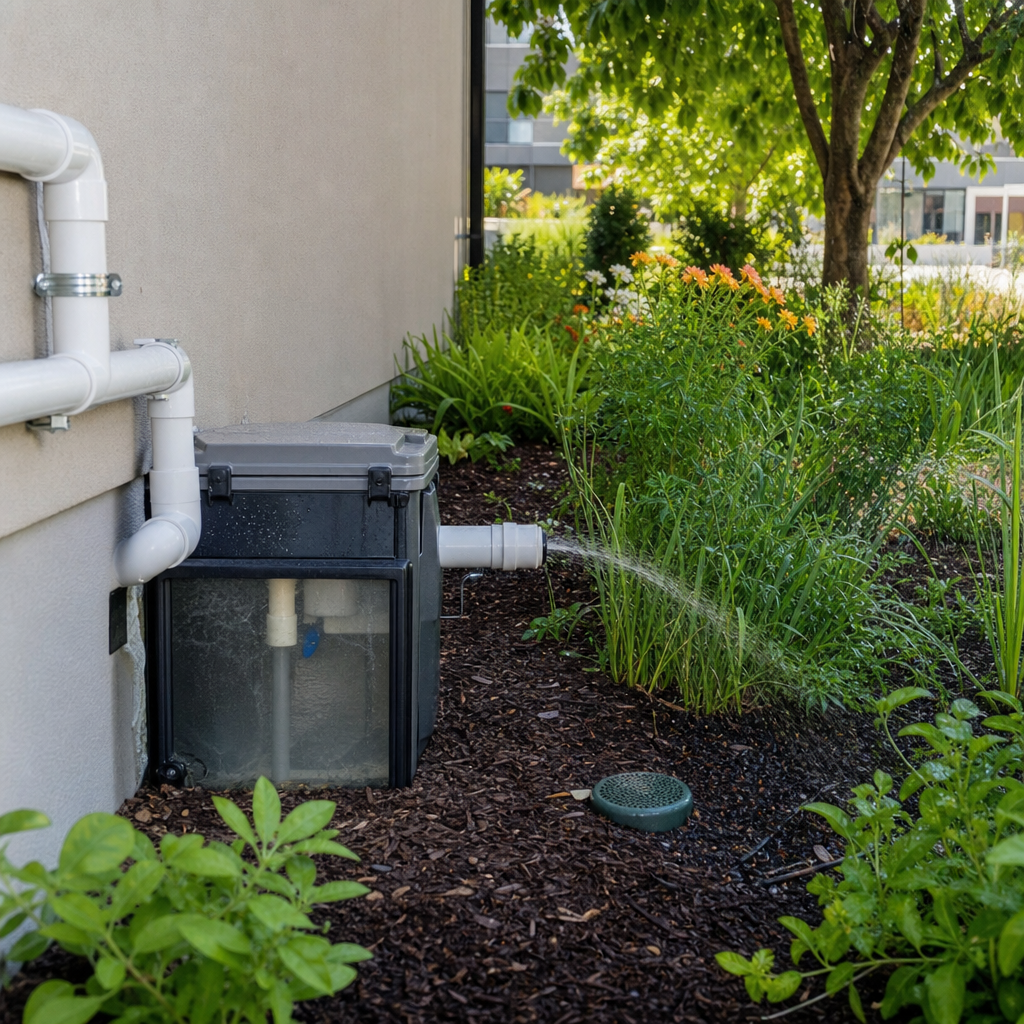
A less discussed advantage of EcoSan is that it reduces the volume of wastewater entering drains, septic systems, and treatment plants. Flush-based sanitation can work well where sewers, pumping stations, and treatment capacity are robust, but in many towns those systems are incomplete or unreliable. Excess water turns manageable waste into diluted sludge, increases overflow risk, and creates wet anaerobic zones where odors flourish. By operating with little or no flush water, EcoSan keeps nutrient streams concentrated and treatment tasks more controllable. That lowers the chance of sewage backing up into open channels, where secondary air pollution and severe odor events often begin.
This is particularly relevant in informal settlements and water-scarce regions. I have worked on site assessments where drainage ditches effectively became open sewers during peak occupancy. Residents burned trash nearby to mask smell or keep insects away, creating an additional air pollution source through smoke and particulates. When sanitation systems fail, coping behaviors can make air quality even worse. EcoSan interrupts that cycle by reducing wastewater generation and keeping waste out of public drains. The environmental gain is layered: fewer sewage odors, less open stagnation, lower vector pressure, and reduced incentive for waste burning around contaminated areas.
There are also infrastructure savings. Smaller wastewater volumes can reduce pumping energy and treatment loads, especially where decentralized systems are used. Lower energy demand means fewer upstream emissions from electricity or diesel generation. The local air-quality effect may be indirect, but the environmental protection benefit is real, especially in regions where backup generators and fuel-powered desludging fleets are common.
Nutrient recovery, fertilizer substitution, and agricultural air impacts
EcoSan’s resource recovery model has important implications beyond the toilet site. Human urine contains most of the nitrogen and a large share of the phosphorus and potassium excreted by households. When recovered safely, these nutrients can substitute part of the synthetic fertilizer demand in agriculture, landscaping, or tree planting. That substitution matters for air quality because conventional nitrogen fertilizer use is associated with ammonia volatilization and nitrous oxide emissions when poorly timed or overapplied. Recovered nutrients are not impact free, but they can be managed more precisely and locally.
For example, stored urine applied close to crop uptake periods and incorporated according to agronomic guidance can reduce losses compared with indiscriminate fertilizer spreading. Compost derived from adequately sanitized fecal matter adds organic carbon to soils, which can improve structure and water retention. Better soil structure can reduce dust generation in dry landscapes, another local air-quality co-benefit. In peri-urban agriculture, this circular system keeps nutrients in use rather than allowing them to become pollutants in pits, drains, or waterways.
Safe reuse requires discipline. Treatment targets must be met, contamination risks understood, and farmers trained on handling and application. National regulations differ, and some markets resist crops grown with recovered human-derived inputs. Those constraints are real, but they do not negate the environmental protection case. They simply mean EcoSan works best within a managed service chain that includes testing, storage controls, extension support, and communication with end users.
Implementation factors that determine success
The strongest EcoSan outcomes come from system thinking rather than product selection alone. Site conditions matter: soil type, groundwater depth, flood risk, housing density, water availability, user preferences, and collection logistics all influence design. Ventilation paths, chamber sizing, access for removal, and cover material supply determine whether air-quality benefits appear in practice. In hot humid climates, dehydration can be slower, so designs may need larger chambers, better airflow, or hybrid service models. In rental compounds, systems that rely heavily on perfect user behavior may underperform unless caretaking is assigned and funded.
Institutional settings often show the clearest return because responsibilities can be defined. Schools, health posts, transport hubs, parks, and markets can assign attendants, post instructions, and monitor fill levels. Municipalities can integrate EcoSan into non-sewered sanitation planning, fecal sludge management strategies, and climate adaptation programs. Tools such as Sanitation Safety Planning from the World Health Organization help teams identify hazards from capture through reuse and set controls at each step. When air quality is included explicitly in those assessments, issues like odor hotspots, ventilation failures, and transport spillage are addressed before they undermine public trust.
Cost should be evaluated across the full service chain. A low-cost toilet that creates odor complaints and difficult sludge later is not truly economical. By contrast, a slightly higher upfront investment in urine diversion, durable superstructure, and organized collection can reduce maintenance burdens and environmental harm over years. For communities exploring EcoSan’s role in environmental protection, the practical next step is simple: assess current sanitation-related air problems, map where waste becomes exposed, and choose systems that contain, treat, and reuse resources without creating new nuisance points.
EcoSan improves local air quality because it changes sanitation from uncontrolled decay to managed resource recovery. The biggest gains come from separating waste streams, reducing moisture, preventing open sewage, controlling odors, and treating material before reuse. These actions protect neighborhoods from foul gases, lower vector pressure, reduce flood-related contamination episodes, and support cleaner public spaces. They also strengthen broader environmental goals by conserving water, recovering nutrients, and cutting the waste chain conditions that generate methane and secondary pollution.
The most important takeaway is that EcoSan is not a single toilet model. It is a complete environmental protection strategy built on containment, treatment, maintenance, and safe reuse. Where programs succeed, they do so because design fits local conditions and service responsibilities are clear. Where they fail, it is usually because management was treated as optional. Communities, institutions, and planners should judge EcoSan systems by operational performance: do they reduce odors, keep waste out of drains, protect workers, and create a safe end product?
If you are building an environmental impact roadmap, make EcoSan a core part of it. Review sanitation hotspots, compare non-sewered options, and prioritize solutions that improve the air people breathe while protecting water, soil, and climate at the same time.
Frequently Asked Questions
What is EcoSan, and how does it help improve local air quality?
EcoSan, or ecological sanitation, is an approach to sanitation that views human waste as a resource that can be safely treated and reused, rather than simply discarded. That shift in thinking matters for air quality because poorly managed sanitation is not just a water and hygiene issue. It can also be a significant source of foul odors, methane, ammonia, hydrogen sulfide, airborne microbes, and dust from drying waste. In many communities, open pits, leaking drains, stagnant wastewater, and unmanaged sludge create a constant background of unpleasant smells and unhealthy air, especially in dense neighborhoods, schools, markets, and peri-urban settlements.
EcoSan systems are designed to interrupt those pollution pathways. By separating urine and feces, reducing excess moisture, improving containment, encouraging controlled treatment, and promoting safe reuse, EcoSan can sharply reduce the conditions that produce odor and airborne contamination. Dry or low-water systems, for example, often reduce anaerobic decomposition, which is a major source of bad smells and greenhouse gases. Better storage and treatment also mean less sludge sitting exposed in the environment, which lowers the risk of flies, dust contamination, and aerosolized pathogens.
Just as importantly, EcoSan improves the broader environment around sanitation facilities. When systems are cleaner, drier, and better maintained, people are more likely to use them consistently. That reduces open defecation, uncontrolled dumping, and the spread of sanitation-related air nuisances across public spaces. The result is not only cleaner toilets, but also better neighborhood air, improved comfort, and a stronger sense of dignity and health for the people who live nearby.
Can sanitation systems really affect the air people breathe every day?
Yes, absolutely. It is easy to think of sanitation as something that only affects water, drainage, and surfaces, but in reality, sanitation conditions influence the air at a very local and very human level. Wherever waste is exposed, poorly stored, or badly decomposing, it can release gases and particles into the surrounding environment. People then inhale those pollutants while cooking, walking, studying, working, or sleeping nearby. In crowded settings, even small failures in sanitation design or maintenance can have a noticeable effect on daily comfort and respiratory health.
There are several ways this happens. First, decomposition of untreated waste can produce strong-smelling gases such as ammonia and hydrogen sulfide. These compounds may not always be present at dangerous levels, but they are clear indicators of poor environmental conditions and can contribute to headaches, nausea, irritation, and stress. Second, wet and open sanitation areas often attract flies and create opportunities for the movement of pathogens through droplets, splashes, and disturbed surfaces. Third, when fecal sludge dries in open areas or is dumped and left unmanaged, dust can carry contaminants into nearby homes, roads, and shared spaces. Fourth, blocked drains and wastewater pooling can create persistent odor zones that make public areas unpleasant and unhealthy to use.
EcoSan helps address these everyday exposure routes by improving containment, treatment, and reuse practices. Instead of allowing waste to sit in unmanaged pits or drains, EcoSan aims to control where it goes, how it decomposes, and how people interact with it. That means less odor escaping into courtyards and streets, fewer chances for contaminated dust to circulate, and fewer conditions that make neighborhoods feel unsanitary. In practical terms, better sanitation can mean cleaner-smelling schools, more comfortable markets, and homes where residents no longer have to live with constant waste-related air pollution.
What features of EcoSan systems make them better for odor control and cleaner neighborhood environments?
Several core design features of EcoSan directly support odor reduction and cleaner local air. One of the most important is source separation. In many EcoSan systems, urine and feces are collected separately. This limits the wet, anaerobic conditions that often produce strong odors in conventional pits or mixed-waste systems. Keeping waste streams apart also makes treatment more manageable and reduces the volume of sludge that can become a long-term nuisance if left unmanaged.
Another important feature is moisture control. Excess water is one of the main reasons sanitation systems smell bad and create messy surroundings. When fecal matter remains too wet, it tends to decompose in ways that release unpleasant gases and attract insects. Dry or low-water EcoSan designs help keep chambers more stable and easier to manage. The addition of cover materials such as ash, lime, or dry soil in some systems can further reduce smell, discourage flies, and improve the treatment process. Ventilation also matters. Well-designed vents and sealed chambers can direct gases away from users while reducing odor buildup inside toilets and surrounding spaces.
Safe storage and planned emptying are equally important. Even a good toilet design can become an air quality problem if treatment chambers overflow or if partially treated waste is removed carelessly. EcoSan emphasizes operational discipline: correct use, sufficient resting time, safe handling, and beneficial reuse only when treatment targets are met. This helps prevent the common situation where waste is simply transferred from one exposed location to another. Over time, communities that adopt these practices often notice not only less smell, but also cleaner compounds, fewer flies, better user acceptance, and a more positive relationship between sanitation facilities and public space.
Is EcoSan suitable for schools, markets, and dense peri-urban communities?
In many cases, yes. EcoSan can be particularly valuable in places where conventional sewer systems are unavailable, unreliable, too costly, or poorly maintained. Schools, markets, and dense peri-urban settlements often face exactly those conditions. They need sanitation solutions that work under pressure, handle high usage, reduce nuisance, and protect health without depending on large volumes of water or expensive infrastructure. Because EcoSan focuses on containment, treatment, and resource recovery at or near the source, it can be adapted to these environments in practical ways.
For schools, one major advantage is the potential to improve both hygiene and learning conditions. Toilets that are cleaner, drier, and less odorous are more likely to be used by students and staff. That matters greatly for attendance, dignity, and especially for girls’ school participation. In markets, odor control and cleanliness are critical because sanitation conditions affect vendors, customers, food environments, and overall business activity. A market with foul-smelling toilets and wastewater zones can quickly become an unhealthy and unattractive place. In peri-urban communities, where drainage, land constraints, and service gaps are common, EcoSan can offer a flexible way to reduce environmental contamination while creating options for local treatment and reuse.
That said, suitability depends on more than the toilet technology itself. Successful EcoSan in these settings requires user training, clear maintenance responsibilities, safe emptying procedures, and local acceptance of reuse practices where appropriate. Design must match cultural expectations, climate, soil conditions, available space, and patterns of use. When those factors are taken seriously, EcoSan can do more than provide toilets. It can improve neighborhood air, reduce sanitation-related nuisance, and support healthier shared environments where people live, learn, and work.
What does a community need to do to make EcoSan successful for long-term air quality improvement?
Long-term success with EcoSan depends on treating it as a complete system, not a one-time construction project. Communities often begin by focusing on the visible parts such as toilet buildings, slabs, or drainage improvements. Those are important, but cleaner air and better environmental outcomes only happen when the entire chain is managed well: user behavior, waste separation, chamber care, storage time, emptying, transport if needed, treatment verification, and safe reuse or final handling. If any part of that chain breaks down, odors and exposure risks can return quickly.
Community education is one of the biggest success factors. People need to understand how the system works, why waste separation matters, what materials should or should not be added, and how routine care affects odor and cleanliness. Caretakers and operators need practical training, not just instructions on paper. They should know how to manage vents, keep chambers dry, use cover material correctly, recognize maintenance problems early, and protect themselves during handling. Without this operational knowledge, even well-built systems can fail and create the same air quality problems they were meant to solve.
Strong local management is also essential. That includes assigning responsibility, setting cleaning schedules, planning emptying cycles, budgeting for repairs, and monitoring whether the system is actually reducing nuisance in the surrounding area. Communities that do this well usually combine technical design with social ownership. They listen to user feedback, adjust practices when needed, and keep sanitation visible as part of local environmental health. The long-term payoff is significant: fewer odors, less uncontrolled waste exposure, better public acceptance of facilities, and a cleaner, healthier atmosphere across the neighborhood. In that sense, EcoSan is not only about sanitation infrastructure. It is a practical pathway to better local air quality and improved quality of life.