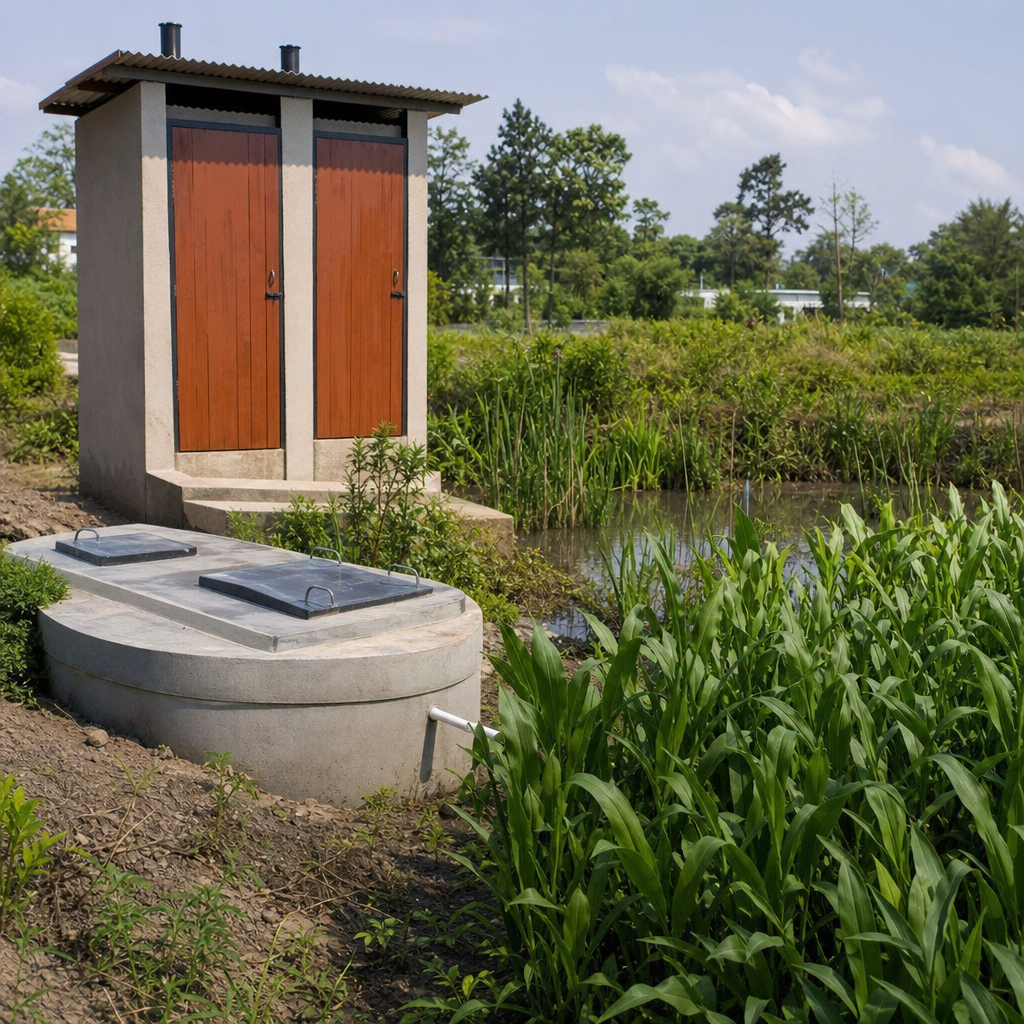
Sustainable land management depends on how communities handle human waste, wastewater, and organic refuse, because these flows shape soil quality, water safety, biodiversity, and long-term productivity. Sanitation is often discussed as a public health service, yet its environmental role is just as important: the systems used to capture, treat, reuse, or dispose of waste determine whether nutrients return safely to the land or become pollutants that degrade it. In work with municipalities, rural programs, and site planners, I have seen that sanitation failures rarely stay contained. A leaking pit, overloaded sewer, or poorly managed sludge lagoon quickly affects farms, wetlands, groundwater, and settlement expansion.
To understand the role of sanitation in sustainable land management, three terms need clear definitions. Sanitation includes the full service chain: containment, emptying, transport, treatment, reuse, and final disposal of human excreta and related wastewater. Sustainable land management refers to the coordinated use of land, water, soils, vegetation, and settlements in ways that meet human needs while maintaining ecological function. Ecological sanitation, often shortened to EcoSan, is an approach that treats waste as a resource, emphasizing source separation, nutrient recovery, pathogen reduction, water conservation, and safe reuse. Rather than simply moving waste away, EcoSan aims to close nutrient loops and reduce environmental damage.
This matters because land degradation is rarely caused by one sector alone. Poor sanitation contributes to eutrophication, soil contamination, deforestation, methane emissions, and unsafe urban expansion. The World Health Organization and UNICEF have repeatedly shown that inadequate sanitation affects billions of people, while the Food and Agriculture Organization has documented rising pressure on soils from nutrient depletion and pollution. When sanitation systems are designed with land management in mind, they can reduce erosion risk, lower fertilizer demand, protect aquifers, and support climate resilience. EcoSan’s role in environmental protection is therefore practical, not theoretical: it links household waste management to watershed health, farm productivity, and circular resource use across entire landscapes.
How sanitation shapes land systems
Sanitation influences land through four main pathways: nutrients, water, pathogens, and physical space. Human excreta contain nitrogen, phosphorus, potassium, and organic matter. If unmanaged, these nutrients wash into rivers and lakes, causing algal blooms and oxygen depletion. If treated properly, they can improve soils and reduce dependence on synthetic fertilizers. Water is equally central. Conventional flush systems can consume large volumes of freshwater and produce dilute waste streams that are expensive to treat, while on-site systems can either protect or contaminate groundwater depending on design, soil type, and maintenance.
Pathogens are the most immediate risk. Fecal bacteria, viruses, protozoa, and helminths can survive in soils and water when waste is left untreated or sludge is dumped informally. This undermines land use by making fields, drains, and public spaces unsafe. Physical land use also matters. Cities need land for treatment plants, drying beds, transfer stations, and sludge reuse sites. Rural areas need safe distances between sanitation units, wells, and fields. In dense settlements where I have evaluated service chains, the biggest environmental failures were not at the toilet itself but in the neglected middle steps: overflowing containment, illegal dumping, and untreated sludge spread on open ground.
EcoSan’s role in environmental protection
EcoSan protects land by reframing sanitation as resource management. The approach is built on a simple environmental principle: nutrients removed from soils through food production should return safely, while pathogens and hazardous contaminants should be reduced to acceptable levels before reuse. This is why urine-diverting dry toilets, composting toilets, dehydrating vaults, constructed wetlands, and fecal sludge composting systems are important tools. They reduce water demand, create concentrated nutrient streams, and make treatment for reuse more feasible.
In practice, EcoSan works best when systems match local conditions. In water-scarce regions, urine diversion and dry containment can preserve freshwater and produce fertilizer inputs for trees, cereals, or horticulture. In peri-urban areas, co-composting fecal sludge with market waste can convert two disposal problems into one soil product if process temperatures, curing time, and contamination control are managed correctly. In flood-prone zones, raised or sealed systems can prevent sewage dispersal during storms. The environmental value lies not in one branded technology but in the service logic: minimize pollution, recover resources, and protect land from uncontrolled waste loading.
Soil health, fertility, and nutrient cycling
Healthy soils need organic matter, balanced nutrients, biological activity, and stable structure. Poor sanitation undermines all four. Open defecation, leaking pits, and untreated sludge dumping can introduce salts, pathogens, and chemical contaminants unevenly, damaging soil biota and restricting safe cultivation. By contrast, properly treated sanitation byproducts can improve soil function. Compost derived from fecal sludge and organic waste adds carbon, increases water-holding capacity, and supports aggregation, which reduces erosion and runoff. Urine, when stored and applied correctly, provides plant-available nitrogen and phosphorus.
I have seen smallholder projects where farmers initially distrusted reuse products but changed their view after side-by-side field trials. Maize and forage plots treated with sanitized compost showed improved early vigor on degraded soils with low organic content. The gains were not magic; they came from better soil texture and slow nutrient release. The main constraint was quality control. Reuse only protects land when treatment achieves pathogen reduction and when feedstocks are screened for plastics, heavy metals, and industrial waste. Standards and guidance from organizations such as the World Health Organization and the International Organization for Standardization matter because they turn reuse from an informal practice into a managed agricultural input.
| Sanitation approach | Environmental benefit for land | Main management requirement |
|---|---|---|
| Urine-diverting dry toilets | Recovers concentrated nutrients with minimal water use | Correct separation, storage, and farmer guidance |
| Composting toilets | Produces soil-conditioning organic matter | Temperature, moisture, and retention time control |
| Fecal sludge co-composting | Reduces dumping and creates reusable amendment | Feedstock sorting and pathogen monitoring |
| Constructed wetlands | Polishes wastewater and protects downstream soils | Hydraulic design and vegetation maintenance |
| Septic systems with safe desludging | Limits diffuse contamination of surrounding land | Regular emptying and regulated treatment |
Water protection, runoff control, and watershed resilience
Land management and water management are inseparable. When sanitation fails, contaminated runoff carries nutrients, pathogens, and suspended solids into drainage channels, irrigation networks, and recharge zones. Nitrate pollution in groundwater is a serious concern where pit latrines are dense and water tables are shallow. Phosphorus and organic loading accelerate eutrophication in lakes and reservoirs, damaging fisheries and increasing water treatment costs. These are direct land management issues because polluted watersheds reduce the value and safe use of nearby land.
EcoSan improves watershed resilience by reducing untreated discharges and by promoting decentralized treatment where centralized sewer expansion is impractical. Constructed wetlands, anaerobic baffled reactors, planted drying beds, and decentralized reuse schemes can reduce pollutant loads while fitting local topography. On farms and in peri-urban catchments, treated effluent can be used for non-potable irrigation if salinity, pathogen levels, and crop restrictions are respected. The advantage is not simply disposal avoidance; it is the creation of controlled water and nutrient pathways that align with landscape capacity. Where climate change is increasing drought and intense rainfall, systems that store nutrients safely and prevent overflow during storms become essential components of environmental protection.
Urban land pressure, climate, and circular resource use
Rapid urbanization puts sanitation and land management into direct competition. Informal settlements often expand onto wetlands, steep slopes, and floodplains where conventional infrastructure is difficult to install. The result is often shallow pits, direct discharge to drains, or overloaded septic tanks. Land is then degraded twice: first by unsafe settlement patterns, and second by uncontrolled waste accumulation. From a planning perspective, sanitation is a land use decision. Cities need designated sites for treatment, transfer, composting, and reuse markets, supported by haulage routes and buffer zones.
EcoSan offers a circular alternative that can reduce this pressure. Resource recovery lowers the volume of waste requiring disposal and creates products with value, such as compost, soil conditioner, recovered water, and in some systems biogas. Climate benefits follow. Untreated sludge in lagoons or open dumps emits methane and nitrous oxide, while fertilizer production is energy intensive. Recovering nutrients and stabilizing organics can lower emissions across the system. These gains are not automatic, however. If collection is unreliable, if reuse products are contaminated, or if regulations are unclear, environmental benefits collapse. The most successful programs combine technical design with service contracts, operator training, monitoring, and clear end-use markets.
What effective implementation looks like
Effective sanitation for sustainable land management starts with context, not technology preference. Soil permeability, groundwater depth, rainfall patterns, settlement density, farming systems, and local institutions all determine what will work. A rocky rural area with water scarcity may benefit from urine-diverting toilets and mulch basin agriculture. A dense secondary city may need container-based sanitation in informal neighborhoods linked to centralized composting or thermal treatment. A floodplain community may require raised systems and sealed storage to prevent seasonal contamination.
Implementation also depends on governance. Land managers, public health teams, utilities, farmers, and environmental regulators must work across the same sanitation chain. Monitoring should include not only toilet coverage but desludging frequency, treatment performance, nutrient recovery rates, groundwater quality, and product safety. Financial models matter as well. Many systems fail because capital funds are available for construction, while no revenue stream supports operation and maintenance. When I review durable programs, they usually blend user fees, municipal budgeting, private service delivery, and revenue from compost or recovered water. The lesson is straightforward: EcoSan’s role in environmental protection becomes real only when the entire chain is managed, measured, and adapted over time.
Sanitation is a foundational tool of sustainable land management because it governs whether waste becomes pollution or a managed resource. The environmental stakes are clear: poor sanitation contaminates soils, overloads watersheds, spreads pathogens, increases greenhouse gas emissions, and undermines safe settlement growth. Well-designed systems do the opposite. They protect groundwater, return nutrients to depleted soils, conserve water, and support circular land use. EcoSan’s role in environmental protection is especially important because it moves beyond disposal and toward recovery, resilience, and long-term ecological balance.
The core takeaway is that sanitation planning should be integrated into every land management strategy, from rural agriculture and watershed restoration to urban expansion and climate adaptation. No single technology fits every place, but every place needs a complete, accountable sanitation chain. If you are developing an environmental impact strategy, start by mapping waste flows, contamination risks, treatment capacity, and reuse opportunities across the landscape. That practical step will reveal where sanitation can protect land today while building a more sustainable system for the future.
Frequently Asked Questions
Why is sanitation so important to sustainable land management?
Sanitation plays a central role in sustainable land management because it determines what happens to human waste, wastewater, and organic refuse after they leave homes, farms, schools, businesses, and public facilities. If these waste streams are poorly managed, they can contaminate soil, pollute groundwater and surface water, spread pathogens, and damage ecosystems that support agriculture and rural livelihoods. In contrast, when sanitation systems are designed and operated well, they help protect land from degradation while also creating opportunities to recover nutrients, organic matter, and water in safe and productive ways.
At a practical level, land and sanitation are tightly connected. Untreated or poorly contained waste can overload soils with harmful microbes, salts, or chemical contaminants. It can also accelerate erosion and reduce biodiversity in surrounding landscapes by affecting wetlands, streams, and vegetation. On the other hand, treated biosolids, composted organic waste, and safely reused wastewater can improve soil structure, support moisture retention, and reduce dependence on synthetic inputs when used appropriately. That is why sanitation should not be viewed only as a public health service. It is also a land stewardship issue that influences long-term soil fertility, ecosystem resilience, and the productivity of both urban and rural landscapes.
For municipalities and rural communities alike, sustainable land management depends on sanitation choices across the full chain: capture, storage, transport, treatment, reuse, and final disposal. Weakness at any point in that chain can turn a potentially useful resource into a pollutant. Strong systems, by contrast, reduce environmental pressure and support circular resource use. This broader perspective is increasingly important as communities face population growth, water scarcity, climate stress, and the need to maintain productive land over time.
How can poor sanitation damage soil quality and water resources?
Poor sanitation harms soil and water resources in several interconnected ways. When human waste or wastewater is discharged without adequate treatment, pathogens such as bacteria, viruses, and parasites can enter the soil and persist long enough to pose risks to farmers, nearby residents, and livestock. In areas with shallow groundwater, fractured rock, or permeable soils, contaminants can move downward and pollute wells and aquifers that communities rely on for drinking water. In flood-prone or poorly drained areas, contamination can spread across larger sections of land, turning localized sanitation failures into broader environmental problems.
Nutrient loading is another major issue. Nitrogen and phosphorus are valuable when managed correctly, but in unmanaged waste they can become pollutants. Excess nutrients can leach into groundwater or wash into rivers, lakes, and wetlands, where they contribute to algal blooms, low oxygen levels, and ecosystem decline. This affects not only aquatic life but also the wider land system, because degraded water bodies reduce irrigation quality, harm biodiversity corridors, and limit the resilience of surrounding landscapes. Salts, detergents, pharmaceutical residues, and other contaminants in wastewater can also alter soil chemistry over time, reducing soil productivity or affecting crop suitability if reuse is poorly controlled.
There are also indirect effects. Inadequate sanitation often leads to informal dumping or unmanaged sludge disposal on open land. This can create odor, vector breeding, vegetation damage, and long-term hotspots of contamination that are expensive to restore. Once soil and water systems are compromised, the costs spread beyond sanitation budgets into agriculture, health care, watershed management, and local economic development. That is why preventive sanitation planning is so important: it is usually far more effective and affordable to protect land and water upfront than to rehabilitate them after contamination has occurred.
Can sanitation systems actually improve land productivity and environmental outcomes?
Yes, well-managed sanitation systems can make a positive contribution to land productivity and environmental performance. The key is safe treatment and appropriate reuse. Human waste, wastewater, and organic refuse contain nutrients and organic matter that can be beneficial to soils when properly processed. For example, treated biosolids and composted fecal sludge can add carbon to soils, improve structure, increase water-holding capacity, and support microbial activity. These improvements are especially valuable in degraded or nutrient-poor soils, where restoring organic matter is essential for long-term productivity.
Wastewater reuse can also support sustainable land management when it is governed by clear standards and matched to local conditions. Treated wastewater may provide a reliable source of irrigation water in areas facing water scarcity, reducing pressure on freshwater resources. In some cases, it also supplies residual nutrients that can reduce fertilizer demand. However, the benefits depend on treatment quality, crop type, soil conditions, and monitoring. Reuse without proper safeguards can create new risks, so the environmental value of sanitation depends on whether systems are built and managed responsibly.
More broadly, sanitation can help communities move toward a circular model of resource management. Instead of treating waste only as something to be removed, sustainable systems recover value while protecting people and ecosystems. This might include composting organic waste, co-treating fecal sludge with municipal organic streams, producing soil amendments, recovering water, or even generating energy from treatment processes. These approaches do not replace the need for strict health and environmental controls, but when implemented well, they strengthen the link between sanitation and regenerative land management. In that sense, sanitation is not only about preventing damage; it can also be part of restoring land function and improving resilience over time.
What should municipalities and rural communities consider when linking sanitation to land management planning?
Municipalities and rural communities should start by recognizing that sanitation infrastructure and land systems operate together, not separately. Effective planning requires an understanding of local soils, groundwater depth, drainage patterns, flood risk, settlement density, agricultural practices, and existing waste flows. A sanitation option that works well in one setting may perform poorly in another. For example, onsite systems in areas with unstable soils or high water tables may create contamination risks, while centralized systems may be unrealistic in dispersed rural communities without sufficient financing or maintenance capacity. Land management planning should therefore be based on local environmental conditions as well as long-term service sustainability.
Another major consideration is the full sanitation service chain. Too many plans focus only on toilets or sewer connections, without addressing what happens afterward. Sustainable land management requires safe containment, regular emptying where needed, reliable transport, effective treatment, and environmentally sound reuse or disposal. If sludge is collected but then dumped on open land, the system is not protecting the landscape. If wastewater is treated but discharged into sensitive areas without regard to nutrient loads, land and water quality may still decline. Good planning looks at the entire flow of materials and identifies where environmental risks and resource recovery opportunities occur.
Governance, financing, and community behavior matter as much as technology. Local authorities need clear responsibilities, enforceable regulations, monitoring systems, and budgets for operation and maintenance. Farmers and land users need guidance on safe reuse practices. Residents need services they can access and trust. It is also important to integrate sanitation into broader planning on watershed protection, climate adaptation, solid waste management, and agricultural development. When sanitation is included early in land use planning, communities are better able to protect vulnerable areas, reduce contamination pathways, and make productive use of treated resources. This integrated approach is what turns sanitation from a narrow utility issue into a core part of sustainable land management strategy.
What are the biggest challenges to using sanitation as a tool for sustainable land management?
One of the biggest challenges is that sanitation is still too often planned as a short-term service issue rather than a long-term environmental system. Decision-makers may prioritize access targets, visible infrastructure, or emergency needs without fully accounting for downstream impacts on soils, water, and land productivity. As a result, systems may be installed without adequate treatment capacity, sludge management, monitoring, or reuse planning. This creates a gap between sanitation coverage on paper and actual environmental protection on the ground.
Technical and financial constraints are also significant. Safe treatment and reuse require investment, skilled operation, maintenance, testing, and regulatory oversight. Many municipalities and rural service providers face limited budgets, weak institutional coordination, and insufficient data on contamination risks or waste volumes. In some areas, informal service chains dominate, making it difficult to control where sludge or wastewater ultimately goes. Climate pressures such as drought, intense rainfall, and flooding can further strain systems and increase the likelihood of land and water contamination. These challenges are especially acute where rapid urban growth is outpacing infrastructure expansion.
There are also social and policy barriers. Reuse of treated sanitation products can face stigma, uncertain market demand, or unclear standards. Different agencies may control sanitation, agriculture, water, and land management separately, which can prevent coordinated decision-making. Overcoming these obstacles requires more than better technology. It calls for integrated policy, public education, realistic financing models, strong environmental safeguards, and practical frameworks for safe resource recovery. When those elements come together, sanitation becomes a much more powerful tool for protecting land, restoring ecological function, and supporting sustainable development. Without them, the environmental potential of sanitation remains underused.