Promoting green living through sustainable sanitation starts with understanding a simple truth: toilets, wastewater, and hygiene systems shape the health of people, soil, rivers, and climate far more than most households realize. Sustainable sanitation means managing human waste, water, and related resources in ways that protect public health, reduce pollution, conserve water, recover nutrients, and support long term resilience. EcoSan, short for ecological sanitation, is a practical approach within sustainable sanitation that treats human waste as a resource stream rather than a disposal problem. In my work reviewing sanitation projects, the most successful systems always balance engineering, user behavior, maintenance, and environmental realities instead of focusing on toilets alone.
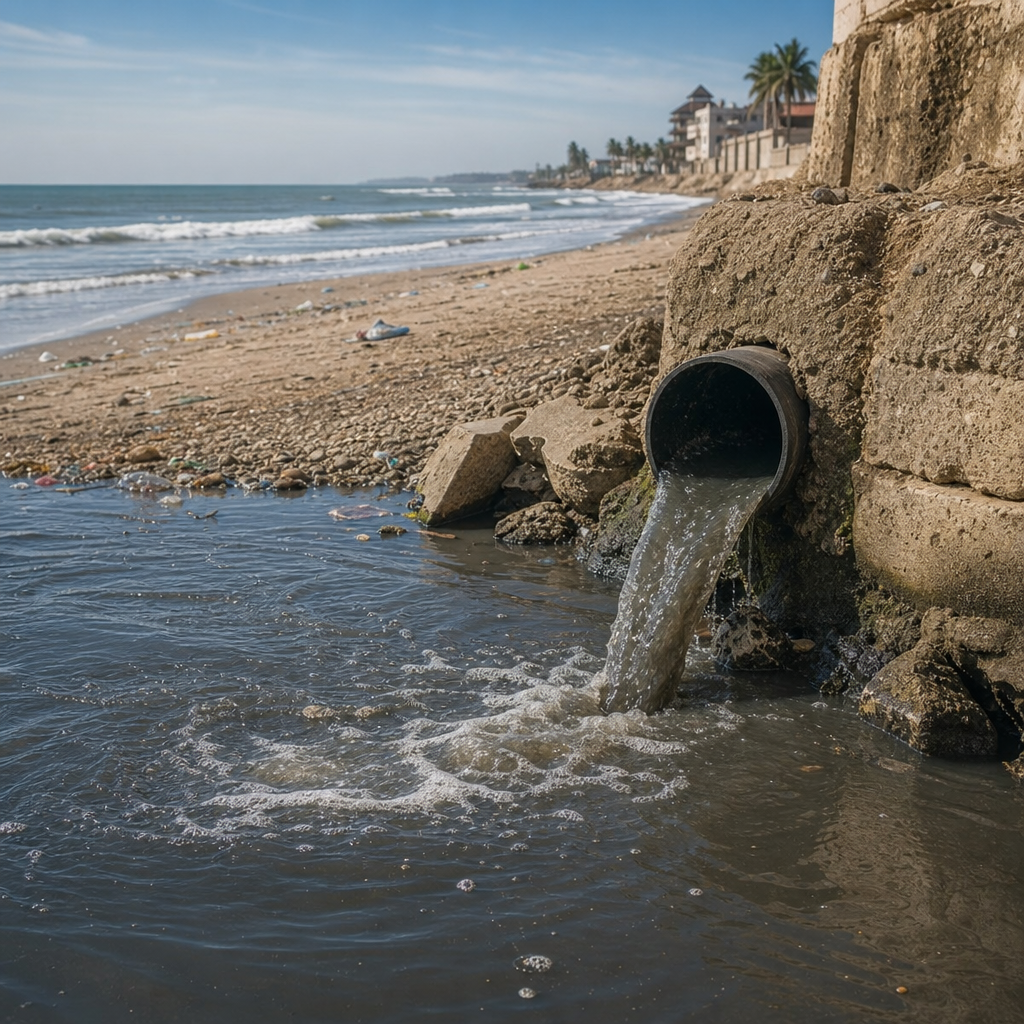
This matters because conventional sanitation often depends on large volumes of clean water, energy intensive treatment, and infrastructure that leaks or fails under rapid urban growth. According to the World Health Organization and UNICEF Joint Monitoring Programme, billions of people still lack safely managed sanitation, and the environmental cost of that gap includes groundwater contamination, eutrophication, methane emissions, and unsafe sludge dumping. Even where sewer networks exist, untreated or partially treated wastewater commonly enters rivers and coastal waters. A green living agenda that ignores sanitation is incomplete. EcoSan’s role in environmental protection is important because it reduces waste, closes nutrient loops, lowers pressure on freshwater resources, and creates sanitation models that can work in rural villages, dense settlements, schools, farms, and climate stressed regions.
What EcoSan Means in Environmental Protection
EcoSan is not one product. It is a sanitation philosophy supported by technologies such as urine diversion dry toilets, composting toilets, container based sanitation, decentralized wastewater treatment, and reuse systems for treated effluent and biosolids. The core environmental principle is source separation and safe resource recovery. Urine contains most of the nitrogen and much of the phosphorus excreted by humans, while feces contain organic matter, pathogens, and additional nutrients. When those streams are mixed with large amounts of water, treatment becomes harder and nutrient recovery becomes less efficient. When they are managed separately and safely, they can be converted into fertilizer, soil conditioner, biogas feedstock, or reclaimed water.
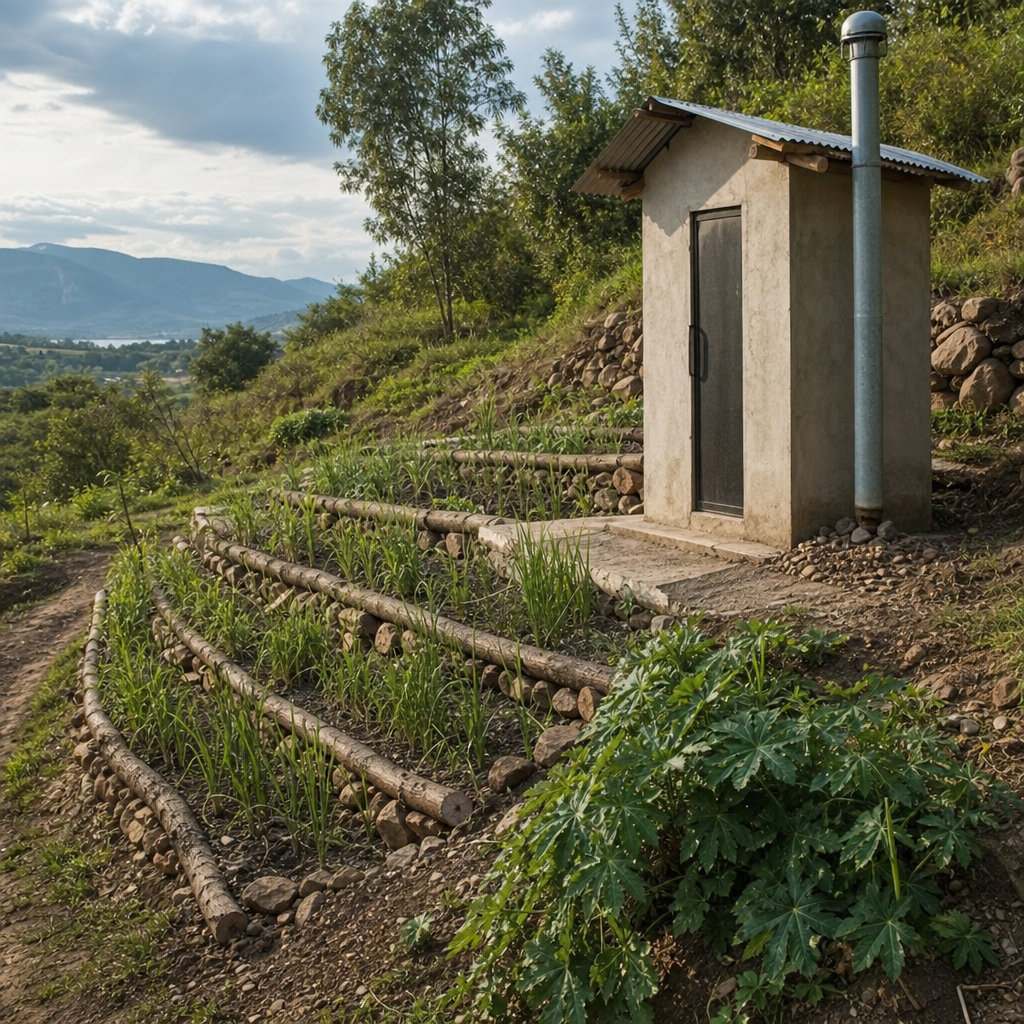
In practice, EcoSan protects the environment by preventing raw waste from entering ecosystems and by reducing dependence on synthetic inputs. A properly operated urine diversion toilet can dramatically cut water use compared with a conventional flush system. A well managed composting unit can stabilize organic matter and lower pathogen risk before reuse. Decentralized treatment systems can keep pollution local, visible, and manageable rather than sending it downstream to overloaded plants. The environmental benefit is not theoretical. I have seen school sanitation blocks where waterless or low water systems kept facilities operational through dry seasons that would have shut conventional toilets, while producing compost for tree planting programs on the same grounds.
How Conventional Sanitation Harms Water, Soil, and Climate
To understand EcoSan’s value, it helps to compare it with the dominant linear model: flush, transport, treat, discharge. That model improved urban hygiene in many places, but it also introduced major environmental weaknesses. First, sewered sanitation requires reliable water supply. Standard toilets can use several liters per flush, and older models use much more. In water stressed regions, using treated drinking water to move waste is environmentally costly. Second, many sewer systems leak. Aging pipes allow infiltration and exfiltration, which means groundwater can enter sewers and sewage can escape into soils and aquifers.
Third, centralized treatment plants are expensive and energy intensive, and many cities do not have enough treatment capacity for growing populations. The result is bypass events, illegal discharge, or sludge accumulation. Fourth, septic systems and pit latrines, while often necessary, can contaminate shallow groundwater if they are poorly sited, flooded, or never emptied. Excess nitrogen and phosphorus entering lakes and rivers fuel algal blooms, deplete oxygen, and damage fisheries. Sanitation also intersects with climate change. Anaerobic decomposition of untreated waste produces methane, and nitrous oxide can form in treatment processes and contaminated environments. EcoSan addresses these failures by reducing dilution, improving containment, enabling local treatment, and capturing useful resources before they become pollutants.
Water Conservation and Pollution Prevention
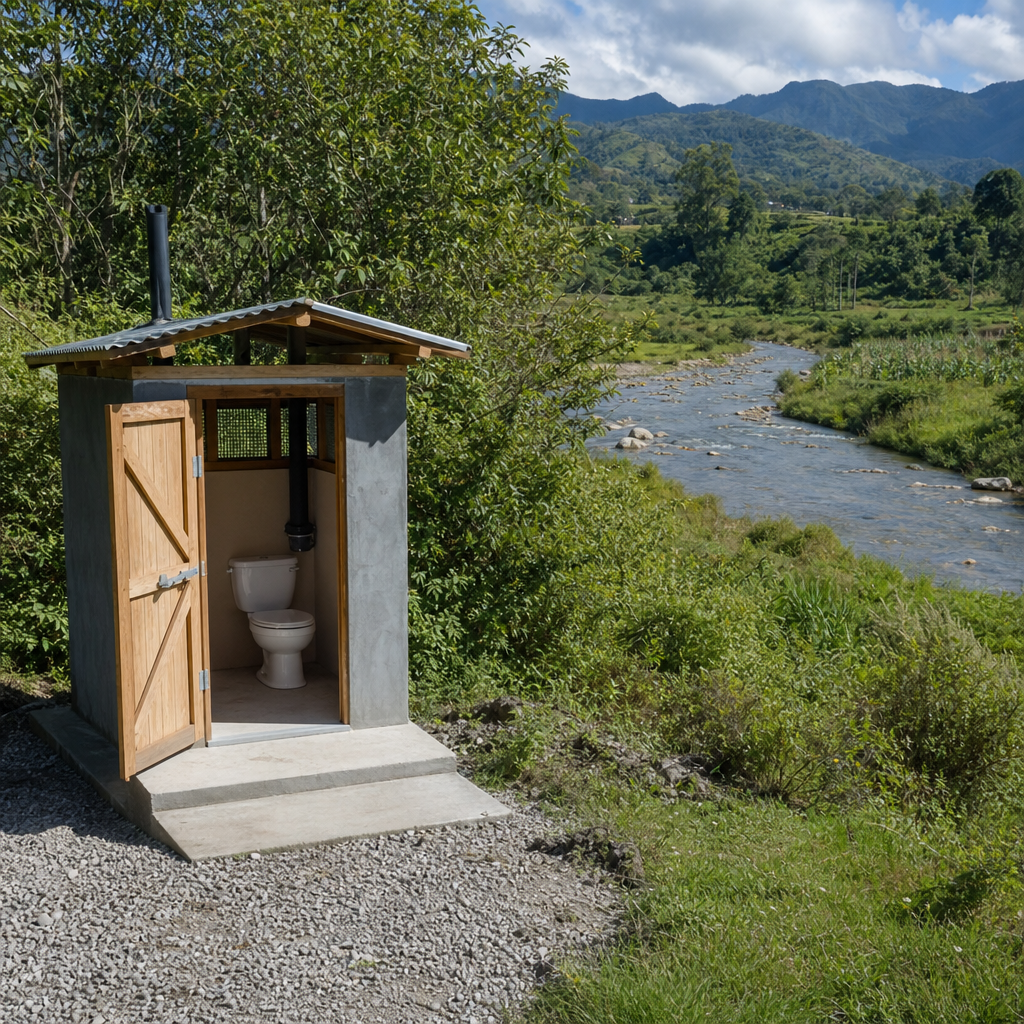
One of EcoSan’s clearest environmental contributions is water conservation. Dry or low flush sanitation systems reduce the need to use high quality water for transport. This matters in cities facing drought, in off grid settlements where water delivery is expensive, and in institutions like schools or clinics where interrupted supply quickly creates a public health emergency. Urine diversion dry toilets, for example, separate urine and feces at the user interface. Because they do not rely on large flush volumes, they can operate in arid conditions and on sites with weak water infrastructure.
Water savings are only part of the story. Pollution prevention is the larger benefit. If waste is contained at the source, pathogens and nutrients are far less likely to reach streams, wetlands, and groundwater. In flood prone areas, raised or sealed EcoSan systems can be safer than pits that overflow during storms. In peri urban areas with shallow aquifers, container based systems can avoid direct infiltration entirely because waste is collected, transported, and treated off site. This protection of groundwater is especially important where wells are the primary drinking water source. Sustainable sanitation therefore supports green living at both household and watershed scale: use less water, prevent contamination, and treat human waste as something to manage responsibly rather than hide underground.
Nutrient Recovery and Circular Resource Use
EcoSan’s most distinctive environmental strength is nutrient recovery. Human excreta contain nitrogen, phosphorus, potassium, sulfur, and micronutrients needed for plant growth. Conventional sanitation typically treats these as waste and spends additional energy trying to remove them from wastewater. EcoSan systems can instead return nutrients to agriculture when treatment and handling are done correctly. This is environmentally significant because phosphorus is a finite mined resource, and synthetic nitrogen fertilizer production is energy intensive, relying heavily on the Haber Bosch process.
Urine, when stored and applied under established safety guidelines, can serve as a fast acting fertilizer for non leaf contact crops, trees, and biomass plants. Sanitized composted fecal matter can add organic carbon to depleted soils, improving structure and moisture retention. In practical field programs, these outputs often support kitchen gardens, forestry, or non food crops first, which helps communities build confidence before scaling reuse. The circular model is simple: nutrients leave farms in food, pass through households, and can return to soils instead of polluting water bodies.
| EcoSan approach | Environmental function | Typical application |
|---|---|---|
| Urine diversion dry toilet | Saves water and captures nutrients separately | Homes, schools, water scarce areas |
| Composting toilet | Stabilizes organic matter and reduces disposal needs | Rural sites, eco lodges, parks |
| Container based sanitation | Prevents soil and groundwater contamination | Dense informal settlements |
| Decentralized wastewater treatment | Treats wastewater close to source for reuse | Housing clusters, institutions |
| Constructed wetlands | Polishes effluent using natural treatment processes | Communities, resorts, campuses |
Technology Options and Where They Work Best
No single EcoSan technology fits every place. The right choice depends on groundwater depth, population density, rainfall, cultural acceptance, land availability, maintenance capacity, and local regulations. Urine diversion dry toilets work well where water is scarce and users can manage separate chambers or collection containers. Composting toilets are effective where temperatures, moisture control, and regular maintenance can support decomposition. Container based sanitation has gained attention in dense urban settlements because it delivers service without waiting for sewer expansion; sealed containers are collected on a schedule and waste is processed at dedicated facilities.
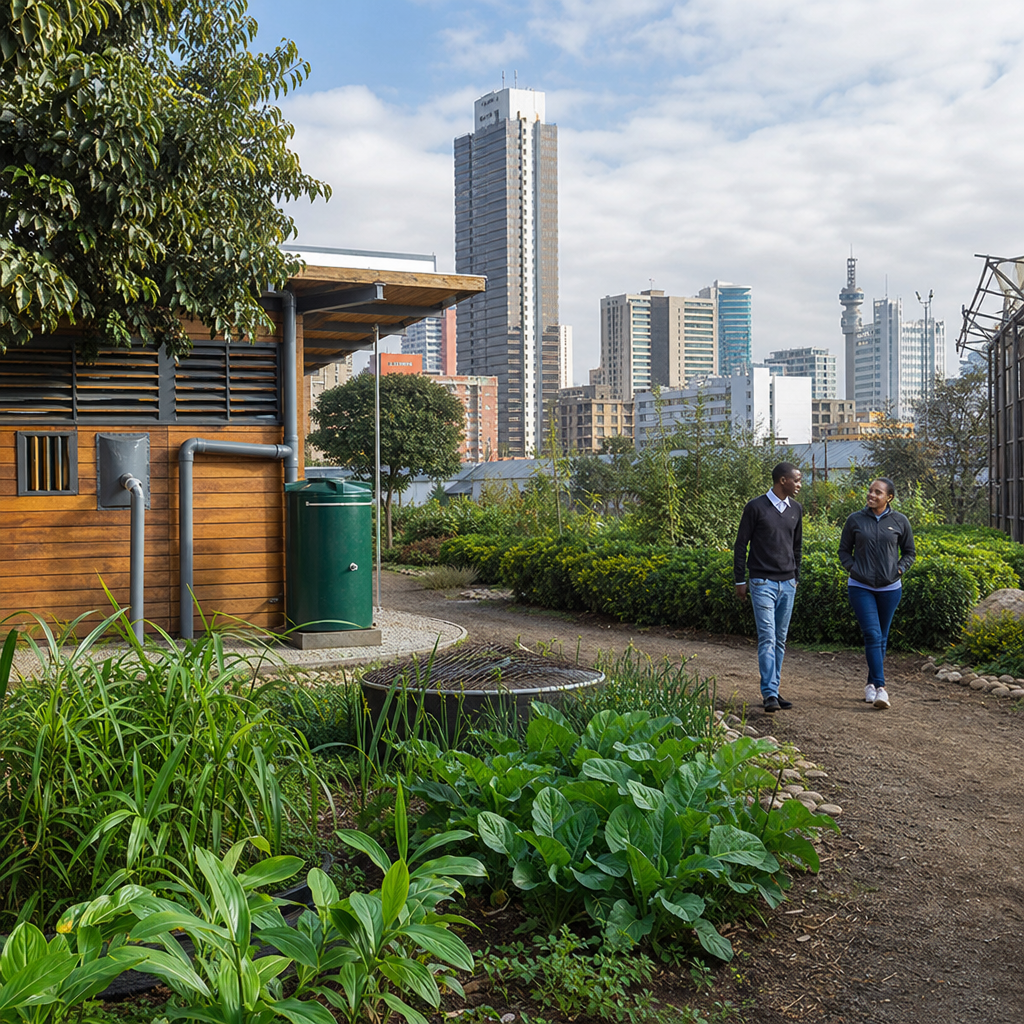
Decentralized wastewater treatment systems, including anaerobic baffled reactors, planted gravel filters, and small package plants, are useful where clusters of homes or facilities need treatment and possible reuse of graywater or blackwater. Constructed wetlands can provide robust secondary or tertiary treatment with lower energy demands, though they require land and proper hydraulic design. I usually advise decision makers to compare systems against five operational tests: containment reliability, user acceptability, maintenance complexity, cost over ten years, and safe end use or disposal route. A toilet that looks sustainable on paper but fails on cleaning routines or sludge logistics will not protect the environment for long.
Public Health, Behavior, and System Maintenance
Environmental protection in sanitation is inseparable from public health. A system cannot be considered green if it reduces water use but exposes workers or families to pathogens. Safe EcoSan depends on barriers: correct toilet use, proper storage or treatment time, personal protective equipment for handlers, controlled transport, and informed reuse practices. World Health Organization sanitation safety planning principles are useful here because they map hazards from containment to end use and assign controls at each step. In successful projects, user education is not an optional add on. It is part of the infrastructure.
Behavior matters because many EcoSan systems ask people to do something slightly different, such as keeping urine and feces separate, adding dry cover material, or respecting storage periods before reuse. Maintenance matters because vents clog, containers need collection, moisture levels drift, and treatment units need inspection. The greenest sanitation technology fails quickly if no one owns operations. That is why schools, landlords, municipalities, and service enterprises need clear responsibility lines, budgets, and monitoring schedules. When those basics are in place, EcoSan can deliver durable environmental gains. When they are ignored, even advanced designs can become another source of odor, flies, and community distrust.
EcoSan in Cities, Rural Communities, and Climate Resilience
EcoSan’s role in environmental protection changes by context. In rural communities, it often reduces open defecation, protects wells, and returns nutrients to local soils. In farming areas, the link between sanitation and soil fertility is easy to explain because households can see the value of compost and urine derived fertilizer directly. In cities, the role shifts toward service delivery, pollution control, and affordability. Container based sanitation and decentralized treatment can provide safer interim or long term solutions where sewers are unrealistic, especially in floodplains, informal settlements, and rapidly expanding peri urban belts.
Climate resilience strengthens the case. Conventional sewer systems are vulnerable to storm surges, power failures, and extreme rainfall. Pit latrines can collapse or flood. EcoSan options can be designed for raised installation, modular expansion, water independence, and local treatment, making them more adaptable during droughts and disasters. They also support low carbon planning when they reduce pumping, lower treatment loads, or recover resources that would otherwise require energy intensive production. For governments and developers, the strategic lesson is clear: sustainable sanitation is not a niche environmental extra. It is critical infrastructure for healthy ecosystems, resilient communities, and practical green living. To build that future, assess local conditions, choose technologies carefully, fund maintenance, and connect sanitation planning with water, agriculture, housing, and climate policy.
Frequently Asked Questions
What is sustainable sanitation, and why is it important for green living?
Sustainable sanitation is the practice of managing toilets, wastewater, hygiene, and related resources in ways that protect human health while reducing environmental harm. Instead of treating sanitation as a one-way disposal problem, sustainable sanitation looks at the full cycle of water, nutrients, energy, and waste. This includes using systems that reduce water consumption, prevent contamination of rivers and groundwater, lower greenhouse gas emissions, and, where appropriate, recover valuable resources such as nutrients and organic matter.
Its importance to green living is substantial because sanitation affects far more than the bathroom. Conventional systems can use large volumes of clean water to move waste, strain aging infrastructure, and contribute to pollution when wastewater is poorly treated or discharged. In contrast, sustainable sanitation supports cleaner ecosystems, healthier communities, and more resilient households. It helps conserve freshwater, protects soils and waterways from untreated waste, and can even contribute to food security through safe nutrient recovery. For anyone interested in living more sustainably, sanitation is one of the most practical and overlooked places to make a meaningful impact.
How does EcoSan differ from conventional sanitation systems?
EcoSan, or ecological sanitation, differs from conventional sanitation by treating human waste as a resource to be safely managed and potentially reused rather than simply flushed away. Traditional sanitation often relies on centralized sewer networks and water-intensive toilets that transport waste to treatment plants or, in some areas, to poorly managed pits, tanks, or waterways. While these systems can be effective when properly built and maintained, they may require large amounts of water, expensive infrastructure, and significant energy inputs.
EcoSan takes a different approach by focusing on source separation, safe treatment, nutrient recovery, and local resilience. Depending on the design, EcoSan systems may separate urine and feces, use little or no flush water, and process waste so nutrients can be safely returned to soil. This reduces the burden on water supplies and centralized treatment systems while helping prevent pollution. EcoSan can also be especially valuable in water-scarce areas, places with limited sewer access, flood-prone regions, or communities seeking lower-impact alternatives. The core idea is not just sanitation, but sanitation that works with natural cycles instead of against them.
Can sustainable sanitation really help conserve water and reduce pollution?
Yes, sustainable sanitation can make a major difference in both water conservation and pollution prevention. One of the clearest benefits is reduced water use. Conventional flush toilets can use several liters of clean drinking-quality water with every flush, which adds up quickly in homes, schools, and public facilities. Water-efficient toilets, low-flush systems, composting toilets, urine-diverting dry toilets, and greywater-conscious designs can significantly reduce that demand. In areas facing drought, water stress, or costly water service, this is more than an environmental benefit; it is a long-term resilience strategy.
Pollution reduction is just as important. Poorly managed sanitation can allow pathogens, excess nutrients, and chemical contaminants to enter streams, lakes, groundwater, and coastal waters. This can lead to unsafe drinking water, algal blooms, fish kills, ecosystem damage, and serious public health risks. Sustainable sanitation systems are designed to contain, treat, and safely manage waste before it reaches the environment. By improving treatment and reducing uncontrolled discharge, these systems help keep waterways cleaner, protect biodiversity, and reduce the spread of disease. In short, better sanitation is one of the most effective ways to improve environmental quality at both the household and community level.
Is human waste reuse safe in sustainable sanitation systems?
It can be safe, but only when it is done correctly and under proper treatment, storage, handling, and regulatory guidance. A central principle of sustainable sanitation is that resource recovery must never come at the expense of public health. Raw human waste can contain harmful bacteria, viruses, parasites, and other pathogens, so it should never be used directly without appropriate safeguards. Safe reuse depends on the type of system, local climate, treatment method, storage duration, and intended end use.
For example, some EcoSan systems separate urine and feces because they require different treatment pathways. Urine can contain valuable nutrients such as nitrogen and phosphorus, while fecal matter may be treated through controlled composting, dehydration, or other approved processes to reduce pathogens. Even then, safe reuse must follow best practices, local laws, and technical guidance from sanitation and public health authorities. The most successful programs combine good design with user education, maintenance, and monitoring. When managed responsibly, sanitation reuse can reduce fertilizer demand, improve soil health, and support circular resource use, but safety must always remain the first priority.
What are practical ways households and communities can adopt sustainable sanitation?
Households and communities can start with practical, scalable improvements rather than assuming sustainable sanitation requires a complete infrastructure overhaul. At the household level, options may include installing low-flow or dual-flush toilets, repairing leaks, avoiding the disposal of chemicals and non-biodegradable products into toilets, maintaining septic systems properly, and exploring composting or urine-diverting toilets where appropriate and permitted. Good hygiene practices, safe handwashing access, and regular inspection of sanitation systems are also essential parts of sustainability because environmental protection and public health go hand in hand.
At the community level, the most effective strategies often involve planning, education, and fit-for-purpose technology. This may include decentralized wastewater treatment, fecal sludge management programs, wetland-based treatment systems, school sanitation upgrades, or community outreach on safe operation and maintenance. Local governments, builders, public health professionals, and residents all play a role in making sanitation systems reliable and environmentally sound. The best solution is rarely one-size-fits-all; it depends on water availability, soil conditions, climate, population density, budget, and long-term maintenance capacity. Communities that approach sanitation as part of broader green living often see multiple benefits at once: cleaner water, lower resource use, better health outcomes, and stronger resilience for the future.