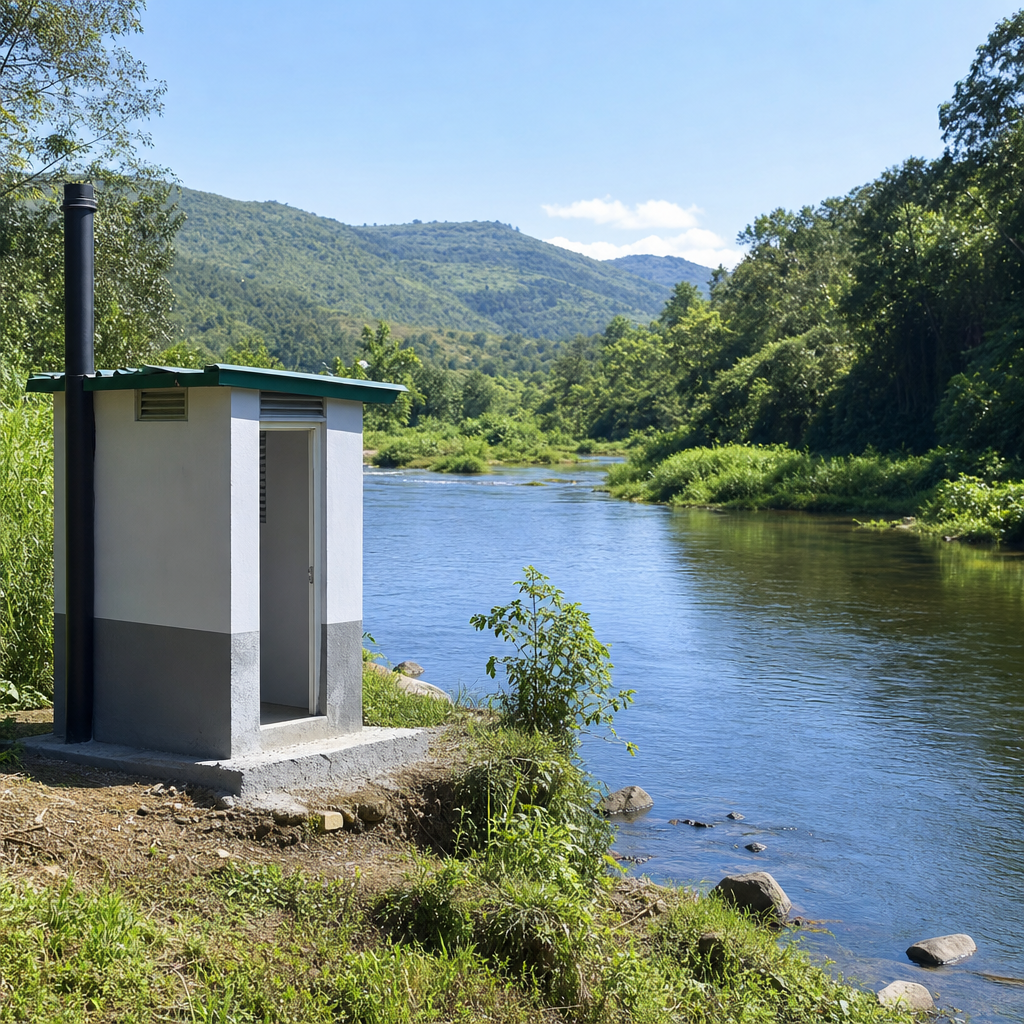
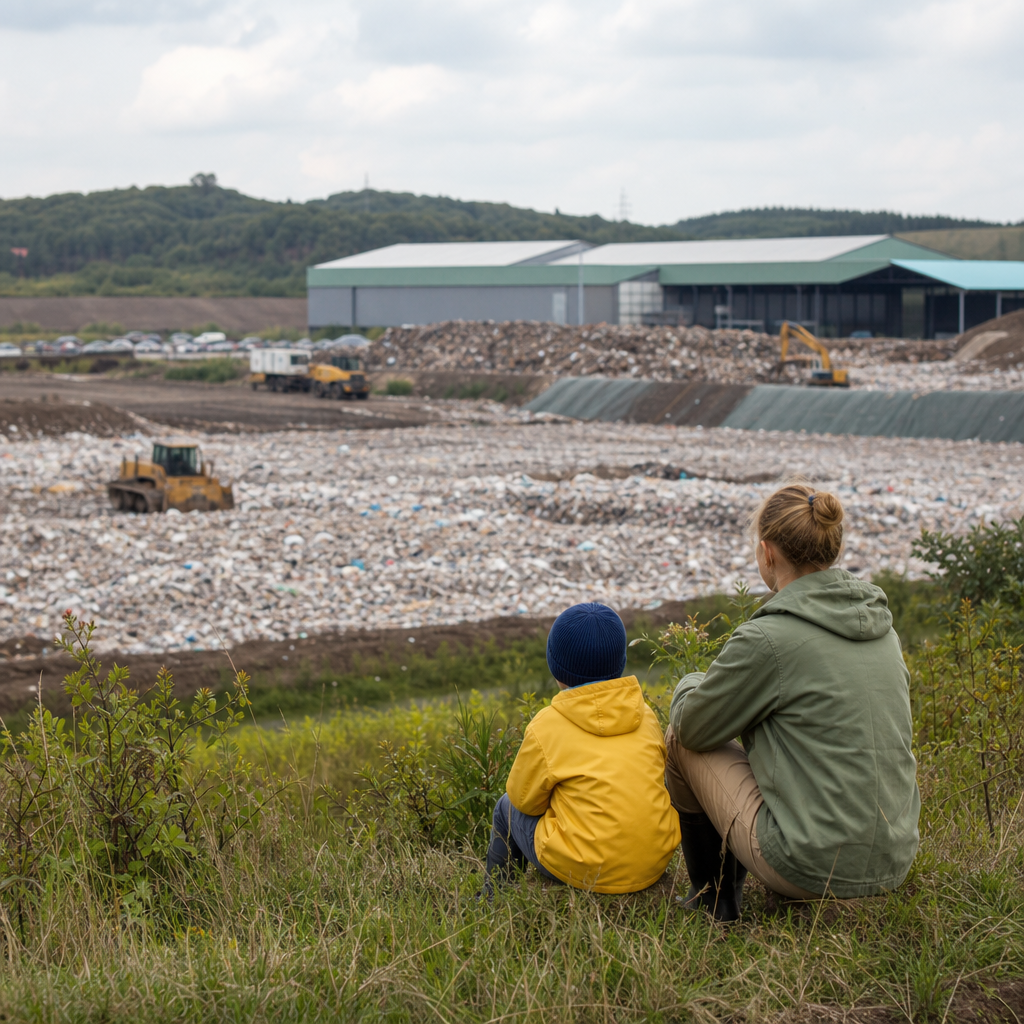
Promoting sustainable agriculture through EcoSan starts with one practical idea: nutrients and water should circulate through food systems instead of being treated as waste. Ecological sanitation, usually shortened to EcoSan, is an approach to sanitation that safely recovers nutrients, organic matter, and sometimes water from human excreta and returns them to productive use, especially in agriculture. In field projects I have worked on, the concept becomes easiest to understand when farmers compare it to composting crop residues. Instead of losing nitrogen, phosphorus, potassium, and carbon at the point of disposal, EcoSan systems preserve these resources through containment, treatment, and reuse. This matters because agriculture depends on soil fertility, clean water, and resilient local nutrient cycles, while conventional sanitation often breaks those cycles and shifts environmental costs downstream.
EcoSan and the environment are tightly linked. Standard flush sanitation uses large volumes of water, transports nutrients away from farms, and can contribute to river pollution, eutrophication, and high treatment costs when infrastructure is weak. By contrast, EcoSan aims to separate waste streams, reduce pathogen risks, and produce safe soil amendments or fertilizer products. Common systems include urine-diverting dry toilets, composting toilets, dehydrating vaults, and container-based models linked to off-site treatment. Urine typically contains most of the nitrogen and a significant share of phosphorus and potassium excreted by humans, while feces contain organic matter and additional nutrients. When these materials are managed correctly under recognized health safeguards from institutions such as the World Health Organization, they can support crop production while lowering dependence on synthetic fertilizers and reducing pollution loads.
For a hub page under environmental impact, the central question is not whether sanitation affects ecosystems; it clearly does. The real question is how EcoSan changes the environmental balance across soil health, water quality, climate pressure, biodiversity, and resource efficiency. The answer is nuanced. EcoSan is not a universal replacement for sewers, and it fails when treatment, user training, or product quality control are weak. Yet where water is scarce, fertilizer prices are volatile, soils are degraded, or centralized treatment is limited, EcoSan offers one of the clearest opportunities to connect sanitation with regenerative agriculture. Understanding that opportunity requires looking beyond toilets to the full system: collection, storage, sanitization, transport, farmer acceptance, crop response, regulation, and long-term environmental performance.
How EcoSan closes the nutrient loop in agriculture
The environmental value of EcoSan begins with nutrient recovery. Modern farming removes nutrients from fields in harvested crops, and those nutrients often end up concentrated in cities or settlements rather than returning to farmland. Conventional sanitation then mixes them with wastewater, dilutes them, and makes recovery more difficult and expensive. EcoSan reverses that pattern. Urine diversion captures a nutrient-rich stream at the source. Stored urine can provide plant-available nitrogen in forms similar to commercial fertilizer, while treated fecal matter can contribute slower-release nutrients and organic carbon. In practice, this means farms can substitute part of their purchased fertilizer, especially for cereals, forage crops, tree crops, and non-leafy food crops where application protocols are well designed.
In demonstration plots I have seen, farmers respond best when nutrient recovery is discussed in agronomic rather than ideological terms. They want to know application rates, timing, crop response, storage requirements, and labor implications. For urine, timing resembles split nitrogen application: small doses at crop establishment and vegetative growth, with incorporation or immediate watering to limit ammonia loss. For composted or otherwise sanitized fecal products, farmers compare texture, maturity, and spreading ease with manure or compost. The key environmental gain is circularity. Nutrients that would have contributed to wastewater pollution instead support local food production. This reduces import dependence for fertilizers, particularly phosphorus, a finite mineral resource with geopolitical supply risks.
EcoSan also supports decentralized nutrient management. Instead of relying only on distant treatment plants or imported inputs, communities can build smaller loops between households, schools, treatment sites, and nearby farms. This does not eliminate the need for regulation or technical oversight. On the contrary, effective nutrient looping requires clear protocols for source separation, storage duration, moisture control, pH management, compost temperatures, and product testing where feasible. But when those pieces are in place, EcoSan aligns sanitation with core sustainable agriculture goals: conserving resources, improving nutrient-use efficiency, and strengthening local resilience.
Soil health benefits and limits of EcoSan-derived inputs
Sustainable agriculture depends on living soils, not only on nutrient inputs. That is why EcoSan matters beyond nitrogen and phosphorus. Properly treated fecal compost or co-composted biosolids can add organic matter that improves soil structure, aggregation, water-holding capacity, and microbial activity. In sandy soils, this can reduce drought stress by increasing moisture retention. In compacted soils, added organic matter improves porosity and root penetration. Over several seasons, these changes can lower erosion risk and improve nutrient buffering. Farmers often notice the practical signs first: easier tillage, more even crop stands, and less crusting after rain.
There are, however, real limits. Not every EcoSan output is automatically beneficial to soil. Product quality depends on feedstock control, treatment performance, and contamination prevention. If source separation fails, if non-fecal waste enters the stream, or if treatment is incomplete, the resulting material can carry pathogens or unwanted substances. Salinity can also become a concern where urine is overapplied or where soils already have salt stress. In my experience, the strongest programs avoid presenting EcoSan products as universal soil cures. They position them as managed agricultural inputs that require the same discipline as manure, compost, or digestate: testing when possible, crop-specific guidance, and careful record keeping.
Another important distinction is between nutrient-rich liquids and carbon-rich solids. Urine is usually best valued as a fertilizer, not a soil conditioner. Treated fecal matter or co-compost can contribute more to soil organic matter, but nutrient concentration may be lower and more variable than in commercial products. This is why many successful reuse models blend approaches. A farm may use stored urine for fast nitrogen demand and composted solids to maintain soil carbon. That combination is environmentally sound because it matches material properties to agronomic function rather than forcing one product to do everything.
Water conservation and water quality protection
One of the clearest environmental advantages of EcoSan is reduced water use. Flush toilets can consume several liters per use, creating high household demand and increasing the volume that must be conveyed and treated. In water-stressed regions, that is a serious tradeoff. Dry or low-water EcoSan systems preserve freshwater for drinking, irrigation, and ecosystem needs. This benefit becomes especially important in peri-urban settlements and rural schools where water supply is intermittent and sanitation breakdowns often follow shortages. A non-flush system designed for local conditions can continue functioning without placing additional pressure on limited aquifers or distribution networks.
Water quality benefits are just as significant. When sanitation infrastructure is incomplete, poorly maintained, or flooded, untreated or partially treated waste can enter drains, streams, shallow groundwater, and irrigation canals. The consequences include nutrient pollution, algal blooms, oxygen depletion, and disease transmission. EcoSan reduces this risk by containing waste at the source and keeping nutrients out of mixed wastewater flows. Separation also simplifies treatment. Instead of dealing with highly diluted sewage, operators manage smaller, more concentrated streams that can be sanitized for reuse. This is often more feasible in low-density areas where sewer expansion is financially unrealistic.
The environmental protection gains depend on design and maintenance. Vaults must remain dry where dehydration is the treatment principle. Urine storage containers need secure handling and spill prevention. Composting systems need adequate carbon balance, aeration, and temperature management. Where groundwater is shallow or flood risk is high, containment design is nonnegotiable. These details determine whether EcoSan protects watersheds or creates localized hazards. Well-run systems clearly reduce pollution loads. Poorly run systems do not. That operational reality should guide planning more than technology branding.
Climate impact, energy use, and resource efficiency
EcoSan can reduce the climate footprint of sanitation and agriculture, though the magnitude varies by context. First, dry or source-separating systems generally avoid the energy needed to pump large volumes of wastewater over long distances. Second, nutrient recovery can offset part of the demand for synthetic fertilizers, whose production, especially nitrogen fertilizer through the Haber-Bosch process, is energy intensive and emissions heavy. Third, adding stabilized organic matter to soils can support carbon retention, particularly when it improves biomass production and reduces erosion.
Climate accounting is not automatic, however. If excreta are stored badly, methane, nitrous oxide, or ammonia emissions can rise. If transport routes are inefficient, the gains from local reuse shrink. If recovered products replace only a tiny fraction of fertilizer use, agricultural emissions may not shift much. The strongest environmental assessments therefore use life-cycle thinking. They compare water use, transport energy, treatment emissions, fertilizer substitution, and pollution avoidance across the entire chain. In decentralized settings, EcoSan often performs well because it eliminates dilution and reduces infrastructure intensity. In dense urban areas with advanced wastewater nutrient recovery, the comparison can be closer. The environmental case remains strong, but it must be made with system-level evidence, not assumptions.
| Environmental factor | Conventional flush sanitation | EcoSan approach | Main agricultural implication |
|---|---|---|---|
| Water use | High freshwater demand for transport | Low or zero flush demand | More water available for irrigation and households |
| Nutrient management | Nutrients diluted in wastewater | Nutrients captured at source for reuse | Partial fertilizer replacement |
| Pollution risk | Overflow and discharge can contaminate waterways | Contained streams easier to treat locally | Cleaner irrigation sources and lower eutrophication risk |
| Energy profile | Pumping and centralized treatment often energy intensive | Lower transport volumes, decentralized treatment | Reduced indirect input footprint |
| Soil benefits | Little direct return of organic matter to farms | Treated solids can add carbon and nutrients | Better structure and water retention over time |
Public health, standards, and safe reuse requirements
No discussion of EcoSan and the environment is complete without public health. Safe reuse is the condition that makes environmental benefits meaningful. If pathogen control fails, agricultural gains are undermined by disease risk. This is why recognized guidance emphasizes multiple barriers: source separation, adequate storage, treatment time, pH elevation where relevant, thermal composting, restricted crop use, safe application methods, protective equipment, and hand hygiene. The World Health Organization guidelines on sanitation and safe use of wastewater, excreta, and greywater provide the practical framework many programs adapt.
From implementation experience, the most common mistake is assuming that technology alone guarantees safety. It does not. User behavior, operator training, climate conditions, and monitoring determine outcomes. For example, urine can become a valuable fertilizer after appropriate storage, but containers must be clearly labeled, application equipment must prevent splashing, and intervals before harvest may be required depending on crop type. Composting toilets need sufficient residence time and moisture control to achieve stabilization. Where local labs exist, testing for indicator organisms adds confidence. Where labs do not exist, conservative handling rules become even more important.
Trust also matters. Farmers, consumers, and regulators need transparent information about how products are treated and where they can be safely used. Programs that communicate clearly about restrictions tend to achieve better long-term adoption than programs that oversell benefits and downplay risk management. Environmental performance is strongest when sanitation teams and agricultural extension officers work together rather than in separate silos.
Implementation challenges, policy needs, and practical next steps
EcoSan succeeds when institutions treat it as infrastructure plus service, not just a toilet installation. The environmental case can fail in the real world because of weak maintenance plans, uncertain ownership of recovered products, social stigma, missing transport logistics, or regulations that permit disposal but not reuse. I have seen technically sound pilots stall because no agency was responsible for emptying vaults, certifying compost quality, or connecting farmers with supply. Conversely, modest systems have scaled when municipalities, schools, cooperatives, and local entrepreneurs shared clear roles.
Policy support should focus on standards, training, financing, and market development. Building codes can recognize urine-diverting and dry sanitation options where appropriate. Agricultural agencies can publish crop-specific reuse guidance. Public procurement can support demonstration farms, school gardens, and landscape applications that prove performance safely. Monitoring should track not only toilet adoption but also nutrient recovery rates, water savings, product quality, and farmer uptake. These metrics show whether EcoSan is delivering genuine environmental value.
Promoting sustainable agriculture through EcoSan ultimately means redesigning sanitation as part of the food system. The main benefit is straightforward: communities can protect water, recover nutrients, improve soils, and reduce waste all at once when systems are properly managed. EcoSan is not a shortcut, and it is not suitable everywhere, but it is one of the most practical environmental strategies for places facing water scarcity, fertilizer costs, and sanitation gaps. Use this hub as the starting point for deeper work on nutrient recovery, soil health, safe reuse, policy, and decentralized treatment, then map which EcoSan models fit your local agricultural and environmental conditions best.
Frequently Asked Questions
What is EcoSan, and how does it support sustainable agriculture?
EcoSan, or ecological sanitation, is a sanitation approach designed to safely recover useful resources from human excreta rather than treating them only as waste. In practical terms, EcoSan focuses on capturing nutrients such as nitrogen, phosphorus, and potassium, along with organic matter and sometimes water, and returning them to productive use in farming systems. This matters because agriculture depends heavily on soil fertility, yet many farms lose nutrients every season through harvest removal, erosion, and poor waste management. EcoSan helps close that loop by turning sanitation outputs into agricultural inputs.
From a sustainable agriculture perspective, the value of EcoSan is that it supports circular nutrient flows. Instead of relying entirely on synthetic fertilizers, farmers can integrate treated EcoSan-derived products into soil fertility management plans. This can improve soil structure, increase organic matter, support microbial life, and reduce pressure on external inputs. In many communities, especially where fertilizer prices are high or supply chains are unreliable, this makes farming more resilient and more affordable.
EcoSan also strengthens environmental sustainability. Conventional sanitation systems often dilute nutrients in large volumes of water and then discharge them into the environment, where they can contribute to pollution. EcoSan aims to recover those nutrients before they are lost. When implemented correctly, it protects water quality, reduces waste, and helps create more productive farming systems. That is why EcoSan is increasingly discussed not just as a sanitation solution, but as part of a broader strategy for sustainable agriculture, resource efficiency, and climate-smart rural development.
How are nutrients from EcoSan systems safely used in agriculture?
Safe agricultural use is the foundation of EcoSan. The goal is not simply to reuse materials, but to do so in a way that protects human health, food safety, and the environment. This starts with system design. Many EcoSan systems separate urine and feces at the source, because each material has different nutrient characteristics and different treatment requirements. Urine is usually rich in readily available nitrogen and potassium, while feces contain organic matter, phosphorus, and other nutrients, but also require more careful treatment because of pathogen risks.
Before any agricultural application, materials must be properly treated, stored, and handled according to established health and sanitation guidelines. Depending on the system, treatment may involve dehydration, composting, storage for specified periods, pH treatment, or other methods that reduce pathogens to safe levels. The exact process depends on climate, technology, local regulations, and intended crop use. Farmers and project managers also need training on storage times, application methods, protective equipment, and hygiene practices.
In the field, safety is improved further by matching products to appropriate crops and application methods. For example, treated materials may be incorporated into soil rather than left on the surface, or applied to tree crops, cereals, fiber crops, or other crops where risk can be managed more effectively. Timing also matters. Applying nutrients well before harvest and avoiding direct contact with edible plant parts are common good practices. When these steps are followed carefully, EcoSan can contribute valuable nutrients to agriculture while maintaining strong public health safeguards.
What are the main benefits of EcoSan for farmers and rural communities?
For farmers, one of the clearest benefits of EcoSan is improved access to plant nutrients. Fertilizer costs can be a major burden, and in some areas farmers cannot reliably obtain the products they need at the right time. EcoSan can provide a local, recurring source of nutrients that helps reduce dependence on purchased inputs. While EcoSan is not always a complete replacement for all fertilizers, it can become an important part of an integrated soil fertility strategy that combines organic and mineral sources for better results.
Another major advantage is soil health. EcoSan-derived products, especially those containing stabilized organic matter, can support better soil structure, moisture retention, and biological activity. These qualities are especially valuable in degraded or drought-prone soils. Healthier soils generally use water more efficiently, resist erosion better, and support more stable crop performance over time. For smallholder farmers, that can translate into stronger yields, lower input vulnerability, and greater long-term productivity.
Rural communities benefit beyond the farm gate as well. EcoSan can improve sanitation access, reduce unmanaged waste, and lower contamination risks when systems are well designed and maintained. It can also create opportunities for local enterprises around toilet construction, treatment services, transport, compost production, and extension support. In many cases, the broader value of EcoSan lies in connecting public health, environmental protection, and agricultural livelihoods into one practical system. That integrated benefit is what makes EcoSan especially compelling in community-based sustainable development efforts.
What challenges can affect EcoSan adoption, and how can they be addressed?
EcoSan has strong potential, but successful adoption depends on more than technology alone. One common challenge is social acceptance. In many settings, people are understandably cautious about using products derived from human excreta in agriculture. Concerns about hygiene, cultural norms, and food safety can slow adoption even when the technical model is sound. The best response is transparent education, practical demonstrations, and consistent evidence showing how treatment works, how safety is maintained, and what results farmers can expect in the field.
Operational challenges are also significant. EcoSan systems require correct construction, regular maintenance, and reliable user behavior. If toilets are poorly built, if separation is not functioning properly, or if treatment protocols are not followed, the system may fail to deliver safe and useful outputs. That is why training, technical support, and quality control are essential. Farmers, households, local masons, extension workers, and sanitation teams all need clear guidance on their roles. Strong local management often makes the difference between a pilot that struggles and a program that scales.
There can also be policy and market barriers. In some places, regulations for reuse are unclear, and institutions responsible for agriculture, health, and sanitation may work separately instead of collaboratively. Transport and storage can add costs, especially where farms are distant from collection points. Addressing these issues usually requires a combination of supportive policy frameworks, practical standards, community engagement, and realistic business models. When EcoSan is approached as both a sanitation service and an agricultural resource system, adoption becomes much more feasible and durable.
Can EcoSan replace chemical fertilizers completely?
In some situations, EcoSan can supply a meaningful share of crop nutrient needs, but it should not automatically be viewed as a universal one-to-one replacement for chemical fertilizers. The nutrient content of EcoSan-derived products varies by system type, user practices, treatment method, and storage conditions. Crops also have different nutrient demands, and soils differ widely in fertility status, pH, organic matter, and water-holding capacity. For these reasons, EcoSan works best when used as part of a broader nutrient management strategy rather than as a simplistic substitute.
In practice, many farmers see the greatest benefit when EcoSan is combined with compost, crop residues, manure, cover crops, and, where needed, carefully targeted mineral fertilizers. This integrated approach improves both immediate nutrient availability and long-term soil health. For example, urine-derived nutrients may provide rapid nitrogen support, while composted solids contribute phosphorus and organic matter that improve the soil over time. Used together, these inputs can strengthen crop performance while reducing total dependence on purchased fertilizers.
The most responsible way to evaluate EcoSan is through field-based nutrient planning. Farmers should consider crop type, expected yield, timing of nutrient demand, and the quality of the recovered material. Soil testing and extension guidance are especially useful for getting application rates right. So, while EcoSan may not eliminate the need for all external fertilizers in every farming system, it can significantly reduce input costs, improve resource efficiency, and make agriculture more circular and sustainable. That makes it a powerful tool, particularly where access to conventional fertilizers is limited or expensive.