Sanitation shapes air quality more directly than most people realize, and any serious discussion of EcoSan and the Environment has to start there. In environmental health, sanitation means the systems used to safely contain, collect, treat, reuse, or dispose of human waste, wastewater, and related organic residues. Air quality refers to the concentration of pollutants in indoor and outdoor air, including particulate matter, ammonia, hydrogen sulfide, methane, nitrous oxide, volatile organic compounds, and bioaerosols carrying bacteria or fungal fragments. Ecological sanitation, often shortened to EcoSan, is an approach that treats waste as a resource, emphasizing source separation, nutrient recovery, reduced water use, and treatment methods that protect ecosystems. I have worked on sanitation planning and environmental review for decentralized projects, and the same pattern appears repeatedly: when waste is mismanaged, air suffers first, even before groundwater monitoring detects the damage.
The connection matters because poor sanitation creates both immediate nuisance pollution and longer-term climate and public health burdens. Open defecation, leaking pit latrines, overloaded sewers, unmanaged sludge, and uncontrolled dumping all release gases and aerosols that degrade breathing conditions around homes, schools, treatment sites, and informal settlements. The World Health Organization and UNICEF Joint Monitoring Programme consistently link inadequate sanitation with disease risk, but the air pathway often receives less attention than water contamination. That is a mistake. Decomposing waste produces methane under anaerobic conditions, ammonia when nitrogen-rich material volatilizes, and odor-causing sulfur compounds when organic matter breaks down without oxygen. In dense settlements, these emissions concentrate at the exact places where people cook, sleep, and work.
EcoSan changes that equation by redesigning the sanitation chain from toilet to final use. Instead of treating excreta solely as waste to flush away, EcoSan systems separate urine and feces, encourage controlled composting or dehydration, and support nutrient recovery for agriculture. Those design choices influence emissions at every stage. A dry urine-diverting toilet can reduce anaerobic decomposition inside pits, while covered composting can suppress odors and limit fly breeding compared with exposed sludge heaps. Properly managed resource recovery also reduces dependence on synthetic fertilizer, whose production is energy intensive and linked to major industrial emissions. For a sub-pillar article on environmental impact, this is the core message: sanitation is not only a water issue or a public health issue; it is also an air quality issue, a climate issue, and a land management issue.
This hub article explains how sanitation affects air quality, where conventional systems fall short, and how EcoSan approaches can improve outcomes when they are designed and operated correctly. It covers emissions from toilets, sewers, pits, fecal sludge handling, wastewater treatment, sludge reuse, and fertilizer substitution. It also addresses tradeoffs, because not every EcoSan system performs well by default. Moisture control, carbon-to-nitrogen balance, ventilation, pathogen reduction, user behavior, and maintenance standards determine whether a project cuts emissions or simply relocates them. Understanding those details is essential for policymakers, engineers, building owners, farmers, and community organizations that want sanitation investments to deliver measurable environmental gains.
How poor sanitation pollutes the air
Poor sanitation affects air quality through four main pathways: direct gas emissions, odor generation, aerosolization of biological material, and smoke or combustion from unsafe waste disposal. In practice, these pathways often overlap. When a pit latrine fills and stays wet, anaerobic digestion accelerates methane generation. When urine mixes with feces and wash water, nitrogen can convert to ammonia, especially in warm conditions with high pH. When waste is left exposed, wind, sweeping, pumping, or surface disturbance can aerosolize dried particles and microbes. In areas without collection services, residents may burn solid waste contaminated with feces, adding fine particulate matter and toxic combustion byproducts to neighborhood air.
Common pollutants from sanitation sources include methane, a potent greenhouse gas; nitrous oxide, another strong climate pollutant; ammonia, which contributes to secondary particulate formation; and hydrogen sulfide, associated with strong odor and acute exposure hazards at higher concentrations. Bioaerosols matter too. Studies around wastewater plants, sludge drying beds, and open drains have documented elevated airborne bacteria and endotoxins near disturbance points. The exact concentration depends on wind, humidity, treatment method, and distance, but the operational lesson is simple: exposed, wet, disturbed waste produces the worst local air impacts. That is why containment, separation, covering, and controlled treatment are central design principles in better sanitation systems.
Where conventional sanitation systems create emissions
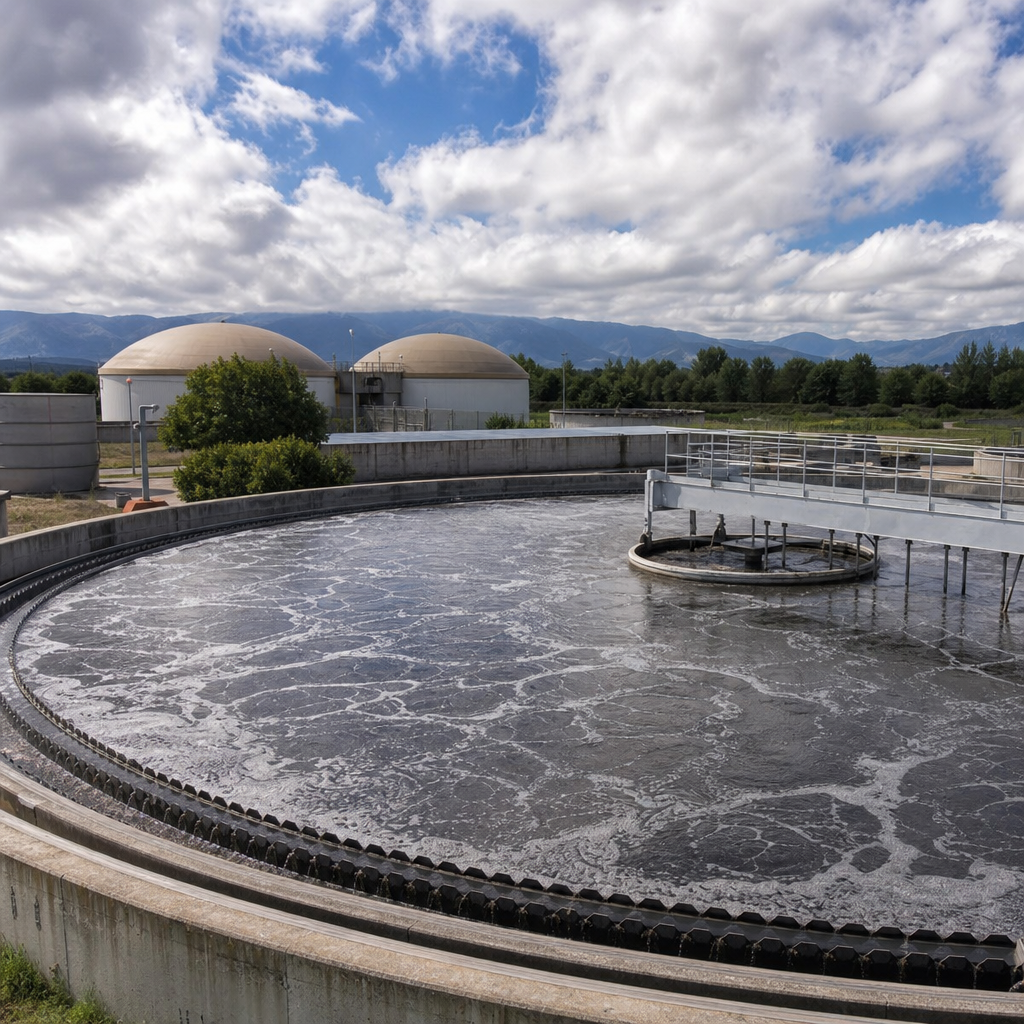
Conventional sanitation is often described as flush toilets, sewers, centralized wastewater treatment, septic tanks, or pit latrines, but each option has distinct air implications. Sewer networks can reduce household odor, yet they move the emission source rather than eliminating it. Pump stations, manholes, combined sewer overflows, and treatment headworks are frequent odor hotspots. Wastewater treatment plants can emit methane from anaerobic zones, nitrous oxide from nitrification and denitrification imbalances, and hydrogen sulfide where sulfates are reduced under low-oxygen conditions. Utilities that monitor only water parameters may overlook these air emissions until nearby communities complain.
On-site systems present a different profile. Septic tanks and pit latrines generate gases close to residences. Where pits are shallow, unlined, and frequently flooded, decomposition becomes inefficient and odorous. In urban peripheries, I have seen fecal sludge emptied manually into open drains or transported in leaking vehicles, creating intense short-term exposure for workers and neighbors. Even sludge drying beds, which are common and relatively low cost, can release odors and ammonia if loading rates are excessive or turning is poorly timed. Centralized systems are not automatically cleaner than decentralized systems; performance depends on design, loading, energy reliability, and operational discipline.
| Sanitation stage | Typical air pollutants | Main cause | Better control measure |
|---|---|---|---|
| Toilet or pit | Ammonia, methane, odors | Mixed wet waste and poor ventilation | Urine diversion, venting, dry cover material |
| Sewer network | Hydrogen sulfide, odors | Low oxygen and long retention time | Flow management, corrosion control, ventilation |
| Sludge transport | Odors, bioaerosols | Leaks, spills, agitation | Sealed equipment and transfer protocols |
| Treatment site | Methane, nitrous oxide, ammonia | Uncontrolled biological processes | Process optimization and gas capture |
| Final disposal or reuse | Ammonia, dust, odors | Exposed storage or poor land application | Curing, incorporation into soil, covering |
How EcoSan improves air quality outcomes
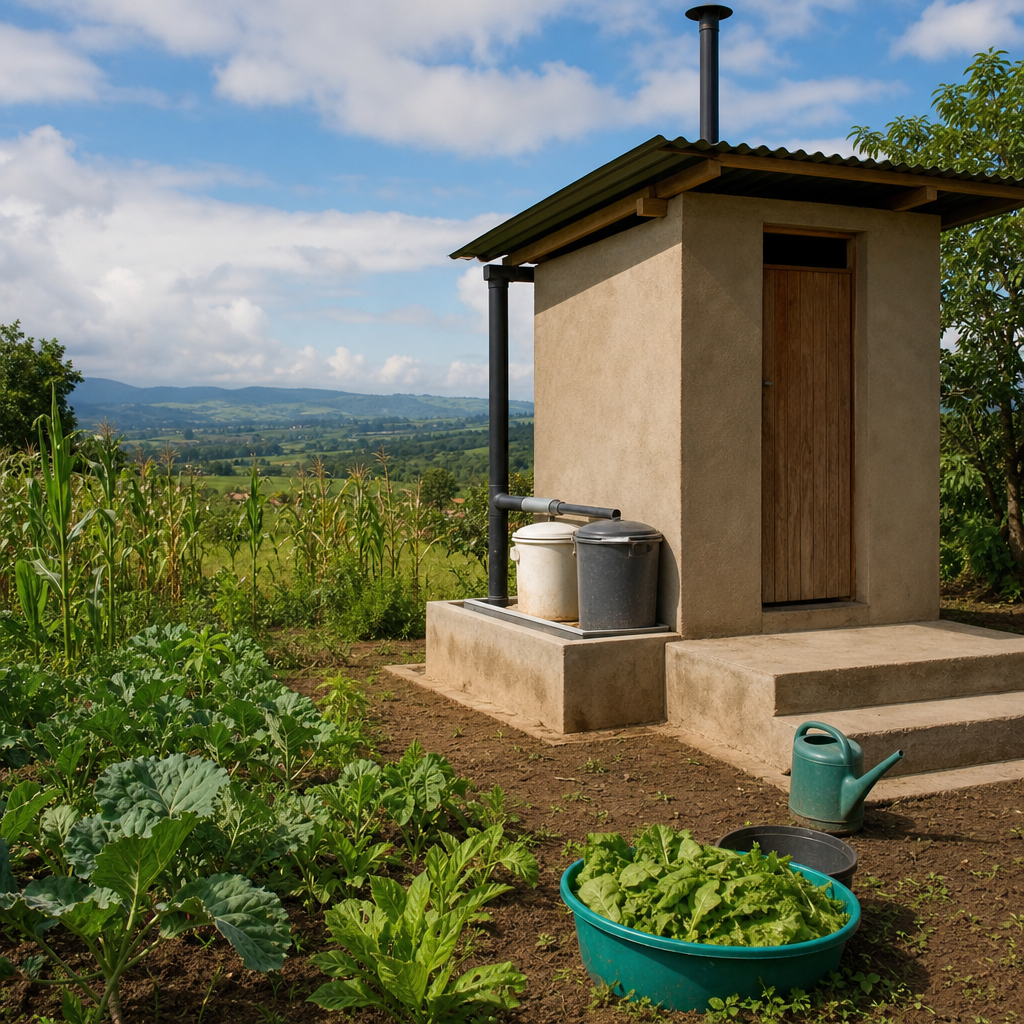
EcoSan improves air quality by interrupting the conditions that create uncontrolled emissions. The most important shift is source separation. Urine-diverting dry toilets keep feces drier and reduce anaerobic breakdown inside the toilet chamber, which lowers methane formation and often makes odor easier to manage. Separating urine also allows nitrogen to be stored and applied more deliberately, reducing ammonia losses compared with random soaking into pits or drains. When feces are treated through dehydration or managed composting, emissions become more predictable because oxygen, moisture, and cover materials can be controlled rather than left to chance underground.
Another advantage is shorter, safer handling chains. In many conventional systems, waste becomes diluted, travels long distances, and then requires energy-intensive treatment. EcoSan can reduce that burden through local processing and beneficial reuse. For example, composted biosolids or sanitized fecal matter can return organic carbon to soil, improving structure and water retention. Health-safe reuse requires strict treatment targets, but when done correctly it can displace some synthetic fertilizer demand. That matters for air quality because industrial ammonia production through the Haber-Bosch process is energy intensive and contributes indirectly to emissions from natural gas use and power generation. EcoSan therefore affects air both locally, by cutting odors and unmanaged decomposition, and regionally, by lowering inputs tied to industrial emissions.
Composting, dehydration, and nutrient recovery in practice
Not all EcoSan technologies behave the same way. Composting toilets rely on aerobic decomposition, which can dramatically reduce offensive odor when the mix has enough bulking material, usually sawdust, husks, leaves, or other carbon-rich cover. The target is not simply to “let it rot” but to maintain airflow, moderate moisture, and a reasonable carbon-to-nitrogen ratio. If the pile turns wet and compacted, oxygen drops, anaerobic pockets form, and the system starts producing the same kinds of smell associated with poorly managed sludge. In projects I have reviewed, the difference between a successful composting toilet and a failing one was usually routine operation, not the hardware.
Dehydrating toilets work differently. They suppress microbial activity by removing moisture and raising pH when ash or lime is used. This can reduce odor quickly and make storage safer, but poor user training can undermine performance. If cleansing water enters the feces chamber, dehydration stalls. If urine lines clog because of poor slope or mineral scaling, users revert to mixing streams and the emission benefits disappear. Nutrient recovery systems that collect urine for agricultural use can be highly effective, yet they require covered storage, timed application, and soil incorporation to avoid ammonia volatilization. In other words, EcoSan is not magic; it is a set of controlled processes that must be managed with the same seriousness as any engineered environmental system.
Air quality, climate change, and environmental co-benefits
The Effects of Sanitation on Air Quality extend beyond odor control into climate strategy. Methane from sanitation is smaller than methane from energy or agriculture in many countries, but it is still material, especially in rapidly urbanizing areas with weak sludge management. The Intergovernmental Panel on Climate Change includes wastewater and sanitation emissions in national greenhouse gas accounting for a reason: unmanaged anaerobic decomposition creates real and preventable warming impacts. EcoSan approaches that keep waste drier, shorten storage time, improve compost aeration, or capture biogas can cut those emissions substantially.
There are co-benefits as well. Better sanitation reduces open drains and stagnant waste that attract flies and rodents, lowering the need for reactive chemical spraying. Reuse of stabilized organic matter can improve soil health, which supports vegetation and dust suppression in degraded landscapes. Water-saving sanitation can also reduce energy use for pumping and treatment where utilities depend on electricity from fossil fuels. These gains are not automatic, but they are measurable when projects track the right indicators: methane avoided, ammonia losses reduced, odor complaints, worker exposure incidents, and fertilizer substitution rates. A strong environmental impact assessment should include those metrics from the beginning instead of treating air quality as an afterthought.
Design, operation, and policy factors that determine success
Three factors determine whether sanitation improves or worsens air quality: design quality, operational discipline, and enabling policy. Good design means matching the system to climate, density, user preferences, and service capacity. A urine-diverting toilet can work extremely well in a water-scarce settlement, but it may fail in a multi-story building without maintenance access or trained caretakers. Ventilation pipes, chamber sizing, drainage details, insect screens, and access for safe removal are not minor features; they are performance-critical components. I have seen expensive installations lose community trust because a basic vent cap or urine pipe detail was ignored during construction.
Operation matters just as much. Households need instructions on cover material use, cleaning methods, and what not to put into the system. Service providers need personal protective equipment, sealed containers, route planning, and transfer stations that prevent leaks and unnecessary agitation. Municipal policy should support standards for fecal sludge management, compost quality, pathogen reduction, and land application. Frameworks from the World Health Organization, ISO sanitation guidance, and national biosolids regulations provide useful benchmarks. For communities building an EcoSan hub under a broader Environmental Impact topic, the practical next step is clear: audit your sanitation chain, identify emission hotspots, and prioritize systems that control waste at the source while enabling safe reuse.
Sanitation and air quality are inseparable, and EcoSan offers one of the most practical ways to improve both at once. Poorly managed waste releases methane, ammonia, hydrogen sulfide, dust, and bioaerosols that harm neighborhoods, workers, and climate goals. Conventional systems can reduce exposure in one location while creating it in another, especially when sewers leak, sludge is dumped, or treatment is inconsistent. EcoSan improves the picture by separating waste streams, keeping treatment controlled, reducing unmanaged decomposition, and turning nutrients into useful products instead of persistent pollution. The result is cleaner local air, lower greenhouse gas emissions, and stronger resource efficiency across the sanitation chain.
The main lesson is that technology choice alone does not guarantee cleaner air. Performance depends on moisture control, ventilation, transport practices, operator training, agricultural reuse methods, and enforceable standards. Well-run composting, dehydration, urine diversion, and decentralized treatment can outperform conventional systems on air impacts, but poorly managed versions can still create odor and emissions. That balanced view is essential for planners and property owners making long-term investments. If you are building out an Environmental Impact content hub, use this page as the starting point, then assess your current sanitation system against air quality risks, maintenance capacity, and reuse opportunities before selecting the right EcoSan pathway.
Frequently Asked Questions
How does sanitation affect air quality in the first place?
Sanitation affects air quality by determining what happens to human waste, wastewater, and organic residues before they break down and release gases into the air. When sanitation systems are poorly designed, overloaded, leaking, or absent altogether, waste often decomposes in uncontrolled conditions. That process can generate air pollutants such as ammonia, hydrogen sulfide, methane, nitrous oxide, and a range of volatile organic compounds. In practical terms, that means open drains, uncovered pits, stagnant wastewater, and unmanaged sludge can all become steady sources of unpleasant odors and harmful emissions.
Well-managed sanitation systems reduce those emissions by containing waste, limiting uncontrolled decomposition, improving ventilation where needed, and ensuring safe treatment and disposal or reuse. This is especially important in dense urban areas, informal settlements, schools, healthcare facilities, and any setting where many people share sanitation infrastructure. Good sanitation does not just protect water and soil; it also reduces the buildup of polluted indoor and outdoor air that can affect comfort, respiratory health, and overall environmental quality.
What air pollutants are commonly linked to poor sanitation systems?
Poor sanitation is commonly associated with several important air pollutants and nuisance gases. Ammonia is one of the most frequent, especially where urine and fecal matter accumulate or where sludge is stored without proper treatment. It can irritate the eyes, nose, and throat and contribute to the formation of secondary particulate matter in the atmosphere. Hydrogen sulfide is another major concern, particularly in septic conditions, sewers, sludge tanks, and stagnant wastewater. Even at low concentrations it causes strong odor problems, and at higher levels it can be dangerous to human health.
Methane and nitrous oxide are also significant because they connect sanitation directly to climate and air quality discussions. Methane is produced during anaerobic decomposition and is a potent greenhouse gas. Nitrous oxide can emerge from nitrogen-rich waste streams during biological treatment or decomposition and is also a powerful greenhouse gas. In addition, sanitation-related systems may release volatile organic compounds and bioaerosols, especially during sludge handling, wastewater agitation, or poorly controlled treatment operations. These emissions may not always be visible, but they can still affect nearby residents, workers, and the surrounding environment. This is why air quality management should be treated as a core part of sanitation planning rather than an afterthought.
Can better sanitation improve indoor air quality as well as outdoor air quality?
Yes, and this is a point that is often underestimated. Indoor air quality can decline rapidly when toilets, pits, drains, septic systems, or wastewater lines are poorly maintained or improperly ventilated. In homes, schools, public toilets, and healthcare settings, sanitation failures can lead to persistent odors, moisture problems, and the buildup of gases such as ammonia and hydrogen sulfide. Small, enclosed, or poorly ventilated spaces are especially vulnerable because pollutants can accumulate quickly and remain concentrated for long periods.
Improved sanitation helps by containing waste effectively, reducing leaks, preventing sewage backups, and supporting controlled treatment. Features such as sealed storage, proper venting, timely emptying, regular cleaning, and safe sludge management all make a measurable difference. Outside the building, better drainage and wastewater handling reduce stagnant pools and open channels that release odors and gases into nearby neighborhoods. So while sanitation is often discussed in terms of disease prevention and water protection, it also has a direct role in creating healthier indoor environments and cleaner community air overall.
What is the connection between EcoSan and the environment when it comes to air quality?
EcoSan, or ecological sanitation, is closely connected to air quality because it emphasizes managing waste as a resource while minimizing pollution across the whole system. Instead of treating human waste only as something to remove, EcoSan approaches aim to separate, contain, sanitize, and potentially reuse nutrients and organic matter in safer, more controlled ways. When done properly, this can reduce uncontrolled decomposition, lower odor generation, and cut emissions that would otherwise escape from open pits, unmanaged sludge, or failing wastewater systems.
From an environmental perspective, the value of EcoSan is that it encourages system design choices that can reduce methane formation, improve nutrient recovery, and avoid the unnecessary release of ammonia and other compounds. For example, urine diversion, composting approaches, and better sludge stabilization can all influence the types and quantities of air emissions produced. That said, EcoSan is not automatically low-emission by default. Its air quality benefits depend on proper design, operation, moisture control, aeration, storage, and user maintenance. If those elements are neglected, even environmentally branded sanitation systems can produce odor and gas problems. In short, EcoSan supports better environmental outcomes when it is implemented as a carefully managed sanitation strategy rather than simply a different toilet technology.
What practical steps can communities and facilities take to reduce sanitation-related air pollution?
The most effective step is to improve the entire sanitation chain, not just the toilet or collection point. That means safe containment, reliable collection, proper conveyance, effective treatment, and responsible reuse or disposal. Communities and facilities should prioritize sealed or well-contained systems, regular desludging schedules, leak prevention, proper wastewater drainage, and treatment processes that match the local climate, population density, and maintenance capacity. Open dumping of sludge, stagnant wastewater, and damaged sewer infrastructure should be addressed quickly because these are among the most common and preventable sources of sanitation-related air pollution.
At the operational level, odor and emission control can be improved through proper ventilation, covered tanks and channels, aeration where appropriate, moisture management, and worker training. Monitoring also matters. Facilities that handle sludge or wastewater should pay attention to ammonia, hydrogen sulfide, methane, and other emissions, especially if they are located near homes, schools, or workplaces. Long term, policy support, investment in maintenance, and public awareness are essential. Air quality benefits are strongest when sanitation is treated as environmental infrastructure, not just a basic service. That broader view helps communities reduce nuisance odors, protect health, and support more sustainable outcomes for both sanitation and the environment.