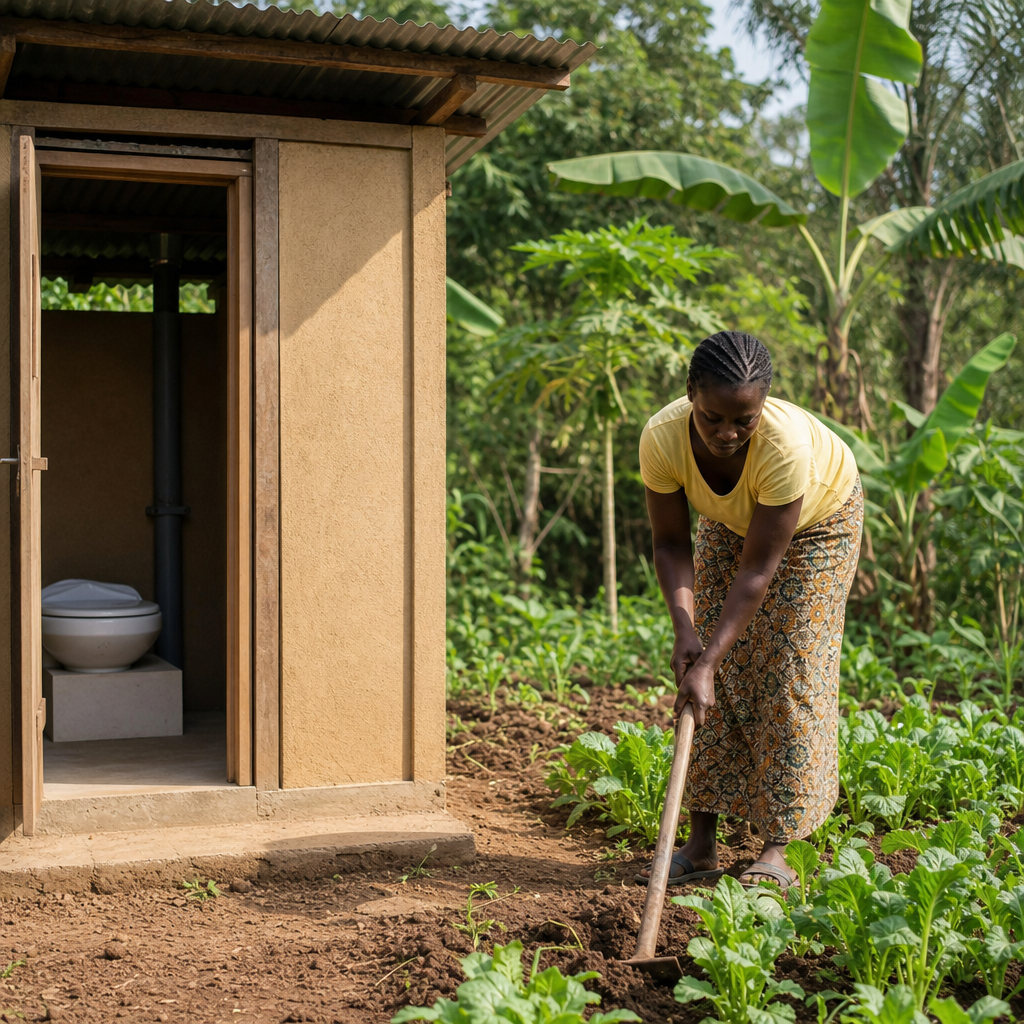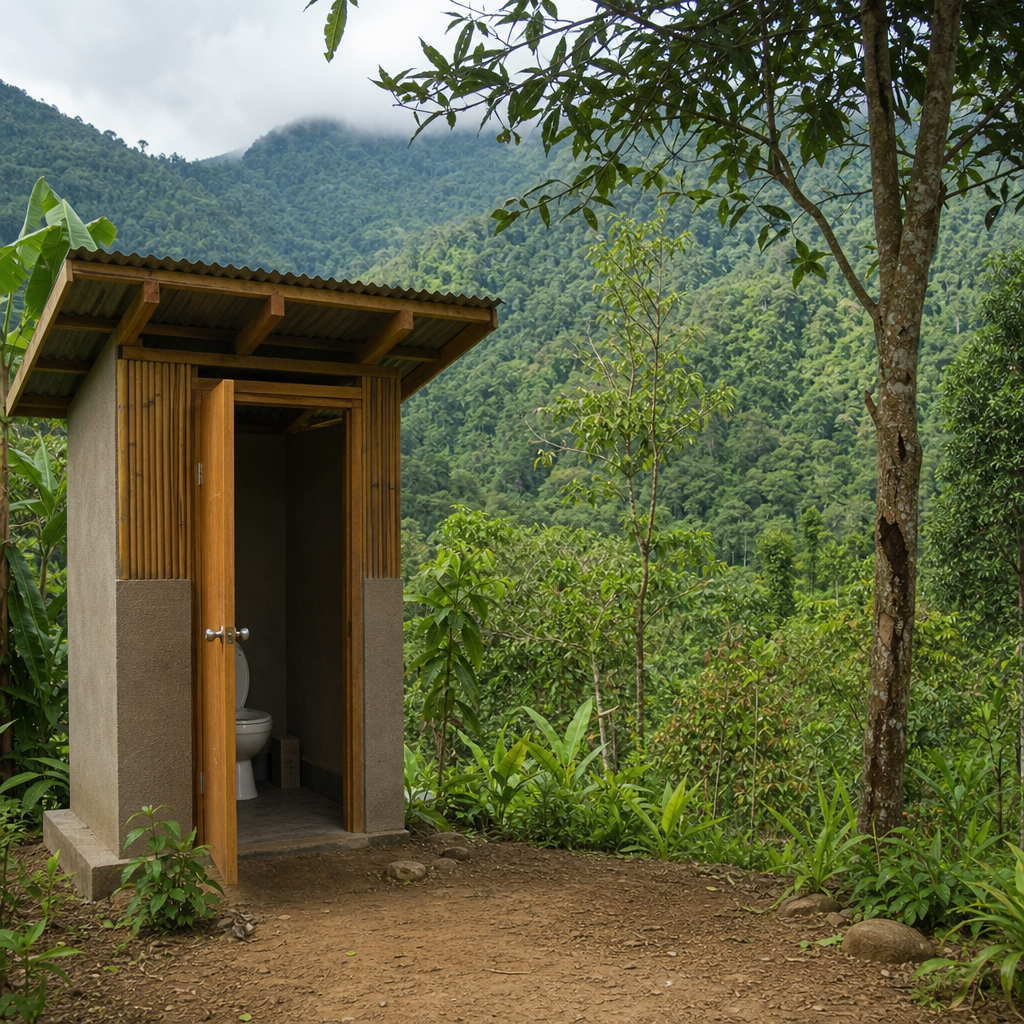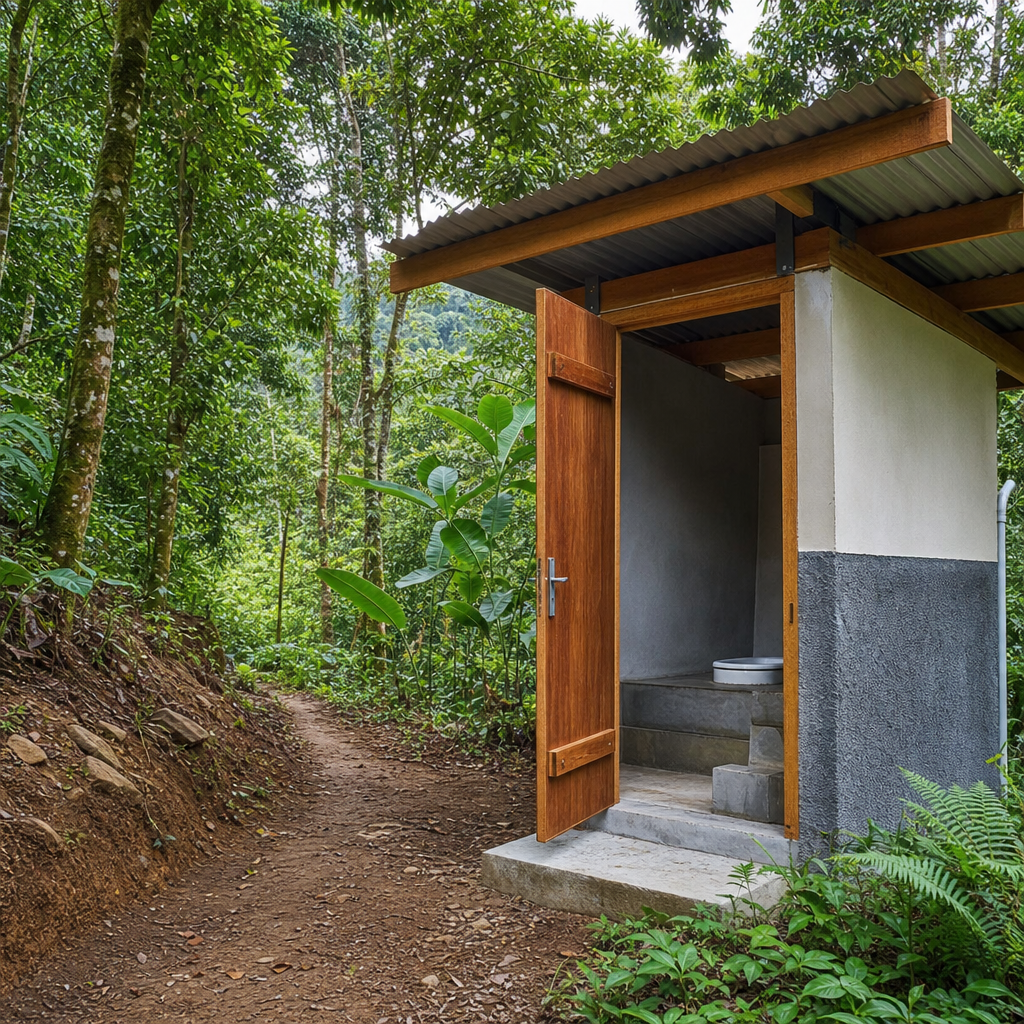
The Role of EcoSan in Sustainable Forest Management is increasingly important as governments, landowners, and conservation groups look for sanitation systems that protect water, soil, biodiversity, and long-term forest productivity. EcoSan, short for ecological sanitation, treats human waste as a resource rather than a disposal problem. In practice, that means separating urine and feces when appropriate, reducing water use, sanitizing nutrients safely, and returning recoverable materials to productive use. In forest landscapes, where soils are often fragile, infrastructure is limited, and watersheds supply downstream communities, sanitation choices have direct ecological consequences. I have seen forest camps, ranger stations, ecotourism sites, and remote communities struggle with pit latrines that contaminate streams, overflow during heavy rain, or require costly sludge hauling on poor roads.
Sustainable forest management is the coordinated stewardship of forests so they continue delivering timber, habitat, carbon storage, cultural value, and clean water without degrading the resource base. It depends on practical systems on the ground, not only policy. Sanitation is one of those systems. Poorly managed waste can spread pathogens, elevate nitrogen and phosphorus in waterways, compact soil during maintenance access, and undermine community support for conservation projects. Well-designed ecological sanitation can reduce those risks while supporting circular resource use. This matters across the broader field of sustainable practices in sanitation because forests are not isolated spaces. They are working landscapes connected to villages, recreation areas, protected zones, and supply chains. A sanitation model that works in dense urban settings may fail in a remote watershed. EcoSan fills that gap by aligning public health with ecosystem limits.
As a hub topic, sustainable practices in sanitation includes water-efficient toilets, decentralized treatment, nutrient recovery, fecal sludge management, pathogen reduction, sanitation planning, and climate resilience. EcoSan connects all of them. It is not a single toilet design. It is a design philosophy supported by methods such as urine diversion, ventilated dehydration vaults, composting approaches, container-based collection, and small-scale treatment units chosen for local conditions. The central question is simple: how can sanitation protect human health while minimizing pollution and preserving natural systems? In forest management, the answer must account for slope, rainfall, groundwater depth, visitor patterns, worker safety, wildlife interactions, and maintenance capacity. When those factors are addressed early, EcoSan becomes more than a sanitation option. It becomes an enabling infrastructure for durable conservation, credible environmental management, and lower-impact forest operations.
Why sanitation belongs in forest management plans
Sanitation is often treated as a side issue in forestry, yet it influences many core management objectives. Forest managers work to maintain watershed function, prevent erosion, protect habitat, reduce fire risk, and sustain livelihoods. Inadequate toilets can interfere with each goal. A pit latrine placed upslope from a stream crossing can leach nutrients and microbes into surface water. Open defecation around informal camps can concentrate pathogens near trails and riparian zones. Septic systems installed without proper soil assessment can fail in shallow or rocky terrain. These are not rare edge cases. They are recurring field problems in remote concessions, patrol bases, recreation sites, and forest-fringe settlements.
Ecological sanitation belongs in forest management plans because it addresses these constraints directly. Waterless or low-water systems reduce extraction from springs and boreholes during dry periods. Above-ground or contained systems avoid excavation in root zones, steep slopes, and areas with high groundwater. Nutrient recovery reduces dependence on synthetic fertilizers in nearby agroforestry areas when regulations, treatment standards, and user acceptance allow safe reuse. In protected areas, a well-run EcoSan system can also lower the frequency of vehicle trips needed for pumping and hauling, which means less fuel use, road wear, and disturbance. In my experience, once sanitation is mapped alongside roads, camps, visitor flows, and watershed buffers, managers quickly see that it is operational infrastructure, not an afterthought.
How EcoSan systems work in forest settings
EcoSan systems are designed around separation, containment, treatment, and safe end use or disposal. The most common forest applications are urine-diverting dry toilets, double-vault dehydration toilets, composting toilets, and container-based systems for sites with difficult access. Urine diversion keeps most liquid separate from solids, reducing odor and improving drying conditions. Dehydration vaults allow one chamber to rest while the other is in use, which helps reduce pathogens over time when managed correctly. Composting systems rely on aerobic decomposition and require balanced carbon material, ventilation, moisture control, and a clear maintenance routine. Container-based systems use sealable receptacles that are swapped and transported to a treatment point, useful where in-situ treatment is impractical.
The best choice depends on climate, user volume, maintenance skill, and transport logistics. Humid tropical forests challenge passive drying, so dehydration units need strong ventilation, careful roof design, and strict urine separation. Cold montane forests slow biological processes, making storage time and insulation more important. High-use ecotourism sites need robust fixtures, clear signage, and service intervals matched to peak seasons. Small ranger outposts may prefer simple double-vault designs with local materials and few moving parts. Across all types, the nonnegotiables are pathogen control, handwashing access, insect exclusion, and a realistic operations plan. A toilet that is technically elegant but impossible to maintain in the rainy season is not sustainable.
Environmental benefits for water, soil, and biodiversity
The environmental benefit of EcoSan in forests begins with pollution prevention. Conventional pit latrines can be acceptable in some settings, but in shallow soils, fractured rock, flood-prone ground, or dense use areas, they become a contamination pathway. Ecological sanitation reduces direct leaching by using lined, contained, or above-ground designs. That matters for headwater forests, where contamination travels downstream to farms and towns. The World Health Organization and sanitation engineering guidance consistently emphasize barrier-based risk reduction: isolate waste, reduce contact, inactivate pathogens, and protect water sources. EcoSan supports that sequence better than unmanaged disposal.
Soil protection is another major advantage. Repeated digging of pits disturbs roots and can destabilize slopes, especially where camps relocate frequently. Contained systems reduce excavation and the machinery needed to service deep pits. Biodiversity protection is less obvious but equally real. Poor waste management attracts flies, rodents, feral animals, and in some regions primates, changing behavior and increasing disease transmission at the human-wildlife interface. Cleaner sanitation areas lower attractants. In eco-lodges and trail networks, that improves visitor experience while reducing pressure on sensitive zones where people otherwise seek informal toilet spots. When safely treated outputs are reused in nonfood forestry nurseries or soil rehabilitation projects, nutrient loops can be partially closed without introducing untreated waste into the environment.
Practical design criteria and technology selection
Successful EcoSan projects in forest landscapes start with site assessment. I normally evaluate six variables first: hydrogeology, rainfall intensity, access, user profile, cultural acceptance, and long-term service responsibility. Hydrogeology determines whether infiltration poses unacceptable risk. Rainfall intensity affects roof overhangs, drainage swales, foundation height, and the likelihood of stormwater entering chambers. Access matters because every sanitation system requires some material movement, whether ash, cover material, containers, or replacement parts. User profile shapes fixture durability and communication needs; tourists, workers, and resident families use facilities differently. Cultural acceptance determines whether users will reliably separate urine, add cover material, and follow cleaning rules. Service responsibility is decisive. If no budget or staff line exists for maintenance, the technology choice is wrong.
| Forest context | Recommended EcoSan approach | Main reason |
|---|---|---|
| Remote ranger station with low user numbers | Double-vault urine-diverting dry toilet | Low water demand and simple maintenance |
| High-traffic trailhead or ecotourism site | Container-based or engineered composting system | Predictable servicing and better peak-load control |
| Flood-prone forest edge settlement | Raised above-ground urine-diverting system | Avoids groundwater contamination during inundation |
| Agroforestry community with reuse acceptance | Urine diversion with controlled nutrient reuse | Supports circular nutrient management |
Materials selection also matters. Corrosion-resistant vents, insect screens, washable slabs, and durable urine piping reduce lifecycle costs. Cover materials such as ash, sawdust, rice hulls, or dry leaf litter must be locally available and consistent. Signage should be visual, not text-heavy, especially in multilingual sites. Accessibility cannot be ignored; stable steps, handrails, and adequate interior space are basic design requirements. Ventilation should create upward airflow and minimize odor at the user interface. These details sound small, but they determine whether a system stays clean, accepted, and functional after the pilot phase ends.
Operations, maintenance, and public health safeguards
The biggest reason sanitation systems fail in forests is not technology. It is operations. Every EcoSan installation needs a written maintenance schedule, assigned staff, spare supplies, and simple monitoring indicators. Daily or weekly tasks may include adding cover material, checking urine lines for blockage, cleaning surfaces, restocking soap, and verifying that stormwater drains away from the structure. Monthly tasks often include vent inspection, chamber fill checks, and user feedback review. For container-based systems, chain-of-custody matters: sealed transport, documented exchange intervals, and treatment at a facility that can demonstrate pathogen reduction.
Public health protection depends on treatment standards and safe handling. Stored urine may be reused under controlled conditions in some jurisdictions, but only with adequate storage time, crop restrictions, and worker protection. Treated solids must meet local regulatory requirements before any land application, and in many places off-site treatment or restricted end use is the prudent route. Personal protective equipment, hand hygiene, and clear exclusion periods are standard risk controls. The point is not to romanticize reuse. The point is to manage waste responsibly with measurable barriers. Forest managers should coordinate with environmental health officers, sanitation engineers, and local authorities rather than improvising pathogen treatment protocols. Good EcoSan is disciplined sanitation, not rustic improvisation.
Social acceptance, governance, and financing
EcoSan succeeds when users trust it and institutions support it. Community engagement should happen before construction, not after complaints start. People need to understand what goes where, why separation matters, and who services the system. In forest-edge communities, sanitation choices intersect with land rights, labor patterns, gender safety, and household economics. Women and girls often identify practical issues first: privacy, lighting, menstrual hygiene management, distance from sleeping areas, and cleaning burden. Workers may focus on odor, queue times, and reliability during storms. These concerns are design inputs, not secondary preferences.
Governance determines whether promising pilots become durable infrastructure. Management plans should specify ownership, budget lines, procurement rules, emergency response, and reporting. Ecotourism concessions can fund maintenance through visitor fees. Community forest organizations may integrate sanitation into broader watershed protection or livelihood programs. NGOs often support startup costs, but long-term financing must come from a stable local mechanism. Carbon and biodiversity projects should also pay attention. If a project claims watershed or ecosystem benefits, sanitation infrastructure that prevents pollution is a defensible supporting investment. The broader lesson for sustainable practices in sanitation is clear: technology choice matters, but institutions keep systems alive.
Where EcoSan fits within a wider sustainable sanitation strategy
EcoSan is a hub concept because it connects to every major sanitation decision in environmentally sensitive areas. It links to water conservation by reducing flush demand. It links to decentralized treatment by working where sewers are unrealistic. It links to nutrient recovery through controlled reuse pathways. It links to climate resilience because dry or contained systems can perform better than soak-away infrastructure in drought, flood, or unstable terrain. It also links to monitoring and compliance, since forest projects increasingly need documented environmental performance for certification, permitting, and investor scrutiny.
Still, EcoSan is not universally superior. In dense settlements with reliable water, skilled operators, and affordable treatment plants, conventional sewered or septic solutions may be more practical. In very wet climates, some dry systems underperform without strong management. In protected forests with strict reuse restrictions, the value proposition may be containment and haulage rather than nutrient cycling. The right approach is context-led sanitation planning. Start with health protection and ecosystem sensitivity, compare feasible service models, pilot carefully, and monitor results. If you manage forests, lodges, camps, or community conservation programs, audit your sanitation systems with the same rigor used for roads, erosion control, and water protection. Better sanitation is not peripheral to sustainable forest management. It is part of how forests stay healthy, credible, and productive for the long term.
Frequently Asked Questions
1. What is EcoSan, and why does it matter in sustainable forest management?
EcoSan, or ecological sanitation, is an approach to sanitation that treats human waste as a potentially valuable resource rather than something that must simply be flushed away or discarded. In the context of sustainable forest management, that distinction matters because forests are highly sensitive systems where water quality, soil health, nutrient cycles, and biodiversity are all closely connected. Conventional sanitation methods can create unnecessary wastewater, increase contamination risks, and require infrastructure that is difficult or costly to maintain in remote forest settings. EcoSan systems are designed to reduce those burdens by minimizing water use, separating waste streams where appropriate, and treating materials so that nutrients can be safely recovered and reused.
For forest managers, conservation organizations, and landowners, EcoSan supports broader sustainability goals in several ways. It helps protect streams, wetlands, and groundwater from pathogen and nutrient pollution, which is especially important in forested watersheds that supply drinking water and habitat for aquatic species. It also reduces soil degradation by lowering the chance of unmanaged waste disposal or leaking sanitation systems. When properly managed, EcoSan can even contribute to nutrient recovery for land restoration, tree nurseries, or non-food biomass applications, helping close ecological loops instead of relying entirely on imported inputs. In short, EcoSan matters because it aligns sanitation practices with the long-term ecological integrity and productivity that sustainable forest management depends on.
2. How does EcoSan help protect forest water quality and soil health?
EcoSan helps protect water quality by reducing the pathways through which untreated or poorly treated human waste can enter forest ecosystems. In many forest environments, especially remote camps, recreation areas, field stations, and harvesting zones, traditional sewage infrastructure is either unavailable or impractical. That can lead to pit latrines, septic failures, or informal disposal methods that allow pathogens, nitrogen, phosphorus, and organic matter to leach into nearby soils and waterways. EcoSan systems address this risk by containing waste more effectively, often separating urine and feces to simplify treatment, reduce odors, and lower the volume of contaminated liquid that can move through the environment.
Soil health also benefits when sanitation is managed in a controlled, ecological way. Excess moisture and nutrient loading from poorly placed or failing sanitation systems can disrupt soil structure, alter microbial communities, and create localized contamination that affects plant growth and root function. EcoSan systems are intended to prevent that kind of damage while creating opportunities for safe nutrient recovery after proper sanitization. In carefully designed programs, recovered materials may be used in ways that support revegetation or restoration rather than causing pollution. The key point is that EcoSan shifts sanitation from a contamination risk to a managed ecological process, helping forest managers maintain both clean water and resilient soils over the long term.
3. Can EcoSan systems support biodiversity and long-term forest productivity?
Yes, when they are properly selected, installed, and maintained, EcoSan systems can make a meaningful contribution to both biodiversity protection and long-term forest productivity. Biodiversity in forests depends on stable habitat conditions, clean water, balanced nutrient cycles, and minimal disturbance from human activity. Poor sanitation undermines all of those factors by introducing pollutants, attracting pests, spreading pathogens, and increasing pressure on sensitive sites such as riparian buffers, wildlife corridors, and high-use recreation zones. EcoSan reduces those threats by containing waste more effectively and by promoting treatment methods that fit the ecological limits of the site.
Long-term forest productivity is also tied to how well land managers protect the natural systems that support tree growth, regeneration, and resilience. If sanitation practices contaminate water sources, compact soils, or create chronic nutrient imbalances, forest health can decline over time. EcoSan offers a more preventive model. It reduces water consumption, lowers the need for extensive wastewater infrastructure, and can support nutrient cycling when recovered materials are handled according to health and environmental standards. This is especially useful in restoration projects, temporary forestry operations, and remote management areas where low-impact infrastructure is essential. While EcoSan is not a standalone solution for forest sustainability, it is an important supporting practice that helps keep ecosystems healthier, more functional, and more productive over time.
4. Where is EcoSan most useful in forestry, conservation, and remote land management settings?
EcoSan is particularly useful in locations where conventional sewer connections are unavailable, water is limited, or environmental protection standards are especially strict. This includes remote forest camps, ranger stations, trail networks, eco-tourism sites, protected areas, wildfire response bases, research facilities, and seasonal harvesting operations. In these settings, transporting water, building centralized wastewater systems, or maintaining septic infrastructure can be expensive and environmentally disruptive. EcoSan offers a more adaptable option because many systems are modular, low-water or waterless, and suitable for locations where minimizing ground disturbance is a priority.
It is also highly relevant in areas with vulnerable soils, steep slopes, shallow groundwater, flood-prone zones, or watersheds that feed reservoirs and fisheries. In such places, the consequences of sanitation failure can be severe, affecting not only local ecology but also downstream communities and land uses. EcoSan can be integrated into broader sustainable land management plans by matching sanitation technology to site conditions, expected occupancy, maintenance capacity, and regulatory requirements. For example, a small backcountry facility may need a dry, urine-diverting setup, while a larger managed site may use a more structured treatment and recovery approach. The strength of EcoSan in forestry and conservation is its flexibility: it can provide sanitation access while respecting the ecological sensitivity and operational realities of forest landscapes.
5. What are the main challenges of implementing EcoSan in forest environments, and how can they be addressed?
The biggest challenges usually involve system design, ongoing maintenance, user behavior, climate conditions, and regulatory compliance. EcoSan is not a one-size-fits-all technology, so success depends on choosing a system that matches the site’s ecology, usage patterns, and management capacity. A design that works well at a low-traffic trailhead may not be suitable for a busy forest operations camp or a year-round conservation facility. Forest settings can also introduce complications such as freezing temperatures, difficult access for servicing, wildlife interference, heavy rainfall, and highly variable visitor use. If those realities are not considered from the start, even a well-intentioned EcoSan project can underperform.
These challenges are manageable with good planning and clear operational responsibility. Site assessments should evaluate soil conditions, hydrology, terrain, occupancy levels, seasonal access, and proximity to sensitive habitats or water bodies. Managers should also provide user education, because proper source separation and correct toilet use are often essential to system performance. Routine inspection, safe handling protocols, and documented treatment standards are equally important, especially when any recovered material is intended for beneficial reuse. Finally, EcoSan projects should align with local public health rules, forest management policies, and environmental regulations from the beginning rather than treating compliance as an afterthought. When implementation is thoughtful and professionally managed, EcoSan can be both practical and highly effective in supporting sustainable forest stewardship.