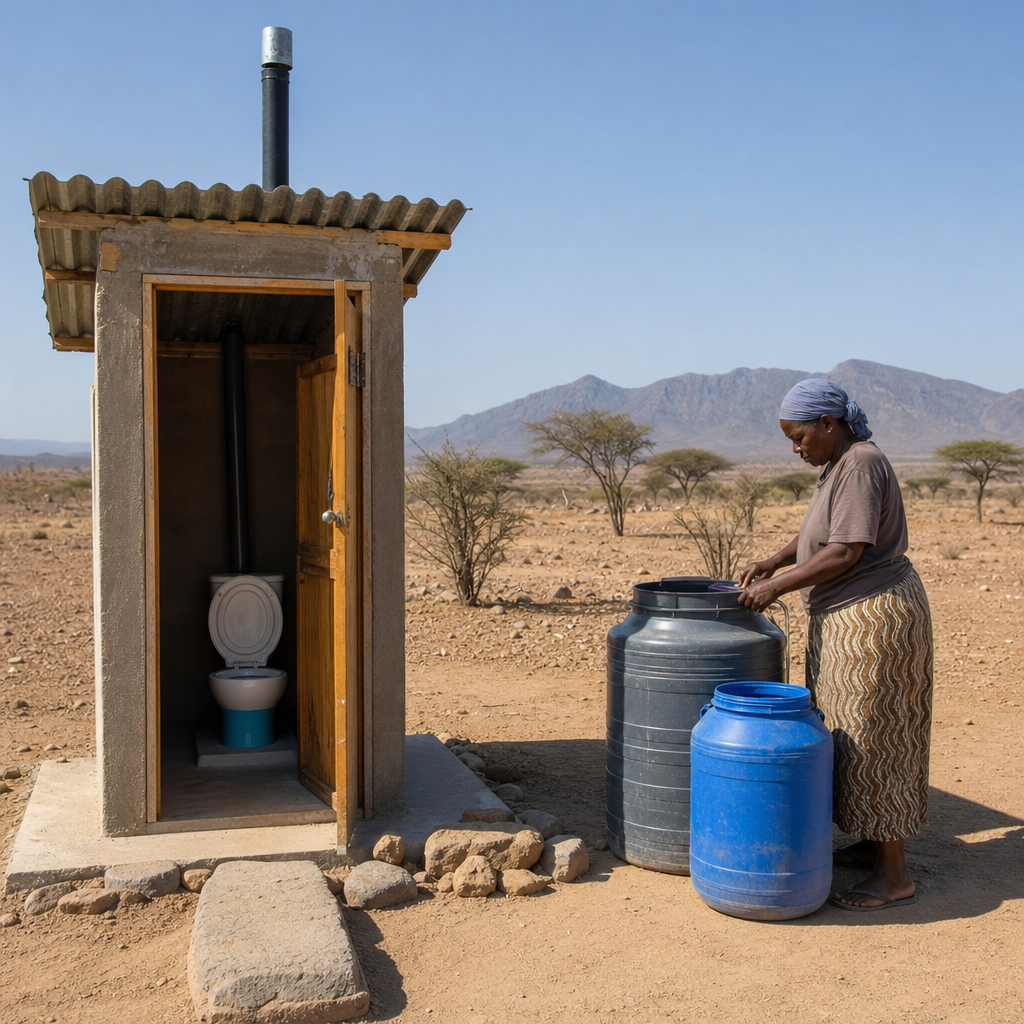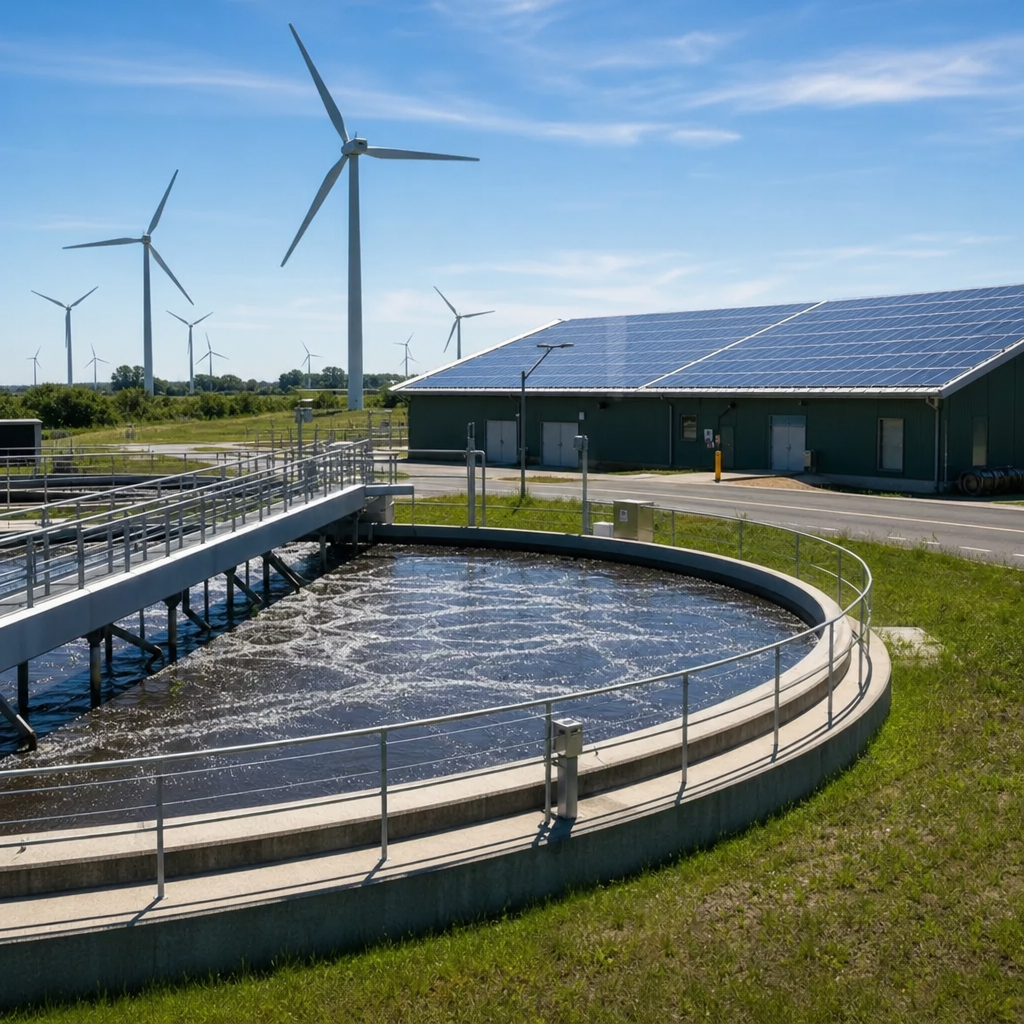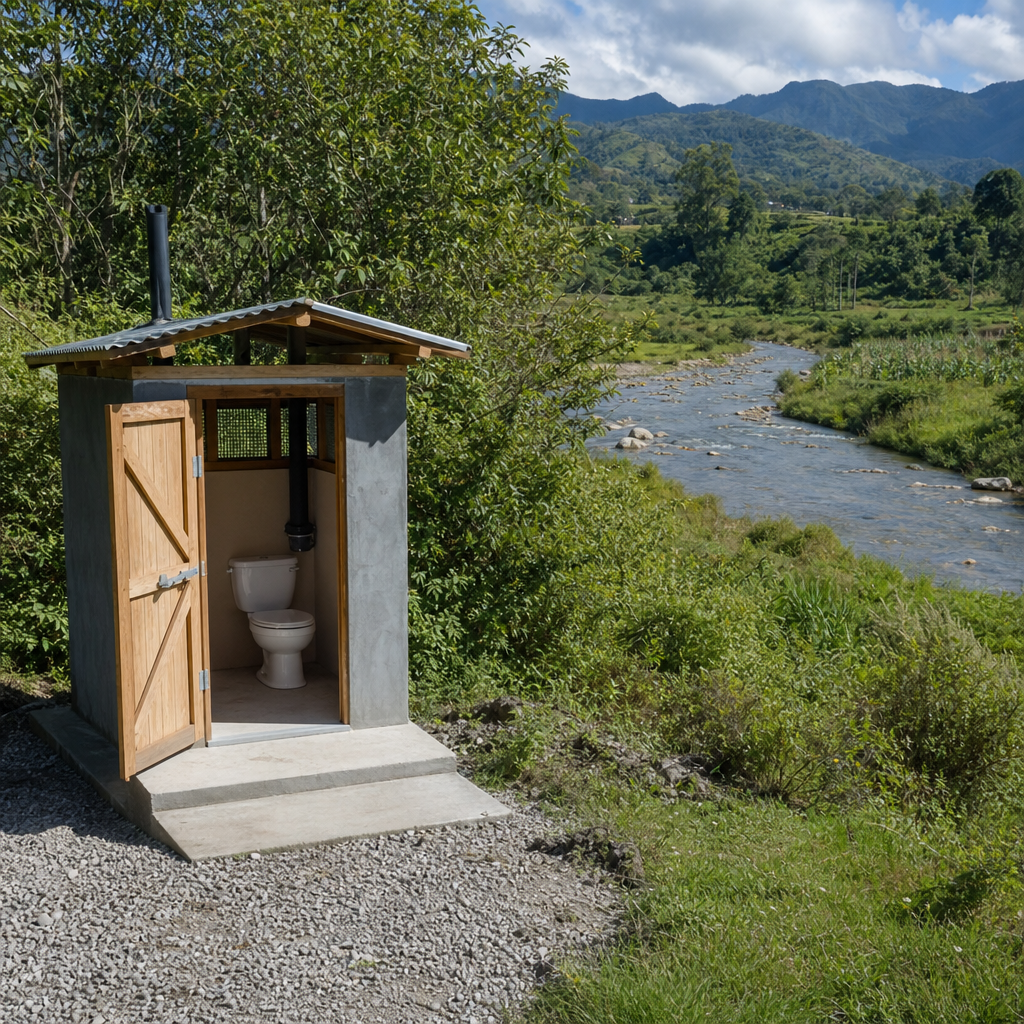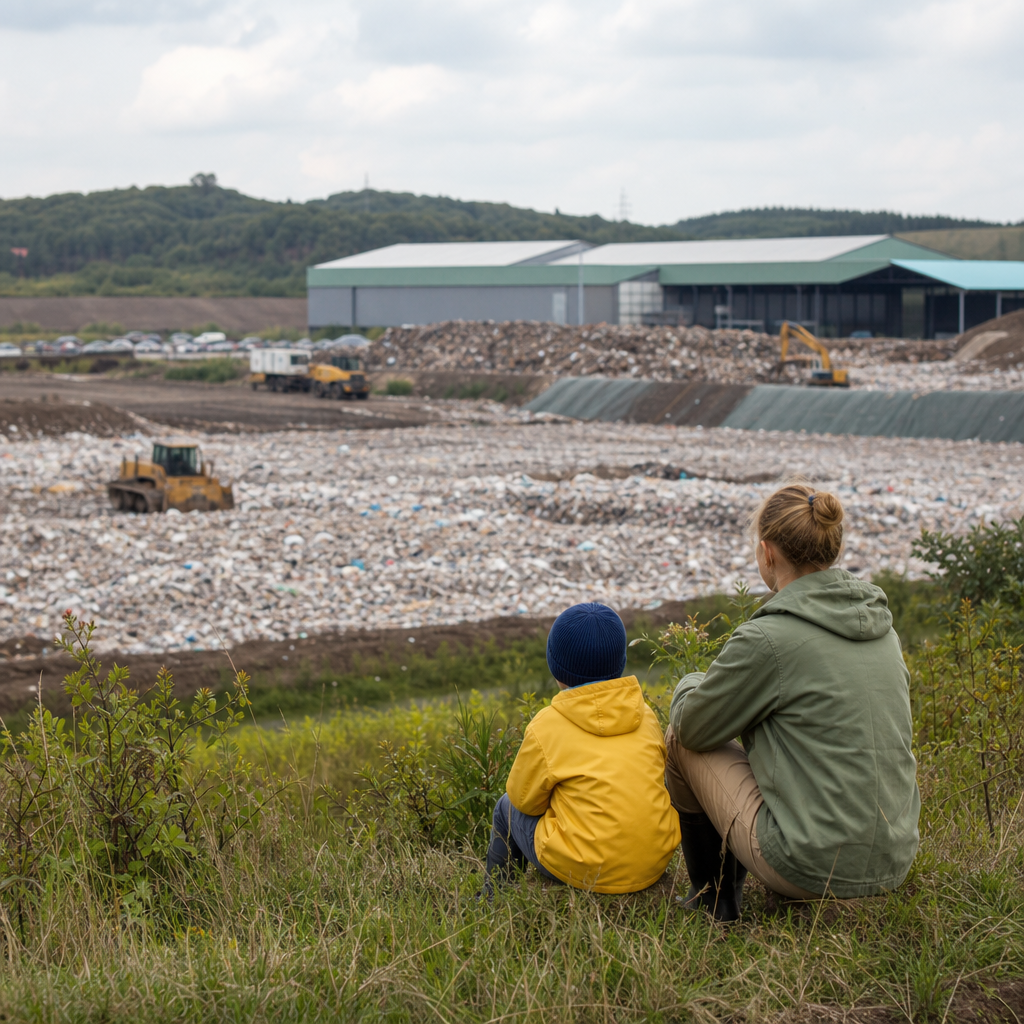
Sustainable waste disposal is the practical system of reducing, reusing, recovering, and safely processing discarded materials so fewer resources are wasted and less pollution reaches landfills, soil, water, and air. In the environmental services sector, I have seen that organizations often treat waste as an unavoidable byproduct when it is actually a measurable operational issue with direct effects on cost, compliance, emissions, and community health. Landfill impact refers to more than filled space. It includes methane generation from decomposing organics, leachate that can contaminate groundwater, truck traffic, odors, fire risk, and the long aftercare needed to monitor closed sites. When businesses and municipalities improve waste handling upstream, those downstream impacts shrink substantially.
This matters because global waste volumes are rising faster than many local systems can safely manage. The World Bank has estimated that municipal solid waste generation will continue increasing sharply with urbanization and consumption growth. At the same time, regulators are tightening rules on hazardous materials, food waste, wastewater residuals, and reporting obligations. Investors, customers, and procurement teams also expect stronger environmental performance. A company that sends less material to landfill usually gains three advantages at once: lower disposal costs, reduced environmental liability, and a more credible sustainability profile.
Advancing environmental sustainability with EcoSan means treating waste disposal as part of a larger resource management strategy rather than a final housekeeping task. In practice, that includes waste audits, segregation design, compliant storage, recycling partnerships, organics diversion, wastewater treatment support, and data tracking that shows where landfill dependence can be reduced. As a sub-pillar hub under Environmental Impact, this article explains the main waste streams, the best disposal hierarchy, and the operating practices that create durable landfill reduction. It also connects the topic to broader goals such as carbon reduction, circularity, worker safety, and regulatory resilience.
What sustainable waste disposal actually includes
Sustainable waste disposal starts with a hierarchy. The best waste is waste that never exists, so source reduction comes first. After that come reuse, repair, recycling, composting or anaerobic digestion for organics, energy recovery for selected residuals, and landfill as the last option. This order is not ideological; it reflects material value and environmental burden. Aluminum, cardboard, food scraps, pallets, solvents, construction debris, and sludge all have different management routes, so a single-bin mindset almost always drives unnecessary landfill use.
EcoSan approaches this work by mapping each stream to its safest and highest-value destination. In one multi-site program I helped review, mixed waste from offices, kitchens, maintenance areas, and light manufacturing was initially hauled as general refuse. After a detailed characterization study, the company separated corrugated cardboard, stretch film, scrap metal, food waste, used oil, batteries, fluorescent lamps, and e-waste. That one change reduced landfill tonnage materially because staff finally had clear disposal pathways supported by signage, container placement, and vendor collection schedules.
The definition also includes compliance controls. Sustainable disposal is not simply moving material away from landfill. It means preventing cross-contamination, labeling regulated waste correctly, retaining manifests and weight tickets, training staff, and verifying that downstream processors are licensed and competent. For industries generating hazardous or special waste, those controls are essential because poor segregation can turn recyclable material into costly regulated waste. In every mature program, operational discipline is what makes sustainability claims credible.
Why landfills create outsized environmental impact
Landfills remain necessary for residual materials, but their environmental footprint is significant. Organic waste decomposes anaerobically and produces landfill gas, roughly half methane and half carbon dioxide, with trace compounds that contribute to odor and air quality concerns. Methane is especially important because it has a much higher warming effect than carbon dioxide over the short term. Modern sites capture part of that gas, yet capture is never perfect across the full life of a landfill, particularly in older or smaller facilities.
Leachate is the second major concern. Rainwater percolating through buried waste can dissolve metals, nutrients, salts, and organic compounds. Engineered liners and collection systems reduce risk, but long-term management is still needed, and failures can be expensive to remediate. Landfills also consume land for decades, fragment habitats, and require truck movement that adds fuel use and local congestion. Communities near disposal sites often bear the greatest burden through noise, odor, and perceived health risk, which is why landfill reduction has both environmental and social value.
From a business perspective, dependence on landfill also exposes organizations to volatile gate fees, landfill taxes in some jurisdictions, stricter contamination thresholds, and potential reputational damage. When diversion markets are developed responsibly, companies gain more control over costs and reporting. That is the core logic behind EcoSan’s sustainability model: every ton kept out of landfill avoids a chain of downstream impacts that are harder and more expensive to manage later.
Core waste streams and the best disposal route for each
Landfill reduction works best when waste is separated by material type and risk profile. General refuse is usually a mixture created by poor segregation, not a true waste category. Recyclable dry materials such as cardboard, paper, metals, rigid plastics, and glass should be kept clean and dry so processors can market them. Organics, including food scraps, green waste, and some biodegradable process residues, should be diverted to composting or anaerobic digestion where infrastructure exists. Hazardous wastes require specialized packaging, transport, and treatment under applicable regulations. Construction and demolition debris often contains recoverable concrete, wood, asphalt, gypsum, and metals if sorted on site.
| Waste stream | Common sources | Preferred route | Main landfill reduction benefit |
|---|---|---|---|
| Cardboard and paper | Warehousing, offices, retail | Recycling | High diversion volume with established markets |
| Food and green waste | Cafeterias, hospitality, campuses | Composting or anaerobic digestion | Reduces methane-forming organic disposal |
| Metals | Maintenance, manufacturing, construction | Scrap recovery | Preserves high material value and saves energy |
| E-waste | IT refreshes, offices, schools | Certified electronics recycling | Prevents toxic components entering mixed waste |
| Hazardous waste | Labs, workshops, healthcare, industry | Treatment and compliant disposal | Avoids contamination of other recoverable streams |
These routes are not universal. Local infrastructure, contamination rates, transport distances, and commodity pricing all affect the best option. For example, some films and multilayer plastics have weak recycling markets, so reduction or supplier take-back may outperform conventional collection. Likewise, compostable packaging only delivers value where industrial composting accepts it. The right decision is always material-specific and location-specific, which is why EcoSan emphasizes site assessments before making broad diversion claims.
How EcoSan advances environmental sustainability in practice
EcoSan’s role in sustainable waste disposal is to turn policy goals into operating systems that work daily. That begins with a baseline audit. A proper audit measures volume, density, contamination, source area, haul frequency, and seasonality. It identifies what is in the bins, what should not be there, and which streams can be redirected without disrupting operations. I have found that most sites overestimate recycling performance until they see the audit data. Once composition is visible, simple interventions often unlock fast gains.
The second step is infrastructure design. Bins need to match material generation points, not abstract categories. If food waste is generated at prep stations, organics containers belong there. If cardboard accumulates in receiving, balers or cages should be placed nearby. Color coding, icon-based signage, restrictive lids, and multilingual instructions reduce sorting errors far more effectively than awareness campaigns alone. Collection schedules also matter. Overflow pushes material back into general waste, while oversized containers hide opportunities to downsize landfill service.
Third, EcoSan integrates vendor management and downstream verification. A sustainable program depends on reliable haulers, recyclers, composters, and treatment facilities. Contracts should define contamination thresholds, reporting frequency, approved end destinations, and incident escalation procedures. For regulated waste, the service chain must preserve cradle-to-grave accountability through manifests and certificates. For recyclable materials, transparency on actual recovery is essential because some loads are rejected or downgraded if quality is poor. Good data prevents greenwashing and supports defensible sustainability reporting.
Finally, EcoSan links disposal performance to wider environmental metrics. Diverted organics can be associated with avoided methane potential, while recycled metals and paper can be tied to energy and raw material savings using recognized conversion factors. Wastewater residual management can be coordinated with broader pollution prevention goals. In this way, landfill reduction becomes part of an environmental impact strategy that decision-makers can track, budget, and improve over time.
Key strategies that reduce landfill dependence
The most effective landfill reduction strategy is prevention at source. Procurement teams can specify reusable transit packaging, bulk delivery, refill systems, concentrated chemicals, and products with high recycled content and minimal composite materials. Design teams can choose standardized components that are easier to repair and recover. In offices and facilities, digital workflows, duplex printing defaults, and controlled inventory reduce paper and expired-stock waste. Source reduction has the highest environmental return because it avoids extraction, transport, handling, and disposal together.
Segregation is the next major lever. Mixed waste is expensive because contamination destroys value. A hospital that separates cardboard, sterile wrap, sharps, pharmaceuticals, food waste, and confidential paper will usually outperform one that relies on a generic recycling stream. The same principle applies to hotels, factories, schools, and construction sites. Training must be role-specific. Cleaners, line operators, kitchen teams, and maintenance crews each interact with different materials, so generic annual presentations rarely change bin behavior.
Organics diversion deserves special attention because food and green waste are major landfill methane drivers. Commercial kitchens can combine pre-consumer food scrap collection, edible food donation, used cooking oil recovery, and menu planning software that reduces overproduction. Landscaping crews can chip green waste for mulch or send it to composting. Where anaerobic digestion is available, segregated organics can generate biogas and digestate, creating a more circular outcome than disposal.
Technology helps, but only when matched to process discipline. Smart bins, contamination sensors, route optimization platforms, and digital waste tracking can improve visibility, yet they do not replace bin placement, accountability, and vendor oversight. The strongest programs use technology to confirm performance, not to compensate for weak operations.
Measuring results, compliance, and long-term improvement
Waste programs improve when performance is measured consistently. The most useful baseline metrics are total waste generated, landfill tonnage, diversion rate, contamination rate, cost per ton, cost per site, and waste intensity such as kilograms per employee, guest, patient, or unit produced. I recommend tracking both absolute tonnage and intensity because growth can mask operational improvement. A business may generate more total waste as it expands while still becoming more efficient per unit of output.
Compliance should be built into the same dashboard. That includes inspection findings, training completion, manifest closure, storage time limits, labeling accuracy, and incident reports. In regulated industries, these indicators are as important as diversion rates because a program that boosts recycling while creating storage violations is not sustainable. Standards and frameworks such as ISO 14001 help organizations embed this discipline by linking waste controls to broader environmental management systems, corrective actions, and leadership review.
Long-term success depends on continuous improvement. Markets change, facilities change, and staff turnover erodes good habits unless the system is maintained. Quarterly waste reviews, annual audits, supplier performance checks, and targeted pilot projects keep the program current. If contamination spikes, the solution may be redesigned signage, retraining, or moving a container ten meters closer to the work area. Small operational decisions often determine whether a landfill reduction target is real or merely aspirational.
Building a practical roadmap for lasting impact
Sustainable waste disposal reduces landfill impact when organizations treat discards as managed resources, not an inevitable endpoint. The core principles are clear: prevent waste where possible, separate materials at the source, match each stream to the safest and highest-value outlet, and verify results with reliable data. Landfill reduction matters because it cuts methane risk, limits leachate burden, lowers disposal costs, strengthens compliance, and supports broader environmental goals. EcoSan advances environmental sustainability by connecting these actions into a working system that covers audits, infrastructure, vendor control, training, and performance reporting.
As the hub for this Environmental Impact subtopic, this page establishes the foundation for deeper articles on recycling systems, hazardous waste handling, organics diversion, wastewater management, and sustainability reporting. The central lesson is practical: better disposal outcomes do not come from slogans. They come from audits, segregation, operational discipline, and continuous improvement tied to real facilities and real waste streams. Organizations that follow this model are better prepared for stricter regulation, stakeholder scrutiny, and rising disposal costs.
If you want to reduce landfill dependence, start with a site-specific waste assessment and build from the data. Identify your largest streams, fix segregation at the point of generation, confirm downstream partners, and track landfill tonnage monthly. With that roadmap, EcoSan can help turn waste disposal from a liability into a measurable environmental advantage.
Frequently Asked Questions
What is sustainable waste disposal, and how does it reduce landfill impact?
Sustainable waste disposal is the organized practice of reducing waste at the source, reusing materials whenever possible, recovering value through recycling or composting, and safely processing what cannot be avoided. Instead of treating discarded materials as a single stream headed to a landfill, this approach separates waste by type and manages each category in the most responsible way. That matters because landfill impact is not limited to the amount of space waste occupies. Landfills can generate methane, a potent greenhouse gas, and create leachate that may affect soil and water if not carefully controlled. They also concentrate odors, truck traffic, litter, and long-term environmental liabilities in surrounding communities.
By applying sustainable disposal methods, households, businesses, and institutions can significantly reduce the volume and toxicity of material sent to landfill. For example, preventing waste through smarter purchasing lowers material use before disposal becomes an issue. Reuse extends product life and delays replacement. Recycling keeps metals, paper, plastics, and glass in circulation, which reduces demand for virgin extraction and manufacturing. Composting diverts food scraps and yard waste, which are major contributors to landfill methane when buried without oxygen. In practice, sustainable waste disposal improves resource efficiency, lowers emissions, supports regulatory compliance, and turns waste management from a cleanup function into a measurable environmental and operational strategy.
Why is reducing landfill use important for environmental and public health?
Reducing landfill use is important because the effects of disposal extend well beyond waste collection day. When large volumes of mixed waste are buried, organic materials such as food scraps, paper, and green waste break down anaerobically and release methane. Even modern landfills with gas capture systems do not recover every emission, so reducing the amount of biodegradable material entering the landfill is one of the most direct ways to lower climate impact. In addition, some discarded materials contain chemicals, heavy metals, oils, or other contaminants that can increase the risk profile of landfill operations and require more intensive control measures over time.
There are also direct public health and community considerations. Heavy reliance on landfills increases truck transport, noise, dust, and localized air pollution around transfer stations and disposal facilities. Poor waste segregation can send hazardous or electronic waste into the wrong stream, creating long-term risks to workers, nearby residents, and ecosystems. From a resource standpoint, landfilling usable materials is also wasteful because it discards the energy, water, labor, and raw inputs already invested in those products. Reducing landfill dependence helps preserve natural resources, supports cleaner neighborhoods, and encourages systems that are more circular, efficient, and resilient. In environmental services, this shift is especially valuable because it links waste reduction directly to cost control, emissions management, compliance performance, and community trust.
What are the most effective ways businesses can reduce waste before it reaches a landfill?
The most effective strategies begin upstream, before materials ever enter the waste bin. Businesses can reduce landfill waste by conducting a waste assessment to identify what is being discarded, in what quantities, and from which processes. That baseline often reveals avoidable losses such as excess packaging, food waste, damaged inventory, disposable supplies, or contamination between recyclable and non-recyclable materials. Once those patterns are visible, organizations can redesign purchasing, storage, production, and disposal practices to prevent waste at the source. This may include buying in bulk, choosing reusable transport packaging, standardizing recyclable materials, improving inventory control, and selecting products with longer service life or repairable components.
Operational systems are just as important as procurement decisions. Clear signage, well-placed collection stations, employee training, and vendor coordination can dramatically improve diversion rates. Organic waste programs, cardboard recovery, metal recycling, pallet reuse, and dedicated collection for film plastics or electronic waste are all practical opportunities depending on the sector. Many organizations also benefit from working with waste haulers and environmental service providers that offer detailed reporting, contamination feedback, and custom stream separation. The strongest programs treat waste as a performance metric, not just a disposal bill. When businesses measure diversion rates, track landfill tonnage, and review contamination trends regularly, they can reduce costs, strengthen compliance, improve sustainability reporting, and make disposal decisions that align with broader environmental goals.
How do recycling, composting, and waste-to-energy compare in a sustainable waste disposal strategy?
Recycling, composting, and waste-to-energy each play different roles, and the most sustainable strategy depends on material type, local infrastructure, and the waste hierarchy. Recycling is typically the best option for materials such as metals, paper, cardboard, glass, and certain plastics when clean, accepted markets exist. It conserves raw materials and often reduces energy use compared with manufacturing from virgin inputs. However, recycling only works well when materials are properly sorted and contamination is kept low. Sending dirty or mixed recyclables into collection bins can reduce recovery value and may cause entire loads to be rejected.
Composting is usually the preferred solution for food scraps, yard trimmings, and other compostable organics because it keeps biodegradable material out of landfill and returns nutrients to the soil. This is especially important given the methane impact of organic waste in landfills. Waste-to-energy can serve a role for certain residual materials that cannot be reasonably reduced, reused, recycled, or composted, but it should not be viewed as a substitute for source reduction or material recovery. While waste-to-energy can reduce landfill volume and generate power, it still requires careful emissions controls and should be evaluated within local environmental and regulatory conditions. In a strong sustainable disposal system, reduction and reuse come first, then recycling and composting, with energy recovery and landfill used for the smallest possible residual stream.
How can organizations measure whether their waste disposal practices are actually becoming more sustainable?
Organizations can measure progress by moving beyond simple trash volume and using a set of operational, environmental, and financial indicators. A good starting point is total waste generated, total landfill tonnage, and diversion rate, which shows the percentage of material kept out of landfill through reuse, recycling, composting, or recovery. Tracking these figures over time helps determine whether waste prevention efforts are working or whether the organization is simply shifting materials between disposal streams. It is also important to monitor contamination rates in recycling and compost programs, because high contamination can undermine diversion performance and increase costs.
More advanced measurement includes waste generated per unit of output, per employee, or per facility, which makes comparisons more meaningful across time and locations. Organizations should also evaluate hauling frequency, container utilization, disposal costs, greenhouse gas impact, and regulatory compliance outcomes. Waste audits provide the detail needed to identify missed recovery opportunities and to verify whether materials are being sorted as intended. The most successful programs establish clear targets, assign responsibility across departments, and review data regularly with service providers and internal stakeholders. When waste management is treated as a measurable system tied to procurement, operations, reporting, and environmental goals, sustainability improves in ways that are visible not only in landfill reduction, but also in lower costs, stronger compliance, and better community outcomes.