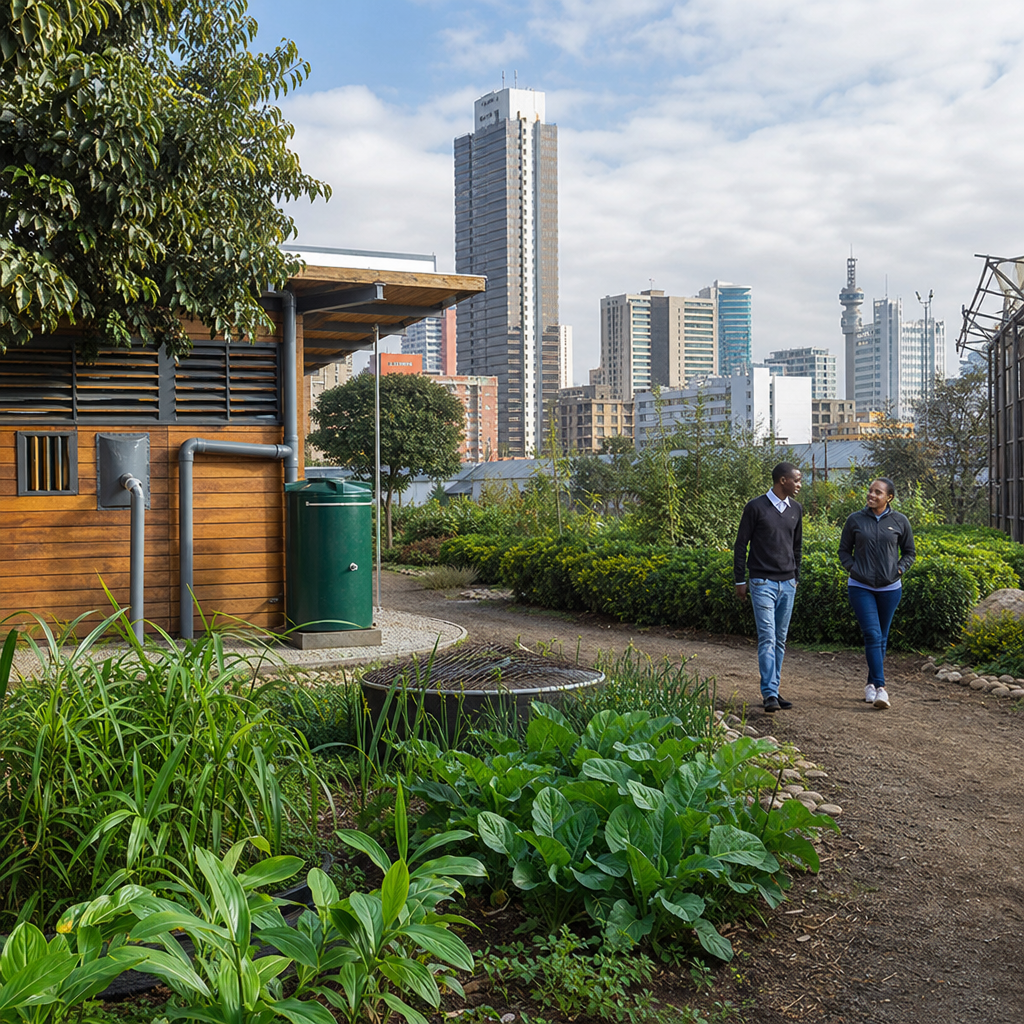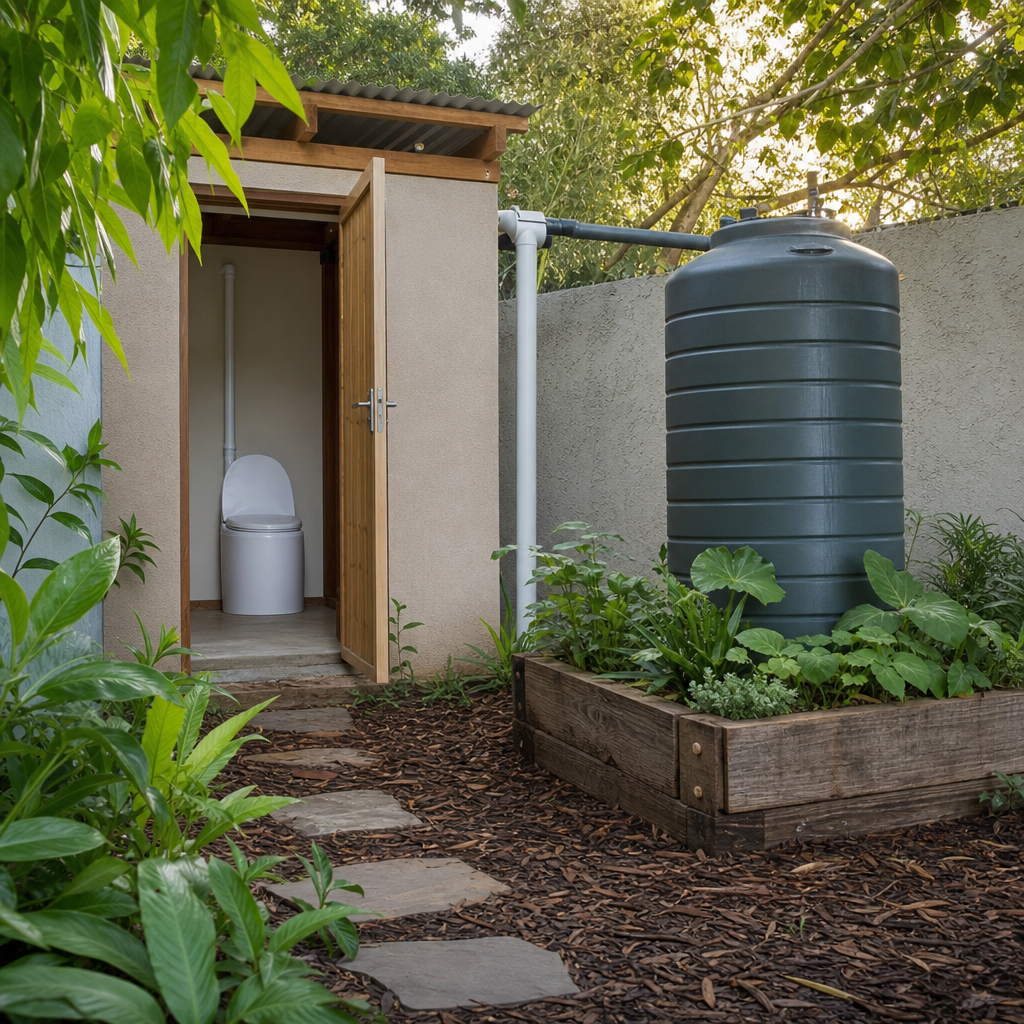
Water conservation techniques in EcoSan sit at the center of modern environmental sanitation because they cut freshwater demand, reduce wastewater volumes, recover nutrients, and make communities more resilient to drought and infrastructure stress. EcoSan, short for ecological sanitation, is an approach that treats human excreta and household organic waste as resources rather than liabilities. In practice, that means separating waste streams, minimizing water use at the source, and safely returning nutrients and organic matter to soils. When I have helped evaluate sanitation systems for water-scarce sites, the biggest difference between conventional sewerage and EcoSan was not just technology; it was the complete redesign of how water, nutrients, and public health are managed together.
This matters because conventional flush sanitation is water intensive. A standard older toilet can use 13 liters per flush, and even efficient gravity models commonly use around 4.8 to 6 liters. Across a household, toilet flushing can account for a substantial share of indoor water use, often roughly a quarter to a third depending on fixtures and habits. Every liter used to transport waste must then be collected, pumped, treated, or discharged, which adds energy use, chemical demand, and infrastructure costs. EcoSan reduces this burden by preventing clean water from becoming polluted in the first place.
Water conservation in EcoSan is not a single technique. It includes urine-diverting dry toilets, low-flush and vacuum systems, greywater separation and reuse, leak reduction, behavior change, composting or dehydration processes that need little or no water, and site design that matches sanitation choice to climate and soils. The environmental impact goes beyond saving water. Less wastewater means lower loading on treatment plants, reduced sewer overflows, less nutrient discharge to rivers, and more opportunities to recover nitrogen, phosphorus, potassium, and carbon for agriculture.
As a hub topic, EcoSan and the environment should be understood as a systems question. A toilet choice affects groundwater risk, household water bills, sludge transport, emissions from treatment, and the fertility value of recovered materials. The most effective water conservation techniques in EcoSan are therefore those that maintain hygiene and user acceptance while reducing water input across the full sanitation chain, from containment to reuse. Understanding these techniques helps planners, homeowners, institutions, and development practitioners choose solutions that are practical, safe, and environmentally sound.
Why EcoSan saves water better than conventional sanitation
EcoSan saves water because it breaks the assumption that excreta must be moved by large volumes of clean water. In conventional sewer systems, water is used as a transport medium. In EcoSan, the design objective is source control: keep urine, feces, greywater, and stormwater as separate as possible so each stream can be managed with the least resource input. When streams are mixed, treatment becomes harder and more expensive. When streams are separated, water can be conserved and nutrients can be recovered.
The clearest example is the urine-diverting dry toilet. These units collect urine separately and keep feces in a dry chamber with cover material such as ash, lime, or sawdust. Because there is no flush, potable water use for blackwater transport drops to near zero. Urine, which contains most of the nitrogen and much of the potassium excreted by humans, can be stored and reused under controlled conditions. Fecal matter can be dehydrated or composted depending on system design and local regulation. I have seen these systems work especially well in areas where piped water is intermittent, rocky ground makes sewers expensive, or flooding threatens pit latrines.
Another reason EcoSan conserves water is that it reduces losses across the sanitation network. Sewered systems leak, require infiltration management, and often depend on pumping. In cities with aging pipes, groundwater can enter sewers during rain, which dilutes wastewater and drives up treatment volumes. EcoSan systems installed at household or cluster level avoid much of that hidden water burden. They also support phased upgrading: a school, clinic, or settlement can improve sanitation without waiting for a centralized sewer expansion that may take years and consume large capital budgets.
Core water conservation techniques used in EcoSan
The most effective techniques are practical, measurable, and adaptable to local conditions. Selection should be based on water availability, user preferences, soil characteristics, operation capacity, and health safeguards. The table below summarizes the principal options used in EcoSan and their environmental implications.
| Technique | How it conserves water | Best use case | Key environmental tradeoff |
|---|---|---|---|
| Urine-diverting dry toilets | Eliminate flush water for excreta transport | Water-scarce homes, schools, peri-urban areas | Needs disciplined maintenance and safe reuse practice |
| Low-flush urine-diverting toilets | Use minimal water while keeping urine separate | Users wanting a more familiar interface | Still needs plumbing and careful blockage control |
| Vacuum toilets | Use very small flush volumes, often below 1 liter | Institutional buildings, transport hubs, dense sites | Higher equipment cost and energy dependence |
| Greywater separation and reuse | Preserves lightly contaminated water for irrigation or flushing | Homes, eco-resorts, decentralized developments | Requires treatment matched to soap and grease loads |
| Composting or dehydration toilets | Avoid water-based conveyance and reduce sludge volume | Remote areas, parks, off-grid buildings | Performance depends on moisture balance and user training |
Urine diversion deserves special attention because it improves both water conservation and nutrient management. Human urine is typically nearly sterile when excreted and carries the majority of nitrogen in domestic wastewater. By collecting it separately, the sanitation system avoids diluting nutrients into a large wastewater stream. That makes reuse easier and decreases nutrient discharge to surface waters, where excess nitrogen and phosphorus can drive eutrophication. In agricultural trials documented by organizations such as the Stockholm Environment Institute, properly stored urine has shown fertilizer value for cereals and vegetables, though local food safety rules always govern use.
Greywater systems are another major technique. EcoSan often separates water from sinks, showers, and laundry from blackwater at the source. After settling, filtration, or passage through a planted gravel filter or constructed wetland, this water may be reused for subsurface irrigation, toilet flushing, or landscaping where regulations allow. The water savings are meaningful because greywater can represent 50 to 80 percent of household wastewater flow, depending on appliance efficiency. Reusing even a portion of it reduces demand for fresh water while lowering discharge volumes.
For institutions, vacuum toilets can be a strong EcoSan-aligned option where technical support exists. Airports, trains, and some green commercial buildings use vacuum systems because they sharply reduce flush volumes and enable concentrated waste collection. They are not always the first choice for low-resource settings, but in high-density buildings with reliable power and maintenance, they can outperform conventional toilets on water use while fitting into broader resource recovery strategies.
Design principles that determine environmental performance
Water conservation techniques in EcoSan succeed only when the whole system is designed correctly. The first principle is matching technology to context. Dry systems work best where users can manage cover material, chambers remain protected from rain, and collection or reuse routes are realistic. In high-rise buildings, a low-flush separated system may be more feasible than a dry toilet. In flood-prone areas, raised urine-diverting units can protect groundwater better than pits. There is no universal best option; the environmental best choice is the one that remains safe and functional over time.
The second principle is moisture control. Composting and dehydration toilets fail when urine enters the wrong chamber, when rainwater leaks in, or when anal cleansing water is unmanaged. Good designs use urine diversion pedestals or squatting pans, ventilation pipes to remove moisture and odor, sealed vaults, and clear pathways for wash water. In projects I have reviewed, simple roof overhangs and better slab detailing often made the difference between a dry, odor-controlled unit and one that users abandoned.
The third principle is safe storage and treatment. Water conservation should never compromise pathogen reduction. The World Health Organization has long emphasized a multiple-barrier approach for excreta reuse, combining treatment, storage, restricted application methods, crop selection, and hygiene controls. For urine, storage time helps reduce microbial risk. For fecal materials, dehydration, composting, or secondary treatment must be verified by temperature, time, pH, and handling practice. Environmental sanitation is successful only when resource recovery is paired with credible health protection.
The fourth principle is operation and maintenance planning. EcoSan is not maintenance free. Urine containers need emptying, vaults need alternating use, vent screens need inspection, and greywater filters need cleaning. The environmental advantage disappears when systems clog, overflow, or are bypassed. That is why successful programs budget for user training, spare parts, local service providers, and routine monitoring from the start instead of treating maintenance as an afterthought.
Environmental benefits beyond water savings
Although the headline benefit is water conservation, EcoSan improves the wider environment in several connected ways. First, it reduces wastewater generation. Lower volumes mean less energy for pumping and treatment and fewer combined sewer overflow risks where stormwater and sewage share infrastructure. Second, it supports nutrient recycling. Phosphorus is a finite mined resource, and nitrogen fertilizer production is energy intensive, especially through the Haber-Bosch process. Recovering nutrients from human waste can partially offset these pressures.
Third, EcoSan can protect groundwater and surface water when designed well. Conventional pit latrines in dense settlements may leach nitrate and pathogens into shallow aquifers, especially where pits are close to wells or the water table is high. A sealed urine-diverting or container-based system can sharply reduce infiltration risk. Fourth, EcoSan can lower greenhouse gas emissions in some settings by reducing centralized treatment demand and cutting the production and transport of synthetic fertilizers. The actual climate benefit depends on treatment method, transport distance, and how recovered products are used, but the potential is real.
There are social and economic environmental benefits too. Households facing seasonal water shortages gain resilience when toilets need little or no flushing. Municipalities can defer expensive sewer expansions by using decentralized systems in peri-urban growth zones. Schools and clinics can maintain service during droughts or pipe interruptions. These are practical environmental outcomes, not abstract ideals. The strongest EcoSan projects I have seen were valued because they kept working under stress while reducing resource use every day.
Common challenges and how to address them
The main challenges in EcoSan water conservation are user acceptance, maintenance discipline, regulation, and the gap between pilot projects and long-term service delivery. Some users dislike handling cover material or emptying containers. Others expect flush toilets as a marker of comfort and status. The answer is not to dismiss those concerns. Instead, system choice should respect user priorities, and projects should invest in interface design, cleaning protocols, and service models that reduce direct contact with waste.
Odor and insects usually indicate design or maintenance faults, not an inherent failure of EcoSan. Correct urine diversion, adequate ventilation, dry cover material, and sealed access doors solve most problems. Greywater reuse systems face a different set of issues: soap chemistry, grease accumulation, and hydraulic overloading. These are manageable with grease traps, settling chambers, mulch basins, wetlands, and realistic loading rates. Standards and local building codes should guide all installations.
Finally, planners should be honest about limitations. EcoSan is not automatically cheaper than conventional sanitation, and it is not suitable everywhere. Dense urban districts may still need sewered solutions, especially where buildings are tall and reuse logistics are weak. But even there, EcoSan principles such as source separation, ultra-low-flush fixtures, and decentralized greywater reuse can deliver major water savings.
Water conservation techniques in EcoSan offer a practical route to better environmental sanitation because they save freshwater at the source, cut wastewater volumes, and turn nutrients back into useful resources. The core lesson is simple: the most sustainable sanitation systems do not use drinking-quality water to carry waste when safer, smarter options exist. Urine-diverting toilets, composting and dehydration systems, vacuum fixtures, and greywater reuse all contribute when they are matched to place, operated properly, and backed by clear health safeguards.
As the hub for EcoSan and the environment, this topic connects water efficiency, pollution prevention, soil fertility, climate resilience, and public health. The best results come from systems thinking. A toilet is not just a fixture; it is part of a chain that includes user behavior, storage, treatment, transport, reuse, and regulation. When those links are planned together, EcoSan consistently outperforms conventional approaches on water conservation and often delivers broader environmental gains as well.
If you are assessing sanitation for a home, institution, development project, or municipality, start by auditing water use, wastewater flows, and reuse opportunities before selecting technology. Then compare options based on local climate, maintenance capacity, user acceptance, and health requirements. That process leads to better decisions and stronger outcomes. Use this hub as your starting point for deeper work on EcoSan and the environment, and prioritize water-smart sanitation choices that remain safe, durable, and realistic in everyday operation.
Frequently Asked Questions
What is EcoSan, and how does it help conserve water?
EcoSan, or ecological sanitation, is a sanitation approach designed to protect public health while using natural resources more efficiently. Instead of treating human excreta and household organic waste purely as disposal problems, EcoSan views them as recoverable resources that can be safely managed, treated, and reused. From a water conservation standpoint, this is important because conventional sanitation systems often depend on large volumes of clean water to move waste through toilets, pipes, and treatment plants. EcoSan reduces that dependence by separating waste streams, minimizing flushing requirements, and encouraging systems that work with far less water at the source.
In practical terms, EcoSan helps conserve water by promoting solutions such as urine-diverting dry toilets, low-flush systems, composting toilets, and greywater reuse. These systems either eliminate flushing altogether or dramatically reduce how much water is needed for sanitation. That means households and communities can lower freshwater demand, reduce strain on water supply networks, and cut the amount of wastewater that must be transported and treated. In drought-prone regions or places with aging infrastructure, this can make a major difference in long-term resilience. EcoSan also supports nutrient recovery, which creates an added benefit: instead of using water-intensive systems to dispose of nutrients, communities can safely recycle them into agriculture or landscaping when proper treatment and health safeguards are followed.
Which water conservation techniques are most commonly used in EcoSan systems?
Several water conservation techniques are central to EcoSan, and the most effective systems often combine multiple strategies rather than relying on just one. The best-known technique is source reduction, which means using little or no water in sanitation at the point where waste is generated. Dry toilets and urine-diverting toilets are leading examples. By separating urine from feces and avoiding full-water flushing, these systems reduce water use immediately and also make treatment easier because the waste streams are less diluted.
Another common technique is low-volume flushing. In settings where a fully dry system is not practical or culturally preferred, low-flush or dual-flush toilets can significantly reduce water consumption compared with conventional toilets. Greywater reuse is also widely associated with EcoSan. Water from showers, handwashing, and laundry can be treated and reused for irrigation, landscape maintenance, or in some cases toilet flushing, depending on local regulations and treatment quality. This reduces the demand for freshwater in non-potable applications.
Rainwater harvesting can also support EcoSan by capturing roof runoff for appropriate uses, which helps offset pressure on municipal or groundwater supplies. In addition, decentralized treatment systems such as constructed wetlands or small-scale biofilters can allow local reuse of water while lowering the burden on centralized sewers. The broader principle behind all of these techniques is efficiency: use high-quality freshwater only where it is truly needed, keep waste streams separate when possible, and safely cycle water and nutrients back into productive use.
How do urine-diverting and composting toilets save water compared with conventional toilets?
Urine-diverting and composting toilets save water primarily by reducing or eliminating the need to flush waste with potable water. A conventional flush toilet can use a substantial amount of water every day in a single household, simply to transport excreta into a sewer or septic system. Over time, that adds up to a major share of domestic water use. Urine-diverting toilets separate urine and feces at the source, which improves resource recovery and often allows the system to function with very little or no flush water. Composting toilets go even further by operating without a conventional flushing process at all, relying instead on controlled biological decomposition.
The water savings are significant because they occur every time the toilet is used. Beyond direct savings, these systems also reduce downstream water demand. Because less water enters the sanitation stream, there is less wastewater to store, move, pump, and treat. That lowers pressure on sewage infrastructure and can reduce operational energy needs as well. In areas where water supply is limited, groundwater levels are falling, or treatment facilities are overloaded, these benefits are especially valuable.
There are also practical system advantages. Separating urine from feces can reduce odors, improve nutrient capture, and support safer treatment pathways when the system is properly managed. Composting toilets can produce stabilized material that may be suitable for restricted agricultural or landscaping use according to local health guidelines. The key point is that these technologies do more than save water at the fixture level. They reshape the whole sanitation process so that water is no longer the default transport mechanism for waste.
Is greywater reuse part of EcoSan, and how does it support water conservation?
Yes, greywater reuse is often an important part of EcoSan because it aligns closely with the goal of using water more than once before it leaves the local system. Greywater typically comes from showers, sinks, and laundry, though kitchen water may require more careful treatment because of grease and higher organic loads. In an EcoSan framework, greywater is not automatically treated as waste. Instead, it is considered a recoverable water stream that can be managed separately from blackwater, treated appropriately, and reused for suitable non-potable purposes.
This supports water conservation by reducing demand for freshwater in applications that do not require drinking-water quality. For example, treated greywater can be used for irrigation, toilet flushing, or landscape maintenance, depending on system design and local public health rules. By reusing greywater close to where it is generated, households and communities can reduce overall water withdrawals and decrease the volume of wastewater entering sewer systems or septic tanks. That creates both water savings and infrastructure benefits.
However, effective greywater reuse depends on proper design, treatment, and maintenance. Filtration, settling, biological treatment, and safe distribution methods are often needed to prevent odors, clogging, or health risks. It is also important to use cleaning products that are compatible with reuse goals, especially if the water will be applied to soil or plants. When done well, greywater reuse is one of the most practical EcoSan techniques because it turns a routine household byproduct into a reliable supplemental water source while helping communities build resilience against scarcity and drought.
What are the main benefits and challenges of applying water conservation techniques in EcoSan?
The benefits are broad and highly relevant to both households and larger communities. First, EcoSan water conservation techniques reduce freshwater consumption, which is increasingly important in regions facing water stress, drought, or growing populations. Second, they cut wastewater volumes, which can lower the burden on sewers, septic systems, and treatment plants. Third, by separating waste streams and recovering nutrients, EcoSan can support agriculture, soil improvement, and circular resource use. This turns sanitation into a system that not only protects health but also contributes to environmental sustainability and local resilience.
There are economic and infrastructure advantages as well. Lower water use can mean reduced utility bills, less need for expensive pipeline expansion, and improved performance in places where centralized sanitation systems are unreliable or unavailable. EcoSan can also be particularly effective in rural areas, peri-urban settlements, and emergency or off-grid contexts because it allows for more decentralized and adaptable sanitation solutions. In many cases, it offers a practical pathway to sanitation service delivery where conventional waterborne systems are too costly or water-intensive to sustain.
That said, challenges do exist. Successful EcoSan implementation depends on good design, regular maintenance, user education, and strong public health safeguards. Some systems require behavior changes, such as learning how to use urine-diverting fixtures correctly or maintaining composting conditions properly. Social acceptance can also be a barrier if communities are unfamiliar with resource recovery or have concerns about odor, cleanliness, or handling treated products. In addition, local regulations may not always be updated to support decentralized reuse systems. Even so, when planning, training, and monitoring are handled carefully, the long-term benefits of EcoSan water conservation techniques often outweigh the challenges by delivering lower water demand, safer nutrient cycling, and more resilient sanitation overall.