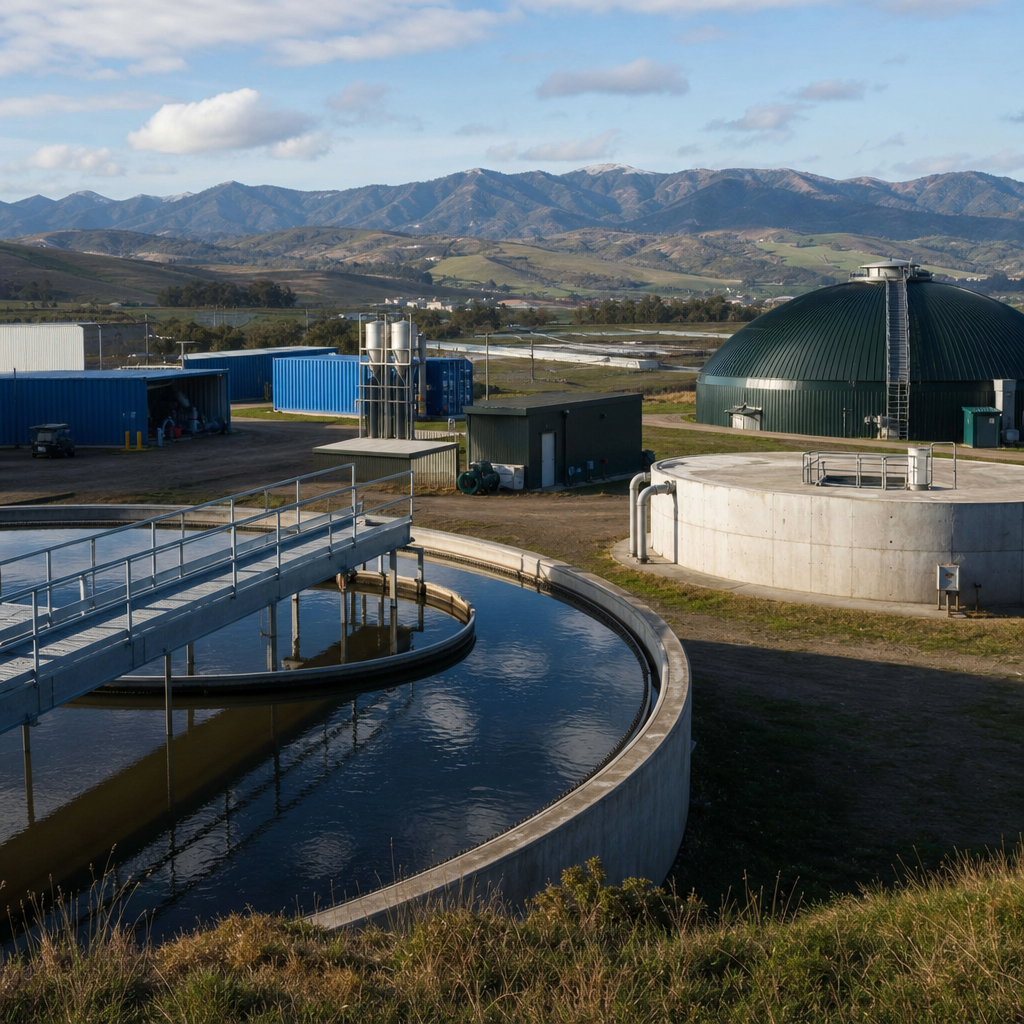
Sustainable sanitation is no longer a narrow public health issue; it is a climate strategy, a water security strategy, and a practical pathway to environmental protection. In work across sanitation planning and environmental management, I have seen one pattern repeatedly: when toilets, treatment systems, and resource recovery are designed as closed loops instead of waste disposal chains, communities reduce pollution, save water, cut greenhouse gas emissions, and strengthen local resilience. That shift is the foundation of ecological sanitation, often shortened to EcoSan. EcoSan refers to sanitation systems that safely contain, treat, and reuse human excreta and wastewater as resources, especially nutrients, organic matter, energy, and water. Instead of treating urine, feces, and greywater as useless outputs, EcoSan systems manage them to protect ecosystems and recover value.
The topic matters because conventional sanitation carries a large environmental footprint. Centralized sewer networks demand heavy infrastructure, pumping energy, and large volumes of clean water to move waste. Wastewater treatment plants can emit methane and nitrous oxide if poorly managed. In many regions, untreated sewage still enters rivers, aquifers, wetlands, and coastal waters, driving eutrophication, biodiversity loss, and disease. At the same time, agriculture depends on mined phosphorus and industrial nitrogen fertilizer, both of which have serious environmental costs. Sustainable sanitation addresses these linked problems by reconnecting sanitation to nutrient cycles, soil health, and climate mitigation.
Climate change raises the stakes further. Floods overwhelm sewers and pit latrines, droughts make flush systems harder to sustain, and rising temperatures can intensify odors, pathogen risks, and treatment challenges. A sanitation system that relies on constant water supply, uninterrupted electricity, and expensive centralized assets is often fragile under climate stress. By contrast, many EcoSan approaches are modular, water-efficient, and adaptable to local conditions. This article serves as a hub for understanding EcoSan’s role in environmental protection, including emission reduction, water conservation, nutrient recovery, pollution prevention, ecosystem resilience, and the policy choices that determine whether these benefits are realized at scale.
How EcoSan reduces climate and environmental pressures
EcoSan protects the environment by changing the material flow of sanitation. In a conventional flush-and-discharge model, nutrients are diluted, treatment becomes energy intensive, and valuable organic matter is often lost. In an EcoSan model, source separation, decentralized treatment, composting, anaerobic digestion, urine diversion, and safe reuse keep materials concentrated and easier to manage. That directly reduces water use and can lower lifecycle emissions. For example, urine-diverting dry toilets need little or no flushing water, making them highly relevant in water-stressed regions. Composting toilets reduce dependence on sewers and can produce sanitized soil amendments when operated correctly.
The climate relevance is concrete. Methane is generated when organic waste decomposes without oxygen, a common condition in unmanaged pits, septic failures, sludge lagoons, and overloaded treatment systems. Nitrous oxide can be released during biological nitrogen removal and from nutrient pollution in water bodies. EcoSan systems reduce these risks when they prevent uncontrolled decomposition, separate urine from feces, optimize treatment, and channel organics into managed recovery processes. Anaerobic digesters are especially important because they capture biogas that can displace firewood, charcoal, kerosene, or fossil gas. That benefit is strongest where digesters are tightly maintained and gas leakage is controlled.
Environmental protection also depends on what does not happen. When excreta are contained and treated near the source, fewer pathogens and nutrients reach streams and groundwater. That lowers eutrophication risk, protects fisheries, and reduces the cost of downstream water treatment. In peri-urban settlements where sewer expansion is slow, decentralized EcoSan systems can deliver measurable environmental gains long before large utility projects are completed. I have seen municipalities achieve faster improvements in drainage channels and shallow wells simply by improving fecal sludge containment, drying, and reuse pathways rather than waiting for full sewer coverage.
Water conservation, pollution prevention, and nutrient recovery
One of EcoSan’s most immediate environmental advantages is water conservation. Standard toilets can use several liters per flush, and old systems may use far more. Across households, schools, markets, and public buildings, this becomes a major demand on treated drinking water. Waterless or low-flush sanitation reduces that demand at the source. In drought-prone areas, the difference is operational, not symbolic: a toilet that functions without constant piped water remains usable during supply interruptions and avoids the sanitation failures that often follow water scarcity. This is why sustainable sanitation planning increasingly sits alongside integrated water resource management.
Pollution prevention is equally important. Untreated wastewater contributes nitrogen, phosphorus, pharmaceuticals, pathogens, and organic loads to the environment. These contaminants trigger algal blooms, oxygen depletion, habitat degradation, and public health risks. EcoSan reduces this burden by separating waste streams and selecting treatment methods suited to each stream. Urine, which contains most excreted nitrogen and a significant share of phosphorus, can be stored and reused under controlled guidelines. Fecal matter can be composted, dehydrated, or digested, depending on temperature, retention time, moisture, and intended end use. Greywater can be filtered and reused for irrigation in systems designed to prevent soil salinization and vector breeding.
Nutrient recovery is one of the clearest examples of EcoSan’s role in environmental protection because it closes a broken loop. Agriculture removes nutrients from soil; people consume food; nutrients pass through the body; then conventional sanitation often discards them into water bodies. EcoSan returns part of that nutrient flow to productive land. Phosphorus recovery matters because phosphate rock is finite and geographically concentrated. Nitrogen recovery matters because industrial nitrogen production through the Haber-Bosch process is energy intensive. Recovered nutrients do not replace all fertilizers in every context, but they can reduce dependence on synthetic inputs and improve local circularity when safety standards, farmer acceptance, and logistics are in place.
| EcoSan approach | Primary environmental benefit | Typical climate relevance | Common application |
|---|---|---|---|
| Urine-diverting dry toilets | Major water savings and nutrient separation | Lower pumping and treatment energy demand | Water-scarce homes, schools, remote sites |
| Composting toilets | Reduced sewage discharge and organic matter recovery | Avoids unmanaged methane when well aerated | Rural housing, parks, eco-lodges |
| Anaerobic digestion | Waste stabilization and renewable energy production | Biogas offsets fossil and biomass fuels | Institutions, farms, clustered settlements |
| Constructed wetlands | Natural wastewater polishing and habitat support | Low operational energy use | Small towns, resorts, peri-urban sites |
| Fecal sludge drying and co-composting | Safer sludge handling and soil amendment production | Reduced uncontrolled emissions from dumping | Municipal sludge management programs |
EcoSan systems in practice: technologies, tradeoffs, and performance
EcoSan is not one technology. It is a design philosophy supported by multiple technical options, each with operating conditions, strengths, and limits. Urine-diverting dry toilets work best where users can follow separation practices and service chains exist for collection or on-site reuse. Composting toilets can perform well, but only when carbon cover material, ventilation, moisture balance, and retention time are managed correctly. Anaerobic digesters are highly effective for wet organic waste streams and can integrate toilet waste with livestock manure or food waste, yet they require disciplined feeding, gas handling, and effluent management. Constructed wetlands can polish wastewater with low energy input, but they need land and proper pretreatment.
Performance depends less on brochure claims than on context. In dense informal settlements, simplified sewers or container-based sanitation linked to resource recovery may outperform household composting systems because space is limited and user turnover is high. In arid rural areas, dry sanitation often has obvious advantages because water is scarce and transport distances to treatment plants are long. In flood-prone zones, raised toilets, sealed containers, and above-ground treatment features can reduce contamination during extreme rainfall. The right question is not whether EcoSan is universally superior, but which sustainable sanitation configuration delivers the best environmental outcome for a given hydrogeology, climate, settlement pattern, income level, and institutional capacity.
There are tradeoffs, and they should be stated plainly. Reuse can fail if pathogen barriers are weak, if storage periods are too short, or if handling is unsafe. Nutrient products can be bulky or costly to transport compared with concentrated synthetic fertilizers. Dry systems can face user resistance where flush toilets are strongly associated with dignity or modernity. Decentralized systems distribute operational responsibility across households, landlords, service providers, and municipalities, which can create accountability gaps. Yet these limitations are manageable through design standards, service contracts, behavior support, monitoring, and realistic financing. The environmental case for EcoSan is strongest when systems are treated as service chains, not isolated toilet hardware.
Environmental protection beyond emissions: soils, ecosystems, and resilience
EcoSan’s environmental value extends beyond greenhouse gas accounting. Soils benefit when stabilized organic matter is returned carefully and appropriately. In regions with declining soil carbon, composted biosolids or co-composted organic waste can improve structure, water retention, and microbial activity, although application rates must match crop needs and contaminant controls. Healthier soils are climate assets because they store more carbon and are more resilient under drought and intense rainfall. When sanitation products are safely processed, they can support land restoration, tree planting, and nonfood biomass production, creating local environmental gains beyond the sanitation sector itself.
Aquatic ecosystems also gain when nutrient leakage is reduced. Excess nitrogen and phosphorus are among the main drivers of eutrophication in lakes, reservoirs, estuaries, and coastal zones. Once algal blooms develop, ecosystems can shift quickly toward low-oxygen conditions that damage fisheries and tourism economies. Preventing that pollution at the sanitation source is often cheaper than remediating damaged water bodies later. This is especially true in fast-growing secondary cities where wastewater infrastructure lags urban expansion. EcoSan approaches, including fecal sludge management and decentralized treatment, can cut pollutant loads incrementally and immediately, even before full networked sanitation is feasible.
Resilience is another underappreciated benefit. Climate adaptation depends on systems that continue functioning during heat waves, storms, droughts, and energy interruptions. Sustainable sanitation options that reduce reliance on continuous flushing water or energy-intensive pumping are often more robust under these conditions. Decentralized treatment can also reduce single points of failure. If one module is damaged, an entire city system does not collapse. From a disaster risk perspective, that matters. After flooding events, I have seen communities recover faster when sanitation assets were modular, elevated, and locally maintainable, rather than dependent on damaged trunk sewers and inaccessible centralized plants.
Policy, finance, and the path to scaling EcoSan responsibly
Scaling EcoSan requires policy frameworks that recognize sanitation as part of environmental infrastructure, not just a household amenity. Regulations should cover pathogen reduction targets, reuse standards, sludge transport, occupational safety, effluent quality, and groundwater protection. The World Health Organization sanitation safety planning approach is especially useful because it identifies hazards across the entire chain and assigns control measures at each point. Cities also need data. Material flow analysis, lifecycle assessment, and fecal waste flow diagrams help planners compare options based on emissions, nutrient recovery, water demand, and pollution risk rather than assumptions.
Finance must align with long-term environmental outcomes. Conventional budgeting often favors capital-intensive construction and underfunds operations, maintenance, monitoring, and service delivery. That model fails in centralized and decentralized systems alike. Effective EcoSan programs usually blend public finance, user fees, targeted subsidies, and revenue from recovered products where markets are realistic. Carbon finance may support biogas or methane avoidance projects, but it should not be the foundation of viability because verification costs and price volatility are real constraints. More reliable value comes from avoided water demand, reduced pollution control costs, lower fertilizer dependence, and stronger climate resilience.
For this Environmental Impact hub, the central takeaway is clear: EcoSan’s role in environmental protection is practical, measurable, and increasingly necessary in a warming world. Sustainable sanitation conserves water, reduces uncontrolled emissions, protects rivers and groundwater, recovers nutrients, supports healthier soils, and builds resilience against climate shocks. It does not replace every sewer or treatment plant, and it is not a one-size-fits-all solution. Its strength lies in matching sanitation design to local ecological realities and treating waste as a managed resource stream.
If you are evaluating sanitation options for a city, institution, development project, or housing program, start by mapping the full sanitation chain and the environmental pressures around it. Identify where water is being wasted, where nutrients are being lost, where emissions are likely, and where ecosystems are absorbing pollution. Then compare technologies and service models against those realities. That is how sustainable sanitation moves from ideal to implementation, and that is how EcoSan becomes a serious tool in the fight against climate change and environmental degradation.
Frequently Asked Questions
1. Why is sustainable sanitation considered an important climate change strategy?
Sustainable sanitation matters in climate action because sanitation systems directly affect greenhouse gas emissions, energy use, water quality, and ecosystem health. Conventional sanitation is often treated as a simple waste disposal problem, but in reality it is tied to methane and nitrous oxide emissions from poorly managed wastewater, heavy water consumption in flush-based systems, and pollution that weakens rivers, soils, and coastal environments already under climate stress. When sanitation systems are designed more thoughtfully, they can lower emissions, protect watersheds, and improve resilience at the same time.
One of the biggest climate benefits comes from shifting away from linear systems, where waste is flushed, transported, treated inefficiently, and discharged, toward closed-loop systems that recover value from what would otherwise become pollution. For example, treatment approaches that capture biogas can reduce methane release while producing renewable energy. Systems that separate urine, recover nutrients, or safely reuse treated biosolids can reduce dependence on synthetic fertilizers, which are energy-intensive to manufacture and can contribute to emissions across agriculture. Water-efficient and non-sewered solutions can also reduce pumping and treatment energy while preserving freshwater supplies.
Just as important, sustainable sanitation strengthens climate adaptation. Communities facing drought, flooding, sea-level rise, or damaged infrastructure need sanitation options that are durable, flexible, and less vulnerable to system failure. A resilient sanitation approach helps prevent contamination after storms, reduces stress on overburdened treatment plants, and supports healthier local environments. That is why sustainable sanitation is increasingly recognized not only as a public health necessity, but also as a practical climate, water security, and environmental protection strategy.
2. How do closed-loop sanitation systems reduce pollution and conserve resources?
Closed-loop sanitation systems are designed to keep water, nutrients, and energy in productive use rather than allowing them to become waste. In a traditional disposal chain, human waste is treated as something to move away as quickly as possible. That often leads to nutrient loss, contaminated waterways, high treatment costs, and unnecessary pressure on freshwater systems. A closed-loop model changes the goal: instead of simply removing waste, it aims to safely recover useful resources while preventing pollution at every step.
This approach reduces pollution by limiting the discharge of untreated or partially treated wastewater into rivers, lakes, groundwater, and coastal areas. When nutrients such as nitrogen and phosphorus are not properly managed, they can drive algal blooms, oxygen depletion, and ecosystem damage. Closed-loop sanitation systems use technologies and management practices that contain these materials and convert them into safer, beneficial outputs. Depending on the context, this can include composting, anaerobic digestion, urine diversion, decentralized treatment, greywater reuse, and biosolids processing.
Resource conservation is another major advantage. Water-saving toilets, dry sanitation systems, and reuse-based treatment reduce the demand for freshwater, which is increasingly important in areas facing drought or water scarcity. Nutrient recovery can support agriculture and landscaping, reducing the need for manufactured fertilizers. Organic matter can be transformed into soil amendments, and biogas can provide heat or electricity. Taken together, these benefits show why sustainable sanitation is not just about managing waste more responsibly; it is about redesigning local systems so that they protect the environment while making better use of limited natural resources.
3. Can sustainable sanitation really help with water security?
Yes, sustainable sanitation can play a significant role in water security because sanitation and water management are deeply connected. In many communities, outdated or poorly planned sanitation systems waste large volumes of clean water, contaminate local water sources, and increase the cost of treatment for households and utilities. A sustainable sanitation approach reduces these pressures by using water more efficiently, preventing contamination, and making safe reuse part of the overall design.
Traditional flush-based infrastructure can require substantial amounts of potable water just to transport waste. In regions already dealing with water shortages, that is increasingly difficult to justify. Alternatives such as low-flush toilets, vacuum systems, composting toilets, and source-separating systems can dramatically reduce water use while still protecting health when properly managed. In addition, decentralized and nature-based treatment systems can make it easier to recycle treated wastewater for irrigation, landscaping, industrial uses, or groundwater recharge, depending on regulatory and technical conditions.
Protecting water quality is just as important as conserving supply. Failing septic systems, overflowing sewers, and untreated wastewater discharge can make rivers, wells, and aquifers unsafe, especially after storms or flooding. Sustainable sanitation reduces this risk by improving containment, treatment reliability, and system flexibility. When communities integrate sanitation planning with watershed protection and local climate risk planning, they are much better positioned to maintain safe water access over time. In that sense, sustainable sanitation is a practical water security tool because it helps communities preserve both the quantity and quality of their water resources.
4. What types of sustainable sanitation solutions are most effective for communities facing climate risks?
The most effective sustainable sanitation solutions depend on local conditions, because climate risk, water availability, land use, income levels, infrastructure capacity, and governance all shape what will work in practice. There is no universal technology that fits every community. The strongest sanitation strategies usually come from matching the right system to the local environmental and social context rather than assuming that one centralized model is always best.
In flood-prone areas, elevated toilets, sealed containment systems, decentralized treatment, and flood-resilient fecal sludge management can be critical for preventing contamination during extreme weather. In drought-affected regions, dry or low-water sanitation systems may offer major advantages by reducing freshwater demand. In dense urban settings, upgraded sewers, resource recovery plants, and decentralized neighborhood treatment can work together to reduce emissions and improve reliability. In rural or peri-urban areas, properly designed septic improvements, composting systems, biodigesters, constructed wetlands, and scheduled desludging services may provide more realistic and resilient options than expanding costly sewer networks.
What matters most is not only the hardware, but the full system around it. Successful climate-resilient sanitation depends on safe collection, transport, treatment, maintenance, financing, user acceptance, and institutional accountability. Technologies that recover nutrients, produce biogas, or support water reuse can create additional value, but they only succeed when communities have the operational support and management systems to sustain them. The best solution is therefore one that protects health, performs under climate stress, fits local capacity, and turns sanitation from a pollution problem into a resilience asset.
5. What should policymakers, planners, and organizations prioritize to scale sustainable sanitation?
To scale sustainable sanitation effectively, decision-makers need to stop treating sanitation as a narrow engineering or public health issue and instead plan for it as part of climate policy, water security, land management, and circular economy development. That means setting goals that go beyond toilet access alone. Access remains essential, but long-term success depends on whether the full sanitation chain safely contains waste, protects ecosystems, conserves water, and recovers usable resources where appropriate.
A first priority is integrated planning. Policymakers and planners should align sanitation investments with watershed protection, flood resilience, emissions reduction, agricultural nutrient management, and urban development plans. They should also invest in data, because many sanitation failures stem from poor visibility into where waste actually goes, how systems perform, and which populations remain vulnerable. Strong regulation and realistic service standards are equally important, especially for fecal sludge management, decentralized systems, reuse practices, and operator performance.
Financing and institutional capacity are also central. Sustainable sanitation often requires funding models that support not only construction, but maintenance, monitoring, treatment operations, and long-term service delivery. Organizations should prioritize workforce development, utility strengthening, community engagement, and local supply chains so that systems remain functional after installation. Finally, governments and implementing agencies should encourage innovation without losing sight of practicality. The goal is not to deploy new technology for its own sake, but to build reliable sanitation systems that reduce emissions, protect water, support resource recovery, and improve community resilience in measurable, lasting ways.