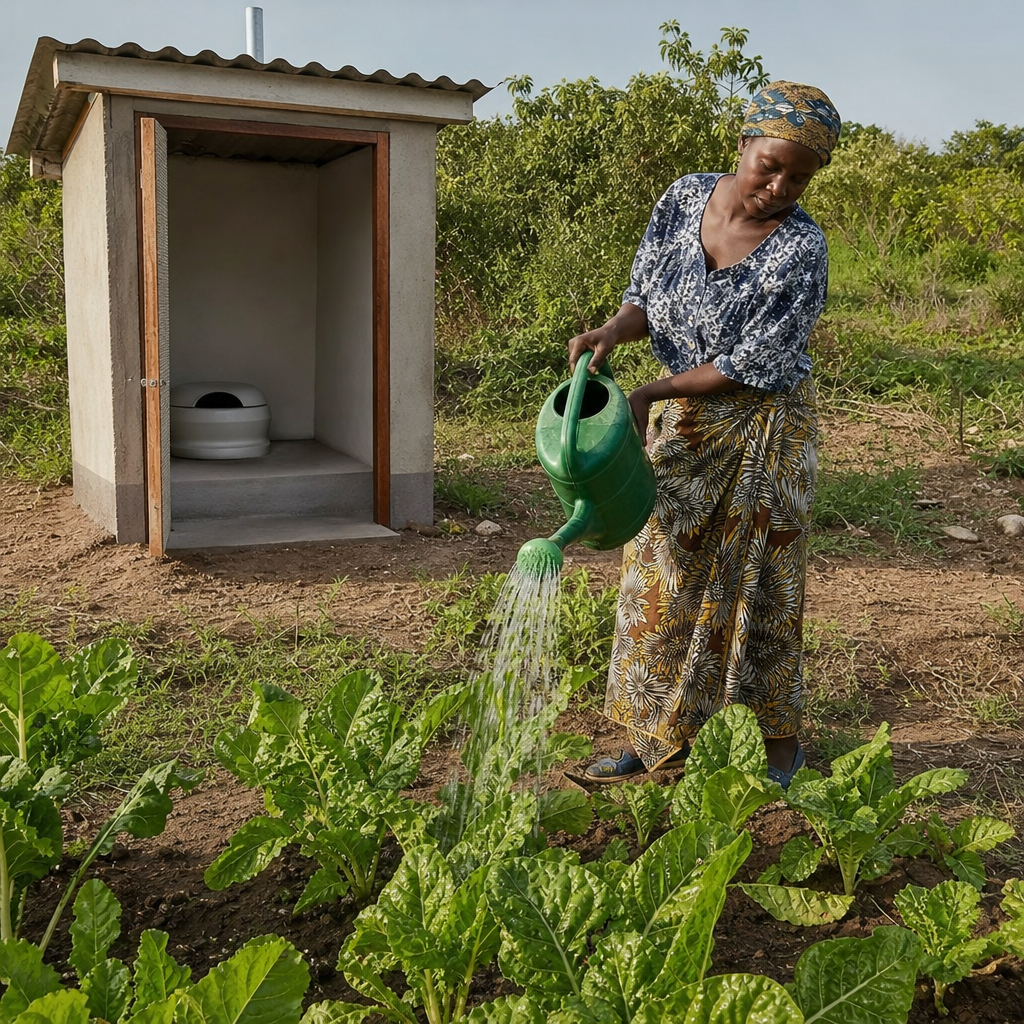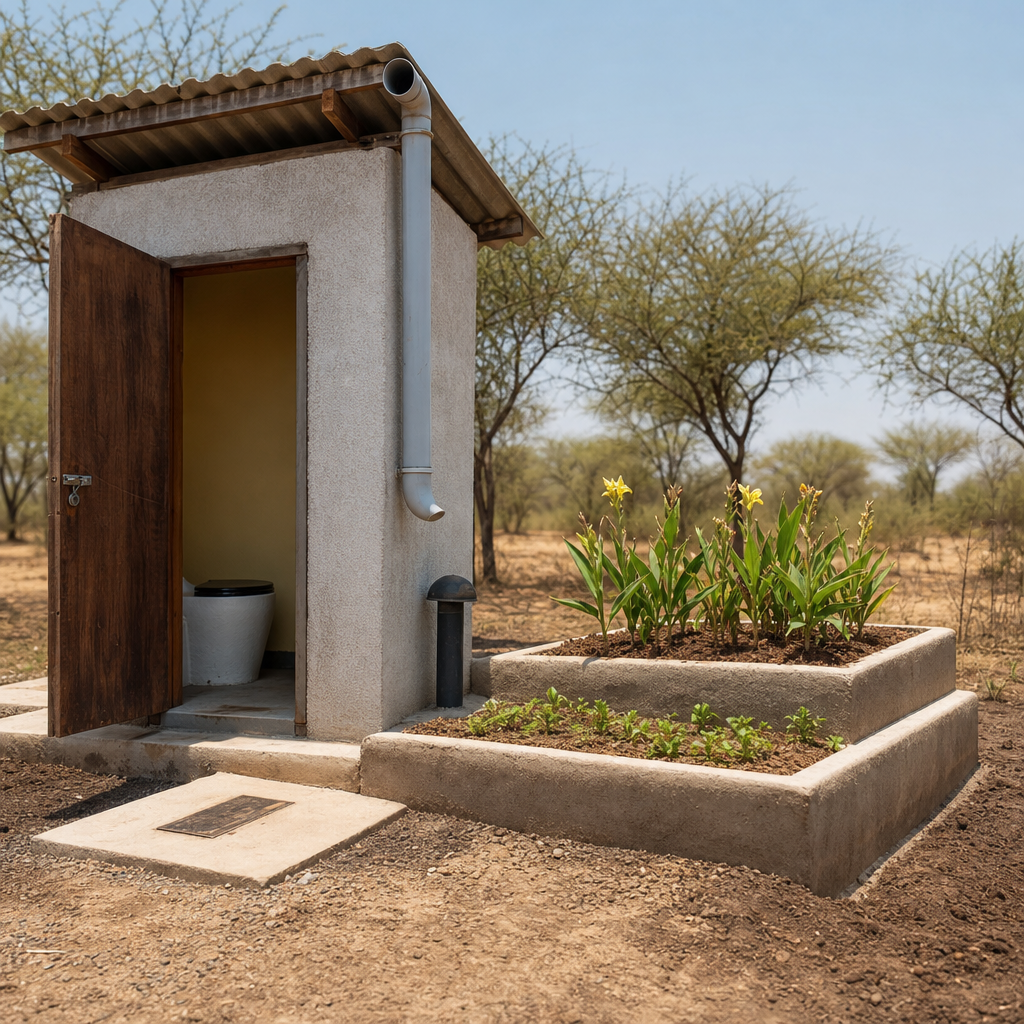
Water-saving sanitation practices in EcoSan are reshaping how communities manage human waste, protect freshwater, and build resilient sanitation systems under growing environmental pressure. EcoSan, short for ecological sanitation, treats human excreta and household wastewater as resources rather than waste. In practical terms, that means reducing water use at the toilet, separating nutrient streams where possible, recovering safe soil inputs, and preventing contamination of rivers, aquifers, and coastal ecosystems. I have worked on sanitation content and project planning where the biggest constraint was not technology but water availability, and EcoSan repeatedly stood out because it addresses sanitation and water scarcity at the same time.
This matters because conventional sewered sanitation depends on large volumes of clean water to transport waste. A standard flush toilet can use six liters per flush, and older models use much more. Across a household, flushing often accounts for a major share of indoor water demand. In dry regions, informal settlements, flood-prone areas, and places with weak sewer infrastructure, that water demand becomes a structural problem. It strains municipal supplies, raises treatment costs, and increases the risk that untreated wastewater will be discharged into the environment. Water-saving sanitation practices reduce those pressures while supporting public health goals.
Advancing environmental sustainability with EcoSan requires looking beyond the toilet fixture itself. The full system includes user behavior, containment, collection, treatment, reuse, odor control, pathogen reduction, and maintenance. Key terms are important here. Urine diversion separates urine from feces at the source, because urine contains most of the nitrogen and much of the phosphorus excreted by humans. Dehydrating toilets reduce moisture to slow pathogen survival and simplify handling. Composting toilets rely on controlled aerobic decomposition, though not every product marketed as composting achieves true thermophilic composting. Greywater reuse refers to using lightly contaminated water from sinks, showers, or laundry for irrigation or other nonpotable needs after appropriate treatment.
As a hub for this environmental impact topic, this article explains how water-saving sanitation practices in EcoSan work, where they fit best, what environmental benefits they deliver, and what tradeoffs decision-makers must manage. It also connects the core ideas that support more detailed articles on urine-diverting dry toilets, composting systems, fecal sludge management, greywater reuse, nutrient recovery, and lifecycle assessment. The goal is simple: show how EcoSan can cut water consumption dramatically while lowering pollution, conserving nutrients, and making sanitation more adaptable to local ecological limits.
Why water-saving sanitation is central to EcoSan
Water-saving is not an optional feature in EcoSan; it is one of the design principles that makes the approach environmentally meaningful. In a conventional sewer network, water is used as a transport medium. That design made sense in cities with abundant freshwater, large capital budgets, and centralized treatment plants. It is far less efficient where water is scarce or infrastructure is fragmented. EcoSan systems break that dependency by containing waste near the source, minimizing dilution, and making treatment and reuse more feasible. Less water in the sanitation chain usually means lower pumping energy, smaller treatment loads, and fewer leak-related losses.
The environmental logic is straightforward. When excreta is heavily diluted, nutrients become harder and more expensive to recover. Nitrogen can volatilize or convert into forms that contribute to air and water pollution. Phosphorus, a finite mineral resource, is often lost in sludge streams or discharged into waterways where it drives eutrophication. By keeping waste concentrated and separated, EcoSan improves the odds of recovering nutrients safely. It also reduces the volume of wastewater entering overloaded treatment plants, septic tanks, or drains, which is especially important during storms when combined systems can overflow.
In field comparisons, the strongest case for water-saving sanitation often comes from places where water service is intermittent. Households may already ration water for drinking and cooking, so a high-flush sanitation model creates a hidden inequity: cleanliness becomes tied to water access. Dry or low-water EcoSan systems can maintain sanitation service during droughts, power outages, and infrastructure failures. That resilience is a practical environmental benefit because emergency discharge, open defecation, and pit flooding all carry downstream ecological impacts.
Core EcoSan technologies and how they save water
Several technologies sit under the EcoSan umbrella, but they do not all perform the same way. Urine-diverting dry toilets, often called UDDTs, are among the most recognized water-saving options. They separate urine and feces at the toilet interface and use little or no flush water. Feces drop into a dehydration or storage chamber, often with added dry cover material such as ash, sawdust, or lime to reduce moisture, odor, and flies. Urine is collected separately for storage and eventual agricultural use where regulations and treatment practices allow. Because there is no flush conveyance, water use can drop sharply.
Composting toilets also reduce or eliminate flush water, but their performance depends on design, ventilation, temperature, carbon balance, and user management. In well-run systems, aerobic decomposition reduces volume and stabilizes solids. In poorly managed systems, high moisture can produce odor and incomplete treatment. I have seen project teams assume a composting label guaranteed safe end product, but without monitoring retention time and temperature, that assumption is risky. The environmental advantage is real, yet only when operation matches the technical claims.
Low-flush and vacuum toilets occupy a middle ground. They still use water, but far less than conventional toilets. Vacuum systems, common in aircraft and increasingly in specialized buildings, can move waste with very small water volumes. In dense developments aiming to recover nutrients or produce biogas, these systems can support source-separated sanitation while preserving some user familiarity. They are useful where full dry sanitation is culturally difficult but major water savings are still a priority.
| EcoSan option | Typical water use | Main environmental benefit | Key operational need |
|---|---|---|---|
| Urine-diverting dry toilet | Near zero | Maximum water conservation and nutrient separation | Correct use and dry cover material |
| Composting toilet | Near zero to very low | Reduced wastewater and partial organic matter stabilization | Ventilation, moisture control, retention time |
| Low-flush toilet | About 1.5 to 4.5 liters per flush | Lower household water demand with familiar interface | Reliable fixtures and drainage compatibility |
| Vacuum toilet | Often below 1 liter per flush | Very low conveyance water and concentrated waste stream | Power, pressure system maintenance |
Selection should be context-specific. For off-grid homes, schools with limited water, eco-lodges, and peri-urban settlements, dry systems can be highly effective. For apartments, hospitals, or transport hubs, hybrid systems may be more practical. The important point is that water-saving sanitation practices in EcoSan are not one product category. They are a design strategy that matches sanitation service to local water reality.
Nutrient recovery, pollution prevention, and ecosystem protection
The strongest environmental argument for EcoSan is that it turns a pollution problem into a resource management opportunity. Human urine carries most of the nitrogen and a substantial share of phosphorus and potassium excreted by households. When collected separately and stored correctly, it can serve as a fertilizer substitute in some agricultural settings. Fecal matter contains organic carbon and additional nutrients, though it requires more careful treatment because pathogen risks are higher. Source separation makes these streams easier to manage safely and reduces contamination of surface and groundwater.
Pollution prevention starts with avoiding dilution and uncontrolled discharge. In many low-income and rapidly growing urban areas, wastewater treatment does not keep pace with sewer expansion. The result is often partial treatment or direct release into drains, wetlands, rivers, or coastal waters. Excess nutrients stimulate algal blooms, reduce dissolved oxygen, and damage fisheries and biodiversity. EcoSan reduces that load by keeping nutrients on land in managed systems rather than moving them into aquatic ecosystems. This is one reason environmental planners increasingly connect sanitation policy with watershed management.
The circularity benefits are also concrete. Synthetic fertilizer production is energy-intensive, especially nitrogen fertilizer made through the Haber-Bosch process. Recovering nutrients locally does not replace all industrial fertilizer, but it can offset part of the demand. On farms near settlements, sanitized urine has been used on cereals, fodder crops, and trees with measurable yield benefits when applied at agronomic rates. The environmental gain comes from two directions at once: less freshwater pollution and less reliance on virgin inputs. That combination is central to advancing environmental sustainability with EcoSan.
Greywater integration and whole-system water efficiency
EcoSan works best when sanitation is planned as part of a wider household or neighborhood water system. Blackwater reduction alone is valuable, but greywater management often determines whether total water savings translate into environmental improvement. Greywater from showers, handwashing, and laundry can be treated through mulch basins, constructed wetlands, sand filters, or compact packaged units depending on scale and local regulations. Once treated to fit the use, it can support subsurface irrigation, toilet flushing in hybrid systems, or landscape maintenance. That reduces demand for potable water and lowers discharge volumes.
In practice, integrated design avoids a common mistake: installing a dry toilet while leaving the rest of the property water-inefficient and poorly drained. A stronger model combines efficient fixtures, leak detection, rainwater harvesting where feasible, and safe greywater reuse. For example, an off-grid guesthouse can pair UDDTs with low-flow taps, separate handwashing lines, and a reed bed for garden irrigation. The toilet saves water directly, while the greywater system prevents ponding, mosquito breeding, and nutrient runoff. The environmental effect is cumulative rather than isolated.
Whole-system thinking also improves user acceptance. People are more likely to adopt unfamiliar sanitation systems when the benefits are visible in lower water bills, greener landscapes, and fewer service interruptions. This is why successful EcoSan projects usually explain the entire water cycle, not just the toilet. When residents understand where water comes from, how waste is treated, and why separation matters, maintenance quality usually improves.
Implementation challenges, standards, and what success requires
EcoSan is not a shortcut around sanitation management. The systems save water, but they demand disciplined design, user training, and service planning. The most common failure points are poor ventilation, inadequate pathogen treatment, inconsistent emptying schedules, and weak supply chains for spare parts or cover material. In multi-user settings, misuse of urine-diverting pans can cause wet fecal chambers, odor, and fly problems. These are not reasons to dismiss EcoSan; they are reasons to treat operation as seriously as installation.
Standards and guidance matter. The World Health Organization has long provided sanitation and safe reuse guidance, and the ISO 30500 standard for non-sewered sanitation systems has helped formalize performance expectations for emerging technologies. National building codes, agricultural reuse rules, and local public health regulations all shape what is feasible. In my experience, projects succeed when they define responsibilities early: who maintains the unit, who monitors treatment, who transports outputs, and who approves reuse. Without that governance layer, even technically sound systems can fail.
Cost is another tradeoff. EcoSan can lower lifetime water and sewer expenses, but upfront costs vary widely. A simple dry toilet can be affordable in rural settings, while advanced container-based or vacuum-linked systems may require significant investment. Social acceptance also varies. Some users strongly prefer flush toilets, and some farmers are cautious about human-derived inputs. The answer is not generic promotion but careful matching of technology, education, and service model to place. If you are building an environmental impact content hub, these linked topics deserve dedicated deep dives because they determine whether water-saving sanitation performs as promised.
Building a sustainable sanitation strategy around EcoSan
Water-saving sanitation practices in EcoSan offer a practical path to lower water use, reduced pollution, and stronger resource recovery, but only when the approach is treated as a complete system. The central lesson is clear: sanitation does not need to consume large volumes of drinking-quality water to be safe, dignified, and environmentally sound. By using dry or low-water technologies, separating nutrient streams, integrating greywater reuse, and planning for maintenance from day one, communities can reduce stress on freshwater supplies and protect ecosystems at the same time.
For decision-makers, the main benefit is resilience. EcoSan can keep sanitation functioning where sewers are absent, water is scarce, or climate pressures make conventional systems unreliable. For households and institutions, the benefit is efficiency paired with environmental responsibility. For the wider landscape, the reward is less nutrient pollution, less wastewater discharge, and more circular use of resources that are usually wasted. Those outcomes align directly with the broader goal of advancing environmental sustainability with EcoSan across homes, schools, farms, hospitality sites, and urban developments.
Use this hub as the starting point for your deeper evaluation of urine-diverting toilets, composting systems, greywater reuse, nutrient recovery, and non-sewered sanitation standards. The best next step is simple: assess your site’s water constraints, user needs, and reuse opportunities, then choose the EcoSan model that fits those realities.
Frequently Asked Questions
What does water-saving sanitation mean in EcoSan systems?
In EcoSan, water-saving sanitation means designing toilets and waste-management systems that use little or no water while still protecting public health and the environment. Instead of relying on large volumes of clean water to flush human waste away, EcoSan systems aim to contain, treat, and reuse nutrients safely at or near the source. This often includes urine-diverting dry toilets, low-flush or pour-flush systems, composting toilets, and greywater separation strategies that prevent unnecessary mixing of wastewater streams.
The core idea is that freshwater is too valuable to use as a transport mechanism for waste when more efficient options exist. By reducing flushing water, EcoSan lowers household water demand, decreases strain on wells, reservoirs, and municipal supply systems, and reduces the volume of wastewater that must be treated. Just as importantly, these systems help prevent contamination of rivers, lakes, and groundwater by keeping waste contained and managed properly.
EcoSan also shifts the mindset around sanitation. Human excreta are not viewed only as waste to dispose of, but as a potential source of nutrients and soil amendments when treated correctly. That combination of water conservation, pollution prevention, and resource recovery is what makes water-saving sanitation such a defining feature of the EcoSan approach.
How do EcoSan toilets reduce water use compared with conventional flush toilets?
Conventional flush toilets can use a significant amount of water every day, especially in households with several occupants. In many settings, each flush may use multiple liters of treated drinking-quality water simply to move waste into a sewer or septic system. EcoSan toilets reduce or even eliminate that demand by using alternative designs that do not depend on water-intensive flushing.
One of the most common examples is the urine-diverting dry toilet, which separates urine and feces at the source and operates without flush water. Because the waste is collected in controlled compartments, there is no need to send it through pipes using large volumes of water. Other EcoSan options use very low-flush systems, foam-flush systems, or pour-flush mechanisms that require only minimal amounts of water compared with standard toilets. In some cases, household greywater is managed separately so that cleaner wastewater from bathing or washing does not become unnecessarily contaminated by toilet waste.
The water savings can be substantial, but the benefits go beyond volume alone. Lower water use also means less wastewater generation, reduced pressure on treatment infrastructure, fewer sewer overflows in stressed systems, and improved sanitation access in areas where water is scarce or unreliable. For drought-prone regions, off-grid communities, and rapidly growing settlements, this makes EcoSan a practical and resilient alternative to conventional sanitation models.
Is EcoSan safe for public health if it uses less water?
Yes, EcoSan can be very safe for public health when it is properly designed, used, and maintained. Safety in sanitation does not depend on using large amounts of water; it depends on effective containment, treatment, hygienic handling, and preventing contact between people and pathogens. A well-managed EcoSan system is built around exactly those principles.
Many EcoSan systems improve safety by separating waste streams, reducing leakage, and keeping excreta out of open drains, surface water, and shallow groundwater. For example, urine diversion helps simplify treatment and reuse, while fecal matter can be stored, dehydrated, composted, or otherwise treated to reduce pathogens before any agricultural use is considered. Ash, lime, drying materials, and sealed storage chambers are often used to create conditions that limit odor, moisture, and pathogen survival.
Like any sanitation solution, EcoSan requires user education and routine maintenance. Toilets must be kept clean, storage chambers managed correctly, and any recovered materials handled according to health guidelines. When these steps are followed, EcoSan can reduce disease risks associated with poorly managed pit latrines, leaking septic systems, or untreated sewage discharge. In other words, less water does not mean less safety; in many cases, it can mean better control over sanitation and stronger protection for both households and local ecosystems.
What resources can be recovered through water-saving EcoSan practices?
One of the most important differences between EcoSan and conventional sanitation is that EcoSan is designed around resource recovery. Water-saving practices make this easier because they avoid diluting valuable nutrient streams with large amounts of flush water. When urine and feces are separated or managed carefully, communities can recover useful outputs such as nitrogen, phosphorus, potassium, organic matter, and in some systems, treated water for landscape or agricultural purposes.
Urine contains a large share of the nutrients excreted by the human body and, after appropriate storage or treatment based on local guidelines, can be used as a nutrient source for crops or soil improvement. Treated fecal matter may be converted into compost-like soil amendments or other stabilized materials that contribute organic matter to depleted soils. Separately collected greywater can also be filtered or reused for irrigation, depending on local regulations, soil conditions, and treatment quality.
This recovery approach offers both environmental and economic benefits. It reduces dependence on synthetic fertilizers, helps close nutrient loops, and keeps valuable materials from becoming pollutants. At the same time, it supports more circular local sanitation systems, especially in agricultural communities where soil fertility and water availability are closely linked. The key is that all reuse must be based on proper treatment, monitoring, and safe handling practices to protect people, crops, and surrounding water sources.
Where are water-saving EcoSan practices most effective, and what does successful adoption require?
Water-saving EcoSan practices are especially effective in places where freshwater is limited, sanitation infrastructure is weak, or conventional sewer expansion is too expensive or impractical. That includes arid and drought-prone regions, rural communities, flood-vulnerable settlements, peri-urban areas with rapid population growth, and locations where groundwater contamination from pits or septic systems is already a concern. EcoSan can also be highly valuable in schools, public facilities, farms, and off-grid developments where reducing water demand and managing nutrients locally are major priorities.
Successful adoption depends on more than installing a toilet. Communities need systems that are appropriate for local climate, culture, housing patterns, soil conditions, and maintenance capacity. User acceptance is crucial, especially when source separation or reuse is involved. People need clear guidance on how to use the toilet correctly, what materials to add, how often chambers are serviced, and why these steps matter for hygiene and performance. Without that support, even technically sound systems can fail.
Long-term success also requires institutional and operational planning. That can include local regulations for safe reuse, training for builders and operators, supply chains for spare parts, routine inspection, and community education around sanitation behavior. When these pieces are in place, EcoSan can deliver durable benefits: lower water consumption, cleaner local waterways, reduced nutrient pollution, improved soil productivity, and more resilient sanitation systems in the face of climate and resource pressure.