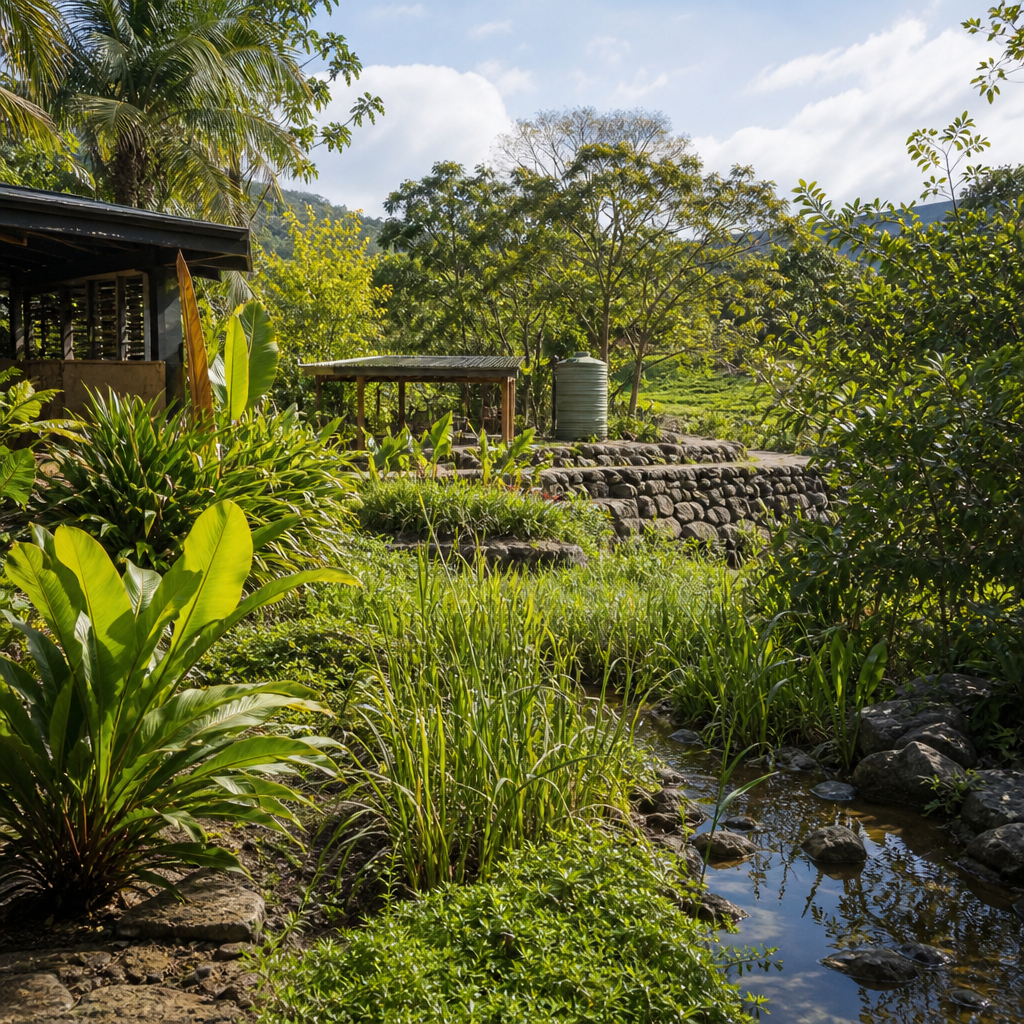
Ecological sanitation, usually shortened to EcoSan, is a sanitation approach that treats human waste as a resource rather than a disposal problem, and in coastal areas that shift can directly protect marine life. In practice, EcoSan systems separate, contain, sanitize, and often reuse nutrients from urine and feces so they do not flow untreated into estuaries, mangroves, coral reefs, seagrass beds, and nearshore fisheries. I have worked on sanitation planning in flood-prone coastal communities, and the pattern is consistent: where pit latrines leak, septic tanks are poorly maintained, or sewage outfalls are overloaded, the sea becomes the final sink. That matters because nitrogen, phosphorus, pathogens, pharmaceuticals, and micro-pollutants do not disappear at the shoreline. They alter water chemistry, feed algal blooms, reduce oxygen, spread disease, and weaken habitats that juvenile fish, shellfish, turtles, and marine mammals depend on. A strong EcoSan strategy is therefore not only about toilets. It is about source control, nutrient recovery, groundwater protection, climate resilience, and public health in places where tides, storms, and rising seas expose every weakness in conventional sanitation.
For the broader Environmental Impact discussion, EcoSan and the environment should be understood as a connected system. Sanitation decisions affect freshwater extraction, soil fertility, greenhouse gas emissions, biodiversity, and community resilience. Coastal zones make those links easier to see because contamination travels quickly from homes and guesthouses to canals, lagoons, and beaches. When a village shifts from unlined pits to urine-diverting dry toilets, raised composting units, or container-based sanitation with safe treatment, nutrient losses can be cut sharply and local waters often recover. When hotels upgrade blackwater management and keep stormwater separate, reef tourism benefits. When municipalities map groundwater depth, salinity intrusion, and flood risk before selecting technologies, they avoid expensive failures. This hub article explains how EcoSan protects marine life, which technologies fit coastal conditions, what design mistakes cause pollution, and how communities, resorts, planners, and regulators can make sanitation part of coastal conservation instead of a hidden driver of ecological decline.
Why conventional sanitation often fails on the coast
Coastal sanitation is difficult because the ground, water, and weather work against standard systems. Many shorelines have high water tables, porous sandy soils, seasonal flooding, and limited land for drain fields. Those conditions reduce the treatment performance of pits and septic systems and increase the movement of contaminants into groundwater and surface waters. I have seen septic tanks installed correctly on paper but still discharge poorly treated effluent because tidal groundwater kept the soakaway saturated. In low-lying settlements, king tides and storm surges can inundate toilets, mobilize sludge, and spread fecal contamination through streets and canals within hours.
The ecological damage is well documented. Excess nutrients stimulate eutrophication, which is the over-enrichment of water that drives dense algal growth. As algae decompose, dissolved oxygen falls and fish kills become more likely. Pathogens such as E. coli, Salmonella, Vibrio species, norovirus, and helminth eggs can also reach bathing waters and shellfish beds. Coral reefs are especially sensitive. Sewage pollution increases disease pressure on corals, favors seaweed over coral recruitment, and interacts with warming stress. Seagrass meadows, which stabilize sediment and provide nursery habitat, decline under chronic turbidity and nutrient loading. Mangroves can filter some pollutants, but using them as a wastewater dump overwhelms their function and damages roots, fauna, and adjacent fisheries.
Conventional sewerage is not always the answer either. Centralized sewers require reliable water supply, pumping, skilled operation, and treatment plants that continue performing during storms and power outages. Many coastal towns cannot finance full collection networks, and partial sewerage often leaves poorer fringe communities with failing onsite systems. EcoSan matters because it offers another route: reduce pollution at the source, limit water use, recover nutrients, and choose treatment methods that suit unstable coastal conditions rather than copying inland infrastructure.
How EcoSan protects marine ecosystems
EcoSan protects marine life by interrupting the pathways that carry waste from households to the sea. The first pathway is seepage. Urine-diverting dry toilets and sealed containment systems prevent nutrient-rich liquid from infiltrating shallow groundwater. The second pathway is overflow during rainfall and flooding. Raised toilets, watertight vaults, and container-based collection keep excreta contained when the land is saturated. The third pathway is unsafe sludge disposal. EcoSan programs that include scheduled collection, composting, dehydration, alkaline treatment, or thermophilic processing create a managed chain of custody instead of informal dumping into wetlands or drains.
These improvements create measurable environmental benefits. Diverting urine captures most of the nitrogen and a large share of the phosphorus excreted by households before those nutrients reach coastal waters. Properly sanitized fecal matter can be transformed into soil amendments for nonfood trees, landscaping, or agriculture, reducing dependence on synthetic fertilizers. Lower wastewater volumes also reduce pressure on drains and treatment plants during storm events. In practical terms, cleaner beach water supports tourism, safer shellfish waters support livelihoods, and healthier reefs and seagrasses support fisheries and shoreline protection.
EcoSan also reduces indirect environmental impacts. Dry or low-water systems lower freshwater demand in places where aquifers already face over-extraction and saltwater intrusion. Shorter transport chains and local nutrient reuse can reduce energy use compared with centralized wastewater conveyance. The environmental case is strongest when systems are paired with verified treatment performance, safe handling protocols, and monitoring. EcoSan is not simply a toilet type. It is a management model that succeeds only when the entire sanitation service chain is designed and funded.
Best EcoSan options for coastal communities
No single EcoSan technology fits every coastline. Selection should start with groundwater depth, flood frequency, settlement density, user preferences, available service providers, and the intended end use of recovered products. In dense settlements with little space, container-based sanitation is often the most robust option because waste is collected in sealed containers and transported to a treatment site away from flood zones. In peri-urban or rural areas, urine-diverting dry toilets can work well if users accept source separation and maintenance routines are clear. Raised double-vault composting toilets can be effective where flooding is seasonal but manageable and where dry cover material is available.
For institutions such as beach parks, eco-lodges, and dive centers, vacuum or foam-flush systems linked to high-performance decentralized treatment can also fit an EcoSan strategy when water use is minimized and nutrient recovery is included. Constructed wetlands are valuable polishing units, but they should not be treated as a standalone fix for raw sewage in flood-prone coastlines. They perform best after primary and secondary treatment and with hydraulic loading under control. In every case, urine diversion, watertight containment, and safe post-treatment use are the features that most directly protect marine ecosystems.
| EcoSan option | Best coastal use case | Main marine protection benefit | Key limitation |
|---|---|---|---|
| Urine-diverting dry toilet | Rural or peri-urban homes above extreme flood level | Prevents nutrient seepage and reduces water use | Requires user training and dry cover material |
| Container-based sanitation | Dense settlements, islands, informal coastal housing | Sealed collection prevents leaks and flood overflow | Needs reliable collection service and treatment hub |
| Raised double-vault composting toilet | Communities with seasonal flooding and space for reuse | Keeps waste above groundwater and enables sanitization | Needs careful moisture control and vault management |
| Decentralized treatment with nutrient recovery | Resorts, institutions, clustered housing | Reduces discharge to reefs, lagoons, and beaches | Higher capital cost and operator skill requirement |
Design principles that prevent pollution
Successful coastal EcoSan depends more on design discipline than on branding. First, keep excreta out of groundwater. That means lined, sealed, or elevated containment; setbacks from wells and tidal creeks; and siting based on the highest seasonal water table, not the dry-season level. Second, separate flows whenever possible. Urine, feces, greywater, and stormwater behave differently and should not be mixed without a reason. Greywater can often be treated separately through grease removal, settling, biofiltration, and subsurface irrigation, while stormwater must bypass sanitation units entirely.
Third, plan for floods and salt. Materials must resist corrosion from saline air and occasional inundation. Access hatches, vents, and service points should be raised above flood levels. Anchoring may be necessary in cyclone zones. Fourth, define treatment targets. The World Health Organization sanitation safety planning framework is useful because it focuses on hazard identification, exposure routes, and control measures from toilet to end use. For fecal sludge and composted products, treatment time, temperature, pH, and moisture must be documented rather than assumed. If helminths are prevalent, treatment standards must reflect that risk.
Fifth, make operation realistic. Toilets fail when emptying is irregular, spare parts are unavailable, or users were never shown how the system works. I have seen well-funded installations abandoned because the urine pipe crystallized, the vent screen tore, or the collection service ended after a pilot grant closed. Strong programs include maintenance contracts, local supply chains, fee collection, and behavior change support from the start. The environmental benefit reaches the sea only when the service remains functional year after year.
Links between sanitation, fisheries, reefs, and tourism
Marine life protection is not an abstract benefit. Coastal economies depend on water quality. Small-scale fisheries rely on estuaries and seagrasses as nurseries, and shellfish harvesters are vulnerable to contamination closures. Tourism businesses need swimmable beaches, clear water, and healthy reefs. When wastewater enters lagoons, fish habitat degrades gradually, while beach contamination can cause immediate reputational damage. Local governments then spend more on cleanup, medical response, and emergency infrastructure than they would have spent on preventive sanitation.
A practical example comes from island destinations where leaking septic systems near beachfront hotels have been linked to algal growth on reefs and repeated bacterial exceedances at bathing sites. Upgrading to source-separating toilets, sealed storage, and offsite treatment can cut the pollutant load before it reaches groundwater. Another example is delta communities where raised EcoSan toilets remain operational during monsoon floods, preventing direct contamination of floodwater used for transport and household tasks. In both cases, the marine benefit is inseparable from social and economic resilience.
For anyone exploring related Environmental Impact topics, this hub connects naturally with articles on nutrient recovery, groundwater protection, fecal sludge management, climate adaptation, and public health. Those subjects are not side issues. They are the mechanisms through which EcoSan and the environment intersect in coastal settings. Better sanitation preserves ecosystem services: fish production, shoreline stabilization, carbon storage in mangroves and seagrasses, and the cultural value of clean coasts.
Policy, monitoring, and community adoption
Scaling EcoSan in coastal areas requires policy support as much as engineering. Building codes often assume septic systems or sewers and do not clearly approve urine-diverting or container-based models. Regulators need performance-based standards that specify containment, pathogen reduction, nutrient management, and safe reuse criteria. Municipal sanitation plans should map vulnerable coastlines, informal settlements, tourism zones, groundwater wells, and receiving waters so investments target the highest-risk areas first.
Monitoring should combine service indicators and environmental indicators. Useful service metrics include toilet functionality, collection reliability, leakage incidents, sludge treatment volumes, and end-product quality. Environmental metrics include nitrate in groundwater, enterococci or E. coli at beaches, chlorophyll-a in lagoons, dissolved oxygen, and reef or seagrass condition where applicable. Low-cost digital tools and GIS mapping make trend tracking much easier than it was a decade ago. Data matters because coastal sanitation projects are often judged only by toilet counts, which says little about marine protection.
Community adoption improves when residents see clear benefits and are involved early. In my experience, the most successful programs explain the direct link between toilet choice and fish catches, child illness, flooding, and beach quality. Households need practical guidance on use, cleaning, cover material, odor control, and what happens after collection. Farmers or landscapers need confidence in product safety before reuse markets emerge. Trust builds when providers are punctual, transparent about treatment, and honest about limitations. EcoSan can protect marine life at scale, but only when institutions, operators, and communities treat sanitation as an environmental service, not just a household fixture.
EcoSan in coastal areas works because it addresses the root problem: waste should never be allowed to drift, seep, or overflow into the sea. By separating nutrients, securing containment, planning for floods, and ensuring safe treatment, EcoSan protects reefs, seagrasses, mangroves, fisheries, and beaches more effectively than failing pits or poorly managed septic systems. It also strengthens the wider Environmental Impact agenda by reducing freshwater demand, supporting nutrient recovery, and improving climate resilience in places where conventional infrastructure is often least reliable.
The main lesson is simple. Coastal sanitation choices shape marine ecosystems. If communities, resorts, and municipalities choose systems designed for high water tables, storms, and safe reuse, they can cut pollution before it reaches fragile habitats. If they ignore those realities, the coast pays through algal blooms, unsafe bathing water, coral stress, and damaged livelihoods. Review your local sanitation chain, identify where waste can escape to groundwater or tides, and prioritize EcoSan solutions that keep nutrients and pathogens out of coastal waters for good.
Frequently Asked Questions
What is EcoSan, and why is it especially important in coastal areas?
Ecological sanitation, or EcoSan, is an approach to sanitation that treats human waste as a resource to be safely managed, sanitized, and in many cases reused, rather than simply flushed away or discharged as a disposal problem. In coastal areas, that distinction matters enormously. Conventional sanitation systems often fail in places with high water tables, sandy soils, tidal flooding, storm surges, or weak wastewater infrastructure. When toilets, septic tanks, pits, or drains leak or overflow in these environments, untreated waste can move quickly into creeks, estuaries, lagoons, mangroves, coral reefs, seagrass meadows, and nearshore fishing grounds.
EcoSan reduces that risk by separating waste streams, containing them securely, and treating them before they can reach sensitive marine ecosystems. By interrupting the pathway between households and the sea, EcoSan helps prevent nutrient pollution, pathogen contamination, and oxygen depletion in coastal waters. That means fewer harmful algal blooms, less stress on coral and seagrass habitats, and lower exposure for shellfish, fish, and the people who depend on them. In practical terms, EcoSan is not only a sanitation solution; in coastal communities it is also a marine conservation and public health strategy.
How does EcoSan help protect marine life such as coral reefs, mangroves, seagrass beds, and fisheries?
EcoSan protects marine life by stopping untreated human waste from entering coastal ecosystems. When sewage reaches the shoreline, it adds excess nitrogen and phosphorus to the water. Those nutrients can trigger algal overgrowth, reduce water clarity, and lower oxygen levels, all of which damage marine habitats. Coral reefs may become more vulnerable to disease and smothering, seagrass beds may lose the sunlight they need, mangroves can experience degraded water quality, and fish nurseries can decline as habitat conditions worsen.
It also reduces pathogen loading. Human waste can carry bacteria, viruses, and parasites that contaminate coastal waters and accumulate in shellfish or spread through bathing and fishing areas. EcoSan systems are designed to contain and sanitize waste before reuse or final handling, greatly lowering the chance that disease-causing organisms will wash into the sea during rain, flooding, or routine drainage. This is particularly valuable in low-lying communities where conventional pits or poorly built septic systems are frequently inundated.
Another important benefit is resilience. Coastal sanitation systems need to work even during storms and seasonal flooding. Well-designed EcoSan systems can be elevated, sealed, and adapted to unstable or waterlogged ground, making them less likely to fail during extreme weather. By preventing repeated releases of untreated waste into nearshore waters, EcoSan helps sustain healthier fisheries, safer seafood, and stronger ecosystems over time.
What types of EcoSan systems are suitable for flood-prone or high-water-table coastal communities?
There is no single EcoSan design that fits every coastal location, but several options can work well when they are matched to local conditions. Urine-diverting dry toilets are among the most common. These systems separate urine and feces at the source, which reduces odor, simplifies treatment, and keeps nutrients from mixing into a larger waste stream. Because they do not depend on deep pits or continuous flushing, they can be a strong choice in places where groundwater is shallow or where flooding makes conventional systems unreliable.
Raised or above-ground composting and dehydration units are also useful in coastal settings. Elevating the sanitation structure helps prevent floodwater intrusion and reduces the chance that waste will leach into saturated soil. In some communities, container-based sanitation models are effective as well. These systems collect waste in sealed containers that are removed regularly for treatment elsewhere, which is especially helpful in dense settlements, erosion-prone sites, or informal neighborhoods where permanent underground infrastructure is difficult or unsafe to build.
The right system depends on several factors: flood depth and frequency, soil permeability, salinity, groundwater levels, available space, maintenance capacity, cultural preferences, cost, and whether there is a practical plan for treatment and reuse. Good coastal sanitation planning also considers access during storms, safe storage of treatment materials, and how waste products will be handled without exposing nearby waters. In my experience with sanitation planning in flood-prone coastal communities, the most successful systems are not just technically sound; they are simple to maintain, accepted by users, and designed with local climate and water conditions in mind from the start.
Does EcoSan mean human waste is reused, and is that safe?
Yes, one of the defining ideas behind EcoSan is that nutrients and organic matter in human waste can be recovered after proper treatment and used productively, often in agriculture, landscaping, or soil improvement. Urine contains valuable nutrients such as nitrogen and potassium, while treated fecal matter can contribute organic matter and other nutrients when managed correctly. But the critical point is safety: reuse only happens after waste has been properly contained, stored, sanitized, and handled according to health guidelines.
Safe reuse depends on the design of the system and the treatment process used. Separation at the source helps because urine and feces can be managed differently, and cross-contamination is reduced. Fecal material may be dehydrated, composted, or otherwise treated for a sufficient time to reduce pathogens. Urine may be stored before use, diluted where appropriate, and applied in controlled ways. Protective equipment, user training, restricted crop selection where necessary, and clear operating procedures all play a role in making reuse safe and practical.
In coastal areas, the environmental benefit is significant even when reuse is limited or phased in slowly. The biggest win is preventing untreated waste from flowing into marine environments. If communities are not ready for full reuse programs, EcoSan can still deliver major benefits through secure containment and safe treatment alone. Reuse should be seen as an added opportunity, not a shortcut. When done properly, it supports circular resource management while protecting both people and coastal ecosystems.
What are the biggest challenges to implementing EcoSan in coastal communities, and how can they be overcome?
The main challenges are usually not just technical. They include affordability, community acceptance, maintenance responsibilities, space constraints, local regulations, and the need for reliable long-term management. In coastal areas, these are compounded by flooding, salt exposure, difficult access during storms, unstable soils, and damage risks from cyclones or storm surge. If any sanitation system is installed without a realistic plan for operation and upkeep, it can fail and lose community trust quickly.
Overcoming these barriers starts with site-specific planning. Coastal communities need sanitation solutions designed around actual environmental conditions, not copied from inland settings. That means understanding seasonal flooding patterns, groundwater levels, household density, waste collection logistics, and nearby marine habitats that may be at risk. Community engagement is equally important. People are much more likely to use and maintain EcoSan systems when they understand how the system works, why it protects their fisheries and beaches, and what their role is in keeping it functional.
Training, financing, and service support are also essential. Households may need instruction on proper use, cleaning, storage, and safe handling. Local governments, NGOs, or service providers may need to support periodic emptying, treatment, monitoring, and repairs. Subsidies or phased financing can help lower upfront costs, especially in vulnerable communities. Finally, EcoSan works best when it is treated as part of a broader coastal management strategy that connects sanitation, health, flood resilience, and marine protection. When those pieces are coordinated, EcoSan becomes much more than a toilet technology—it becomes a practical tool for protecting marine life and strengthening the communities that depend on the coast.