Urban wildlife and the benefits of EcoSan are tightly linked because the way cities handle human waste shapes water quality, soil health, habitat safety, and species survival. In sanitation planning, EcoSan, short for ecological sanitation, treats human excreta as a resource stream rather than useless waste. That shift matters in dense neighborhoods where stormwater drains, leaking sewers, overflowing pits, and poorly managed sludge can move nutrients, pathogens, and chemicals into parks, rivers, wetlands, and vacant lots that support birds, pollinators, amphibians, and small mammals. I have worked on sanitation content and project reviews where the same pattern appears repeatedly: when cities ignore nutrient cycles, wildlife pays first and residents pay next through contaminated water, odors, flooding, and rising treatment costs.
Sustainable practices in sanitation aim to protect public health while reducing ecological damage and recovering value from waste. This subtopic covers urine diversion, composting toilets, source separation, fecal sludge treatment, water-efficient systems, nutrient recovery, biosolids quality control, and safe reuse in landscaping and agriculture. It also includes governance issues such as maintenance contracts, user education, building codes, sludge transport, and monitoring standards. The core idea is simple: sanitation should break disease pathways without exporting pollution elsewhere. In urban environments, that means preventing nitrogen and phosphorus from fueling algal blooms, keeping pathogens out of waterways, lowering freshwater demand, and avoiding infrastructure failures that fragment habitat or poison food webs.
Why does this matter now? More than half the world lives in cities, urban expansion continues, and climate stress is making sanitation failures more dangerous. Intense rainfall can overwhelm combined sewer systems, while drought pushes utilities to rethink water use. At the same time, many cities want greener neighborhoods, better biodiversity outcomes, and more circular resource systems. EcoSan sits at the intersection of those goals. Done well, it reduces pollution loads, recovers nutrients, supports resilient local infrastructure, and creates safer conditions for urban wildlife. Done poorly, any sanitation system can become a chronic source of contamination. This hub article explains how sustainable sanitation works, where EcoSan fits, what benefits it offers, and which practical choices make the biggest difference for environmental impact.
What EcoSan means in practice
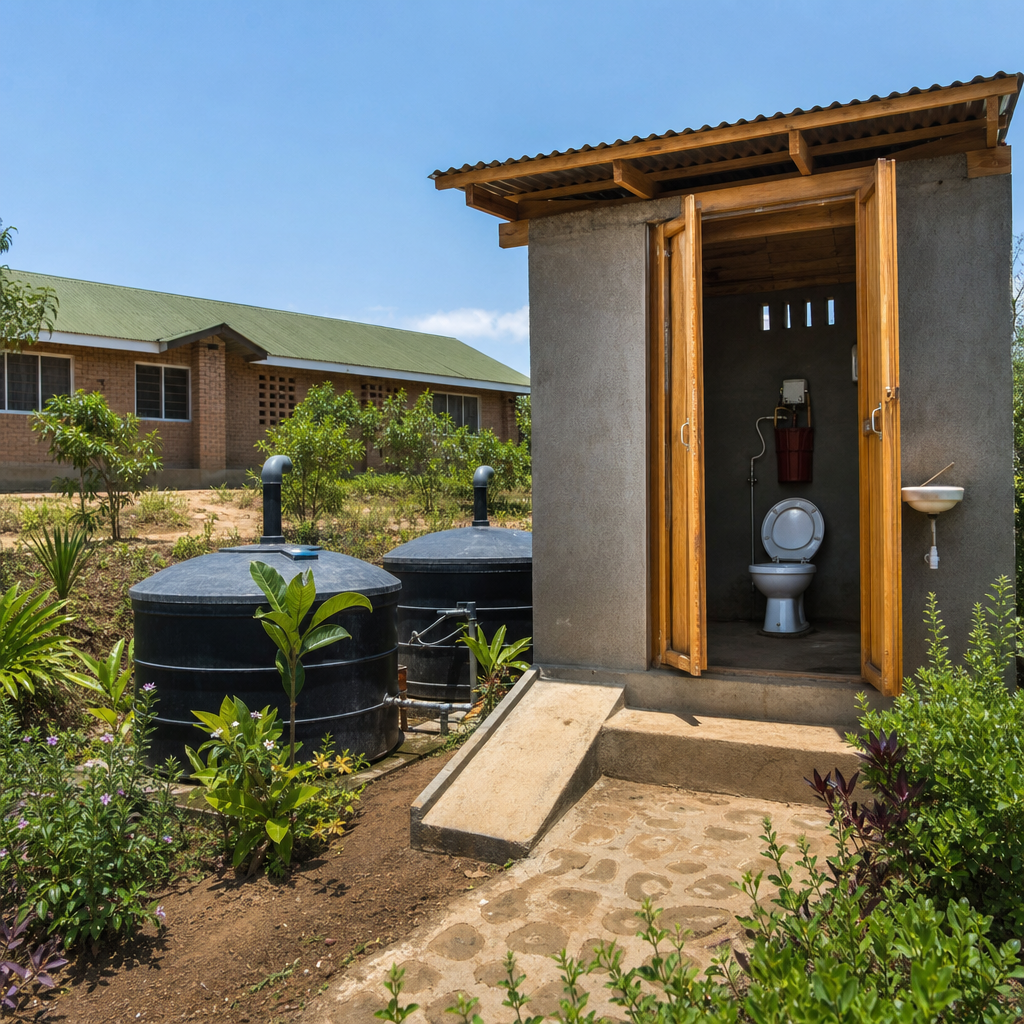
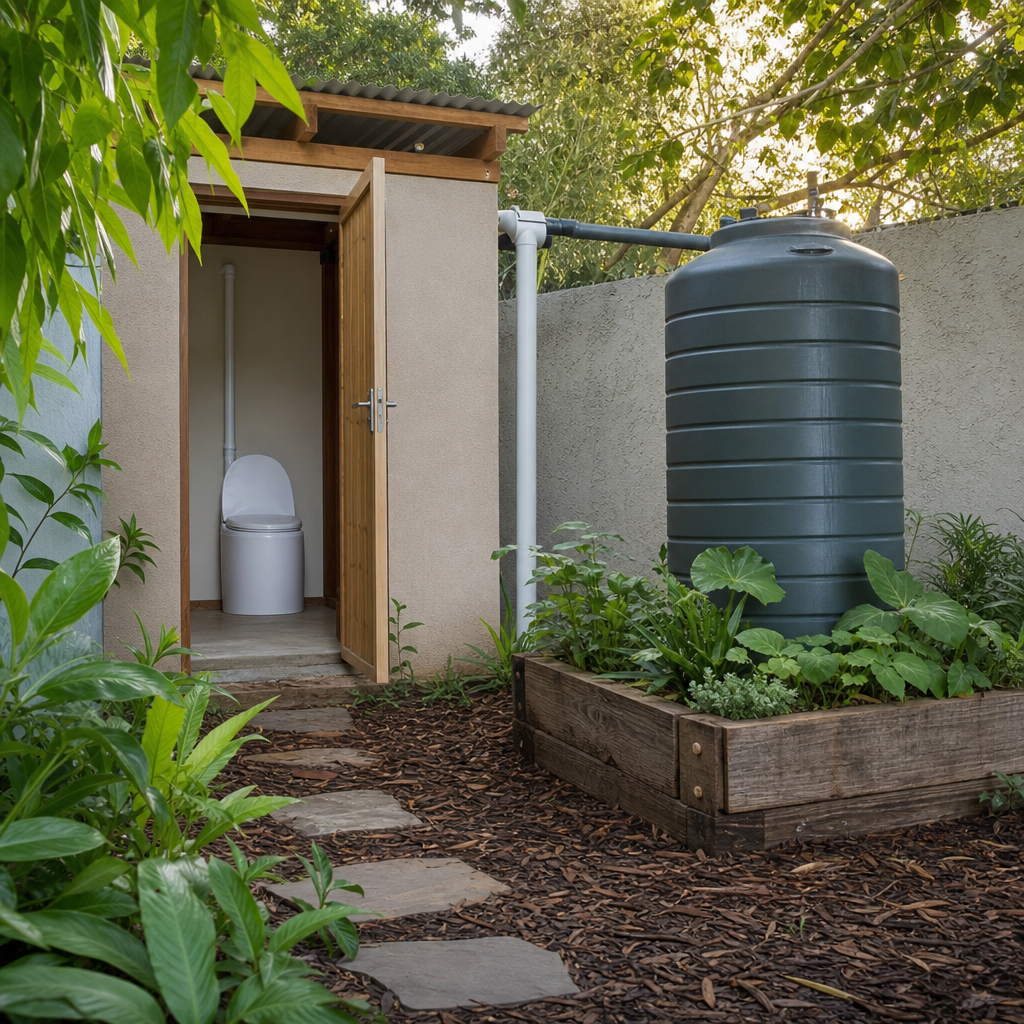
EcoSan is not one product. It is a design approach grounded in source separation, containment, treatment, and beneficial reuse. Instead of diluting waste with large volumes of drinking-quality water and transporting it long distances, EcoSan systems often separate urine and feces at the point of use, reduce water consumption, and process outputs into safer, useful materials. Common examples include urine-diverting dry toilets, container-based sanitation, composting toilets, blackwater treatment linked to biogas production, and decentralized treatment units that recover nutrients. The approach follows principles promoted by organizations such as the World Health Organization, the Stockholm Environment Institute, and the Sustainable Sanitation Alliance, all of which emphasize health protection, resource recovery, and context-specific design.
In cities, the practical question is not whether a system sounds green on paper. It is whether the full chain works every day. I look at six points first: user acceptance, separation quality, safe storage, collection logistics, treatment performance, and the end market for recovered products. A urine-diverting toilet that residents dislike will be bypassed. A composting unit without moisture control and ventilation can fail. A fecal sludge program without trained emptiers and legal discharge points can still dump into drains. Sustainable sanitation succeeds when engineering, operations, behavior, and regulation are aligned. That is why this topic functions well as a hub: each related article should connect back to the complete service chain, not just the toilet technology.
How conventional sanitation affects urban wildlife
Urban wildlife depends on habitats that are often small, fragmented, and already stressed by heat, noise, traffic, invasive species, and contaminated runoff. Sanitation failures add another burden. Leaking sewer lines can discharge ammonia, pathogens, and organic matter into streams where low dissolved oxygen harms fish and aquatic invertebrates. Overflow events can spread fecal bacteria such as E. coli and enterococci into ponds used by waterfowl. Excess nutrients can trigger algal blooms; when algae decompose, oxygen levels fall and entire aquatic communities can collapse. Amphibians are especially vulnerable because their permeable skin makes them sensitive to polluted water and sediment.
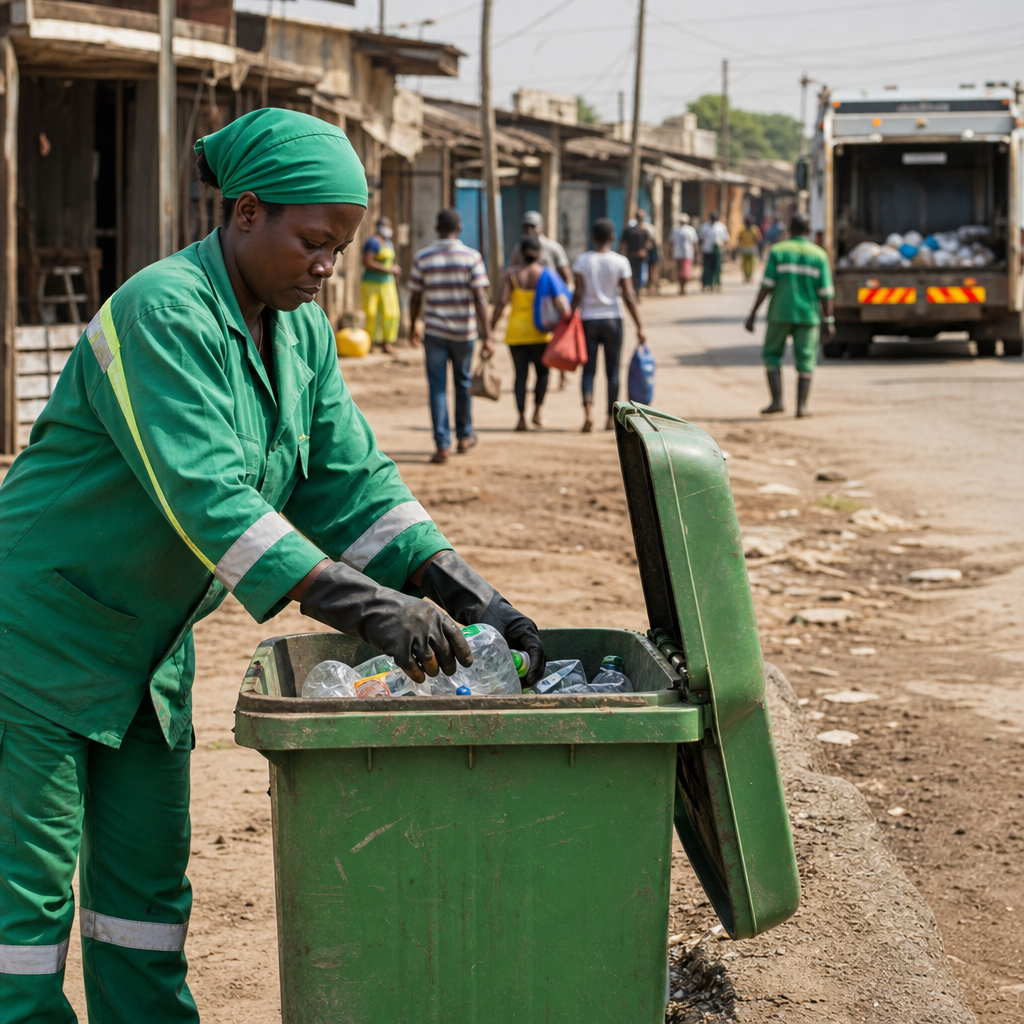
Terrestrial species are affected too. Rodents may thrive around unmanaged waste, changing predator-prey patterns and increasing disease risks. Scavenging birds can be drawn to sludge dumping areas, where they encounter pathogens and toxic residues. Pollinators can be harmed indirectly when contaminated irrigation water degrades flowering vegetation in urban green spaces. Even pets and urban livestock can act as exposure pathways. In one municipal review I analyzed, recurring sewer surcharge points lined up with stream reaches where macroinvertebrate diversity had fallen sharply after storm events. The lesson was direct: sanitation is not only a public works issue; it is an urban ecology issue.
Core sustainable practices in sanitation
Sustainable practices in sanitation are best understood as a coordinated set of interventions rather than a single technology choice. Water efficiency comes first because flushing potable water into overloaded systems is expensive and ecologically wasteful. Low-flush fixtures, vacuum systems in some buildings, and dry or near-dry options reduce demand. Source separation comes next, especially for urine, which contains most of the nitrogen and a large share of the phosphorus in domestic wastewater. By separating it early, cities can reduce nutrient loading on treatment plants and make recovery easier.
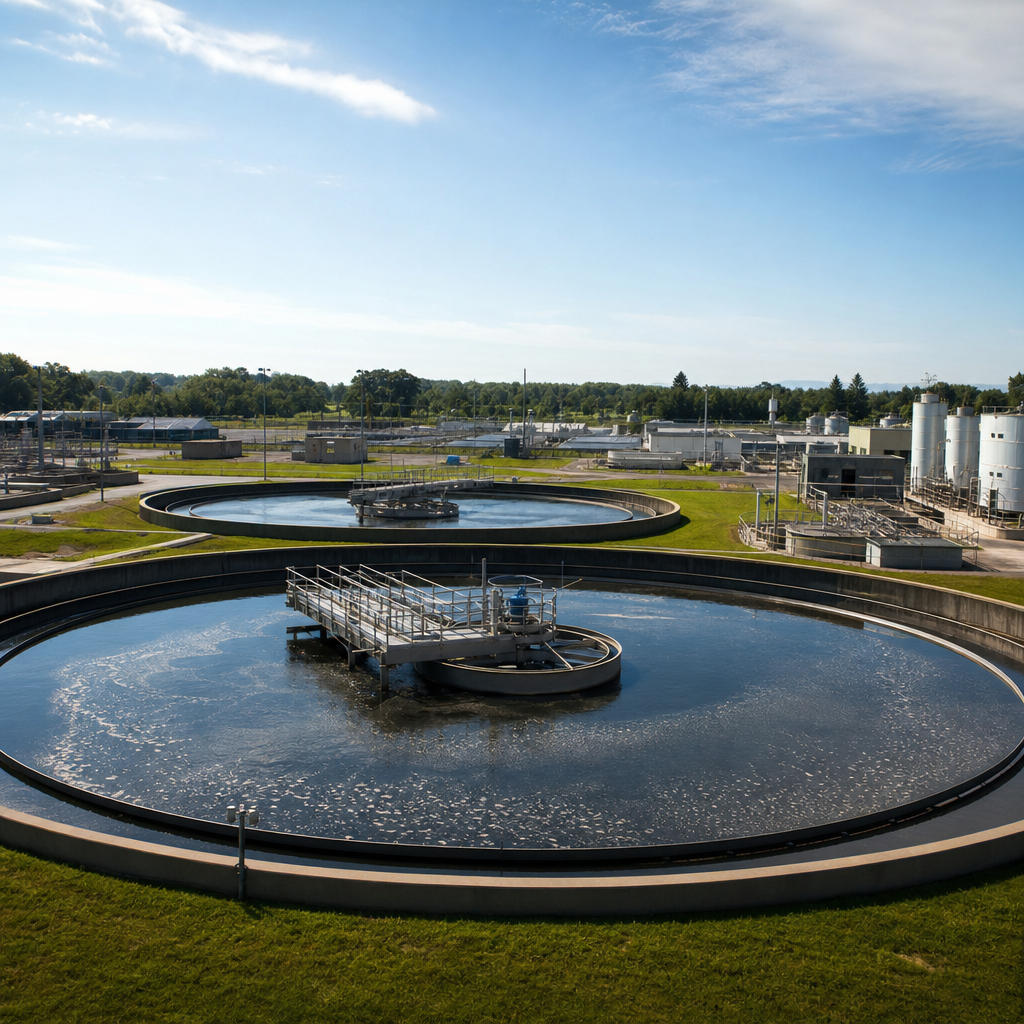
Safe treatment is the next layer. Composting, alkaline stabilization, dehydration, anaerobic digestion, constructed wetlands, and advanced biological treatment all have roles depending on density, climate, and regulatory standards. Fecal sludge management is essential in neighborhoods that are not sewered; scheduled desludging, sealed transport, and designated treatment sites prevent illegal dumping. Reuse closes the loop when outputs meet safety criteria. Stabilized compost can support landscaping, tree planting, and soil rehabilitation, while treated urine can supply nutrients where regulations allow. Strong monitoring, operator training, odor control, and maintenance planning are nonnegotiable because failures are operational before they are theoretical.
| Practice | Main environmental benefit | Urban wildlife relevance | Key implementation requirement |
|---|---|---|---|
| Urine diversion | Reduces nitrogen and phosphorus loads in wastewater | Lowers eutrophication risk in streams and ponds | User-friendly fixtures and separate collection |
| Composting or dehydration toilets | Cuts water use and enables local treatment | Less polluted runoff reaching habitat patches | Moisture, ventilation, and safe handling protocols |
| Scheduled fecal sludge management | Prevents uncontrolled dumping and drain blockages | Reduces pathogen exposure for birds and mammals | Licensed emptiers and legal discharge points |
| Anaerobic digestion | Produces biogas and stabilizes organic matter | Lowers raw sludge pollution near waterways | Reliable feedstock and process control |
| Constructed wetlands | Polishes effluent and supports decentralized treatment | Can create habitat if mosquito control is managed | Hydraulic design and long-term maintenance |
Why EcoSan benefits urban wildlife and ecosystems
The biggest ecological benefit of EcoSan is pollution prevention at the source. When urine is diverted and fecal matter is contained, far fewer nutrients and pathogens reach creeks, estuaries, and urban wetlands. That directly protects aquatic food webs. Nitrogen and phosphorus are useful on farms and in managed landscapes, but in receiving waters they destabilize ecosystems. EcoSan also reduces untreated discharges during storms because there is less liquid volume moving through vulnerable networks. In districts with aging pipes or informal drainage connections, that reduction can be decisive.
There are habitat benefits as well. Decentralized systems can lower the need for disruptive trenching and large sewer expansions in sensitive green corridors. Compost or treated organic outputs can improve urban soils, helping trees, native plantings, and rain gardens establish deeper roots. Healthier vegetation supports insects, which support birds and bats. Water savings matter too. If a city can reduce wastewater loads and potable water demand, it preserves more environmental flow in rivers and reduces the energy required for pumping and treatment. Those benefits are not abstract. They show up as clearer water, fewer fish kills, better vegetation cover, and lower contamination pressure on the fragmented habitats where urban wildlife survives.
Technology options, tradeoffs, and fit-for-place decisions
No sanitation system is universally superior. Sewer networks and centralized treatment plants remain effective in many high-density districts when they are well maintained and upgraded for nutrient removal. EcoSan becomes especially valuable where water is scarce, infrastructure expansion is costly, informal settlements are underserved, flood risk is high, or nutrient recovery has a clear local use. Urine-diverting dry toilets perform well in settings that can support collection and user training. Container-based sanitation can serve dense low-income areas where pit emptying is difficult. Composting systems can work in institutions, parks, and eco-developments, but only with disciplined management.
Tradeoffs are real. Source-separating toilets may face cultural resistance if interfaces are unfamiliar. Reuse pathways can be blocked by regulation or weak markets. Some pharmaceuticals and micropollutants require careful risk assessment, especially for land application. Poorly managed composting can produce odors, flies, or incomplete pathogen reduction. Centralized plants, on the other hand, can be energy intensive and vulnerable to overflow, while conventional nutrient removal may still waste recoverable resources. The right decision is fit for place: local climate, housing form, groundwater conditions, user preferences, service capacity, and environmental targets should drive selection. In professional reviews, the strongest projects are rarely the most novel; they are the ones with the clearest operations plan.
Governance, standards, and the full service chain
Sustainable sanitation fails when cities focus on installation and neglect service delivery. Every system needs governance across the full chain: capture, storage, collection, transport, treatment, reuse or disposal, and compliance monitoring. Building codes should define approved technologies and ventilation standards. Public health regulations should set pathogen reduction targets and worker protection rules. Utility contracts or municipal concessions should assign responsibility for maintenance, emergency response, and data reporting. Without that framework, households are left to improvise, and improvised sanitation tends to externalize costs onto waterways and wildlife habitat.
Standards matter because trust depends on verifiable performance. The World Health Organization’s sanitation safety planning framework is useful because it starts with hazard identification and controls at each stage. ISO 30500, which covers non-sewered sanitation systems, has also raised the quality bar for self-contained units. Cities should pair standards with monitoring indicators such as biochemical oxygen demand, total nitrogen, total phosphorus, fecal indicator bacteria, sludge dryness, odor complaints, overflow frequency, and legal disposal rates. Those metrics make environmental impact visible. They also help connect this hub topic to related articles on wastewater treatment, green infrastructure, water reuse, and biodiversity protection across the wider Environmental Impact category.
What cities, developers, and communities should do next
The practical path forward starts with mapping sanitation risk and ecological sensitivity together. Identify overflow hotspots, failing septic or pit systems, informal discharge points, urban streams, wetlands, parks, and biodiversity corridors. Then match interventions to place. A downtown district may need sewer rehabilitation and nutrient upgrades, while a peri-urban settlement may benefit more from container-based service, scheduled desludging, or urine-diverting systems. Developers should assess water budgets early and design for maintenance access, storage, and separated flows where appropriate. Communities need clear instructions, affordable service, and feedback channels because user behavior determines whether source separation actually works.
Procurement should reward lifecycle performance, not just lowest upfront cost. Ask who collects material, where it goes, how treatment is verified, what backup exists during storms, and whether recovered products have a lawful market. If you manage content for this subtopic, use this hub to connect readers to deeper guidance on composting toilets, fecal sludge management, nutrient recovery, decentralized wastewater treatment, and sanitation safety planning. The central message is straightforward: sustainable practices in sanitation protect human health and urban wildlife at the same time. EcoSan helps cities move from waste disposal to resource stewardship. Start with one neighborhood, one institution, or one development site, measure results carefully, and scale what proves durable.
Frequently Asked Questions
What is EcoSan, and why does it matter for urban wildlife?
EcoSan, or ecological sanitation, is an approach to sanitation that treats human excreta as a resource rather than as waste that must simply be flushed away or hidden. In practical terms, EcoSan systems are designed to safely contain, treat, and often reuse nutrients and organic matter from urine and feces, usually through methods such as urine diversion, composting, dehydration, or other controlled treatment processes. This matters for urban wildlife because the conventional failure of sanitation systems in cities often sends untreated or poorly managed waste into drains, canals, wetlands, vacant lots, and rivers where birds, fish, amphibians, insects, and small mammals live or feed.
When sanitation breaks down, wildlife is exposed to pathogens, oxygen-depleting nutrient loads, and chemical contamination. Algal blooms can increase in urban lakes and rivers, fish habitat can degrade, and species that rely on clean shoreline or riparian zones may decline. EcoSan helps interrupt that chain of harm by reducing leakage, preventing direct discharge, and supporting safer nutrient recovery. In dense urban environments, that means fewer pollutants entering the ecosystems that many species depend on. The result is not only a healthier sanitation system for people, but also a more stable and less hazardous urban habitat for wildlife.
How does poor sanitation in cities affect animals and ecosystems?
Poor sanitation affects urban ecosystems in several overlapping ways. First, untreated sewage and fecal sludge can carry bacteria, viruses, parasites, and pharmaceutical residues into waterways and soils. These contaminants do not stay neatly confined to human spaces. They spread through drainage channels, floodwater, and runoff into parks, ponds, marsh edges, and riverbanks, where wildlife may drink, forage, breed, or nest. Species that are especially vulnerable include fish exposed to low-oxygen conditions, amphibians that absorb pollutants through their skin, and birds that feed in contaminated wetlands or on invertebrates living there.
Second, excess nutrients such as nitrogen and phosphorus from unmanaged waste can trigger eutrophication. That process can lead to dense algal growth, reduced oxygen in the water, fish kills, and major shifts in aquatic food webs. Even on land, waste contamination can alter soil biology and plant communities, indirectly affecting pollinators, reptiles, and seed-eating birds. Third, poor sanitation can attract opportunistic species such as rats and flies, which may thrive in unsanitary areas while displacing healthier ecological balances and increasing disease risks for both wildlife and people. In short, sanitation is not separate from biodiversity; in cities, it is a major ecological driver.
What specific environmental benefits can EcoSan provide in urban areas?
EcoSan can provide several important environmental benefits when it is properly designed, maintained, and regulated. One of the biggest benefits is reduced pollution of local water bodies. Because EcoSan systems aim to contain and treat excreta at or near the source, they can lower the chances that sewage will leak from damaged pipes, overflow from pit latrines, or wash into storm drains during heavy rain. That helps protect streams, ponds, canals, and wetlands from the pathogen and nutrient loads that commonly degrade urban habitats.
Another major benefit is improved nutrient management. Human excreta contains nutrients that, when safely treated, can be reused in agriculture, landscaping, or soil restoration instead of being dumped into rivers where they become pollutants. This can reduce dependence on synthetic fertilizers, which themselves have environmental costs tied to manufacturing, transport, and runoff. EcoSan can also support healthier soils by returning organic matter to the land in a controlled way, which may improve soil structure, water retention, and microbial activity. In broader sustainability terms, EcoSan can contribute to circular resource use, lower pressure on centralized sewer infrastructure, and create cleaner urban environments that are more supportive of native plants, insects, birds, and aquatic life.
Can EcoSan help protect urban rivers, wetlands, and green spaces?
Yes, EcoSan can play a meaningful role in protecting urban rivers, wetlands, and green spaces, especially in places where sewer coverage is incomplete or where conventional systems are overwhelmed by population density, aging infrastructure, or flooding. These environments often become the receiving points for sanitation failures. A leaking sewer uphill from a park, an overflowing pit near a drainage channel, or poorly disposed fecal sludge from a settlement can all send contaminants into shared ecological spaces. Once that happens, the effects are felt across the landscape, from water quality and odors to habitat suitability for plants and animals.
By improving containment and treatment at the source, EcoSan reduces the likelihood that waste will migrate into these sensitive areas. This is particularly valuable in neighborhoods where stormwater and sewage are easily mixed during rain events. Cleaner water entering wetlands and rivers helps preserve oxygen levels, reduces harmful microbial contamination, and limits the nutrient surges that can destabilize aquatic ecosystems. In green spaces, reduced contamination supports safer soils, healthier vegetation, and better conditions for pollinators, urban birds, and small mammals. While EcoSan is not a standalone conservation strategy, it is a powerful supporting tool because protecting habitat quality in cities often begins with preventing pollution before it reaches the habitat.
Are there challenges to using EcoSan in cities, and how can they be addressed?
EcoSan offers strong environmental and public health advantages, but it is not automatically successful without careful planning. One challenge is ensuring that systems are properly designed for dense urban conditions. Space constraints, shared housing, flooding risk, and inconsistent maintenance can all affect performance. Another challenge is public acceptance. Because EcoSan involves a different way of thinking about sanitation and resource recovery, communities may need clear information, trust-building, and practical demonstrations before adoption increases. There are also operational concerns, including safe storage, regular collection where needed, treatment standards, and oversight to make sure recovered materials are genuinely safe for reuse.
These challenges can be addressed through good governance, technical standards, and community-centered implementation. Cities need sanitation policies that recognize decentralized and ecological options as legitimate parts of the urban sanitation mix. Training for operators, health safeguards, monitoring systems, and financing models are also essential. Public education matters because residents are more likely to support EcoSan when they understand how it protects neighborhood waterways, reduces environmental contamination, and can contribute to greener urban development. In other words, EcoSan works best when it is treated not just as a toilet technology, but as part of a broader urban ecological strategy that connects sanitation, public health, water management, and biodiversity protection.