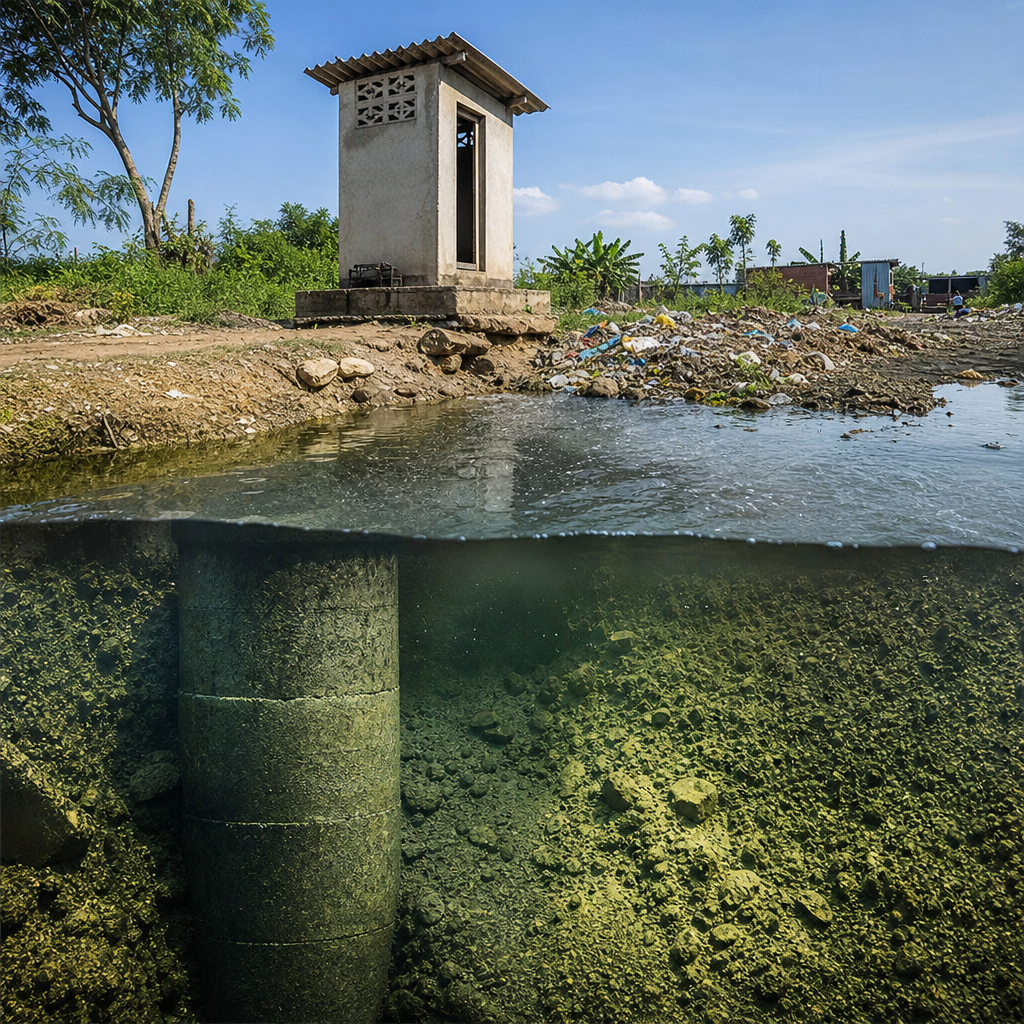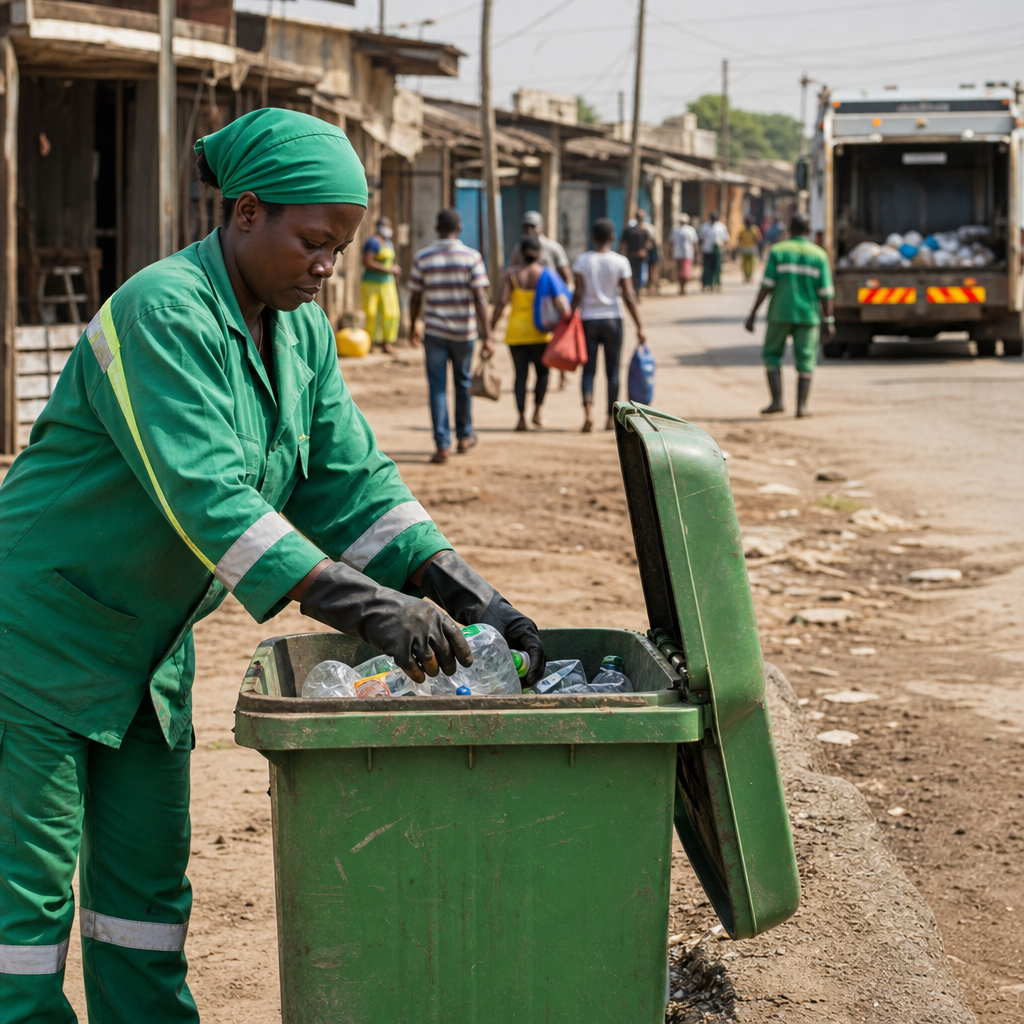
Minimizing plastic waste in sanitation is no longer a niche sustainability goal; it is a practical design requirement for any serious EcoSan and the Environment strategy. Ecological sanitation, often shortened to EcoSan, is a systems approach that treats human waste as a resource, protects water, and reduces pollution through methods such as urine diversion, composting, dehydration, and safe nutrient recovery. In my work reviewing sanitation programs, the environmental gains are usually discussed in terms of pathogen control, groundwater protection, and fertilizer substitution. Yet one issue is often underestimated: the growing volume of plastic embedded in toilets, containers, liners, packaging, personal hygiene products, desludging supplies, and disposable maintenance items. That plastic matters because sanitation is a high-frequency, essential service. Small amounts used daily across households, schools, clinics, camps, and public toilets scale into substantial waste streams, especially where collection systems are weak. When plastic escapes formal disposal, it clogs drains, contaminates compost, increases open burning, and adds cost to already stretched operators. A strong hub on EcoSan and the Environment therefore must connect material choice with health outcomes, lifecycle cost, and circular resource recovery.
Plastic waste in sanitation includes obvious products such as single-use toilet liners, storage sacks, and packaging for cleaning chemicals, but it also includes hidden components. Many “improved” sanitation products rely on polypropylene seats, PVC piping, HDPE urine tanks, polyester wipes, synthetic geotextiles, and multilayer sachets for additives. Some plastics are appropriate because they resist corrosion and extend service life. The problem is not plastic as a category; the problem is unnecessary plastic, short-lived plastic, and plastic introduced without an end-of-life plan. Minimizing plastic waste means reducing avoidable items first, then choosing durable and repairable materials, then designing collection and reuse pathways for what remains. This approach fits the core EcoSan principle of closing loops. A toilet system that safely recovers nutrients while generating contaminated plastic litter is only partially sustainable. The better standard is full-system thinking: fewer disposables, longer service life, safer maintenance, cleaner compost, and lower emissions across procurement, use, and disposal. That is why this topic deserves hub-level attention for planners, NGOs, facility managers, and households alike.
Where Plastic Enters EcoSan Systems
Plastic enters ecological sanitation at every stage, from procurement to end use to waste handling. During construction, common inputs include PVC vent pipes, plastic pans, urine-diverting inserts, jerrycans, drum tanks, and protective membrane layers. During operation, users may add disposable liners, bottled cleaners, gloves, and packaged bulking materials. Menstrual products, wipes, and incontinence pads frequently end up in toilets or nearby bins, creating mixed waste that complicates treatment. In public and institutional settings, I have repeatedly seen the largest plastic loads come not from the toilet hardware itself but from consumables: bleach bottles, sachets of disinfectant, trash bags, disposable PPE, and individually wrapped hygiene products. If a site lacks segregation, those materials become contaminated and hard to recycle.
The key environmental question is whether each plastic component is long-lived and essential or short-lived and avoidable. A urine-diverting pedestal made from durable HDPE that lasts ten years and can be cleaned effectively may be justified. A daily single-use liner for a dry toilet usually is not, unless there is a clear medical or emergency context. This distinction helps operators prioritize interventions. Start by mapping all plastic items touching the sanitation service chain, then classify them by function, lifespan, contamination risk, and available alternatives. That simple audit often reveals that a small number of disposable products account for most of the waste volume and recurring cost.
Design Choices That Cut Plastic at the Source
The most effective way to reduce sanitation plastic waste is to prevent it through design. In EcoSan projects, that means selecting fixtures and operating models that do not depend on consumables. Urine-diverting dry toilets, for example, can be configured with washable containers, rigid reusable transport bins, and refillable cleaning systems instead of throwaway liners and small chemical bottles. Superstructure materials also matter. Masonry, ferrocement, ceramic, stainless steel, treated timber, and locally fabricated metal components often replace plastic panels in fixed installations, especially where heat and ultraviolet exposure quickly degrade polymers.
Source reduction works best when teams apply lifecycle thinking early. Ask four questions before purchasing any sanitation component: Is this item necessary, is a reusable option available, can it be repaired locally, and what happens at end of life? I have seen schools lower waste and maintenance calls simply by replacing brittle low-grade plastic taps, bins, and seat hinges with standardized parts available from local hardware suppliers. Standardization is underrated. When every toilet uses the same durable components, operators can stock fewer spares, repair rather than replace, and avoid emergency purchases of cheap disposable substitutes. Good design also includes user behavior. Clear signage that says “no wipes, no pads, no sachets in toilets” prevents contamination at almost no cost when paired with visible, easy-to-empty bins.
Materials Selection: Durable, Repairable, and Safer for Resource Recovery
Choosing better materials is not about banning every polymer. It is about matching materials to performance needs while minimizing leakage into the environment. In wet, corrosive, or urine-rich conditions, certain plastics perform well, but they should be selected for durability, not convenience. High-density polyethylene and polypropylene generally outperform flimsy mixed plastics because they resist moisture and can sometimes enter established recycling streams if kept clean. PVC remains common in pipes, yet many programs now review whether alternative pipe materials or longer-life specifications can reduce replacement frequency and disposal burdens.
The sanitation context adds another filter: compatibility with downstream treatment. Composting and dehydration systems suffer when fragments of bags, wrappers, or synthetic wipes mix with fecal matter. Screening plastic out of compost is labor-intensive, unpopular, and rarely complete. The result is lower product quality and less trust from farmers. For that reason, the best material choice is often one that never enters the chamber. Where containers are necessary, rigid reusable vessels with smooth surfaces are easier to wash and inspect than thin sacks. In container-based sanitation pilots, well-designed reusable cartridges have reduced recurring packaging waste while improving worker handling safety. Material decisions should therefore be judged not only by purchase price but by cleaning effort, contamination risk, and impact on the final recovered resource.
Operational Practices That Prevent Mixed Plastic Waste
Even strong hardware choices fail if operations are weak. Daily procedures determine whether plastic stays in a manageable stream or becomes contaminated. The first rule is segregation at the point of use. Every EcoSan toilet in a school, clinic, market, or public block should have clearly labeled bins for menstrual products and other non-flush items, plus a routine for frequent emptying. The second rule is controlled purchasing. Buy concentrates in larger refill containers where possible, avoid multilayer sachets, and choose products with take-back options from suppliers. The third rule is maintenance discipline. Staff need written cleaning and waste-handling procedures that specify reusable cloths where hygienically appropriate, laundering protocols, and the minimum use of disposable PPE consistent with worker safety.
Training matters because sanitation teams often inherit habits from conventional janitorial practice, which can be heavily disposable. In several facilities I assessed, operators believed liners were necessary under every toilet or bin when a washable container and regular disinfection schedule would have worked better. Once supervisors tracked waste volume and replacement spending, they changed the standard operating procedure. Monitoring should be simple: count bags used per week, record chemical container purchases, inspect chambers for plastics, and note incidents of drain blockage or compost contamination. What gets measured gets reduced.
| Plastic source | Common problem | Lower-waste alternative | Environmental benefit |
|---|---|---|---|
| Single-use toilet liners | High recurring waste, contamination | Reusable rigid containers | Less landfill and cleaner treatment |
| Sachet cleaning chemicals | Non-recyclable multilayer packaging | Bulk refill systems | Lower packaging volume |
| Disposable wipes | Chamber contamination, blockages | Water cleansing or reusable cloth systems | Improved compost quality |
| Low-grade plastic fittings | Frequent breakage and replacement | Standardized durable parts | Longer service life |
| Mixed waste bins without sorting | Recyclables become contaminated | Segregated bins with signage | Better recovery rates |
Special Considerations for Menstrual, Incontinence, and Hygiene Waste
No serious discussion of minimizing plastic waste in sanitation can ignore absorbent hygiene products. Disposable pads, diaper components, and incontinence products contain plastics, superabsorbent polymers, adhesives, and packaging that create a difficult waste stream. In EcoSan settings, these items are often the main reason users place plastics into toilet chambers or hide waste nearby, especially when privacy is poor. The response cannot be moralizing. It must be service design. Provide covered bins inside stalls, ensure reliable collection, and build discreet transfer routes so users are not forced to carry visible waste across public space.
Waste reduction options include reusable menstrual products where culturally acceptable and supported by washing water, privacy, and education. Reusable pads and menstrual cups can substantially cut waste, but they are not universal solutions. Schools and workplaces need choice-based systems that support both reusables and disposables safely. For infants and elder care, reusable textiles may reduce plastic but increase water and labor demands, so decisions should reflect household realities. The environmental goal is practical reduction, not ideological purity. Good sanitation policy recognizes dignity, infection prevention, and user preference while still preventing plastics from entering treatment units and waterways.
Procurement, Policy, and the Economics of Waste Reduction
Procurement is where environmental ambition becomes routine practice. Tender documents for EcoSan infrastructure should specify durability requirements, replacement part availability, refillable consumables, packaging expectations, and end-of-life responsibilities. Too many projects still buy on lowest upfront price, then discover that cheap plastic accessories fail within months. A lifecycle cost approach nearly always tells a clearer story. If a reusable container lasts three years and eliminates thousands of liners, it is usually the cheaper option even before environmental gains are counted. The same logic applies to bulk chemicals, metal dispensers, and standardized fixtures.
Policy can reinforce those choices. Municipal sanitation guidelines, school WASH standards, humanitarian procurement lists, and public toilet contracts can all include material-efficiency criteria. Extended producer responsibility is particularly relevant for packaging and hygiene products. Where suppliers must finance collection or redesign packaging, operators are no longer left carrying the full waste burden. Informal waste workers should also be considered. Clean, sorted HDPE or polypropylene has value; contaminated mixed plastic does not. Systems that keep materials separate protect worker income and reduce open dumping. In short, good policy makes low-waste sanitation easier to buy, easier to run, and easier to scale.
Measuring Environmental Performance Across the Sanitation Chain
To improve EcoSan and the Environment outcomes, managers need metrics that capture more than toilet coverage. Track kilograms of plastic purchased per user per year, percentage of reusable versus disposable sanitation inputs, contamination rates in compost or dehydrated solids, and the share of packaging returned, recycled, or safely disposed. Pair those with core sanitation indicators such as functionality, pathogen safety, odor control, and user satisfaction. A reduction strategy that undermines hygiene is a failure. A strong strategy lowers waste while maintaining service quality.
Basic tools are enough to start. Use procurement records, bin audits, waste manifests, maintenance logs, and periodic chamber inspections. For larger programs, lifecycle assessment software such as openLCA can compare scenarios, while citywide service mapping can identify leakage points where plastics escape collection. I recommend annual reviews that compare material use against population served and number of service days. This normalizes performance and avoids misleading totals. The best programs use data to adjust designs quickly: fewer sachets, better bins, stronger signage, more durable parts, and supplier contracts that reduce packaging at the source.
Minimizing plastic waste in sanitation is ultimately about building EcoSan systems that are circular in practice, not only in theory. The essential lesson is straightforward: prevent disposable plastic where possible, choose durable materials where necessary, and keep every remaining item in a controlled, recoverable stream. When that happens, sanitation works better. Toilets stay easier to maintain, compost and dehydrated outputs remain cleaner, drains block less often, workers handle less contaminated waste, and operating costs become more predictable. The environmental benefit is also broader than the toilet itself. Reduced plastic use means less open burning, less litter around facilities, lower pressure on weak collection systems, and fewer fragments entering soil and water.
For this subtopic hub, the message is clear. EcoSan and the Environment should be evaluated as one connected system: technology choice, user behavior, procurement, maintenance, and waste recovery all shape the plastic footprint. Organizations that want measurable results should begin with a simple material audit, remove the most avoidable disposables, standardize durable components, and train staff on segregation and refill practices. From there, strengthen supplier requirements and track performance over time. Small operational changes often produce fast gains, while better design locks those gains in for years. Review your current sanitation setup, identify every plastic touchpoint, and make one reduction decision this month that improves both hygiene and environmental performance.
Frequently Asked Questions
Why is minimizing plastic waste important in ecological sanitation systems?
Minimizing plastic waste matters in ecological sanitation because the purpose of EcoSan is not only to manage human waste safely, but also to reduce broader environmental harm. If a sanitation system diverts urine, composts fecal matter, protects groundwater, and recovers nutrients, but still depends heavily on disposable plastic liners, packaging, containers, or short-life plastic components, its environmental performance is weakened. Plastic production requires fossil resources, generates emissions, and often leaves behind waste that is difficult to recycle in rural, peri-urban, or low-service settings. In many sanitation programs, plastic items are introduced for convenience, but once they tear, clog, crack, or become contaminated, they may be burned, dumped, or buried, creating new health and pollution risks.
From a systems perspective, reducing plastic use strengthens the core goals of ecological sanitation: resource efficiency, pollution prevention, and long-term resilience. Durable, repairable, low-waste sanitation designs are often easier to maintain locally and less dependent on external supply chains. This is especially important in communities where replacement parts are expensive or unavailable. When sanitation planners choose robust materials, design for reuse, and avoid unnecessary disposable products, they improve lifecycle performance, lower operating costs over time, and make the system more consistent with circular economy principles. In short, minimizing plastic waste is not a separate sustainability add-on; it is part of designing a sanitation system that truly protects both public health and the environment.
What are the main sources of plastic waste in sanitation programs and facilities?
Plastic waste in sanitation programs comes from more places than many people initially expect. Some of it is visible and obvious, such as disposable toilet liners, plastic bags used in container-based systems, single-use gloves, sachets of treatment chemicals, bottled cleaning products, packaging from spare parts, and low-quality buckets or jerrycans that fail quickly. Other sources are embedded in the system itself, including PVC piping, plastic toilet seats, urine containers, fittings, tanks, sealants, membranes, and modular components that may need replacement after wear or UV exposure. In emergency or temporary sanitation settings, the amount of plastic can increase significantly because speed, portability, and standardized procurement often favor lightweight plastic-based solutions.
Another major source is poor product durability. When low-cost plastic parts are selected without regard for heat, sunlight, chemical exposure, rough handling, or maintenance conditions, they tend to fail early. That creates a steady stream of replacement waste. There is also “hidden” plastic waste associated with procurement and distribution, including shrink wrap, shipping materials, and multilayer packaging that cannot be reused. In some contexts, menstrual hygiene products, incontinence materials, and cleaning supplies also contribute to the sanitation-related plastic footprint. A serious waste-reduction strategy starts by mapping these sources across the full lifecycle: procurement, installation, operation, maintenance, user interaction, and end-of-life disposal. Once that audit is done, it becomes much easier to prioritize the biggest opportunities for reduction.
How can EcoSan systems reduce plastic use without compromising hygiene or safety?
EcoSan systems can reduce plastic use effectively when the design process starts with the right priorities: hygiene first, then durability, reusability, and local appropriateness. The key is not to eliminate plastic at any cost, but to avoid unnecessary plastic while using safer, longer-lasting alternatives where practical. For example, instead of relying on disposable liners or bags, a well-designed urine-diverting dry toilet or composting toilet can use washable, reusable collection containers or fixed chambers that are easy to empty and clean. Instead of frequent replacement of cheap plastic parts, systems can specify higher-quality components with longer service lives, along with spare-part standardization and repair protocols. In many cases, reducing waste is really about better engineering and maintenance planning, not simply substituting one material for another.
Hygiene and safety should always guide material decisions. Some plastic components may still be the best option where corrosion resistance, water tightness, weight, or affordability are critical. However, even in those cases, programs can choose thicker, UV-stabilized, repairable, or recyclable plastics rather than disposable or brittle products. They can also reduce contamination of reusable items through clear cleaning procedures, designated handling tools, and operator training. Good storage matters too: keeping materials out of direct sun, away from puncture risks, and properly labeled can extend their usable life considerably. The most successful low-plastic sanitation systems are the ones that combine sound public health practice with lifecycle thinking, user education, and realistic maintenance capacity.
What materials and design strategies can replace or reduce plastics in sanitation infrastructure?
A range of materials and design choices can reduce dependence on plastics in sanitation infrastructure, though the best option depends on climate, cost, local skills, and system type. Masonry, concrete, ceramic, stainless steel, treated timber, ferrocement, fired brick, and certain metal fittings can all play important roles in building durable toilets, vaults, diversion structures, wash stations, and storage areas. For example, composting chambers and dehydration vaults can often be built from brick and concrete rather than prefabricated plastic units. Urine diversion pedestals and slabs may be produced in ceramic or concrete where local manufacturing exists. Metal hinges, brackets, and fasteners may outlast low-grade plastic hardware in harsh conditions, provided corrosion is managed properly.
Design strategy is just as important as material substitution. A system that is modular, easy to repair, and built with standardized dimensions can dramatically cut waste because parts can be maintained instead of discarded. Refillable cleaning systems can replace single-use bottles. Reusable containers can replace disposable bags where safe handling is feasible. Shaded installation, elevated storage, and protection from UV radiation can prolong the life of any remaining plastic components. It also helps to design with local fabrication in mind, so replacement parts can be made or repaired nearby rather than shipped in heavily packaged form. The most effective approach is usually selective reduction: retain plastic only where it offers a clear sanitation or safety benefit, and replace it elsewhere with longer-life, lower-waste materials that communities can maintain over time.
What practical steps can sanitation programs take to minimize plastic waste at scale?
At scale, plastic waste reduction requires program-level planning rather than isolated product swaps. The first practical step is to conduct a plastic footprint assessment for the sanitation service chain. That means identifying where plastics enter the program, how long they last, what becomes contaminated, which items are routinely discarded, and what disposal pathways actually exist in the operating context. With that information, program managers can revise technical specifications, procurement standards, and contracts to favor durability, reusable formats, minimal packaging, and components that can be repaired or recycled. This is often where the biggest gains happen, because procurement decisions shape thousands of units and years of maintenance.
The next step is to build operational systems that support lower waste. Staff need training on correct handling, cleaning, storage, and repair of components so that products are not wasted through preventable damage. Maintenance schedules should include inspection of seals, containers, fittings, and structural elements before failure occurs. Programs can also work with suppliers to reduce packaging, offer bulk delivery, create take-back systems, or provide replacement parts instead of full-unit replacements. User education is equally important; households and operators should understand why reusable solutions are being used, how to keep them hygienic, and how to avoid contaminating materials that might otherwise be recovered or recycled.
Finally, successful scale-up depends on monitoring and accountability. Sanitation programs should track indicators such as plastic purchased per facility, replacement frequency, waste generated during maintenance, and percentage of components repaired versus discarded. Those metrics can be paired with public health outcomes, cost data, and user satisfaction to ensure that waste reduction is not achieved at the expense of safety or usability. When managed well, minimizing plastic waste can reduce long-term costs, improve supply resilience, and make EcoSan strategies more credible as truly environmental sanitation solutions. It is a practical, measurable improvement that aligns sanitation delivery with circular, low-pollution development goals.