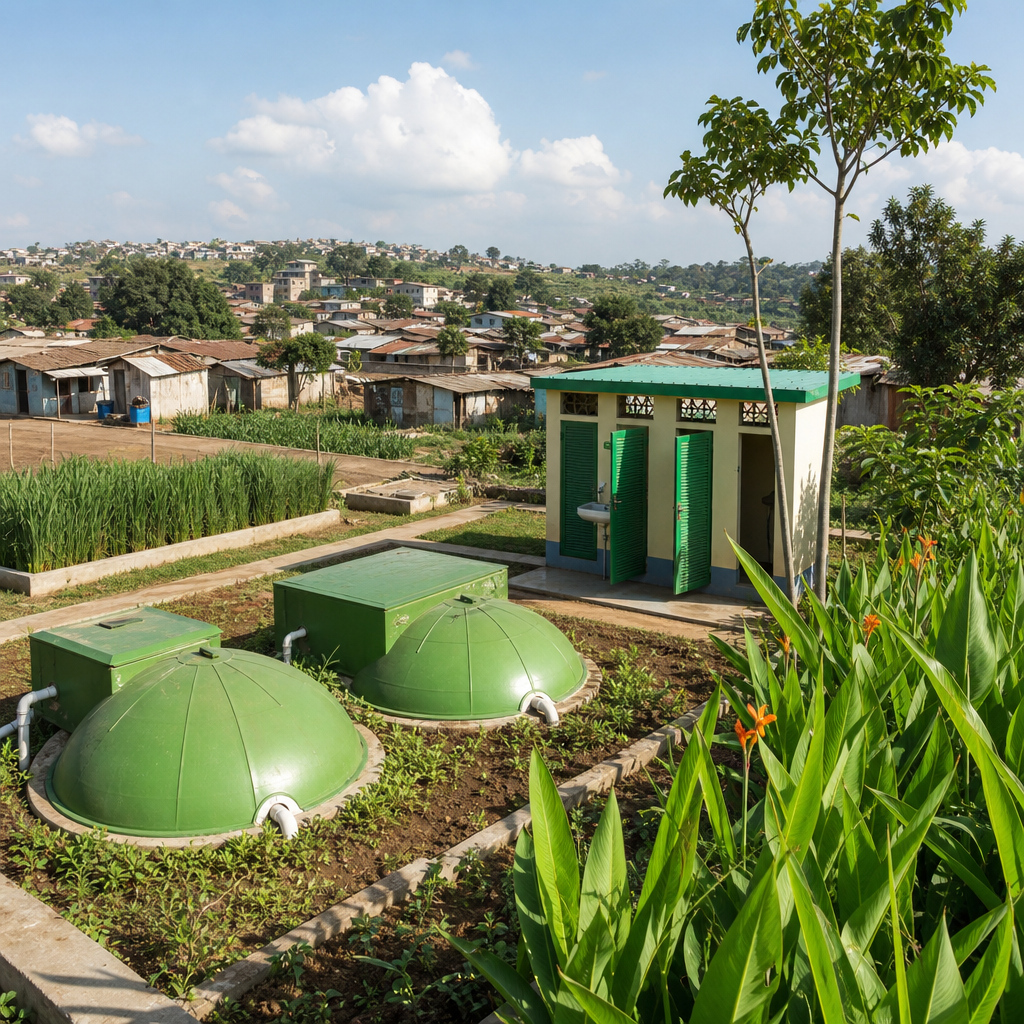
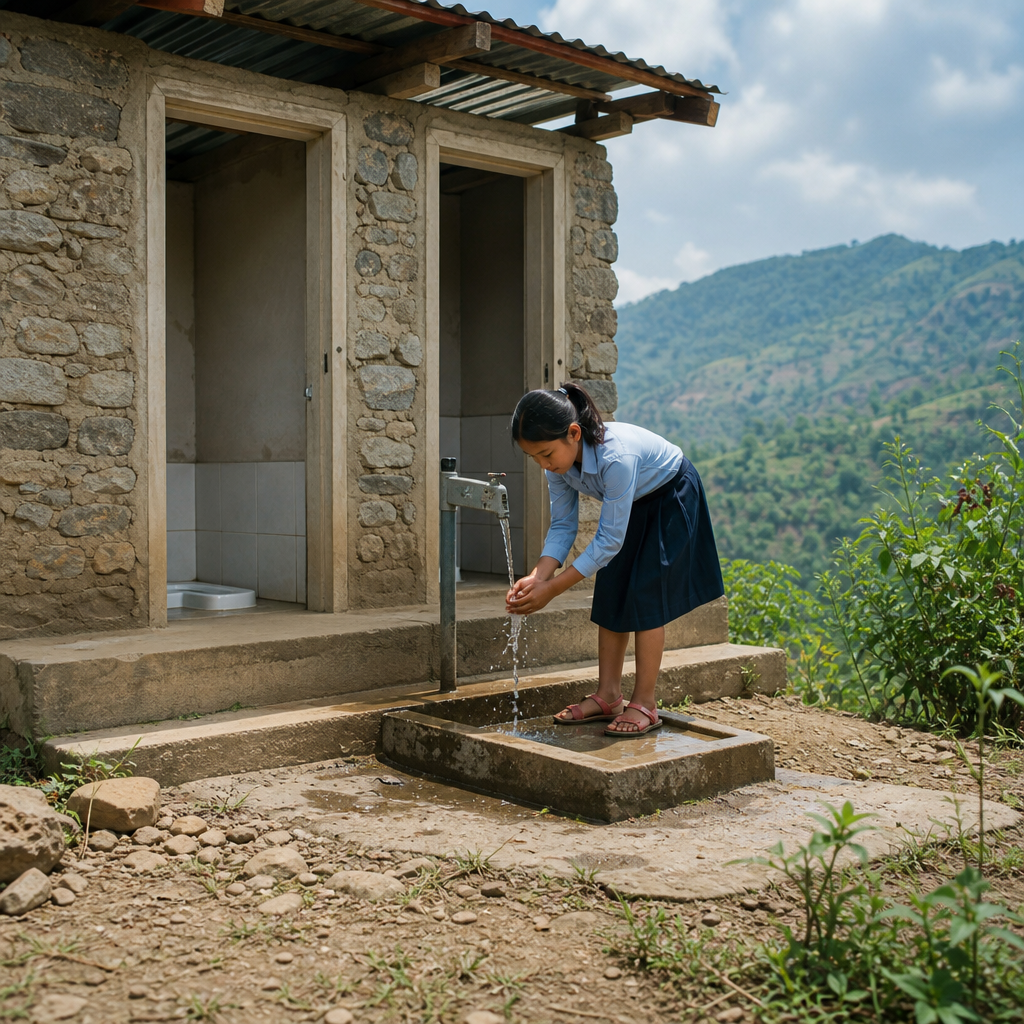
Ecological sanitation, commonly shortened to EcoSan, is the design and management of sanitation systems that protect human health while recovering nutrients, conserving water, and preventing pollution. In forested areas, EcoSan matters even more because toilets, wastewater, and sludge are never isolated problems; they interact directly with soils, streams, roots, wildlife habitat, and downstream communities. I have worked on sanitation planning for sites near protected watersheds and community forests, and the pattern is consistent: where conventional systems are poorly matched to terrain, rainfall, and access, contamination spreads quietly until it becomes expensive to reverse. EcoSan offers a different model. Instead of treating human waste only as something to dispose of, it treats it as a resource flow that must be safely contained, transformed, and, where appropriate, reused. That shift is important in forests, where ecological balance depends on nutrient cycling, clean water, and minimal land disturbance.
Forested landscapes are not all the same. They include mountain catchments, tropical woodlands, boreal settlements, peri-urban green belts, and community-managed forests with scattered homes, lodges, ranger posts, campsites, and schools. Many of these places have shallow soils, steep slopes, high water tables, seasonal flooding, fragile biodiversity, or limited road access. Those conditions make sewer expansion difficult and make poorly built pit latrines, septic tanks, and soak pits risky. Pathogens can travel into springs and streams; excess nitrogen and phosphorus can contribute to eutrophication in downstream lakes; and unmanaged sludge can damage vegetation and attract vectors. EcoSan systems, when properly designed and operated, reduce those risks by separating waste streams, encouraging onsite treatment, lowering water demand, and enabling controlled reuse. This article explains EcoSan’s role in environmental protection across forested areas, including water protection, soil conservation, biodiversity, climate resilience, community health, system design, governance, and practical implementation choices.
Why forested areas need a different sanitation approach
Forested areas require sanitation systems that respect ecological limits rather than forcing urban infrastructure models into unsuitable terrain. Traditional flush systems depend on reliable water supply, buried pipe networks, pumping, and centralized treatment. In dispersed forest settlements, those requirements often create high capital costs, high energy use, and persistent maintenance failures. Septic systems can also underperform where soils are thin, rocky, or saturated. I have seen leach fields installed on slopes where runoff bypassed treatment entirely during storms, carrying fecal contamination into a stream used for cooking water less than a kilometer away.
EcoSan addresses these constraints through source separation, dehydration, composting, urine diversion, and controlled infiltration only where site conditions allow it. Common options include urine-diverting dry toilets, composting toilets, arborloo variants, and container-based sanitation linked to offsite treatment. The environmental advantage is straightforward: less water is used to transport waste, fewer nutrients escape into waterways, and treatment can be matched to local climate and land conditions. In forested areas, that fit-for-context approach is not a design preference; it is the basis of environmental protection.
Protecting watersheds and surface water quality
Forests are natural water infrastructure. They regulate runoff, support infiltration, stabilize stream temperatures, and protect drinking-water catchments. Sanitation failures inside forests therefore have impacts far beyond the immediate user. Fecal bacteria, viruses, helminths, nitrate, ammonia, and phosphorus can move from toilets or sludge disposal areas into springs, creeks, wetlands, and reservoirs. According to World Health Organization sanitation risk principles, the most effective protection comes from multiple barriers: safe containment, treatment, separation distances, and behavior controls. EcoSan systems strengthen those barriers at the source.
Urine-diverting dry toilets are especially useful near sensitive watersheds because they separate urine, which contains most nitrogen and much of the phosphorus, from feces, which contains most pathogens. By diverting urine into sealed storage and treating feces through dehydration or composting, the system reduces liquid effluent and sharply lowers the chance of nutrient-laden seepage. In a forest lodge or ranger station, that can mean avoiding a septic drain field entirely. The result is less groundwater loading and less contamination risk during heavy rain, when conventional pits often overflow or leach.
Protection also depends on siting. Toilets should be placed above flood levels, outside riparian buffers, and away from fractured rock zones that can rapidly transmit pathogens. In practice, the exact setback distance depends on slope, soil permeability, and local regulation, but the principle is fixed: never assume a short distance to water is safe simply because vegetation is dense. Forest cover does not sanitize wastewater. EcoSan works because it reduces wastewater generation and creates manageable treatment steps before environmental release or reuse.
Reducing soil degradation and nutrient imbalance
Healthy forest soils depend on structure, organic matter, microbial life, and balanced nutrient inputs. Poor sanitation can damage all four. Constant seepage from pits can create localized nutrient hotspots, alter soil chemistry, and kill understory vegetation. Where users excavate new pits repeatedly, roots are cut and slopes are destabilized. Open disposal of sludge can compact soil, spread pathogens, and create odor issues that push communities toward unsafe dumping farther into the forest. EcoSan reduces these pressures by limiting excavation and treating excreta before it reaches the land.
When reuse is part of the system, nutrient management must be deliberate. Urine contains valuable nitrogen, potassium, and phosphorus, but applying it carelessly can burn plants or overload soils. Fecal compost, if insufficiently treated, can introduce pathogens. The environmental strength of EcoSan is not automatic reuse; it is safe, monitored reuse. In agroforestry zones, treated products can support woodlots, nurseries, non-food trees, or soil restoration plots when guidelines for storage time, application rate, and crop restriction are followed. Where safe reuse cannot be guaranteed, secure treatment and disposal remain the better environmental option.
| EcoSan option | Best use in forested areas | Main environmental benefit | Key limitation to manage |
|---|---|---|---|
| Urine-diverting dry toilet | Remote homes, ranger posts, lodges | Low water use and reduced nutrient leakage | User training and regular maintenance |
| Composting toilet | Camps, schools, ecotourism facilities | Onsite stabilization of organic matter | Moisture control and adequate retention time |
| Container-based sanitation | Dense settlements near protected forests | Full waste capture with offsite treatment | Reliable collection logistics |
| Arborloo-style system | Low-density community forestry zones | Limited excavation and tree planting potential | Careful site rotation and pathogen precautions |
Supporting biodiversity and habitat integrity
Sanitation rarely appears in biodiversity plans, yet it should. Wildlife is affected by polluted water, altered vegetation, plastic waste from hygiene products, and human encroachment linked to repeated pit construction and service access. In protected areas, poorly managed toilets at campsites or trailheads can attract insects, rodents, monkeys, feral pigs, and other animals that then spread waste or become habituated to human areas. EcoSan systems reduce attractants by using sealed vaults, covered containers, venting, and dry cover material such as ash or sawdust. Good design keeps excreta inaccessible to wildlife and limits odor plumes.
Habitat integrity also improves when sanitation footprints are smaller. Dry and container-based systems need less trenching, less heavy equipment, and less groundwater manipulation than many conventional alternatives. That matters in forests with sensitive root zones or rare understory plants. In several ecotourism sites, replacing scattered pit latrines with centralized urine-diverting units reduced both soil disturbance and the number of informal paths created for maintenance. Fewer disturbed patches mean lower erosion, lower invasive species spread, and less fragmentation around visitor nodes.
Strengthening climate resilience and reducing resource use
Climate resilience is a practical reason to choose EcoSan in forested areas. More intense rainfall increases flood risk, infiltration failure, and contaminant transport from pits and septic systems. Longer dry seasons strain water supplies and make flush sanitation harder to sustain. EcoSan systems are generally less dependent on continuous water and can be designed above ground, making them more resilient in flood-prone locations. Elevated urine-diverting units, for example, avoid inundation better than unlined pits in seasonal wet zones.
Resource efficiency is another environmental benefit. A conventional toilet can use several liters per flush, and in remote forests that water often comes from springs or trucked supply. Dry systems conserve that water completely. They also reduce the energy needed for pumping and wastewater treatment. If treated outputs are safely reused, EcoSan can offset some demand for synthetic fertilizer, whose production is energy intensive, especially nitrogen fertilizer made through the Haber-Bosch process. The climate benefit will vary by system and management quality, but lower water use and reduced transport are clear advantages in remote terrain.
Public health, community acceptance, and operational reality
Environmental protection fails if people will not use the sanitation system correctly. That is why EcoSan in forested areas must be planned around user behavior, maintenance capacity, and cultural preferences. The public-health objective remains nonnegotiable: break disease transmission by safely containing and treating excreta. Well-run EcoSan can do this effectively, but only when households, lodge staff, school caretakers, or park managers understand cleaning routines, cover material use, vault switching, urine handling, and handwashing. In my experience, the strongest projects invest early in training, follow-up visits, and simple operating checklists.
Acceptance improves when the system solves visible problems. Communities usually support EcoSan when they have experienced flooded pits, bad smells, unsafe nighttime access, or costly desludging. They resist it when the design feels complicated, unhygienic, or imposed from outside. Demonstration units help. So does explaining clear benefits: cleaner streams, fewer flies, easier maintenance in rocky ground, and potential reuse in tree nurseries or erosion-control plantings. Accessibility also matters. Toilets in forest settlements should be safe for children, older adults, and people with disabilities, with stable steps or ramps, adequate lighting, privacy, and easy-to-clean surfaces.
Planning, regulation, and the hub role of EcoSan in environmental protection
As a hub topic within environmental impact, EcoSan connects to water quality, nutrient recovery, waste management, public health, biodiversity conservation, climate adaptation, and circular resource use. Effective programs therefore depend on cross-sector planning. Forestry agencies, local governments, health departments, tourism operators, and community organizations need shared standards for siting, construction, monitoring, and end-use. The Sanitation Safety Planning framework promoted by the World Health Organization is useful because it maps hazards from containment to reuse and assigns control measures at each stage.
Regulation should focus on outcomes: pathogen reduction, groundwater protection, safe handling, and traceable management of collected material. Performance monitoring can include E. coli testing in nearby water points, inspection of vault condition, moisture and temperature checks for composting systems, and records of collection frequency for container services. No single EcoSan model fits every forested area. Cold climates slow composting, wet tropical zones challenge drying, and high visitor turnover increases misuse risk. The right approach is the one that local operators can maintain consistently while meeting environmental and health standards. For planners building a comprehensive environmental protection strategy, EcoSan is not a niche technology. It is a practical sanitation framework that aligns infrastructure with ecosystem limits, especially where forests supply water, stabilize land, support biodiversity, and sustain livelihoods.
EcoSan is important in forested areas because it protects watersheds, reduces soil damage, supports biodiversity, uses less water, and can improve resilience to climate stress when conventional sanitation is a poor fit. Its value lies in safe containment, appropriate treatment, and disciplined operation, not in any single toilet design. In remote homes, camps, protected areas, schools, and forest-edge settlements, the best systems are those matched to terrain, rainfall, user capacity, and environmental sensitivity. When planned well, EcoSan turns sanitation from a hidden source of pollution into a managed part of ecosystem stewardship.
The main takeaway is simple: forests cannot stay healthy if sanitation is neglected. Clean streams, stable soils, functioning habitats, and safe communities all depend on how human waste is handled. If you are developing an environmental impact strategy for a forested area, start by auditing current sanitation risks, mapping sensitive water and habitat zones, and comparing EcoSan options against real site conditions. That first step will reveal where environmental protection can improve fastest and where EcoSan can deliver lasting results.
Frequently Asked Questions
What is EcoSan, and why is it especially important in forested areas?
Ecological sanitation, or EcoSan, is an approach to sanitation that goes beyond simply disposing of human waste. It focuses on protecting public health while also recovering nutrients, conserving water, and preventing contamination of the surrounding environment. In forested areas, this matters even more because sanitation systems are closely tied to natural systems. Toilets, greywater, wastewater, and sludge do not exist in isolation; they influence soil biology, groundwater movement, streams, wetlands, vegetation, and wildlife habitat.
Forested landscapes are often sensitive and interconnected. A poorly placed pit latrine, leaking septic system, or unmanaged sludge source can introduce pathogens, excess nutrients, and chemical pollutants into soils and watercourses. That contamination can move downhill into springs, creeks, and drinking water sources, affecting both local residents and downstream communities. In addition, many forested regions include steep slopes, shallow soils, high seasonal rainfall, or proximity to protected watersheds, all of which increase the consequences of sanitation failure.
EcoSan is important in these settings because it encourages site-specific design. Instead of relying on one standard solution, it asks practical questions: How does water flow across the site? How deep is the soil? Where are the roots, streams, and recharge areas? What level of maintenance is realistic? By aligning sanitation with ecological conditions, EcoSan helps reduce deforestation pressures, supports long-term water quality, and creates systems that are safer, more durable, and more appropriate for the landscape.
How can poor sanitation harm forests, streams, and wildlife?
Poor sanitation can damage forest ecosystems in ways that are not always immediately visible. When waste is not contained or treated properly, pathogens such as bacteria, viruses, and parasites can move through runoff, seep into groundwater, or wash directly into streams during rainfall events. In forested areas, where many people depend on springs and surface water for drinking, cooking, or irrigation, that creates serious public health risks.
Nutrient pollution is another major concern. Human waste contains nitrogen and phosphorus, which can be valuable when safely recovered and reused, but harmful when released uncontrolled into the environment. In streams, excess nutrients can trigger algae growth, reduce oxygen levels, and alter aquatic habitats. In soils, repeated uncontrolled loading can disrupt natural nutrient balances and affect nearby vegetation. These impacts are especially significant near headwaters, wetlands, and riparian corridors, where small contamination sources can spread across a wider ecological network.
Wildlife can also be affected directly and indirectly. Animals may come into contact with contaminated water or disturbed habitats around poorly managed sanitation sites. In some cases, open or damaged systems can attract insects and scavengers, increasing disease transmission risks. In heavily used forest-edge communities or camps, unmanaged sanitation can contribute to cumulative degradation over time, even if each individual source seems minor. That is why EcoSan emphasizes containment, treatment, and safe reuse or disposal in a way that respects the natural functions of forest landscapes.
What types of EcoSan systems work best in forested or watershed-sensitive locations?
The best EcoSan system for a forested area depends on the site, not just the budget or local habit. There is no universal answer. The most suitable option is usually the one that matches the area’s slope, soil depth, rainfall patterns, groundwater conditions, user numbers, maintenance capacity, and environmental sensitivity. In watershed-sensitive locations, systems that reduce or eliminate blackwater discharge and minimize infiltration of untreated waste are often preferred.
Urine-diverting dry toilets, composting toilets, and other low-water or waterless systems are commonly strong options because they reduce the risk of wastewater entering nearby soils and streams. These systems can be particularly useful where water is scarce, soils are shallow, or conventional septic drain fields are likely to fail. When properly designed and maintained, they also support nutrient recovery, which is one of the core principles of EcoSan.
In some settings, decentralized treatment systems for greywater and blackwater may be appropriate, but they need careful planning. Constructed wetlands, small-bore sewer systems connected to localized treatment units, sealed vaults with regular removal, or advanced on-site treatment technologies can all be viable under the right conditions. However, forested sites often present constraints such as limited access for desludging, root intrusion, unstable slopes, and intense stormwater flows. For that reason, selection should always be based on a proper site assessment rather than assumption. A system that performs well in a flat, open suburban area may be completely unsuitable near a protected forest stream or upland recharge zone.
How does EcoSan help protect water quality and downstream communities?
EcoSan helps protect water quality by interrupting the pathways through which waste reaches groundwater, surface water, and soils. In forested areas, these pathways can be rapid and difficult to control once contamination begins. Rainfall can carry waste downhill, fractured soils can allow pollutants to migrate underground, and seasonal flooding can overwhelm poorly designed systems. EcoSan reduces these risks by prioritizing containment, treatment, source separation where useful, and responsible reuse or removal.
This matters not only for the immediate site but also for downstream communities. Forests often serve as catchments for rivers, reservoirs, and rural water supplies. A sanitation failure in an upland settlement, lodge, work camp, trail network, or forest-edge village can eventually affect people far away who rely on that same watershed. Contamination can raise treatment costs, increase disease risks, and undermine the ecological services that forests provide, including filtration, flow regulation, and habitat protection.
Well-designed EcoSan systems also strengthen resilience. By conserving water, they reduce pressure on local sources. By recovering nutrients safely, they reduce the need for poorly controlled waste disposal. By keeping treatment close to the source and adapted to local conditions, they lower the chance of hidden failures that go unnoticed until water quality declines. In practical terms, EcoSan is one of the clearest ways to connect sanitation planning with watershed stewardship, because it recognizes that protecting human health and protecting the landscape are part of the same job.
What should communities and planners consider before installing EcoSan systems in forested areas?
The first priority is a thorough site assessment. In forested areas, small differences in terrain and hydrology can have major consequences for sanitation performance. Planners should understand slope stability, soil permeability, soil depth, groundwater levels, drainage patterns, flood risk, distance to streams and springs, vegetation cover, and access for maintenance. It is also essential to map environmentally sensitive features such as wetlands, riparian buffers, protected habitats, and drinking water recharge areas before any system is selected or built.
Equally important is matching the technology to local operational realities. A technically impressive system will still fail if users do not understand it, spare parts are unavailable, or regular maintenance is unrealistic. Communities should be involved early in decisions about siting, use, cleaning, sludge handling, and nutrient reuse. Cultural preferences, household practices, seasonal occupancy, and affordability all influence long-term success. In my experience, the strongest sanitation plans near protected watersheds are the ones that treat management and behavior as seriously as engineering.
Finally, planners should think in terms of the full sanitation chain, not just the toilet itself. Safe containment is only one step. Collection, storage, treatment, transport, reuse, and final disposal all need clear procedures. Monitoring should also be built in from the start, especially in locations near water supplies or ecologically sensitive zones. When communities and planners approach EcoSan as a complete environmental health system rather than a single product, they are far more likely to protect forests, safeguard water resources, and create sanitation solutions that remain effective over time.