Mangroves are among the most effective natural defenses on Earth, and EcoSan initiatives in protecting mangroves show how sanitation, waste control, and habitat restoration can work together to preserve them. A mangrove ecosystem is a coastal forest of salt-tolerant trees and shrubs that grows where land and sea meet, usually in estuaries, lagoons, tidal flats, and sheltered shorelines. These forests trap sediment, filter pollutants, stabilize coastlines, store large amounts of carbon, and provide nursery habitat for fish, crabs, and shrimp. When they decline, communities lose fisheries income, storm protection, and water quality at the same time. That is why mangrove protection is not only a conservation issue; it is also a public health, infrastructure, and livelihood issue.
In my work on environmental sanitation programs, I have seen the same pattern repeatedly: mangroves are rarely damaged by one dramatic event alone. More often, they are weakened by steady pressures such as untreated wastewater, solid waste leakage, nutrient loading, sediment imbalance, and unplanned shoreline use. A strong environmental protection strategy has to address those sources before restoration can succeed. EcoSan’s role in environmental protection fits this reality. Instead of treating mangrove conservation as an isolated tree-planting exercise, effective EcoSan programs connect sanitation systems, drainage management, waste segregation, community education, monitoring, and habitat rehabilitation. This integrated approach matters because mangroves survive only when surrounding human systems stop sending damage downstream.
As a hub article under Environmental Impact, this page explains the full scope of EcoSan’s role in environmental protection and links the subtopics conceptually: pollution prevention, coastal resilience, biodiversity support, community participation, compliance, and long-term monitoring. The central idea is simple. Protecting mangroves requires upstream environmental management, not just downstream cleanup. Readers usually ask three practical questions: why are mangroves so valuable, what threats actually harm them, and what can an organization like EcoSan do that creates measurable results? The sections below answer each directly, using recognized methods and real-world implementation logic. If you need a clear framework for understanding how sanitation-led environmental protection supports mangrove conservation, this article provides that foundation.
Why Mangroves Matter in Environmental Protection
Mangroves matter because they perform several environmental services at once, and few man-made systems can replace them at the same cost or scale. Their root networks reduce wave energy, limit shoreline erosion, and capture suspended solids before those materials move into coral reefs or seagrass beds. According to widely cited assessments from the International Union for Conservation of Nature and coastal resilience studies used by the World Bank, mangrove belts can significantly reduce flood depth and storm surge impacts in exposed communities. They are also major carbon sinks. Blue carbon research consistently shows that mangroves store carbon not only in trunks and leaves but deep in waterlogged soils, where decomposition is slower than in many terrestrial forests.
The fisheries value is just as important. Juvenile fish and crustaceans use mangrove roots as shelter from predators, which supports local food systems and small-scale livelihoods. In practical environmental management, this means a damaged mangrove area is not just a loss of trees; it can become a decline in catch, poorer water clarity, greater bank erosion, and higher coastal vulnerability. That is why environmental protection planning increasingly treats mangroves as natural infrastructure. For EcoSan, this framing is useful because it connects habitat protection to sanitation investment. When decision-makers understand that wastewater treatment and waste containment help preserve a living coastal defense system, funding conversations become more concrete and more measurable.
How Pollution and Poor Sanitation Damage Mangrove Systems
The most overlooked threat to mangroves is chronic pollution from nearby settlements, tourism sites, drainage channels, and small industries. Untreated sewage increases nutrient concentrations, especially nitrogen and phosphorus, which can alter sediment chemistry and encourage algal growth. Excess organic loading reduces dissolved oxygen in adjacent waters and stresses aquatic life that depends on mangrove habitat. Solid waste causes a different but equally visible form of damage. Plastics become trapped in prop roots, block tidal flow, smother seedlings, and create conditions for stagnant water and pest breeding. Where dumpsites or open disposal areas are close to creeks, every heavy rainfall event can push waste directly into coastal vegetation.
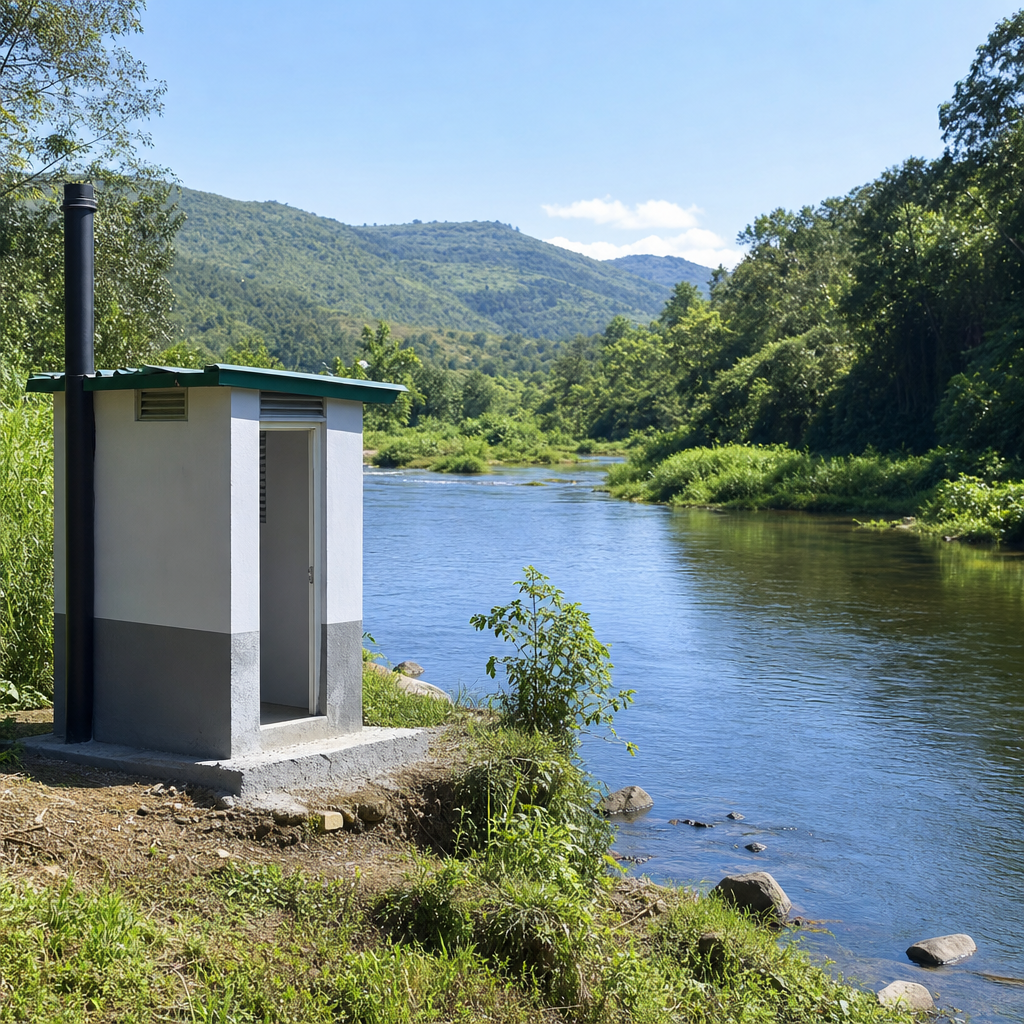
I have also seen indirect sanitation failures cause large ecological losses. Broken septic systems and poorly sited outfalls may not appear connected to a forest several hundred meters away, yet tidal movement carries contamination efficiently. Informal drainage channels can change salinity patterns or increase scouring at creek edges. Construction debris and uncontrolled fill can bury pneumatophores, the breathing roots many mangrove species need for gas exchange. Once these pressures continue for several seasons, natural regeneration slows sharply. Communities often notice the visible symptom first, such as dead seedlings or foul-smelling mud, but by then the problem is usually systemic. EcoSan’s role starts with identifying those pollutant pathways and closing them at source through engineered sanitation, waste management, and behavior change.
EcoSan’s Integrated Model for Protecting Mangroves
EcoSan’s role in environmental protection is strongest when it uses an integrated model rather than isolated interventions. In practice, that means combining four workstreams: pollution prevention, habitat protection, community stewardship, and evidence-based monitoring. Pollution prevention includes wastewater containment, fecal sludge management, stormwater control, and solid waste systems that stop leakage into creeks and intertidal zones. Habitat protection includes buffer mapping, access control, replanting where appropriate, and erosion reduction measures. Community stewardship turns residents, fishers, schools, and tourism operators into active managers rather than passive observers. Monitoring then verifies whether the program is reducing pollutant loads and improving ecological condition.
This model works because mangroves respond to both ecological and human management variables. Planting seedlings without fixing sewage inflow usually fails. Installing bins without organizing collection routes also fails. Effective EcoSan programs begin with a baseline assessment: water quality sampling, waste audits, drainage mapping, shoreline condition surveys, and stakeholder interviews. The resulting data helps prioritize action. If bacterial contamination is the main pressure, sanitation upgrades come first. If the issue is illegal dumping, collection logistics and enforcement become urgent. If erosion is severe, hydrology and shoreline stabilization need attention before replanting. This sequence prevents the common mistake of treating symptoms while the underlying drivers continue unchecked.
Core Initiatives That Deliver Measurable Results
When organizations ask what concrete actions protect mangroves most effectively, the answer is a coordinated package rather than one flagship project. The table below summarizes the initiatives I have found most useful in sanitation-linked coastal programs and the direct environmental outcome each is meant to achieve.
| Initiative | How It Works | Expected Benefit for Mangroves |
|---|---|---|
| Wastewater treatment upgrades | Reduces nutrient, pathogen, and organic load before discharge through decentralized systems, package plants, or improved sewer connections | Better water quality, lower eutrophication risk, healthier aquatic habitat |
| Fecal sludge management | Schedules desludging, safe transport, and regulated treatment for septic waste | Less seepage and overflow into tidal creeks and mangrove edges |
| Solid waste segregation and collection | Separates recyclables, organics, and residuals while improving route coverage and transfer control | Less plastic entanglement, less smothering of roots and seedlings |
| Stormwater and drainage controls | Uses silt traps, vegetated swales, retention structures, and outlet maintenance | Reduced sediment shock, cleaner tidal exchange, less erosion |
| Mangrove buffer protection | Defines no-dump and no-build setbacks using local zoning or site management rules | Lower physical disturbance and more room for regeneration |
| Targeted restoration | Replants native species only after hydrology, soil level, and pollution conditions are suitable | Higher survival rates and more resilient canopy recovery |
| Community education and patrols | Builds local reporting, cleanup routines, and stewardship norms through schools and user groups | Faster detection of threats and stronger long-term protection |
Each initiative is measurable. Wastewater work can be tracked through biochemical oxygen demand, total suspended solids, fecal indicator bacteria, and nutrient levels. Solid waste systems can be assessed by collection coverage, leakage rates, and hotspot counts. Restoration can be judged by seedling survival, canopy density, and species diversity. This matters because environmental protection claims should rest on indicators, not slogans. EcoSan creates credibility when it can show that fewer pollutants are entering mangrove waters and that ecological condition is improving over time.
Community Participation, Governance, and Compliance
No mangrove protection program lasts if local governance is weak. In coastal settings, the day-to-day pressures on mangroves come from many small actions: dumping household waste, cutting access paths, discharging greywater, or clearing edges for convenience. EcoSan’s role in environmental protection therefore includes governance design, not just technical delivery. Good programs identify who controls land use, who manages collection contracts, who enforces setbacks, and who responds when violations occur. In many municipalities, success depends on coordinating environmental offices, sanitation departments, village councils, port authorities, tourism businesses, and community groups that use the shoreline daily.
Public participation improves compliance because it turns abstract rules into shared local standards. I have seen cleanup campaigns fail when they were limited to one-off events with no policy follow-through, and I have seen smaller programs succeed because communities helped map dumping points and monitor them afterward. Training matters here. Residents need to understand why mangrove roots trap waste, why blocked tidal channels affect fish nurseries, and why even biodegradable waste can overload oxygen levels when dumped in concentrated volumes. Schools can support citizen science, while fisher associations can help report illegal cutting or discharge incidents. Formal enforcement still matters, especially for repeat violations, but lasting gains come when stewardship becomes routine rather than exceptional.
Monitoring, Restoration Standards, and Long-Term Impact
Protecting mangroves is a long-term management task, so monitoring must be structured from the beginning. EcoSan should track both environmental pressures and ecological responses. Pressure indicators include wastewater discharge quality, litter density, drainage blockages, erosion points, and encroachment activity. Response indicators include seedling survival, natural regeneration counts, canopy cover, benthic condition, and presence of nursery species. Standard tools can include GPS shoreline mapping, drone imagery, quadrat sampling, and periodic laboratory testing for salinity, nutrients, dissolved oxygen, and coliforms. A quarterly dashboard is often enough for operations, while annual reviews are better for strategy and budgeting.
Restoration should follow recognized coastal ecology principles. The first rule is to restore hydrology before planting. If tidal exchange is wrong, seedlings die regardless of volunteer enthusiasm. The second is to use native species suited to site conditions rather than a single species planted everywhere. The third is to avoid counting seedlings planted as the main success metric. Survival after one or two wet-dry cycles is far more meaningful. Long-term impact appears when sanitation inputs remain controlled, local users continue protection, and mangroves begin regenerating with less intervention. That is the real value of EcoSan’s role in environmental protection: it reduces the causes of decline while building conditions in which coastal ecosystems can recover and keep protecting communities.
EcoSan initiatives in protecting mangroves are most effective when they connect sanitation performance with ecological outcomes. Mangroves cannot thrive beside leaking waste systems, unmanaged drainage, or chronic dumping, no matter how many seedlings are planted. The strongest environmental protection strategy is upstream and preventive: contain wastewater, manage fecal sludge safely, stop solid waste leakage, protect shoreline buffers, involve communities, and monitor results with clear indicators. This hub page has outlined EcoSan’s role in environmental protection as a complete system, showing how pollution control, governance, habitat care, and restoration reinforce one another.
The practical takeaway is straightforward. If the goal is healthier mangroves, start by fixing the human systems that damage them, then restore the habitat under stable conditions. That approach protects biodiversity, supports fisheries, improves water quality, strengthens coastal resilience, and makes environmental spending more accountable. Use this article as the starting point for deeper work across the Environmental Impact subtopic, and apply its framework to planning, partnerships, and project evaluation. Protect the sources, protect the shoreline, and mangroves will keep doing the work that communities depend on every day.
Frequently Asked Questions
What are mangroves, and why are they so important to coastal environments?
Mangroves are coastal forests made up of salt-tolerant trees and shrubs that grow where land and sea meet, especially in estuaries, lagoons, tidal flats, and protected shorelines. They are uniquely adapted to brackish and saline conditions, with complex root systems that help them survive changing tides, low-oxygen soils, and shifting sediment. These adaptations make mangroves one of the most valuable natural systems in the world for shoreline protection and water quality support.
Their importance comes from the many ecological services they provide at once. Mangroves trap sediment before it washes into coral reefs and seagrass beds, filter pollutants from runoff, reduce erosion, and buffer coasts against storm surges, strong waves, and flooding. They also serve as breeding and nursery grounds for fish, crabs, shrimp, and many bird species, which means they directly support biodiversity and local livelihoods. In addition, mangroves store large amounts of carbon in their biomass and soils, making them a major ally in climate mitigation. When mangroves are healthy, coastal communities benefit from cleaner water, better fisheries, more resilient shorelines, and stronger natural protection against extreme weather.
How do EcoSan initiatives help protect mangrove ecosystems?
EcoSan, or ecological sanitation, helps protect mangroves by addressing one of the most common but often overlooked threats to coastal ecosystems: pollution from poorly managed waste and wastewater. In many coastal areas, untreated sewage, nutrient-rich runoff, plastics, and other forms of contamination eventually flow into estuaries and sheltered shorelines where mangroves grow. This can degrade water quality, alter soil chemistry, increase disease risk, and weaken the overall health of the mangrove ecosystem.
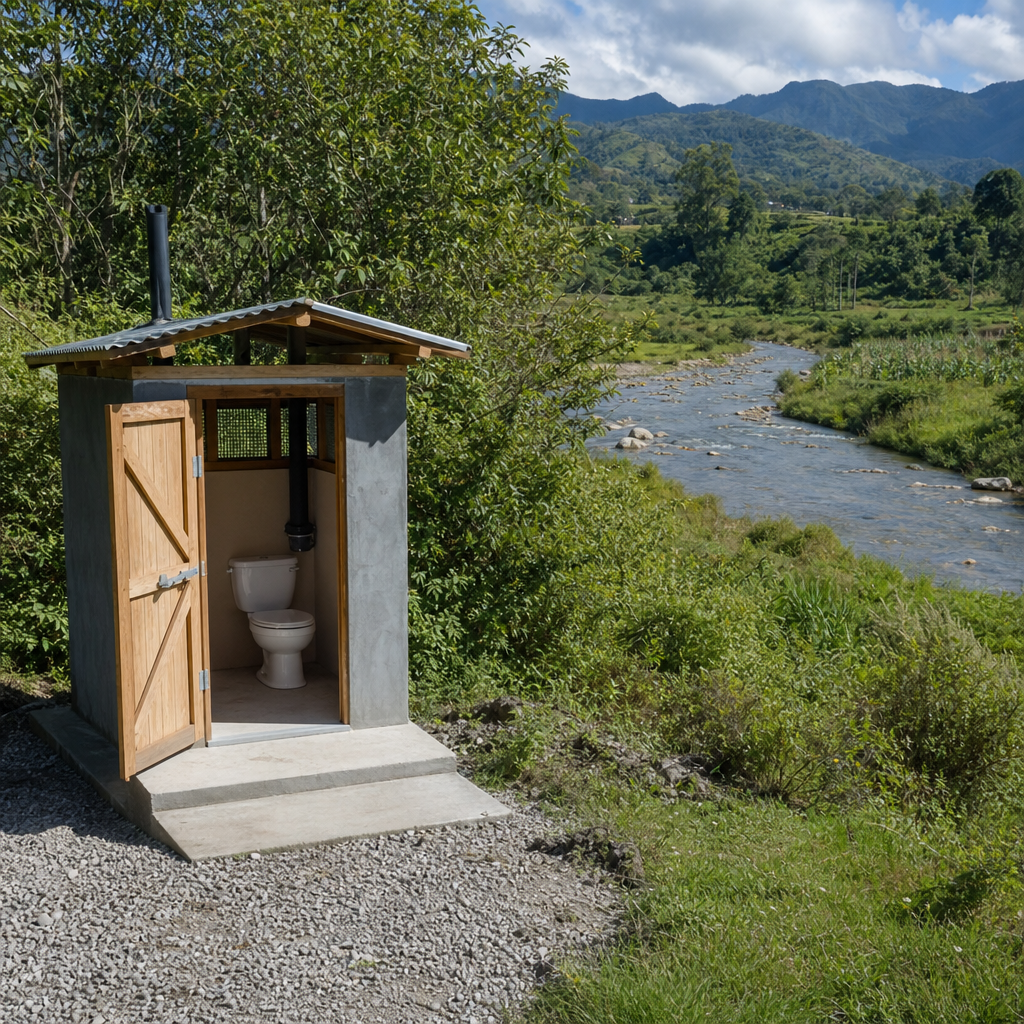
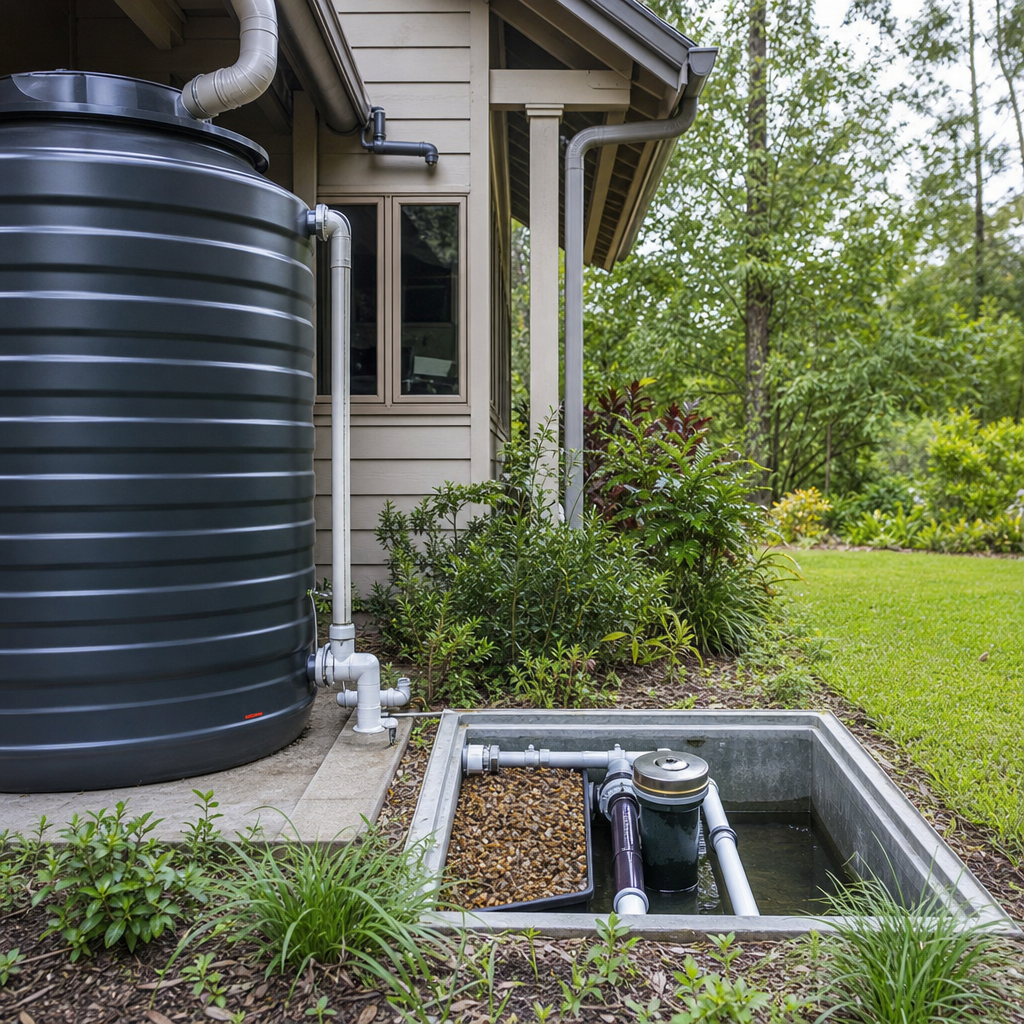
EcoSan initiatives reduce this pressure by promoting sanitation systems and waste management practices that prevent pollution at the source. These may include safe wastewater treatment, composting toilets, greywater control, waste segregation, plastic reduction, community drainage improvements, and nutrient recovery systems that keep harmful contaminants out of sensitive coastal habitats. By limiting the volume of untreated waste entering nearby waterways, EcoSan helps preserve the natural filtering function of mangroves rather than overwhelming it.
What makes this approach especially effective is that it connects environmental conservation with public health and community infrastructure. Protecting mangroves is not only about planting trees; it is also about making sure the surrounding human systems do not continuously damage the habitat. EcoSan creates that link by improving sanitation, reducing contamination, and supporting restoration efforts in a way that is practical, preventative, and sustainable over the long term.
What threats do mangroves face, and how does sanitation relate to those threats?
Mangroves face a wide range of pressures, including coastal development, land conversion, aquaculture expansion, deforestation, plastic pollution, sediment disruption, and climate-related stresses such as sea-level rise and stronger storms. Among these threats, water pollution is especially significant because mangroves sit at the receiving end of what flows downstream from settlements, roads, farms, and urban areas. When sanitation systems are weak or absent, untreated sewage and wastewater often enter rivers, creeks, and coastal zones directly.
This pollution can affect mangroves in several ways. Excess nutrients may trigger algal growth and reduce oxygen levels in surrounding waters. Pathogens can create health risks for both wildlife and nearby communities. Solid waste, particularly plastics, can smother roots, block tidal flow, and damage the habitat structure that fish and invertebrates rely on. Chemical contaminants and heavy organic loads can also alter the delicate balance of soils and water conditions that mangrove species need to grow and regenerate.
Sanitation is therefore closely tied to mangrove survival. Effective sanitation prevents waste from reaching the ecosystem in the first place, while good drainage and runoff control reduce the spread of contaminants during heavy rains and tidal events. When sanitation planning is integrated into coastal conservation, it becomes possible to address root causes rather than only responding to visible damage. That is one of the central strengths of EcoSan initiatives: they recognize that ecosystem protection starts with how communities manage waste, water, and land use every day.
Can mangrove restoration succeed without better waste control and community sanitation?
In most cases, restoration is far more successful when it is paired with better waste control and improved sanitation. Planting mangroves in polluted or poorly managed coastal areas may produce short-term visual results, but those gains are often difficult to sustain if the underlying environmental pressures remain unchanged. Young mangroves are especially vulnerable to degraded water quality, blocked tidal movement, unstable sediment, and repeated exposure to sewage and debris. Without correcting those conditions, restoration efforts can fail or produce forests that remain weak and fragmented.
Waste control and sanitation create the environmental foundation that restoration needs. Cleaner inflows improve soil and water conditions, reduce stress on seedlings, and help restore the natural ecological processes that support mangrove growth. Managing solid waste also prevents litter from accumulating in root systems, where it can limit water exchange and damage habitat complexity. At the same time, community sanitation improvements build local support for conservation by showing residents that mangrove protection can go hand in hand with healthier living conditions.
The most effective projects typically combine habitat restoration with education, monitoring, and practical infrastructure changes. That can include restoring tidal channels, reducing sewage discharge, organizing community cleanup programs, enforcing buffer zones, and involving local residents in stewardship. When restoration is supported by sanitation and waste prevention, the result is not just more planted trees, but a healthier and more resilient mangrove ecosystem that has a stronger chance of surviving over time.
What are the long-term benefits of EcoSan initiatives in protecting mangroves for communities and the environment?
The long-term benefits are broad and deeply interconnected. For the environment, EcoSan initiatives help maintain cleaner coastal waters, healthier soils, stronger biodiversity, and more functional mangrove habitats. This supports everything from fish nursery grounds to migratory bird habitat, while also preserving the mangroves’ role in carbon storage and climate resilience. As pollution declines and habitat conditions improve, mangroves are better able to perform their natural functions of trapping sediment, filtering contaminants, and protecting coastlines from erosion and storm impacts.
For communities, the benefits are equally important. Better sanitation reduces exposure to pathogens and contaminated water, improving public health outcomes. Cleaner mangrove areas can support more productive fisheries, protect homes and infrastructure from coastal hazards, and enhance local livelihoods that depend on healthy marine and estuarine systems. In many regions, mangrove conservation can also support education, ecotourism, and long-term planning for climate adaptation.
Perhaps most importantly, EcoSan initiatives encourage a more integrated way of thinking about coastal protection. Instead of treating sanitation, waste management, and habitat restoration as separate issues, they bring them together into one practical framework. That integrated approach creates lasting value because it addresses both human needs and ecological stability at the same time. When communities invest in EcoSan as part of mangrove protection, they are not only preserving a coastal forest; they are strengthening health, resilience, and environmental security for the future.