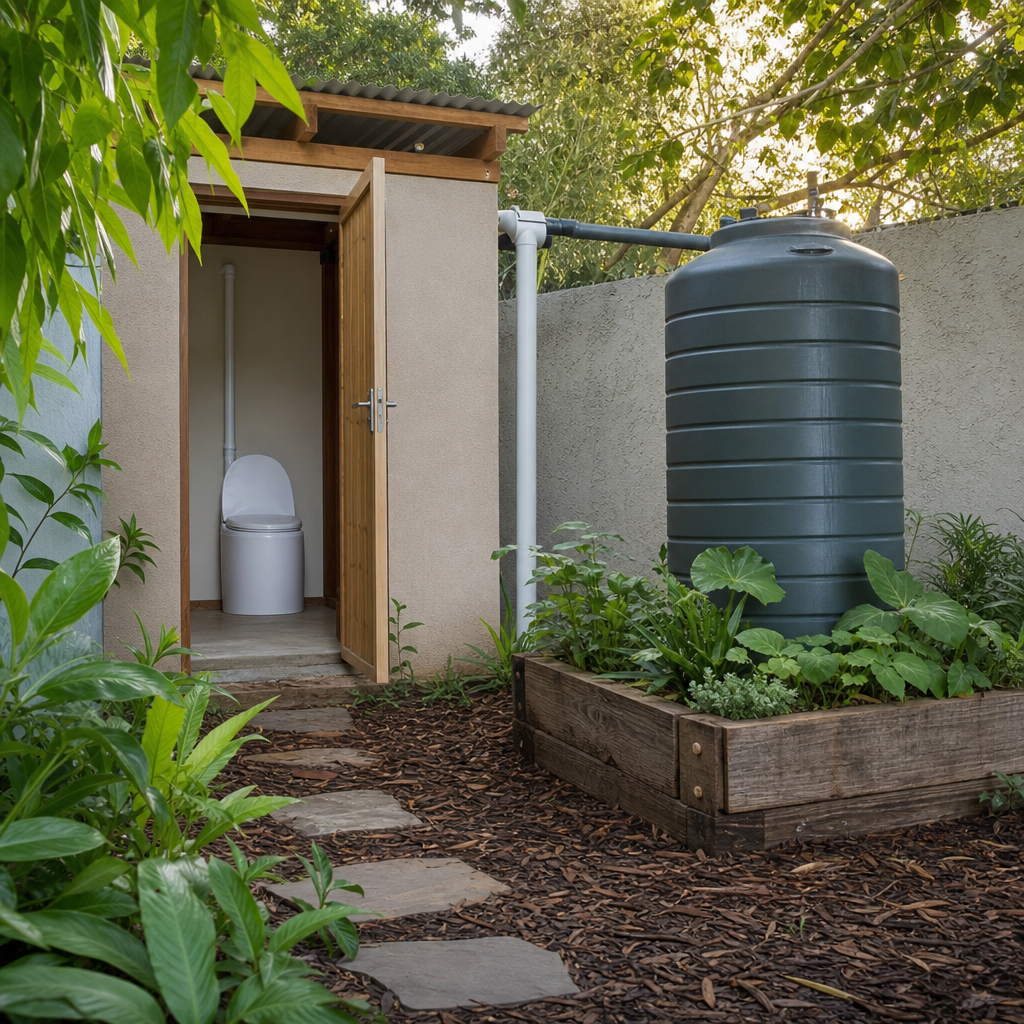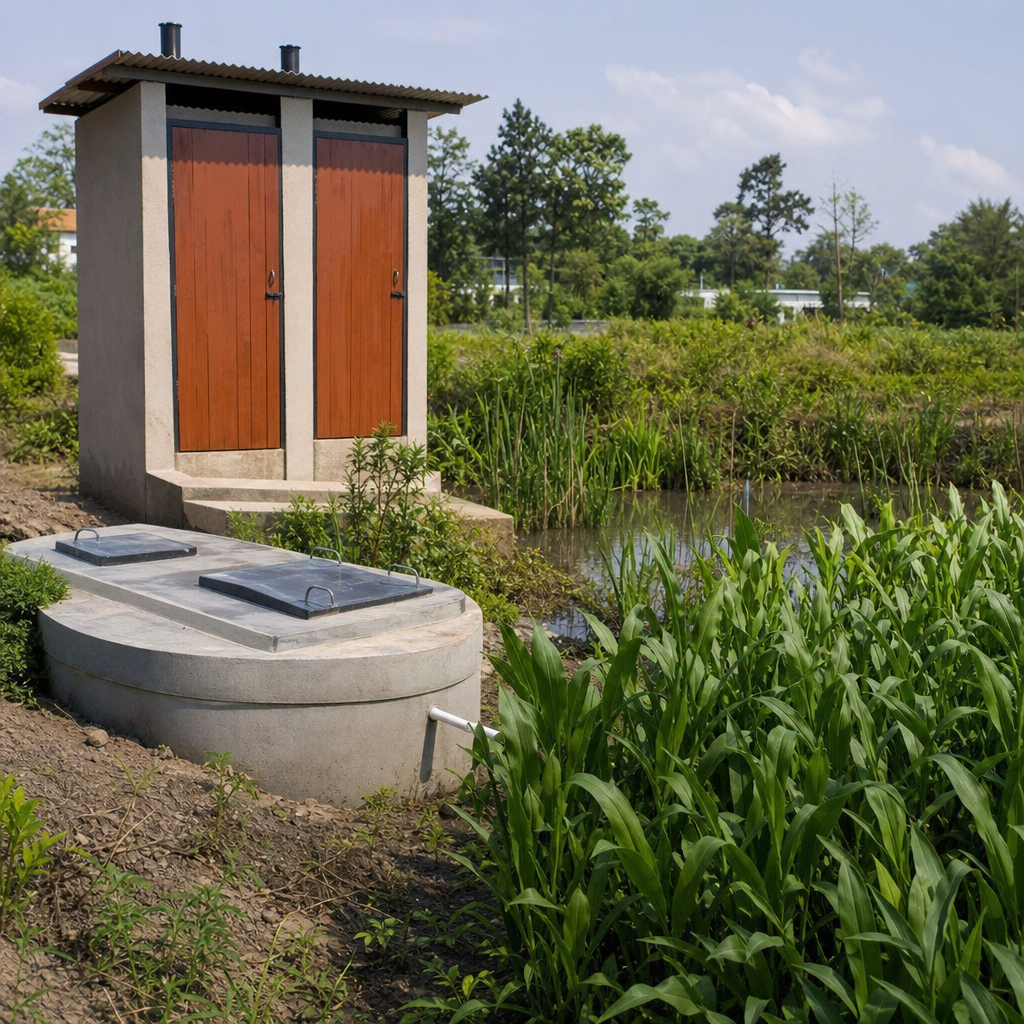
EcoSan, short for ecological sanitation, is a sanitation approach that treats human excreta and household wastewater as resources rather than waste, and its role in sustainable water resource management is both practical and strategic. In field projects I have worked on, the difference between conventional sanitation and EcoSan becomes obvious when water is scarce, groundwater is vulnerable, and municipalities cannot afford endless expansion of sewer networks. Instead of relying on flush-and-dispose systems that consume potable water and push pollutants downstream, EcoSan aims to prevent contamination at the source, recover nutrients, and reduce pressure on freshwater supplies. That combination makes it central to environmental protection, especially in rapidly growing cities, drought-prone rural areas, coastal zones, and regions with fragile aquifers.
Sustainable water resource management means protecting water quantity and water quality while meeting human needs over the long term. It includes conserving freshwater, preventing pollution, maintaining ecosystems, and building resilience to climate variability. Sanitation is inseparable from that goal because poorly managed excreta, sludge, and greywater are major drivers of disease and environmental degradation. The World Health Organization and UNICEF have repeatedly shown that inadequate sanitation contributes to pathogen exposure, contaminated drinking water, and damaged livelihoods. At the same time, standard waterborne sewerage systems can be expensive, energy intensive, and water hungry. EcoSan offers a different model by separating waste streams, encouraging reuse, and closing nutrient and water loops in ways that fit local environmental conditions.
At its core, EcoSan usually includes urine diversion, dehydration or composting of feces, safe treatment of byproducts, and beneficial reuse in agriculture or landscaping. The exact design varies. Urine-diverting dry toilets, composting toilets, arborloo systems, and decentralized wastewater treatment linked to reuse can all sit under the broader EcoSan umbrella when they follow ecological principles. The common thread is simple: minimize water use, prevent untreated discharge, and transform waste into inputs. This matters because nutrients such as nitrogen, phosphorus, and potassium are valuable, yet in conventional systems they often become pollutants in rivers, lakes, and groundwater. EcoSan seeks to capture them before they cause eutrophication, algal blooms, and oxygen depletion.
As a hub topic within environmental impact, EcoSan’s role in environmental protection extends beyond toilets. It connects water conservation, soil health, climate adaptation, biodiversity protection, circular economy thinking, and public health. A community that installs urine-diverting dry toilets may reduce groundwater contamination. A peri-urban settlement that reuses treated greywater for irrigation may lower freshwater withdrawals. A municipality that manages fecal sludge safely through decentralized treatment may cut nutrient loading into wetlands and estuaries. These are not isolated benefits; they reinforce each other. Understanding how EcoSan supports sustainable water resource management helps planners, engineers, environmental professionals, and property owners evaluate where ecological sanitation fits, where it outperforms conventional systems, and what safeguards are necessary for successful implementation.
How EcoSan Protects Water Quality at the Source
The most immediate environmental benefit of EcoSan is source control. Conventional sanitation often mixes urine, feces, flush water, stormwater, and sometimes industrial wastewater into one stream. Once mixed, treatment becomes more complex and failures become more damaging. EcoSan avoids that problem by separating waste streams early, which reduces the volume of contaminated water and makes treatment more targeted. In practical terms, a urine-diverting system keeps most nitrogen and phosphorus in a relatively low-pathogen stream, while feces are contained for dehydration, composting, or further treatment. Greywater can then be treated separately through filters, wetlands, or small-scale biological systems. This separation sharply lowers the risk of raw sewage entering drains, shallow wells, or nearby surface water.
Groundwater protection is especially important in areas with pit latrines, septic tanks in dense settlements, or high water tables. I have seen villages where wells sit only meters from sanitation units, making nitrate contamination and microbial intrusion a constant risk. EcoSan systems designed with sealed chambers, vaults, and controlled collection reduce leaching into the subsurface. They are also useful in flood-prone regions where pit systems overflow during heavy rains and spread contamination across compounds, canals, and agricultural land. By storing excreta above ground or in protected compartments, EcoSan limits direct contact between pathogens and water bodies during extreme weather events. That resilience matters more as rainfall patterns become less predictable.
Surface water quality also improves when EcoSan reduces nutrient and pathogen discharge. Untreated or partially treated sewage is a primary source of biochemical oxygen demand, suspended solids, fecal coliforms, helminth eggs, and nutrients in receiving waters. These pollutants damage aquatic ecosystems and increase treatment costs for downstream users. Ecological sanitation interrupts that pathway. Instead of flushing nutrients into rivers, it captures them for controlled reuse. Instead of sending blackwater into overloaded sewer systems, it reduces the hydraulic load. In environmental management terms, this is pollution prevention, not just end-of-pipe treatment. That distinction is important because prevention is usually cheaper and more reliable than remediation once aquifers, reservoirs, or wetlands are contaminated.
Water Conservation and Reduced Demand on Freshwater Supplies
EcoSan contributes to sustainable water resource management by cutting the amount of clean water required for sanitation. A standard flush toilet can use several liters per flush, and older models use even more. Across households, schools, institutions, and commercial sites, that demand is substantial. In water-stressed regions, using drinking-quality water merely to transport excreta through pipes is increasingly difficult to justify. Dry or low-water EcoSan systems eliminate or drastically reduce this use. That saved water can support drinking, cooking, hygiene, environmental flows, or productive activities instead of being converted into wastewater.
The water-saving value becomes clearer when scaled. In a school with hundreds of daily users, replacing conventional flush units with well-managed urine-diverting dry toilets can save thousands of liters each week. In informal settlements where piped supply is intermittent, reducing toilet flushing demand lowers the need for stored water and water purchases from vendors. In arid and semi-arid areas, this can improve household water security immediately. EcoSan therefore supports water demand management, a core principle in integrated resource planning. It does not replace the need for efficient fixtures, leakage control, and watershed protection, but it addresses one of the largest avoidable indoor water uses.
Greywater reuse strengthens this benefit. Many EcoSan projects treat water from handwashing, bathing, and laundry for irrigation or landscape use through gravel filters, planted beds, sand filtration, or compact decentralized treatment units. Reusing greywater reduces abstraction from wells and municipal systems while also reducing effluent discharge. For households and institutions, this can be the difference between maintaining trees and gardens or letting them decline during dry seasons. The environmental gain is not only lower freshwater extraction but also reduced energy use for pumping, treatment, and long-distance distribution. Water conservation and pollution prevention therefore work together, which is why EcoSan sits naturally within sustainable water management rather than at its margins.
Nutrient Recovery, Soil Health, and Circular Resource Use
One reason EcoSan is increasingly discussed in environmental protection is that it converts sanitation from a disposal problem into a resource recovery system. Human urine contains most of the nitrogen and a large share of the phosphorus and potassium excreted by households. Fecal matter contains organic carbon and additional nutrients. When treated correctly and reused safely, these outputs can support crop production, tree planting, and soil rehabilitation. That reduces dependence on synthetic fertilizers, which require energy to produce and can contribute to runoff pollution when misapplied. EcoSan does not make fertilizers obsolete, but it creates a local nutrient loop that is environmentally and economically valuable.
In projects linked to smallholder agriculture, urine has been applied as a diluted fertilizer to maize, vegetables, and fruit trees, while composted or dehydrated fecal material has been used as a soil conditioner where regulations and cultural acceptance permit. The agronomic logic is straightforward: nutrients removed in food consumption are returned to the soil instead of being discharged into water bodies. This aligns with circular economy principles and addresses phosphorus security, since phosphate rock is a finite resource concentrated in a limited number of countries. Recovering nutrients through EcoSan can therefore improve local fertility management while reducing the environmental burden of wastewater discharges.
| EcoSan function | Water resource benefit | Environmental protection outcome |
|---|---|---|
| Urine diversion | Prevents nutrient-rich wastewater mixing | Reduces eutrophication risk in rivers and lakes |
| Dry or low-water toilets | Cuts freshwater demand for flushing | Conserves scarce potable water supplies |
| Sealed feces containment and treatment | Limits pathogen leaching to groundwater | Protects wells, springs, and shallow aquifers |
| Greywater treatment and reuse | Reduces wastewater discharge and new abstraction | Lowers pressure on freshwater ecosystems |
| Nutrient reuse in agriculture | Shifts nutrients away from waterways | Supports soil health and reduces fertilizer impacts |
Soil health benefits are often overlooked in water discussions, yet they are directly linked. Soils with more organic matter typically infiltrate water better, store moisture longer, and lose fewer nutrients through runoff. When safely processed EcoSan outputs are used to improve degraded soils, the result can be better drought resilience and lower sediment transport into streams. This is one of the less obvious but important ways EcoSan supports watershed health. Healthy soils act as buffers within the hydrological cycle. By helping rebuild them, ecological sanitation contributes indirectly to water retention, erosion control, and more stable local ecosystems.
Climate Resilience, Decentralization, and Infrastructure Adaptation
EcoSan is also relevant because climate change is exposing the weaknesses of centralized, water-intensive sanitation infrastructure. Droughts reduce water available for flushing and sewer operation. Floods overwhelm combined sewers, septic systems, and pit latrines, releasing untreated waste into neighborhoods and waterways. Sea-level rise threatens coastal groundwater and sanitation assets. Decentralized ecological sanitation systems can improve resilience by reducing dependence on constant water supply, extensive pipe networks, and distant treatment plants. When properly designed, they continue functioning under conditions that regularly disable conventional systems.
This advantage is strongest in settings where infrastructure expansion lags behind population growth. Peri-urban communities often rely on unsafe onsite sanitation because sewer connection is years away or financially unrealistic. EcoSan offers an intermediate or permanent solution that can be deployed faster and adapted to local density, soil type, and hydrogeology. In rocky terrain, high water-table zones, informal settlements, and remote institutions such as schools, clinics, and parks, decentralized systems may be the most environmentally sound option. They reduce transport needs, allow phased investment, and avoid locking communities into systems that consume water they do not reliably have.
That said, resilience depends on management, not just technology choice. Collection logistics, user behavior, maintenance, pathogen reduction, odor control, and end-use regulation must all be planned carefully. Where this is neglected, systems fail socially before they fail technically. The strongest EcoSan programs pair hardware with training, routine inspection, clear operating procedures, and service chains for emptying and reuse. Municipal backing matters. So do standards for safe handling, such as the World Health Organization’s guidance on wastewater and excreta reuse and the broader sanitation safety planning approach promoted across the sector. EcoSan works best when it is integrated into service delivery, not treated as a one-time installation.
Public Health Safeguards, Policy Needs, and Limits of EcoSan
EcoSan protects the environment only when public health protections are built into design and operation. Pathogens remain the central risk. Fecal matter can contain bacteria, viruses, protozoa, and helminths, and safe reuse requires barriers such as storage time, dehydration, composting temperatures, alkaline treatment, restricted crop application, personal protective equipment, and hygiene practices. In other words, EcoSan is not simply reuse; it is safe reuse based on risk reduction. Where users are trained, vaults are kept dry, urine is stored appropriately, and application practices follow guidelines, environmental gains are substantial. Where shortcuts are taken, contamination can shift from waterways to fields or households.
Policy and governance therefore shape outcomes. Building codes, fertilizer rules, land-use planning, sludge transport regulations, and public health oversight all affect whether EcoSan scales responsibly. Countries that have advanced ecological sanitation usually support pilot projects, certify acceptable technologies, publish design standards, and clarify who is responsible for operation and monitoring. Utilities and municipalities may also need new business models, because decentralized sanitation requires service chains for collection, treatment, and reuse rather than simple network expansion. Financing must account for lifecycle costs, not just construction. This is a key lesson from implementation: a cheap toilet that nobody can maintain is not sustainable infrastructure.
EcoSan also has limits. It is not ideal for every building type, every climate, or every user group. Very dense high-rise developments may still favor sewered systems. Cultural acceptance can be a barrier where handling sanitized excreta is stigmatized. Poorly ventilated units can develop odor problems, and inconsistent maintenance can undermine user confidence quickly. In some contexts, the best environmental result comes from hybrid systems, such as low-flush sanitation paired with nutrient recovery, or decentralized treatment wetlands linked to reuse. The right question is not whether EcoSan should replace every conventional system. The right question is where EcoSan delivers the strongest water and environmental benefits with manageable risk.
EcoSan’s role in sustainable water resource management is clear: it prevents pollution at the source, conserves freshwater, enables nutrient recovery, strengthens climate resilience, and supports healthier soils and ecosystems. Those benefits make it a powerful environmental protection strategy, not a niche sanitation experiment. When ecological sanitation is planned as a full service system, with safe treatment, user training, maintenance, and appropriate regulation, it reduces the burden that conventional sanitation places on rivers, lakes, aquifers, and water utilities. It also creates practical value from materials that are usually treated only as waste.
For organizations building out an environmental impact strategy, EcoSan works best as a hub topic because it connects multiple priorities at once. It links water security to sanitation design, wastewater management to agricultural reuse, and public health to ecosystem protection. It also opens the door to deeper discussions on groundwater contamination, decentralized wastewater treatment, fecal sludge management, greywater reuse, nutrient cycling, and climate adaptation. That interconnection is exactly why decision-makers should evaluate EcoSan early in planning processes rather than after conventional systems have already created water stress or pollution liabilities.
The main takeaway is simple: sanitation choices shape water outcomes. If your goal is long-term environmental protection, lower freshwater demand, and reduced contamination risk, EcoSan deserves serious consideration. Review local water constraints, soil conditions, user needs, and regulatory requirements, then compare ecological sanitation options alongside conventional ones. The most sustainable water system is often the one that avoids waste, protects health, and keeps valuable resources in use.
Frequently Asked Questions
What is EcoSan, and how does it support sustainable water resource management?
EcoSan, or ecological sanitation, is a resource-oriented approach to sanitation that views human excreta and household wastewater as materials that can be safely treated, reused, and returned to productive use rather than simply discarded. In practical terms, EcoSan systems are designed to reduce water consumption, prevent pollution, recover nutrients, and lessen pressure on centralized wastewater infrastructure. This makes EcoSan especially relevant in regions where freshwater is limited, groundwater is easily contaminated, or the cost of expanding sewer systems is too high for local governments and utilities to sustain.
Its contribution to sustainable water resource management is significant because conventional sanitation often depends on large volumes of water to transport waste through pipes, only to require additional energy and infrastructure for treatment. EcoSan breaks that pattern. By using low-water or dry sanitation technologies, separating waste streams, and encouraging treatment at or near the source, it helps conserve valuable freshwater while reducing the amount of untreated or poorly treated wastewater entering rivers, lakes, and aquifers. In other words, EcoSan protects both water quantity and water quality, which are the two foundations of sound water resource management.
EcoSan also supports circular resource use. Nutrients such as nitrogen, phosphorus, and potassium can be recovered from sanitized human waste and reused in agriculture, reducing dependence on synthetic fertilizers and closing an important ecological loop. This is strategically important because it connects sanitation, food production, environmental protection, and water conservation in one integrated system. For communities facing climate stress, urban growth, or weak wastewater services, EcoSan offers a practical pathway to manage sanitation in a way that is more resilient, affordable, and environmentally responsible.
How does EcoSan help conserve water compared to conventional sanitation systems?
One of EcoSan’s most immediate benefits is that it dramatically reduces the amount of clean water needed for sanitation. Conventional flush toilets can use several liters of potable water every time they are used, which adds up quickly at the household, institutional, and city scale. In areas already struggling with water scarcity, this practice effectively turns treated drinking water into a transport medium for waste. EcoSan avoids that inefficiency by relying on dry or low-flush systems, urine diversion technologies, and decentralized treatment methods that do not require large volumes of water to function.
This water-saving effect matters far beyond the toilet itself. When less water is used for flushing, less wastewater is generated, which reduces the burden on drainage networks, septic tanks, treatment plants, and disposal sites. That is especially valuable in fast-growing settlements where infrastructure cannot keep pace with demand. By lowering wastewater volumes, EcoSan can reduce treatment costs, energy use, and the risk of overflow or system failure during heavy rainfall or floods. It also helps households and municipalities stretch limited water supplies further, which is essential in drought-prone or arid regions.
EcoSan can also improve water efficiency through source separation and reuse. Greywater from washing and bathing can often be treated separately and reused for irrigation or landscaping, while toilet waste is managed through a different process. This prevents unnecessary mixing of relatively low-strength wastewater with concentrated fecal waste, which in conventional systems makes treatment more complicated and expensive. Overall, EcoSan supports a smarter allocation of water resources by ensuring that high-quality freshwater is reserved for uses that truly require it, rather than being routinely flushed away.
In what ways does EcoSan protect groundwater and surface water from contamination?
EcoSan plays a major protective role by reducing the direct and indirect pathways through which human waste contaminates water sources. In many places, poorly built pit latrines, leaking septic systems, open defecation, and inadequate sewage treatment allow pathogens, nitrates, and other pollutants to enter soil, streams, and groundwater. This is a serious concern wherever communities depend on shallow wells, springs, or local surface water for drinking and household use. EcoSan addresses this challenge by containing waste more effectively, treating it before reuse, and minimizing infiltration and uncontrolled discharge.
Because many EcoSan systems separate urine and feces, they can manage each waste stream in a more controlled and hygienic way. Urine, which contains most of the nutrients but relatively fewer pathogens, can be stored and reused under proper safety guidelines. Fecal matter can be composted, dehydrated, or otherwise treated to reduce pathogen risks before any agricultural application. This controlled handling sharply lowers the chance that untreated waste will leach into nearby aquifers or wash into rivers and drainage channels. Compared to systems that rely on water to move waste elsewhere, EcoSan keeps management closer to the source and makes pollution easier to monitor and prevent.
There is also a broader watershed benefit. When nutrients are recovered and reused instead of discharged, EcoSan helps reduce nutrient loading in lakes and rivers, lowering the risk of eutrophication, algal blooms, and oxygen depletion. In areas where wastewater treatment is incomplete or nonexistent, this can make a meaningful difference to aquatic ecosystems and downstream water users. From a water resource management perspective, EcoSan is valuable not just because it solves a sanitation problem, but because it actively prevents sanitation failures from becoming water quality crises.
Is EcoSan practical and affordable for communities where sewer expansion is difficult or too expensive?
Yes, in many cases EcoSan is not only practical but also more realistic than extending conventional sewer infrastructure. Sewer-based sanitation requires major capital investment in pipes, pumping stations, treatment plants, land, electricity, and long-term maintenance. For low-income municipalities, peri-urban settlements, remote villages, and water-stressed regions, those requirements can be financially and operationally overwhelming. EcoSan offers an alternative that can be implemented incrementally, tailored to local conditions, and managed at household, community, or institutional scale without waiting for massive centralized infrastructure projects.
Its affordability comes from several factors. First, many EcoSan systems use simpler physical infrastructure and require little or no water for operation. Second, decentralized treatment reduces the need for extensive underground networks and costly wastewater transport. Third, resource recovery can create economic value by producing soil amendments, compost, or nutrient inputs for agriculture, which can offset some operating costs over time. While EcoSan is not free and still requires careful design, user education, maintenance, and safe handling protocols, it often provides a lower-cost and more adaptable option where conventional systems are not feasible.
That said, practicality depends on good implementation. EcoSan works best when technology choice matches local culture, climate, housing patterns, agricultural demand, and institutional capacity. Community engagement is essential because user acceptance strongly affects long-term performance. Training in operation and maintenance is equally important to ensure hygiene and reliability. When these elements are taken seriously, EcoSan can deliver durable sanitation service while protecting water resources and reducing the financial burden of endless sewer expansion. For many underserved areas, that combination makes it a highly strategic investment.
What are the main challenges of EcoSan, and how can they be addressed for long-term success?
EcoSan has clear advantages, but it is not a plug-and-play solution. One of the main challenges is user acceptance. Because EcoSan often involves dry toilets, urine diversion, or the idea of reusing treated human-derived materials in agriculture, some communities may initially view it as unfamiliar or uncomfortable. Social norms, habits, and perceptions of cleanliness can affect adoption. The best way to address this is through early engagement, practical demonstrations, and clear communication about health protection, environmental benefits, and day-to-day convenience. When people understand how the system works and see that it is safe and well managed, acceptance tends to improve significantly.
Another challenge is operation and maintenance. EcoSan systems require proper use, routine upkeep, and disciplined treatment processes to ensure that pathogen risks are adequately reduced. If storage times, composting conditions, vault management, or greywater treatment steps are neglected, the system may underperform or create public health concerns. This is why training, monitoring, and local service support are so important. Successful EcoSan programs typically include not just hardware, but also maintenance plans, user guidance, institutional oversight, and clear responsibilities for emptying, transport, treatment, and reuse where applicable.
Policy and regulatory barriers can also slow adoption. In some areas, sanitation rules, building codes, or agricultural regulations are still designed around conventional sewer systems and do not readily accommodate resource recovery approaches. Governments and utilities may also lack technical standards or performance benchmarks for decentralized EcoSan systems. Addressing this requires supportive policy frameworks, evidence from pilot projects, and collaboration between health authorities, water managers, engineers, and agricultural stakeholders. Over the long term, EcoSan succeeds when it is treated not as a niche experiment, but as part of integrated water resource management. With the right design, governance, and community participation, its challenges are manageable, and its long-term environmental and water-saving benefits can be substantial.