Urban sprawl stretches housing, roads, and utilities across ever wider land, often faster than cities can build safe water, sewer, and waste systems. In that gap, sanitation becomes an environmental issue as much as a public health one. Conventional sewer expansion is expensive, energy intensive, and slow to reach informal settlements, peri-urban neighborhoods, and rapidly densifying edges of metropolitan regions. Eco-friendly sanitation, often shortened to EcoSan, offers a practical response. It treats human waste not only as something to dispose of, but as a resource stream to manage safely, recover, and reuse. When planned well, EcoSan can cut water demand, reduce nutrient pollution, limit greenhouse gas emissions, and protect soil and groundwater while serving communities that centralized networks routinely miss.
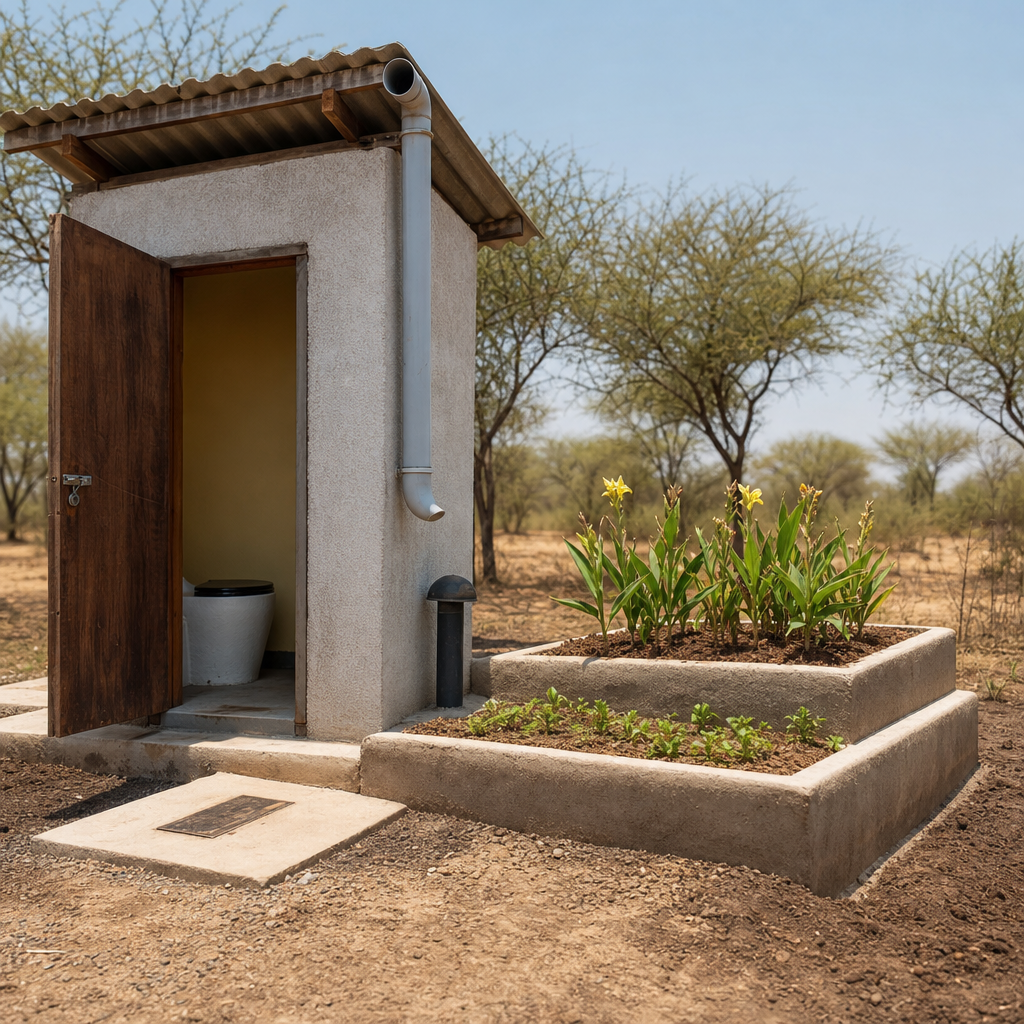
EcoSan includes several approaches: urine diversion dry toilets, composting toilets, container-based sanitation, decentralized wastewater treatment, and systems that recover nutrients, water, or energy. The common principle is source separation and safe treatment close to where waste is generated. Instead of flushing nutrients into rivers or overloading treatment plants, EcoSan keeps nitrogen, phosphorus, organic matter, and water in controlled loops. This matters because urban sprawl magnifies every weakness in sanitation infrastructure. Longer pipe runs increase leakage risks and capital costs. Septic systems installed without soil testing can contaminate aquifers. Pit latrines in flood-prone fringes can overflow during storms. As climate change intensifies rainfall variability and heat, the environmental performance of sanitation systems becomes a strategic planning concern, not a niche technical choice.
I have worked on sanitation content and infrastructure assessments where the same pattern appears repeatedly: the neighborhoods growing fastest are often those least suited to business-as-usual sewering. EcoSan deserves hub-level attention because it connects multiple environmental priorities at once. It protects watersheds, improves nutrient management, lowers the pressure to extract freshwater, and supports circular economy goals. It also creates a bridge between sanitation planning, land-use policy, and resilience strategies. For city officials, developers, utilities, and environmental managers, understanding EcoSan’s role in environmental protection is essential to tackling urban sprawl without simply extending pollution farther outward.
Why Urban Sprawl Makes Sanitation Environmentally Risky
Urban sprawl is not just low-density growth; it is growth that outpaces coordinated infrastructure. Environmental harm follows when sanitation systems are scattered, undersized, or absent. In peri-urban belts, households may rely on unlined pits, poorly maintained septic tanks, illegal discharge channels, or tanker emptying that ends in open dumping. These failures release pathogens, ammonia, nitrates, and phosphorus into drainage networks and groundwater. The environmental consequences are measurable: eutrophication in lakes and reservoirs, algal blooms downstream, contaminated shallow wells, and degraded urban soils.
Conventional sewers solve some of these problems, but they are not universally appropriate. Extending trunk sewers into low-density outer growth areas can be financially prohibitive because pipe length per household rises sharply. Pumping requirements increase where topography is unfavorable, raising energy use and lifecycle emissions. Infiltration and inflow from damaged pipes can overwhelm treatment plants during storms, causing bypass events. Even modern wastewater plants struggle to remove all nutrients, pharmaceuticals, and micro-pollutants unless advanced treatment is added. Sprawl therefore creates a paradox: the farther cities spread, the more expensive it becomes to maintain environmental control through centralized systems alone.
EcoSan addresses this structural problem by reducing dependence on long-distance conveyance. It shifts the sanitation question from “How do we move waste away?” to “How do we contain, treat, and recover it safely with the least environmental loss?” That change is crucial in sprawling cities where edge development often arrives before network planning, and where protecting local water bodies may matter more than replicating downtown sewer models.
How EcoSan Protects Water, Soil, and Air
The strongest environmental case for EcoSan is direct pollution prevention. Urine diversion systems separate the fraction containing most nitrogen and a large share of phosphorus from feces at the source. When stored and treated correctly, these nutrients can be reused in agriculture or landscaping rather than discharged into waterways. Composting and dehydration systems reduce pathogen loads and stabilize organic matter, lowering the chance that raw waste will leach into soil. Decentralized treatment units can polish greywater and blackwater close to the point of generation, reducing the contaminant load entering rivers.
Water conservation is another major benefit. Flush toilets typically use several liters per use, and in aggregate they drive substantial potable water demand. Dry or low-flush EcoSan systems reduce this burden. In water-stressed regions, that matters environmentally because every cubic meter not flushed is a cubic meter that does not need abstraction, treatment, and pumping. Less extraction helps maintain environmental flows in rivers and lowers pressure on aquifers already strained by sprawling development.
Air quality and climate impacts also improve when waste is managed in controlled, aerobic, or otherwise optimized conditions. Unmanaged anaerobic decomposition in pits and open dumps can emit methane and nitrous oxide. Well-designed EcoSan systems can reduce these emissions, especially when paired with biogas recovery or efficient composting protocols. The environmental gain is not automatic; poor operation can create odors or vector problems. But when standards are followed, EcoSan lowers the spillover effects that make sanitation failures visible in both local ecosystems and atmospheric emissions.
Core EcoSan Approaches and Their Environmental Value
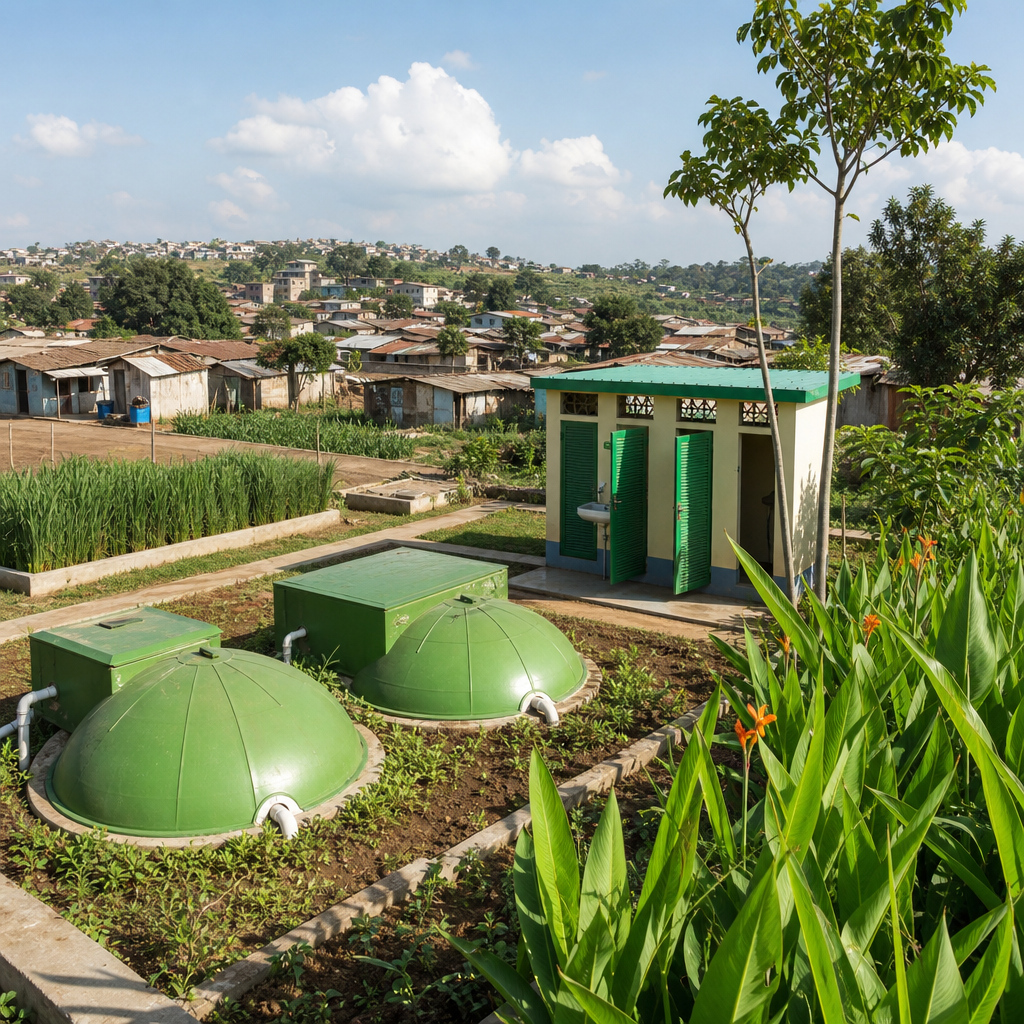
Different contexts require different technologies, and the environmental performance of EcoSan depends on fit. Urine diversion dry toilets work well where water is scarce and users can handle simple separation practices. Composting toilets suit sites with enough space, strong maintenance oversight, and a clear plan for curing and reuse. Container-based sanitation is effective in dense informal settlements where pits are impossible and sewer extensions are years away. Decentralized wastewater treatment systems, including constructed wetlands and anaerobic baffled reactors, serve clusters of homes, schools, housing compounds, or mixed-use developments.
| Approach | Best Fit | Main Environmental Benefit | Key Limitation |
|---|---|---|---|
| Urine diversion dry toilets | Water-scarce peri-urban areas | Major nutrient recovery with minimal water use | Requires user compliance and storage management |
| Composting toilets | Low-rise housing and institutions | Reduces raw waste volume and produces soil amendment | Needs disciplined operation and curing time |
| Container-based sanitation | Dense unsewered settlements | Prevents open dumping and enables controlled treatment | Depends on reliable collection logistics |
| Decentralized treatment | Housing clusters and edge developments | Cuts local discharge loads and can reuse treated water | Needs professional design and monitoring |
In practice, I have seen projects succeed when planners choose technologies based on hydrogeology, density, user behavior, climate, and service capacity rather than ideology. A flood-prone settlement with a high water table may need sealed containers and frequent collection, not pits. A university campus on the urban fringe may justify a decentralized treatment plant with reuse for irrigation. EcoSan is not one device; it is a planning framework that matches sanitation service levels to environmental realities.
Nutrient Recovery and the Circular Economy Benefit
One of EcoSan’s most important contributions to environmental protection is nutrient recovery. Human excreta contains nitrogen, phosphorus, potassium, and organic carbon that agriculture usually replaces with synthetic fertilizers. Phosphorus is especially significant because it is a finite mined resource. Recovering nutrients from sanitation streams reduces dependence on virgin inputs and lowers the risk of nutrient pollution from untreated discharge. This is a classic circular economy outcome: convert a waste management problem into a controlled resource flow.
Urine is particularly valuable because it carries most excreted nitrogen and potassium and is relatively low in pathogens compared with feces. After proper storage and according to local regulations, it can be applied as fertilizer in non-food crops, forestry, or landscaping, and in some contexts food crops under strict safety rules. Treated biosolids or composted fecal matter can improve soil structure, moisture retention, and organic content when quality standards are met. These benefits matter on the outskirts of cities, where degraded soils, erosion, and fragmented agricultural land often coexist with expanding development.
The environmental advantage extends beyond reuse itself. Manufacturing synthetic nitrogen fertilizers is energy intensive, often relying on natural gas through the Haber-Bosch process. Any safe substitution helps reduce upstream emissions. The same applies to water reuse from decentralized systems, which can irrigate green belts, street trees, or industrial landscapes, reducing demand for potable supplies. The lesson is straightforward: EcoSan protects the environment most effectively when cities treat sanitation outputs as managed assets rather than liabilities.
Protecting Groundwater and Surface Waters on the Urban Edge
Sprawling cities frequently expand into areas served by shallow wells, fractured rock aquifers, or seasonal streams with limited dilution capacity. In these settings, sanitation failures travel quickly from household level to ecosystem damage. Nitrate contamination from leaking pits or septic systems is a persistent risk, especially where densities rise beyond what onsite systems were designed to handle. High nitrate levels in drinking water are associated with serious health risks, but the environmental story is equally important: groundwater contamination can persist for years and spread beyond the original source area.
EcoSan reduces that risk by separating, sealing, and treating waste streams before they infiltrate the ground. Lined vaults, sealed containers, and monitored decentralized plants are far more protective than unmanaged pits in sensitive hydrogeological zones. Constructed wetlands, when properly sized and maintained, add a natural treatment barrier that removes suspended solids, organic matter, and some nutrients before reuse or discharge. They also provide habitat value and landscape integration, which is useful in green infrastructure planning.
For municipalities, this is a land-use governance issue as much as an engineering issue. Sanitation zoning should reflect soil permeability, flood risk, groundwater depth, and distance to water bodies. EcoSan options give planners a wider toolkit for areas where conventional septic approvals would be environmentally negligent or sewer extension would be delayed for years.
Implementation Challenges, Standards, and What Good Programs Do Differently
EcoSan is environmentally effective only when service chains are complete. Toilets alone are not systems. Collection, transport, treatment, storage, operator safety, product quality control, and end-use regulation all matter. The most common failure I have seen in project reviews is overemphasis on installation and underinvestment in operations. A urine-diverting toilet that users do not understand, or a composting system without temperature control and curing protocols, can lose environmental credibility fast.
Good programs start with standards and accountability. They align designs with World Health Organization sanitation safety planning principles, local building codes, and reuse regulations. They train users and service workers, budget for maintenance, test outputs for pathogens and contaminants, and monitor environmental indicators such as groundwater quality, odor complaints, and collection reliability. They also integrate financing. Container-based models often require subscription or municipal support because environmental protection depends on uninterrupted collection. Decentralized plants need asset management plans, spare parts, and operator certification.
The policy lesson for sprawling cities is clear: EcoSan should be embedded in environmental protection frameworks, housing approvals, and utility strategies, not treated as a temporary charity solution. When governments pair technical standards with enforcement and community education, EcoSan becomes a durable tool for cleaner growth.
Eco-friendly sanitation gives fast-growing cities a realistic way to limit the environmental damage of urban sprawl. By reducing water use, preventing nutrient leakage, protecting groundwater, and creating safe pathways for resource recovery, EcoSan closes the gap between sanitation service and environmental stewardship. It works best when matched to local conditions, managed as a full service chain, and backed by clear standards rather than one-off installations.
As a hub for EcoSan’s role in environmental protection, the central point is simple: sanitation choices shape ecosystems. Cities that rely only on sewer expansion will miss many edge communities and carry higher cost and energy burdens. Cities that include urine diversion, composting, container-based services, and decentralized treatment can protect watersheds and soils more effectively while supporting circular resource use. The next step is practical: review local growth areas, identify environmentally sensitive zones, and map where EcoSan solutions can outperform conventional approaches. That is how sanitation planning starts containing sprawl instead of spreading its impacts.
Frequently Asked Questions
What is eco-friendly sanitation, and why is it important in areas affected by urban sprawl?
Eco-friendly sanitation refers to sanitation systems designed to protect public health while minimizing water use, energy demand, pollution, and long-term infrastructure burdens. In fast-growing urban and peri-urban areas, this matters because urban sprawl often extends development beyond the reach of centralized sewer networks. New housing may appear much faster than governments can install pipes, pumping stations, treatment plants, and reliable waste collection services. As a result, communities on the urban edge can face leaking pit latrines, unmanaged wastewater, contaminated drainage channels, and unsafe disposal practices that threaten both people and local ecosystems.
EcoSan approaches are especially valuable in these conditions because they do not always depend on large, expensive sewer expansions. Instead, they emphasize decentralized, resource-efficient solutions such as composting toilets, urine-diverting dry toilets, container-based sanitation, small-scale wastewater treatment, fecal sludge management systems, and water reuse practices. These options can be deployed more quickly, adapted to local land and water constraints, and designed to recover value from waste through compost, nutrients, or biogas. In sprawling urban regions where land use is fragmented and public services are uneven, eco-friendly sanitation offers a more flexible path to cleaner neighborhoods, safer groundwater, and lower environmental impact.
How does conventional sewer expansion fall short in rapidly growing metropolitan fringes?
Conventional sewer systems can work well in dense, established urban centers, but they often struggle in newly expanding urban edges. The main issue is that centralized sewer infrastructure requires major capital investment, extensive planning, road excavation, pumping equipment, treatment facilities, and long timelines for construction and maintenance. In sprawling development patterns, homes and businesses are spread farther apart, which increases the cost per household connected. That makes traditional sewer rollout financially difficult, especially in low-income settlements, informal neighborhoods, and peri-urban zones where land tenure may be unclear and public budgets are already stretched.
There are also environmental and operational challenges. Long sewer networks consume energy for pumping and treatment, rely heavily on water to transport waste, and can become vulnerable to leaks, blockages, and stormwater overload. Where water supply is already limited, using large volumes of potable water just to move sewage is not always sustainable. In many sprawling regions, the result is a service gap: some areas receive full sewer access, while others rely on unsafe temporary systems for years or even decades. Eco-friendly sanitation helps close that gap by offering modular and decentralized alternatives that can be installed sooner, scaled gradually, and managed closer to the source of waste.
What types of eco-friendly sanitation systems are most effective for peri-urban and informal settlements?
The most effective eco-friendly sanitation systems in peri-urban and informal settlements are usually those that match local realities rather than copying one standard model. In areas with limited water, weak drainage, or no sewer access, dry or low-water systems can be particularly effective. Urine-diverting dry toilets separate liquid and solid waste, making treatment and reuse easier while greatly reducing water demand. Composting toilets can turn properly managed human waste into soil-conditioning material, though they require user education and safe handling protocols. Container-based sanitation is another strong option, especially in dense settlements where digging pits is unsafe or impractical; waste is collected in sealable containers and transported for treatment off-site.
Beyond the toilet itself, successful sanitation depends on the entire service chain. That includes safe collection, transport, treatment, reuse, or disposal of fecal sludge and wastewater. Small-scale biodigesters can generate biogas for cooking or energy in certain settings, while decentralized wastewater treatment systems can treat greywater and blackwater close to where it is produced. Constructed wetlands, planted filters, and neighborhood-scale treatment units can also reduce pollution before water is discharged or reused. The best solutions are typically affordable, easy to maintain, culturally acceptable, and backed by reliable management systems. In practice, the most effective approach is often a mix of technologies combined with local governance, community engagement, and professional oversight.
Can eco-friendly sanitation really improve environmental outcomes as well as public health?
Yes, and that dual benefit is one of the strongest arguments for adopting eco-friendly sanitation in sprawling urban areas. From a public health perspective, safe sanitation reduces exposure to pathogens that cause diarrheal disease, parasitic infections, and other waterborne illnesses. It also lowers the risk of human waste entering streets, drains, floodwaters, and shallow groundwater sources used for washing or drinking. In communities lacking formal sewer systems, even a basic improvement in containment, collection, and treatment can significantly reduce disease transmission.
From an environmental standpoint, eco-friendly sanitation helps in several ways. First, it reduces untreated waste entering rivers, wetlands, and soils, which protects biodiversity and lowers nutrient pollution. Second, many eco-sanitation systems use little or no water, easing pressure on already stressed urban water supplies. Third, decentralized treatment can cut the energy intensity associated with pumping sewage across long distances. Finally, some systems recover valuable resources from waste, including nitrogen, phosphorus, organic matter, and biogas. This turns sanitation from a linear disposal problem into part of a circular system. When well designed and properly regulated, eco-friendly sanitation can help cities grow without expanding pollution footprints at the same pace as the built environment.
What does it take for cities to scale eco-friendly sanitation successfully?
Scaling eco-friendly sanitation requires much more than installing a few alternative toilets. Cities need policy support, financing models, technical standards, service operators, and long-term maintenance plans. One of the biggest reasons sanitation projects fail is that they focus only on construction while neglecting operations, monitoring, and user support. For eco-friendly systems to work at scale, local governments must recognize them as legitimate parts of urban infrastructure, not just temporary stopgaps for underserved communities. That means updating building codes, sanitation regulations, land-use planning, and public health frameworks so decentralized and resource-recovering systems can be approved, monitored, and improved over time.
Equally important is building the service ecosystem around the technology. Households need affordable options, clear instructions, and dependable collection or maintenance services. Utilities, municipalities, social enterprises, and community organizations may all have roles in managing treatment and reuse. Financially, successful scale-up often combines public investment, targeted subsidies, user fees, and private-sector participation. Training is also critical: planners, engineers, health officials, and sanitation workers must understand how these systems function and what safeguards are needed. When cities treat eco-friendly sanitation as a serious infrastructure strategy rather than a niche experiment, it can become a practical tool for managing urban sprawl, improving resilience, and delivering safer services to communities that traditional sewer expansion may not reach soon enough.