Sustainable tourism depends on clean water, safe waste management, and healthy local ecosystems. When sanitation fails, beaches close, groundwater becomes unsafe, biodiversity declines, and visitor confidence drops quickly. That is why sustainable tourism and sanitation practices must be planned together, not treated as separate policy areas. In destinations ranging from coastal resorts to mountain homestays, sanitation systems shape environmental quality as directly as transport, energy, or land use.
In practical terms, sustainable tourism means meeting visitor needs without degrading the natural and social resources that communities depend on. Sanitation practices include the collection, treatment, reuse, and safe disposal of human waste, wastewater, stormwater, and hygiene-related materials. EcoSan, short for ecological sanitation, is a systems approach that treats waste as a resource while protecting soil, water, and public health. Instead of relying only on water-intensive sewerage, EcoSan solutions can separate waste streams, recover nutrients, reduce pollution loads, and fit areas where centralized infrastructure is weak or too costly.
I have seen this issue most clearly in destinations where tourism demand rose faster than basic infrastructure. A hotel can market itself as eco-friendly, but if its septic system leaks into a lagoon or its staff housing lacks safe toilets, the environmental claim collapses. The reverse is also true: when sanitation is designed well, it supports conservation, lowers operating costs, and strengthens destination reputation. This makes EcoSan’s role in environmental protection especially important for tourism planners, property owners, community cooperatives, and local governments building a long-term environmental impact strategy.
Why does this matter now? Tourism concentrates people in fragile places. Small islands, protected areas, pilgrimage towns, and seasonal resort zones often face water scarcity, peak-load wastewater surges, and limited disposal capacity. According to UN World Tourism Organization reporting over many years, tourism can place significant pressure on local water and waste systems, especially in high-growth destinations. At the same time, global sanitation gaps remain substantial, with billions lacking safely managed services, as tracked by WHO and UNICEF through the Joint Monitoring Programme. For tourism destinations, these conditions create a straightforward challenge: attract visitors while preventing contamination, overuse, and environmental decline.
How poor sanitation undermines sustainable tourism
Poor sanitation damages tourism through environmental, economic, and social channels at the same time. Untreated wastewater releases pathogens, nitrogen, phosphorus, and organic matter into rivers, wetlands, and coastal waters. That leads to algal blooms, oxygen depletion, habitat stress, and increased health risks. In tourism settings, the effects are visible and immediate: murky swimming areas, foul odors near accommodation clusters, unsafe well water, and negative reviews that spread faster than official advisories.
Environmental impact assessments often focus on construction footprints, but operational sanitation failures can be even more destructive over time. A badly sited septic tank near permeable soils can contaminate aquifers for years. Informal discharge from restaurants or campsites can pollute streams used by downstream villages. Cruise and marina tourism create additional pressure where pump-out facilities are inadequate. Once a destination gains a reputation for polluted beaches or sickness outbreaks, recovery is expensive and slow because trust is hard to rebuild.
The burden also falls unevenly. Tourism businesses may capture revenue, but local residents often bear the cost of contaminated water, mosquito breeding, and overloaded public systems. This is why sanitation is not just an engineering issue. It is part of destination governance, equity, and environmental protection. Sustainable tourism works only when the people hosting visitors benefit from infrastructure that is safe, durable, and appropriate for local conditions.
What EcoSan means in tourism settings
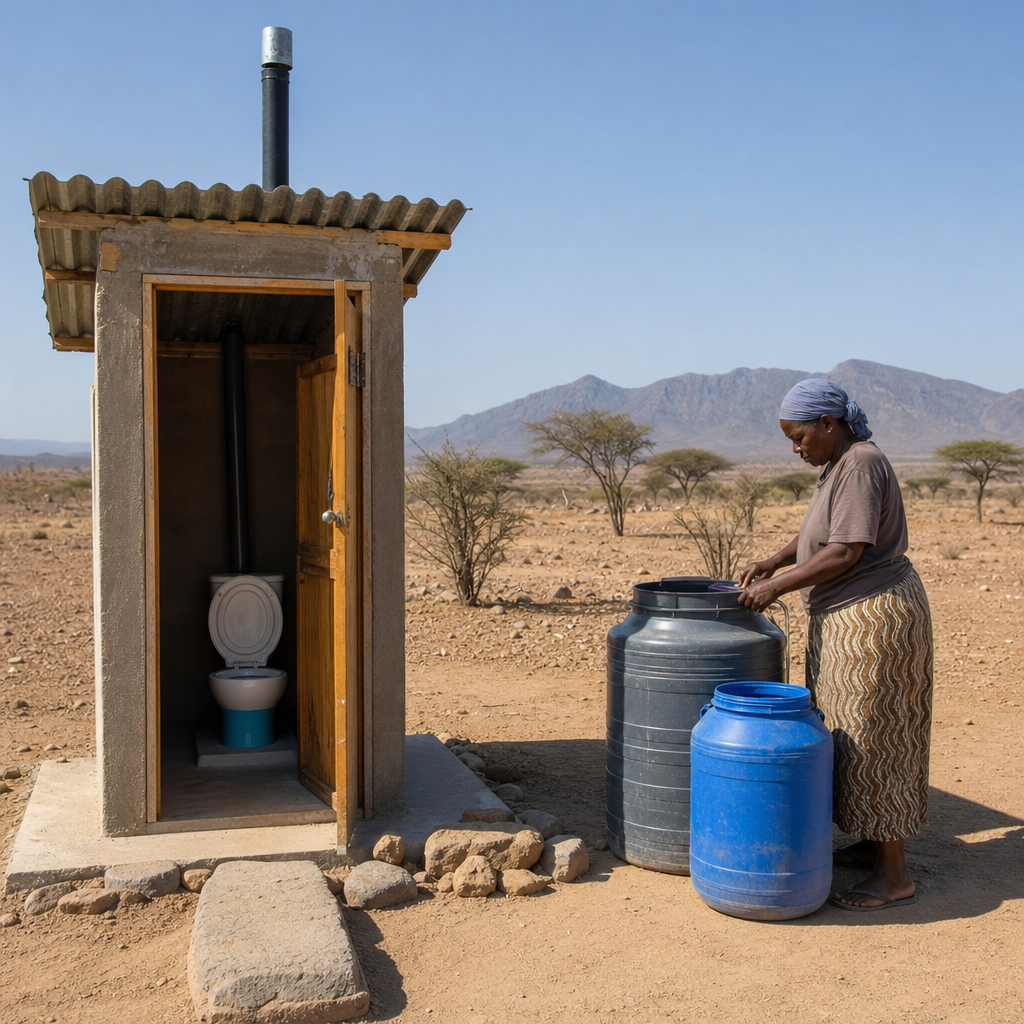
EcoSan is best understood as a design philosophy rather than a single toilet model. Its core idea is simple: prevent pollution by safely containing and treating waste, minimize water use where appropriate, and recover useful resources such as nutrients, organic matter, and sometimes energy. In tourism settings, that can include urine-diverting dry toilets, composting toilets, constructed wetlands, decentralized wastewater treatment systems, blackwater and greywater separation, and reuse strategies for irrigation where regulations allow.
Conventional sewerage is not always the most sustainable option for a lodge, island, heritage district, or dispersed ecotourism network. Sewer systems require large capital investment, skilled maintenance, reliable power, and sufficient water for flushing. In many destinations, those conditions are inconsistent. EcoSan approaches can reduce dependence on centralized networks and allow facilities to scale sanitation with lower water demand and lower pollution risk.
The environmental logic is strong. Human urine contains most of the nitrogen and a large share of the phosphorus excreted by households, while feces contain much of the pathogen load and organic matter. Separating streams at the source can make treatment more efficient and enable nutrient recovery. Greywater from showers and sinks, when treated properly, can often be reused for landscaping. For water-stressed destinations, that is not a niche benefit. It can materially reduce freshwater withdrawals during peak tourist seasons.
EcoSan’s role in environmental protection
EcoSan protects the environment in four direct ways. First, it reduces water pollution by improving containment and treatment close to the source. Second, it conserves freshwater by cutting flush demand and enabling safe reuse. Third, it supports circular resource use by recovering nutrients and organic material. Fourth, it can lower greenhouse gas emissions compared with energy-intensive pumping and treatment systems, particularly where decentralized designs reduce transport and avoid poorly managed anaerobic discharge.
In coastal tourism, nutrient management is especially important. Excess nitrogen and phosphorus accelerate eutrophication, which harms coral reefs, seagrass beds, and fisheries that many tourism economies rely on. In mountain destinations, groundwater protection is the priority because hotels and homes often draw from springs and shallow wells. In safari or protected-area lodges, minimizing infrastructure footprint matters because long sewer trenches, high water demand, and sludge hauling can disturb habitat and create spill risks. EcoSan is adaptable precisely because environmental protection priorities vary by landscape.
A useful way to frame EcoSan in tourism is to compare it with the old linear model of take, use, and dump. The linear model imports water, uses it once to move waste, then struggles to treat the resulting effluent. EcoSan shifts the system toward prevention, separation, treatment, and reuse. That is better aligned with environmental carrying capacity, especially where tourism growth is seasonal and infrastructure must absorb sharp occupancy spikes without failing.
Systems and examples that work in practice
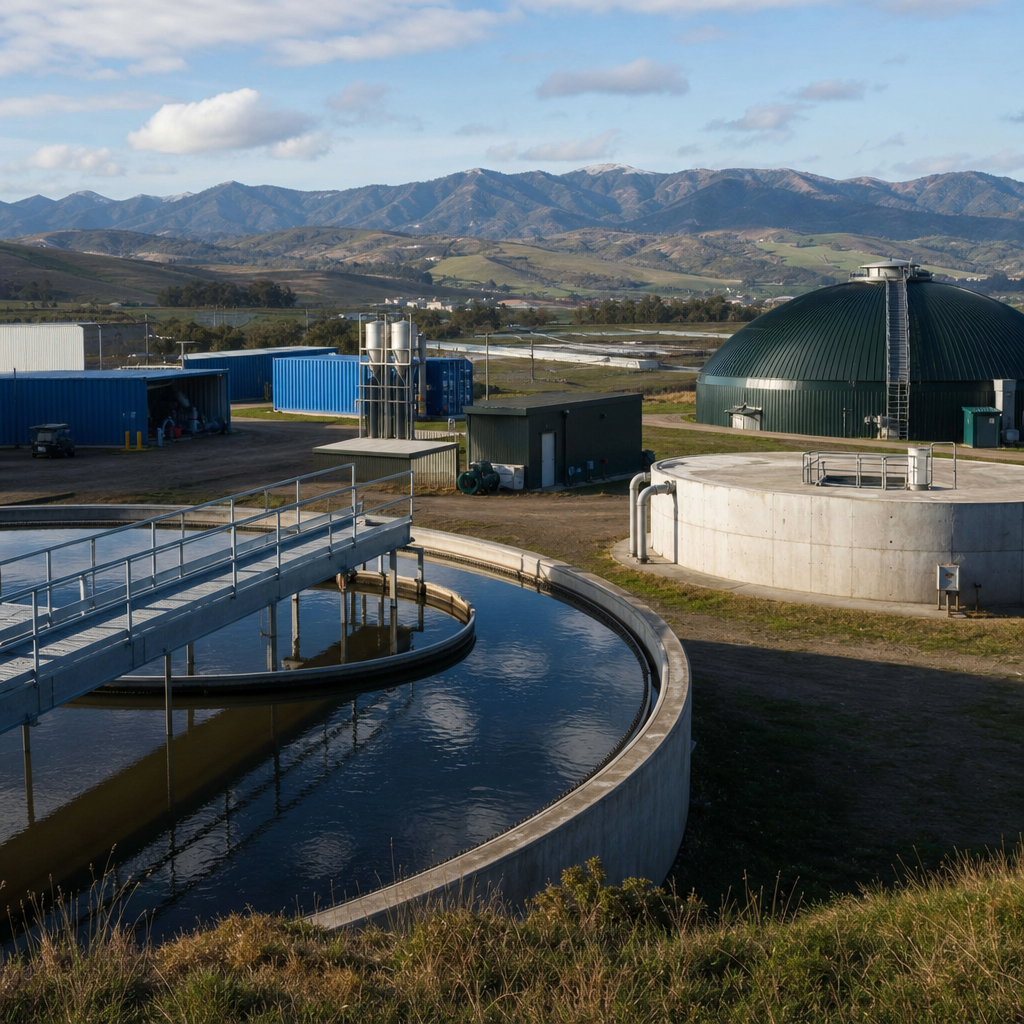
The right sanitation system depends on climate, soils, water availability, visitor expectations, staffing capacity, and regulation. There is no universal best option, but there are reliable patterns. In remote ecolodges with limited water and difficult access, urine-diverting dry toilets or well-managed composting toilets can work very well when housekeeping and maintenance are built into operations. In peri-urban resort zones, decentralized wastewater treatment with settling tanks, anaerobic baffled reactors, planted gravel filters, and polishing ponds can serve multiple properties without requiring a full municipal sewer connection.
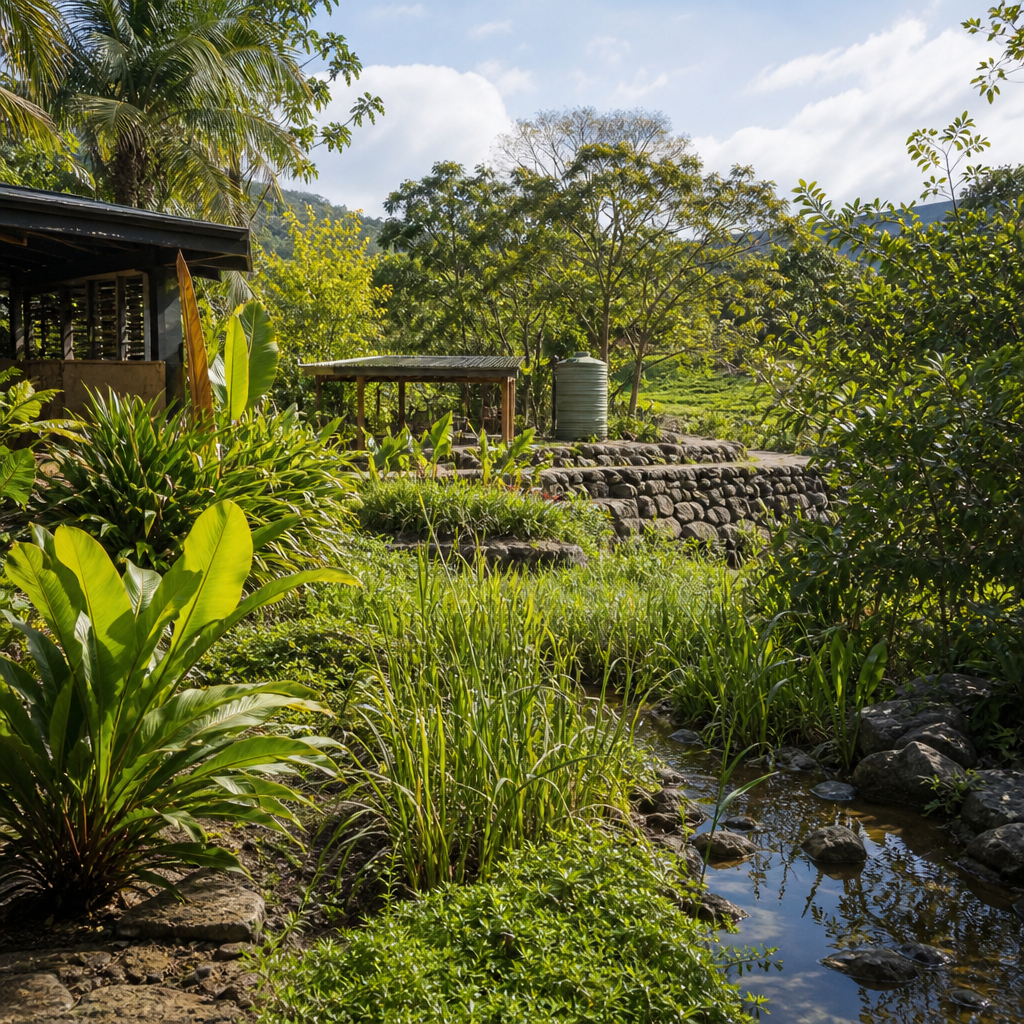
Constructed wetlands are particularly effective where land is available and aesthetics matter. Guests often prefer seeing a landscaped treatment area over concrete utility infrastructure, and wetlands can double as habitat for birds and pollinators when designed correctly. However, they still require hydraulic design, pre-treatment, desludging schedules, and monitoring. I have seen properties install wetlands as a branding feature, then neglect inlet maintenance and overload the system. The lesson is consistent: visible green infrastructure succeeds only when invisible operations are disciplined.
| Tourism context | Common sanitation challenge | Suitable EcoSan approach | Environmental benefit |
|---|---|---|---|
| Remote ecolodge | Limited water and no sewer access | Urine-diverting dry toilets, composting, greywater reuse | Lower water use, reduced discharge, nutrient recovery |
| Coastal resort cluster | Marine pollution and seasonal peaks | Decentralized treatment with nutrient removal and reuse | Cleaner bathing waters, reef protection |
| Heritage town guesthouses | Aging pipes and dense buildings | Small-footprint decentralized systems, leak control | Groundwater protection, reduced sewer overload |
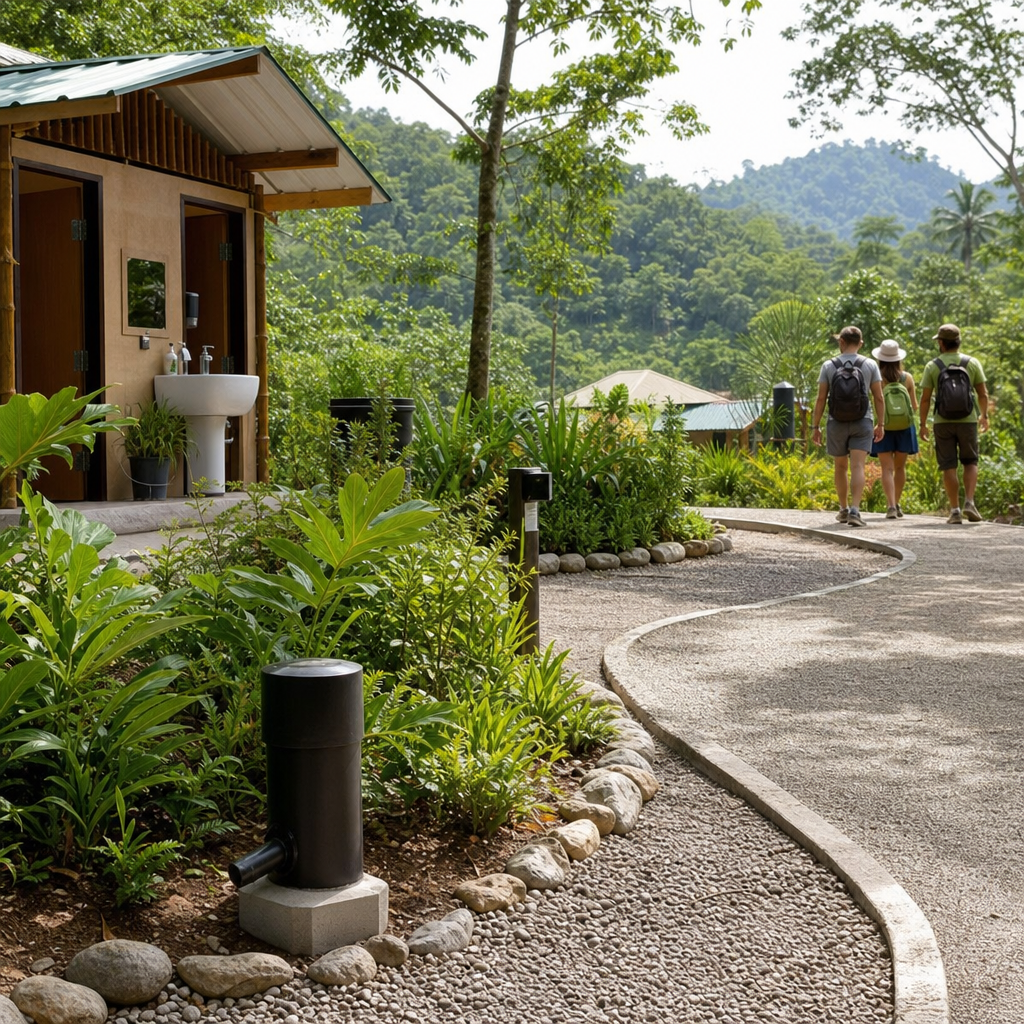
| Camping and trekking sites | Dispersed users in sensitive landscapes | Dry sanitation, sealed storage, scheduled servicing | Less soil contamination, lower habitat disturbance |
Public health, compliance, and destination reputation
Environmental protection and public health are inseparable in sanitation planning. Pathogens from inadequate sanitation cause gastrointestinal illness, hepatitis, parasitic infections, and skin or eye problems linked to unsafe recreational water. For destinations, one outbreak can trigger booking cancellations, staff absenteeism, inspection pressure, and lasting reputational harm. This is why sanitation should be managed with the same seriousness as food safety and drinking water quality.
Recognized standards matter here. The World Health Organization has long provided sanitation and safe reuse guidance, and many countries regulate effluent quality, sludge handling, and setback distances from wells and waterways. Hospitality operators should not guess their way through compliance. They need site assessments, hydraulic calculations, operation manuals, training logs, and water quality monitoring where reuse is involved. Environmental protection is strongest when design, operations, and regulation reinforce one another.
Good sanitation also improves brand value, but only when claims are specific and verifiable. Guests increasingly notice refillable amenities, low-flow fixtures, and towel programs, yet they rarely see wastewater systems. That makes back-of-house integrity even more important. A credible sustainable tourism strategy can state how much water is reused, how sludge is handled, whether nutrient recovery is practiced, and which treatment performance targets are met. Clear evidence beats vague green messaging every time.
Implementation challenges and how to solve them
EcoSan is powerful, but it is not effortless. The main barriers are weak maintenance culture, poor user education, fragmented ownership, financing gaps, and mismatches between technology and local capacity. A composting toilet fails if staff add the wrong materials or ventilation is neglected. A decentralized plant fails if grease traps are never cleaned or pumps lose power without backup. An elegant design on paper means little if spare parts are unavailable three hours from the nearest service center.
The best solution is fit-for-context planning. Start with a water balance, occupancy profile, soil and groundwater assessment, and realistic staffing model. Then choose the simplest system that can reliably meet environmental goals. In many cases, hybrid solutions work best: efficient flush fixtures, greywater segregation, decentralized treatment, reuse for landscaping, and conventional containment where dry systems would not suit guest expectations. The point is not ideological purity. The point is pollution prevention with dependable operations.
Financing should also be evaluated over the full life cycle, not just the installation budget. Conventional systems can look cheaper at first while hiding future costs from water purchases, tanker hauling, emergency repairs, or regulatory penalties. EcoSan systems often perform better financially when water scarcity, discharge fees, land value, and reputational risk are included. For destination managers building an environmental impact hub, this is the central message: sanitation is infrastructure, conservation, and business resilience in one investment category.
Building a hub strategy around EcoSan and environmental impact
As a sub-pillar hub under environmental impact, this topic should connect sanitation to water stewardship, wastewater reuse, carrying capacity, biodiversity protection, climate resilience, and community health. That structure reflects how decisions are made in the real world. A resort considering expansion needs to ask whether its sanitation system can protect nearby reefs. A rural tourism board promoting new homestays must ask how toilets, sludge management, and handwashing facilities will be financed and monitored. A park authority planning visitor growth must consider sanitation before trail erosion, not after.
The most effective hub content answers those practical questions directly and points readers to deeper resources on system types, regulations, cost models, and maintenance protocols. EcoSan’s role in environmental protection is comprehensive because it touches every part of destination sustainability: cleaner water, lower freshwater demand, reduced nutrient pollution, safer communities, and stronger long-term tourism viability. If you manage, design, regulate, or market tourism places, make sanitation a first-order environmental decision and audit your current system against those goals today.
Frequently Asked Questions
Why are sanitation practices so important to sustainable tourism?
Sanitation is one of the foundations of sustainable tourism because it directly affects environmental quality, public health, and the overall visitor experience. Tourism destinations rely on clean beaches, safe drinking water, attractive natural landscapes, and healthy ecosystems to remain appealing. When wastewater is poorly managed or solid waste is dumped, those assets deteriorate quickly. Sewage contamination can force beach closures, unsafe groundwater can affect both residents and guests, and damaged rivers, wetlands, and coastal areas can reduce biodiversity that often supports nature-based tourism.
Sanitation also shapes a destination’s reputation. Travelers may forgive minor inconveniences, but they respond quickly to visible pollution, foul odors, unsafe facilities, or reports of contaminated water. In that sense, sanitation is not just a technical utility issue; it is a core part of tourism resilience and competitiveness. Destinations that integrate sanitation into tourism planning are better positioned to protect local ecosystems, maintain community well-being, and support long-term economic benefits from tourism without exhausting the natural resources that attract visitors in the first place.
How does poor sanitation affect local communities and tourism businesses?
Poor sanitation creates a chain reaction that impacts far more than visitor comfort. For local communities, inadequate wastewater treatment, failing septic systems, and unmanaged waste can increase the risk of waterborne disease, pollute drinking water sources, and damage fisheries, farmland, and nearby ecosystems. These are not isolated environmental problems; they can undermine livelihoods, raise healthcare burdens, and increase infrastructure costs for municipalities that are already under pressure from seasonal visitor demand.
Tourism businesses feel those effects almost immediately. Hotels, restaurants, tour operators, and short-term rentals depend on clean surroundings and reliable water services to meet guest expectations and regulatory requirements. If sanitation systems are overloaded during peak season, businesses may face service disruptions, reputational harm, negative reviews, and even temporary closures. Over time, a destination known for pollution or waste problems can lose its market appeal, making it harder for operators to maintain occupancy, pricing, and investor confidence. Strong sanitation systems therefore support both community welfare and business continuity, which is exactly why they should be treated as essential tourism infrastructure.
What sanitation strategies are most effective for sustainable tourism destinations?
The most effective sanitation strategies are those designed around local geography, population patterns, water availability, and tourism intensity rather than relying on a one-size-fits-all model. In dense tourism areas, centralized wastewater treatment may be the best option if it is adequately sized, maintained, and monitored. In remote or dispersed destinations such as eco-lodges, island communities, or mountain homestays, decentralized systems like well-managed septic systems, small-scale treatment units, composting toilets, or constructed wetlands can often provide more practical and sustainable solutions.
Beyond treatment technology, effective strategy depends on strong planning and operations. Destinations need regular water quality monitoring, clear standards for hotels and guest accommodations, systems for safe sludge and solid waste handling, and mechanisms to manage seasonal surges in demand. Water-saving fixtures, greywater reuse where appropriate, and maintenance training for operators can further reduce pressure on local systems. The strongest destinations combine infrastructure investment with governance, inspections, education, and community engagement. That integrated approach helps ensure that sanitation systems continue to function under tourism growth instead of failing once visitor numbers rise.
How can tourism operators improve sanitation practices in a practical way?
Tourism operators can make meaningful improvements by treating sanitation as part of daily business management rather than as a back-of-house issue. A practical starting point is to assess water use, wastewater disposal, restroom conditions, and waste handling across the property. Operators should verify that septic tanks, sewer connections, grease traps, and treatment systems are functioning correctly and are serviced on schedule. Even simple actions such as repairing leaks, installing low-flow fixtures, separating waste streams, and maintaining clean, accessible toilets can significantly improve environmental performance and guest satisfaction.
Operators should also think beyond their own property boundaries. Working with local authorities, neighboring businesses, and community groups can help address shared infrastructure challenges, especially in destinations where many small operators place pressure on the same watershed or disposal system. Staff training is equally important. Employees should understand hygiene standards, reporting procedures for leaks or blockages, and the environmental reasons behind sanitation policies. Communicating these efforts to guests in a clear, non-performative way can also build trust. When sanitation improvements are visible, consistent, and well-managed, they strengthen both sustainability outcomes and brand credibility.
What role do governments and destination planners play in linking tourism and sanitation?
Governments and destination planners play a central role because sanitation performance is shaped by infrastructure, land-use policy, regulation, and long-term investment decisions that individual businesses cannot manage alone. Tourism growth often concentrates people in fragile environments such as coasts, lakesides, heritage towns, and mountain regions, all of which may have limited capacity to absorb wastewater and waste. Without coordinated planning, visitor growth can outpace sanitation systems, leading to chronic pollution and costly emergency responses. Public authorities need to anticipate that pressure by aligning tourism development approvals with sanitation capacity, water availability, and ecosystem protection goals.
That means setting clear standards for wastewater treatment, enforcing compliance, investing in sewerage and decentralized systems where needed, and monitoring water quality consistently. It also means incorporating sanitation into destination management plans, climate resilience strategies, and public health frameworks. Strong governance helps ensure that tourism taxes, development fees, or infrastructure funds are directed toward systems that protect both residents and visitors. When planners recognize sanitation as a strategic pillar of destination sustainability, they can reduce environmental risks, support equitable community outcomes, and protect the long-term value of the tourism economy.