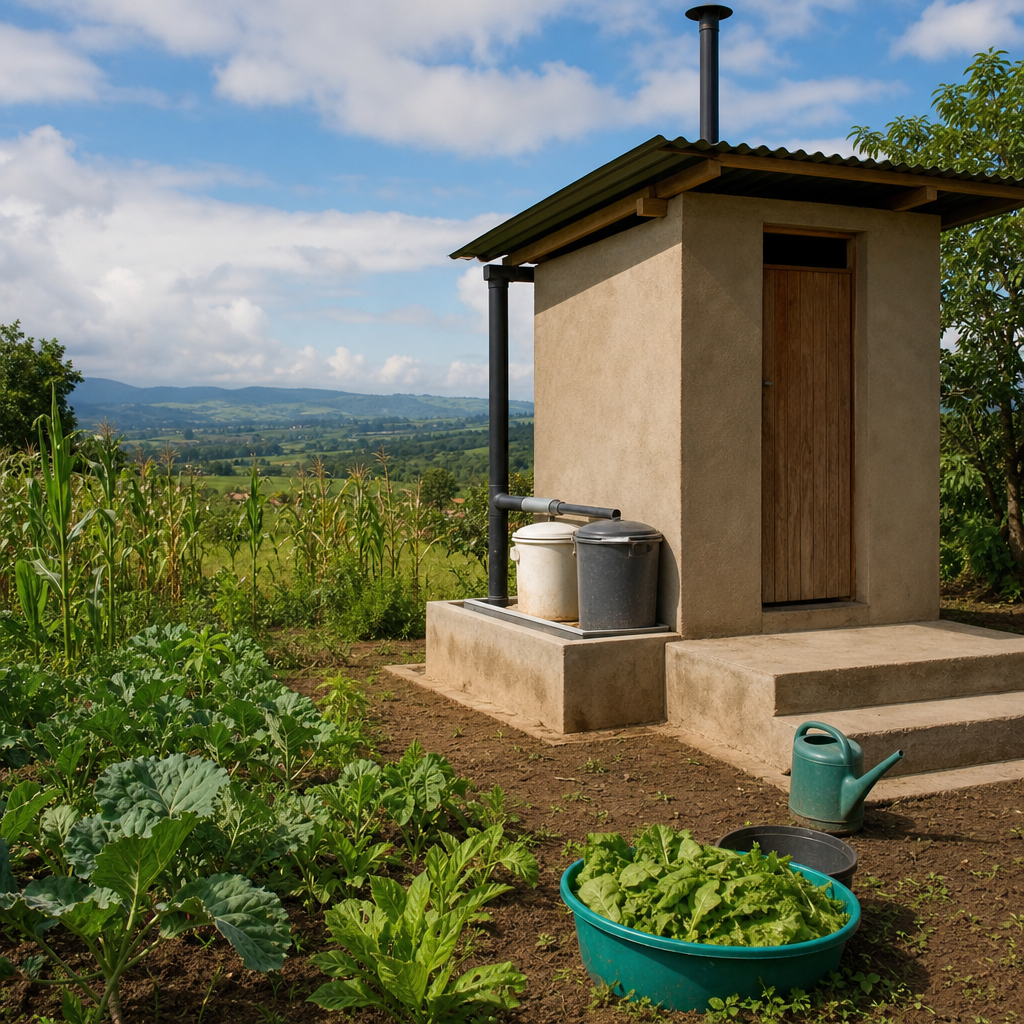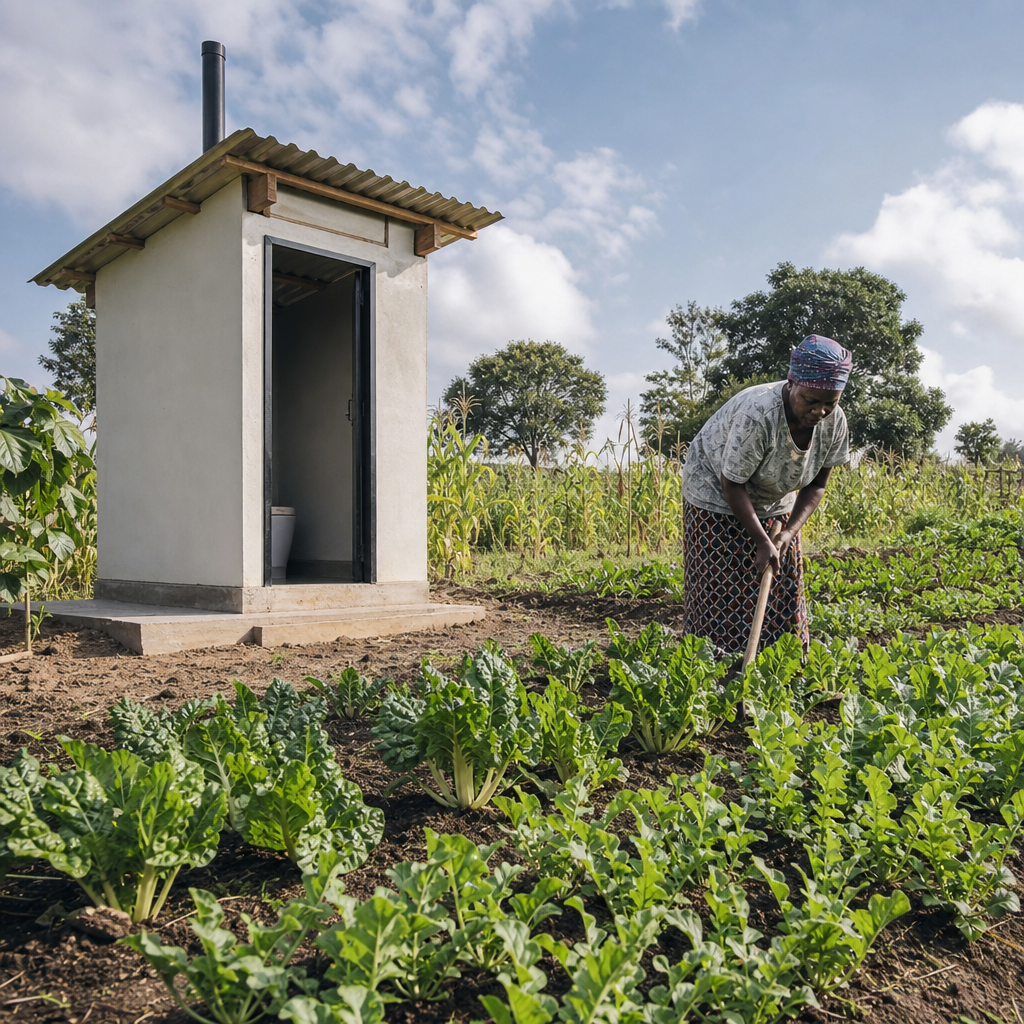
Ecological sanitation, commonly shortened to EcoSan, changes how communities manage human waste by treating urine and feces as resources rather than refuse. In practice, EcoSan systems separate, contain, sanitize, and reuse nutrients and organic matter close to where they are produced. The core idea is simple: protect water, recover fertility, and reduce pollution at the same time. I have worked with sanitation planning teams that compared pit latrines, septic tanks, sewer extensions, and urine-diverting dry toilets, and EcoSan consistently stood out when the local ecosystem was already under pressure from groundwater contamination, nutrient loss, or water scarcity. That is why the effect of EcoSan on local ecosystems matters far beyond the toilet itself.
When people ask what EcoSan and the environment have to do with each other, the shortest accurate answer is this: sanitation shapes soil health, water quality, biodiversity, climate emissions, and public health at the same time. Conventional sanitation often follows a linear model. Nutrients are consumed in food, excreted, diluted with water, transported away, and then discharged or partially treated. EcoSan uses a circular model. Urine contains most excreted nitrogen, phosphorus, and potassium, while feces contain organic carbon and additional nutrients. By separating these flows and processing them safely, EcoSan reduces pathogen exposure and returns valuable materials to land. That creates direct ecosystem effects, especially in farming regions, peri-urban settlements, drought-prone zones, and places where sewage treatment is limited or absent.
Local ecosystems respond quickly to sanitation choices because waste moves through hydrological and biological systems. Poorly lined pits can leach nitrate and pathogens into shallow aquifers. Untreated wastewater can trigger eutrophication in streams, ponds, wetlands, and coastal waters. Excess nutrients fuel algal blooms, deplete dissolved oxygen, and stress fish and invertebrates. At the same time, many soils are losing organic matter and phosphorus reserves are finite. EcoSan addresses both sides of that imbalance by preventing nutrient pollution while recycling nutrients back into productive landscapes. This hub article explains how EcoSan affects water, soil, biodiversity, emissions, and land use, where it performs well, where it can fail, and what conditions determine environmental outcomes.
How EcoSan systems work in environmental terms
EcoSan is not one device. It is a sanitation approach built around source separation, pathogen reduction, nutrient recovery, and controlled reuse. Common designs include urine-diverting dry toilets, double-vault dehydration toilets, container-based systems with composting, and systems that collect urine separately for storage and field application. The environmental mechanism is straightforward. Separation keeps nutrient-rich urine from being diluted, allows fecal material to be dried or composted, and reduces the volume that needs transport or treatment. Dry or low-water operation also lowers demand on freshwater supplies and prevents sewage overflows in areas without reliable networks.
In field assessments, the most important environmental distinction is whether the system truly closes loops safely. A urine-diverting toilet only benefits ecosystems if the urine is stored, transported, and applied at agronomic rates, and if fecal material is sanitized before reuse or disposal. The World Health Organization has long emphasized multiple barriers for safe reuse, including treatment, storage time, crop restriction where necessary, protective equipment, and hygiene. Those safeguards are not add-ons. They determine whether EcoSan protects ecosystems or simply relocates contamination. Well-managed systems lower pollutant loads; poorly managed systems can create odor, flies, runoff, or unsafe nutrient application.
Effects on water quality and aquatic ecosystems
The strongest environmental argument for EcoSan is usually water protection. Conventional onsite sanitation can leak into groundwater, especially where water tables are high, soils are fractured, or toilets sit close to wells. Nitrate contamination is a recurring problem in rural and peri-urban areas with dense pit latrine use. Nitrate in drinking water is associated with serious health risks, and it also signals broader nutrient leakage into the hydrological system. By keeping excreta contained and largely dry, EcoSan reduces percolation and lowers the chance that nutrients and pathogens migrate into aquifers.
Surface waters benefit as well. Where untreated sewage or greywater enters streams, nutrient enrichment accelerates eutrophication. Phosphorus is often the limiting nutrient in freshwater systems, while nitrogen often drives impacts in coastal systems. EcoSan captures both before they reach drains or waterways. In one planning exercise for a lakeside settlement, we modeled the difference between expanding pit latrines and introducing urine diversion with organized collection. The EcoSan scenario sharply reduced the nutrient load entering the lake because most urine-derived nitrogen never entered stormwater channels. The ecological implication was significant: less algal growth, more stable dissolved oxygen, and lower risk of fish kills during hot months.
There are limits. If urine is overapplied before heavy rain, nutrients can still run off into ditches and streams. If containers leak during storage, contamination pathways reopen. EcoSan protects aquatic ecosystems only when the reuse chain is managed with the same discipline expected in any treatment system. Proper siting, roof drainage control, sealed storage, and application timing matter as much as the toilet design itself.
Effects on soil health, nutrient cycling, and fertility
EcoSan and the environment are closely linked through soil processes. Urine contains readily available nitrogen, mostly as urea that converts to ammonium, plus potassium and smaller amounts of phosphorus. Fecal compost or dehydrated solids contribute organic matter, phosphorus, and micronutrients when treatment is adequate. In depleted soils, those inputs can improve crop growth and support microbial activity. This is especially relevant in regions where farmers cannot afford enough mineral fertilizer or where repeated harvests remove nutrients faster than they are replaced.
From an ecosystem perspective, nutrient recycling does more than increase yields. It strengthens local nutrient cycling, reduces dependence on imported fertilizers, and can improve soil structure when stabilized organic matter is added. Better soil structure supports infiltration, water retention, and root development. Healthier soils are less prone to erosion, which means fewer sediments and attached nutrients reach rivers and reservoirs. In dryland areas, the moisture savings from urine-diverting dry systems are paired with improved soil function, making farms and home gardens more resilient to erratic rainfall.
Tradeoffs must be stated clearly. Fresh urine is not a complete fertilizer in every context, and repeated use without balancing phosphorus, sulfur, or organic matter can create uneven fertility. Salinity can become a concern in arid settings if application rates are excessive and irrigation water quality is poor. Fecal products that are insufficiently composted can tie up nitrogen temporarily or carry pathogens. EcoSan supports soil ecosystems best when nutrient application is based on crop demand, soil testing, and seasonal timing.
Biodiversity, habitat quality, and food web effects
Local biodiversity often responds indirectly to sanitation. Cleaner streams support more sensitive aquatic organisms, including mayflies, caddisflies, and certain fish species that disappear under chronic nutrient stress or low oxygen conditions. Wetlands receiving less sewage loading can maintain more balanced plant communities rather than shifting toward dominance by a few nutrient-tolerant species. In agricultural landscapes, improved nutrient recycling can reduce pressure to clear new land for fertility gains, which helps conserve habitat edges, pollinator resources, and small patches of native vegetation.
EcoSan can also reduce pathogen transmission to domestic animals and wildlife by limiting open defecation and unmanaged sludge disposal. Fewer fecal contaminants in shared environments mean lower contamination of ponds, floodplains, and grazing areas. That matters for amphibians, birds, and mammals that use those habitats. In settlements near protected areas, sanitation is often an overlooked part of conservation management. Keeping waste out of streams and away from wildlife corridors reduces one of the routine but solvable human pressures on local ecosystems.
| Ecosystem component | Typical risk without effective sanitation | Potential EcoSan benefit | Key condition for success |
|---|---|---|---|
| Groundwater | Nitrate and pathogen leaching from pits | Reduced infiltration of contaminants | Sealed, well-maintained containment |
| Rivers and lakes | Eutrophication and oxygen depletion | Lower nutrient discharge to surface water | Safe collection and controlled reuse timing |
| Soils | Nutrient depletion and low organic matter | Recovery of nitrogen, phosphorus, and carbon | Application based on crop and soil needs |
| Biodiversity | Habitat degradation from polluted water | Improved habitat quality and food web stability | Catchment-wide sanitation coverage |
| Climate | Emissions from wastewater handling and fertilizer production | Lower water use and reduced synthetic fertilizer demand | Reliable treatment and logistics |
Climate implications, resource efficiency, and circularity
The effect of EcoSan on local ecosystems also includes climate and resource use. Water-based sanitation requires infrastructure, pumping energy, and treatment capacity. In many low-income and rapidly growing areas, those systems are incomplete, meaning high environmental cost with poor performance. Dry or low-flush EcoSan systems reduce water demand immediately. That is important where aquifers are stressed, utilities are intermittent, or drought cycles are intensifying. Saving water protects river baseflows and wetland function, both of which support biodiversity.
EcoSan may also lower life-cycle emissions when it displaces synthetic fertilizer production. Nitrogen fertilizer manufacture is energy intensive, and phosphorus mining carries ecological costs of its own. Recovering nutrients locally can reduce transport burdens and the embodied emissions tied to industrial inputs. Some systems also avoid methane formation associated with anaerobic decomposition in wet conditions, though the exact climate balance depends on management. If fecal matter is left damp and unmanaged, emissions and odors rise. If materials are properly dried, composted, or otherwise treated, the resource efficiency case becomes much stronger.
In practical terms, circularity is the real advantage. Nutrients leave farms in food and return through sanitation products instead of being lost to waterways. That shift is environmentally meaningful because it addresses two systemic problems at once: nutrient pollution and soil depletion. It does not replace all centralized treatment, but it creates a strong option for decentralized settings where conventional sewer expansion is financially or ecologically unrealistic.
Risks, limitations, and management failures
EcoSan is not automatically beneficial. I have seen projects struggle because planners focused on construction and ignored user behavior, maintenance, and reuse logistics. If toilets are difficult to use, people may bypass urine diversion or return to open defecation. If vaults are not emptied on schedule, environmental gains disappear. If stored products have no accepted end use, containers accumulate and systems fail. Social acceptance, training, and service models are environmental issues because they determine whether contaminants remain contained.
Pathogen risk remains the central limitation. Ascaris eggs, bacteria, viruses, and protozoa do not vanish simply because excreta is separated. Temperature, pH, moisture, storage duration, and composting quality determine inactivation. Standards and guidelines exist for a reason. Reuse without treatment discipline can contaminate soils, crops, and water. Chemical contaminants are another concern in some settings, especially where household waste streams are mixed or industrial pollutants enter the sanitation chain. EcoSan works best where source separation is protected and treatment steps are monitored.
Economics also matter. Household systems can be affordable compared with sewer installation, but long-term success requires spare parts, collection schedules, trained operators, and agricultural uptake. Environmental performance depends on governance as much as technology. Municipalities, cooperatives, and small service providers need clear roles, tariffs, and monitoring frameworks.
Where EcoSan delivers the strongest ecosystem benefits
EcoSan has the greatest positive effect on local ecosystems in places with water scarcity, shallow groundwater, nutrient-poor soils, limited sewer coverage, and nearby agricultural land that can use recovered products. Rural schools, farming communities, informal settlements on fragile slopes, flood-prone peri-urban areas, and settlements near lakes or wetlands are often strong candidates. In these contexts, preventing leaching and runoff while recovering nutrients creates visible environmental gains within a few seasons.
Hub planning under the broader environmental impact topic should connect EcoSan to adjacent issues: groundwater protection, wastewater treatment gaps, nutrient recovery, climate adaptation, solid waste interfaces, and regenerative agriculture. The main lesson from field implementation is consistent. EcoSan improves ecosystem outcomes when it is treated as an integrated service chain, not a standalone toilet product. Design, behavior, collection, treatment, transport, and reuse must all align with local ecology.
EcoSan offers a practical way to protect local ecosystems while turning sanitation outputs into useful resources. Its clearest benefits are reduced groundwater contamination, lower nutrient discharge to rivers and lakes, improved soil fertility, and better resource efficiency in water-stressed areas. Those gains support healthier habitats, stronger farm systems, and more resilient communities. The evidence from decentralized sanitation planning is clear: when urine and feces are safely separated, treated, and reused, the environmental burden of waste drops sharply and local nutrient cycles become more balanced.
The most important takeaway is that EcoSan succeeds environmentally only when management is rigorous. Safe storage, pathogen reduction, user training, and agronomic reuse are not optional details. They are the conditions that protect ecosystems. Communities, utilities, and planners should compare EcoSan with pits, septic systems, and sewer extensions based on hydrology, soils, land availability, farming demand, and long-term service capacity rather than ideology.
If you are building an environmental impact strategy, use EcoSan and the environment as a decision lens for water, soil, biodiversity, and climate together. Map local contamination pathways, identify reuse opportunities, and design the full service chain before construction begins. Done well, EcoSan is not just a sanitation alternative. It is an ecosystem protection tool worth serious consideration.
Frequently Asked Questions
1. How does EcoSan affect local ecosystems compared with conventional sanitation systems?
EcoSan can significantly reduce pressure on local ecosystems because it is designed to keep human waste from contaminating soil, groundwater, rivers, wetlands, and nearshore environments. In conventional systems such as poorly built pit latrines, leaking septic tanks, or overloaded sewers, nutrients and pathogens often escape into the environment. That leakage can trigger algal blooms, lower water quality, harm aquatic life, and increase disease risks for both people and animals. EcoSan approaches work differently by separating, containing, and treating urine and feces close to where they are produced, which lowers the chance that untreated waste will spread through the landscape.
From an ecological perspective, one of the biggest benefits is nutrient recovery. Nitrogen, phosphorus, potassium, and organic matter are valuable for agriculture, but in many conventional systems they are lost as pollutants. EcoSan redirects those materials into controlled reuse, which can improve soils and reduce dependence on synthetic fertilizers. That matters for ecosystems because fertilizer production is energy-intensive, and excessive fertilizer runoff from farms is a major source of water pollution. When EcoSan is well managed, it can help close the nutrient loop in a way that protects streams and groundwater while supporting local food production.
That said, the ecological outcome depends heavily on design, operation, and user behavior. A properly maintained urine-diverting dry toilet or composting system can deliver strong environmental benefits, but a poorly managed system can still create odor, attract insects, or allow pathogens to persist. In short, EcoSan tends to be more ecosystem-friendly than sanitation models that simply move waste elsewhere, especially in water-scarce or infrastructure-limited settings, but its success depends on consistent treatment standards, safe reuse practices, and community acceptance.
2. Can EcoSan help reduce water pollution and protect groundwater?
Yes, protecting water is one of the clearest environmental advantages of EcoSan. Traditional sanitation often relies on dilution and disposal, which means waste is flushed away into pits, tanks, drains, or sewer networks that may leak, overflow, or discharge insufficiently treated effluent. In areas with high water tables, porous soils, flooding, or weak wastewater infrastructure, this can lead to direct contamination of aquifers, wells, drainage channels, and surface water bodies. EcoSan reduces that risk by minimizing or eliminating water-based transport and by containing waste in a more controlled way.
Urine-diverting systems are especially useful because they separate the largest nutrient stream before it can mix with fecal matter and wastewater. Since urine contains most of the nitrogen and a large share of the phosphorus excreted by humans, capturing it early helps prevent nutrient-rich discharges that can contribute to eutrophication. Fecal matter can then be treated separately through dehydration, composting, storage, or other sanitizing methods that reduce pathogen loads before any reuse takes place. This approach interrupts the pathway between households and nearby water resources.
Groundwater protection is often strongest where conventional pits would otherwise be dug close to wells or in unstable soils. In those locations, EcoSan can reduce infiltration of pathogens and nitrates into drinking water sources. However, the protection is not automatic. Containers, vaults, and storage chambers must be properly built and maintained, and reused products must be applied at appropriate rates and in suitable locations. When those safeguards are followed, EcoSan can play a major role in reducing water pollution and strengthening ecosystem health at both the household and watershed level.
3. Does reusing treated human waste through EcoSan create risks for plants, animals, or soil health?
It can create risks if handled poorly, but when treatment and reuse are done correctly, EcoSan can support healthier soils and reduce environmental damage. The main ecological concern is that untreated or insufficiently treated waste may contain pathogens, pharmaceutical residues, or nutrient concentrations that are too high for safe application. If raw materials are applied directly to fields, there is a possibility of contaminating crops, exposing livestock, attracting vectors, or overloading soils with salts or nutrients. Those risks are real, which is why EcoSan depends on proper sanitation barriers before reuse.
When systems are managed well, the benefits can be substantial. Sanitized urine can provide plant-available nitrogen and other nutrients, while treated fecal matter or composted solids can add organic matter that improves soil structure, moisture retention, and microbial activity. Better soil health can support vegetation, reduce erosion, and increase resilience during drought. In degraded farming areas, these outcomes can indirectly benefit surrounding ecosystems by reducing pressure to clear more land or overapply chemical fertilizers.
The key is matching the reused material to the right crop, timing, and application method. Safe storage periods, pathogen reduction targets, restricted use on certain foods, and careful nutrient management all matter. Monitoring is also important, especially in places with intensive reuse. So the answer is not that EcoSan is risk-free, but rather that it offers ecological gains when backed by sound technical standards, training, and local oversight. The environmental impact depends far more on management quality than on the concept of reuse itself.
4. What local biodiversity benefits can come from adopting EcoSan systems?
EcoSan can contribute to local biodiversity by reducing the types of pollution that degrade habitats for fish, amphibians, insects, birds, and beneficial soil organisms. In many communities, unmanaged sanitation leads to nutrient loading and pathogen contamination in streams, ponds, wetlands, and coastal waters. Those stresses can alter oxygen levels, fuel excessive plant or algal growth, and make habitats less suitable for sensitive species. By containing waste and treating it before release or reuse, EcoSan helps prevent those ecological disruptions.
On land, biodiversity benefits can emerge through improved soil management. Recovered organic matter can support healthier soils with more active microbial communities, better structure, and increased fertility. Those conditions often improve plant growth and can help restore productivity in home gardens, agroforestry plots, and small farms. When local agriculture becomes more nutrient-efficient, there may also be less need for nutrient mining, less fertilizer runoff, and reduced encroachment into surrounding natural areas. In practical terms, that can create indirect benefits for pollinators, soil fauna, riparian vegetation, and nearby habitat patches.
There are also public-health-linked ecosystem benefits. Cleaner surroundings typically mean fewer open waste pathways that attract flies or contaminate shared spaces used by animals and people. However, biodiversity gains are most likely when EcoSan is part of broader land and water management rather than a stand-alone intervention. If the recovered products are overapplied or treatment is inconsistent, the same nutrient and pathogen problems can reappear in different forms. So while EcoSan can support biodiversity, the strongest results come from careful integration with agriculture, water protection, and local environmental planning.
5. What determines whether EcoSan has a positive or negative impact on a community’s ecosystem?
The biggest determining factors are system design, long-term maintenance, treatment quality, user training, and how well the approach fits local environmental conditions. EcoSan is not a single technology but a framework that includes options such as urine-diverting dry toilets, composting toilets, dehydration vaults, and nutrient reuse systems. A design that works well in a dry rural setting may be unsuitable in a flood-prone settlement or an area where people lack space for storage and treatment. Ecological outcomes improve when the technology matches local soils, rainfall patterns, agricultural practices, water availability, and cultural preferences.
Institutional support is another major factor. Communities tend to see better environmental results when there are clear responsibilities for emptying, transport, storage, product testing, reuse guidance, and maintenance. Without that support, even a well-designed EcoSan system can fail and create pollution pathways similar to the ones it was meant to prevent. Education matters just as much. Users need to understand source separation, what materials can and cannot go into the system, how to recognize treatment completion, and how to apply recovered nutrients safely.
Finally, the local ecosystem impact depends on whether EcoSan is treated as part of a circular sanitation strategy rather than just a toilet installation. When planning includes watershed protection, agricultural nutrient management, safe reuse standards, and regular monitoring, EcoSan can reduce pollution, conserve water, and improve soil fertility with measurable ecological benefits. When those pieces are missing, the potential advantages shrink quickly. In other words, EcoSan has the strongest positive effect on local ecosystems when it is implemented as a complete, well-managed system from containment to final reuse.