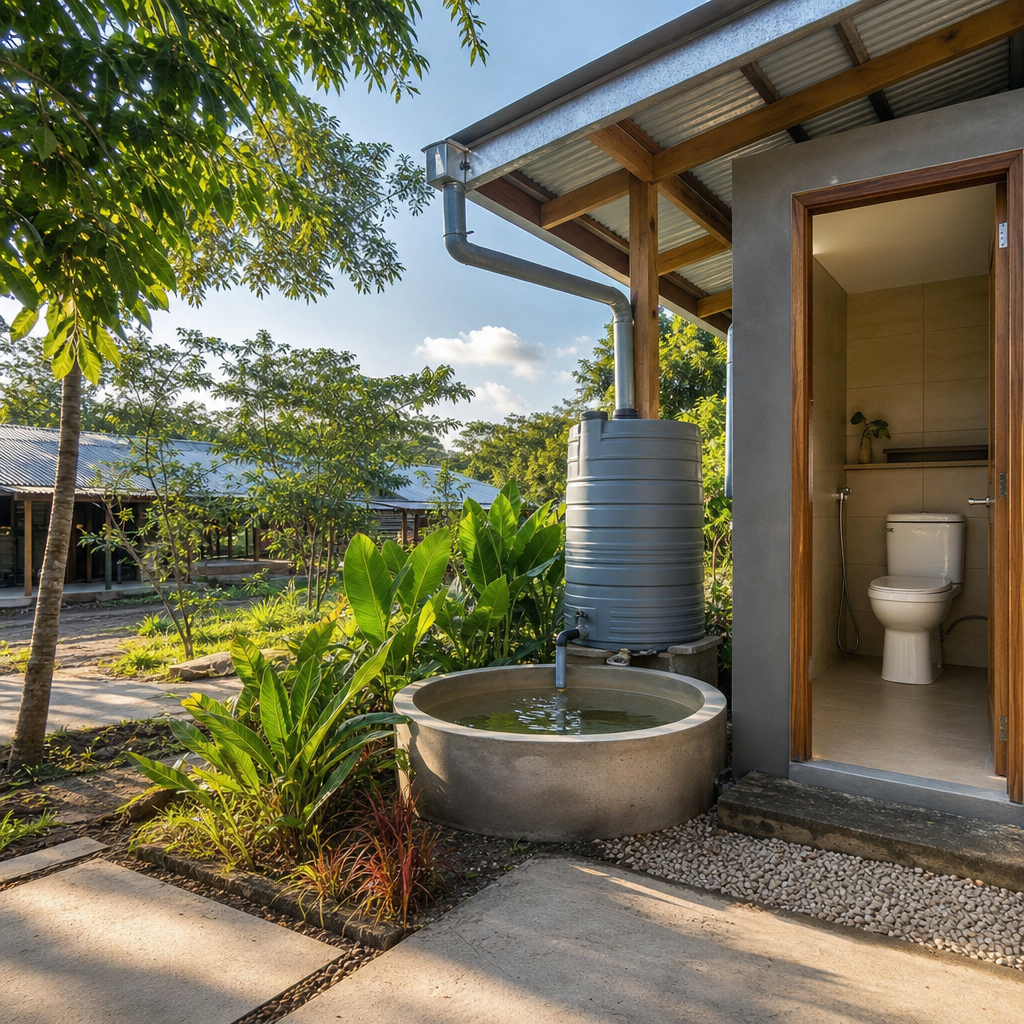
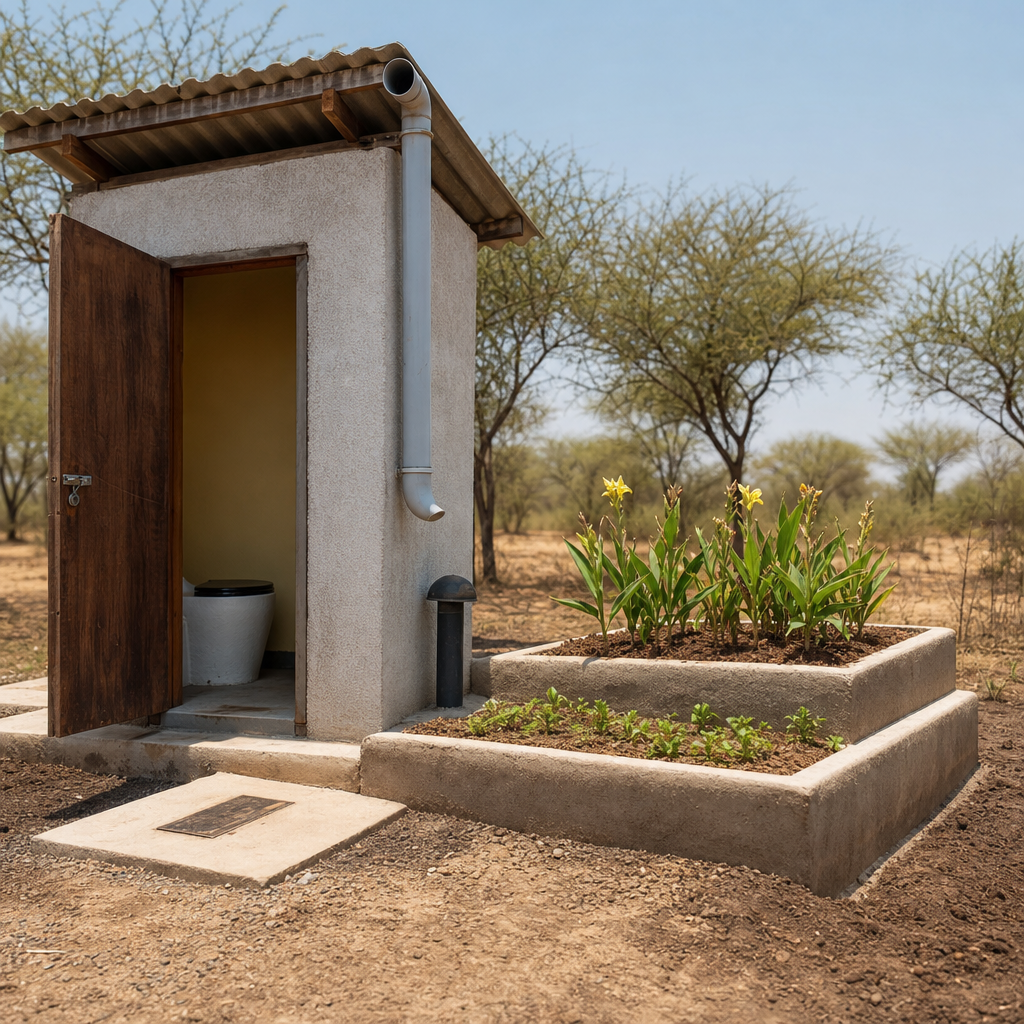
EcoSan in arid regions offers a practical way to prevent desertification by turning sanitation from a water-intensive waste problem into a soil-restoring resource system. Ecological sanitation, usually shortened to EcoSan, is an approach that safely separates, treats, and reuses human excreta and household organic flows rather than flushing them away. In drylands, that distinction matters. Conventional sewerage depends on reliable water supplies, expensive pipes, and centralized treatment plants, all of which are difficult to build and maintain where rainfall is low, settlements are dispersed, and budgets are constrained. I have worked on sanitation planning in water-stressed communities, and the pattern is consistent: when toilets consume scarce freshwater and nutrients leave the local landscape, soils become poorer, vegetation weakens, and pressure on fragile land increases.
Desertification is the long-term degradation of dryland ecosystems caused by climate variability and human activity, including overgrazing, deforestation, poor irrigation, and nutrient depletion. It does not mean deserts simply expand as dunes; it means land loses biological productivity, topsoil, organic matter, and water-holding capacity. Arid and semi-arid regions are especially vulnerable because every liter of water and every kilogram of organic matter carries outsized value. EcoSan matters here because sanitation is not isolated from land management. When urine is diverted, fecal matter is composted or dehydrated, and treated outputs are returned to agriculture or revegetation projects, communities can reduce contamination, conserve water, recover nitrogen and phosphorus, and rebuild soil structure. As a hub for sustainable practices in sanitation, this article explains how EcoSan systems work, why they fit arid landscapes, which designs perform best, what operational safeguards are essential, and how sanitation can directly support drought resilience, land restoration, and environmental impact goals.
Why arid regions need a different sanitation model
Arid regions need sanitation systems designed around water scarcity, variable incomes, and dispersed infrastructure rather than copied from humid urban settings. A conventional flush toilet typically uses several liters per flush, and even low-flush systems still rely on continuous water availability and downstream treatment. In places already facing groundwater decline, tanker dependence, or seasonal rationing, using potable or pumped freshwater to transport excreta is inefficient. Pit latrines can also fail in drylands, though for different reasons: rocky soils complicate excavation, high temperatures accelerate odor problems if ventilation is poor, and poorly sited pits can contaminate shallow aquifers or wadis during episodic storm events.
EcoSan changes the design logic. Instead of mixing urine, feces, flush water, and greywater into a difficult waste stream, it keeps materials separate so each can be managed with the lowest possible resource input. Urine-diverting dry toilets, container-based sanitation, dehydration vaults, and composting systems all reduce or eliminate flush water demand. In Namibia, South Africa, and parts of India, urine-diversion systems have been used where centralized sewer networks are impractical. The core environmental advantage is straightforward: nutrient-rich outputs can be sanitized and reused locally, closing loops that conventional systems break. For dryland farming, that can mean improved crop nutrition and increased organic matter, both critical for resisting wind erosion and moisture loss.
The broader sustainable practices in sanitation framework also includes source separation, fecal sludge management, safe reuse standards, handwashing support, inclusive design, and climate adaptation. EcoSan is not a single toilet model; it is a management philosophy that links public health with resource recovery. In arid regions, the benefit extends beyond sanitation access. When communities recover nutrients, reduce dependence on synthetic fertilizer, and integrate treated organic matter into soil rehabilitation, sanitation becomes part of anti-desertification strategy rather than an isolated public works expense.
How EcoSan systems work in dryland conditions
Most EcoSan systems in arid climates rely on one principle: keep excreta as dry and separate as possible so pathogens can be reduced and useful components preserved. Urine-diverting dry toilets separate urine at the pan or pedestal. Feces fall into a vault, often with ash, lime, or dry cover material added after each use to reduce moisture, odor, and flies. Because pathogen survival depends heavily on moisture and temperature, dehydration can be effective when systems are well ventilated and protected from rain ingress. Some designs use twin vaults so one chamber rests while the other fills. After the storage period, the stabilized material is removed with lower pathogen risk and can be further treated before agricultural use.
Urine is simpler to reuse than many people expect. Fresh urine is generally low in pathogens compared with feces and contains most of the nitrogen, plus potassium and a share of phosphorus excreted by households. Stored correctly, usually in sealed containers for a defined period based on temperature and intended crop use, it can serve as a liquid fertilizer. Field practitioners often dilute urine with water before application or apply it directly to soil near the root zone to reduce ammonia loss. In arid agriculture, timing matters: application is best aligned with planting or irrigation events so nutrients move into soil rather than volatilizing.
Fecal material requires more caution. Composting toilets depend on a controlled balance of carbon, moisture, oxygen, and time. In very dry climates, true composting can stall because there is not enough moisture for microbial activity; what many installations call composting is actually dehydration. That distinction matters for safe handling. Where operators understand it, the solution is to match the treatment method to local conditions, then verify storage times and post-treatment steps. In projects I have reviewed, failures usually came from assuming any dry toilet automatically produces safe compost. Strong programs train households on cover material use, urine diversion maintenance, and when not to apply end products to edible crops.
Linking sanitation to soil restoration and desertification prevention
EcoSan helps prevent desertification because degraded dryland soils are typically short of two things at once: nutrients and stable organic matter. Human excreta contains substantial plant nutrients that are often imported into communities as food and then discarded as waste. Returning those nutrients to land closes a basic ecological loop. Nitrogen supports vegetative growth, phosphorus drives root development, and potassium improves stress tolerance. Even more important in fragile soils, treated organic inputs can improve aggregation, reduce crusting, and increase infiltration. Better infiltration means rare rainfall enters the soil profile instead of running off quickly and carrying sediment away.
Revegetation projects illustrate the connection clearly. In semi-arid areas, establishing trees, shrubs, and perennial grasses often fails because seedlings face poor soils and moisture stress. Where sanitized urine is used as a targeted fertilizer and treated organic matter is added around planting basins, survival rates can improve because roots encounter a more favorable nutrient environment. This is not a silver bullet; irrigation, mulching, species selection, and grazing control still matter. But the sanitation contribution is real. Rather than importing costly amendments, communities can recover resources already present in households.
Another desertification pathway is fuelwood pressure. Where soils are degraded and agricultural yields decline, households may clear remaining woody vegetation for income or cooking fuel. If EcoSan contributes to more productive home gardens, fodder plots, or agroforestry systems, it indirectly reduces pressure on surrounding land. I have seen this dynamic in integrated projects where sanitation, greywater reuse, and small-scale horticulture were planned together. The sanitation component alone did not solve land degradation, but it strengthened the economics of maintaining vegetative cover. Sustainable practices in sanitation are most effective when linked with watershed management, farmer training, and local land tenure realities.
Choosing the right system for climate, culture, and operations
No EcoSan design works everywhere, so system selection must start with climate, settlement pattern, soil conditions, user preference, and service capacity. The table below compares common options for arid regions.
| System | Best fit | Main strengths | Main limitations |
|---|---|---|---|
| Urine-diverting dry toilet | Water-scarce households with basic maintenance capacity | Very low water use, nutrient recovery, simple construction | Requires user training, careful cleaning, separate urine handling |
| Twin-vault dehydration toilet | Hot, dry climates with space for alternating chambers | Supports resting period, lowers handling risk, durable | Performance drops if moisture enters vaults |
| Container-based sanitation | Dense settlements or rocky ground where pits are impractical | Professionalized collection, controlled treatment, scalable service model | Needs reliable logistics, ongoing operator financing |
| Composting toilet | Sites with committed management and balanced feedstock | Potential soil amendment production, low sewer dependence | Hard to maintain true composting in very dry settings |
User acceptance is often more decisive than engineering. Anal cleansing practices, privacy expectations, gender safety, child use, odor sensitivity, and beliefs about reuse all shape outcomes. A technically sound toilet can fail if the pedestal is uncomfortable for older users or if urine diversion requires cleaning routines people were never shown. In several rural programs, uptake improved only after builders adjusted superstructure layout, added handwashing stations, and involved women in siting decisions. For pastoral or mobile populations, fixed systems may be less suitable than service-based collection models tied to communal hubs.
Institutional capacity matters just as much. If there is no plan for vault emptying, urine storage, treatment verification, or agricultural extension, the project is incomplete. EcoSan works best when sanitation authorities coordinate with agriculture, public health, and local water agencies. Recognized guidance from the World Health Organization on safe reuse and from organizations such as SuSanA can help municipalities structure monitoring, messaging, and operator training. Good system choice is therefore not just a hardware decision; it is an operations and governance decision.
Health safeguards, treatment standards, and common mistakes
The biggest misconception about EcoSan is that environmental benefit outweighs health protection. It does not. Safe sanitation begins with pathogen control, user safety, and containment. Reuse is only justified when treatment and handling are robust. WHO guidelines for the safe use of wastewater, excreta, and greywater provide the risk-based framework most practitioners rely on. The practical message is simple: match treatment barriers to the intended end use. Crops eaten raw, school gardens, and public landscaping require stricter controls than forestry or non-food revegetation.
Common mistakes are predictable. First, urine diversion systems fail when pans are installed at the wrong angle or flushing and wash water enters the feces vault. Second, dehydration vaults become wet because roofs leak, children urinate into the wrong chamber, or users add excessive cleaning water. Third, projects distribute toilets without a service chain for collection, storage, and beneficial use. Fourth, programs ignore pharmaceuticals and household chemicals in the input stream. While nutrient recovery remains valuable, treatment planning must consider local risks and realistic reuse pathways.
Monitoring should include fill rates, moisture conditions, fly presence, odor complaints, storage times, and documented end-use protocols. For larger programs, periodic laboratory testing for indicator organisms such as E. coli or helminth eggs strengthens confidence, especially where outputs are used in agriculture. Operators need personal protective equipment, defined emptying procedures, and records. In my experience, the most successful EcoSan programs normalize this discipline. They do not market toilets as maintenance-free. They explain that sustainable practices in sanitation require routine management, just as water systems require pumps, valves, and chlorination checks.
Building a sustainable sanitation hub for long-term dryland resilience
As a hub topic within environmental impact, sustainable practices in sanitation should connect household technology with resource management, policy, finance, and climate resilience. EcoSan in arid regions is most effective when paired with greywater reuse, fecal sludge treatment, water-efficient hygiene facilities, regenerative agriculture, and behavior-change support. Municipalities can start with schools, clinics, peri-urban settlements, or drought-prone villages where sewer expansion is unrealistic. From there, they can develop local treatment enterprises, farmer partnerships, and procurement standards for pans, vault components, and storage containers. The result is not merely improved sanitation access; it is a local circular economy around nutrients, labor, and land restoration.
Financing models should reflect avoided costs as well as direct service costs. Every liter of water not used for flushing remains available for domestic supply or productive use. Every tonne of treated biosolids or urine nutrient value reused locally reduces fertilizer purchases and transport burdens. Every rehabilitation plot that establishes vegetation more successfully can lower erosion and protect roads, canals, and fields. These benefits are often spread across agencies, which is why cross-sector budgeting is important. Development banks and climate adaptation funds increasingly recognize that sanitation can contribute to resilience, especially where drought, food security, and land degradation intersect.
The main takeaway is clear: EcoSan helps prevent desertification when it is designed as a complete system, not installed as an isolated toilet. Dryland communities need sanitation that conserves water, protects health, and returns nutrients and organic matter to depleted soils. Choose technologies that fit local habits, build treatment and service chains from the beginning, and measure both health and land outcomes. If you are planning an environmental impact strategy for arid regions, make sustainable practices in sanitation a central pillar and map the next linked articles around reuse, greywater, sludge management, and climate-smart implementation.
Frequently Asked Questions
What is EcoSan, and why is it especially useful in arid regions?
Ecological sanitation, or EcoSan, is a sanitation approach that treats human waste and household organic flows as resources rather than something to be flushed away and discarded. Instead of depending on large amounts of water, long sewer networks, and centralized treatment plants, EcoSan systems typically separate urine and feces, support safe treatment, and enable the recovery of nutrients and organic matter for productive reuse. In arid regions, this is particularly important because water is scarce, soils are often degraded, and conventional sanitation systems can be costly, fragile, and poorly suited to dryland conditions.
EcoSan is useful in these environments because it addresses several dryland challenges at once. It reduces the need for freshwater in sanitation, helps keep nutrients in local farming systems, and can contribute to rebuilding soil structure when treated outputs are reused correctly. That matters for preventing desertification, since desertification is not just about sand spreading; it is also about the steady loss of soil fertility, vegetation cover, and moisture-holding capacity. By turning sanitation into part of a local resource cycle, EcoSan can support healthier soils and more resilient livelihoods in places where every drop of water and every unit of organic matter counts.
How can EcoSan help prevent desertification?
EcoSan helps prevent desertification by supporting the restoration of soil health, which is one of the foundations of dryland resilience. In many arid and semi-arid regions, soils are low in organic matter and nutrients, and repeated cultivation without replenishment can leave land exposed, compacted, and less able to support plant growth. Properly treated EcoSan by-products, especially nutrient-rich urine and sanitized composted solids, can be used to return valuable nitrogen, phosphorus, potassium, and organic material to the land. This can improve soil fertility, stimulate plant growth, and increase the amount of vegetation cover that protects the ground from wind and water erosion.
There is also an important water dimension. Soils with better structure and more organic matter generally retain moisture more effectively. In drylands, even small improvements in water-holding capacity can make a major difference for crops, trees, and ground cover. When vegetation becomes more stable, roots help hold soil in place and reduce surface degradation. Over time, this contributes to a more regenerative landscape. EcoSan is not a standalone cure for desertification, but as part of integrated land management, agroecology, and water conservation strategies, it can play a meaningful role in slowing land degradation and helping communities restore productivity in fragile environments.
Is EcoSan safe for communities, crops, and the environment?
Yes, EcoSan can be very safe when it is designed, operated, and managed correctly. The key principle is that reuse only happens after proper separation, storage, treatment, and handling steps are followed. EcoSan is not simply about reusing waste directly; it is about creating a controlled sanitation system that reduces pathogens and protects public health while recovering useful resources. Safe practice depends on the technology used, the length and quality of treatment, climate conditions, user training, and local guidelines. In well-managed systems, the health risks can be reduced significantly, making reuse practical and responsible.
For communities and farmers, safety also depends on clear protocols. These may include protective equipment during handling, restricted application methods, treatment periods long enough to sanitize materials, and choosing appropriate crops or timing for reuse. Environmental safety improves as well because EcoSan can reduce untreated waste discharge into soils, groundwater, and surface water. In arid regions where water bodies and aquifers are especially valuable, preventing contamination is a major advantage. The most successful EcoSan programs pair infrastructure with community education, routine maintenance, and monitoring so that health protection remains central at every stage.
How does EcoSan compare with conventional sewerage in dryland areas?
In dryland areas, EcoSan often has practical advantages over conventional sewerage because it is built around local resource realities rather than heavy water dependence. Conventional sewerage usually requires a reliable supply of water for flushing, extensive underground pipe networks, pumping, and centralized treatment facilities. Those systems can be expensive to install, difficult to maintain, and vulnerable to interruptions in power, funding, or infrastructure management. In remote settlements, informal communities, or water-stressed towns, these requirements can make conventional systems inaccessible or unsustainable.
EcoSan, by contrast, is often more decentralized and adaptable. It can function with little or no flushing water, making it far more compatible with arid climates. It also supports nutrient recovery rather than nutrient disposal, which creates value for households, farmers, and local land restoration efforts. That said, EcoSan is not automatically easier in every respect. It requires user acceptance, regular maintenance, and a cultural shift toward reuse and system stewardship. The strongest comparison is not simply that one model is modern and the other is alternative; it is that EcoSan can offer a more ecologically and economically appropriate sanitation pathway where water scarcity and land degradation are defining realities.
What does it take to implement EcoSan successfully in arid regions?
Successful EcoSan implementation in arid regions requires much more than installing toilets. It involves aligning technology, community behavior, local governance, and land-use goals into one coherent system. First, the design must fit local conditions, including climate, water availability, soil type, settlement density, cultural practices, and intended reuse pathways. Some communities may benefit from urine-diverting dry toilets, while others may need systems integrated with composting, greywater management, or small-scale agriculture. A technically sound design is essential, but so is making sure people understand how and why the system works.
Long-term success depends heavily on training, maintenance, and trust. Households, schools, and local operators need clear guidance on use, cleaning, collection, storage, and safe reuse. Local institutions should define responsibilities, support repairs, and establish health safeguards. It is also important to create visible benefits. When communities see that EcoSan can reduce water demand, lower sanitation costs, improve crop performance, and contribute to restoring depleted soils, adoption becomes more durable. In arid regions facing desertification, EcoSan works best when it is part of a broader strategy that includes soil restoration, water harvesting, drought-resilient agriculture, and community-led environmental management.