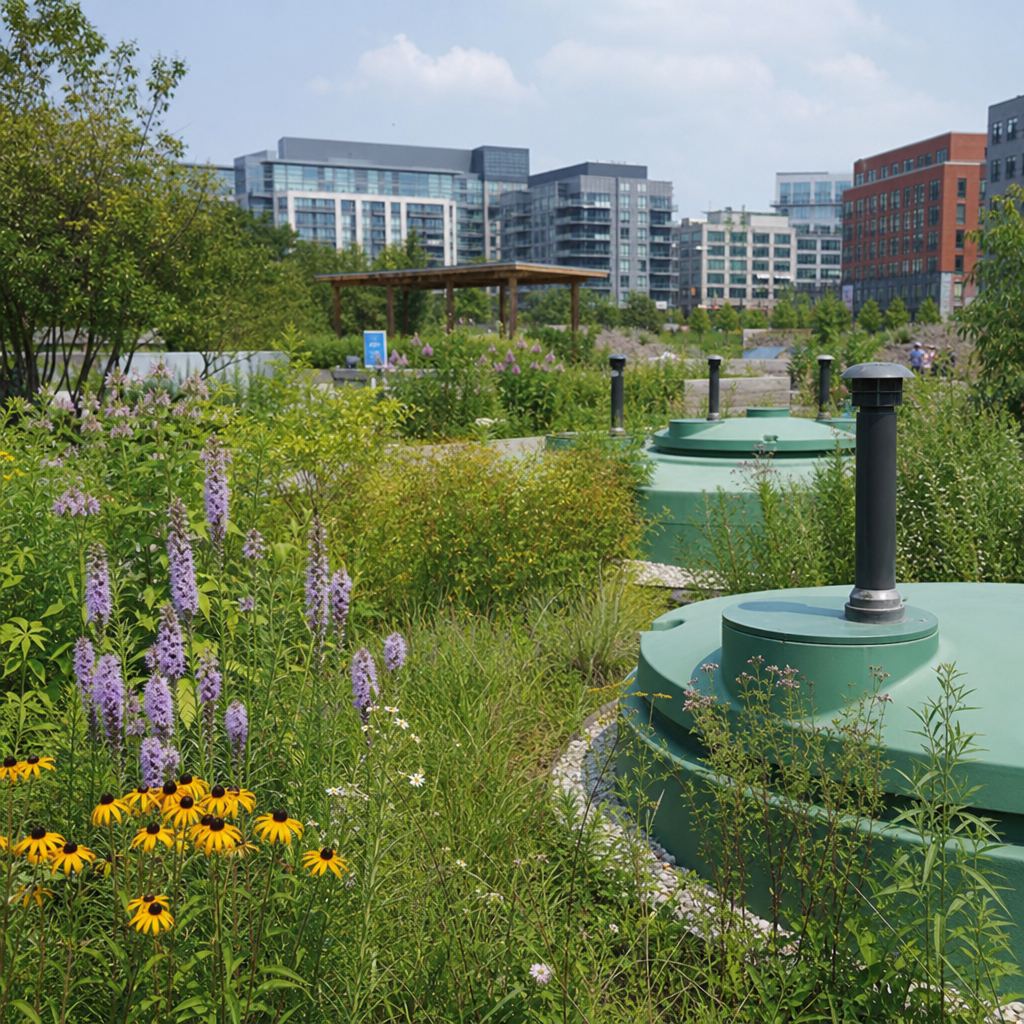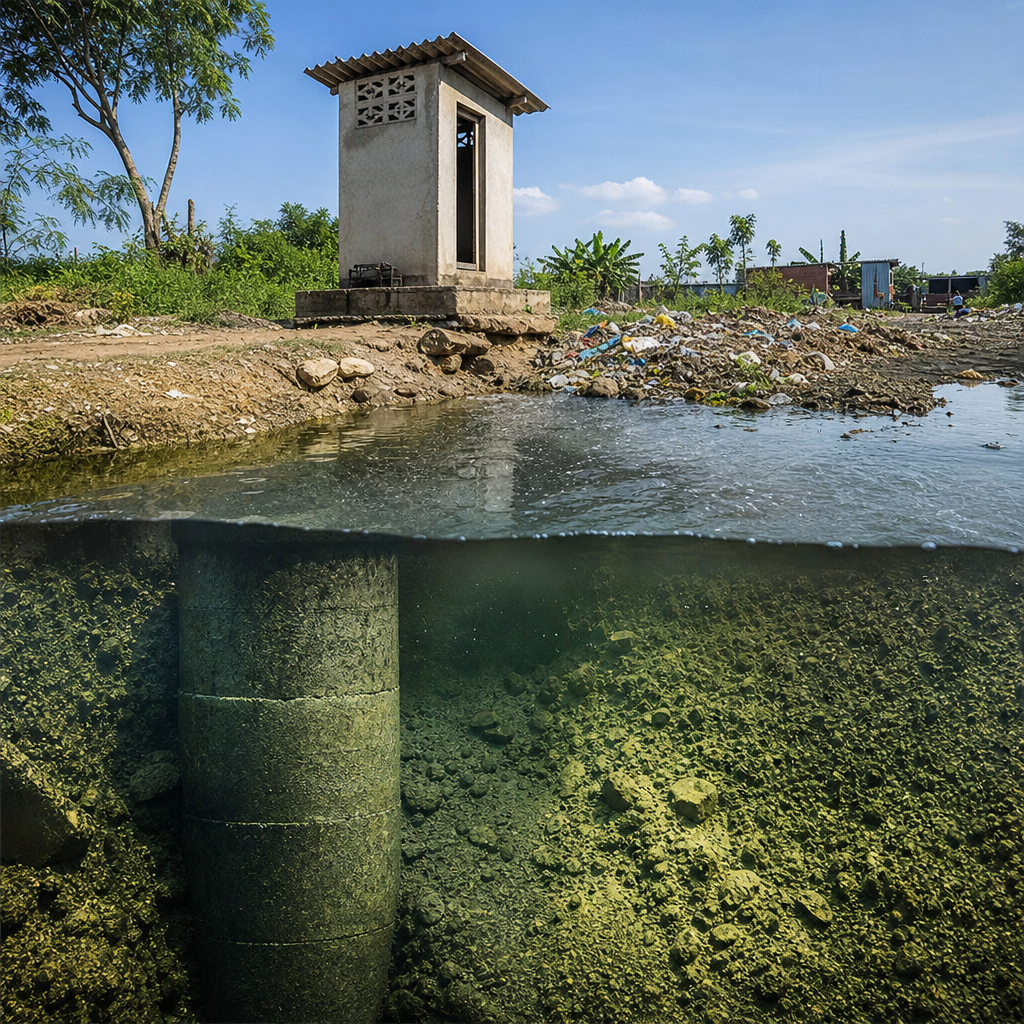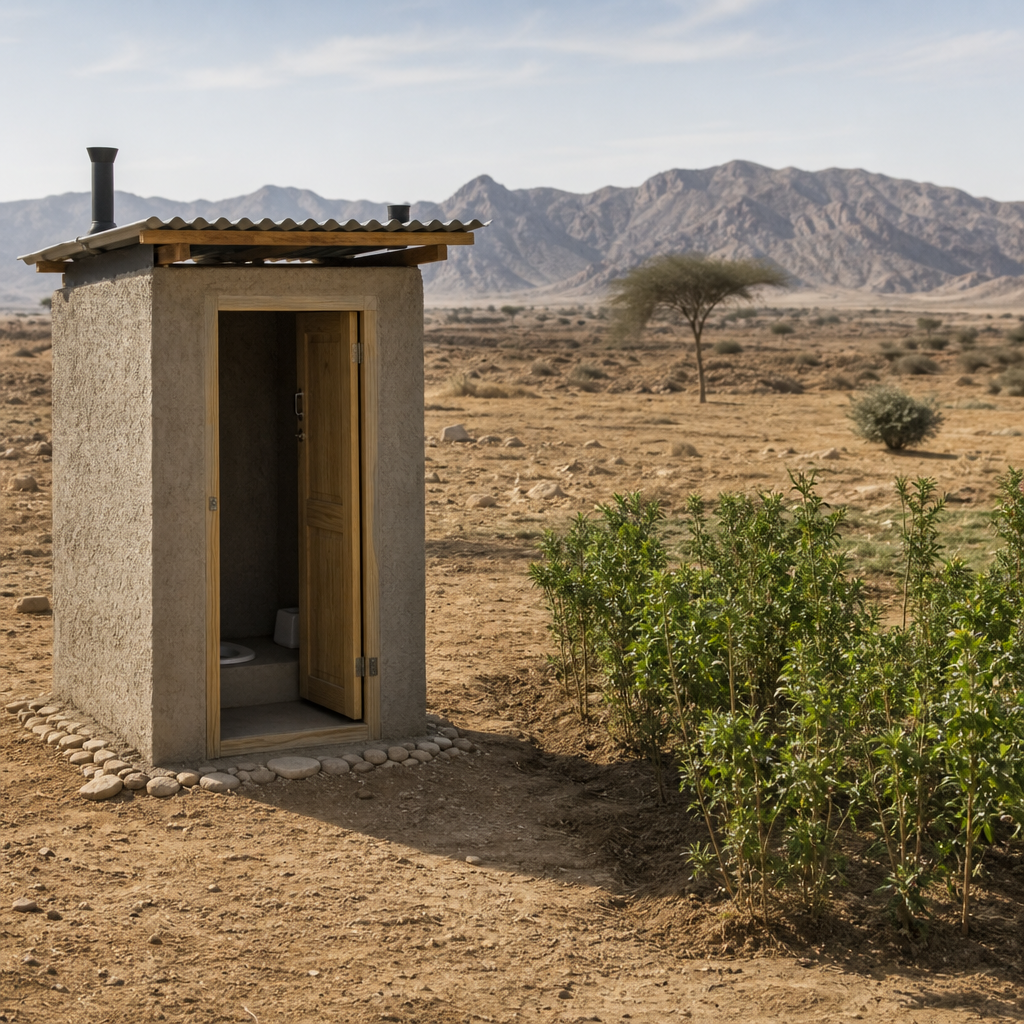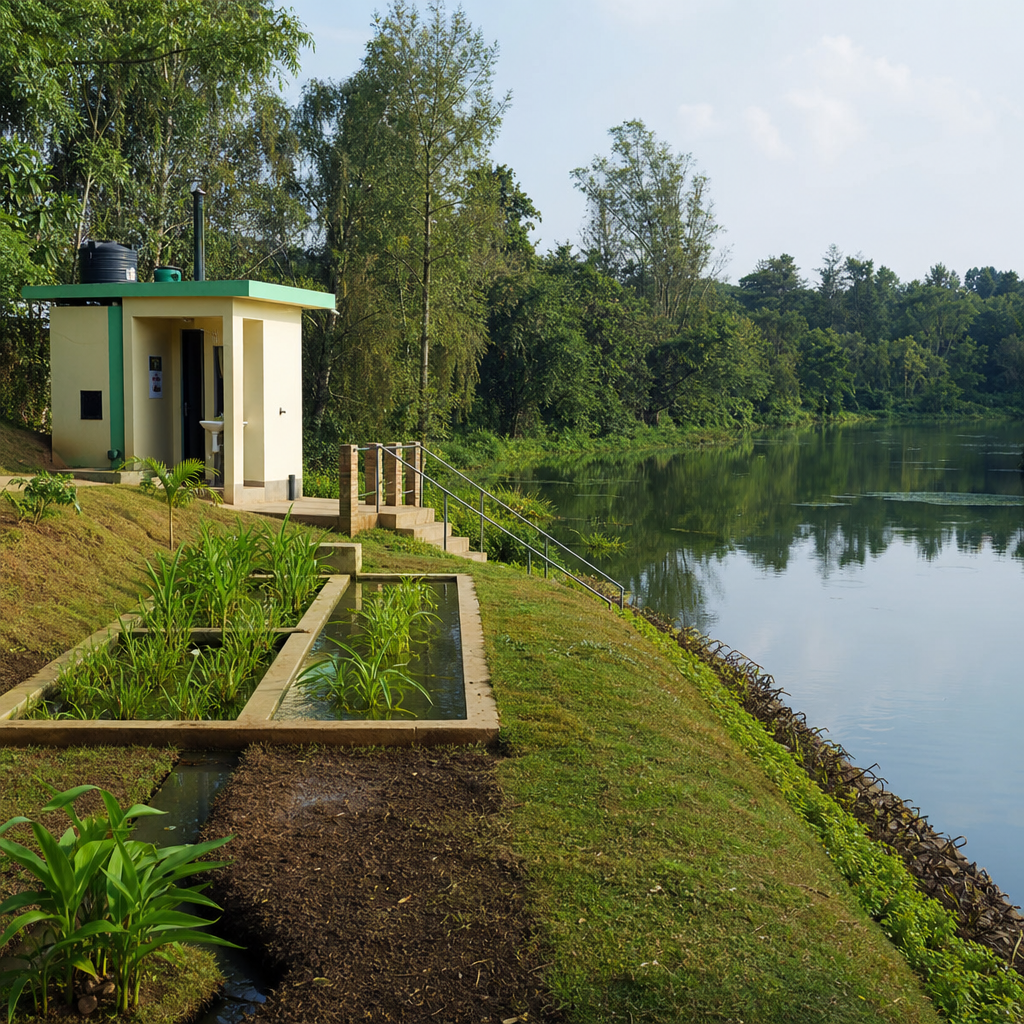
Water body rejuvenation through sustainable sanitation begins with a simple truth: rivers, lakes, ponds, wetlands, and coastal estuaries recover only when the waste entering them is reduced, treated, reused, or safely contained at every point in the sanitation chain. Sustainable sanitation means managing human waste, greywater, stormwater, septage, and treatment byproducts in ways that protect public health, conserve resources, and prevent pollution over the long term. In practice, that includes toilets people can and will use, sewers or onsite systems that function reliably, fecal sludge management, wastewater treatment, nutrient recovery, water reuse, and governance that keeps systems operating after construction crews leave.
I have worked on sanitation planning discussions where a lake restoration project focused first on dredging and shoreline beautification, only to stall because untreated sewage and leaking septic tanks kept feeding the same pollution load. That pattern is common. Water bodies fail not only because ecosystems are fragile, but because sanitation failures are cumulative and often invisible until algal blooms, fish kills, odor complaints, or contamination data force attention. Sustainable practices in sanitation matter because they address causes instead of symptoms. They reduce biochemical oxygen demand, suspended solids, pathogens, nitrogen, phosphorus, pharmaceuticals, and micro-pollutants before those pollutants reach receiving waters. They also cut greenhouse gas emissions, improve water security, and create opportunities to recover energy and nutrients. As a hub topic within environmental impact, sustainable sanitation connects urban planning, public health, climate resilience, watershed management, and circular economy principles into one operational framework that can restore water quality at scale.
Why sanitation determines the health of rivers, lakes, and aquifers
Water body rejuvenation depends on pollution load reduction. If sanitation systems fail, every rainfall event, pipe break, septic overflow, or open discharge turns into a pathway carrying contaminants into nearby drains and streams. Untreated sewage typically contains high concentrations of organic matter and pathogens such as E. coli, Salmonella, rotavirus, and helminth eggs. It also carries nitrogen and phosphorus, the nutrients most associated with eutrophication. When these enter lakes or slow-moving rivers, algae grow rapidly, dissolved oxygen drops, and aquatic life suffers. In groundwater-dependent communities, poorly designed pits and leaking tanks can move nitrate and microbes into wells, especially in high water table areas or fractured rock geology.
The direct answer to a common question is this: sanitation affects water bodies by controlling what leaves households, institutions, industries, and neighborhoods. Effective containment, conveyance, treatment, and reuse prevent contaminants from becoming diffuse environmental pollution. The World Health Organization sanitation safety planning approach and the broader framework of safely managed sanitation both emphasize barrier-based risk reduction across the full service chain. That chain matters. A toilet alone does not protect a river if the sludge is dumped into a canal. Likewise, a treatment plant does not protect a lake if only half the city is connected and storm inflow bypasses the process during monsoon peaks.
Rejuvenation is therefore not a single engineering intervention. It is a watershed outcome produced by sustained sanitation performance. The most successful programs combine source control, infrastructure upgrades, monitoring, enforcement, and behavior change. When those pieces align, water quality indicators improve measurably: fecal coliform counts fall, nutrient concentrations decline, benthic habitats recover, and communities regain confidence in local water bodies for recreation, irrigation, or biodiversity conservation.
Core sustainable sanitation practices across the full service chain
Sustainable practices in sanitation are best understood as linked decisions from toilet to treatment to final reuse or disposal. At household level, suitable containment options include sewer connections where networks and treatment capacity exist, septic systems designed to code, twin-pit pour-flush toilets, urine-diverting dry toilets, and container-based systems in dense informal settings where conventional infrastructure is not feasible. The correct technology depends on soil conditions, density, water availability, flood risk, affordability, and operation capacity. There is no universal best option; there is only the best fit for a specific context.
Collection and conveyance come next. Conventional gravity sewers can be effective but are expensive and vulnerable to infiltration, blockages, and poor maintenance. Simplified sewers, settled sewers, and decentralized wastewater collection can lower capital costs in dense settlements. For onsite systems, scheduled desludging and regulated transport are essential. In cities that ignore fecal sludge management, containment structures eventually fail, and illegal dumping undermines every downstream water restoration effort. I have seen municipalities invest in interceptor drains while leaving desludging entirely informal; within months, sludge reappeared in tributaries because transport and disposal had never been formalized.
Treatment options range from activated sludge and sequencing batch reactors to waste stabilization ponds, anaerobic baffled reactors, constructed wetlands, upflow anaerobic sludge blanket systems, and co-treatment of septage at sewage treatment plants. Sustainable selection depends on influent quality, land availability, power reliability, operator skill, and effluent objectives. Nature-based systems can perform exceptionally well for small towns when land is available and hydraulic loads are stable. Mechanized systems suit denser urban areas but require stronger asset management, laboratory testing, and energy planning. Sludge treatment, often neglected, should include thickening, drying, composting, digestion, or other stabilization pathways that make end products safer and more useful.
| Sanitation practice | Main water body benefit | Best-fit context | Key limitation to manage |
|---|---|---|---|
| Septic systems with scheduled desludging | Reduces raw sewage leakage to drains and groundwater | Peri-urban and low-density settlements | Needs design standards, emptying services, and disposal sites |
| Decentralized wastewater treatment | Cuts local nutrient and pathogen discharge near source | Institutions, clusters, satellite townships | Requires local operation and performance monitoring |
| Constructed wetlands | Polishes effluent and lowers suspended solids and nutrients | Small towns with available land | Needs pretreatment and hydraulic load control |
| Fecal sludge treatment plants | Prevents illegal dumping from onsite sanitation systems | Cities with high septic or pit toilet dependence | Fails without licensed transport and scheduled desludging |
| Water reuse and nutrient recovery | Reduces freshwater abstraction and closes resource loops | Agriculture, industry, landscaping | Needs quality standards, market demand, and risk controls |
How sustainable sanitation directly rejuvenates polluted water bodies
Water body rejuvenation is often discussed in ecological terms, but the fastest gains usually come from sanitation interventions that reduce incoming loads. First, sustainable sanitation lowers organic pollution. When untreated wastewater is intercepted and treated, biochemical oxygen demand and chemical oxygen demand drop, which helps restore dissolved oxygen levels needed by fish and invertebrates. Second, it reduces nutrient loading. Biological nutrient removal, polishing wetlands, and source segregation of urine or blackwater can significantly cut nitrogen and phosphorus entering lakes and reservoirs. Third, it reduces pathogen contamination, making downstream water safer for farmers, children, and communities using the water for nonpotable purposes.
Consider urban lakes that receive mixed inflows from storm drains and household wastewater. If a city maps outfalls, seals cross-connections, installs decentralized treatment at key inlets, and enforces desludging around the catchment, the lake often shows visible improvement within one to three seasons. Water clarity increases, odor decreases, and surface scum events become less frequent. In larger river basins, recovery is slower because legacy sediments and upstream loads continue, but sanitation remains the foundation. No riverfront redevelopment, floating aerator, or desilting campaign can compensate for constant sewage discharge.
There is also a hydrological benefit. Water reuse for irrigation, landscaping, industrial cooling, or groundwater recharge can reduce stress on freshwater sources, especially in water-scarce regions. That matters because depleted environmental flows worsen pollution concentration in rivers. By reusing treated wastewater safely, utilities can preserve more freshwater in the system, support base flows, and reduce competition among urban, agricultural, and ecological needs. Rejuvenation is not only about cleaning polluted water; it is also about restoring a workable balance between abstraction, return flows, and ecosystem resilience.
Technology pathways: centralized, decentralized, onsite, and nature-based systems
The best sanitation strategy for environmental impact is usually a portfolio, not a single network design. Centralized sewerage and treatment plants are appropriate where density is high and institutions can fund long-term operation. They allow economies of scale, advanced treatment, and easier discharge control, but they demand high capital investment, pumping energy, and disciplined maintenance. Combined sewers can create overflow risks during storms, while separate systems require careful enforcement to prevent illegal wastewater connections into rain drains.
Decentralized systems are increasingly important for water body rejuvenation because they treat wastewater close to where it is generated. Apartment clusters, schools, hospitals, industrial estates, and peri-urban settlements can use packaged plants, anaerobic reactors, membrane bioreactors, or constructed wetlands to prevent discharge into local streams. These systems shorten conveyance distances and can be phased more quickly than trunk sewer projects. Their weakness is governance: many fail not because of process design but because no one budgets for trained operators, spare parts, sludge removal, or compliance testing.
Onsite sanitation remains the dominant reality for much of the world. Properly designed septic tanks, soak pits where hydrogeologically safe, twin pits, and lined containment structures can protect water bodies if the surrounding service ecosystem exists. That means approved designs, installation oversight, scheduled emptying, treatment capacity for collected sludge, and legal penalties for dumping. In flood-prone areas, sealed tanks and raised installations may be necessary. In dense settlements with narrow lanes, container-based sanitation or shared facilities linked to regular collection can outperform poorly built pits that overflow into drains.
Nature-based systems deserve specific attention because they align strongly with the goal of water body rejuvenation. Waste stabilization ponds, reed beds, and constructed wetlands mimic natural treatment processes, often with lower energy use and simpler operation. They are not maintenance-free, and they need proper pretreatment, desludging, vector control, and hydraulic design. Yet when sized correctly, they provide robust pathogen reduction and effluent polishing while adding habitat value. For towns with land and moderate flows, they are often the most durable environmental choice.
Governance, finance, and monitoring: why projects fail or succeed
Most sanitation-related water restoration failures are institutional before they are technical. A city may build treatment capacity yet leave household connections incomplete, utility tariffs unrealistically low, and sludge transport unregulated. Another may install decentralized plants in parks and public buildings with no maintenance contracts or laboratory oversight. Sustainable sanitation succeeds when responsibilities are explicit across planning, capital delivery, operations, monitoring, and enforcement. Utilities, municipal engineering departments, environmental regulators, public health offices, and private service providers each need defined roles.
Financing must cover lifecycle costs, not only construction. Capital expenditure without operations funding is a common reason effluent quality deteriorates after inauguration. Budgeting should include electricity, chemicals where relevant, operator salaries, desludging, instrument calibration, lab testing, emergency repairs, and eventual rehabilitation. Blended finance models can help, but tariffs and taxes still need political support. Polluter-pays principles, discharge fees, and targeted subsidies for low-income households can align equity with environmental performance.
Monitoring is where credibility is won. Useful indicators include influent and effluent biochemical oxygen demand, total suspended solids, ammonia, nitrate, phosphate, fecal indicator bacteria, sludge volumes removed, plant uptime, connection rates, and receiving-water quality upstream and downstream of discharge points. Digital tools such as GIS asset mapping, SCADA for larger plants, and scheduled desludging platforms improve oversight, but only when data triggers action. In successful programs, water quality dashboards are paired with field inspections, catchment mapping, and enforcement against illegal connections and dumping.
Building a practical hub strategy for sustainable practices in sanitation
As a hub topic, sustainable practices in sanitation should guide readers from broad understanding to implementation choices. The most useful structure follows the sanitation chain and the environmental outcomes linked to each stage. Start with sanitation system types, then move into fecal sludge management, wastewater treatment technologies, nutrient recovery, water reuse, stormwater and sewer interaction, policy and regulation, financing models, and monitoring methods. Supporting articles can go deeper into septic tank standards, constructed wetland design, reuse safety, pathogen risk management, or urban lake restoration case studies.
For organizations, the first practical step is a source-to-receiver assessment. Map who generates wastewater, how it is contained, where it is transported, what treatment exists, what bypasses occur, and which water bodies receive the load. Then prioritize interventions by environmental risk and service gap. In many towns, the highest-impact move is not a new trunk sewer but a fecal sludge treatment plant plus licensed desludging and enforcement. In others, intercepting direct outfalls into a lake and adding decentralized treatment at inflow points yields faster gains. Context decides.
The central lesson is consistent across regions: water body rejuvenation through sustainable sanitation works when sanitation is treated as a continuous public service rather than a one-time infrastructure project. If you are shaping an environmental impact strategy, begin with the sanitation chain, identify the leaks, and invest where pollution can be stopped before it reaches the water. That is the most reliable path to cleaner rivers, healthier lakes, safer groundwater, and resilient communities.
Frequently Asked Questions
1. What does water body rejuvenation through sustainable sanitation actually mean?
Water body rejuvenation through sustainable sanitation means restoring the health of rivers, lakes, ponds, wetlands, and estuaries by preventing pollution across the entire sanitation chain. Instead of focusing only on cleaning a polluted water body after the damage is visible, this approach tackles the sources of contamination before they enter the environment. That includes safe toilet access, effective sewerage or non-sewered sanitation systems, collection and treatment of fecal sludge and septage, management of greywater from homes and businesses, stormwater control, and safe handling or reuse of treatment byproducts.
The idea is straightforward: a lake cannot recover if untreated sewage, leaking septic waste, polluted runoff, and poorly managed sludge continue flowing into it every day. Sustainable sanitation reduces those inputs at every stage. It protects public health by lowering pathogen exposure, reduces nutrient loading that causes algal blooms, limits organic pollution that depletes oxygen, and prevents solid waste and sludge from degrading aquatic ecosystems. At the same time, it supports long-term resource efficiency through water reuse, nutrient recovery, energy generation, and climate-resilient infrastructure. In short, rejuvenation is not just desilting, beautification, or occasional cleanup; it is a systems-based strategy to stop pollution at the source and create lasting ecological recovery.
2. Why is sanitation considered so important for restoring polluted rivers, lakes, and wetlands?
Sanitation is central to water body restoration because untreated or poorly managed waste is one of the most direct and persistent causes of water pollution. When human waste, greywater, and septage are discharged into drains, open land, or waterways, they carry pathogens, nutrients such as nitrogen and phosphorus, suspended solids, detergents, grease, pharmaceuticals, and other contaminants. These pollutants can trigger eutrophication, foul odors, fish kills, weed overgrowth, groundwater contamination, and serious disease risks for nearby communities.
Many restoration efforts fail because they focus on symptoms rather than sources. A riverfront may be improved, or a pond may be dredged, but if upstream settlements still release untreated wastewater, the pollution simply returns. Sustainable sanitation breaks that cycle. It ensures that wastewater is collected or contained, transported safely, treated appropriately, and either reused productively or disposed of without harming ecosystems. This is especially important in places where centralized sewer networks do not fully exist. On-site systems such as septic tanks, twin pits, biodigesters, and decentralized treatment units can play a major role, but only if they are properly designed, regularly emptied, and linked to safe fecal sludge treatment.
Wetlands and urban water bodies are particularly vulnerable because they often become the receiving points for mixed waste streams. By improving sanitation, communities can significantly reduce microbial contamination, restore dissolved oxygen levels, improve water clarity, support biodiversity, and make these water bodies safer for agriculture, fisheries, recreation, and cultural use. That is why sanitation is not a side issue in rejuvenation work; it is one of the foundations of lasting success.
3. What are the main components of a sustainable sanitation system that helps rejuvenate water bodies?
A sustainable sanitation system includes several interconnected components, and each one matters if the goal is to protect nearby water bodies. The first component is safe containment at the point of generation. This means households, institutions, commercial establishments, and public spaces need sanitation systems that prevent raw waste from leaking into soil, drains, and streams. Depending on the local context, that may involve toilets connected to sewers, properly engineered septic tanks, twin-pit systems, or other on-site solutions.
The second component is reliable collection and conveyance. In sewered areas, networks and pumping stations must function effectively without overflows. In non-sewered areas, fecal sludge and septage must be emptied by trained service providers using safe equipment and transported to approved treatment sites. The third component is treatment. Wastewater, greywater, and fecal sludge require treatment methods suited to local scale, land availability, energy access, climate, and budget. This can range from conventional sewage treatment plants to decentralized wastewater treatment systems, planted gravel filters, waste stabilization ponds, co-treatment at existing plants, and dedicated fecal sludge treatment facilities.
The fourth component is reuse or safe disposal. Treated water may be reused for landscaping, agriculture, industrial processes, or groundwater recharge where regulations allow. Stabilized sludge and biosolids may be processed into compost, soil conditioners, or fuel products if quality and safety standards are met. The fifth component is stormwater and runoff management, because even a good sanitation system can be undermined if drains carry fecal matter, solid waste, and contaminated runoff directly into water bodies during rainfall. Green infrastructure, silt traps, retention ponds, and separate drainage planning all help reduce that risk.
Finally, governance, financing, monitoring, and community behavior are essential. Sustainable sanitation is not just hardware. It depends on operation and maintenance, desludging schedules, pollution monitoring, enforcement against illegal discharge, affordability for users, and public participation. When these components work together, they reduce pollutant loads consistently and create the conditions under which water bodies can genuinely recover.
4. How do greywater, septage, and stormwater affect water body rejuvenation efforts?
Greywater, septage, and stormwater are often underestimated, yet they can have a major influence on whether water body rejuvenation succeeds or fails. Greywater comes from kitchens, bathrooms, and washing areas. Although it does not contain as much fecal matter as toilet waste, it can still carry detergents, oils, food particles, chemicals, and organic matter. When discharged untreated into open drains or directly into ponds and streams, greywater increases pollution loads, creates stagnant conditions, and contributes to nutrient enrichment and odor problems.
Septage is the liquid and solid material removed from septic tanks and other on-site sanitation systems. If this waste is not emptied regularly, tanks may overflow or leak into nearby land and drains. If it is emptied unsafely and dumped into canals, low-lying land, or surface water, it can cause severe contamination very quickly. In many rapidly growing towns and peri-urban areas, poor septage management is one of the biggest hidden barriers to cleaner water bodies because the sanitation system appears to exist, but the waste is not being safely treated after collection.
Stormwater adds another layer of complexity. During rainfall, runoff can pick up fecal contamination from open defecation areas, overflowing drains, animal waste, litter, sediments, and industrial residues, then transport them into lakes, rivers, and wetlands. In places where stormwater drains are mixed with sewage flows, heavy rains can overwhelm infrastructure and lead to direct discharge of untreated wastewater. This is why rejuvenation plans increasingly include catchment-level drainage improvements, nature-based solutions, and source control measures alongside sanitation upgrades.
Addressing these three waste streams together is crucial. Managing only blackwater from toilets is not enough. Effective rejuvenation requires a complete strategy that includes household wastewater handling, scheduled desludging and treatment of septage, and stormwater systems designed to minimize contamination and erosion. When these streams are controlled, water bodies receive far fewer pollutants and have a much better chance of long-term ecological recovery.
5. What practical actions can cities, towns, and communities take to support water body rejuvenation through sustainable sanitation?
Cities, towns, and communities can take a number of practical, high-impact steps to link sanitation improvements directly to healthier water bodies. A strong starting point is mapping pollution sources. Local authorities need to identify where sewage leaks, where drains discharge into water bodies, which neighborhoods rely on septic systems, where desludging services are weak, and how stormwater moves through the catchment. Without this baseline, restoration efforts often miss the largest contamination pathways.
The next step is to improve service delivery across both sewered and non-sewered areas. That may include expanding toilets and household connections, repairing broken sewers, intercepting drains before they reach rivers or lakes, introducing decentralized treatment in unserved zones, and setting up scheduled desludging programs for septic tanks. Establishing or upgrading fecal sludge and septage treatment facilities is especially important in areas where most households are not connected to centralized sewerage. Communities can also promote simple greywater solutions, such as soak pits, kitchen garden reuse where safe, or neighborhood-scale treatment units, depending on local conditions.
Protecting the water body itself is equally important. Buffer zones, wetland restoration, inlet screening, constructed wetlands, desilting where necessary, and shoreline vegetation can all support recovery, but they should complement pollution prevention rather than replace it. Public awareness also matters. Residents need to understand that blocked drains, illegal connections, unsafe septic tanks, and direct dumping all affect the health of shared water resources. Businesses, institutions, and housing developments should be held to clear wastewater standards and monitored consistently.
Long-term success usually depends on coordinated governance. Urban local bodies, water utilities, sanitation departments, pollution control agencies, and community groups need shared targets and regular monitoring of water quality, service coverage, sludge treatment, and discharge compliance. Financial planning is also essential, including user fees, municipal budgets, public-private partnerships, and incentives for reuse and resource recovery. When local action combines infrastructure, operations, regulation, and public participation, water body rejuvenation becomes much more than a one-time project; it becomes an achievable and sustainable outcome