EcoSan, short for ecological sanitation, is a sanitation approach that treats human waste as a resource to be safely managed, recovered, and returned to productive use, and it has become increasingly important in efforts to protect endangered species. Unlike conventional systems that rely on water-intensive flushing and centralized sewage treatment, EcoSan prioritizes nutrient recovery, pathogen control, minimal water use, and local treatment methods such as urine diversion, composting toilets, and dehydrating toilets. I have worked on sanitation planning discussions where the environmental question was not only how to reduce disease, but how to prevent latrines, septic leakage, and wastewater discharge from degrading wetlands, forests, reefs, and rivers that support vulnerable wildlife. That connection is direct: poor sanitation contaminates habitats, fuels eutrophication, accelerates freshwater extraction, and pushes human activity deeper into ecologically sensitive areas.
Understanding sustainable practices in sanitation matters because biodiversity loss is no longer an abstract conservation issue. According to the Intergovernmental Science-Policy Platform on Biodiversity and Ecosystem Services, land-use change, pollution, climate change, invasive species, and overexploitation are the main drivers of species decline, and sanitation intersects with several of them at once. When untreated wastewater enters streams, nitrogen and phosphorus loads can trigger algal blooms that reduce oxygen and kill fish, amphibians, and invertebrates. When communities lack safe toilets, open defecation and poorly placed pits can contaminate soil and groundwater, affecting both people and wildlife. When sanitation depends on large volumes of water, rivers and aquifers are further stressed in regions where endangered species already compete with agriculture and urban demand. EcoSan offers a practical framework for reducing those pressures while improving public health, food security, and resilience.
As a hub within the broader environmental impact topic, this article explains how sustainable sanitation works, why it supports endangered species preservation, what technologies and management systems are most effective, and where the limits and tradeoffs lie. It also frames the supporting subtopics that organizations, planners, and communities usually explore next: nutrient recovery, fecal sludge management, water conservation, decentralized wastewater treatment, habitat protection, and climate adaptation. The key point is simple. Sanitation infrastructure is never environmentally neutral. It either contributes to habitat degradation, or it is designed to reduce pollution and restore ecological balance. EcoSan belongs in the second category when it is planned, monitored, and adapted to local ecological conditions.
How EcoSan Reduces Pollution in Critical Habitats
The most immediate way EcoSan helps preserve endangered species is by reducing the release of untreated or poorly treated waste into ecosystems. Conventional on-site sanitation often fails when pits flood, septic tanks leak, or sludge is dumped without treatment. In low-lying coastal zones, that pollution reaches mangroves, estuaries, seagrass beds, and coral reefs, all habitats that support threatened fish, turtles, birds, and marine mammals. In inland landscapes, nutrient-rich runoff from sanitation systems enters lakes, marshes, and rivers where endangered amphibians, freshwater mussels, and aquatic plants are highly sensitive to chemical imbalance.
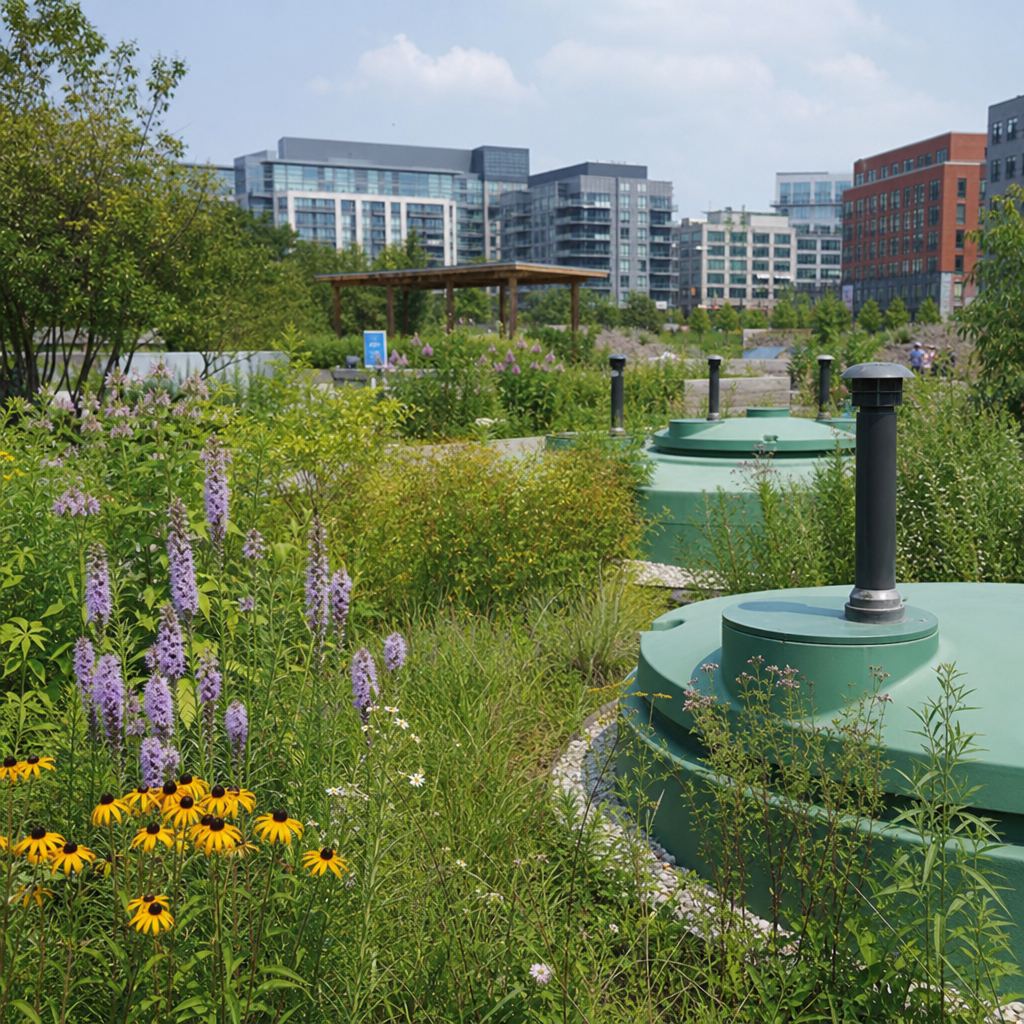
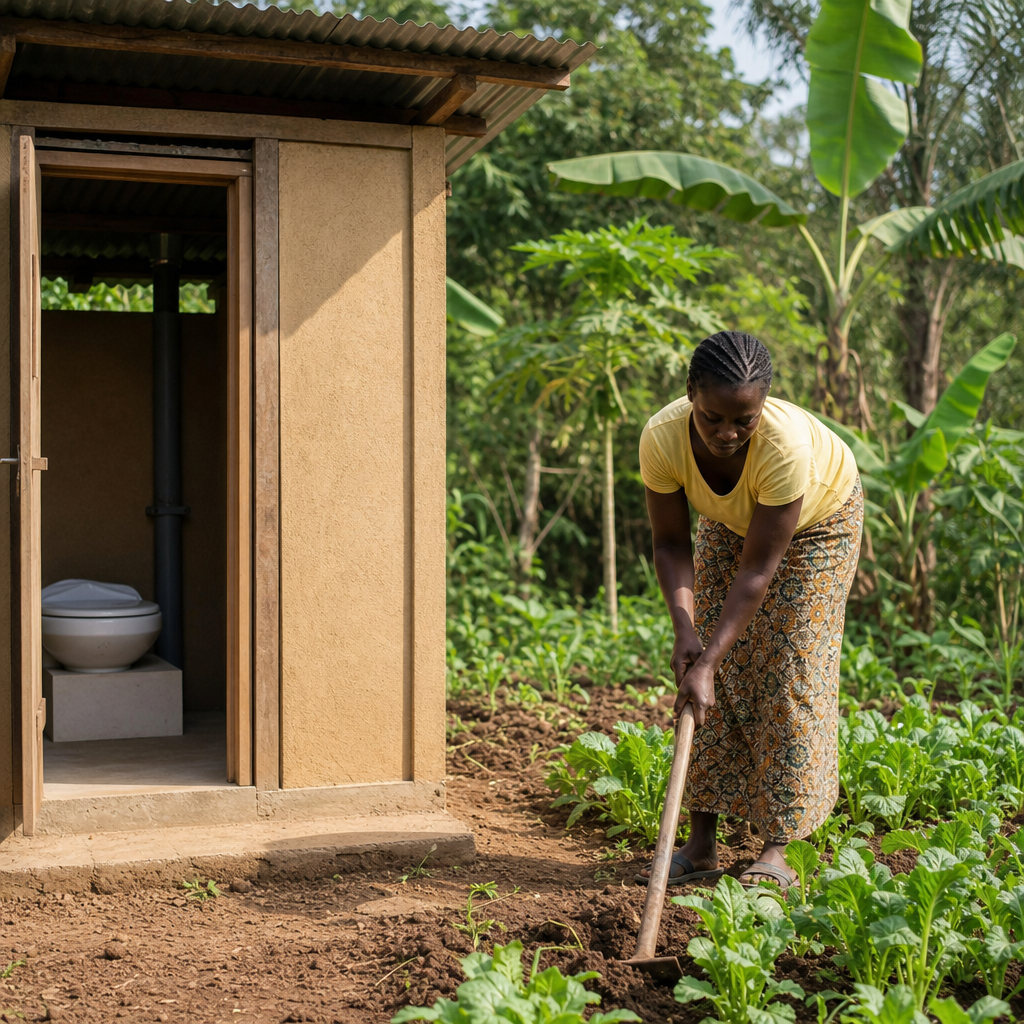
EcoSan systems interrupt this pathway by separating waste streams, containing pathogens, and enabling controlled reuse. Urine-diverting dry toilets, for example, keep urine and feces apart, which improves dehydration and reduces odors while preserving nutrients for later treatment and agricultural use. Composting toilets transform organic matter through managed aerobic decomposition, lowering pathogen levels when temperature, moisture, retention time, and carbon balance are properly controlled. Container-based sanitation can also be part of an ecological sanitation strategy when collection, transport, and treatment are structured to prevent discharge into the environment.
Real-world conservation relevance is easy to see. Excess nutrients are a major cause of freshwater eutrophication, and eutrophication changes habitat structure. Clear water turns turbid, oxygen falls, sensitive species decline, and tolerant species dominate. For endangered species, that shift can be catastrophic because many already occupy narrow ecological niches. The whooping crane depends on wetland food webs, many rare mussels depend on clean flowing water, and several salamander species require cold, oxygen-rich streams. Better sanitation does not solve every threat those species face, but it directly addresses a controllable pollution source.
Water Conservation and Ecosystem Flow Protection
Water-saving sanitation is one of EcoSan’s strongest environmental advantages. Flush toilets can use several liters per flush, and although efficient models have reduced consumption, the cumulative demand remains significant across cities, resorts, schools, and institutions. In water-stressed basins, every extra unit of human demand can reduce environmental flows needed to sustain riparian vegetation, fish spawning grounds, floodplain wetlands, and seasonal pools used by migratory birds. I have seen project teams focus narrowly on household convenience while overlooking the fact that the river supplying those homes also supports downstream biodiversity.
Dry and low-water sanitation technologies reduce this pressure. Urine-diverting dry toilets typically use little or no water. Vacuum systems can lower water use sharply compared with gravity flush systems. Decentralized graywater reuse reduces freshwater withdrawals for irrigation or landscaping, allowing higher-quality water resources to remain in rivers and aquifers. This matters most in arid and semi-arid regions, where endangered species often survive in fragmented habitats tied to springs, wetlands, or seasonal waterways. A small reduction in extraction can protect temperature, dissolved oxygen, and habitat connectivity.
Water conservation in sanitation also reduces the energy and chemical burden associated with pumping, treatment, and wastewater conveyance. That lowers the broader ecological footprint of infrastructure. Less pumping means lower electricity demand, which can matter in regions where power generation still depends on fossil fuels or hydropower systems that alter river ecology. Sustainable sanitation therefore supports species preservation both directly, through lower water withdrawal, and indirectly, through reduced system-wide environmental strain.
Nutrient Recovery, Soil Health, and Reduced Pressure on Wild Landscapes
A defining principle of EcoSan is nutrient recovery. Human excreta contains nitrogen, phosphorus, potassium, and micronutrients that are usually treated as waste in conventional systems. When recovered safely, these nutrients can replace part of the synthetic fertilizer demand in agriculture, forestry, landscaping, or land restoration. This is not a fringe idea. The Stockholm Environment Institute, the World Health Organization, and the International Organization for Standardization have all contributed to the body of guidance and technical standards that support safe reuse under controlled conditions.
Why does this matter for endangered species? Because fertilizer production and intensive agriculture carry biodiversity costs. Nitrogen fertilizer manufacturing is energy intensive, phosphate mining disturbs land, and overapplication causes runoff that damages habitats. If sanitation systems recover nutrients locally and apply them according to agronomic need, they can lower dependence on extractive supply chains and reduce nutrient pollution. In practical terms, that can mean healthier soils on already cultivated land, which reduces the incentive to clear adjacent habitat for new production.
There is also a restoration angle. Degraded buffer zones around wetlands and rivers often need organic matter and nutrients to support revegetation. Treated compost from ecological sanitation, when verified for pathogen reduction and contaminant control, can contribute to soil rebuilding in non-food applications. The environmental logic is circular: recover nutrients from waste, strengthen soils, improve plant cover, reduce erosion, and protect aquatic habitats from sediment and runoff. Species benefit when landscapes become more stable and less polluted.
| EcoSan practice | Primary environmental benefit | Wildlife relevance |
|---|---|---|
| Urine diversion | Reduces nutrient discharge to waterways | Lowers eutrophication risk in wetlands and rivers |
| Composting toilets | Contains waste and enables controlled organic recycling | Reduces pathogen and runoff exposure near sensitive habitats |
| Fecal sludge treatment | Prevents dumping and groundwater contamination | Protects aquatic species and riparian food webs |
| Graywater reuse | Cuts freshwater withdrawals | Helps maintain environmental flows for endangered species |
| Nutrient recovery | Offsets synthetic fertilizer use | Reduces mining, runoff, and pressure to expand farmland |
Decentralized Sanitation for Rural, Coastal, and Protected Areas
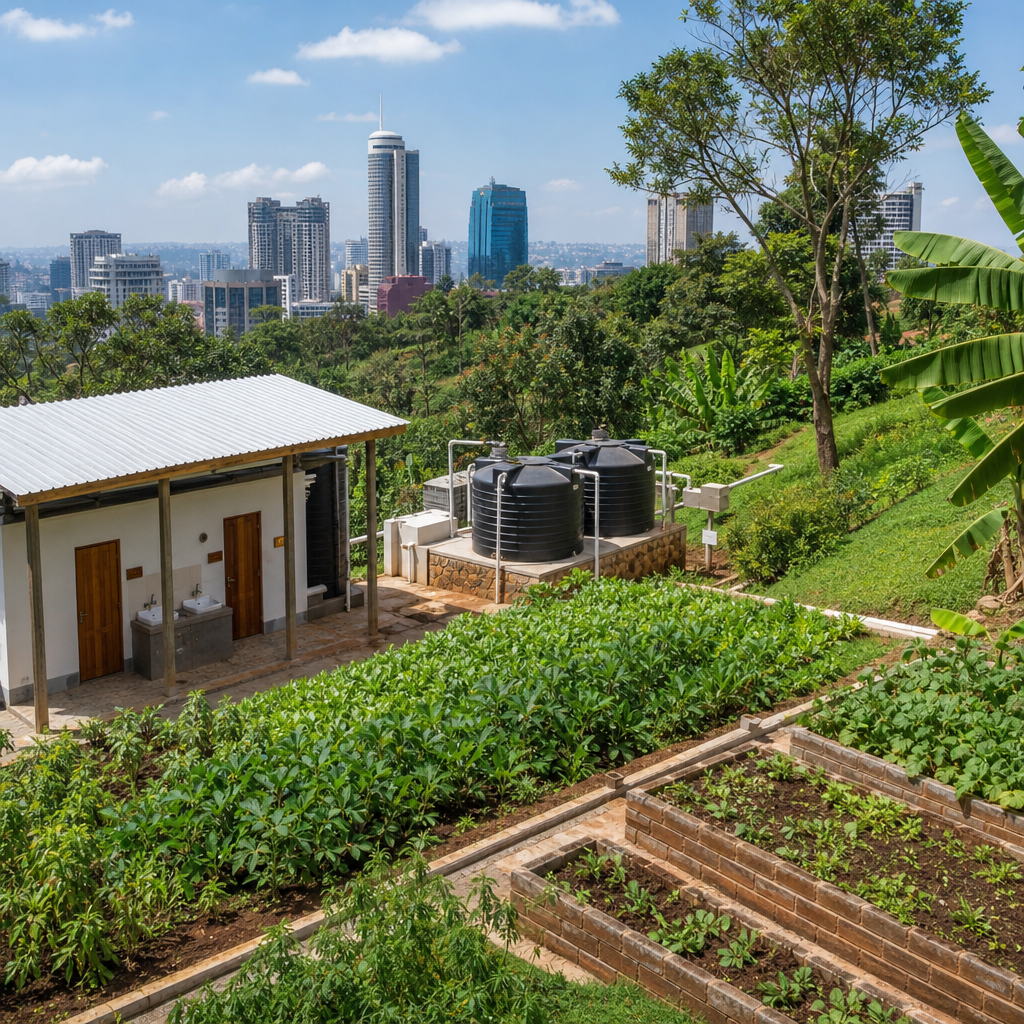
Many biodiversity hotspots are in places where centralized sewer networks are impractical, too expensive, or ecologically disruptive to build. Mountain communities, island settlements, forest-edge villages, safari camps, and protected-area visitor sites often need decentralized sanitation that matches local terrain and hydrology. EcoSan is well suited to these contexts because it can be modular, low-water, and adaptable. Instead of transporting waste long distances through vulnerable environments, decentralized systems treat or stabilize material near the source under controlled conditions.
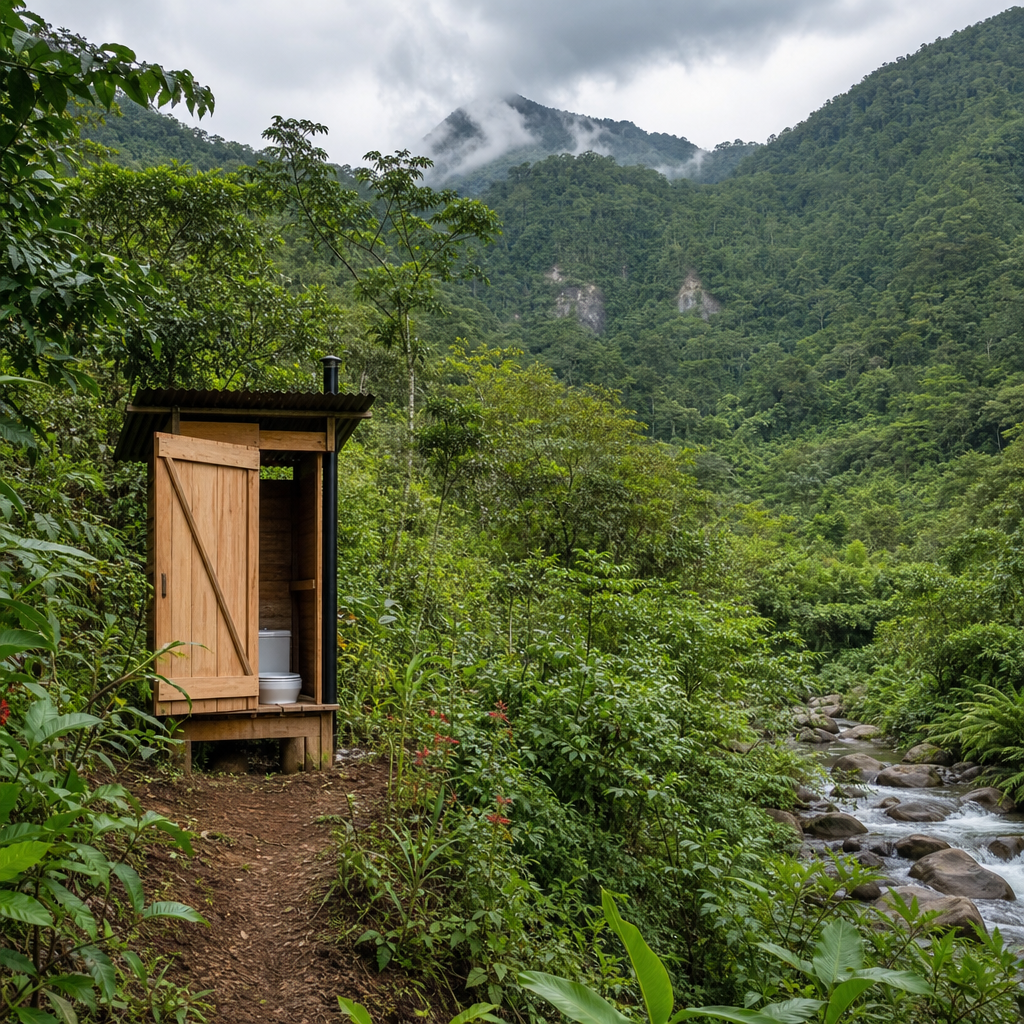
Protected areas offer a clear example. Tourism infrastructure inside or adjacent to reserves can create sanitation risks if toilets, septic tanks, or wastewater lagoons are poorly designed. I have seen cases where visitor growth outpaced waste management capacity, causing leakage into streams that also served as wildlife corridors. Dry toilets, container-based systems with off-site treatment, and compact decentralized treatment units can reduce that burden. For camps near gorilla habitat, turtle nesting beaches, alpine meadows, or desert springs, the advantage is not merely operational; it is ecological risk reduction.
Coastal zones are another priority. In areas with high water tables or saline intrusion, pit latrines and failing septic systems can contaminate shallow groundwater and nearshore ecosystems. EcoSan approaches that avoid infiltration into saturated soils are often more protective. This is particularly important for endangered species tied to coastal nurseries and reef systems, where even moderate nutrient and pathogen loading can shift ecological balances. Site-specific design remains essential. Soil permeability, flood risk, groundwater depth, maintenance capacity, and user acceptance all determine whether a system truly qualifies as sustainable.
Public Health, Wildlife Health, and One Shared Sanitation System
Human health and endangered species conservation are frequently treated as separate policy domains, but sanitation shows how closely they overlap. Pathogens from unmanaged human waste can move through water, soil, insects, and animals. In some settings, contamination increases disease exposure for domestic animals and wildlife, especially where habitat fragmentation brings species into closer contact with settlements. Ecological sanitation reduces those pathways by improving containment, treatment, and safe handling.
This matters in landscapes where conservation depends on community support. People are more likely to protect nearby habitats when sanitation systems improve daily life, reduce diarrhea and parasitic infections, and create usable by-products such as compost or recovered nutrients. Conservation strategies fail when they ignore household realities. Sustainable sanitation gives local communities a direct benefit while also reducing environmental damage that would otherwise affect wildlife populations.
There is also a surveillance and management benefit. Decentralized sanitation systems force closer attention to waste flows, maintenance routines, and treatment outcomes. That discipline helps identify failures before they become environmental incidents. Regular inspection of dehydration vaults, compost chambers, sludge drying beds, and effluent quality is not glamorous work, but it is exactly what prevents habitat contamination. In my experience, the projects that succeed are the ones that treat operations and maintenance as core conservation infrastructure, not as an afterthought.
Limits, Tradeoffs, and What Good EcoSan Planning Requires
EcoSan is not automatically sustainable, and claiming otherwise would be inaccurate. Poorly managed composting toilets can fail to achieve pathogen reduction. Urine reuse can create risks if storage and application guidelines are ignored. Some dry systems face user resistance where water-based sanitation is strongly associated with dignity or modernity. In dense urban settings, collection logistics can be complex, and in flood-prone zones, even decentralized infrastructure needs robust containment and contingency planning. Sustainable sanitation depends on design quality, behavior, financing, training, and monitoring.
Good planning starts with the sanitation service chain: capture, storage, emptying, transport, treatment, reuse, or disposal. Every link must be defined. Standards matter. WHO guidelines on sanitation safety planning, ISO 30500 for non-sewered sanitation systems, and fecal sludge management frameworks from organizations such as the Bill & Melinda Gates Foundation and Eawag provide practical benchmarks. Environmental assessment should also include groundwater vulnerability, proximity to critical habitats, climate resilience, and nutrient balance. If a toilet system saves water but leads to unsafe sludge dumping, it has failed ecologically.
The most effective programs combine engineering with governance. Communities need user training, clear maintenance responsibilities, tariff structures or funding support, and institutional oversight. Conservation agencies, municipalities, utilities, schools, and tourism operators all have a role. As a hub topic within environmental impact, sustainable practices in sanitation connect to wastewater treatment, circular economy design, watershed management, climate adaptation, and habitat restoration. The central lesson is that endangered species preservation is not only about protected areas and anti-poaching measures. It is also about the ordinary infrastructure decisions that determine whether ecosystems receive clean water, manageable nutrient loads, and enough ecological space to function.
EcoSan and the preservation of endangered species are linked through one practical idea: safer sanitation creates healthier ecosystems. By reducing wastewater pollution, conserving water, recovering nutrients, and enabling decentralized treatment in sensitive landscapes, ecological sanitation addresses several drivers of biodiversity decline at the same time. It protects rivers, wetlands, coasts, and groundwater while also delivering public health benefits that communities can see immediately. That combination is why sustainable practices in sanitation deserve a central place in any serious environmental impact strategy.
The strongest takeaway is not that one toilet technology will save wildlife. It is that sanitation systems shape habitat quality. When waste is mismanaged, endangered species bear part of the cost through eutrophication, contamination, water stress, and degraded food webs. When sanitation is designed around containment, treatment, reuse, and local ecological limits, those pressures can be reduced substantially. The best results come from matching technology to context, following recognized standards, and funding long-term operations instead of focusing only on installation.
If you are building an environmental program, planning infrastructure, or evaluating conservation risks, put sustainable sanitation near the top of the agenda. Review current systems, identify pollution pathways, and prioritize EcoSan options that fit local hydrology, culture, and management capacity. Protecting endangered species starts with protecting the ecosystems they depend on, and sanitation is one of the most overlooked ways to do it well.
Frequently Asked Questions
1. What is EcoSan, and how does it help preserve endangered species?
EcoSan, or ecological sanitation, is a sanitation approach that treats human waste not as something to be discarded, but as a resource that can be safely contained, treated, and returned to productive use. Instead of depending on water-heavy toilets and long sewer networks, EcoSan systems often use methods such as urine diversion, composting toilets, dehydration, and localized treatment to recover nutrients, reduce pathogens, and minimize pollution. This matters for endangered species because conventional sanitation failures often contaminate rivers, wetlands, coastal waters, and forests with excess nutrients, disease-causing organisms, and chemical residues. Those pollutants can degrade habitats that rare plants and animals depend on for survival.
By reducing untreated sewage discharge and lowering pressure on freshwater supplies, EcoSan supports healthier ecosystems. Cleaner waterways improve breeding conditions for fish, amphibians, reptiles, and aquatic mammals. Reduced nutrient runoff helps prevent algal blooms that can deplete oxygen and destroy sensitive habitats. In terrestrial environments, better waste management can also reduce the contamination of soils used by insects, birds, and mammals. In short, EcoSan contributes to biodiversity conservation by addressing one of the most basic but overlooked drivers of habitat decline: poorly managed human waste.
2. Why is conventional sanitation a threat to wildlife and sensitive habitats?
Conventional sanitation systems can create serious environmental risks when infrastructure is incomplete, overloaded, poorly maintained, or simply unavailable. Flush toilets require substantial volumes of water, and centralized sewage systems depend on costly treatment plants and extensive pipe networks. In many regions near protected areas, rural settlements, coastal communities, and rapidly growing towns, these systems do not consistently capture and treat waste before it reaches the environment. As a result, sewage can leak into streams, groundwater, marshes, estuaries, and nearshore marine ecosystems, all of which may be critical habitat for endangered species.
The ecological consequences can be severe. Nutrient pollution from nitrogen and phosphorus can trigger eutrophication, leading to algal blooms and oxygen depletion that harm fish and aquatic invertebrates. Pathogens in untreated waste may affect wildlife directly or indirectly through contaminated water sources. Pharmaceutical residues and household chemicals carried through sewage can further stress fragile ecosystems. Conventional systems also consume large amounts of clean water, which can worsen water scarcity in landscapes where endangered species already compete with human communities for limited freshwater. EcoSan offers an alternative by reducing water use, improving local containment and treatment, and preventing waste from becoming a widespread ecological pollutant.
3. How do EcoSan systems like urine-diverting and composting toilets reduce environmental damage?
EcoSan systems are designed to separate, contain, and treat waste at or near its source, which dramatically reduces the chance that pollutants will spread into surrounding ecosystems. Urine-diverting toilets keep urine and feces separate, making treatment easier and allowing valuable nutrients to be recovered more safely. Because urine contains much of the nitrogen and phosphorus in household waste, separating it helps prevent those nutrients from entering waterways where they could fuel harmful algal growth. Composting and dehydration-based toilets, meanwhile, reduce moisture, improve pathogen die-off, and turn fecal matter into a more stable material that can be handled under controlled conditions.
These systems are especially useful in ecologically sensitive areas where conventional sewer construction would be disruptive, impractical, or too expensive. They can be installed in buffer zones near wildlife reserves, in remote communities, on islands, in mountainous terrain, and in drought-prone regions without requiring extensive excavation or large treatment plants. Their low-water or no-water design also reduces pressure on local aquifers, springs, and rivers that support endangered species. When properly managed, EcoSan systems can create a closed-loop sanitation model that protects habitats, conserves water, and lowers the overall environmental footprint of human settlement.
4. Can EcoSan support conservation goals while also benefiting local communities?
Yes, and that dual benefit is one of the strongest arguments for EcoSan. Conservation efforts are often most successful when they improve daily life for people living near fragile ecosystems. EcoSan can help communities gain access to safer sanitation, reduce disease exposure, conserve water, and in some cases recover nutrients for agriculture or tree planting. That means households and villages may see practical value in sanitation improvements, rather than viewing them only as environmental requirements imposed from outside. When communities benefit directly, they are often more willing and able to participate in habitat protection and long-term stewardship.
From a conservation perspective, this community-centered model can reduce some of the human pressures that threaten endangered species. Healthier sanitation lowers contamination of shared water sources used by both people and wildlife. Nutrient recovery can improve soil productivity, potentially reducing pressure to expand farming into forests, wetlands, or other biodiverse areas. Localized treatment also creates resilience in places where centralized infrastructure may be unreliable or unaffordable. In this way, EcoSan can serve as a bridge between public health, sustainable development, and species protection, helping conservation programs move beyond isolated habitat management toward broader ecosystem and community solutions.
5. What does it take for EcoSan to be effective in areas important for endangered species?
For EcoSan to deliver real conservation benefits, it must be implemented correctly and maintained consistently. The technology itself is only one part of the solution. Systems need to be selected based on local climate, soil conditions, cultural preferences, water availability, settlement patterns, and nearby ecological risks. For example, a design that works well in a dry rural setting may not be ideal in a flood-prone wetland margin or a dense peri-urban community. Proper training is essential so users understand how to operate the system, manage treatment processes, and handle recovered materials safely. Without maintenance and oversight, even well-designed systems can fail to achieve their environmental goals.
Policy support, public education, and integration with conservation planning are also critical. EcoSan works best when it is part of a larger strategy that includes watershed protection, land-use planning, public health investment, and biodiversity management. Monitoring water quality and habitat conditions can help demonstrate whether sanitation improvements are reducing ecological stress. In protected landscapes and biodiversity hotspots, partnerships among local governments, conservation organizations, public health agencies, and community leaders can ensure that EcoSan solutions are both scientifically sound and socially accepted. When these pieces come together, EcoSan becomes more than an alternative toilet system; it becomes a practical tool for protecting endangered species by reducing pollution at its source.