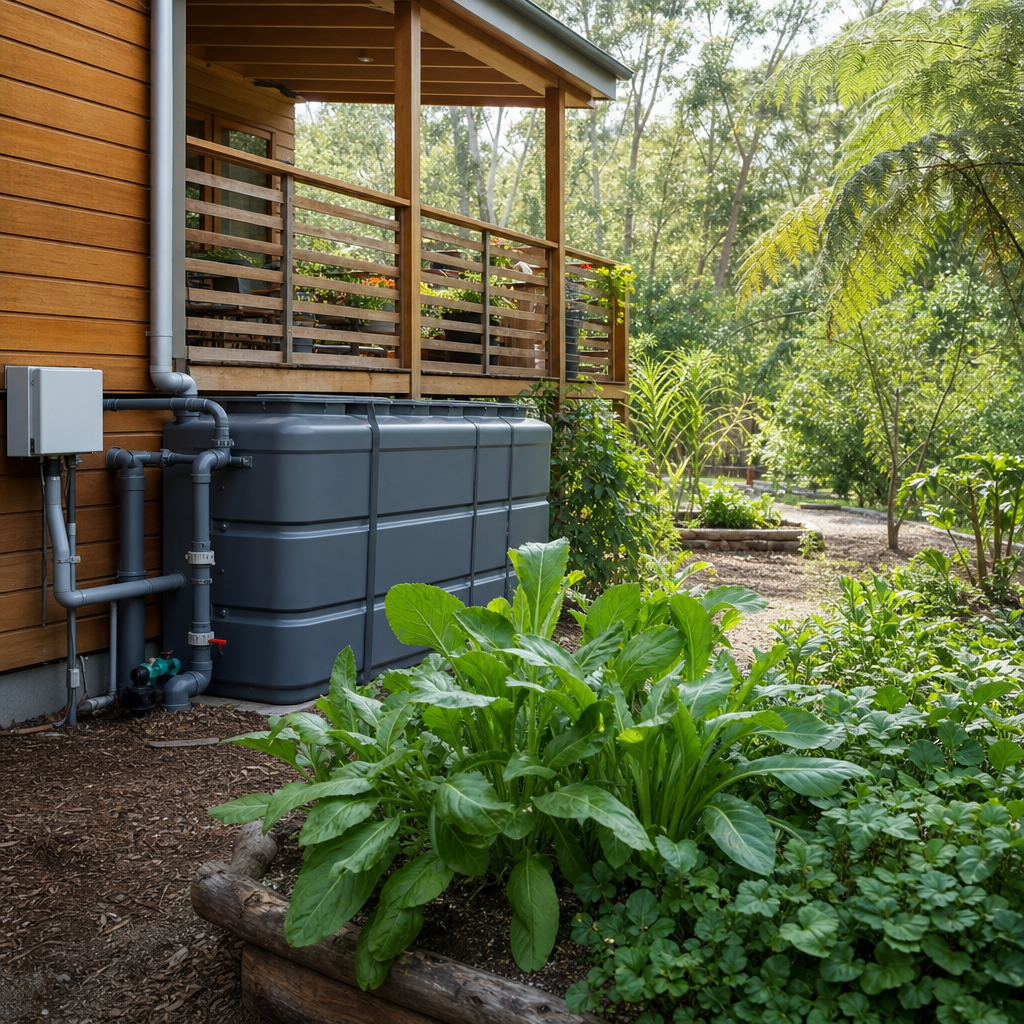
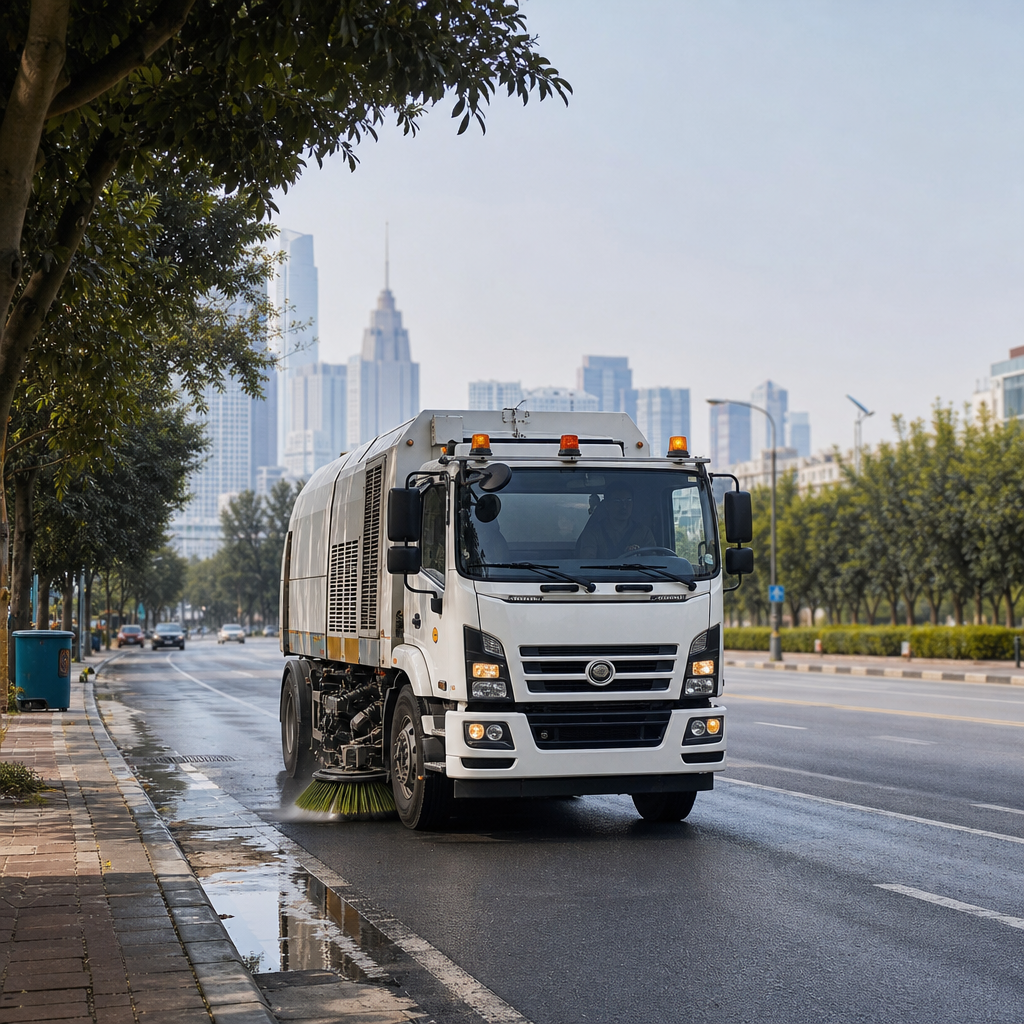
Improving air quality through sustainable waste management starts with a simple reality: the way communities handle human waste, solid waste, wastewater, and organic byproducts directly shapes the air people breathe every day. In sanitation, sustainable practices are systems that protect public health while reducing pollution, conserving resources, and limiting climate impacts across the full waste chain. That includes toilets and sewer networks, but also sludge treatment, composting, landfill diversion, wastewater energy recovery, odor control, and safe handling of medical and hazardous waste. When sanitation fails, waste decomposes in open dumps, drains clog, sewage releases methane and hydrogen sulfide, and uncontrolled burning sends fine particulate matter into homes and neighborhoods. When sanitation is designed sustainably, those same waste streams become managed inputs for compost, biogas, reclaimed water, and cleaner urban services.
I have worked with sanitation and environmental planning teams that treated air quality as a separate issue from waste operations, and that separation usually caused avoidable problems. A city can invest in cleaner buses and still suffer from foul-smelling drains, landfill fires, and smoke from informal waste burning. A rural district can improve latrine access yet miss the benefits if pits overflow into open areas or fecal sludge is dumped untreated. Air pollution from poor sanitation is often local and immediate: ammonia around transfer stations, methane from anaerobic decomposition, volatile organic compounds from wastewater basins, and black carbon from burning mixed waste. It also scales globally through greenhouse gas emissions. That is why sustainable practices in sanitation matter within the broader environmental impact conversation. They reduce disease exposure, improve neighborhood livability, cut climate forcing pollutants, and create operational efficiency that municipalities and businesses can actually sustain over time.
This hub article explains how sustainable sanitation practices improve air quality, what systems and technologies make the biggest difference, where tradeoffs appear, and how organizations can prioritize action. It also serves as a foundation for deeper articles on wastewater treatment, fecal sludge management, circular resource recovery, odor mitigation, landfill alternatives, and sanitation policy. The central point is direct: cleaner air is not only an energy or transportation outcome. It is also a waste management outcome, and sanitation is one of the most practical places to act.
How Sanitation Systems Affect Air Quality
Sanitation affects air quality through biological decomposition, combustion, transport, and chemical release. Organic waste without oxygen generates methane, a potent greenhouse gas, while wet waste and sewage handling can emit ammonia, hydrogen sulfide, and volatile sulfur compounds that drive odor complaints and indicate poor process control. Open burning, still common where collection systems are weak, creates PM2.5, dioxins, furans, carbon monoxide, and black carbon, especially when plastic, textiles, and food waste are burned together. Even legal disposal sites can damage air quality if landfill gas is not captured, leachate ponds stagnate, or truck routes are poorly managed.
The health implications are well established. Fine particulate matter is associated with cardiovascular and respiratory disease. Hydrogen sulfide causes eye irritation, nausea, and headaches at low concentrations and becomes dangerous at higher levels in confined spaces such as sewers and tanks. Methane itself is not highly toxic outdoors, but it worsens climate change and can create explosive hazards. These are not abstract risks. In rapidly growing cities, one poorly operated dumpsite can expose thousands of nearby residents and workers to constant smoke and odor. In coastal or flood-prone settlements, failed sanitation infrastructure can trigger both water contamination and airborne nuisance emissions after overflow events.
Air quality improvements begin when waste is contained, separated, collected on time, treated appropriately, and monitored with clear performance standards. That requires engineering, operations discipline, and policy alignment rather than isolated pilot projects.
Source Separation and Collection That Prevent Emissions
The cleanest ton of waste is often the ton that never reaches an uncontrolled dump. Source separation is one of the highest-value sanitation practices because it prevents contamination between organic waste, recyclables, hazardous material, and fecal sludge streams. When households and businesses separate organics, municipalities can divert food scraps and green waste to composting or anaerobic digestion instead of burying them in landfills where methane forms over decades. When healthcare and industrial waste are isolated early, they do not contaminate mainstream waste or force unsafe burning.
Collection design matters as much as separation. In neighborhoods with reliable pickup schedules, sealed bins, and transfer points sized to demand, waste spends less time decomposing in open air. I have seen odor complaints drop quickly when collection frequency for market waste increased from twice weekly to daily during hot months. The mechanism is straightforward: less residence time means less putrefaction, fewer flies, and fewer sulfur emissions. Vehicle choice also affects air quality. Compactor trucks with leak-proof bodies reduce litter and odor, while route optimization software cuts idling and fuel use. In dense areas, small electric collection vehicles can serve narrow streets without the diesel exhaust burden of larger fleets.
For sanitation planners, practical questions include: Which waste streams produce the most odor? Where does informal burning occur? How long does waste wait before transfer? Those answers should shape service design before capital spending begins.
Fecal Sludge and Wastewater Management as Air Quality Tools
Sustainable sanitation is impossible without safe fecal sludge management and effective wastewater treatment. In many low- and middle-income settings, on-site sanitation systems such as pit latrines and septic tanks serve more people than sewer networks do. The environmental outcome depends on what happens next. If pits are emptied unsafely, sludge is dumped in open land, drains, or water bodies, creating odor, methane emissions, and severe health risks. If sludge is collected by trained operators and delivered to treatment facilities, emissions can be controlled and resources recovered.
Wastewater plants can either become neighborhood nuisances or environmental assets. Well-designed facilities use covered tanks, ventilation control, biofilters, chemical scrubbers, and gas capture systems to minimize odor and volatile emissions. Anaerobic digesters stabilize sludge and generate biogas, which can fuel boilers, generators, or upgraded renewable natural gas systems. Many utilities use combined heat and power to offset plant energy demand. The U.S. Environmental Protection Agency and the International Water Association both recognize energy recovery from biosolids as a mature strategy when feedstock quality and digester operation are managed correctly.
There are tradeoffs. Advanced treatment systems require operator skill, instrumentation, and maintenance budgets. Covered processes can fail if pressure control, condensate management, or corrosion prevention are ignored. But the alternative—unmanaged sludge and open wastewater exposure—produces far worse air and health outcomes.
Landfill Diversion, Composting, and Anaerobic Digestion
Reducing landfill dependence is one of the most effective ways to improve air quality through waste management. Landfills emit methane as organic matter decomposes anaerobically. According to global waste assessments, the organic fraction of municipal solid waste often exceeds 40 percent in many cities, which means diversion has outsized impact. Composting and anaerobic digestion are the two core alternatives for biodegradable waste, and each has conditions where it performs best.
Composting works well for yard trimmings, food scraps, agricultural residues, and selected biosolids when contamination is low and carbon-to-nitrogen balance is controlled. Proper aeration is the difference between a clean composting site and an odor source. Turning schedules, moisture control, pile geometry, and stormwater management determine whether operators create stable compost or anaerobic pockets that release ammonia and sulfur compounds. I usually advise facilities to start with feedstock discipline and pad drainage before adding expensive odor systems, because poor basics undermine any technology layer.
Anaerobic digestion is especially valuable for wet organics and sludge because it captures methane intentionally as biogas rather than letting it escape from dumps or lagoons. Digesters require tighter process control than composting, including temperature, loading rate, pH, alkalinity, and mixing. The reward is energy production alongside waste stabilization.
| Option | Best Feedstocks | Main Air Quality Benefit | Operational Risk |
|---|---|---|---|
| Composting | Food waste, yard waste, some biosolids | Avoids landfill methane and open burning | Odor from poor aeration or wet piles |
| Anaerobic digestion | Wet organics, manure, sewage sludge | Captures methane as usable biogas | Process upset, gas leakage, higher complexity |
| Landfill gas recovery | Existing mixed waste landfills | Reduces methane release from legacy disposal | Lower capture efficiency than source diversion |
For most municipalities, the best strategy is not choosing one option exclusively. It is building an integrated organics program that combines separation, composting, digestion, and residuals management according to local climate, land availability, and market demand.
Controlling Open Burning, Odor, and Hazardous Emissions
Open burning remains one of the clearest links between weak sanitation and poor air quality. It often happens because collection is unreliable, disposal fees are unaffordable, or institutions lack safe treatment options for special waste streams. The fastest path to reduction is usually enforcement paired with service expansion. Telling households not to burn waste without offering regular collection rarely works. Markets need frequent pickups for organics. Clinics need compliant infectious waste handling. Construction sites need dedicated debris channels. Once practical alternatives exist, local regulation becomes credible.
Odor control also deserves more attention than it typically gets. Odor is not merely a comfort issue; it is an early warning signal for incomplete containment or failing process conditions. Best practice includes enclosure of tipping floors, negative air pressure in receiving halls, biofiltration for compost exhaust, activated carbon for selected compounds, and routine ambient monitoring at site boundaries. Worker safety requires gas detection in confined spaces, especially for hydrogen sulfide, methane, and oxygen deficiency in sewers, digesters, and sludge tanks.
Hazardous and healthcare waste need dedicated treatment pathways because mixing them into general waste can produce toxic emissions. Modern non-burn technologies such as autoclaving work well for many infectious waste categories, while high-temperature incineration with strict flue gas controls remains necessary for specific hazardous materials. The principle is simple: segregate early, treat appropriately, and never rely on informal burning as a disposal method.
Policy, Measurement, and Community Participation
Sustainable sanitation succeeds when infrastructure, regulation, finance, and public behavior reinforce each other. Policy should define service standards for collection coverage, sludge disposal, landfill gas management, wastewater discharge, and odor performance. Procurement should reward lifecycle outcomes, not only lowest upfront cost. I have seen cities buy equipment they could not maintain because tender documents ignored spare parts, operator training, and energy needs. That mistake leads directly to system failure and renewed emissions.
Measurement turns good intentions into accountable management. Useful indicators include collection reliability, landfill diversion rate, methane capture rate, complaint frequency, biosolids stabilization quality, fuel consumption per ton collected, and ambient PM2.5 near disposal or burning hotspots. Low-cost sensors can help identify trends, but compliance decisions still need validated methods and calibrated instruments. Greenhouse gas accounting protocols, utility SCADA systems, and geographic information systems all strengthen decision-making when used consistently.
Community participation is equally important. Residents will separate waste only if instructions are clear, bins are practical, and service is dependable. Informal waste workers should be integrated where possible because they already recover valuable material and understand local flows. Schools, markets, apartment managers, and healthcare facilities each need targeted guidance. The most effective programs explain the direct benefit in plain language: less smoke, less odor, cleaner streets, safer jobs, and healthier lungs.
Building a Sanitation Hub That Supports Cleaner Air
As a hub topic within environmental impact, sustainable practices in sanitation should connect operational decisions to measurable air outcomes. The strongest sanitation strategies prevent emissions at the source, capture unavoidable gases, and eliminate uncontrolled disposal. That means designing for separation, reliable collection, safe fecal sludge management, modern wastewater treatment, organics diversion, landfill gas control, and strict handling of hazardous waste. It also means acknowledging local constraints. A small town may begin with transfer improvements, composting for market waste, and scheduled pit emptying before it can justify advanced digestion. A large metro may prioritize landfill methane capture, enclosed materials recovery facilities, and biosolids energy systems.
The common thread is that sanitation is not only a cleanliness service. It is a core air quality intervention. Better-managed waste reduces methane, fine particles, sulfur compounds, diesel emissions, and toxic smoke while creating secondary benefits for climate, water protection, and public health. Organizations that treat sanitation as part of environmental performance make better capital choices because they see the full chain, from household bins to treatment plants and final reuse.
Use this page as the starting point for your sanitation content strategy or improvement plan. Map your waste streams, identify the biggest emission sources, and prioritize the practices that reduce both pollution and operational risk first. Cleaner air often begins where waste stops being ignored and starts being managed sustainably.
Frequently Asked Questions
How does sustainable waste management improve air quality?
Sustainable waste management improves air quality by reducing the release of harmful gases, smoke, odors, and fine particles at every stage of the waste chain. When human waste, solid waste, wastewater, and organic byproducts are poorly handled, they can generate methane, hydrogen sulfide, ammonia, volatile organic compounds, and airborne particulate matter. Open dumping, uncontrolled burning, leaking sewers, overloaded landfills, and untreated sludge all contribute to local air pollution and broader climate impacts. In contrast, sustainable systems are designed to prevent these emissions before they spread into the air people breathe.
For example, proper waste collection and sorting reduce the amount of material left to decay in streets, vacant lots, and drains. Composting organic waste under controlled conditions helps prevent the uncontrolled decomposition that creates odors and methane. Modern wastewater treatment and fecal sludge management reduce the release of gases from stagnant or untreated waste. Landfill gas capture systems can collect methane and either flare it or use it as an energy source. Even simple improvements, such as sealed containers, regular collection schedules, and better site management, can significantly cut neighborhood-level air pollution.
The most important point is that air quality and waste systems are closely linked. Communities often think about air pollution mainly in terms of vehicles or factories, but sanitation and waste practices are also major contributors. Sustainable waste management tackles the problem at its source by reducing emissions, protecting public health, conserving resources, and supporting cleaner, healthier living environments.
What types of waste have the biggest impact on air pollution?
Several waste streams can significantly affect air quality, but organic waste, human waste, wastewater, and landfill-bound mixed waste are often among the most important. Organic materials such as food scraps, yard waste, agricultural residues, and sludge produce gases as they decompose, especially when they break down without oxygen. If these materials are dumped openly or buried without proper controls, they can release methane, odors, and other pollutants into the atmosphere. Methane is especially important because it is a powerful greenhouse gas and often indicates inefficient waste handling.
Human waste and wastewater also play a major role when sanitation systems are incomplete, poorly maintained, or overloaded. Open defecation, leaking septic systems, unmanaged pit latrines, and untreated wastewater can all produce foul-smelling gases and support conditions that worsen public health risks. Wastewater treatment plants and sludge storage areas may also contribute to air emissions if they are not properly designed or managed. In dense urban areas, these emissions can affect large numbers of people living nearby.
Mixed municipal solid waste becomes a major air quality issue when recyclables, organics, hazardous materials, and residual waste are all thrown together. This often leads to open burning or inefficient disposal. Burning mixed waste is especially damaging because it can release soot, toxic compounds, and fine particulate matter that penetrate deep into the lungs. Plastics, treated materials, and contaminated waste streams can make those emissions even more dangerous. That is why source separation, recycling, composting, treatment, and safe disposal are all essential parts of a sustainable strategy for cleaner air.
Why is open burning of waste so harmful to communities?
Open burning is one of the most direct and dangerous ways waste management harms air quality. When waste is burned in the open, combustion is usually incomplete, which means it releases a complex mix of pollutants instead of safely breaking materials down. These emissions can include fine particulate matter, carbon monoxide, black carbon, dioxins, furans, and other toxic substances, especially when plastics, rubber, painted materials, textiles, or hazardous waste are present. Because open fires are uncontrolled, the smoke spreads quickly into homes, schools, roads, and workplaces.
The health consequences can be serious. Fine particles from waste burning can irritate the eyes, nose, and throat, worsen asthma, and increase the risk of respiratory and cardiovascular disease. Children, older adults, sanitation workers, and people with existing health conditions are often the most vulnerable. In many communities, open burning happens close to where people live, which means repeated exposure can become a daily reality rather than an occasional nuisance. The odor itself is also a sign that harmful gases and compounds may be present in the air.
Open burning is also harmful because it usually reflects a larger systems failure, such as poor collection coverage, a lack of recycling and composting options, inadequate disposal infrastructure, or weak enforcement. Sustainable waste management addresses these root causes. Reliable collection, waste separation, composting of organics, recycling systems, public education, and safe disposal facilities all reduce the need for burning. In that sense, eliminating open burning is not just about banning a bad practice. It is about building a better waste system that protects both air quality and public health.
What sustainable waste management practices are most effective for reducing emissions?
The most effective practices are those that prevent pollution early, recover useful resources, and manage unavoidable waste safely. Source separation is one of the strongest starting points because it allows communities to handle organics, recyclables, hazardous materials, and residual waste in the right way. When organic waste is separated, it can be composted or processed through anaerobic digestion instead of being dumped or burned. This reduces methane emissions, lowers odor problems, and can produce valuable outputs such as compost, soil amendments, or biogas.
In sanitation systems, properly designed toilets, sewer networks, septic systems, wastewater treatment plants, and fecal sludge treatment facilities are critical. These systems reduce the uncontrolled release of gases from untreated human waste and wastewater. Sludge stabilization, covered storage, odor control, and biogas recovery can further improve results. For solid waste, well-managed landfills with gas capture systems are far better than open dumps because they limit uncontrolled decomposition and allow methane to be collected. Recycling programs also help by reducing the need for raw material extraction, transport, and processing, all of which can generate air pollution elsewhere in the economy.
Operational quality matters as much as technology. Regular collection schedules, leak prevention, worker training, proper site maintenance, equipment upgrades, and strong monitoring all influence air quality outcomes. Public participation is equally important. Households and businesses need practical guidance on how to sort waste, store it safely, and avoid illegal dumping or burning. The most successful systems combine infrastructure, regulation, financing, and education so that sustainable practices are not isolated pilot projects but part of an integrated long-term strategy.
Can better waste management also help address climate change and public health?
Yes. Better waste management delivers climate and public health benefits at the same time, which is one reason it is such a powerful policy area. From a climate perspective, sustainable systems reduce methane from landfills, open dumps, wastewater, and unmanaged organic waste. They also reduce black carbon and other pollutants linked to open burning. In addition, recycling and resource recovery lower emissions associated with extracting virgin materials and manufacturing new products. Composting and anaerobic digestion can turn waste into useful products, helping communities move toward a more circular economy with fewer emissions overall.
From a public health standpoint, the benefits are immediate and local. Cleaner waste systems reduce exposure to smoke, odors, pathogens, contaminated water, and disease-carrying pests. Better sanitation lowers the risk of infections linked to poorly managed human waste, while improved collection and disposal reduce the accumulation of garbage in public spaces. Neighborhoods with cleaner air and better sanitation tend to experience improved quality of life, fewer environmental complaints, and stronger community trust in public services.
What makes this issue especially important is that the same intervention often solves multiple problems at once. A city that diverts organics from landfill can cut methane, reduce odors, lower fire risk, and produce compost for agriculture or landscaping. A wastewater utility that captures biogas can improve treatment performance while generating renewable energy. A community that stops open burning can immediately reduce smoke exposure while strengthening its overall waste system. In practical terms, sustainable waste management is not only an environmental goal. It is a direct investment in healthier people, cleaner air, and more resilient communities.