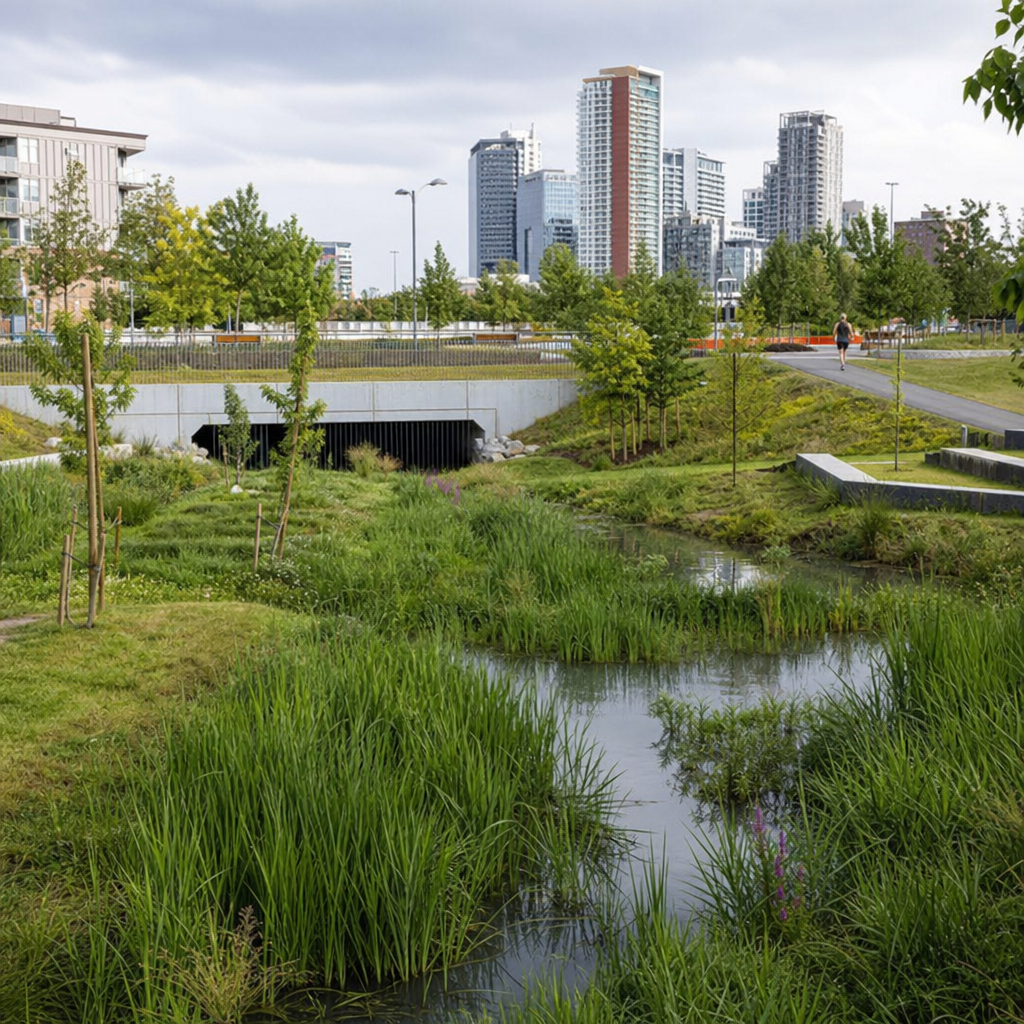
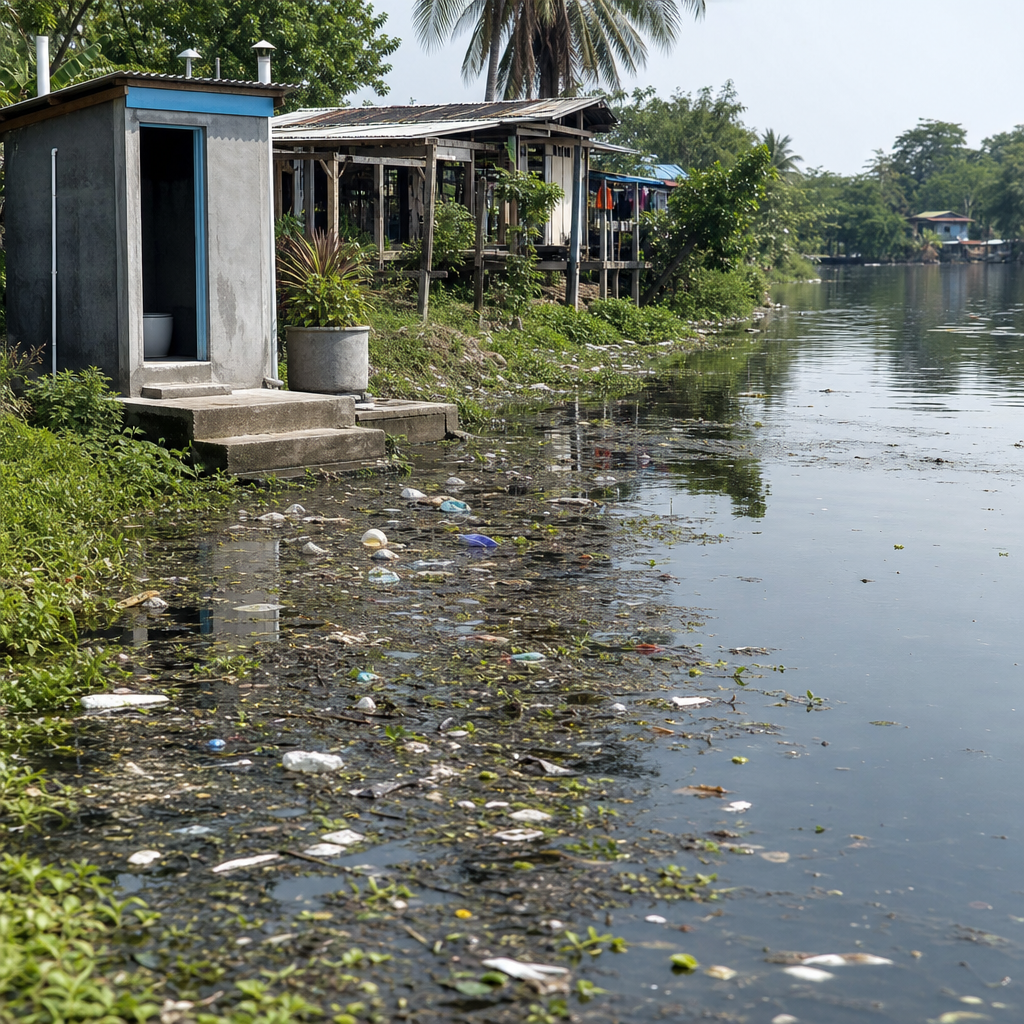
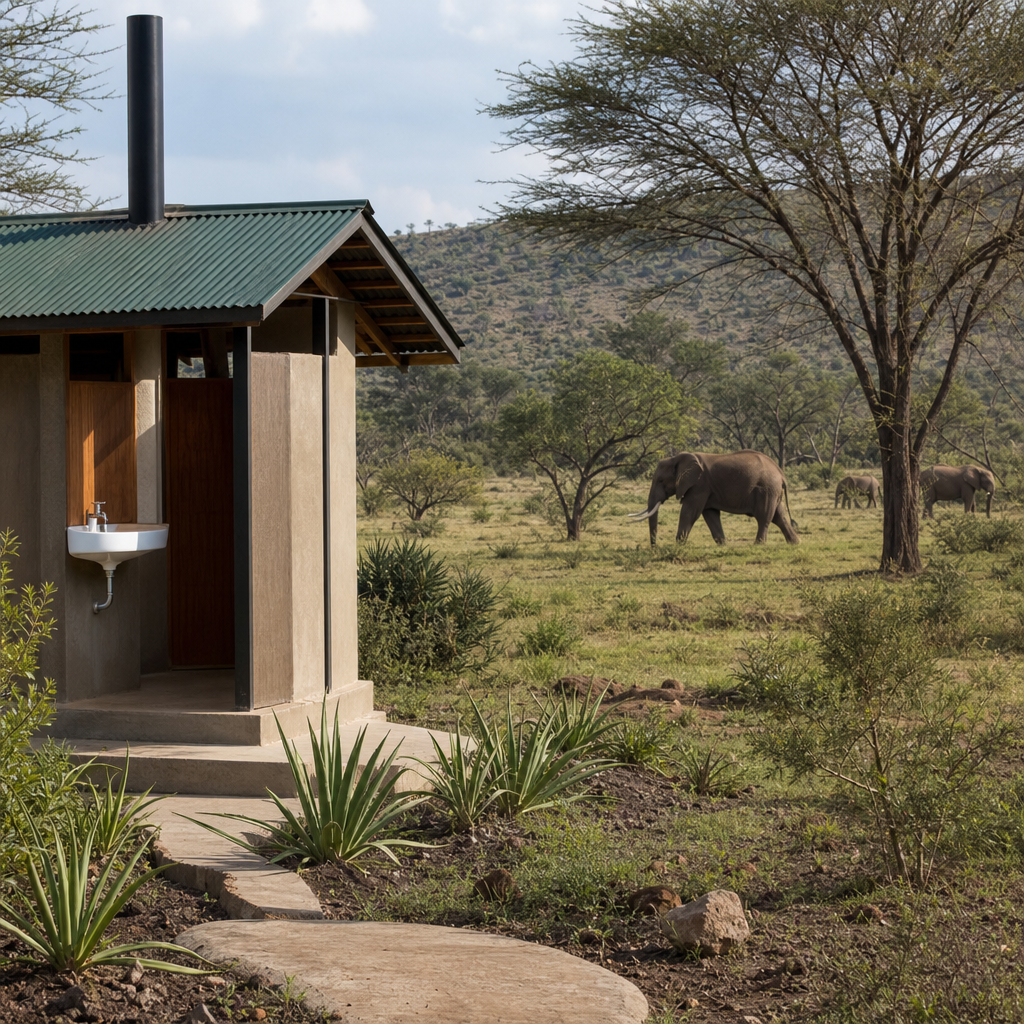
Promoting pollinator health through EcoSan begins with recognizing that sanitation systems shape far more than human hygiene. They influence soil biology, water quality, nutrient cycles, farm inputs, and the flowering landscapes that bees, butterflies, moths, beetles, wasps, and other pollinators depend on. EcoSan, short for ecological sanitation, is an approach that treats human excreta and household organic waste as resources to be safely recovered rather than simply discarded. In practice, that means separating waste streams, reducing water use, sanitizing materials, and returning nutrients to productive land under controlled conditions. When designed well, EcoSan supports sustainable practices in sanitation by lowering pollution, cutting synthetic fertilizer demand, and improving habitat conditions that indirectly but measurably benefit pollinator populations.
This matters because pollinators are essential to food systems and ecosystem stability. The Food and Agriculture Organization has long noted that a large share of global crop species benefits from animal pollination, while unmanaged wild plants also rely on pollinators for reproduction and genetic diversity. At the same time, pollinator decline is linked to multiple pressures: habitat loss, pesticide exposure, climate stress, disease, and poor nutrition across simplified landscapes. Sanitation is rarely listed first, yet I have seen in field planning sessions that wastewater discharge, nutrient runoff, sludge mismanagement, and overreliance on chemical fertilizers all contribute to degraded streams, compacted soils, algal growth, and fewer diverse flowering margins. Sustainable practices in sanitation can therefore play a practical supporting role in environmental impact reduction.
As a hub topic, sustainable practices in sanitation includes source separation, urine diversion, composting toilets, dehydration systems, fecal sludge treatment, greywater reuse, nutrient recovery, pathogen control, water conservation, odor management, user acceptance, and monitoring. The goal is not to romanticize any single toilet technology. The goal is to connect sanitation design with broader land stewardship outcomes. Pollinator health enters the picture through reduced contamination, better soil structure, increased organic matter, and more resilient planting schemes on farms, schools, parks, and peri-urban landscapes. Where nutrients are recovered safely and applied correctly, flowering cover crops, hedgerows, and pollinator strips can be established with fewer purchased inputs. That is a concrete environmental benefit, not a slogan.
EcoSan also deserves careful definition because misuse can create risk. Ecological sanitation does not mean applying untreated waste to crops or habitat areas. It requires barriers that break transmission routes for pathogens, including storage time, dehydration, composting temperatures, pH treatment, or other validated treatment steps. It also requires site-specific planning: local regulations, soil type, groundwater depth, climate, user behavior, and crop choice all matter. In professional sanitation work, the strongest projects are the ones that integrate public health engineering with agronomy and ecology. That integrated view is exactly why EcoSan is relevant within environmental impact discussions and why it can become a useful platform for promoting pollinator health.
How EcoSan links sanitation and pollinator health
The connection between EcoSan and pollinator health is mostly indirect, but it is strong. Pollinators need diverse forage, clean water, nesting sites, and landscapes with manageable chemical pressure. Conventional sanitation failures can undermine all four. Leaking pits can contaminate shallow groundwater. Untreated wastewater can overload streams with nutrients. Poor sludge disposal can create localized toxicity and force communities toward heavier chemical dependence to maintain crop yields on depleted soils. EcoSan aims to interrupt that cycle by recovering nitrogen, phosphorus, potassium, sulfur, and micronutrients while protecting human health. When these nutrients are returned safely to land, farmers and land managers can build soil fertility in ways that support flowering plants rather than stressing them.
Urine diversion is a clear example. Human urine contains most of the nutrients excreted by households, especially nitrogen and potassium, while generally carrying lower pathogen risk than feces when collected separately. In several agricultural reuse programs, sanitized urine has been used as a fertilizer substitute for cereals, vegetables, and fodder crops. The environmental value is straightforward: every unit of nitrogen recovered can offset industrial nitrogen made through the Haber-Bosch process, which is energy intensive and associated with greenhouse gas emissions. Less dependence on manufactured fertilizer can reduce pollution pressure and operating costs. If that nutrient savings is partly redirected to pollinator-friendly borders, flowering trees, or rotational cover crops, the sanitation system starts improving habitat quality beyond the toilet itself.
Soil organic matter is another important link. Composting and co-composting of sanitized organic residues can improve water infiltration, aggregate stability, and microbial activity. In the projects I have evaluated, pollinator plantings performed best where soil had been rebuilt first, not where wildflower seed was simply scattered over compacted ground. Many native flowering species establish slowly and require balanced fertility rather than excessive soluble nitrogen. EcoSan-derived soil amendments, when mature and tested, can support establishment of hedgerows, school gardens, roadside strips, and agroecological buffer zones. Healthier soils also hold moisture longer, which helps flowering continuity during heat and drought, two conditions that increasingly disrupt nectar availability and pollinator foraging patterns.
Clean water matters as well. Bees and butterflies use small water sources for hydration and thermoregulation. Where wastewater is unmanaged, standing polluted water can become a hazard rather than a resource. Greywater systems designed with filtration, sediment control, and subsurface distribution can irrigate nonfood plantings that provide forage while limiting human contact and aerosol risk. This is especially useful in dry regions where ornamental or habitat plantings fail because all available water is reserved for household needs. EcoSan creates options to use water more efficiently, and that efficiency can be translated into living landscapes that support both biodiversity and community amenity.
Core sustainable practices in sanitation that support ecological outcomes
Not every sustainable sanitation method is an EcoSan system, but the best sanitation planning borrows from the same principles: prevent pollution, conserve resources, recover value, and maintain public health. Source separation is foundational because mixed waste is harder to treat and reuse safely. Separating urine, feces, greywater, and organic kitchen waste allows tailored treatment for each stream. Urine can be stored or stabilized for fertilizer use. Fecal material may be dehydrated, composted, alkaline treated, or sent to secondary processing. Greywater can be filtered and infiltrated through planted systems. Organic waste can be co-composted to improve carbon-to-nitrogen balance and compost structure. Each stream becomes easier to manage, and the total environmental impact drops.
Water conservation is another core practice. Flush toilets connected to sewer systems can work well in dense urban areas with reliable treatment plants, but they are resource intensive and vulnerable where infrastructure is incomplete. Low-flush, vacuum, dry, and urine-diverting systems reduce demand on potable water supplies. That matters environmentally because less abstraction from rivers and aquifers can leave more water in ecosystems. In regions where pollinator-supporting habitats are already stressed by drought, reducing unnecessary water use is not a side issue. It is part of the same resilience equation. Efficient sanitation can free household and municipal budgets for habitat maintenance, tree planting, and landscape management that preserves blooming seasons.
Safe treatment is the nonnegotiable step. The World Health Organization’s sanitation safety planning framework emphasizes identifying hazards, validating control measures, and monitoring performance from containment through end use or disposal. For EcoSan, that means verifying pathogen reduction before land application. It also means controlling pharmaceutical residues, salinity, heavy metals from nonhousehold inputs, and physical contaminants such as plastics. Good projects maintain treatment logs, moisture and temperature records for composting, storage times for urine, and application rates tied to crop nutrient demand. Sustainable practices in sanitation only remain sustainable when they are measured and managed, not assumed.
| Practice | Main environmental benefit | Pollinator relevance | Key control point |
|---|---|---|---|
| Urine diversion | Recovers nitrogen and potassium, reduces fertilizer demand | Supports flowering borders and cover crops with fewer purchased inputs | Storage, dilution, and correct application timing |
| Composting toilet systems | Builds stable organic matter and reduces raw waste discharge | Improves soil for native plant establishment and longer bloom periods | Temperature, moisture, curing, and contamination control |
| Greywater reuse | Conserves freshwater and reduces wastewater volumes | Maintains habitat plantings in dry seasons | Filtration, detergents, and subsurface distribution |
| Fecal sludge treatment | Prevents dumping into waterways and soils | Protects clean water used by insects and flowering vegetation | Transport chain, treatment validation, and end-use restrictions |
Operational design determines whether benefits are realized. A urine-diverting dry toilet can fail if users are not trained, if wash water enters the solids vault, or if maintenance schedules are ignored. A composting unit can produce odor and vectors if carbon material is not added consistently. Greywater reuse can damage plants if sodium-rich detergents are not controlled. These are manageable issues, but they require governance, user education, and realistic budgets. In my experience, systems last when responsibilities are explicit and simple: who empties vaults, who records treatment dates, who tests compost, and where each product can legally and safely go.
Designing EcoSan landscapes for pollinators
Once sanitation outputs are treated and verified, the next step is beneficial use. Pollinator health improves most when recovered nutrients are directed toward diverse, low-chemical landscapes rather than a single high-input crop. A practical design starts with zones. Closest to homes or schools, use ornamental native flowers, herbs, and shrubs that tolerate regular observation and maintenance. Farther out, establish flowering hedgerows, windbreaks, and buffer strips that connect fragmented habitat patches. On farms, integrate flowering cover crops such as clovers, phacelia, buckwheat, or regionally appropriate legumes between cash crop cycles. Recovered nutrients can support these plantings if application rates match agronomic needs and if untreated material never contacts edible portions of crops.
Plant selection should be local and sequential. Pollinators need forage across seasons, not a brief burst of flowers. Early bloomers support queen bumblebees and emerging solitary bees. Midseason species sustain peak colony growth and breeding. Late bloomers help insects build reserves before dormancy or migration. In many peri-urban projects, I recommend combining native grasses for nesting structure with flowering perennials for nectar and pollen, plus a limited number of shrubs and small trees. This layered approach stabilizes soil, reduces mowing, and creates visual acceptance among residents who may otherwise see habitat areas as unkempt. EcoSan contributes by providing part of the fertility and moisture base needed for establishment.
Chemical management must align with the habitat goal. A landscape fed with recovered nutrients but then treated with broad-spectrum insecticides does not promote pollinator health. Integrated pest management is the better companion strategy: monitor pests, set thresholds, choose resistant varieties, and use targeted controls only when necessary. Fertility also needs balance. Excess nitrogen can push lush vegetative growth at the expense of flowering, and it can favor weeds that outcompete native species. That is why treated urine and compost should be applied according to soil tests and plant response, not by guesswork. Sustainable practices in sanitation work best when linked to routine agronomic assessment.
Real-world examples show the value of this integration. School sanitation projects in East Africa have paired urine-diverting toilets with gardens that produce fodder, fuelwood, and flowers for beneficial insects. Community sites in South Asia have used decentralized wastewater and greywater systems to irrigate green belts that cool neighborhoods and create habitat. In Europe, source-separating sanitation pilots have focused on nutrient recovery and phosphorus recycling, with growing interest in urban agriculture and biodiversity co-benefits. The models differ, but the lesson is consistent: when sanitation outputs are treated as resources within a land management plan, environmental benefits multiply.
Risks, limitations, and implementation priorities
EcoSan is not a universal replacement for sewered sanitation, and it should not be marketed that way. Dense cities with strong centralized treatment may achieve excellent public health outcomes through conventional systems upgraded for nutrient recovery. Conversely, poorly managed decentralized systems can create odor, vector problems, and user rejection. The right question is not whether EcoSan is inherently better. The right question is which sanitation approach delivers safe service, resource efficiency, and environmental gains in a given context. For promoting pollinator health, EcoSan is most useful where nutrient recovery, water saving, and local landscape improvement can be managed together.
Implementation should start with a baseline assessment. Map sanitation flows, groundwater vulnerability, fertilizer use, existing habitat, and likely end users for recovered products. Review legal standards for reuse, biosolids, compost quality, and water discharge. Engage public health officers, farmers, school managers, women’s groups, and maintenance staff early, because successful operation depends on habits as much as hardware. Then define measurable indicators: percentage of waste safely contained, nutrient recovery rates, water saved, organic matter produced, area of pollinator habitat established, bloom duration, and reduction in synthetic fertilizer purchases. Metrics turn an environmental promise into a managed program.
Financing and communication also matter. Many EcoSan systems have lower water demand but higher needs for user training and periodic service. Budgeting must include containers, carbon cover material, transport, testing, protective equipment, and monitoring. Communication should be direct and evidence based. People accept reuse when treatment steps are transparent, responsibilities are clear, and visible benefits appear in cleaner surroundings and healthier plantings. Avoid exaggerated claims. EcoSan alone will not stop pollinator decline, but it can reduce nutrient waste, improve soils, protect water, and help create the flowering habitats that pollinators need.
For organizations building an environmental impact content hub, this is the central message: sustainable practices in sanitation are not only about toilets or waste removal. They are about circular nutrient management, water stewardship, ecosystem repair, and practical resilience. Promoting pollinator health through EcoSan gives that broader story a concrete ecological outcome people can see in gardens, farms, and public spaces. Start with safe sanitation design, verify treatment, match recovered resources to appropriate landscapes, and monitor results over time. If you are planning a sanitation upgrade, include pollinator habitat in the brief from day one. That simple step turns sanitation from a hidden utility into an active tool for environmental restoration.
Frequently Asked Questions
What does EcoSan have to do with pollinator health?
EcoSan supports pollinator health by improving the ecological conditions that flowering plants, soils, and surrounding habitats need to thrive. Ecological sanitation is designed to safely recover nutrients and organic matter from human excreta and household organic waste instead of treating them only as waste streams to be disposed of. When this is done properly, those recovered resources can help rebuild soil fertility, reduce nutrient losses into waterways, and lower dependence on synthetic fertilizers. Healthier soils tend to support stronger plant growth, more diverse vegetation, and longer-lasting flowering resources, all of which matter for bees, butterflies, moths, beetles, wasps, and other pollinating species.
There is also an important landscape-level effect. Poor sanitation can contribute to water contamination, algal blooms, and degraded ecosystems that reduce biodiversity. EcoSan aims to close nutrient loops in a safer, more regenerative way, which can help create cleaner water systems and more resilient farms and gardens. In practical terms, that means pollinators may benefit from better forage availability, less ecological stress, and more stable habitats. EcoSan is not a pollinator program by itself, but it can be a powerful foundation for land management practices that make pollinator-friendly environments more possible and more sustainable over time.
How can ecological sanitation reduce harm to bees and other pollinators on farms and in gardens?
Ecological sanitation can reduce harm to pollinators by changing how nutrients are managed across the entire growing system. Many conventional systems rely heavily on external inputs, including synthetic fertilizers, and in some cases these inputs are used in ways that can degrade soil structure, contribute to runoff, or encourage simplified production systems with less habitat diversity. EcoSan encourages safe nutrient recovery and organic matter recycling, which can support richer soils and healthier plant communities. As soil quality improves, growers often have more flexibility to incorporate hedgerows, flowering borders, cover crops, mixed plantings, and other habitat features that provide nectar, pollen, nesting sites, and shelter for pollinators.
Another benefit is that EcoSan can support a broader shift toward ecological farming practices. When farmers see nutrients as valuable resources that can be cycled locally, they are often more likely to adopt whole-system thinking. That may include reducing pollution, protecting water sources, improving compost use, and designing landscapes that balance production with biodiversity. Pollinators benefit most in landscapes where food sources are available through multiple seasons and where exposure to environmental stressors is minimized. EcoSan helps by making nutrient management more circular and less wasteful, which creates conditions that are more compatible with pollinator conservation.
Is it safe to use EcoSan-derived materials around crops and pollinator habitats?
Yes, EcoSan-derived materials can be safe, but only when they are properly treated, managed, and applied according to sound public health and agricultural guidelines. Safety is the central principle of ecological sanitation. The purpose is not to spread untreated waste on land, but to transform excreta and organic waste into safer, useful products through controlled processes such as composting, dehydration, storage, pathogen reduction, and other treatment methods appropriate to the system. The exact method depends on climate, technology, regulations, crop type, and intended use.
For pollinator habitats and food-growing areas, good practice matters enormously. Treated materials should meet relevant health standards, application timing should be managed carefully, and runoff into water bodies should be prevented. It is also wise to match the material to the land use, for example by applying fully treated products to soil-building areas, orchards, non-leafy crops, or habitat restoration sites where appropriate local guidance permits. The key message is that EcoSan is safe when it is truly ecological and sanitary. Poorly managed systems can pose risks, but well-designed systems protect people, crops, pollinators, and ecosystems at the same time.
Can EcoSan improve flowering landscapes and biodiversity for pollinators?
EcoSan can contribute significantly to better flowering landscapes because it helps restore the soil and nutrient foundations that diverse vegetation depends on. Pollinators need more than isolated flowers. They need continuous bloom across seasons, varied plant species, nesting areas, clean water, and landscapes that are not under constant ecological stress. By returning treated nutrients and stabilized organic matter to the land, EcoSan can support stronger root systems, improved soil moisture retention, better microbial activity, and more resilient plant growth. Those changes can make it easier to establish and maintain flower-rich field margins, community gardens, agroforestry zones, orchards, and habitat corridors.
Biodiversity gains are often indirect but meaningful. When nutrient cycles are managed locally and more efficiently, communities and farmers may reduce pressure on degraded land, use fewer external inputs, and invest more in regenerative land design. This opens the door to planting native flowering species, diversifying crop systems, and creating habitat mosaics that support a wide range of pollinators rather than only a few common species. In short, EcoSan helps build the ecological infrastructure beneath biodiversity. It is most effective when combined with habitat restoration, native plant selection, reduced chemical pressure, and year-round pollinator-friendly land stewardship.
What are the best ways to combine EcoSan with a pollinator-friendly land management strategy?
The best approach is to treat EcoSan as one part of an integrated ecological design. Start with safe sanitation and nutrient recovery systems that are appropriate for the local setting and compliant with health standards. Then connect those systems to land management goals such as building soil organic matter, increasing flowering plant diversity, reducing runoff, and improving habitat continuity. On farms, this can include using treated outputs to support cover crops, flowering buffer strips, orchard soils, forage areas, or agroecological production zones. In home gardens and community spaces, it may mean enriching soil for native flowers, shrubs, and mixed plantings that provide nectar and pollen throughout the year.
It is also important to think beyond soil fertility alone. A pollinator-friendly strategy should include native or regionally adapted flowering species, staggered bloom periods, nesting habitat, reduced disturbance, and careful management of pesticides and irrigation. Protecting nearby water quality is another major priority, since healthy aquatic and riparian systems support broader biodiversity. The strongest results come when EcoSan is paired with regenerative agriculture, habitat restoration, and community education. That combination helps create landscapes where sanitation is not isolated from ecology, but actively contributes to healthier farms, healthier ecosystems, and better long-term outcomes for pollinators.