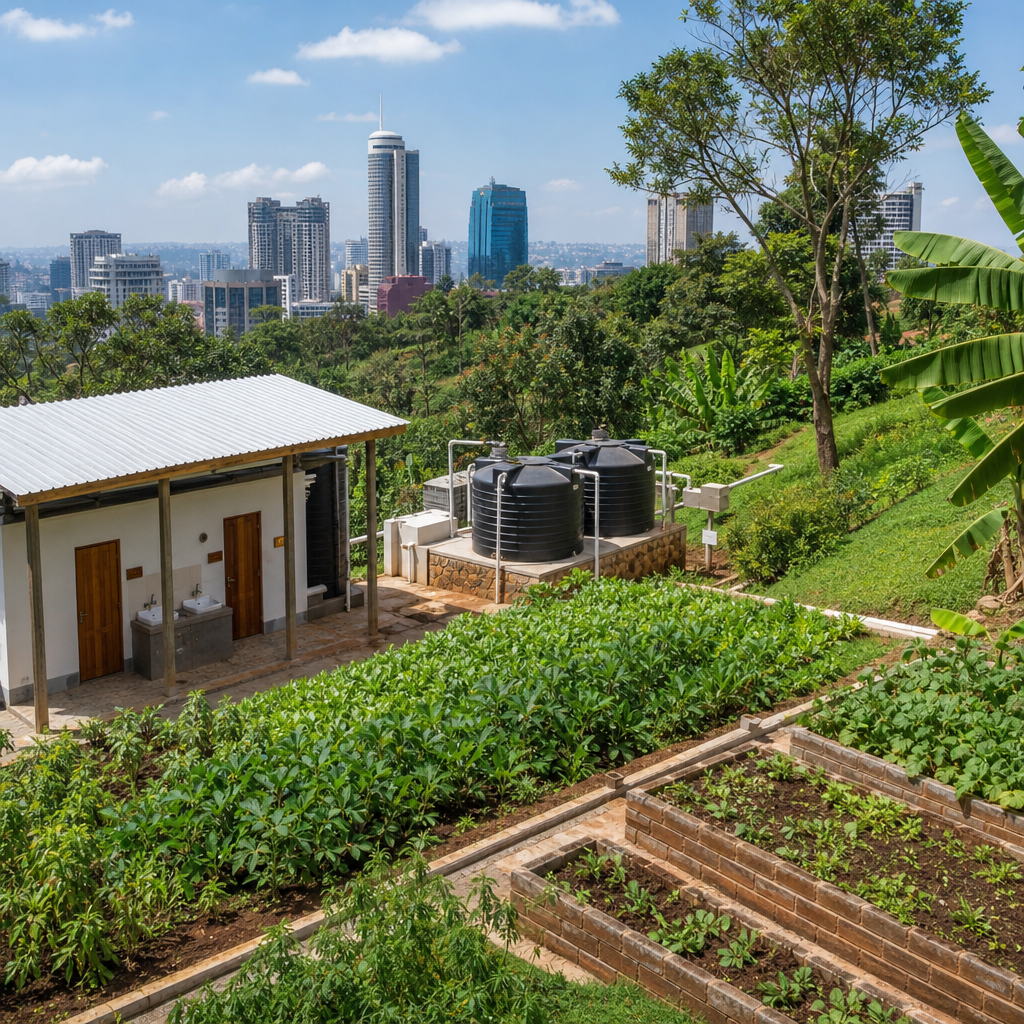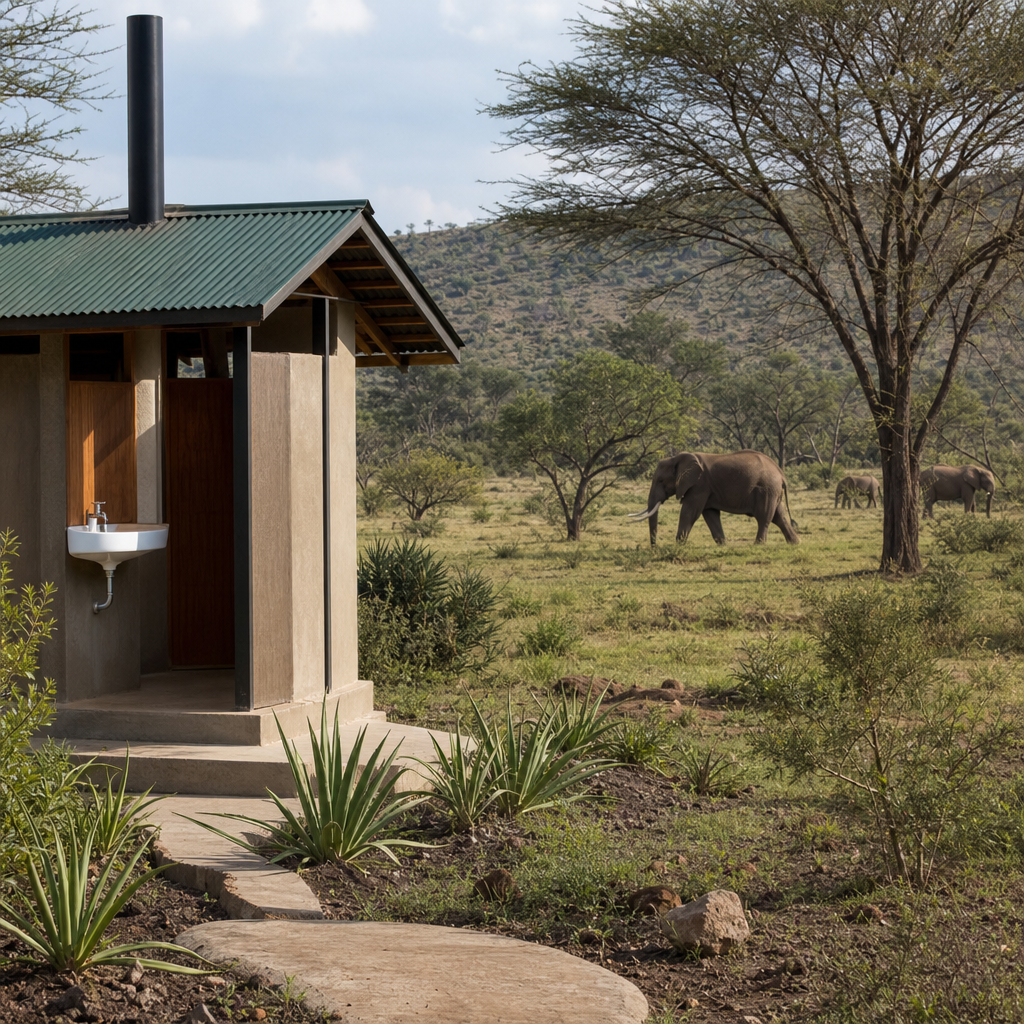
EcoSan plays a practical, measurable role in preserving the integrity of protected areas by changing how sanitation, wastewater, and nutrient management are designed in ecologically sensitive landscapes. In conservation contexts, protected areas include national parks, wildlife reserves, watershed protection forests, marine buffer zones, and community conservancies where biodiversity, habitat quality, and hydrological balance must be maintained over decades, not just tourist seasons. EcoSan, short for ecological sanitation, is a systems approach that treats human waste as a resource stream rather than a disposal problem. In practice, that means minimizing water use, preventing nutrient leakage, reducing pathogen exposure, and recovering value through safe reuse where regulations and site conditions permit. I have seen conservation sites struggle with a familiar contradiction: they invite visitors, rangers, researchers, and nearby communities into landscapes that cannot absorb conventional sanitation impacts. Pit latrines contaminate shallow groundwater, septic tanks fail in flood-prone soils, and hauling wastewater across rough terrain is expensive and inconsistent. EcoSan matters because sanitation failures in protected areas quickly become ecosystem failures, affecting wetlands, rivers, soils, wildlife behavior, visitor health, and the credibility of management authorities.
As a hub within Environmental Impact, this article explains how advancing environmental sustainability with EcoSan supports conservation goals at site scale and landscape scale. Environmental sustainability in this context means meeting sanitation needs while protecting ecosystem services, staying within local water limits, and avoiding pollution pathways that degrade habitats or public health. Integrity, a key term in protected area management, refers to the wholeness and functional health of ecological systems: native species can persist, water quality remains suitable for downstream users, and management activities do not create avoidable stressors. EcoSan contributes to integrity because it aligns infrastructure with ecological constraints. It reduces effluent loads, limits nutrient runoff, and can support circular resource use through urine diversion, composting, dehydration, and decentralized treatment. It also fits remote operations better than conventional sewered systems, which often require excavation, pumping energy, and continuous maintenance capacity that many parks do not have. For protected area managers, planners, and sustainability teams, EcoSan is not only a sanitation choice. It is a risk management strategy, a water conservation tool, and a framework for building visitor and community services without undermining the very environments those services are meant to support.
Why protected areas need a different sanitation model
Protected areas are not ordinary infrastructure environments. Their soils may be shallow, rocky, waterlogged, or highly permeable. Their occupancy patterns can swing sharply between peak tourism periods and quiet off-seasons. Access roads can be impassable during rains, making desludging or mechanical maintenance unreliable. Many sites sit upstream of drinking water intakes or adjacent to wetlands where even modest nutrient loading can trigger algal growth, oxygen depletion, and changes in plant communities. Conventional sanitation models, especially flush systems tied to septic tanks or undersized package plants, often underperform under these conditions. In field assessments, the recurring problems are clear: excessive water demand, poor sludge management, infiltration into groundwater, odor complaints that affect visitor experience, and wildlife interactions around waste storage or leaking disposal points.
EcoSan addresses those constraints by designing for separation, containment, treatment, and reuse rather than dilution and discharge. Urine-diverting dry toilets, container-based systems, ventilated dehydration vaults, and constructed wetlands paired with source-separated flows are common examples. The correct option depends on rainfall, temperature, soil permeability, user volume, and local regulation, but the principle is consistent: keep pathogens isolated, keep nutrients out of sensitive waters, and minimize infrastructure footprints. This matters for environmental sustainability because protected area authorities are increasingly judged not just on species protection, but on operational impacts. A park that restores habitat while leaking sewage into a stream is failing a basic stewardship test. EcoSan gives managers a way to meet sanitation obligations while reducing water use, transport burdens, and long-term contamination liabilities.
Core EcoSan principles that protect ecological integrity
The most effective EcoSan programs in protected areas are built on five operational principles: source separation, pathogen reduction, nutrient management, water efficiency, and context-specific maintenance. Source separation distinguishes urine, feces, greywater, and stormwater so each stream can be managed according to its actual risk and value. Urine contains most of the nitrogen and much of the phosphorus excreted by humans, while feces carry the dominant pathogen load. Separating them simplifies treatment and reduces odor. Pathogen reduction relies on time, temperature, dehydration, composting, alkaline treatment, or controlled secondary processing to meet health safeguards. Nutrient management prevents nitrogen and phosphorus from entering rivers, lakes, and coastal zones where they can damage habitats. Water efficiency is crucial in parks and reserves where every liter used for flushing is a liter not available for ecological flows, staff compounds, or nearby communities. Maintenance, finally, must fit reality. A system that requires weekly imported parts or specialist contractors will fail in remote conservation areas.
Recognized guidance supports this approach. The World Health Organization has long emphasized multiple-barrier sanitation safety, and the International Organization for Standardization published ISO 30500 for non-sewered sanitation systems, setting performance expectations for energy use, emissions, pathogen reduction, and usability. In practical planning, teams often combine sanitary risk assessments, hydrogeological surveys, and carrying capacity estimates before selecting a system. For example, in a high-altitude reserve with seasonal freezing, dehydration toilets may outperform composting units because composting slows in cold conditions. In a humid tropical park, container-based collection with off-site treatment may be more reliable than vault systems if drying is difficult. Good EcoSan is never generic. It is matched to landscape processes and management capacity.
Where EcoSan delivers the biggest environmental gains
The strongest environmental benefits appear where protected areas face water scarcity, groundwater vulnerability, or high visitor pressure. In arid parks, dry or low-water EcoSan systems directly reduce extraction from boreholes and springs. In karst landscapes, where fractured rock can transmit contamination rapidly, sealed source-separating systems avoid the infiltration risks associated with pits and soakaways. In coastal reserves and lake basins, nutrient capture helps prevent eutrophication, a process in which excess nitrogen and phosphorus fuel algal blooms that block light and reduce dissolved oxygen. I have seen modest sanitation improvements produce outsized ecological benefits simply because the receiving environment was so sensitive.
EcoSan also improves resilience during floods and climate variability. Septic systems commonly fail when groundwater rises, allowing untreated effluent to escape. Elevated, watertight EcoSan units are easier to protect in flood-prone zones. During drought, reduced flushing demand becomes even more valuable. The sustainability case strengthens further when managers consider lifecycle impacts. Extending sewer lines into protected areas requires trenching, energy for pumping, and disruption to roots, soils, and sometimes archaeology. Decentralized EcoSan systems avoid much of that disturbance. They also make phased development possible, allowing a reserve to add ranger posts, campsites, or trailheads without committing to oversized centralized plants that are expensive to run below design load.
| Protected area condition | Typical sanitation risk | EcoSan response | Environmental benefit |
|---|---|---|---|
| Water-scarce savanna park | High flushing demand | Urine-diverting dry toilets | Lower water abstraction |
| Karst reserve | Rapid groundwater contamination | Sealed container-based systems | Reduced aquifer pollution |
| Floodplain wetland | Septic overflow during rains | Elevated non-sewered units | Less pathogen release |
| High-tourism trail network | Overloaded pit latrines | Modular decentralized sanitation | Better visitor management |
| Remote research station | Costly sludge hauling | On-site treatment and drying | Lower transport emissions |
Designing EcoSan systems for parks, reserves, and conservancies
Successful design starts with site characterization, not product selection. Managers need occupancy forecasts by season, soil and groundwater data, flood history, slope stability, user accessibility needs, and a realistic operations budget. In conservation settings, I advise teams to map sanitation risk the same way they map fire risk or invasive species pathways. Identify water bodies, springs, wildlife corridors, sensitive vegetation, staff housing, food service areas, and visitor concentration points. Then assign system types by zone. High-use visitor centers may justify robust urine-diverting units with handwashing and monitored vault rotation. Backcountry camps may need lightweight container-based toilets that can be serviced with low-frequency logistics. Ranger stations may combine dry sanitation for blackwater with small greywater wetlands for sinks and showers.
Material choice and user interface matter more than many planners expect. If doors do not latch, urine diverters clog, or cleaning protocols are unclear, even technically strong systems underperform. The best facilities use simple signage, washable surfaces, durable venting, insect control measures, and spare-parts availability that matches local procurement. Accessibility is essential. Facilities should comply with universal design principles wherever feasible, including stable paths, adequate maneuvering space, handrails, and clear instructions. Monitoring should also be designed in from the start. At minimum, operators should track user numbers, cleaning frequency, fill levels, odor incidents, pest presence, downtime, and any nearby water quality indicators such as E. coli, nitrate, or phosphate where discharge risk exists. Protected area sanitation cannot rely on assumptions. It needs evidence-based management.
Community integration, governance, and long-term performance
Protected areas rarely exist in isolation from surrounding communities. Staff families may live on-site, nearby villages may use park facilities during events, and tourism enterprises often operate under concession agreements. For that reason, EcoSan works best when governance is clear and benefits are shared. Responsibilities for cleaning, consumables, vault handling, transport, treatment verification, and incident reporting should be assigned contractually, not informally. If nutrient reuse is planned, it must follow public health rules, agricultural guidance, and local acceptance. In some landscapes, sanitized urine or composted material can support reforestation nurseries, non-food biomass plots, or ornamental plantings. In others, reuse may be restricted, making secure containment and off-site treatment the correct path.
Training is the hidden determinant of long-term performance. Rangers, cleaners, maintenance teams, concession operators, and community partners all need role-specific instruction. I have seen high-quality EcoSan installations fail because one staff turnover cycle erased operating knowledge. Standard operating procedures, visual checklists, and refresher training prevent that decline. Governance should also include emergency protocols for storms, vandalism, supply disruptions, and disease outbreaks. Financial planning matters just as much. EcoSan is not automatically cheap; some systems have higher upfront costs than basic pits. But total cost of ownership is often lower once water savings, avoided desludging trips, reduced environmental remediation, and longer asset life are counted. Transparent lifecycle costing helps managers defend investment decisions to boards, donors, and public agencies.
How EcoSan advances environmental sustainability across the broader impact agenda
As the hub for advancing environmental sustainability with EcoSan, this topic connects directly to water stewardship, climate adaptation, circular resource management, visitor infrastructure, and conservation governance. The environmental impact is broad because sanitation affects multiple systems at once. Better containment protects aquatic biodiversity. Lower water demand supports drought resilience. Reduced hauling and pumping can cut fuel use and operational emissions. Nutrient recovery, where safely implemented, turns a pollution source into a managed input. Decentralized treatment also supports adaptive planning: protected area managers can test small installations, monitor outcomes, and scale what works instead of locking into inflexible centralized assets.
The central lesson is simple. Protected areas need sanitation that protects ecosystems as reliably as fences, patrols, and habitat restoration plans do. EcoSan provides that pathway when it is selected through site analysis, managed with clear accountability, and monitored against ecological and public health outcomes. It is not a universal template, and it does not remove the need for maintenance or regulation. But it is one of the most effective ways to preserve integrity while meeting the practical needs of visitors, staff, and neighboring communities. If you are shaping an Environmental Impact strategy, start by auditing sanitation risks across your protected area portfolio, identify the highest-sensitivity sites, and build an EcoSan roadmap that matches conservation goals with operational reality.
Frequently Asked Questions
What does EcoSan mean in the context of protected areas?
In protected areas, EcoSan refers to ecological sanitation systems designed to manage human waste, wastewater, and nutrients in ways that protect ecosystems rather than burden them. Instead of relying on conventional infrastructure that often requires heavy water use, long pipe networks, energy-intensive treatment, or poorly controlled discharge points, EcoSan approaches are built around containment, separation, treatment, reuse, and minimal ecological disturbance. That matters in places such as national parks, wildlife reserves, watershed forests, marine buffer zones, and community conservancies, where even small sanitation failures can have long-term consequences for soil quality, groundwater, wildlife behavior, and habitat integrity.
EcoSan is especially relevant in ecologically sensitive landscapes because these areas often face conditions that make standard sanitation models unsuitable. Remote terrain, seasonal visitor peaks, limited utility access, shallow soils, flood-prone sites, high water tables, and strict conservation rules all demand sanitation systems that are low-impact and highly site-specific. EcoSan solutions may include urine-diverting dry toilets, composting toilets, decentralized greywater treatment, constructed wetlands where appropriate, and nutrient recovery systems that prevent untreated waste from entering streams, wetlands, or coastal zones.
At its core, EcoSan supports conservation by treating sanitation as part of ecosystem management. It reduces contamination risks, lowers water demand, limits nutrient leakage, and helps ensure that visitor facilities, ranger stations, research outposts, and nearby communities can function without undermining the ecological values the protected area exists to preserve.
How does EcoSan help preserve biodiversity and habitat quality?
EcoSan helps preserve biodiversity by reducing one of the most persistent but underappreciated pressures on protected landscapes: unmanaged or poorly managed human waste and wastewater. When sanitation systems fail, nutrients, pathogens, pharmaceuticals, and organic matter can enter rivers, lakes, soils, groundwater, and coastal waters. In protected areas, this can alter plant communities, degrade aquatic habitats, increase algal growth, lower oxygen levels, and create unhealthy conditions for fish, amphibians, birds, insects, and mammals. EcoSan addresses these risks at the source by containing waste, separating treatment streams, and designing systems that minimize leakage and uncontrolled discharge.
Habitat quality is also protected because EcoSan systems can be installed with a much smaller physical footprint than conventional sewer infrastructure. Large trenching works, pumping stations, and long-distance conveyance networks can fragment habitat, disturb root zones, increase erosion, and introduce long-term maintenance pressures into areas that are supposed to remain as undisturbed as possible. By contrast, decentralized EcoSan systems can be placed strategically near use areas, reducing ground disturbance and making it easier to manage sanitation without reshaping the landscape.
There is also a wildlife management benefit. Improper waste disposal can attract animals to human-use zones, changing natural foraging patterns and increasing the risk of human-wildlife conflict, disease transmission, and dangerous habituation. Well-designed EcoSan systems reduce odors, prevent access to waste, and keep sanitation facilities from becoming ecological traps or attractants. Over time, that helps maintain more natural wildlife behavior while protecting both visitors and animals.
Why is nutrient management so important in conservation landscapes?
Nutrient management is critical in protected areas because ecosystems that appear resilient on the surface are often highly sensitive to even modest nutrient inputs. Nitrogen and phosphorus from untreated sewage, leaking septic systems, and greywater can trigger major ecological shifts. In freshwater systems, excess nutrients can fuel algal blooms, reduce water clarity, alter aquatic food webs, and deplete dissolved oxygen. In forests and grasslands, nutrient enrichment can favor invasive or opportunistic plant species over native communities adapted to low-nutrient conditions. In marine buffer zones and coastal protected areas, nutrient loading can damage seagrass beds, coral-associated ecosystems, estuaries, and nursery habitats.
EcoSan improves nutrient management by changing the assumption that nutrients in waste must simply be diluted and disposed of. Instead, it recognizes that nutrients can be captured, stabilized, and, where safe and appropriate, reused outside sensitive ecological zones. Source-separating systems are particularly valuable because they allow urine and fecal matter to be managed differently, making treatment more effective and reducing the chance that nutrient-rich effluent will enter natural systems. This is a practical way to protect hydrological balance and ecological integrity, especially in areas where downstream water quality is directly tied to conservation outcomes.
For protected area managers, good nutrient management is not just a sanitation concern; it is a landscape stewardship issue. It affects watershed health, species composition, visitor experience, and the long-term resilience of the site. EcoSan helps managers move from reactive contamination control to preventive ecological planning, which is exactly what protected areas require.
Where are EcoSan systems most effective within and around protected areas?
EcoSan systems are most effective in locations where conventional sanitation creates ecological, logistical, or financial challenges. This includes remote ranger stations, trailheads, eco-lodges, campsites, visitor centers, research stations, marine outposts, and community interface zones near protected area boundaries. These are often the places where seasonal occupancy fluctuates, access for desludging or repairs is difficult, water supply is limited, and the consequences of wastewater leakage are disproportionately high. In such settings, decentralized EcoSan systems can provide reliable sanitation without requiring invasive infrastructure.
They are also highly effective in watershed protection forests and high water table areas, where pit latrines and poorly designed septic systems may contaminate groundwater or nearby streams. In flood-prone zones, EcoSan designs can be adapted to reduce the risk of overflow and dispersal during extreme weather events. In dryland reserves, low-water or waterless systems can reduce pressure on scarce water resources. In marine and coastal conservation areas, careful wastewater separation and treatment can help prevent nutrient and pathogen loading that would otherwise affect reefs, mangroves, lagoons, and fisheries habitat.
The best results usually come from matching the system to the site rather than applying a single technology everywhere. Protected areas are not uniform, and sanitation planning should reflect differences in geology, climate, visitor load, biodiversity sensitivity, maintenance capacity, and proximity to water bodies. EcoSan is effective because it is adaptable, allowing conservation managers to design sanitation around ecological thresholds instead of forcing the landscape to accommodate a standard urban model.
What makes EcoSan a measurable and practical conservation strategy rather than just a sustainability concept?
EcoSan becomes a practical conservation strategy when it is tied to clear environmental performance goals and routine management. Its value can be measured through indicators such as reduced nutrient discharge, improved water quality, lower freshwater consumption, fewer sanitation-related wildlife incidents, decreased contamination of soils and groundwater, and better compliance with protected area management plans. In other words, EcoSan is not only about using greener toilets or treatment units; it is about producing observable outcomes that support biodiversity protection and ecosystem stability over time.
It is practical because it can be implemented incrementally. A protected area does not need a complete infrastructure overhaul to begin benefiting from EcoSan. Managers can start with high-risk sanitation points, such as overcrowded visitor nodes or aging facilities near streams, and then expand based on monitoring data, operational lessons, and budget. This staged approach is especially useful in conservation settings where funding cycles are limited and infrastructure changes must be carefully justified.
Just as importantly, EcoSan supports accountability. Protected area authorities, donors, concession operators, and local communities increasingly want evidence that tourism, research, and site management are not degrading the very ecosystems they depend on. EcoSan provides a framework for designing sanitation systems that can be audited, monitored, and improved. When linked with maintenance training, user education, and ecological monitoring, it moves sanitation from being a hidden operational issue to a visible part of conservation performance. That is why EcoSan is best understood not as an abstract sustainability idea, but as a working tool for preserving the integrity of protected areas.