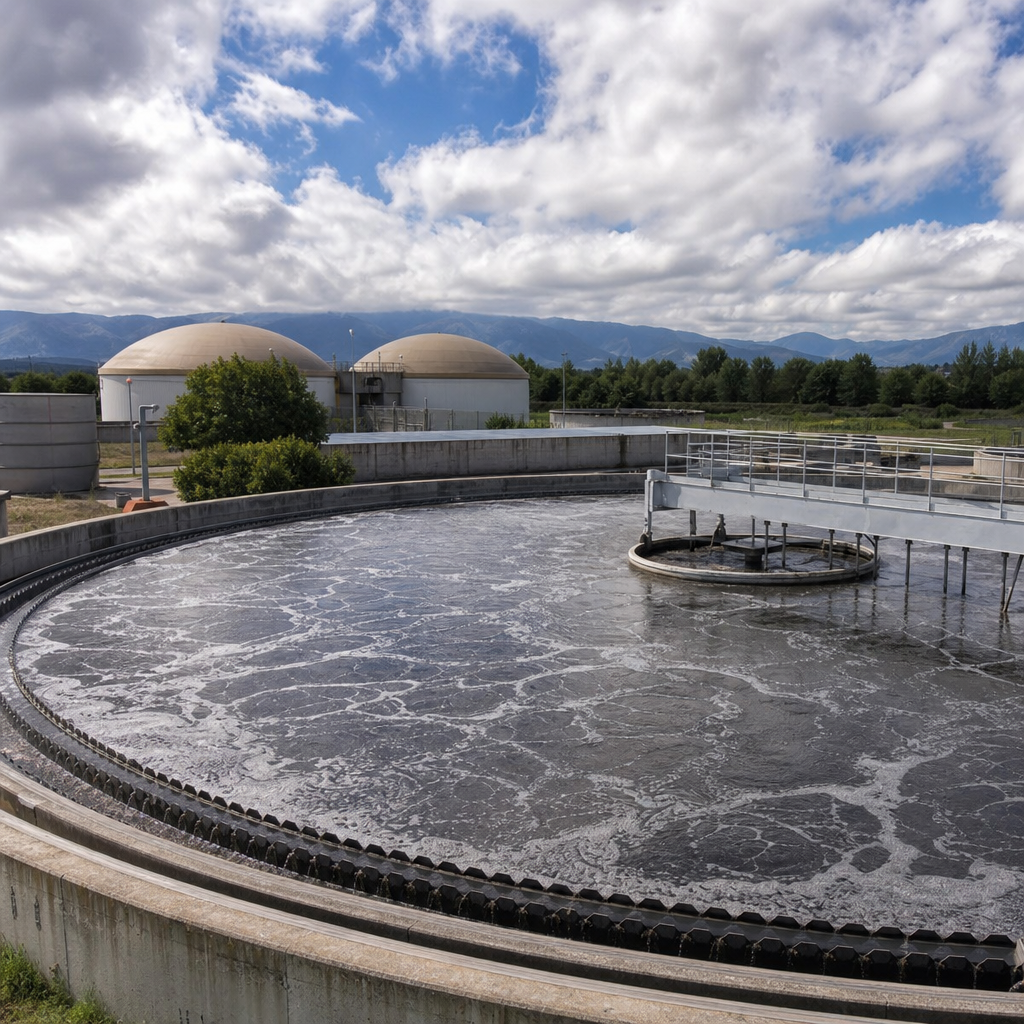
Promoting biodiversity through eco-friendly sanitation starts with a simple idea: the way communities collect, treat, reuse, and discharge water and waste directly shapes soils, rivers, wetlands, pollinator habitat, and the microbial life that underpins every healthy ecosystem. In sanitation, “eco-friendly” means systems designed to minimize pollution, conserve water and energy, recover nutrients, and protect surrounding species rather than merely moving waste out of sight. Biodiversity refers not only to visible plants and animals, but also to fungi, insects, aquatic organisms, and beneficial microbes that keep nutrient cycles, decomposition, and food webs functioning. I have worked with sanitation planning teams that focused first on compliance and cost, then discovered that decisions about toilets, pipes, treatment plants, sludge handling, and stormwater separation had major ecological consequences. This matters because poorly managed sanitation is a primary driver of eutrophication, pathogen contamination, habitat degradation, and chemical stress in freshwater and coastal environments. Sustainable practices in sanitation therefore belong at the center of environmental impact planning.
When sanitation fails ecologically, the damage is measurable. Untreated or partially treated wastewater adds nitrogen, phosphorus, organic matter, pharmaceuticals, detergents, and pathogens to receiving waters. Excess nutrients trigger algal blooms, lower dissolved oxygen, and create dead zones where fish, mussels, amphibians, and aquatic insects cannot survive. Chlorine residuals and ammonia can harm sensitive species even when systems technically meet outdated discharge assumptions. Leakage from sewers or poorly lined pits can alter groundwater chemistry and soil microbial communities. Conventional sanitation can also fragment habitat through heavy infrastructure footprints and high water withdrawals. By contrast, eco-friendly sanitation asks a broader question: how can waste management improve human health while also restoring ecological balance? That question leads to practical choices such as decentralized treatment, constructed wetlands, anaerobic digestion, composting toilets, urine diversion, nutrient recovery, greywater reuse, and green buffers around treatment assets. As a hub topic, sustainable practices in sanitation connects engineering, public health, regulation, conservation biology, and circular resource management.
Why sanitation choices determine biodiversity outcomes
Sanitation affects biodiversity through four main pathways: water quality, hydrology, nutrient flows, and land use. First, water quality determines whether streams and wetlands can support sensitive species. Elevated biochemical oxygen demand from sewage increases microbial respiration and strips oxygen from water, often wiping out mayflies, caddisflies, and other indicator species long before a river looks visibly polluted. Second, hydrology matters because combined sewer overflows, excessive impermeable surfaces, and poorly designed outfalls can cause flashier flows that scour stream beds, erode banks, and destroy spawning areas. Third, nutrient flows matter because sanitation can either leak nitrogen and phosphorus into ecosystems or recover them for fertilizer, reducing pressure on synthetic inputs. Fourth, land use matters because treatment facilities can become sterile industrial sites or multifunctional landscapes that support birds, amphibians, and native vegetation.
In practice, I have seen biodiversity improve when utilities stopped viewing treatment as an end-of-pipe task and instead mapped each stage of the sanitation chain against ecological receptors. A utility discharging into a low-flow river has different biodiversity risks than a coastal city with tidal dilution, and a rural settlement relying on pit latrines faces different groundwater and soil concerns than an urban area with aging sewers. The most resilient approach begins with a source-to-receptor assessment: what enters the system, how it is conveyed, what treatment barriers exist, where effluent and biosolids go, and which habitats sit downstream. This creates a direct line between sanitation management and measurable ecological outcomes such as macroinvertebrate diversity, wetland vegetation health, fish recruitment, and pollinator abundance in buffer zones.
Core sustainable practices in sanitation
Sustainable sanitation is not one technology. It is a set of practices that lower ecological harm across design, operation, maintenance, and end use. The most effective programs combine prevention, treatment, reuse, and habitat-sensitive siting. Source control is foundational: reducing fats, oils, grease, toxic cleaners, industrial contaminants, and unnecessary pharmaceuticals entering sewers makes every downstream treatment step more effective. Water efficiency also matters. Lower indoor water use reduces wastewater volumes, extends retention times in decentralized systems, and can shrink the energy footprint of pumping and aeration. Yet water savings must be balanced carefully, because very low flows in old sewers can increase solids deposition and septicity if systems are not redesigned.
Technology selection should fit local ecology, density, climate, and maintenance capacity. In dense urban districts, advanced nutrient removal at centralized plants may provide the strongest protection for rivers and estuaries. In peri-urban or rural settings, decentralized wastewater treatment systems can prevent costly sewer expansion while reducing disturbance to intact landscapes. Nature-based options are especially valuable where land is available and operators can support vegetation management. Constructed wetlands, for example, remove suspended solids, organic matter, and some nutrients while creating habitat for birds, amphibians, and invertebrates when designed with native species and proper mosquito control. Composting toilets and urine-diverting dry toilets can work well in water-scarce areas, provided there is disciplined user education and a safe end-use pathway for treated material. No system is automatically green; performance depends on operation, sludge management, and how well local institutions support the full sanitation service chain.
| Practice | Primary biodiversity benefit | Best-fit context | Key limitation to manage |
|---|---|---|---|
| Advanced nutrient removal | Reduces eutrophication in rivers, lakes, and estuaries | Large municipal plants | Higher energy and operator skill needs |
| Constructed wetlands | Creates habitat while polishing effluent | Peri-urban sites with land availability | Requires careful hydraulic and vegetation management |
| Anaerobic digestion | Lowers sludge volume and produces biogas | Utilities with significant biosolids streams | Capital cost and process stability |
| Composting or dry toilets | Conserves water and enables nutrient recovery | Water-scarce or off-grid areas | User acceptance and safe handling protocols |
| Greywater reuse | Reduces freshwater withdrawals and discharge loads | Buildings, campuses, resorts | Needs plumbing separation and monitoring |
Wastewater treatment that protects rivers, wetlands, and coastal life
The most immediate biodiversity gains usually come from better wastewater treatment. Secondary treatment alone is often not enough where receiving waters are nutrient-sensitive. Biological nutrient removal, tertiary filtration, and disinfection methods chosen with ecological care can substantially reduce stress on aquatic habitats. Nitrogen removal matters because nitrate and ammonia contribute to algal blooms and toxicity. Phosphorus removal matters because phosphorus is frequently the limiting nutrient in freshwater systems, so even modest discharges can trigger major ecological shifts. Utilities that upgrade from conventional activated sludge to processes with nitrification-denitrification and chemical or biological phosphorus removal often see downstream improvements in dissolved oxygen, water clarity, and species composition within a few monitoring cycles.
Disinfection deserves nuance. Chlorination is effective and widely used, but chlorine residuals can be harmful to aquatic life unless carefully dechlorinated. Ultraviolet disinfection avoids residual toxicity, though its energy use and lamp maintenance must be managed. I generally advise project teams to compare pathogen reduction, ecological toxicity, operator capacity, and lifecycle cost rather than assuming one method is universally superior. Sludge management is equally critical. A plant with excellent effluent quality can still harm biodiversity if biosolids are poorly stored, overapplied on land, or contaminated with industrial chemicals. Anaerobic digestion, thermal drying, and certified land application programs can reduce risks while recovering energy and nutrients. The strongest sanitation strategies treat effluent and solids as one environmental system, not separate compliance boxes.
Nature-based sanitation and habitat co-benefits
Nature-based sanitation stands out because it can deliver treatment and habitat at the same time. Constructed wetlands, waste stabilization ponds, vegetated swales, and reed beds are often dismissed as low-tech, yet well-designed systems can be highly sophisticated ecological infrastructure. They slow water, settle solids, foster microbial breakdown, and support nutrient uptake through plants and biofilms. In several projects I reviewed, polishing wetlands downstream of mechanical treatment reduced suspended solids and improved final effluent stability during storm events. More importantly for biodiversity, these landscapes became feeding and breeding areas for frogs, dragonflies, wading birds, and native wetland plants in places that had previously been fenced gravel lots.
The details determine success. Wetland cells need correct hydraulic retention times, inlet and outlet structures, species selection suited to local climate, and maintenance plans to prevent short-circuiting or invasive dominance. Mosquito concerns can be addressed through water movement, predator habitat, and avoidance of stagnant design features, rather than rejecting wetlands outright. Buffer planting around treatment works can also create pollinator corridors and reduce edge impacts on nearby streams. Utilities increasingly use biodiversity net gain principles, native planting plans, and ecological monitoring to turn treatment sites into landscape assets. This approach is especially powerful in industrial zones where habitat is scarce. Sanitation infrastructure need not be ecologically blank; with thoughtful design, it can reconnect fragmented urban ecosystems.
Nutrient recovery, circularity, and soil health
One of the most overlooked links between sanitation and biodiversity is nutrient recovery. Human waste contains nitrogen, phosphorus, potassium, and organic carbon that can support soil life when recovered safely. When these nutrients are lost to waterways, ecosystems suffer from pollution. When they are captured and returned to land under controlled standards, they can reduce dependence on synthetic fertilizers whose production and runoff carry their own environmental costs. Struvite recovery from wastewater streams is a clear example. By precipitating magnesium ammonium phosphate, treatment plants can reduce scaling problems and produce a fertilizer product. Biosolids composting, when feedstocks are well controlled, can improve soil structure, water retention, and microbial diversity in degraded landscapes.
There are limits and they matter. Nutrient recovery only supports biodiversity when contaminants are tightly managed. Industrial pretreatment programs are essential to keep heavy metals, PFAS, and other persistent chemicals out of sewage-derived products. Land application rates must match agronomic need and soil conditions to prevent runoff. Pathogen reduction standards, storage protocols, and traceability are nonnegotiable. I have found that the best circular sanitation programs coordinate utilities, farmers, regulators, and soil scientists from the start. That collaboration turns waste handling into watershed stewardship. Healthy soils support earthworms, mycorrhizal fungi, beneficial bacteria, and the plant communities that sustain birds and insects. In that sense, sustainable sanitation extends far beyond the treatment plant fence line.
Planning, monitoring, and governance for lasting results
Eco-friendly sanitation succeeds when governance is as strong as engineering. Utilities and municipalities need targets that go beyond permit compliance and include ecological indicators. Useful metrics include total nitrogen and phosphorus loads, dissolved oxygen in receiving waters, macroinvertebrate index scores, wetland vegetation cover, groundwater nitrate levels, biosolids contaminant profiles, and greenhouse gas intensity per cubic meter treated. Watershed-based planning is particularly effective because biodiversity does not respond to political boundaries. A treatment plant upgrade, septic management program, agricultural buffer initiative, and stormwater retrofit should be coordinated where they affect the same river system.
Standards and tools already exist to support this work. WHO sanitation safety planning helps identify hazards across the service chain. Water quality frameworks used by the U.S. EPA, the European Union Water Framework Directive, and many national regulators provide receiving-water objectives that can be linked to habitat outcomes. Asset management systems, GIS mapping, remote sensors, and environmental DNA monitoring now make it easier to detect failures early and understand species responses. For organizations building a sustainable practices in sanitation roadmap, the hub priorities are clear: control pollution at the source, match technology to context, recover resources safely, integrate nature-based design where suitable, and monitor ecological results over time. Start by auditing your sanitation chain against nearby ecosystems, then invest where biodiversity gains and public health gains align most strongly.
Promoting biodiversity through eco-friendly sanitation is ultimately about redesigning a basic public service so it supports living systems instead of degrading them. The strongest sustainable practices in sanitation reduce nutrient and pathogen pollution, conserve water, recover resources, create habitat, and manage risks across the full service chain from toilet to treatment to reuse or discharge. They also recognize tradeoffs: advanced treatment can raise energy demand, decentralized systems need reliable maintenance, and reuse depends on rigorous safety controls. Even so, the direction is clear. Communities that plan sanitation with ecological intelligence protect rivers, wetlands, soils, and coastal waters while improving human health resilience.
As a hub within environmental impact planning, this topic connects every related article on wastewater treatment, biosolids, water reuse, green infrastructure, decentralized systems, and regulatory strategy. The main benefit is practical: better sanitation decisions can produce cleaner water, healthier habitats, and more durable infrastructure at the same time. If you are reviewing sanitation policy, designing a facility, or updating an environmental program, begin with one question: how will this system affect biodiversity at every stage? Use that question to guide audits, upgrades, procurement, and monitoring, and you will build sanitation systems that serve both people and nature.
Frequently Asked Questions
1. What does eco-friendly sanitation have to do with biodiversity?
Eco-friendly sanitation and biodiversity are closely connected because sanitation systems influence the health of land, freshwater, wetlands, coastal areas, and even the microscopic organisms that keep ecosystems functioning. When wastewater and human waste are poorly managed, excess nutrients, pathogens, chemicals, and solids can enter rivers, lakes, and soils. That pollution can trigger algal blooms, reduce oxygen in water, harm fish and amphibians, degrade pollinator habitat, and disrupt the balance of beneficial microbes, fungi, and invertebrates. In contrast, eco-friendly sanitation systems are designed to prevent contamination at the source, reduce unnecessary water use, treat waste effectively, and recover useful resources such as nutrients, organic matter, and energy. By doing so, they help preserve healthier habitats for plants, insects, birds, aquatic species, and soil organisms. In practical terms, promoting biodiversity through sanitation means recognizing that toilets, drainage, treatment systems, and reuse practices are not isolated infrastructure decisions. They are part of a wider ecological system, and better sanitation choices can directly support cleaner waterways, richer soils, more resilient habitats, and stronger ecosystem health overall.
2. How can sanitation systems harm ecosystems when they are not designed sustainably?
Unsustainable sanitation systems can damage ecosystems in several ways, often gradually and across a wide area. One of the biggest risks is nutrient pollution. Untreated or poorly treated wastewater can release high levels of nitrogen and phosphorus into nearby water bodies, causing eutrophication, where rapid algae growth blocks sunlight and depletes oxygen. This can kill fish, stress aquatic plants, and reduce habitat quality for many species. Another major issue is pathogen contamination, which affects not only human health but also wildlife that rely on clean water sources. In addition, chemical inputs from household products, pharmaceuticals, and industrial discharges can interfere with aquatic organisms, alter reproductive cycles, and weaken food webs. Conventional systems may also consume large volumes of freshwater and significant amounts of energy, which places pressure on already stressed natural resources. In some regions, leaking pit latrines, failing septic systems, or inadequate sewer overflows can contaminate groundwater and surrounding soils, changing microbial communities and reducing soil fertility. Habitat disruption is another concern when sanitation infrastructure is built without considering wetlands, riparian zones, or natural drainage patterns. Altogether, poor sanitation design can lead to biodiversity loss not through one dramatic event, but through repeated pollution, habitat degradation, and resource depletion over time.
3. What are examples of eco-friendly sanitation approaches that support biodiversity?
There are several sanitation approaches that can help protect and even enhance biodiversity when they are properly planned, operated, and maintained. Constructed wetlands are a strong example because they use natural processes involving plants, soils, and microbial communities to treat wastewater while also creating habitat for birds, insects, and amphibians. Composting toilets and urine-diverting dry toilets reduce water use and can help recover nutrients safely, lowering the burden on waterways and centralized treatment systems. Decentralized wastewater treatment systems can also be more biodiversity-friendly when they prevent local pollution and allow treated water to be reused for landscape restoration or irrigation, reducing demand on freshwater ecosystems. Anaerobic digesters offer another useful option by converting organic waste into biogas and nutrient-rich byproducts, helping reduce uncontrolled waste discharge and reliance on fossil fuels. Nature-based solutions such as vegetated buffer zones, reed beds, and soil infiltration systems can improve water quality while supporting beneficial insects and soil life. Even conventional sewered systems can become more eco-friendly if they include advanced treatment for nutrients, energy-efficient operations, water reuse, and safe biosolids management. The most important point is that no single technology is universally best. The most biodiversity-supportive sanitation solution depends on climate, population density, water availability, local ecology, maintenance capacity, and public health requirements.
4. Why is nutrient recovery and water reuse important for protecting biodiversity?
Nutrient recovery and water reuse are important because they help turn sanitation from a waste-disposal model into a resource-management model. Human waste contains nutrients such as nitrogen, phosphorus, and potassium, all of which are essential for plant growth. If these nutrients are released untreated into rivers, lakes, or coastal waters, they can upset ecological balance and damage habitats. But if they are safely recovered and reused, they can reduce dependence on synthetic fertilizers, which themselves can contribute to habitat destruction, mining impacts, energy use, and runoff pollution. Water reuse works in a similar way. Instead of discharging all treated wastewater into the environment, properly treated water can be reused for irrigation, landscape restoration, groundwater recharge, or certain industrial purposes. This reduces extraction from rivers, aquifers, and reservoirs, leaving more water available to sustain wetlands, riparian ecosystems, and aquatic species. Recovering nutrients and reusing water also support climate resilience, especially in drought-prone regions where ecosystems are already under stress. The key, however, is safety and treatment quality. Reuse must be carefully managed to avoid introducing pathogens, salts, or contaminants into soils and habitats. When done well, nutrient recovery and water reuse help close ecological loops, reduce pollution, conserve natural resources, and create conditions in which biodiversity has a better chance to thrive.
5. What should communities consider if they want sanitation improvements to benefit biodiversity?
Communities should begin by treating sanitation planning as both a public health priority and an environmental strategy. That means looking beyond basic waste removal and asking how a system will affect nearby streams, groundwater, soils, vegetation, wetlands, and wildlife over the long term. A strong first step is understanding local ecological conditions, including flood risk, water scarcity, soil type, existing habitats, and sensitive species. Communities should also evaluate whether centralized or decentralized systems make the most sense and whether nature-based treatment options could provide added environmental value. Long-term operation and maintenance are just as important as initial design, because even well-designed systems can fail if they are not managed consistently. Monitoring water quality, nutrient levels, and ecological impacts helps ensure the system continues to protect both people and nature. It is also wise to consider resource recovery opportunities, such as compost, treated effluent reuse, or biogas production, to reduce environmental pressure elsewhere. Community engagement matters too, since local acceptance, user behavior, and maintenance practices often determine success. Finally, biodiversity-friendly sanitation works best when integrated with broader land-use planning, watershed protection, pollution prevention, and climate adaptation efforts. In other words, the goal is not simply cleaner sanitation infrastructure, but healthier relationships between communities and the ecosystems they depend on.