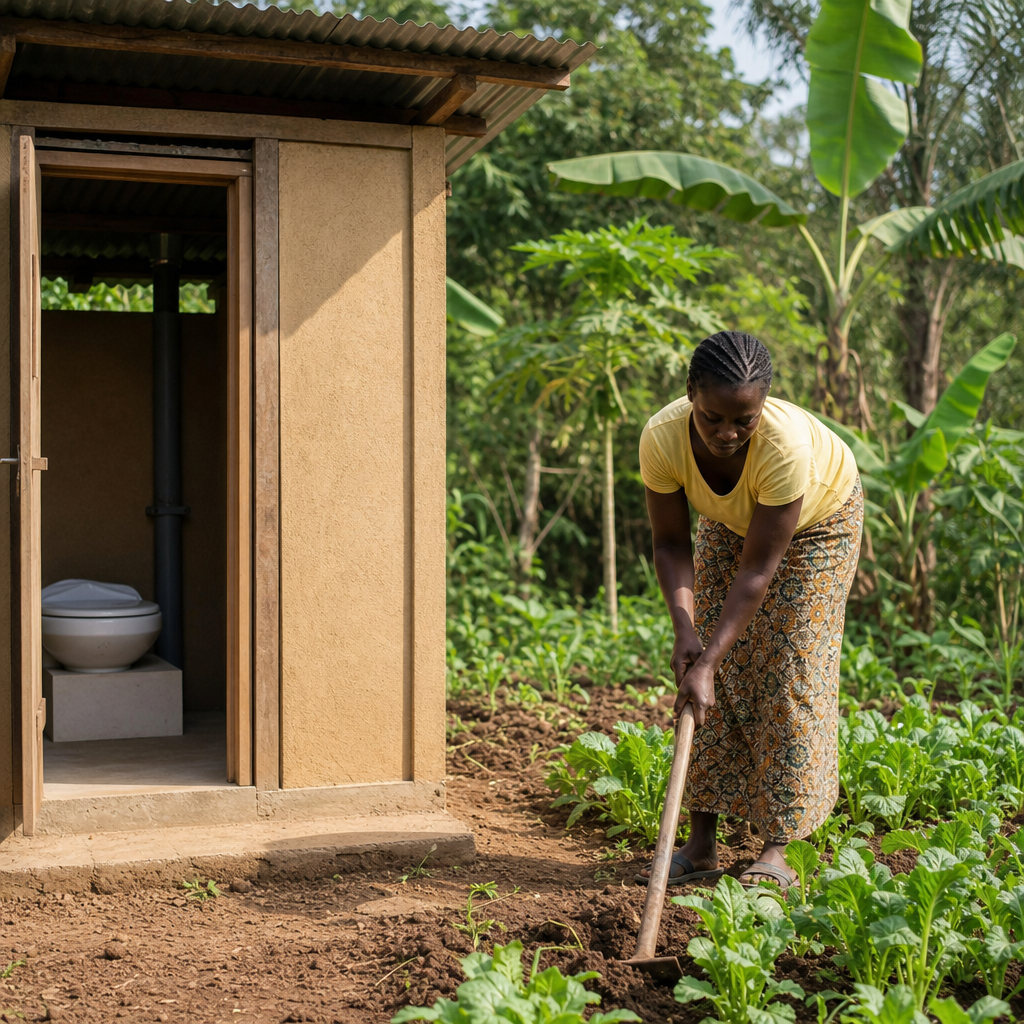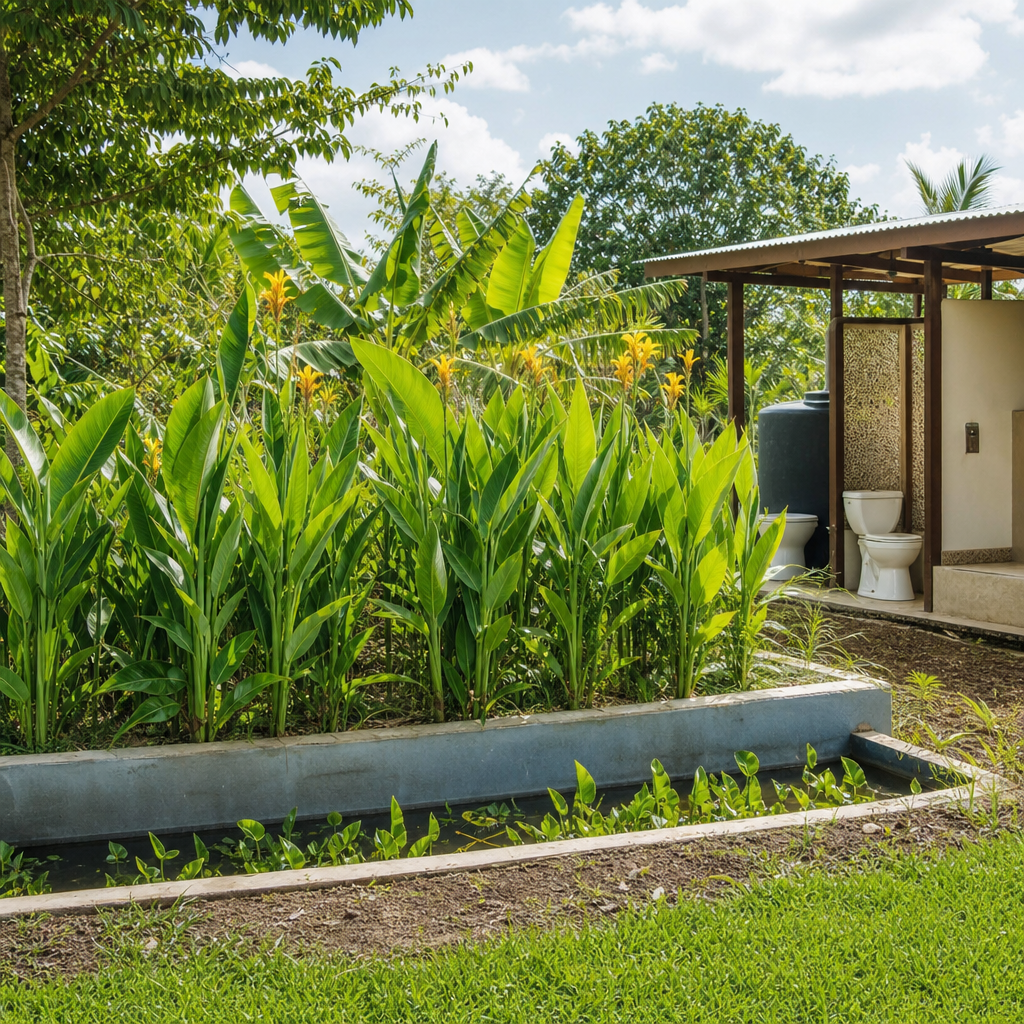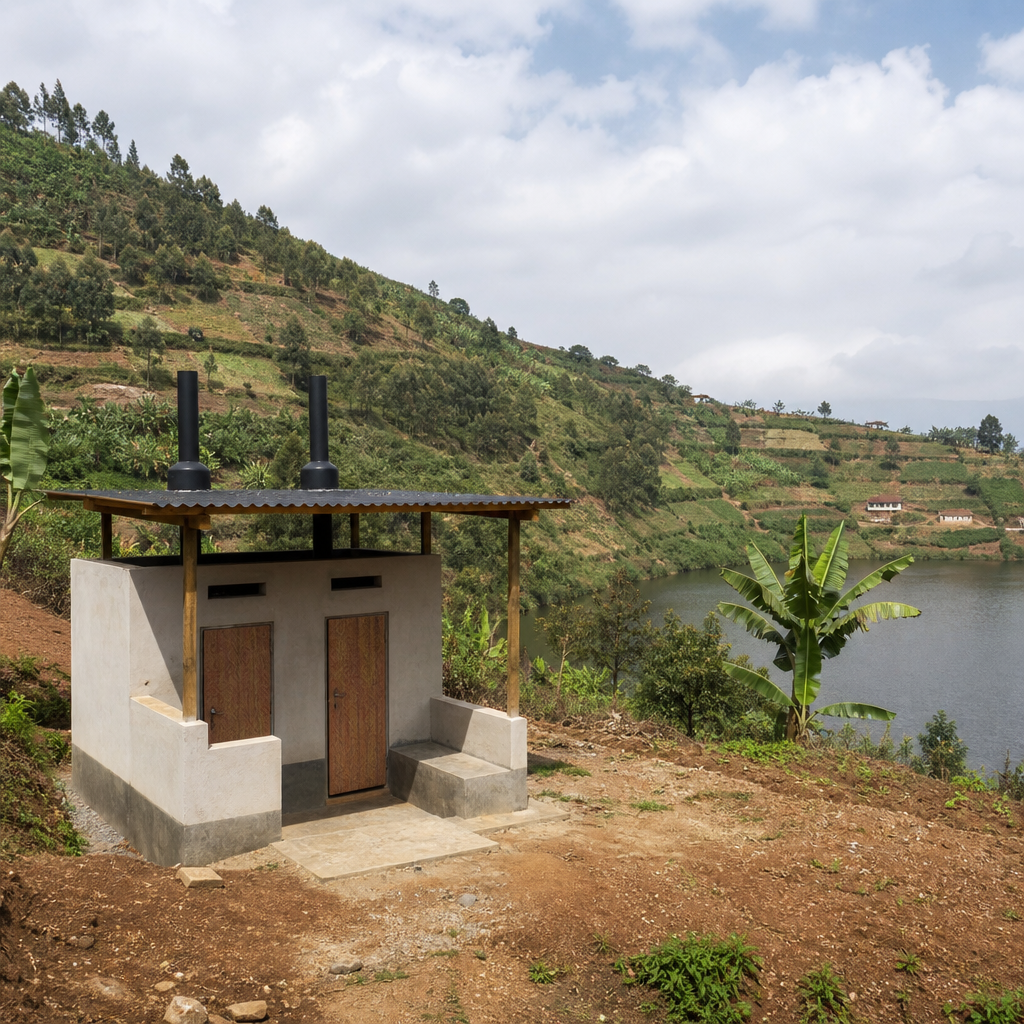
Building resilience against environmental degradation with EcoSan starts with a practical truth: sanitation systems shape soil health, water quality, public health, and the long-term stability of communities. EcoSan, short for ecological sanitation, is an approach that treats human waste not as a disposal problem but as a resource that can be safely recovered, transformed, and returned to productive use. In work across peri-urban settlements, schools, farms, and drought-prone rural districts, I have seen that this shift changes more than toilets. It changes nutrient flows, water demand, operating costs, and local confidence in environmental management.
Environmental degradation refers to the deterioration of ecosystems through pollution, resource depletion, biodiversity loss, erosion, and the disruption of natural cycles. Conventional sanitation can intensify these pressures when untreated sewage contaminates rivers, septic systems fail in flood zones, or centralized wastewater plants consume large amounts of energy and water. EcoSan addresses the same sanitation need through source separation, nutrient recovery, composting, urine diversion, dehydration, and reuse systems designed around local climate, culture, and agricultural demand. The goal is not simply waste treatment. The goal is circular resource management that reduces pollution while strengthening resilience.
This matters because sanitation and environmental sustainability are tightly linked. The World Health Organization and UNICEF have repeatedly shown that safely managed sanitation is foundational to health and development, yet the environmental side is often underexamined. Nutrients that could replenish soils instead drive eutrophication in lakes and coastal waters. Freshwater that could support households and ecosystems is flushed away. Infrastructure built for stable rainfall patterns struggles under climate stress, sea level rise, and informal urban growth. EcoSan offers an alternative framework for advancing environmental sustainability with systems that conserve water, cut nutrient losses, and function in places where sewer expansion is unrealistic. As a hub topic, EcoSan connects sanitation planning to climate adaptation, regenerative agriculture, circular economy principles, and community-led environmental stewardship.
What EcoSan Means in Environmental Practice
EcoSan is often described simply as composting toilets or urine-diverting dry toilets, but that definition is too narrow. In environmental practice, EcoSan is a systems approach that redesigns sanitation around safe containment, pathogen reduction, nutrient capture, and beneficial reuse. Common technologies include urine-diverting dry toilets, dehydrating vaults, composting chambers, container-based sanitation, and greywater infiltration or treatment units. The unifying principle is that excreta contain recoverable nitrogen, phosphorus, potassium, and organic matter. When managed correctly, those materials become inputs for agriculture or landscaping rather than pollutants.
The environmental logic is straightforward. Human excreta are part of the nutrient cycle. Conventional systems break that cycle by mixing excreta with large volumes of water, transporting it through expensive infrastructure, and often releasing partially treated effluent into waterways. EcoSan keeps waste streams more concentrated and manageable. Urine, which contains most of the nitrogen and a substantial share of the phosphorus and potassium, can be collected separately. Fecal matter can be dehydrated, composted, or otherwise treated to reduce pathogens before reuse. This source-separated model lowers contamination risk and creates clearer treatment pathways.
In field implementation, success depends less on the toilet unit alone than on the full service chain. Collection, storage time, moisture control, carbon additives, user training, protective equipment, and crop application rules all matter. The International Organization for Standardization has published standards relevant to non-sewered sanitation, including ISO 30500 for independently tested systems, and those standards help frame performance expectations. EcoSan is not improvised waste handling. It is structured sanitation engineering combined with agronomic planning and public health safeguards.
How EcoSan Reduces Pollution and Restores Natural Cycles
EcoSan reduces environmental degradation first by preventing direct pollution. In settlements with pit latrines near shallow groundwater, nitrate migration and microbial contamination are recurring risks, especially where soils are sandy or water tables rise seasonally. Urine diversion and sealed storage reduce the hydraulic load entering the ground. Above-ground or lined systems can be especially valuable in flood-prone areas where conventional pits overflow. I have seen coastal communities abandon low-lying pits after a single rainy season because saline intrusion and inundation made them unusable and unsafe. EcoSan offered a viable replacement because it decoupled sanitation from unstable subsurface conditions.
Second, EcoSan restores nutrient cycles. Agriculture removes nutrients from soils when crops are harvested, and many low-income farming regions struggle to replace them affordably. Synthetic fertilizers can be effective, but they are often costly, supply-sensitive, and energy-intensive to produce, particularly nitrogen fertilizers made through the Haber-Bosch process. Recovered urine can substitute for part of that nutrient demand when applied using agronomic guidance. Treated composted solids can improve soil structure, water retention, and microbial activity. That matters in degraded landscapes where soils have lost organic matter and become less resilient to drought.
Third, EcoSan conserves water. Flush toilets can use several liters per use, and in water-stressed regions that demand is environmentally significant. Dry or low-water EcoSan systems reduce pressure on freshwater sources and lower wastewater volumes requiring treatment. This benefit is not abstract. Municipalities facing rising pumping costs, intermittent supply, or watershed depletion can gain real resilience by reducing water-intensive sanitation dependency.
| Environmental challenge | How EcoSan responds | Practical example |
|---|---|---|
| Groundwater contamination | Separates urine and safely stores solids, reducing seepage and pathogen migration | Raised urine-diverting toilets in flood-prone settlements |
| Soil nutrient depletion | Recovers nitrogen, phosphorus, potassium, and organic matter for reuse | Urine applied to maize or vegetable plots under dilution and timing guidance |
| Water scarcity | Uses dry or near-dry sanitation, avoiding repeated flushing | Schools in arid districts lowering daily water demand |
| Eutrophication of rivers and lakes | Keeps nutrients out of wastewater discharge pathways | Container-based collection with off-site treatment and reuse |
| Climate vulnerability | Functions without sewers in flood, drought, or unstable terrain conditions | Above-ground systems in rocky or high-water-table zones |
Building Climate and Community Resilience Through EcoSan
Resilience means the capacity to absorb shocks, adapt to change, and maintain essential functions. EcoSan supports that capacity at both infrastructure and community levels. Sewer networks are valuable in dense cities, but they are capital-intensive, energy-dependent, and vulnerable to flooding, power outages, and treatment failures. Decentralized EcoSan systems distribute risk. If one unit fails, the whole settlement does not lose service. Repairs are often local, and expansion can happen incrementally rather than through massive network extensions.
Climate adaptation is one of EcoSan’s strongest environmental arguments. Drought increases the value of water-saving sanitation. Flooding exposes the weakness of pits and sewers that leak or overflow. Salinity intrusion compromises underground containment in coastal belts. Mountainous terrain and rocky ground raise excavation costs. In each of these conditions, ecological sanitation can be tailored to site constraints. Elevated vaults, urine-diverting pedestals, mobile container systems, and dry cover materials such as ash, sawdust, or dried soil allow service continuity when conventional designs become fragile.
Community resilience also improves when sanitation produces a visible local benefit. Farmers are more willing to support source separation when they understand the fertilizer value. Schools often maintain systems better when sanitation education is linked to gardens that use treated outputs. Women and girls benefit when toilets remain functional during water shortages or storms, reducing unsafe open defecation or long walks to distant facilities. The environmental gain is therefore tied to social reliability. A system that conserves nutrients but is abandoned after six months is not sustainable. A system that users can operate, maintain, and trust has a stronger long-term environmental effect.
Public Health Safeguards and the Limits of Poor Implementation
EcoSan only advances environmental sustainability when it is managed safely. That point needs emphasis because poorly run reuse systems can create health risks and undermine public acceptance. Pathogens in feces require robust treatment barriers. Depending on the design, these may include dehydration, extended storage, composting at adequate temperature, alkaline treatment, or off-site processing. The World Health Organization’s sanitation safety planning approach is useful here because it maps hazards from containment through reuse and identifies control measures. In practice, I rely on simple questions: Is the material sufficiently treated, is contact minimized, are users trained, and is final application crop-appropriate?
Urine is usually lower risk than fecal sludge, but it still requires careful handling, especially where cross-contamination occurs or where pharmaceuticals are a concern. Reuse protocols should define storage duration, dilution or direct application rates, crop timing, and worker protection. Fecal-derived compost should not be treated as identical to backyard compost unless verified treatment conditions are met. Environmental sustainability depends on these distinctions. Safe recovery builds trust; careless recovery damages it for years.
There are also operational limits. Some households dislike handling dry cover material. Some urban sites lack space for storage vaults. Supply chains for spare parts, containers, or collection services may be weak. Behavior change is essential because source separation fails when users add wash water, trash, or chemicals that disrupt treatment. These are not arguments against EcoSan. They are design requirements. The right response is to match the technology to user behavior, climate, density, and service capacity rather than forcing a one-size-fits-all model.
Designing EcoSan Systems for Long-Term Sustainability
Advancing environmental sustainability with EcoSan requires good design decisions from the start. Site assessment comes first: groundwater depth, flood risk, soil type, rainfall, space constraints, agricultural demand, and user preferences should all guide system choice. In dense urban areas, container-based sanitation with scheduled collection may outperform household composting units because it centralizes treatment control. In farming communities with land availability, urine-diverting dry toilets linked to reuse can be highly effective. Schools may need robust, low-maintenance superstructures and clear cleaning protocols more than technically sophisticated chambers.
Material selection matters too. Ventilation reduces odor and insect access. Urine diversion components must be easy to clean and shaped to minimize mixing. Vaults need moisture control, because excess liquid slows dehydration and increases odor. Access doors must allow safe removal without exposing fresh waste. Signage and user training are not optional extras; they are part of the engineering package. The best-performing installations I have worked with included straightforward visual instructions, a dependable supply of cover material, and a named local operator responsible for inspections.
Monitoring should track both service and environmental outcomes. Useful indicators include toilet functionality rates, fill times, contamination incidents, groundwater test results where relevant, quantities of recovered material, reuse uptake, and maintenance costs. When municipalities or NGOs measure only toilet construction numbers, they miss the real question: did the system reduce environmental harm over time? Long-term sustainability is proven through performance data, not installation counts.
Why EcoSan Belongs at the Center of Environmental Impact Planning
As a hub for environmental impact strategy, EcoSan belongs at the center because it connects sanitation with water stewardship, soil regeneration, climate adaptation, and circular local economies. It is not a niche idea for off-grid enthusiasts. It is a serious response to the environmental inefficiencies of linear sanitation models, especially where infrastructure gaps and ecological stress overlap. The strongest EcoSan programs combine safe technology, user education, service logistics, and clear reuse standards. When those elements align, the results are measurable: less nutrient pollution, lower water demand, improved soil productivity, and greater resilience under climate pressure.
The key takeaway is simple. Environmental degradation worsens when sanitation systems waste resources and spread pollution. EcoSan reverses that pattern by safely capturing nutrients, reducing wastewater burdens, and adapting to difficult local conditions. It does require disciplined design, monitoring, and public health safeguards, but those requirements are exactly what make it credible. If you are building an environmental sustainability roadmap, start by assessing where sanitation is currently driving pollution, water stress, or soil decline, and evaluate which EcoSan model can turn that liability into a resilient local asset.
Frequently Asked Questions
What is EcoSan, and how does it help communities build resilience against environmental degradation?
EcoSan, or ecological sanitation, is a sanitation approach designed to safely manage human waste in ways that protect ecosystems and recover valuable resources. Instead of treating waste as something to flush away and forget, EcoSan systems separate, contain, and process it so nutrients and organic matter can be returned to the land without contaminating water, degrading soil, or increasing disease risk. This matters because sanitation is directly tied to environmental resilience. Poorly managed waste can pollute groundwater, clog drainage channels, spread pathogens, weaken agricultural productivity, and place additional stress on already fragile landscapes. EcoSan helps interrupt that cycle.
In practical terms, EcoSan can strengthen resilience by reducing dependence on water-intensive sewer systems, lowering the risk of fecal contamination in rivers and wells, and supporting healthier soils through the safe reuse of treated outputs. In drought-prone or infrastructure-limited areas, this is especially important. Communities often need sanitation systems that function reliably even where piped water is scarce, sewer networks are absent, or flooding makes conventional pit systems unsafe. EcoSan offers a more locally adaptable solution.
It also supports long-term stability by connecting sanitation with food systems and environmental management. When properly managed, treated urine and composted fecal matter can help replenish nutrients in depleted soils, improve soil structure, and reduce the need for expensive synthetic fertilizers. That creates a practical resilience benefit: healthier land, more secure livelihoods, and less environmental damage from both waste disposal and conventional input use. In short, EcoSan helps communities protect water, restore soil, reduce health risks, and create more circular, climate-aware sanitation systems.
How does EcoSan protect water quality and reduce pollution compared to conventional sanitation systems?
One of EcoSan’s biggest environmental advantages is that it can dramatically reduce the movement of untreated or poorly treated waste into surrounding ecosystems. In many areas, conventional sanitation systems fail not because the concept is wrong, but because infrastructure is incomplete, unaffordable, poorly maintained, or mismatched to local conditions. Pit latrines may leach into groundwater, septic systems may overflow, and sewer systems may discharge inadequately treated effluent into waterways. EcoSan is designed to minimize those risks by containing waste more carefully and managing it as a recoverable resource.
Many EcoSan systems use source separation, meaning urine and feces are collected separately. This makes treatment more effective and reduces the volume of contaminated liquid moving into the environment. Because the system does not rely on flushing large quantities of water, there is less wastewater to transport pathogens and nutrients into drainage systems, streams, lakes, or aquifers. That is especially valuable in peri-urban settlements and rural districts where stormwater management is limited and where flooding can quickly spread contamination.
EcoSan also helps reduce nutrient pollution. When human waste is unmanaged, nutrients such as nitrogen and phosphorus can wash into water bodies, contributing to algal blooms, oxygen depletion, and ecosystem damage. With EcoSan, those nutrients can be captured and reused in agriculture under safe treatment protocols instead of becoming pollutants. The result is a sanitation strategy that not only prevents direct contamination but also supports a broader environmental goal: keeping nutrients in productive cycles and out of waterways. For communities facing water scarcity, polluted wells, or pressure on local ecosystems, that makes EcoSan a powerful tool for both public health protection and environmental stewardship.
Can EcoSan really improve soil health and agricultural productivity?
Yes, when EcoSan systems are properly designed, operated, and managed, they can make a meaningful contribution to soil health and agricultural productivity. The core principle is nutrient recovery. Human excreta contains nutrients that plants need, especially nitrogen, phosphorus, and potassium. In conventional sanitation systems, those nutrients are often lost through dilution, disposal, or pollution. EcoSan aims to safely recover them and return them to the soil in forms that can support crop growth and restore degraded land.
This is important because many communities dealing with environmental degradation are also dealing with declining soil fertility. Repeated cultivation, erosion, deforestation, and limited access to organic amendments can leave soils compacted, nutrient-poor, and less able to retain moisture. Treated EcoSan outputs, especially composted materials used according to safety standards, can help rebuild organic matter, improve soil structure, increase water-holding capacity, and support microbial activity. Those changes are central to resilience, particularly in drought-prone settings where every improvement in soil moisture retention and fertility can affect harvest outcomes.
That said, it is essential to be clear and responsible: the benefits depend on safe treatment, correct storage, appropriate handling, and alignment with public health guidelines. EcoSan is not simply about applying untreated waste to fields. It is about transforming waste through controlled processes so that it can be reused with minimal risk. Training, community acceptance, and monitoring all matter. When those pieces are in place, EcoSan can reduce fertilizer costs, strengthen local nutrient cycles, and contribute to more regenerative farming practices. For households, schools, and farming communities, that creates a practical bridge between sanitation, environmental restoration, and food security.
Is EcoSan a good option for drought-prone rural areas, schools, and peri-urban communities?
EcoSan is often a strong option in exactly those settings because it can be adapted to places where water is scarce, land is under pressure, and centralized infrastructure is limited or unreliable. In drought-prone rural areas, waterless or low-water EcoSan systems can reduce the burden of using precious clean water for flushing. That alone is a major resilience advantage. When communities are choosing between conserving water for drinking, cooking, farming, or sanitation, systems that use little to no water can significantly ease pressure on local resources.
In schools, EcoSan can offer both practical and educational benefits. A well-designed system can improve sanitation access, reduce odors and contamination, and create opportunities for environmental learning around nutrient cycles, hygiene, water protection, and sustainable land management. Schools can become demonstration sites that show students, teachers, and families how sanitation links to health and ecology. Of course, successful use in schools depends on proper maintenance plans, user-friendly design, clear roles for cleaning and upkeep, and age-appropriate hygiene education.
In peri-urban communities, EcoSan can be especially useful where population density is rising faster than sewer infrastructure. These areas often face a difficult mix of inadequate drainage, informal housing, shallow groundwater, and inconsistent waste services. Conventional approaches may be too expensive, too slow to deploy, or too vulnerable to flooding and system failure. EcoSan can provide a decentralized alternative that better fits local realities. However, suitability should always be assessed carefully. Factors like available space, user preferences, climate, governance capacity, cultural acceptance, and long-term service support all influence whether EcoSan will succeed. It is not a one-size-fits-all solution, but in many challenging environments, it is a highly practical and resilient one.
What does it take for an EcoSan project to be successful over the long term?
Long-term EcoSan success depends on much more than installing toilets. The strongest projects are built around complete service systems that include design, user education, routine maintenance, safe treatment processes, monitoring, and realistic plans for reuse or final handling. In other words, resilience comes from the whole sanitation chain working well, not from a technology unit standing alone. Communities need systems they understand, trust, and can manage over time.
User engagement is one of the most important factors. People need to know how the system works, why source separation or dry cover material matters, how hygiene is maintained, and what the environmental and agricultural benefits are. Without that understanding, even technically sound systems can be misused or abandoned. Training should be practical, repeated, and tailored to the local context. It should include not only households but also caretakers, school staff, local leaders, masons, and service providers.
Institutional support is equally important. Successful EcoSan programs usually have clear responsibilities for maintenance, supply chains for needed materials, guidance on treatment and reuse standards, and local ownership of decision-making. Financing matters too. While EcoSan can reduce some long-term environmental and water costs, communities still need affordable pathways for construction, upkeep, and service management. Monitoring should not be overlooked. Regular checks on cleanliness, functionality, containment, and reuse practices help protect public health and maintain confidence in the system.
Finally, the most durable EcoSan efforts are those that fit into broader environmental and development goals. When sanitation is linked with soil restoration, climate adaptation, school health, watershed protection, and local agriculture, the value of the system becomes much clearer. That broader integration helps communities see EcoSan not as an isolated sanitation intervention, but as part of a resilient strategy for protecting land, water, health, and livelihoods in the face of environmental degradation.